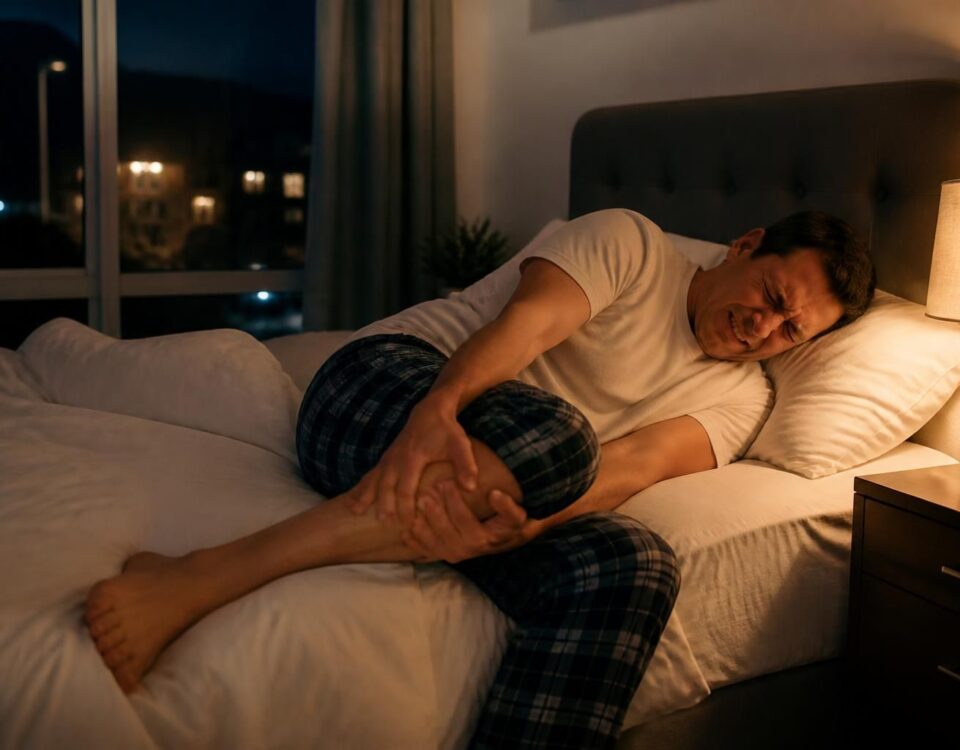
Sciatica in Montreal: pain that changes course over the days
27/08/2026
Sciatica and cold sensation in the foot: what should be checked?
27/08/2026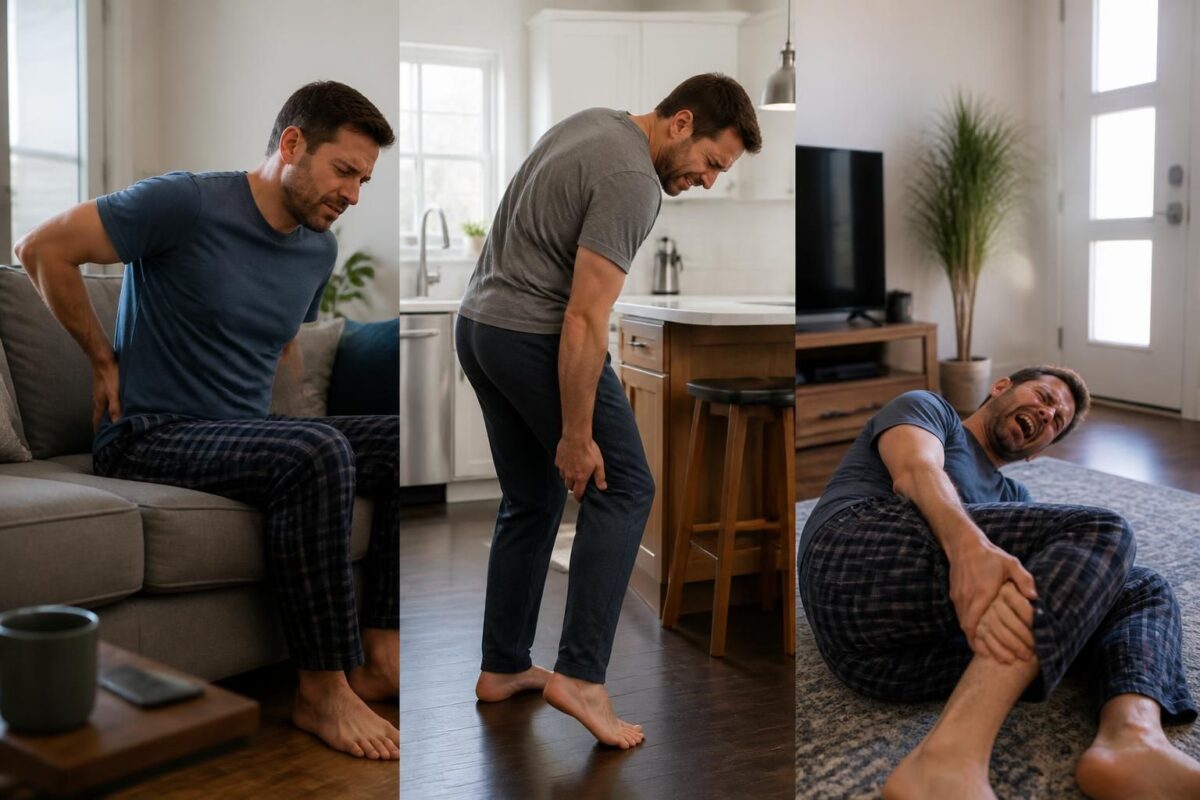
IN BRIEF
| In short, Sciatica in Terrebonne is a pain related to the sensitization of the sciatic nerve that can change its pathway over the days, ranging from the lower back to the feet. In Terrebonne and surrounding areas, it is primarily understood and treated through non-surgical approaches aimed at reducing pain, restoring mobility, and strengthening the lumbar muscles through postural advice and adapted exercises. The main benefits include: sustainable reduction of pain, improvement of mobility, prevention of recurrences, and maintaining physical activity without excessive pain. The functioning relies on targeted assessment, postural advice, an exercise program, and lifestyle adjustments, allowing one to stay active while managing the variable pathway of symptoms. |
In Terrebonne, sciatica often manifests as a pain that can change its pathway from one day to the next. The sciatic nerve, a long route from the lower back to the toes, can project pain from the lumbar area down the leg, associated with paresthesia and sometimes weakness. Common causes include a herniated disc or foraminal stenosis, which irritate the nerve root and cause varying painful pathways depending on the affected location.
This article, written by a health professional expert in spinal pathologies, presents sciatica in Terrebonne and the reality of pain that can change its pathway from one day to the next. You will find clear explanations about possible causes, the role of diagnosis, and care options within the TAGMED Clinic, without promises of miracle treatments.
What is sciatica?
Sciatica is pain that follows the pathway of the sciatic nerve. The sciatic nerve is the longest in the body. It originates from the L4-L5-S1-S2 roots and runs through the buttock, the back of the thigh, the calf, and can reach the toes. The pain may be associated with paresthesia and a pulling or electric shock sensation along this pathway.
Why can the pathway change from day to day?
The sciatic nerve is long and passes through several muscular and bony structures. Inflammation, pressure, or sensitization of the nerve roots can vary with movements, postures, and activities. Thus, pain may shift between the lower back, buttock, thigh, calf, and even the toes from one day to the next.
Possible causes and clinical indicators
Pain in the sciatic nerve often results from irritation or sensitization of a nerve root. A herniated disc is a common cause, but foraminal stenosis or lumbar osteoarthritis can also play a role. A deep gluteal syndrome (myofascial) may arise when certain deep muscles in the buttock compress or irritate the sciatic nerve.
To enhance your understanding, you can consult dedicated resources on factors related to herniated disc and recurrence and other information on permanent numbness and warning signs.
Evaluation and diagnosis
The evaluation is based on the analysis of the painful pathway, muscle strength, sensitivity, and walking. Signs indicating stable radicular irritation rather than progressive deficit or hip disorder are sought. Imaging is considered when the result could influence the treatment direction.
Available approaches at TAGMED
At the TAGMED Clinic, non-surgical approaches may be offered after evaluation. These may include specific osteopathy and adapted manual techniques. The motorized neurovertebral decompression may be considered in certain cases, depending on the evaluation. The goal is to reduce pain while preserving mobility and function, without systematically resorting to surgical intervention.
To learn more about the options and contexts of application, refer to specialized resources on Sos Sciatique and explore information related to decompression on Neurovertebral Decompression.
The TAGMED Clinic can be consulted for an evaluation and tailored plan. You can find the available services at TAGMED Clinic.
When to seek prompt consultation
Seek prompt medical attention if you experience significant or progressive weakness, a loss of bladder or bowel control, numbness in the saddle area, fever, recent trauma, very intense pain, or rapid worsening of symptoms. These signals may require urgent medical evaluation.
What you can do daily
Adopt a neutral posture and avoid positions that aggravate pain for long periods. Vary your positions when possible and support your back while sitting. Stay active within your tolerance level and avoid efforts that expose the spine to repeated stress.
Useful links and resources
To deepen your understanding, you can consult the following resources:
Permanent numbness and warning signs
Lumbar pain and irradiation along the pathway
For decompression and associated approaches, see Neurovertebral Decompression.
For general and contextual information, consult Sciatica in Terrebonne – calf pain and TAGMED Clinic.
Medical disclaimer: The information and advice provided on this site do not replace the opinion, diagnosis, or treatment of a healthcare professional. Please note that Dr. Sylvain Desforges, osteopath, is neither a medical doctor nor a physician, and is not a specialist in any medical specialty as defined by the Collège des médecins du Québec. Manual medicine, functional medicine, and sports medicine as described on this site exclude any medical treatment or diagnosis performed by a doctor or specialist. Always consult your physician for any medical questions. For more details, please read our full Legal Notice.
Sciatica in Terrebonne: pain that changes path over the days
- Changing trajectory: pain starts from the lower back and can rise to the buttock, thigh, calf, and toes.
- Fluctuating intensity: variation from day to day.
- Paresthesias and electric sensations along the path.
- Triggers: prolonged sitting, repeated effort, fatigue.
- Signs of progression: gradual weakness or loss of sensitivity.
- Stay active: light walking and adapted exercises.
- Posture and activity: straight back, lumbar support, breaks; avoid positions that worsen.
- Recommended activities: walking, light swimming, stationary cycling.
- When to consult: persistence after a few days or appearance of marked weakness.
- Management: osteopathic evaluation and personalized plan.
- Goals: reduce pain, maintain mobility and lumbar-pelvic strength.

This article offers practical recommendations for sciatica in Terrebonne, especially when the pain evolves and changes path from day to day. You will find simple explanations of possible causes, daily advice to limit symptoms, and clear indications of when to consult a professional for an evaluation tailored to your situation.
Understanding why the pain changes path
The sciatic nerve is the longest in the body and runs all the way from the buttock to the feet. Therefore, the pain can shift along this path depending on the irritated or sensitized areas, which can vary from day to day. The nerve roots L4-L5-S1-S2 may be involved, and pressures or inflammations at different points can modify the path where you feel the pain, paresthesias, and potential weakness. In this context, pain that “goes up or down” throughout the day is not uncommon and may reflect a combination of mechanical, postural, and inflammatory factors present in your lumbar region and in the buttock and leg areas.
Signs and symptoms to watch for
Typical symptoms include a pain that may start in the lower back and radiate to the buttock, thigh, calf, and sometimes to the toes. Paresthesias (tingling or “electricity” sensations) and a loss of strength or endurance in the leg can accompany this pain. The exact path may change from day to day, especially after repetitive movements, changes in position, or prolonged sitting. Symptoms aggravated by stretching the sciatic nerve or by prolonged sitting require appropriate evaluation to adjust the care plan.
What you can do today
Adopt a favorable posture and simple gestures
Keep your back straight while standing or sitting and favor alternating positions (sitting/standing) to limit pressure on the nerve roots. Avoid positions that excessively stretch the sciatic nerve, such as prolonged sitting with straight legs. Use lumbar support when sitting and keep your feet flat on the floor. Avoid crossing your legs and limit motions involving bending forward with loads.
Adapted physical activity and mobility
Stay active without aggravating your symptoms. Gentle activities like walking, swimming, or elliptical training can promote circulation and recovery. Incorporate lumbar-pelvic strengthening exercises and targeted stretching, done gradually and tailored by a professional. The aim is improved muscle function and better spinal stability without increasing pain.
Pain management and non-surgical options
Alongside exercises, discuss with a professional the possible options to temporarily reduce pain and promote mobility. Manual approaches, postural advice, and, if necessary, medication or foraminal blocks may be considered as part of a personalized and supervised plan. The goal is to allow you to gradually resume your activities while protecting the nerve path.
When to consult and what to prepare for Terrebonne
Consult quickly if you observe new warning signs such as loss of bladder or bowel control, numbness in the saddle region, significant or progressive weakness in a leg, fever, or recent trauma. In the Terrebonne area, an adapted multidisciplinary evaluation may help identify the cause(s) and implement an effective and measurable treatment plan, including exercises, manual therapies, and advice on posture and daily activities.
Benefits of coordinated care
An integrated approach, combining osteopathy, physiotherapy, and ergonomic advice, can help reduce pain while improving lumbar-pelvic mobility and strength. Follow-up allows for the plan to be adjusted over the days, especially when the painful pathway evolves. By working on posture, mobility, and strengthening, you increase your chances of lasting functional recovery and reducing recurrences in daily life in Terrebonne.
| Aspect | Concise description |
|---|---|
| Pathway evolution | Pain can change its pathway over the days, moving from the lower back to the buttock, then to the thigh, calf, and sometimes to the foot. |
| Pathway of the sciatic nerve | The sciatic nerve runs down the leg; symptoms follow this pathway, from the lumbar region to the toes. |
| Typical signs | Paresthesia and pain, often more pronounced in the leg than in the back. |
| Common causes | Common causes: irritation of a nerve root related to a herniated disc or lumbar osteoarthritis. |
| Impact on activities | Walking, sleeping, and exercising can be affected; adaptation of activities is necessary. |
| Local evaluation | In Terrebonne, the evaluation targets the pathway of symptoms and neuromuscular function to guide treatment. |
| Therapeutic approach | Active and personalized plan: mobility, strengthening, and postural advice, tailored to daily life. |
| Exercises and movement | Maintain activity with appropriate exercises; favor low-pain and regular activities. |
| Urgency and vigilance | Red flag signs: new and progressive weakness, loss of urinary or bowel control, fever, or major trauma requiring swift evaluation. |
Testimonials on Sciatica in Terrebonne: pain that changes pathways over the days
“In Terrebonne, my sciatica kept changing its pathway: one day, the pain moved from my lower back up into the buttock; the next day, it went down the thigh and sometimes to the foot. This pain on the move prevented me from sleeping and planning my days.”
“I experienced a pain that moved along the entire pathway of the sciatic nerve, making each day uncertain. In Terrebonne, I found support that helped me understand this phenomenon and limit its impact on my life.”
“After the first adjustments, the numbness and the pathway that changed locations began to stabilize. The personalized plan in Terrebonne allowed me to stay active, strengthen my muscles, and reduce the pain.”
“Today, the sciatica in Terrebonne shows clear progress: the pain still moves sometimes, but less so and it follows a more predictable route. I can resume my daily activities and sports without the pathway stopping me.”
Dr. Sylvain Desforges, an osteopath expert in manual medicine and a holistic approach to pain, is active in Terrebonne and leads care within TAGMED clinics. His work is centered on the patient, aiming to reduce pain, restore mobility, and improve quality of life, with a particular focus on issues related to sciatica and their fluctuating trajectory in daily life.
When pain affects the sciatic nerve, it doesn’t always follow a fixed path. Many describe a pain that “moves” from one pathway to another in just a few days: from the lower back to the buttock, then to the thigh, calf, and sometimes to the toes. This variability is common and can be linked to increased sensitivity of the nerve root, rather than a completely blocked nerve. In the context of an evaluation in Terrebonne, it is crucial to accurately map this moving pathway to identify the most affected areas and adjust treatment accordingly.
The sciatic nerve is made up of nerve roots from the lumbar and sacral segments, notably levels L4-L5-S1-S2. This nerve, which can be present in each leg, runs the entire pathway from the lower back, passes behind the buttock, and extends to the foot. It performs both sensory and motor functions, transmitting skin sensations and controlling certain muscles of the lower limb. This dual function explains why symptoms can combine pain, paresthesia, and muscle weakness, and why their location can vary from day to day and with different activities.
The causes associated with this pain can be diverse. In most cases, it is irritation or sensitization of a nerve root that occurs, for example, in the presence of a damaged disc (herniated disc) or spinal canal stenosis. Occasionally, deep muscular factors or degenerative lumbar conditions (arthritis) also contribute to the picture. The typical pattern involves repeated efforts or poor postures promoting root irritation, with a painful pathway that can change depending on movements, positions, and activities performed during the day.
The management proposed by Dr. Sylvain in Terrebonne relies on a thorough assessment of the symptoms’ pathway and their functional impact. The plan includes targeted osteopathic techniques, possibly supplemented by non-invasive approaches such as motorized decompression, modalities like laser therapy and shockwave therapy, and a personalized exercise program. The objective is not only to calm the pain but also to strengthen lumbar-pelvic stability, improve mobility, and educate the patient about daily movements and beneficial postures. The approach is evidence-based and fits within a framework adapted to the context of Terrebonne, with particular attention to the individual journey of each patient.
For patients whose painful pathway evolves over the days, the support unfolds around a key principle: stay active without excessive strain and prioritize activities compatible with the pain. Practical advice is included in the care plan, notably postural adjustments, strategies to limit prolonged sitting positions, and progressive exercises to promote flexibility, strength, and endurance of back and gluteal muscles. The patient is supported in choosing physical activities that aid recovery without worsening symptoms, with regular follow-up to reassess the pain trajectory and adjust treatment accordingly.
In his practice in Terrebonne, Dr. Sylvain prioritizes a therapeutic relationship based on listening, explaining mechanisms, and sharing goals. His approach aims to equip the patient with the necessary tools to control pain, improve stability, and gradually resume activities and sports that bring well-being and autonomy. An effective management of sciatica relies on a precise understanding of the painful pathway and a personalized therapeutic strategy tailored to each day and each movement.
This summary focuses on sciatica in Terrebonne and on the pain that can change its pathway over the days, with explanations on the mechanisms, triggering factors, and non-surgical management options to relieve and stabilize symptoms.
The phenomenon of sciatica whose pathway evolves from day to day is explained by Radicular sensitization of the sciatic nerve. The painful pathway can fluctuate between the lower back, the buttock, the thigh, the calf, and even down to the toes, depending on muscle tension, inflammation, and adopted positions. This variability is not uncommon and reflects the complex dynamics between the nerve, surrounding structures, and everyday movements.
In Terrebonne, an effective evaluation involves linking the clinical history to the pathway of symptoms and examining neurological function to determine if a conservative approach is appropriate. Resources like Chronic Sciatica Terrebonne provide a useful contextual framework to guide clinical decisions, while remaining vigilant to any neurological progression or lack of progress with the initial treatment.
The treatment aims to reduce pain while restoring mobility and muscle strength. A combination of targeted exercises, postural advice, and manual therapy techniques—within the framework of a personalized program—can help reduce inflammation and stabilize the pathway of symptoms. Recourse to physiotherapy and non-surgical interventions may be considered when the evaluation justifies it, and resources like understanding the pathway of pain and intermittent numbness can shed light on the understanding of symptoms.
To limit daily fluctuations, prioritize simple habits that are compatible with your condition. Avoid prolonged sitting positions, alternate workstations, and ensure appropriate lumbar support while seated. Practices such as regular walking, swimming, or other activities that do not exacerbate pain are useful for maintaining mobility and reducing tension on the nerve pathway. Resources like car seat tilt can help optimize positions in the car and at work.
To delve deeper and better understand the factors influencing the pathway of pain, you can consult various resources. For example, road vibrations and their influences, calf, heel, or outer edge of the foot pain, and foot weakness and sciatica Montreal: when to consult quickly. For a general perspective, you can also consult Sciatica: recognize and relieve neuralgia.

Sciatica in Terrebonne: heavy leg or painful leg?
IN BRIEF Sciatica is pain that follows the path of a nerve root from the lower back to the leg, with sensations of pain, burning, or numbness. In Terrebonne, management favors non-surgical and progressive approaches to relieve the painful leg…

Sciatica in Terrebonne: nighttime pain in the leg
IN BRIEF In brief, nocturnal sciatica is a pain that starts from the lower back and radiates to the leg, sometimes waking you up at night. In Terrebonne, non-invasive management can reduce nighttime awakenings and improve sleep, while preserving mobility…

Sciatica in Terrebonne: pain from the lower back to the calf
IN BRIEF Sciatica is pain that follows the path of the sciatic nerve, starting from the lower back and radiating down the leg to the calf or foot. In Terrebonne, local evaluation allows for quick identification of the causes and…

Sciatica in Terrebonne: hip pain or true nerve radiation?
IN BRIEF Sciatica is a pain that follows the path of the sciatic nerve, from the lower back to the foot. In Terrebonne, it can manifest as pain in the hip or as true nerve irradiation. Key benefits: pain reduction,…

Sciatica pain in Terrebonne: incomplete journey, should we be worried?
IN BRIEF The subject is sciatic pain in Terrebonne, which can follow the incomplete path of the sciatic nerve and project pain down to the foot. Key benefits: pain reduction, improved mobility, and prevention of recurrences through tailored exercises and…

Sciatica in Terrebonne: pain towards the little toe and S1 root
IN BRIEF In brief, sciatica associated with pain towards the little toe and the S1 root is a neuropathic pain that follows the path of the sciatic nerve and often results from compression or irritation of the affected lumbar root.…

Sciatica in Terrebonne: pain towards the top of the foot and L5 root
IN SHORT The Sciatica in Terrebonne with pain radiating to the top of the foot and probable involvement of the L5 root describes a radicular injury manifested by pain following the nerve path, sometimes accompanied by numbness or weakness. The…

Sciatica in Terrebonne: pain radiating to the outer edge of the foot
IN BRIEF Concise definition: Sciatic pain that reaches the outer edge of the foot follows the path of the sciatic nerve from the lower back to the foot. Benefits and applications: In Terrebonne, a conservative approach provides quick and safe…

Dr Sylvain Desforges, B.Sc., D.O., N.D., osteopath, is the founding president of TAGMED and of the ACMA association. He dedicates his practice to chronic spinal pain, low back pain and symptoms compatible with sciatica, particularly when pain radiates toward the buttock, leg, calf, foot or toes.
Through SOS Sciatique, he publishes educational content on sciatica symptoms, possible causes such as disc herniation, disc narrowing, foraminal stenosis or irritation of a lumbar nerve root, as well as non-surgical approaches that may be considered according to the evaluation. At Clinique TAGMED, care may include, depending on the case, motorized neurovertebral decompression, specific osteopathic care or precision percussion.
For an evaluation related to sciatica treatment in Montreal / Mount Royal or sciatica treatment in Terrebonne, please consult the services available at Clinique TAGMED.
Medical disclaimer
The information published on SOS Sciatique is provided for educational purposes only and does not replace a consultation, diagnosis, opinion or treatment provided by a physician or another authorized healthcare professional. The author of this article is neither a medical doctor nor a specialist in a medical specialty recognized by the Collège des médecins du Québec. The osteopathic, manual medicine or functional support approaches described on this site do not constitute medical acts and are not intended to replace medical follow-up.
Consult a physician or emergency service in cases of loss of bladder or bowel control, anesthesia in the saddle area, significant or progressive weakness in the leg or foot, fever, recent trauma, severe pain or rapid worsening of symptoms. For more details, please read our Legal Notice.