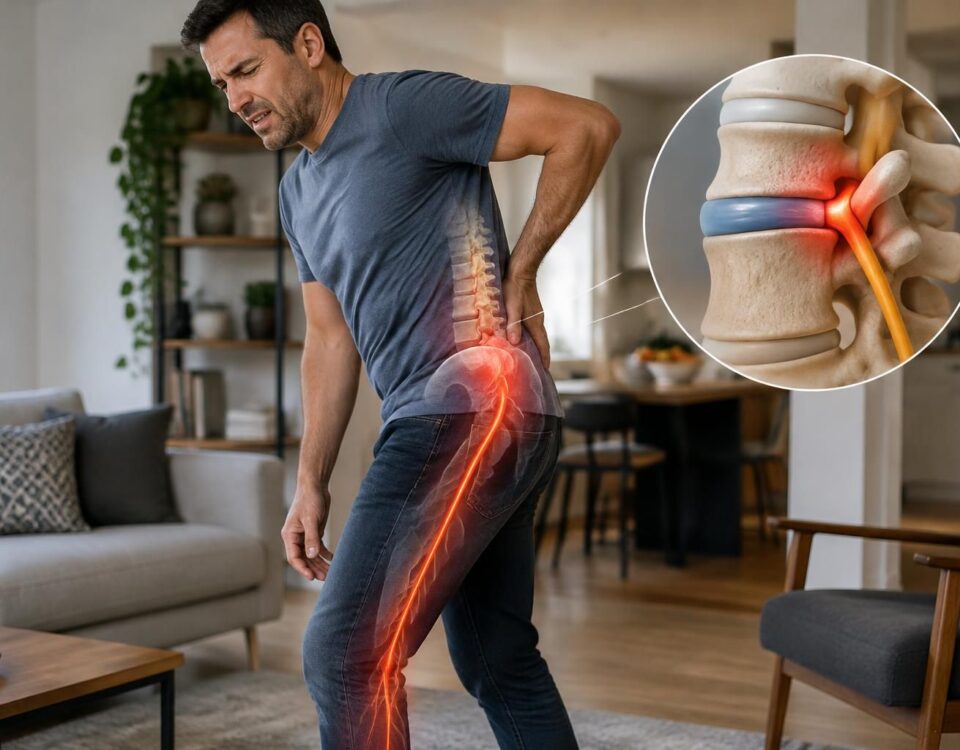


Sciatica and tingling in the heel: possible S1 root
25/08/2026
Sciatica and prolonged braking: tension in the leg
25/08/2026
IN BRIEF
| In brief, herniated disc and recurrence of sciatica refer to a disc protrusion and the reappearance of pain related to the sciatic nerve. Possible factors include postural habits, repeated efforts, a too-rapid return to activities, and muscle weaknesses following a painful episode. The benefits of understanding these factors are to better prevent relapses and to guide rehabilitation and treatments toward appropriate solutions (posture, adapted physical activity, physiotherapy or osteopathy). Available in Montreal, this approach aims to reduce pain and improve mobility while preventing recurrences through targeted rehabilitation and regular follow-up. |
Brief summary: The Herniated disc can be the cause of sciatic pain. The recurrence of sciatica is possible and depends on several factors, including lifestyle, posture, and rehabilitation.
- Mechanical and postural factors: rapid return to activities, sudden movements, heavy lifting, and inadequate posture.
- Lifestyle factors: overweight, sedentary lifestyle, smoking.
- Rehabilitation factors: insufficient rehabilitation, persistence of neuropathic pain or tingling.
- Surgical factors: persistent post-operative pain, risk of recurrence, sometimes rare infection or hemorrhage.
- Neurological factors: residual nerve compression or mild motor deficit potentially indicating a recurrence.
This article, written by a healthcare professional and expert, outlines the possible factors related to herniated discs and the recurrence of sciatica. It describes the mechanisms, risks, and signs to watch for, as well as the prevention approaches and management suited to medical assessment. The goal is to help patients and professionals understand the elements that may influence the return of pain and to guide clinical decisions.
Mechanical and Anatomical Factors
The recurrence may be related to the location of the affected disc and involvement of adjacent segments. A damaged disc can exert repeated pressure on the nerve root, causing recurring sciatic pain. Repetitive movements, minor trauma, or excessive loads can trigger pain that resembles a recurrence. The health of the tissues surrounding the spine and the stability of the posterior joints also play a role.
Factors Related to Intervention and Recovery
The type of intervention and healing influence the risk of recurrence. Insufficient healing, persistent inflammation, or residual nerve irritation can promote a return of symptoms. Following a recovery plan and medical supervision allows for early detection of signs of recurrence and adjustment of the therapeutic approach.
Lifestyle and Activity Factors
Lifestyle plays an important role. Overweight, smoking, and insufficient physical activity increase stress on the spine and may promote episodes of pain. Maintaining proper posture and engaging in progressive physical activity under clinical supervision helps support the spine and reduce the risks of recurrence.
Recurrence and Sciatic Pain: Signs to Watch For
Lower back pain radiating to the buttock or leg, tingling, weakness, or loss of sensation may signal a recurrence. Rapid aggravation or neurological signs require urgent medical evaluation to clarify the origin and adjust the treatment.
Prevention and Management: General Approach
Prevention relies on regular medical follow-up and supervised rehabilitation. A physician’s assessment helps identify individual risk factors and adjust preventive measures. A comprehensive approach may include weight management, improved posture, and advice on activities to prioritize, while avoiding unsupervised exercises. Therapeutic options at TAGMED clinic may be considered based on the evaluation, as part of a personalized plan.
For further information, see the following resources:
Sciatica Terrebonne,
Neurovertebral Decompression,
Herniated Disc and Recurrence,
Herniated Disc and Recurrence,
TAGMED Clinic,
Carpal Tunnel and Back,
SOS Sciatica.
Medical Disclaimer: The information and advice provided on this site do not replace the opinion, diagnosis, or treatment of a healthcare professional. Please note that Dr. Sylvain Desforges, osteopath, is neither a doctor of medicine nor a physician, and is not a specialist in a medical specialty as defined by the Collège des médecins du Québec. Manual medicine, functional medicine, and sports medicine as described on this site exclude any treatment or medical diagnosis made by a medical doctor or specialist. Always consult your physician for any medical questions. For more details, please read our full Legal Disclaimer.
Herniated Disc
- Advanced age and disc degeneration
- Overweight and repeated strain on the back
- Poor posture and frequent twisting motions
- Trauma or abrupt lifting
- Smoking and disc dehydration
- Heredity and biomechanical factors
Recurrence of Sciatica
- Quick return to activity after pain or surgery
- Insufficient rehabilitation or inappropriate program
- Muscle weakness of the trunk and pelvis
- Poor posture and repetitive heavy loads
- Disc recurrence or persistent nerve irritation
- Inflammatory factors and neuropathic pain

This guide brings together practical recommendations concerning herniated discs and recurrent sciatica. It highlights mechanical factors, lifestyle, and the importance of appropriate rehabilitation to reduce the risk of pain recurrence and promote sustainable recovery.
Mechanical factors and posture
The risk of recurrence is strongly linked to mechanical factors and how the back is used daily. Movements combining trunk flexion, twisting, and lifting heavy loads can reactivate or worsen a herniated disc. Repeated stimulation of the lumbar tissues can lead to recurring painful episodes or even a new bout of sciatica.
Posture and daily movements
Maintain a neutral posture when sitting or standing and prioritize suitable lumbar supports. Avoid prolonged bending and trunk rotations during household or professional activities. When lifting an object, bend your knees, keep your back straight, and bring the object close to you before standing up. Incorporate active breaks and micro-exercises to strengthen the trunk throughout the day.
Physical activity and rehabilitation
A targeted rehabilitation program focused on strengthening the deep muscles of the back and abdomen improves spinal stability and reduces painful episodes. Gradual progression of exercises, avoiding excessive loads and abrupt movements. Adhering to a therapeutic plan helps reduce tension on the disc and nerve roots.
Lifestyle and environmental factors
Daily elements can influence the likelihood of recurrence: overweight, smoking, and lack of physical activity are associated with mechanical and inflammatory degradation of the spine.
Weight overload
Excess weight increases stress on the lumbar spine and can limit the ability to perform rehabilitation exercises, increasing the risk of new painful episodes. Adopting a balanced diet and incorporating suitable physical activity is beneficial for stabilizing the spine and improving long-term outcomes.
Habits and systemic factors
Smoking can affect vascularization and tissue healing in the spine, promoting a less optimal healing process. A comprehensive approach that includes quitting smoking and managing comorbidities (diabetes, inflammation) can help reduce episodes and promote recovery.
Rehabilitation and medical follow-up
The role of rehabilitation is central to reducing recurrence risks and optimizing recovery after a herniated disc.
Specialized rehabilitation
Work with a healthcare professional on an individualized program that combines strengthening, flexibility, and stability. Well-adapted physiotherapy helps correct asymmetries, improve posture, and prevent repetitive overloads.
Gradual return plan
Gradually increase the intensity of activities and exercises in a safe and logical manner. Listen to your body and adjust loads, duration, and movement amplitude to avoid relapses.
Preventing recurrences and warning signs
To prevent recurring episodes, it is crucial to establish lasting habits: healthy posture, regular physical activity, weight control, and medical follow-up. Simple daily exercises and ergonomic work management can make a significant difference.
Signs that require prompt evaluation
If an acute low back pain that worsens, weakness or motor deficits, a loss of sensation, or genitourinary sensory disorders appear, consult a healthcare professional quickly. Pain that persists despite rest and rehabilitation may indicate a local aggravation or a complication requiring appropriate management.
| Factor | Impact / Role in Herniated disc and sciatica recurrence |
|---|---|
| Age and degeneration | The disc thins and dries out with age, promoting the onset of a hernia and recurrences without appropriate rehabilitation. |
| Traumas and repeated efforts | Intense or repetitive efforts increase the likelihood of hernia and can reactivate root pain. |
| Poor posture and heavy loads | Increased pressure on the disc and nerve root, higher risk of new bouts and recurrence. |
| Overweight | Mechanical load on the spine, increasing the risks of hernia and recurrence during exertion. |
| Muscle weakness and insufficient rehabilitation | Lumbar instability due to lack of strengthening increases the risk of recurrence and persistent pain. |
| History of herniated disc | Persistent disc fragility, predisposing to a new hernia and recurrent sciatica. |
| Sedentary lifestyle | Low muscle resistance and slow recovery accentuating the chances of relapse. |
| Smoking | Causes poor vascularization and healing, increasing post-op risks and recurrences. |
| Post-operative follow-up and rehabilitation | Insufficient follow-up and inadequate rehabilitation promote residual pain and recurrences. |
Testimonials on Herniated disc and sciatica recurrence – possible factors
Testimony from Marie, 38 years old, medical secretary. After an episode of acute low back pain, she was diagnosed with a herniated disk. Among the possible factors, she mentions overweight, a prolonged period of sedentarity in front of the computer, and an inadequate posture at work that have increased pressure on the lumbar spine.
Testimony from David, 50 years old, delivery driver. After an initial improvement, he experienced a recurrence of sciatica during repeated lifting and twisting of the back while on his rounds. He also emphasizes that rehabilitation and pain management played a crucial role in returning to activity, and that their inadequacy can promote a new flare-up.
Testimony from Camille, 29 years old, developer. Her episode began with low back pain followed by sciatica after long sessions in front of the screen. The possible factors she identifies include prolonged sitting posture, stress, a lack of physical activity, and insufficient rest after the onset of pain.
Testimony from Paul, 62 years old, active retiree. Previously affected by a herniated disk and a recurrence of sciatica, he associates factors such as smoking, overweight, and limited physical activity after the intervention, which can influence recovery and increase the risk of new flare-ups.
Testimony from Laura, 35 years old, sales representative. After an initial episode of sciatica, she returned to professional and sports activity too soon, leading to a recurrence. She points out possible factors such as a too rapid return, poorly managed pain, and overuse of the back upon resuming activities.
Dr. Sylvain Desforges, osteopath and pioneer in the field of manual and alternative approaches, has developed expertise around chronic pain related to the spinal column. Founding president of TAGMED and ACMA, he combines rigorous clinical practice with an innovative vision of non-surgical treatments. As part of his approach, he focuses particularly on the mechanisms and factors that explain the onset of a herniated disk and the recurrence of sciatica, in order to offer patients tailored preventive and therapeutic strategies.
The risk factors and mechanisms of recurrence are multiple and interconnected. Structurally, age and disc degeneration favor the weakening of the intervertebral disk, which may herniate again or involve adjacent structures. Muscular imbalances in the trunk, lumbar instability, and alterations in the posterior joints can amplify the load on the nerve roots and precipitate a new episode of radicular pain.
From a behavioral and functional standpoint, daily habits play a major role. A too-sedentary lifestyle, excess weight that increases mechanical strain on the spine, and repetitive gestures or poorly managed efforts during work can trigger or reactivate a hernia. Smoking and other comorbid factors, by disrupting blood supply and nutrition to the disks, can accelerate degenerative processes and promote recurrences. Finally, insufficient postoperative recovery, combined with inadequate rehabilitation, can leave imbalances and residual neurological pain even after surgery.
The symptoms of sciatica recurrence are not limited to acute low back pain. They often involve sensory and motor signs such as tingling, numbness, or weakness in the lower limbs. In some cases, a progressive worsening may signal persistent nerve compression or a new hernia that requires specialized evaluation and an appropriate approach, whether as part of enhanced conservative treatment or targeted therapeutic intervention.
Dr. Desforges’s discourse also highlights the importance of a structured and personalized rehabilitation. An appropriate rehabilitation focused on strengthening the diaphragm and deep back muscles, working on posture, and assimilating preventive gestures can reduce the risk of recurrence. Modern techniques and technologies, such as motorized spinal decompression, light modalities, and shock wave therapy, may be integrated when clinical evaluations justify it and according to available evidence.
In this perspective, Dr. Desforges proposes an evidence-based approach aiming to optimize the health and well-being of patients. His commitment goes beyond immediate relief by directing towards active and sustainable prevention of recurrences, with regular supervision and adapting care to the pace of each individual. For those seeking comprehensive and nuanced care, his work at the TAGMED Clinic relies on multidisciplinary expertise and attentive consideration of individual needs.
This conclusion summarizes the factors that can influence both the onset of a herniated disk and the recurrence of sciatica, highlighting the modifiable and non-modifiable elements that condition prognosis and the need for appropriate rehabilitation.
Intrinsic factors related to the disk and the spinal column play a major role. Advanced age and disc degeneration promote disk fragility, the appearance of annular fissures, and painful mechanics that can persist or recur. Genetic predispositions or morphological abnormalities can also influence the likelihood of hernia and the sensitivity of nerve roots involved in sciatic pain.
Factors related to lifestyle and body type significantly impact overall risk. Excess weight and sedentariness limit muscular conditioning of the back and weaken the spine. Smoking and certain postural behaviors or lifestyle habits can accelerate degeneration and worsen symptoms. Prolonged posture and repetitive or poorly executed gestures increase strain on the disk and adjacent structures.
Professional and mechanical factors (heavy lifting, repeated twisting, vibrations, or abrupt movements) contribute to disk wear and irritation of nerve roots. Situations like frequent vehicle travel or work environments that heavily stress the back can promote the onset or exacerbation of symptoms, as shown by links dedicated to sciatica and its mechanical effects.
On the post-operative and recurrence side, several elements can influence the risk of reappearance or aggravation. An insufficient rehabilitation or an imperfect tissue healing can leave vulnerabilities. The recurrence of the hernia or the onset of new sciatic pain can affect the same level or an adjacent segment, especially when degenerative mechanisms progress or trunk strengthening is incomplete. Neuropathic pain or motor disorders may also coexist if nerve roots have been chronically irritated.
To reduce risks and optimize recovery, it is crucial to choose an appropriate rehabilitation and a regular physical activity suited to the patient, along with a weight loss if necessary and careful ergonomics in daily life. The role of the physician and the physiotherapist is central to establishing a personalized plan, promoting trunk stability, and preventing recurrences through prophylactic measures and regular check-ups. Adhering to medical advice and a holistic approach focused on lifestyle remains essential to limit relapses and encourage a sustainable return to autonomy.
To delve into themes surrounding recurrence and mechanical factors influencing symptoms, here are some useful resources to consult: Recidive Hernie Discale, Sciatique à Terrebonne – difficulty walking on heels or on toes, Hernie discale et sciatique aiguë – common causes, Sciatique and car seats – why inclination matters, Hernie discale lombaire L4-L5, Scientific article on disc disease, Road vibrations and sciatic symptoms, Progressive numbness towards the foot, Moving with a herniated disc – recommendations, Deep buttock pain and irradiation in the thigh.
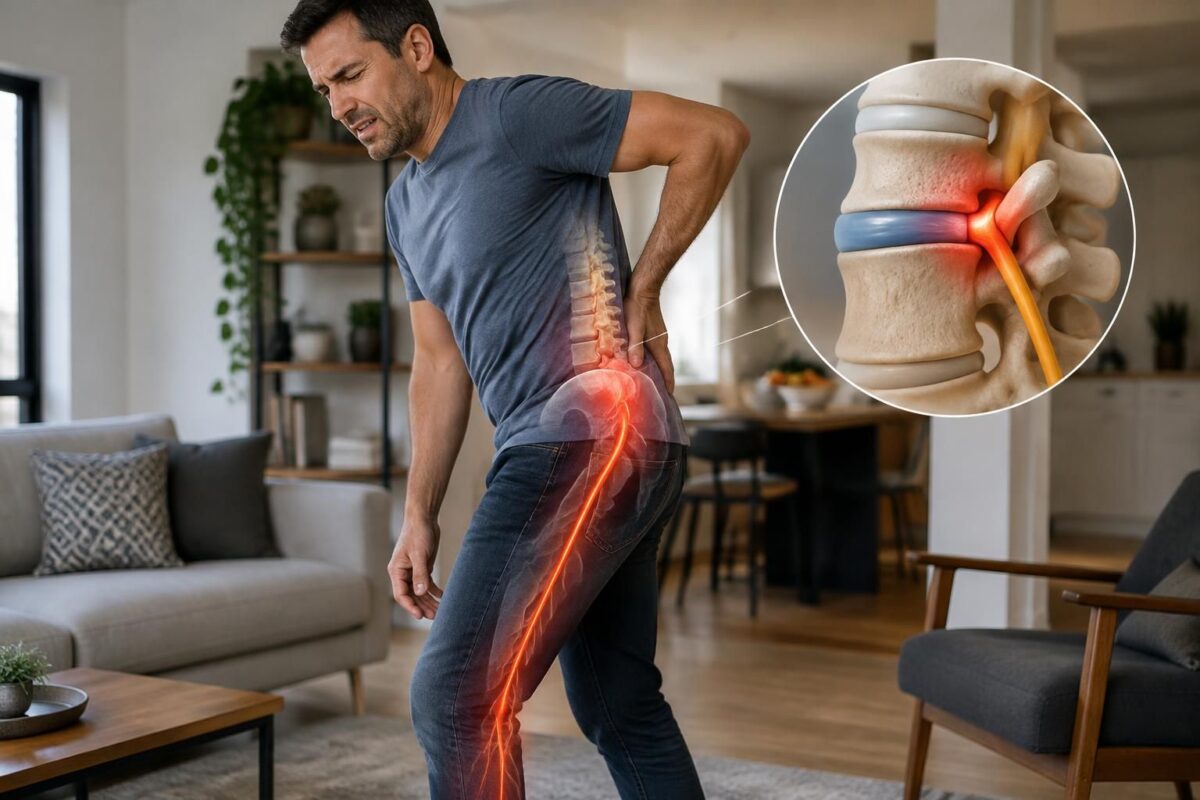
Disc herniation and recurrent sciatica
IN BRIEF A disc protrusion is a bulging of the disc that may be associated with recurring sciatica, without necessarily being the cause. The evaluation correlates symptoms, neurological examination, and imaging, if relevant. An appropriate plan can help improve function…
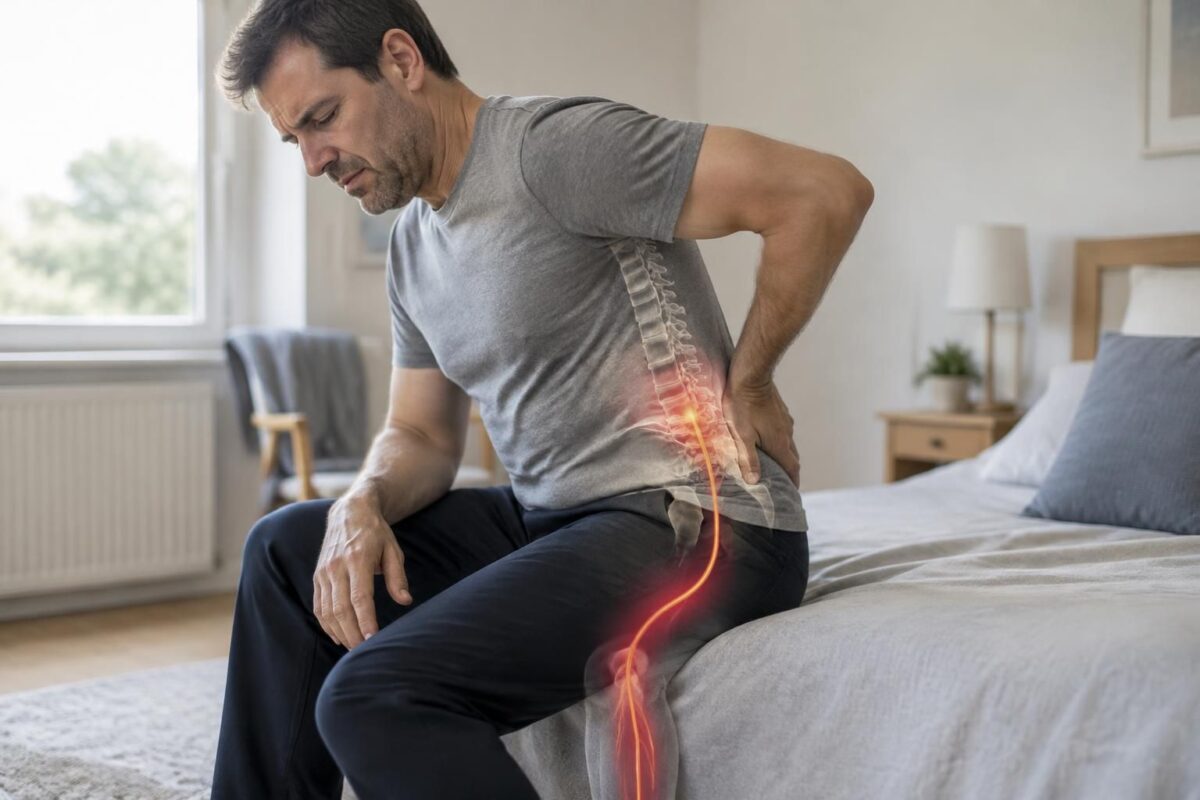
Disc herniation and persistent pain in the leg
IN BRIEF A disc protrusion is a bulging of a disc that can irritate a nerve and cause persistent pain in the leg, sometimes accompanied by tingling or numbness. Imaging alone does not confirm the origin of the symptoms: clinical…
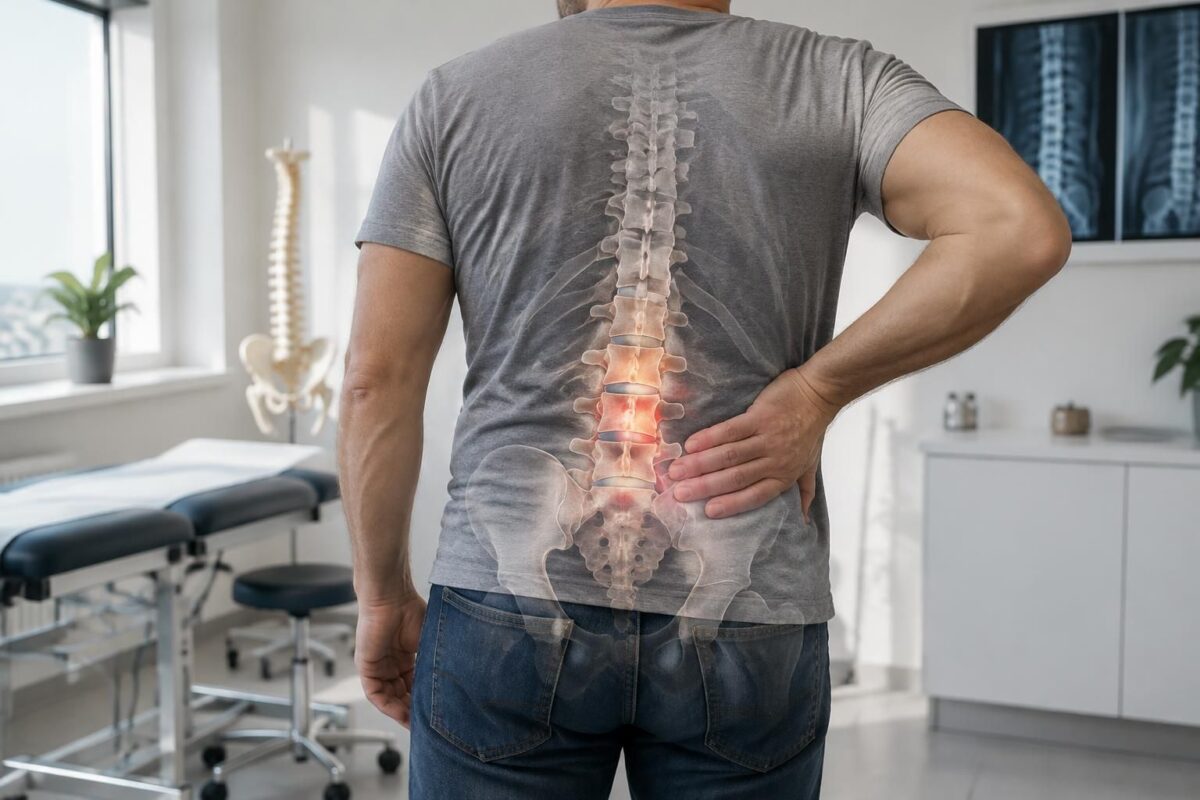
Disc herniation and lumbar degeneration
IN BRIEF A lumbar disc protrusion is a bulging of a disc often related to disc degeneration. It does not always cause symptoms but can contribute to lower back pain or pain radiating down the leg if a nerve is…
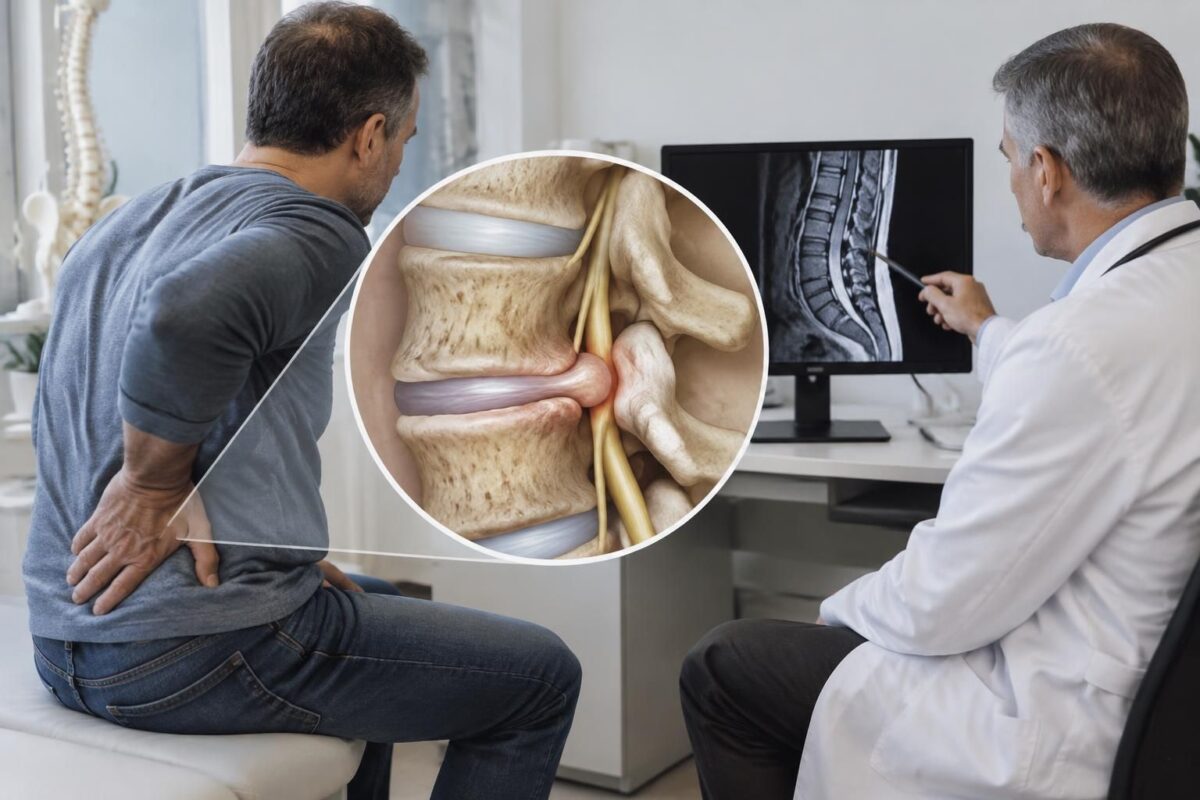
Disc protrusion and disc pinching: combined mechanisms
IN BRIEF A disc protrusion is a bulging of the disc, while a disc narrowing refers to a decrease in its height. These changes can coexist and sometimes irritate a nerve root, leading to pain or radiation, but they can…

Disc herniation and associated foraminal stenosis
IN BRIEF A disc protrusion associated with foraminal stenosis occurs when a bulging disc coexists with a narrowing of the opening through which a nerve root passes. This association can lead to lower back pain radiating into the leg, tingling,…

Spinal disc protrusion and nerve inflammation
IN BRIEF A disc protrusion is a bulging of the disc that can irritate or compress a nerve, without necessarily causing symptoms. When it leads to nerve inflammation, it can cause pain in the back or neck, sometimes accompanied by…

Disc protrusion and irritation of L5
IN SHORT A disc protrusion is a bulging of the disc that can irritate the L5 root and cause lower back pain radiating to the buttock, leg, or foot, sometimes with tingling or weakness. MRI alone is not sufficient to…

Disc protrusion and pain after twisting the back
IN BRIEF A disc protrusion is a bulging of the disc that can contribute to pain after a back twist, but it alone does not confirm the cause. The pain can remain in the lower back or radiate to the…

Dr Sylvain Desforges, B.Sc., D.O., N.D., osteopath, is the founding president of TAGMED and of the ACMA association. He dedicates his practice to chronic spinal pain, low back pain and symptoms compatible with sciatica, particularly when pain radiates toward the buttock, leg, calf, foot or toes.
Through SOS Sciatique, he publishes educational content on sciatica symptoms, possible causes such as disc herniation, disc narrowing, foraminal stenosis or irritation of a lumbar nerve root, as well as non-surgical approaches that may be considered according to the evaluation. At Clinique TAGMED, care may include, depending on the case, motorized neurovertebral decompression, specific osteopathic care or precision percussion.
For an evaluation related to sciatica treatment in Montreal / Mount Royal or sciatica treatment in Terrebonne, please consult the services available at Clinique TAGMED.
Medical disclaimer
The information published on SOS Sciatique is provided for educational purposes only and does not replace a consultation, diagnosis, opinion or treatment provided by a physician or another authorized healthcare professional. The author of this article is neither a medical doctor nor a specialist in a medical specialty recognized by the Collège des médecins du Québec. The osteopathic, manual medicine or functional support approaches described on this site do not constitute medical acts and are not intended to replace medical follow-up.
Consult a physician or emergency service in cases of loss of bladder or bowel control, anesthesia in the saddle area, significant or progressive weakness in the leg or foot, fever, recent trauma, severe pain or rapid worsening of symptoms. For more details, please read our Legal Notice.