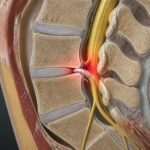
Herniated disc and nerve root inflammation
05/09/2026
Sciatica pain in Montreal: incomplete journey, should we be concerned?
06/09/2026
IN SHORT Sciatica is pain that runs down the leg, caused by irritation or compression of the sciatic nerve. In the context of return from travel, it may appear after long trips or repetitive movements. In practice, understanding this mechanism helps to relieve symptoms faster through gentle activities, progressive exercises, and a measured return to walking without overexertion. The approach prioritizes mobility, simple analgesics if necessary, and medical support when useful, to reduce pain and prevent recurrences in your area. |
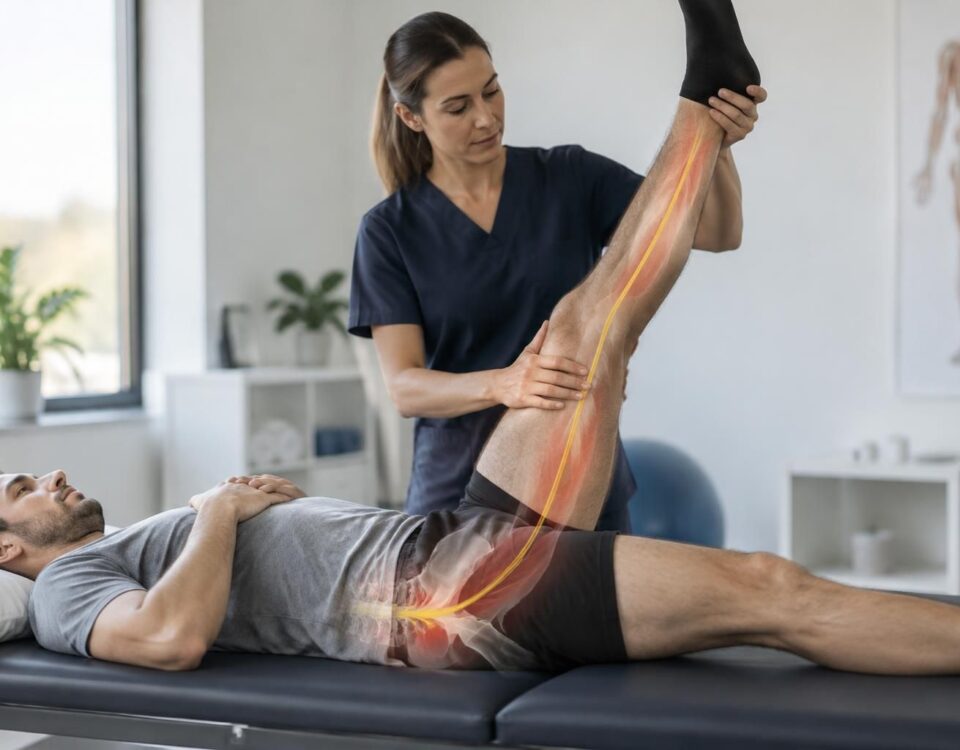
Sciatica refers to pain that extends from the lower back down to the leg, described as burning or electric, related to irritation or compression of the sciatic nerve.
After returning from a trip, long periods of sitting can worsen the pain; prioritize breaks, walk regularly, and perform gentle stretching to facilitate mobility. First-line treatments include simple analgesics like paracetamol and, depending on tolerance, anti-inflammatories. If the pain persists or is accompanied by neurological signs (significant numbness, weakness), consult a doctor.
Simple stretches targeting the piriformis and gluteal muscles, along with light strengthening exercises for the back, can help relieve nerve compression. Recovery may take several weeks; gradually reconditioning movements is often more beneficial than remaining immobile.
Quick summary: This article written by a health professional expert addresses the link between sciatica and return from travel. It explains why pain may travel down the leg during journey, the factors that exacerbate painful travel, and simple measures to implement during the trip and after. You will find practical advice on mobility during journeys, choosing positions, appropriately using analgesics, and situations when to consult quickly.
Sciatic pain can intensify during prolonged travel. The leg may exhibit pain originating from the lower back and running down the path of the sciatic nerve. Prolonged sitting or car journeys can worsen discomfort. Online resources describe how pain can shift location from day to day or appear after long periods of sitting, which can help you understand your sensations during travel. To explore these aspects further, you can consult information on specialized websites that describe these variations in pain pathways and associated advice, for example here: pain that changes path and here: pain in the buttock after a long sitting position. Other useful resources tackle the nerve components and how pain may manifest during traffic jams or while stationary: nerve pain in traffic jams. For a therapeutic perspective, reference information is available on pain in the leg and management advice is explained on understanding and relieving sciatic nerve pain. Finally, additional resources on symptoms and when to seek medical help can be consulted at numb foot and when to consult.
To guide your understanding, note that the pain that descends may follow different paths depending on the affected root (L5 or S1). This information does not replace personalized medical advice. You can consult doctors or specialists via teleconsultation services if your primary care physician is unavailable.
Before the trip: preparation and prevention
Before departure, adjust your management plan. Discuss with your physician to modify, if necessary, your treatment and action plan during the trip. Opt for comfortable clothing and shoes. Plan regular breaks to stand and move around, to limit tension in the back and leg. Maintain adequate hydration and avoid heavy meals just before the trip. If you are following analgesic treatments, adhere to the dosages recommended by your doctor and avoid excessive self-medication.
To enhance your knowledge on the subject, you can consult additional resources on pain pathways and warning signs: pain that changes path, pain in the buttock after a long sitting position, and nerve pain in traffic jams.
During the trip: pain management while traveling
While traveling, prioritize mobility. Stand up and walk briefly every hour or every two hours when possible. Alternate sitting and standing positions, and use active breaks to reduce nerve irritation. If the pain is bothersome, apply either light heat or cold depending on your tolerance, and continue with the measures prescribed by your doctor. Avoid positions that immediately aggravate the pain and do not strain through painful movements.
In some cases, advice from reference establishments may be useful for the overall understanding of descending pain. To broaden your approach, you can explore resources such as understanding and relieving sciatic nerve pain and additional information on numb foot sensations and when to consult. If you are looking for remote care options, some clinics offer advice and treatment realignment during teleconsultations.
Simple exercises and pain management during the trip
If your pain allows, some gentle stretches can help free the nerve and improve mobility. Stretching the piriformis muscle: lying on your back, one leg straight and the other bent, cross the bent leg to place the ankle on the opposite knee, then bring the bent knee down towards the floor and hold for 1 minute. Stretching the gluteal muscle: lying on your back, legs bent at 90°, bring the knees together and gently pull them towards you, then do the same on the other side. Rounded back exercise: lying on your back with your knees slowly pulled towards your chest, lock them and gently bring them towards your torso until you feel a stretch in your lower back, then hold for 2 minutes. Listen to your body and do not push through sharp pain. For personalized advice, consult your doctor or physical therapist.
For more clarifications on the mechanisms of radiating pain and the distinction between sciatica and sciatalgia, you can consult specialized resources on reading the article on pains that descend the leg and on symptoms and duration.
After the trip: recovery and follow-up
At the end of the trip, continue a gentle physical activity that suits your pain and tolerance. If the pain persists or worsens, consider a consultation to reassess your treatment plan and discuss possible rehabilitation or suitable management. Rehabilitation may be considered if symptoms persist, but it should be supervised by a healthcare professional and adapted to your initial situation and pain.
For additional resources, you can explore general information on the painful pathways and signs associated with radiating pain in the limb on the following sites: pain in the leg, tingling in the heel and possible S1 root, and other relevant content on Sciatica.
Benefits of consultation platforms and specialized resources can facilitate access to suitable advice when travel is difficult: pain in the leg and feelings of a numb foot and when to consult.
Additional information and varied perspectives on radiating pain and responses to movement can be consulted on nerve pain in congestion and on pain in the buttock after a long sitting position.
If you are looking for points of contact for assessment or support, the TAGMED clinic offers services adapted in Montreal and Terrebonne. Visit TAGMED – care and advice for more information.
Please note that this information does not replace personalized medical advice. To learn more, consult the information pages displayed in these links and discuss with your doctor or specialist.
Medical disclaimer: The information and advice provided on this site do not replace the opinion, diagnosis, or treatment of a healthcare professional. Please note that Dr. Sylvain Desforges, osteopath, is neither a medical doctor nor a physician, and is not specialized in a medical specialty as defined by the College of Physicians of Quebec. Manual medicine, functional medicine, and sports medicine as described on this site exclude any medical treatment or diagnosis made by a physician or medical specialist. Always consult your physician for any medical questions. For more details, please read our full Legal Notice.
- Key symptom: pain that descends from the lower back or gluteus along the leg; may be accompanied by tingling.
- Triggers while traveling: prolonged sitting posture, uncomfortable seats, carrying heavy luggage, sudden movements.
- Signs to watch for: pain that worsens in a sitting position, numbness, or muscle weakness.
- Quick diagnosis: if the pain particularly follows the usual path of the nerve, it’s a typical episode; if it differs, speak of sciatalgia or other radiating pains.
- Immediate actions: prioritize relative rest, lie down, and slightly elevate the affected leg.
- Management while traveling: take active breaks, change position regularly, and perform gentle stretches on site.
- Symptomatic treatments: use the appropriate pain reliever and consult a doctor if necessary;
- When to consult: pain that persists for several days, appearance of weakness or loss of sensation, or unusual progression.
- After the trip: consider rehabilitation with a physical therapist or osteopath if the pain persists, as soon as possible.

This article gives you practical recommendations for understanding and managing sciatica with pain that descends into the leg after a trip, and for gradually resuming your activities upon return. You will find simple advice, gentle exercises, and guidelines on treatments, to limit discomfort and avoid common mistakes during travel and upon arrival.
Understanding pain that descends into the leg after travel
Sciatic pain typically manifests as discomfort originating from the lower back or a gluteus that can extend down the leg to the foot. This sensation can be burning, electric, or numb and may be amplified by certain postures imposed during travel by plane, train, or car. The mechanism often relies on irritation or compression of the sciatic nerve, sometimes related to poor posture or a misstep during travel.
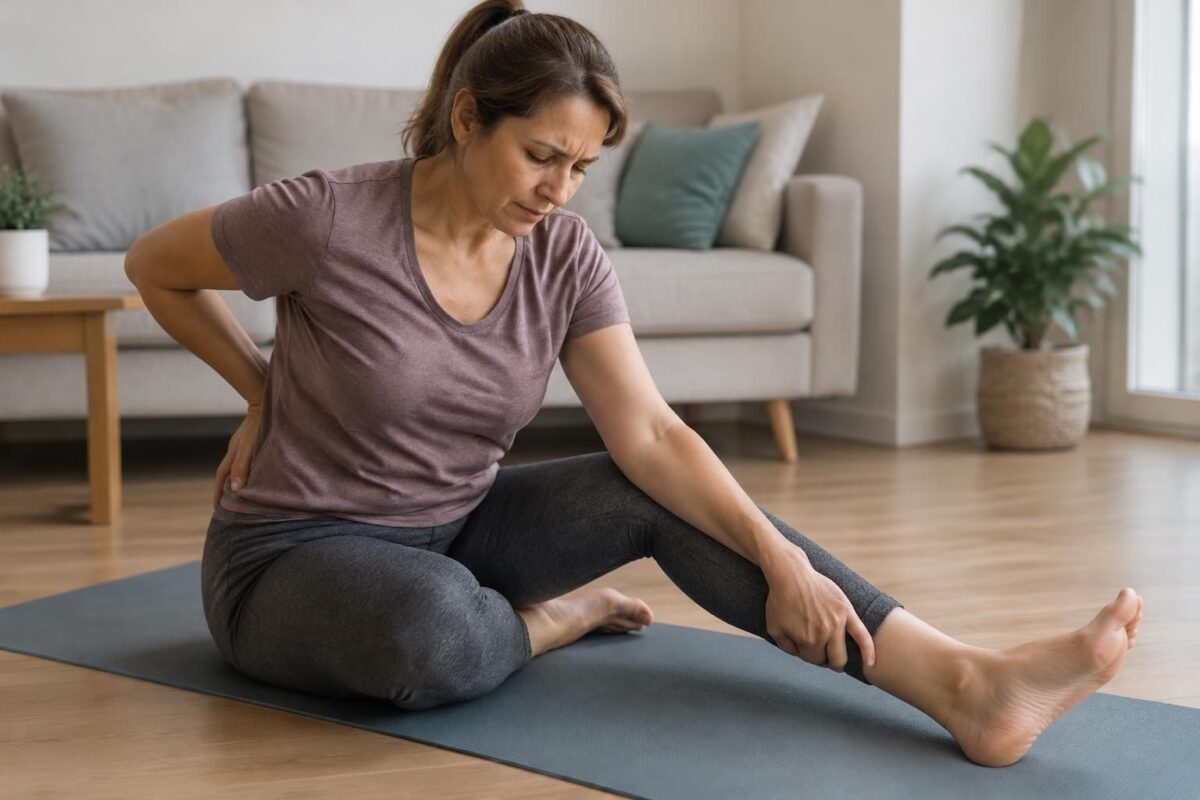
Sciatica and pain that travels lower after a stretch
IN BRIEF A sciatic pain that goes lower after a stretch may indicate that the movement is further irritating the nerve. A stretch should not intensify the pain or cause new tingling sensations: stop it and avoid forcing. Only resume…
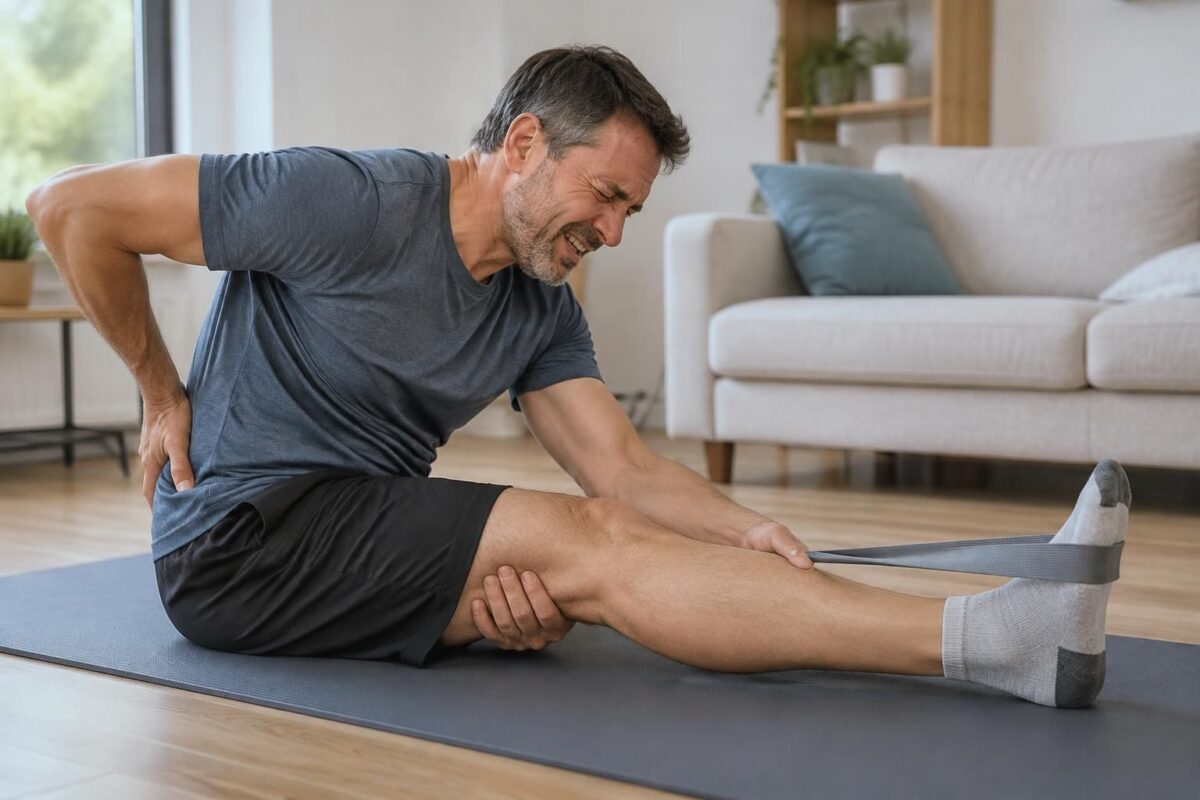
Sciatica and aggressive stretches: possible sign of worsening
IN BRIEF Sciatica is pain that radiates from the lower back or buttock down the leg. Aggressive stretching does not necessarily relieve the nerve and can intensify the pain, especially if it moves further down to the foot or is…
Immediate actions after return to limit inflammation
In the event of pain onset, prioritize relative rest and positions that relieve the back: lying on your back with one leg slightly elevated can help soothe the pain and relax neighboring muscles. Avoid prolonged sitting or standing positions that may worsen discomfort during the first few days. Paracetamol can effectively and simply help reduce pain. Depending on your tolerance and your doctor’s advice, non-steroidal anti-inflammatory drugs (NSAIDs) may be considered to decrease inflammation and pain. Note that starting December 1, 2024, certain powerful painkillers will require a secure prescription and cannot be dispensed during a teleconsultation.
When to consider stronger treatments
If the pain persists despite first-line measures, a doctor may consider more potent options or specific treatments for a limited duration. The decision will depend on your situation, the location of the pain, and your tolerance to medications. Discussing with your doctor allows you to choose the best approach while remaining vigilant about side effects.

Sciatica and calf stretching: when the pain increases
IN SHORT A calf stretch can exacerbate sciatica if it further irritates the nerve. It should not cause pain that increases or radiates down the leg: stop the movement and do not push through. Stretches may help with some tensions,…
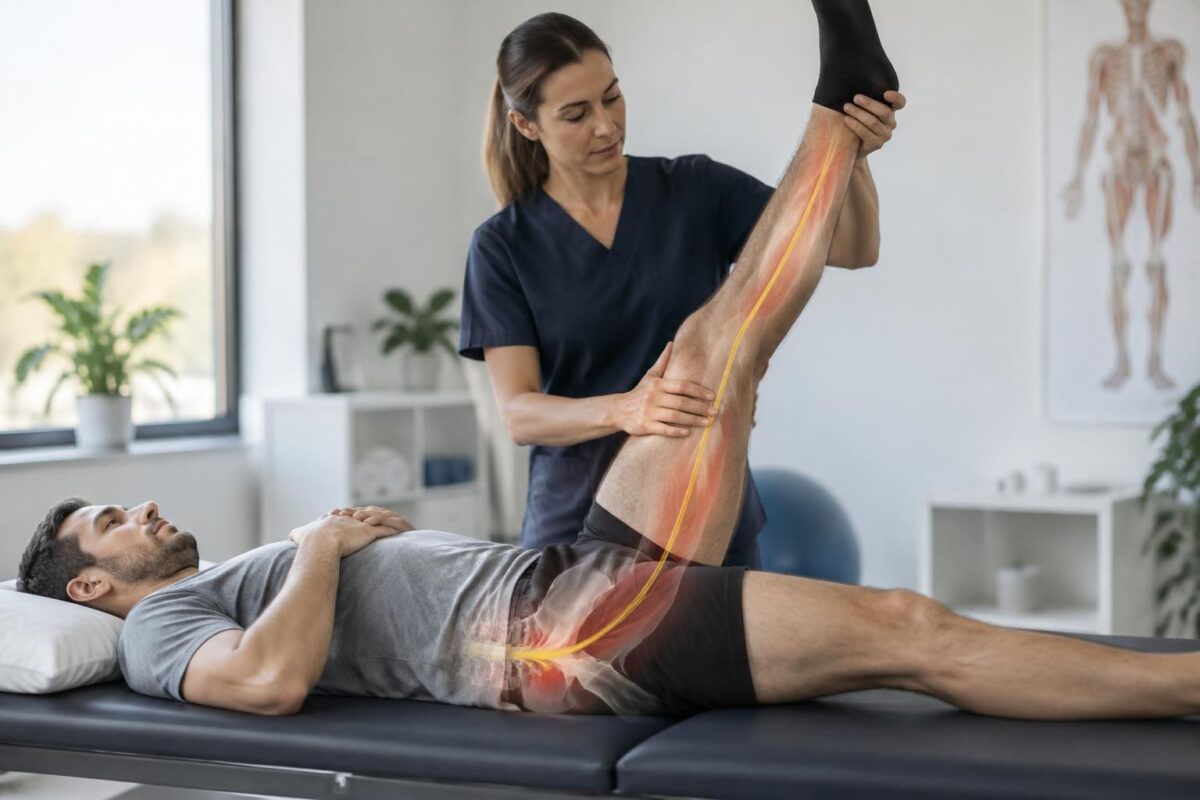
Sciatica and hamstring stretching: possible nerve tension
IN BRIEF Sciatica can make stretching the hamstrings uncomfortable, as the tension felt may come from the nerve rather than the muscle. A gentle stretch, with a straight back and without seeking maximum range, can help loosen the back of…
Gentle exercises to help “unblock” the nerve
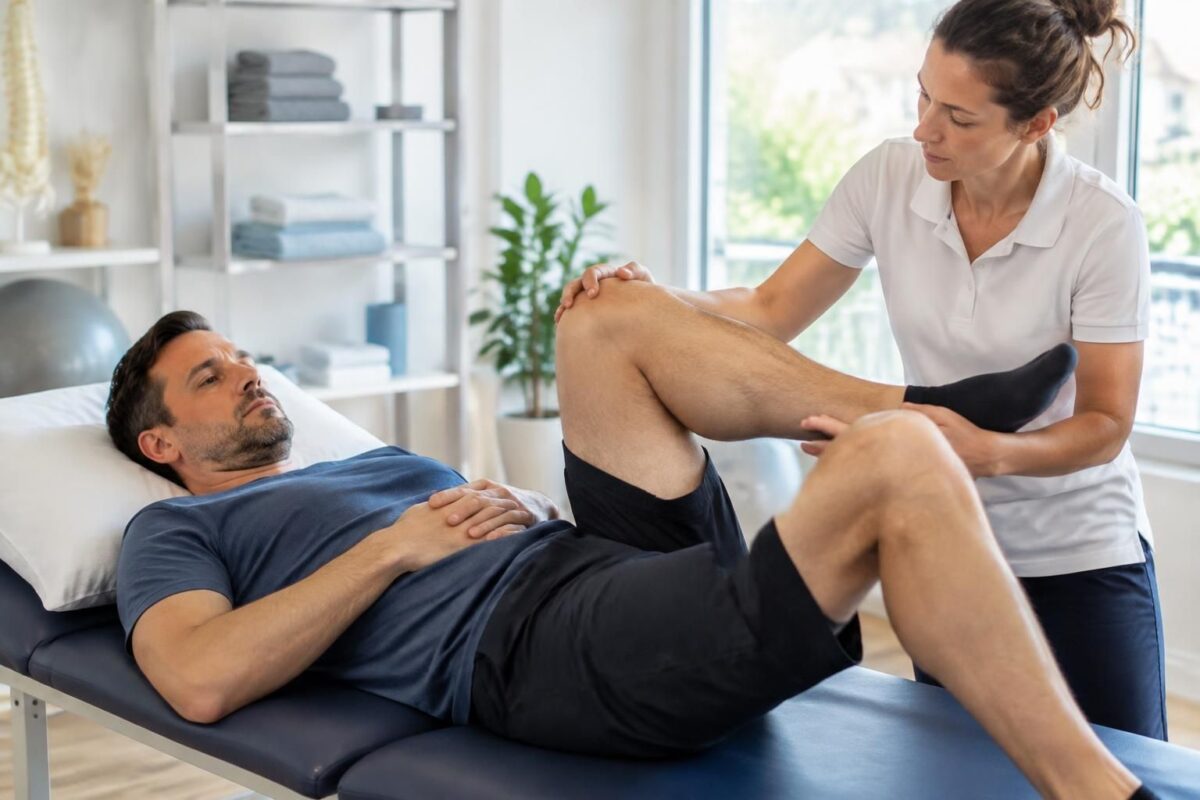
Simple stretches can help relieve tension around the sciatic nerve. Perform them calmly, without acute pain, and hold each position for a few seconds, several repetitions per day depending on your comfort.
Piriformis stretch: lying on your back, one leg straight and the other bent, cross the leg and bring the knee towards the floor while feeling the stretch in the gluteal region. Hold for about 1 minute.
Glute stretch: lying on your back, place the foot of one leg at the level of the opposite knee, grasp the thigh and gently bring it towards you, then switch sides.
Round back: lying on your back, knees flexed to your chest, curl your back and bring your knees towards your chest until you feel a slight stretch in your lower back; hold for 2 minutes.
Sciatica and piriformis stretching: useful or worsening depending on the case
IN BRIEF Piriformis-related sciatica can cause deep pain in the buttock, sometimes radiating down the back of the thigh. A gentle stretch can loosen the hip and relieve discomfort if the muscle is involved, but it can worsen symptoms if…

Sciatica and popular stretches: why to stay cautious
IN BRIEF Sciatica causes pain that radiates from the lower back down the leg. Popular stretches, such as the pigeon pose or hamstring stretches, are not always suitable: pulling on an irritated nerve can worsen the symptoms. Favor gentle movements,…
Gradual return to activity and travel tips
After the following days, resume moderate activity as soon as the pain allows, without forcing it. Walking a few steps regularly is preferable to prolonged immobility. For the return journey or long trips, take frequent breaks, change positions, and gently move your ankles and knees to encourage circulation and limit stiffness. Maintain adequate hydration, opt for comfortable clothing, and avoid heavy loads when unloading luggage.

Sciatica and Pilates: movements to adapt
IN SHORT Sciatica causes pain that can radiate from the lower back down to the leg. The Pilates Reformer can promote a gradual return to movement and strengthen core control, provided that the movements, range, and resistance are adapted. Favor…

Sciatica and core stability: variable tolerance depending on symptoms
IN BRIEF Core strengthening in case of sciatica consists of progressively strengthening the trunk muscles. Its tolerance varies depending on pain and symptoms: suitable without worsening the pain, it can support mobility and the resumption of activities, but does not,…
When to consult and when to act quickly
Consult quickly if the pain is accompanied by significant numbness, marked muscle weakness, fever, loss of bladder or bowel control, or if the pain spreads for no clear reason and persists beyond a few weeks. In case of uncertainty or worsening, a teleconsultation may allow you to evaluate your condition and obtain appropriate advice and, if necessary, a secure prescription.
| Quick definition | Sciatica = pain radiating from the lower back to the leg, sometimes accompanied by burning, numbness, or weakness. |
| Pathway by root | According to L5 or S1, the pain may travel differently to the foot. |
| Triggering factors | Prolonged sitting, carrying heavy luggage, vibrations, and fatigue favor its onset. |
| Signs to watch for | Pain that descends into the leg, numbness, tingling; worsens with walking or in an engaged position. |
| Immediate actions | Lie down, elevate the leg, take a suitable painkiller; avoid painful positions. |
| Activity and mobility | Stay mobile without forcing; prefer gentle walks and tolerated stretches when pain allows. |
| Possible treatments | If needed, the doctor may prescribe stronger painkillers or NSAIDs; comply with access rules and secure prescriptions according to the medication. |
| Emergency / Consultation | Consult quickly in case of acute pain, difficulty moving, or marked neurological signs. |
| Travel prevention | Plan breaks, simple stretches, comfortable seating, hydration, and regular mobility during travel. |
Testimonials: Sciatica and return from travel — pain radiating down the leg
Marie, 42, returns from a long stay in Lisbon. Upon her return, she experiences sciatica with pain radiating down the leg. She describes taking a painkiller to soothe the pain and lying down with her leg slightly elevated. In the first few days, she avoided prolonged sitting and standing positions, favoring rest and gentle stretches. Gradually, she reintroduced moderate activity and targeted exercises to unblock the nerve and relearn how to move without pain.
Jean, 54, returns from a business trip by train. Upon his return, the pain radiating down his leg became particularly bothersome. He recalls favoring short walking breaks and gentle movements to avoid immobility, while consulting his doctor who adjusted his treatment. With gradual stretching and a progressive return to activity, he noted a marked improvement after a few weeks and was able to resume his business trips more comfortably.
Sophie, 37, returns from a stay in Morocco and feels pain radiating down her leg after a sudden movement. She emphasizes the importance of balancing rest and activity, applying heat and cold according to tolerance and pain intensity, and implementing simple exercises like the piriformis stretch and round back extension. After returning, she continued these exercises and considered rehabilitation with a physiotherapist to stabilize her leg and prevent a relapse during future travels.
Lucas, 29, returning from a trek, notes that the pain can fluctuate based on the routes and positions adopted in everyday life post-travel. He describes a period of uncertainty but prefers to interpret these signs as a period of the body’s adjustment. After a few weeks, the pain gradually decreased, and he understood that some radiating pains are not necessarily related to nerve damage. For him, rehabilitation focused on movement and effort tolerance was crucial for regaining comfortable mobility in his daily life.
Dr. Sylvain Desforges is a recognized figure in the field of osteopathy, naturopathy, and manual medicine. His professional trajectory places him at the forefront when discussing the management of Sciatica and pain radiating down the leg, particularly in individuals returning from long journeys. As a doctor and clinician, he embodies an approach where listening to the patient and precise analysis of the pain journey guide each step of the treatment.
He is the founding president of TAGMED clinics and the ACMA, institutions dedicated to innovation in healthcare. This institutional dimension is accompanied by a continuous commitment to evidence-based practices, in order to provide personalized pathways that facilitate recovery and sustainable improvement of well-being. His biography reflects a career focused on the convergence of sciences, clinical experience, and emerging technologies aimed at optimizing the treatment of chronic pain and spinal-related conditions.
In his practice, Dr. Desforges implements a strategy that combines advanced tools with functional rehabilitation protocols. He particularly excels in integrating technologies such as spinal decompression, laser, and shockwave therapy to treat painful phenomena that radiate through the lower limb. This evidence-based and personalized approach aims to quickly relieve pain radiating down the leg and restore mobility in daily activities, including during and after travel.
This specialist’s professional path does not stop at theory: he is driven by a desire to assist travelers who experience episodes of Sciatica after returning from trips. Long hours on a plane, prolonged sitting positions, and sudden movements can indeed trigger or worsen this pain. In this context, his approach prioritizes practical prevention advice, targeted stretching, and progressive exercise programs, all while being attentive to the patient’s safety and comfort. His objective is clear: to enable everyone to return to the road or work with better tolerance for effort and less discomfort.
His multidisciplinary approach is aimed at anyone facing radiating pain or Sciatica related to travel return. Depending on the profile, he offers support that may combine manual techniques, targeted therapies, and personalized rehabilitation programs. The message is unequivocal: even when pain radiates down the leg after a trip, it is possible to regain functional mobility and restored quality of life through appropriate and gradual care.
To discover the approach and services available, patients can reach out to TAGMED clinics for an assessment tailored to their situation and consider the most effective pathway to enhance their comfort and daily performance.
This brief summary reminds us that sciatica can cause pain radiating down the leg, and that returning from travel requires a gradual approach: recognizing the signs, adapting activity, using appropriate treatments, and performing simple stretches to promote a gentle return, while remaining vigilant about signs that require consultation.
In the context of returning from travel, plan for a gradual return to activity and avoid sudden efforts or long periods of immobility. Alternate light walking with regular breaks, and prioritize progressive mobility rather than strict rest.
Sciatica can extend down the leg depending on the affected nerve root, with symptoms such as tingling or an electric sensation. This pain can sometimes be confused with other radiating pains; understanding the difference between sciatica, sciatalgia, and radiating pain helps to adapt rehabilitation and daily gestures. To explore these distinctions and the mechanisms, you can consult specialized resources like Sciatica and Why does the pain radiate down the leg.
Regarding treatments, prioritize simple pain relievers like paracetamol initially, and discuss potential options with a doctor if necessary. Note, however, that as of December 1, 2024, some type 2 pain relievers will require a secure prescription and cannot be prescribed via teleconsultation; in cases of significant pain, an in-person consultation may be necessary for a limited-time prescription.
To promote a return to mobility without aggravating the pain, here are useful exercises (to be performed without pain and under supervision):
Piriformis stretch: lying on your back, one leg extended and the other bent, cross the leg and bring the bent knee towards the ground to feel the stretch in the gluteal area; hold for about 1 minute.
Gluteal stretch: on your back, knees bent at 90°, cross one leg and gently bring it towards you, then do the same on the other side.
Rounded back exercise: lying on your back, knees brought to the chest and held tight against the torso until you feel the stretch in the lower back; hold for 2 minutes.
The average duration of a sciatica episode can span several weeks. If the pain persists or increases, rehabilitation with a physiotherapist or osteopath may be beneficial, but only when the pain is moderate enough to allow for exercises, to avoid painful movements.
If in doubt or if there is unusual progression, do not hesitate to seek prompt medical consultation, particularly in the presence of warning signs such as motor blockage or unusually severe pain during effort. To facilitate access to quick medical advice, you may consider a teleconsultation. Resources like Qare offer online exchanges and tailored advice for sciatica.
To go further and better understand the mechanisms and support options, you can explore these additional links: Herniated disc and persistent concern, Sciatica and public transport (prolonged sitting position), Pain increased by sneezing or effort, Lower back pain with a jolt in the leg, Difficulty lifting the foot — emergency or quick consultation, and Causes, symptoms, and treatments of sciatica. For an educational approach and to differentiate the pains, you can also consult Kiné Sport Versailles.

Dr Sylvain Desforges, B.Sc., D.O., N.D., osteopath, is the founding president of TAGMED and of the ACMA association. He dedicates his practice to chronic spinal pain, low back pain and symptoms compatible with sciatica, particularly when pain radiates toward the buttock, leg, calf, foot or toes.
Through SOS Sciatique, he publishes educational content on sciatica symptoms, possible causes such as disc herniation, disc narrowing, foraminal stenosis or irritation of a lumbar nerve root, as well as non-surgical approaches that may be considered according to the evaluation. At Clinique TAGMED, care may include, depending on the case, motorized neurovertebral decompression, specific osteopathic care or precision percussion.
For an evaluation related to sciatica treatment in Montreal / Mount Royal or sciatica treatment in Terrebonne, please consult the services available at Clinique TAGMED.
Medical disclaimer
The information published on SOS Sciatique is provided for educational purposes only and does not replace a consultation, diagnosis, opinion or treatment provided by a physician or another authorized healthcare professional. The author of this article is neither a medical doctor nor a specialist in a medical specialty recognized by the Collège des médecins du Québec. The osteopathic, manual medicine or functional support approaches described on this site do not constitute medical acts and are not intended to replace medical follow-up.
Consult a physician or emergency service in cases of loss of bladder or bowel control, anesthesia in the saddle area, significant or progressive weakness in the leg or foot, fever, recent trauma, severe pain or rapid worsening of symptoms. For more details, please read our Legal Notice.