Sciatica in Terrebonne: leg weakness and loss of confidence in walking
25/09/2026
Herniated disc and sciatica: what the MRI can show
25/09/2026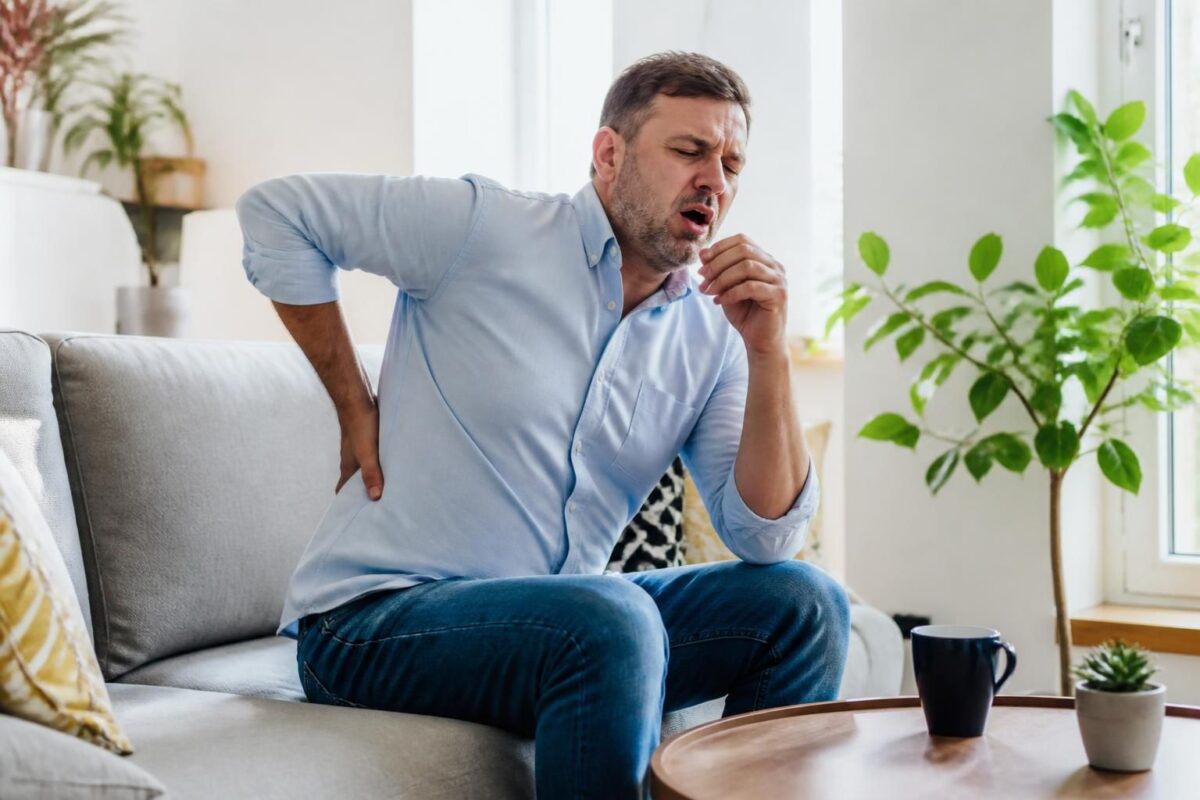
IN BRIEF |
Sciatica related to sneezing is a pain that originates from the lower back and radiates down the leg due to irritation or compression of the sciatic nerve. The sneeze reflex increases intra-abdominal pressure and can trigger this pain, often linked to causes like disc herniation or stenosis. The benefits of understanding this phenomenon are clear: acting quickly, prioritizing appropriate rehabilitation, and preventing recurrences. The mechanism lies in the irritation/root at the L5-S1 level and the effectiveness of a treatment that combines relief, guided activity, and strengthening of trunk muscles to limit pressure on the nerve. |
Short Summary – Sciatica and Pain When Sneezing: Why Does This Happen?
Sciatica is pain caused by irritation or compression of a lumbar nerve root, most often L5 or S1.
During a sneeze, the sudden increase in intra-abdominal pressure and muscle contractions can cause a sudden spike in pain, which may radiate along the sciatic nerve and move from the lower back to the buttock and leg.
This mechanism often occurs when causes such as a disc herniation or foraminal stenosis irritate the nerve root. Sneezing can therefore trigger sharp and rapid radicular pain in the leg.
Typical signs: electric pain, burning sensation, sometimes associated with tingling or numbness. If the pain is accompanied by weakness, urinary issues, or loss of sensation, seek medical attention promptly.
To limit these episodes, prioritizing suitable physical activity, strengthening trunk muscles, and following anti-inflammatory medical advice when necessary can help reduce irritation and prevent recurrences.
Quick summary: this article explains why sneezing can trigger sciatic pain. It describes the physical mechanisms, risk situations, warning signs, and assessment and management options. You will discover why a simple sneeze can trigger pain in the leg and how to respond appropriately and safely.
When you sneeze, pressure in the abdomen and thoracic cavity suddenly increases. This sudden push can transmit a significant load to the spine. For some individuals, this load triggers or re-ignites pain along the path of the sciatic nerve.
The pain can start in the lower back and radiate to the buttock, thigh, and sometimes the leg. This radiation follows the route of the sciatic nerve, which originates from several nerve roots (L4 to S3) and descends to the foot. A pre-existing discopathy, foraminal stenosis, or inflammation of the structures around the roots can amplify this phenomenon.
Several mechanisms may be involved. A disc herniation may press on a nerve root and cause pain that triggers sneezing. Degenerative changes in the joints or narrowing of the spinal canal may also increase the nerve’s sensitivity during a sneezing episode. To better understand the interactions between disc herniation and the progression of sciatica, consult specific resources like Disc herniation and lumbar osteoarthritis: combined causes of sciatica.
This phenomenon is more likely in individuals with discopathy, lumbar osteoarthritis, or lumbar canal narrowing. For additional information on the factors influencing sciatica progression, you can look at resources such as factors influencing progression.
Why a Sneeze May Trigger Existing Pain
Pain can be triggered by a sneeze even if you did not have pain beforehand. The movement of the back and the contraction of the abdominal muscles during a sneeze can strain an irritated nerve root. Sneezing can also temporarily change the position of the vertebral segments and heighten compression around a nerve root.
Signs Indicating the Episode May Require Evaluation
Pain that persists after the episode and does not diminish within a few days may require medical evaluation. The onset of new weakness in the leg, difficulty lifting the foot, loss of balance, or rapidly spreading pain necessitate a prompt consultation. Urinary issues or loss of perineal sensation should also warrant urgent care.
If the pain is solely related to the episode and you do not present concerning signs, a gradual and appropriate management approach may be considered. To better understand situations related to sciatica and the episode triggered by sneezing, consult resources like Sciatica in Terrebonne — pain and numbness after walking.
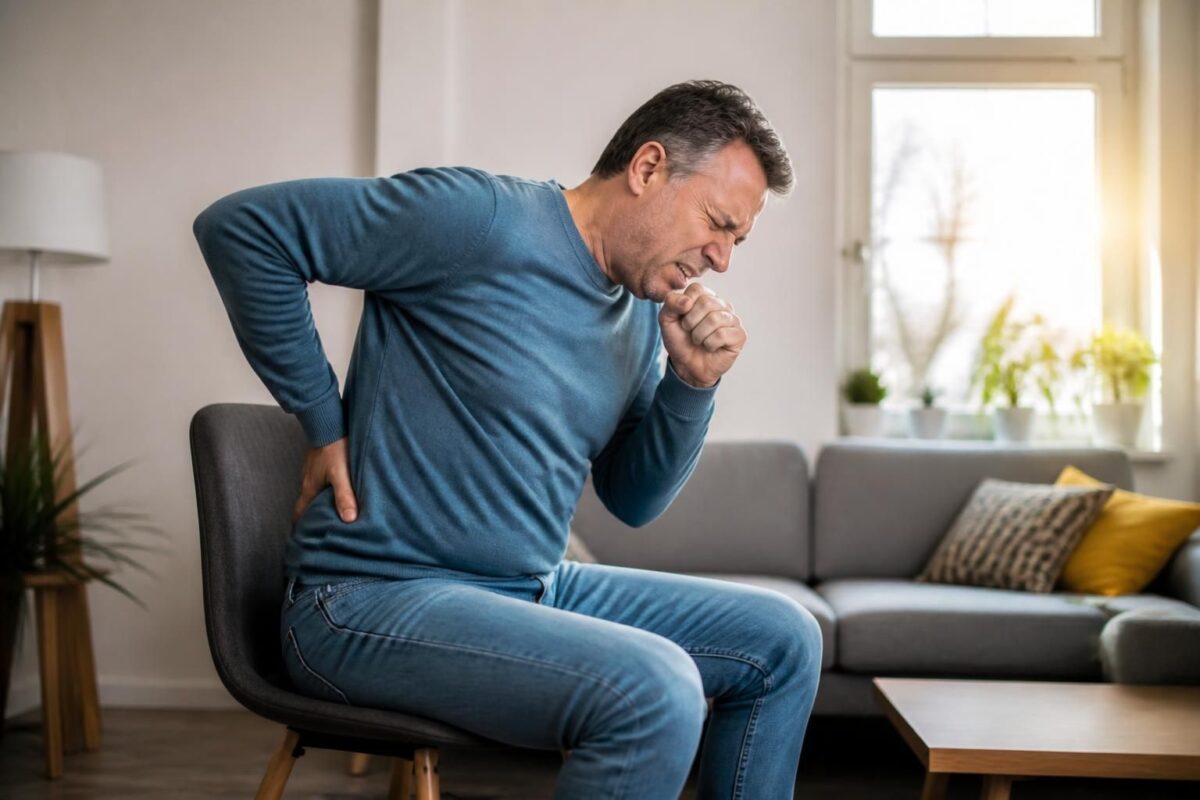
Sciatica and pain when coughing: possible disc sign
IN BRIEF What is this topic? Sciatica and pain when coughing often indicate a disk sign that may reflect a herniated disk or lumbar nerve compression. This relationship helps to quickly understand the source of the pain and act promptly.…
How to Manage Pain Episodes During Sneezing
Stay active when possible. Avoid prolonged strict rest. Adopt positions that do not cause pain and that are compatible with your discomfort. Simple analgesics may be helpful under your doctor’s guidance. Do not exceed recommended doses and avoid prolonged self-medication.
During follow-up, a clinical assessment may be proposed to check for the absence of concerning neurological signs and to adjust treatment. In Montreal or Terrebonne, the TAGMED Clinic can offer a comprehensive evaluation and non-surgical options tailored to your situation. Learn more about the services offered: TAGMED Clinic.
Additional resources can be consulted to understand the mechanisms and possible approaches to sciatica and episodes triggered by sneezing, including articles on Sciatica and difficulty descending stairs and on the evolving factors surrounding discopathy.
To enrich your knowledge about the mechanisms and treatments, you can consult dedicated resources on the following sites:
- Factors that influence the evolution of sciatica
- Sciatica in Montreal — loss of sensitivity in the toes
- Sciatica in Terrebonne — pain and numbness after walking
If the episode occurs during an examination or consultation, your doctor may refer you to imaging tests or specialists to pinpoint the underlying cause and adjust the management.
Medical disclaimer: The information and advice provided on this site do not replace the opinion, diagnosis, or treatment of a healthcare professional. Please note that Dr. Sylvain Desforges, osteopath, is neither a medical doctor nor a physician and is not a specialist in a medical specialty as defined by the Collège des médecins du Québec. Manual medicine, functional medicine, and sports medicine as described on this site exclude any treatment or medical diagnosis made by a physician or medical specialist. Always consult your doctor with any medical questions. For more details, please read our full Legal Notice.
- Mechanism: Sneezing increases intra-abdominal and lumbar pressure, possibly irritating or compressing a nerve root.
- Role of the sciatic nerve: The sciatic nerve, especially the L5 and S1 roots, may be involved during an acute episode.
- Pain pathway: Pain radiating from the lower back to the buttock and leg, sometimes to the foot.
- Associated causes: herniated disc, foraminal stenosis, lumbar osteoarthritis, or local inflammation.
- Associated signs: tingling, numbness, or slight weakness in the leg.
- Quick management: move gently, adopt positions that relieve, and use cold or heat depending on the phase.
- Role of physiotherapy: progressive exercises to reduce pain and improve mobility.
- Holistic approach: combine relief, mobility, and trunk strengthening.
- When to consult: persistent pain, increasing weakness or loss of control requires prompt evaluation.
- Prevention: regular physical activity, good posture, and lifting techniques to limit recurrences.

This recommendation explains why sciatic pain may appear or worsen when sneezing, the mechanisms involved, and practical tips to limit discomfort and reduce recurrences.

Sciatica and pain when twisting the torso
IN BRIEF In brief, sciatica and pain during trunk rotation refer to irritation or compression of a lumbar nerve root. This pain can radiate down into the buttock and back of the thigh, sometimes with tingling sensations, and reflects the…
Why sneezing may worsen sciatic pain
A sneeze is a brief but violent surge of intra-abdominal and intrathoracic pressure that transmits to the spine. This rise in pressure is accompanied by a reflex contraction of the trunk and lumbar muscles, which may displace or compress an already irritated nerve root. If a herniated disc or another disk injury is present, this suddenness can intensify the pain that follows the pathway of the sciatic nerve, that is, from the buttock to the leg. This is referred to as radiculalgia, radiating pain along the nerve.
In some individuals, pain may spread beyond the leg due to diffuse irritation of lumbar tissues or a muscle spasm that resonates in the spine. This dynamic explains why a sneeze can trigger an acute episode in individuals with foraminal stenosis or other degenerative disorders.
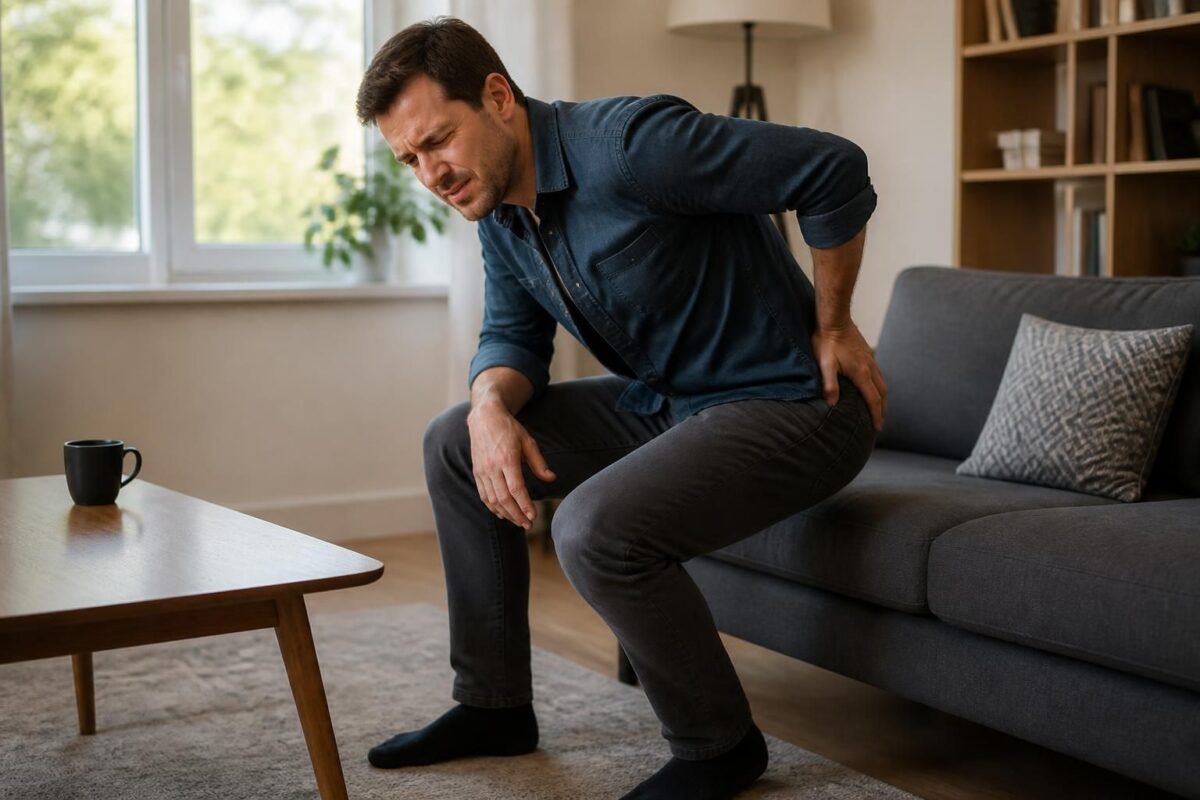
Sciatica and pain when straightening up
IN BRIEF In brief, Sciatica and pain when standing up is a pain radiating along the sciatic nerve, often triggered or worsened by the effort of standing up and maintaining an upright posture. It most often results from a nerve…
Common causes and scenarios
The most common cause remains lumbar disc herniation, where the deformed disc presses on a nerve root and triggers pain that follows the pathway of the sciatic nerve. Spinal canal stenosis or lumbar osteoarthritis can also make the roots more sensitive to pressure variations, especially during sneezing. Other mechanisms, such as a muscle spasm or piriformis syndrome, can amplify pain and limit mobility during sneezing. All of these situations can make the episode longer or more intense than expected.
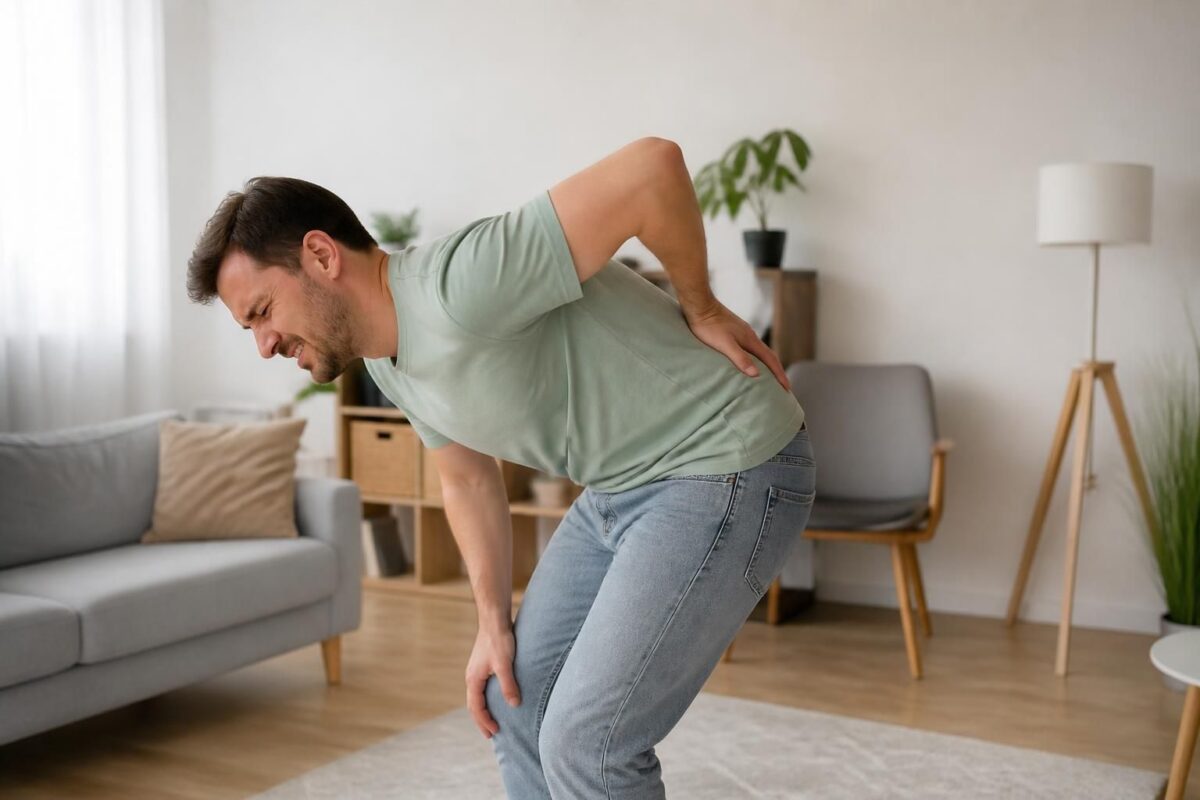
Sciatica and pain when leaning forward
IN BRIEF In brief, Sciatica and pain when bending forward describe lower back pain that radiates into the leg when flexing, often due to irritation of a nerve root or disc compression. This page offers a clear definition, common causes,…
Practical recommendations to limit pain when sneezing
Prepare your body for the episode by adopting a stable posture and gently activating the trunk muscles. During a sneeze, breathe in a controlled manner through the diaphragm and avoid sudden movements that increase pressure on the spine.
When sneezing, maintain a neutral posture and slightly support the lower back with a hand or a cushion if it helps stabilize the pelvis. Avoid rapid twists and efforts that worsen the pain. After the episode, favor positions that sustain mobility without exacerbating pain, such as gentle trunk mobility exercises and progressive hamstring stretches.
At the same time, foundational measures like trunk strengthening and pelvic mobility, conducted as part of a physiotherapy or osteopathy program, can reduce nerve root sensitivity. Simple and progressive exercises, adapted to your situation, help better tolerate sneezing and daily movements.
Using symptomatic treatments as advised by a professional and maintaining appropriate physical activity often helps reduce the impact of episodes. Strict rest is generally not recommended; the key is a balance between protection and movement.
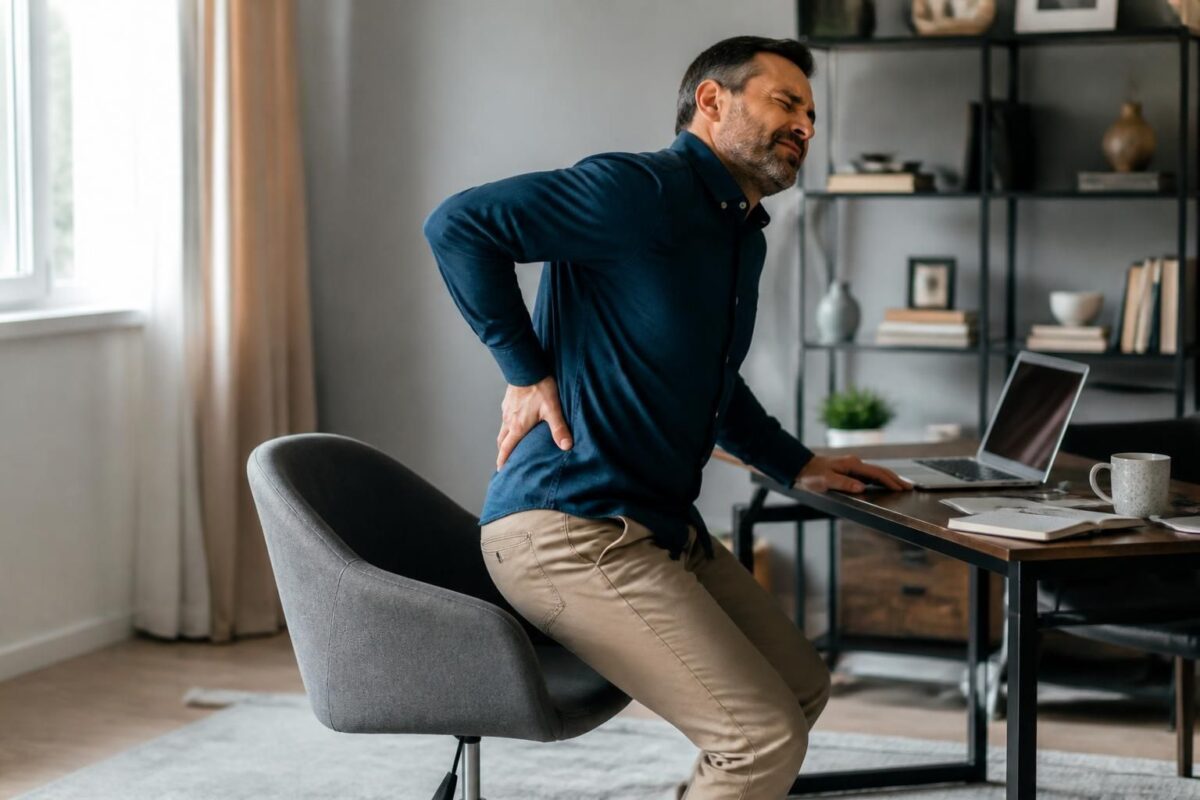
Sciatica and pain when getting up from a chair
IN BRIEF In brief, sciatica and pain when getting up from a chair refer to lower back discomfort triggered by the transition from sitting to standing, often related to irritation of a lumbar nerve root or poor posture. What is…
When to seek immediate consultation
Evaluation is necessary quickly if you observe one of the following situations during a sneezing episode: progressive weakness or loss of control over urine or stools, extremely intense pain or rapid progression, fever, recent trauma or pain associated with other marked neurological signs. These symptoms may indicate a complication requiring urgent medical attention.

Sciatica and Pain with Position Change
IN BRIEF In brief, sciatica and pain during position change is pain radiating along the sciatic nerve triggered or worsened by postural changes and prolonged postures. Benefits: identifying positions to avoid and adopting ergonomic adjustments helps reduce pain, improve comfort,…
Prevention and long-term habits
To reduce episodes and their intensity, prioritize regular physical activity focused on core strengthening, gentle stretching exercises, and good posture in daily life. Learn proper lifting techniques and avoid efforts that suddenly increase pressure in the back. Maintaining a healthy weight, sleeping on an appropriate mattress, and adopting ergonomic positions at work help limit nerve root sensitivity and better tolerate sneezing. Finally, consult a professional when pain persists or is accompanied by warning signs to adjust treatment and prevent recurrences.
| Analysis Element | Concise Explanation |
|---|---|
| Trigger | Sneezing generates intra-abdominal pressure and a rapid increase in pressure on a nerve root, possibly causing radiating pain along the sciatic nerve. |
| Location | Pain following the path of the sciatic nerve: buttock, thigh, leg, sometimes foot. |
| Mechanism | Possible lumbar disc herniation or irritation of the L5/S1 root, worsened by the pressure during sneezing. |
| Associated Signs | Numbness, weakness, pain that worsens with effort or prolonged sitting. |
| Differentiation | Radiating pain following the nerve’s path; isolated back pain remains focused on the back. |
| Urgency and Severity | Loss of strength, sphincter dysfunction, or very intense pain require rapid evaluation. |
| Immediate Management | Analgesics/NSAIDs, physiotherapy, and work on posture and breathing; avoid prolonged strict rest. |
| Additional Diagnosis | Clinical examination; MRI/CT imaging and electrodiagnostic tests if necessary. |
| Prevention and Advice | Core strengthening, regular physical activity, and sneezing techniques that minimize abdominal pressure. |
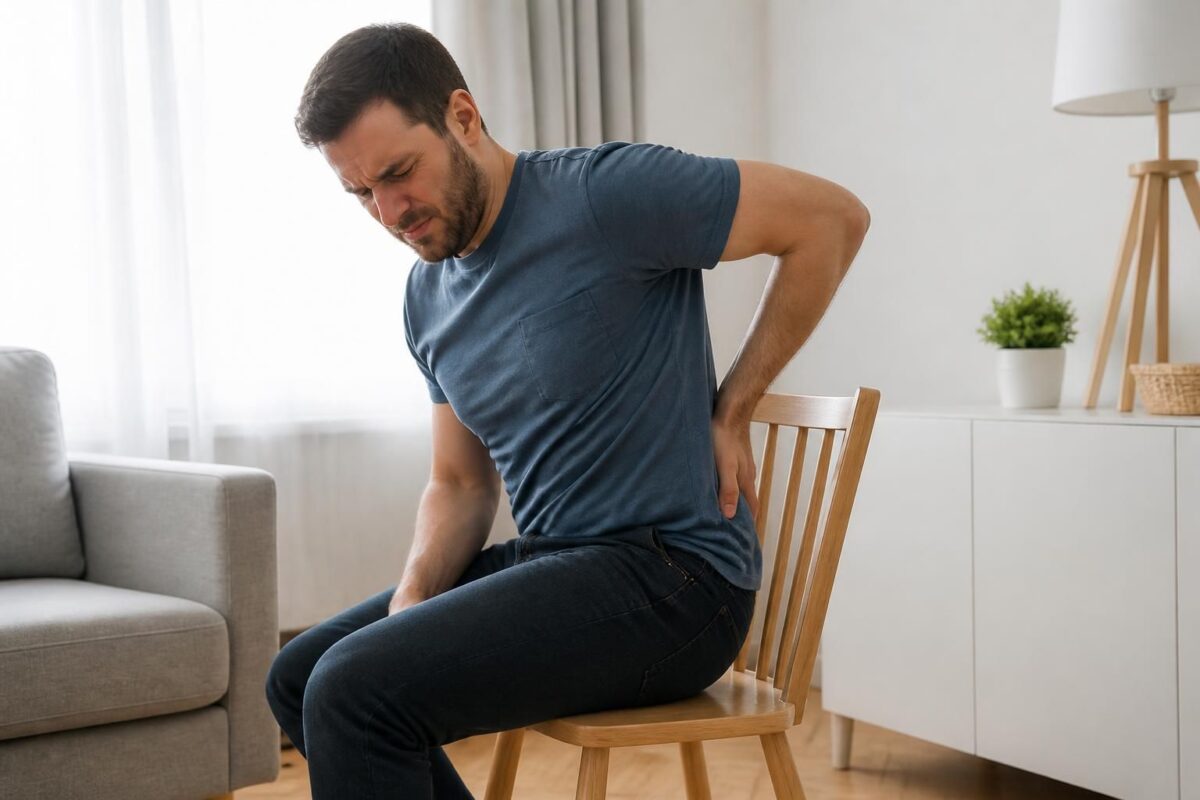
Sciatica and difficulty sitting
IN BRIEF In brief, Sciatica and difficulty sitting describes pain that follows the path of the sciatic nerve, often worsened by prolonged sitting. This approach aims to break up sitting periods and adjust posture to reduce pressure on the lumbar…
Testimonials: Sciatica and Pain When Sneezing — Why Does This Happen?
“Marie, 38 years old, administrative assistant: it all started after a powerful sneeze. A sciatic pain emerged, starting from my lower back and radiating to my buttock and leg. My osteopath explained that this kind of pain can occur when the sciatic nerve is irritated or compressed by a herniated disc, and that sneezing causes a pressure spike that triggers the pain.”
“Lucas, 52 years old, mechanic: during a sneeze, an electric shock traveled up my left leg. I was told this is often related to irritation of the sciatic nerve and, sometimes, to a herniated disc or lumbar canal narrowing. The sudden movement and pressure spike irritate the nerve root and evoke radiating pain. The mobility and strengthening-focused management quickly improved my mobility.”
“Sophie, 44 years old, teacher: after a sneeze, pain shot down my leg with tingling and a burning sensation. My practitioner explained that the pain can follow the path of the sciatic nerve and that sneezing can trigger a sudden increase in internal pressure, worsening irritation or slight compression. With targeted exercises and an osteopathy session, the radiculopathy decreased and I regained normal walking.”
“Antoine, 29 years old, student: a sneeze triggered pain that went down behind my knee. The doctor clarified that the mechanism often involves a combination of sciatic pain and ‘pushing’ on the sciatic nerve root, sometimes linked to a herniated disc. Alongside a gentle rehabilitation program and adapted stretches, I regained better tolerance for movement and less fear when sneezing.”
“Claire, 60 years old, retired: I noticed that even a simple sneeze could trigger pain that travels up the leg, especially in the presence of signs like radiating pain and increased sensitivity. My practitioner mentioned the possibility of a narrow lumbar canal or muscle rebalancing; after a gradual approach involving physiotherapy and postural advice, I regained better stability and fewer painful reactions during sneezing.”
Dr. Sylvain Desforges, osteopath, specialist in osteopathy, naturopathy, and manual medicine, is the founding president of TAGMED clinics and the ACMA association. His professional journey embodies innovation in healthcare, and his work is particularly dedicated to the management of chronic spinal pain, with a particular focus on low back pain and sciatica, especially when pain can be triggered or exacerbated by simple actions like sneezing.
Faithful to a evidence-based philosophy, he favors a multidisciplinary approach and the integration of advanced technologies to accurately assess pain mechanisms and propose personalized management plans. His goal is to transform the patient experience into a reliable recovery trajectory by combining targeted manual techniques with modern tools such as neural decompression, both restorative and rehabilitative approaches, and non-invasive methods that support movement and body rebalancing.
Sciatic pain associated with sneezing is explained by simple but often misunderstood mechanisms. During a sneeze, a sudden burst of pressure in the abdomen and thorax can increase stress on intervertebral discs and the nerve roots exiting the lumbar spine. In someone with a herniated disc, foraminal stenosis, or radicular irritation, this acute pressure can quickly provoke radiating pain along the course of the sciatic nerve, from the lumbar region down to the lower limb. Dr. Desforges explains that these episodes do not contradict an absence of pathology but rather illustrate how a mechanical mechanism can trigger or amplify pre-existing pain.
In his practice, he favors a pragmatic and functional approach. After a thorough assessment, the treatment may combine specific osteopathy and gentle mobilization techniques, physiotherapy focused on core strengthening and improving mobility, as well as advice on daily positions and movements. When necessary, complementary non-surgical options, such as progressive exercise programs and physical modalities, can be integrated to reduce inflammation and promote recovery.
The care pathway proposed by Dr. Desforges emphasizes continuity and prevention. He insists on maintaining appropriate physical activity, working on breathing, and correcting daily postures, to limit flare-ups and relapses. His approach centers on patient education: understanding that sneezing can be a trigger rather than a definitive cause allows for the adoption of a preventive and effective strategy.
In conjunction with his commitment to evidence-based care, Dr. Desforges pursues innovation in the field of lower back pain and sciatica, exploring the impact of emerging technologies and rehabilitation protocols that optimize functional recovery. His work aims to provide therapeutic assurance and an improved quality of life for those suffering from painful sciatica associated with sneezing. The path to relief goes through a tailored, progressive management adjusted to each profile.
This article explores in detail why sciatica can intensify during a sneeze and what mechanisms explain this phenomenon. You will understand the role of the sciatic nerve, the situations where a sneeze can trigger radiating pain, and the general approaches to manage and prevent these episodes.
During a sneeze, the rapid contraction of muscles and a surge of intra-abdominal pressure create a sudden movement of the spine. If a lumbar disc herniation or foraminal stenosis is already present, this surge can irritate or compress the sciatic nerve, triggering radiculopathy that spreads into the buttock and leg. This mechanism explains the painful sensations sometimes described as electric shocks or burning that accompany sneezing.
The most common causes of pain triggered or worsened by sneezing around the lumbar region also include lumbar osteoarthritis and narrowing of the spinal canal. In certain individuals, factors such as spondylolisthesis or posterior muscle tension may amplify pain sensitivity during sneezing. The pain may then affect one or both legs depending on the nerve involved and manifest as pain, burning, tingling, or numbness.
Warning signals should prompt a quick consultation: new or progressive loss of strength in the leg, urinary or bowel issues, extremely intense or rapidly worsening pain, and perineal anesthesia. If these symptoms occur after a sneeze, urgent medical evaluation should be considered to rule out a more serious syndrome and adjust treatment.
In practice, management aims to reduce nerve irritation and prevent relapses without imposing prolonged rest. Effective strategies rely on maintaining appropriate activity, strengthening core muscles, gentle stretching and mobility exercises, and physiotherapy. It is also important to adopt good posture and learn movement techniques to limit stress on the back during sudden efforts such as sneezing or coughing. Measures such as weight management, improving hamstring flexibility, and working on abdominal and lumbar stabilization are often beneficial to reduce the likelihood that sneezing triggers marked pain.
To explore this topic further and access additional resources, you can consult the following links:
Sciatica and stair climbing: pain in the leg,
Sciatica in Montreal: pain that prevents sitting,
Back pain when I sneeze,
Sciatica in Terrebonne: pain that prevents sitting,
Sciatica: causes, symptoms, and treatments,
MSD Manual – Sciatica,
Sciatica Montreal – burning pain behind the thigh,
TAGMED Clinic – Coughing and sneezing and sciatica,
Sciatica Montreal – pain in the leg after prolonged standing.
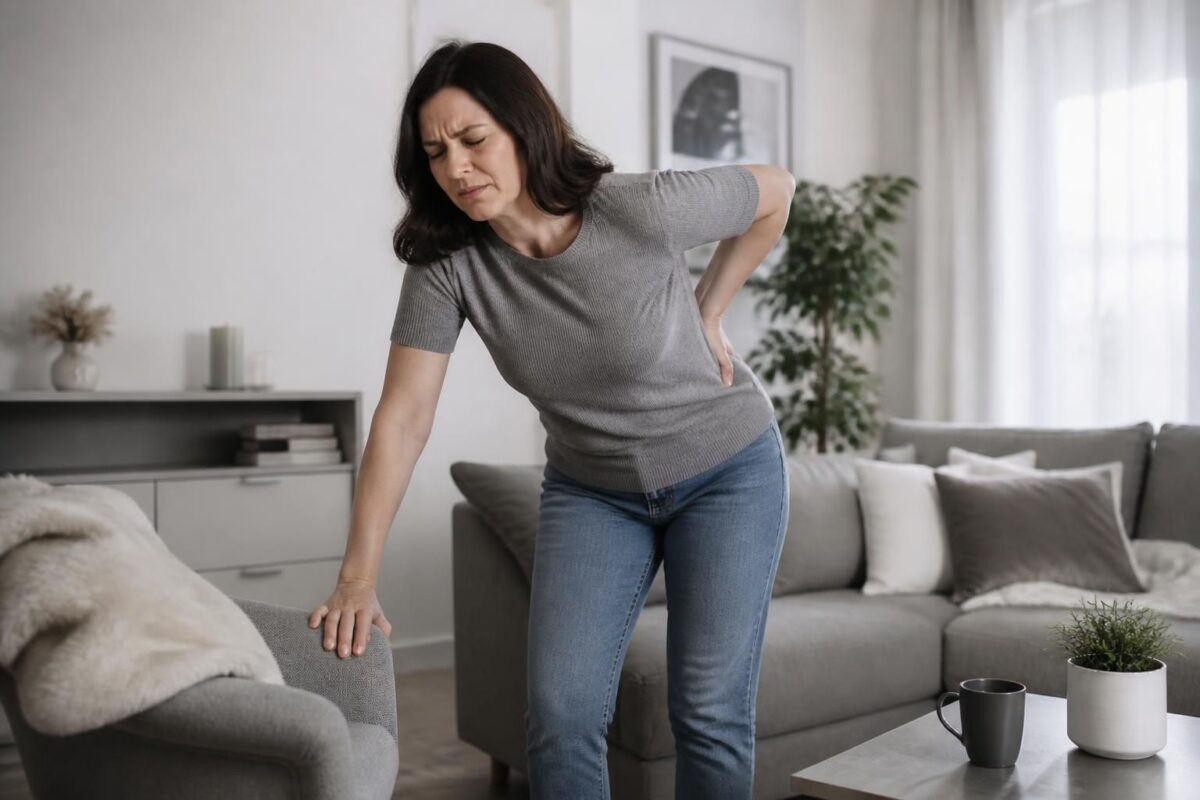
Sciatica and difficulty standing upright
IN BRIEF In brief, sciatica and difficulty standing refer to painful radiation starting from the lower back down the leg, which can significantly hinder standing. What is it? A pain that may radiate into the buttock and leg, with sensations…

Dr Sylvain Desforges, B.Sc., D.O., N.D., osteopath, is the founding president of TAGMED and of the ACMA association. He dedicates his practice to chronic spinal pain, low back pain and symptoms compatible with sciatica, particularly when pain radiates toward the buttock, leg, calf, foot or toes.
Through SOS Sciatique, he publishes educational content on sciatica symptoms, possible causes such as disc herniation, disc narrowing, foraminal stenosis or irritation of a lumbar nerve root, as well as non-surgical approaches that may be considered according to the evaluation. At Clinique TAGMED, care may include, depending on the case, motorized neurovertebral decompression, specific osteopathic care or precision percussion.
For an evaluation related to sciatica treatment in Montreal / Mount Royal or sciatica treatment in Terrebonne, please consult the services available at Clinique TAGMED.
Medical disclaimer
The information published on SOS Sciatique is provided for educational purposes only and does not replace a consultation, diagnosis, opinion or treatment provided by a physician or another authorized healthcare professional. The author of this article is neither a medical doctor nor a specialist in a medical specialty recognized by the Collège des médecins du Québec. The osteopathic, manual medicine or functional support approaches described on this site do not constitute medical acts and are not intended to replace medical follow-up.
Consult a physician or emergency service in cases of loss of bladder or bowel control, anesthesia in the saddle area, significant or progressive weakness in the leg or foot, fever, recent trauma, severe pain or rapid worsening of symptoms. For more details, please read our Legal Notice.