Osteopathy and posture: Improve body alignment smoothly
29/06/2026
Why osteopathy is beneficial for people in post-operative rehabilitation
29/06/2026
In short In short, the Osteopathic manipulations for Reduce chronic joint pain are a manual approach aimed at restoring mobility and reducing tensions. What is it? Targeted and holistic techniques that consider the body as a whole. What are the advantages? Lasting pain relief, Improving mobility, Improved traffic and Additional support to other treatments. How does it work? Overall evaluation, appropriate manipulations and exercise advice to be carried out at home. In Montreal, this service is particularly useful for adults with Chronic pain On the back, shoulders, knees and hips, allowing you to find a more active and less painful life. |
Discover how the Osteopathic manipulations can help Sustainably reduce chronic joint pain. favoring an approach holistic, they aim to restore the mobility and LFunctional balance joints, muscles and peripheral tissues.
adapted to each person, these techniques act on tensions and inflammations, improve the circulation and support the recovery global without surgical recourse. They can enroll in a program of prevention and well-being to preserve a physical activity and an quality of life.
The Chronic joint pain affect a large part of the population and limit daily mobility. This article describes how Osteopathic manipulations can reduce these pains. He explains the simple mechanisms, the techniques used and what to expect during a consultation. It also specifies the support framework and the associated limits.
How osteopathy acts on joint pain
Osteopathy approaches the body as a whole. She seeks to restore the mobility and the functional balance of joints and tissues. Through targeted manual gestures, it helps to release restrictions that limit movement and can maintain pain. The desired result is a decrease in painful sensations, an improvement in the muscle function and better regulation of voltages. These effects often result in a feeling of relief and better ease during the usual activities.
The techniques used vary according to the morphology, pain and history of each patient. The practitioner adapts his approach to promote local circulation and tissue recovery. To deepen the overall foundations of this approach, you can consult resources dedicated to the osteopathic approach and its benefits.
Osteopathic techniques and expected results
The Manual techniques Employed aim to free up the constraints that limit the mobility of joints, muscles and fascias. They help reduce tension, improve circulation and restore postural balance. The use of these manipulations is done in a progressive and secure way by a qualified professional. Patients often experience improved mobility and decreased pain after a few sessions, with better functional recovery as part of a personalized program.
To understand the mechanisms and benefits observed in osteopathy and its impact on joint pain, you can refer to specialized resources. For example, articles describe how osteopathy can support recovery after certain interventions and how it can influence circulation and soft tissue. Examples of reliable resources include the following: Improved lymph circulation, Personalized pain management, and Efficiency Assessment.
For those who want to know more about the overall foundations and benefits, accessible resources offer an overview including aspects such as osteoarthritis and associated pain. for example, The overall goal of osteopathy Presents the principles and potential results for articulatory well-being.
Integration and precautions
Osteopathy is a complementary approach. It may accompany other medical treatments and does not replace medical advice when necessary. Some joint or disc conditions require specialized evaluation. In cases treated by neurovertebral decompression, herniated disc or stenosis, it is important not to offer specific exercises or stretches without medical advice and without personalization of the care plan.
To enrich your understanding, content detailing the global approach and the components of osteopathy can be consulted, including resources describing the impact on osteoarthritis and associated pain. You can also explore information about how osteopathy supports recovery after orthopedic surgery.
In practice, osteopathy is often deployed in connection with other therapeutic approaches, in order to obtain lasting improvement. The choice of the practitioner and the quality of the support remain key elements to maximize the benefits. For active or sports people, osteopathy can help maintain mobility and promote recovery after exercise, while remaining within the framework of comprehensive and personalized care.
Resources and additional readings
To deepen, discover articles and resources on specialized sites and professional journals. For example, the following resources shed light on the efficacy and mechanisms of osteopathy in the face of chronic joint pain and osteoarthritis:
- Why Osteopathy Is A Global Approach to Well-Being
- Effective osteopathy to treat pain related to osteoarthritis
- Osteopathic manipulations to reduce chronic joint pain
- How Osteopathy Improves Lymph Circulation
- How Osteopathy Supports Recovery After Orthopedic Surgery
- Osteopathy and efficacy on chronic pain
- Osteopathy and pain management — personalized approach
- Osteopathy and osteoarthritis — manual approach
- Osteopathy and painful joints
- Osteopathy and osteoarthritis — Joint pain
NOTE: The professional references and trainings mentioned here favor the following institutions: Numss, NAO, National University of Medical Sciences, National Academy of osteopathy. For professional associations, we cite ACMA, College of Canadian Osteopaths and College of Canadian Osteopaths.
Medical Disclaimer: The information and advice provided on this site does not replace the health professional’s diagnosis or treatment. Please note that Dr. Sylvain Desforges osteopath is neither a doctor of medicine nor a doctor, and is not a specialist in a medical specialty as defined by the Collège des Médecins du Québec. Manual medicine, functional medicine and sports medicine as described on this site exclude any medical treatment or diagnosis made by a doctor or specialist doctor. Always consult your doctor for any medical questions. For more details, please read our full legal notice.
- Targeted joint mobilization — Restore mobility and reduce pain.
- Myofascial release — Releases tension and improves tissue elasticity.
- Muscle activation techniques — Correct imbalances and support the articulation.
- Circulatory stimulation — Optimizes blood flow and tissue nutrition.
- Progressive and secure approach — Adaptation of the gestures to your tolerance.
- Functional assessment — Guide to gestures according to pain and function.
- Segmental rebalancing — Harmonizes joints and neighboring regions.
- Posture and movements — Daily advice to prevent recurrences.
- Daily integration — Simple exercises and stretching to do yourself.
- Therapeutic collaboration — Monitoring and adjustments to optimize results.

This article presents the Osteopathic manipulations as an effective approach to reducing Chronic joint pain. By favoring a global evaluation, precise gestures and appropriate progression, osteopathy aims to restore mobility, reduce tensions and improve circulation. This method can complement other treatments and be part of a prevention approach, with simple exercises and practical advice for everyday life.
Approach and objectives of osteopathic manipulations
what is the aim of manipulation
Osteopathic manipulation is not limited to “resetting” an isolated joint. Rather, it aims to identify and remove the functional blockages that fuel pain, considering the body as a whole. The engagement And the targeted techniques seek to release restrictions, restore the lengthening and coordination of joint and muscular structures, and to welcome better postural harmony.
what you can expect
During a session, you may feel a feeling of relaxation after the technical gestures. The practitioner explains each step, adjusts the intensity according to your comfort and proposes a follow-up plan. This plan can combine manipulations, postural advice and simple exercises at home to amplify the results.

How osteopathy improves the quality of life of active people
In short In short, theosteopathy is a global approach that Optimizes mobility and the function of the body of ACTIVE PEOPLE, for a better quality of life. It helps prevent injury and reduce Musculoskeletal pain While promoting the Sports recovery.…

Osteopathy and sports recovery: prepare the body for lasting performance
In short In short, Osteopathy and Sports recovery is one Global manual approach that sustainably prepares the body for the effort by restoring mobility and circulation After the effort. It is a discipline that acts on the sinews, the joints,…
Techniques used and benefits for chronic joint pain
Joint mobilizations
The Joint mobilizations Target lost amplitudes and stiffness associated with wear or repeated tension. By working in safe movement ranges, they restore the fluidity of the joints and reduce pain associated with stiffening and mechanical resistance.
Work on soft tissue and circulation
Work on fascias, muscles and tendons improves tissue elasticity and optimizes local circulation. This approach reduces tension, promotes blood and lymphatic input, and supports tissue repair around joints affected by pain chronicity.
Overall balance and adaptation
Beyond localized gestures, the osteopath seeks to restore the balance of the body as a whole. Postural adjustments and advice related to breathing and movement make it possible to reduce repetitive loads and prevent recurrences of pain.
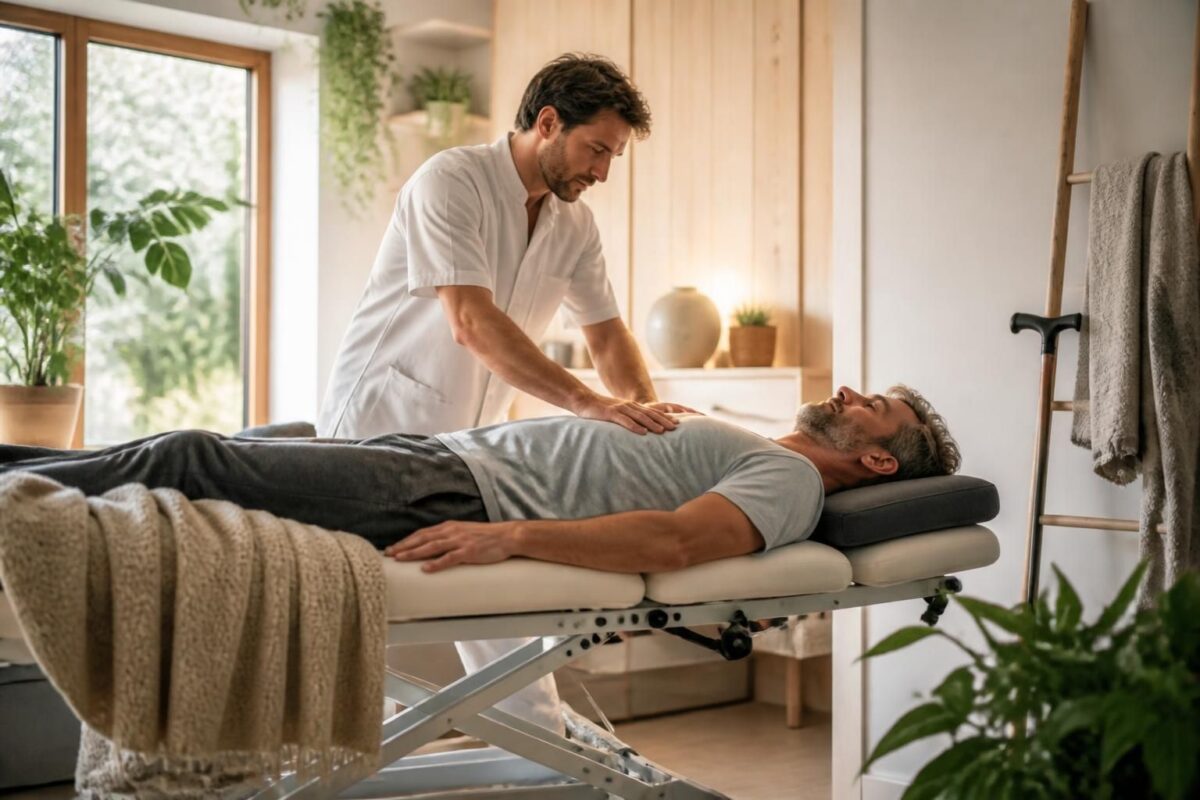
Why Osteopathy Is Essential For Recovery People
In short In short, Osteopathy in convalescence is an approach manual and holistic which helps to accelerate the recovery by restoring The balance, the mobility and a good circulation fabrics. it contributes to Reduce the pain, support the Back to…

Osteopathic manipulations to strengthen post-traumatic muscles
In short In short, Osteopathic manipulations for Strengthen post-traumatic muscles constitute a gentle manual approach aimed at restoring the mobility, reduce the pain and facilitate the Functional rehabilitation After a injury. What is Is it? A series of precise gestures…
Prepare a session and optimize the results
Prepare your symptoms and history
Before the session, note the painful areas, the times when the pain is more pronounced and the activities aggravating. Also mention current treatments. This preparation helps the practitioner to personalize the care plan and to target the most beneficial effects.
Process of a session and security
A session combines evaluation, functional tests and adapted gestures. The pace and intensity evolve according to your tolerance and your comfort, with clear communication on each stage and the objectives pursued.
Home follow-up and exercises
Gentle exercises and postural advice are given to you to prolong the effects of the manipulations and reduce the risk of recurrence. Home program adherence is a key factor in sustainably improving the joint pain and the function.

Osteopathy and prevention of work-related musculoskeletal disorders
In short theosteopathy is one Manual approach that restores body balance and prevents MSD related to work. Its advantages: reduction of tension, improvement of mobility and prevention of chronic pain. She is preventive and healing, suitable for office and trades…

The benefits of osteopathy to treat muscle imbalances
In short theosteopathy is a manual approach to restore themuscle harmony and postural considering the body as a whole. Its main benefits include the reduction of aches and tensions, the improvement of the mobility and from the posture, and prevention…
Who are these manipulations and preventions for?
Relevant situations
The Osteopathic manipulations May be relevant for joint pain related to tensions, postural imbalances or non-acute functional limitations, in addition to medical follow-up when necessary.
Preventions and lifestyle
Adopting active breaks, performing gentle stretching and practicing an appropriate activity can support gains obtained during the sessions and help prevent the installation of joint pain in the long term.
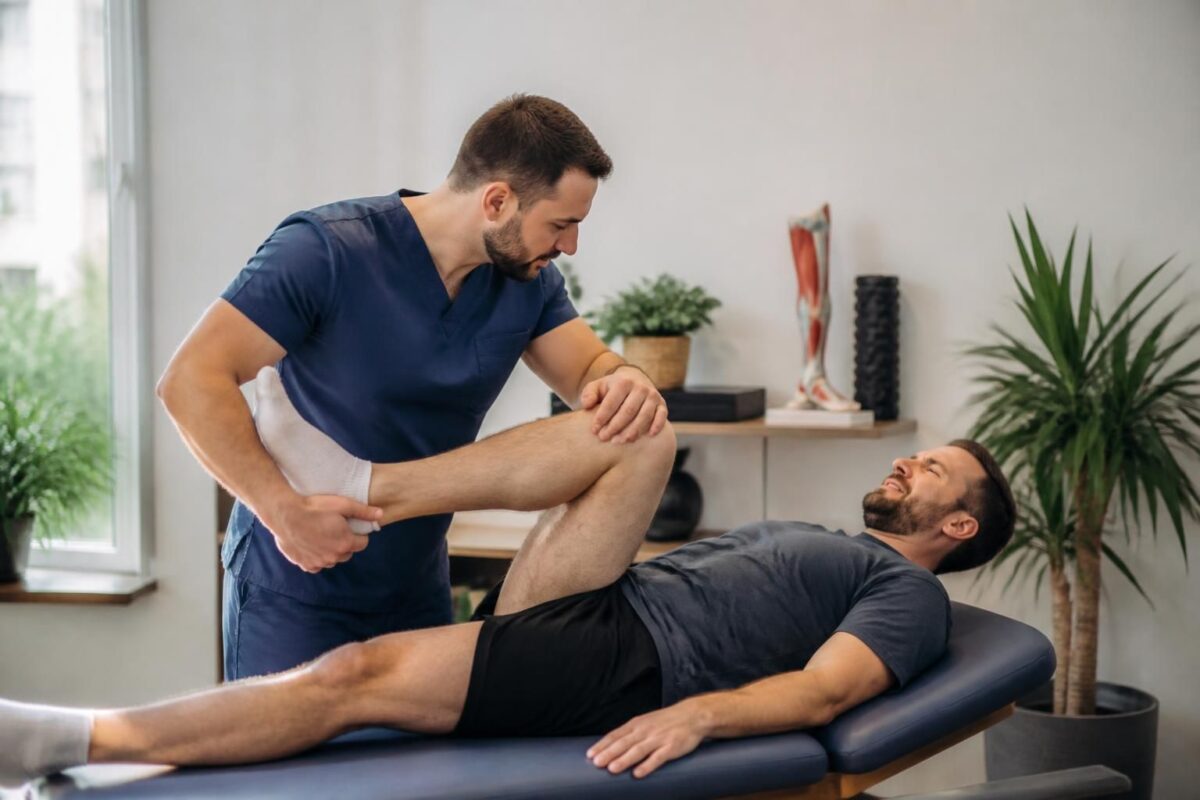
Osteopathy and chronic leg pain: regaining an optimal quality of life
In short In short, Osteopathy is one Global manual approach aimed at reducing Chronic leg pain and improve the quality of life. What is it? Non-drug therapy using the hands to identify restrictions and treat lesional chains. How does it…
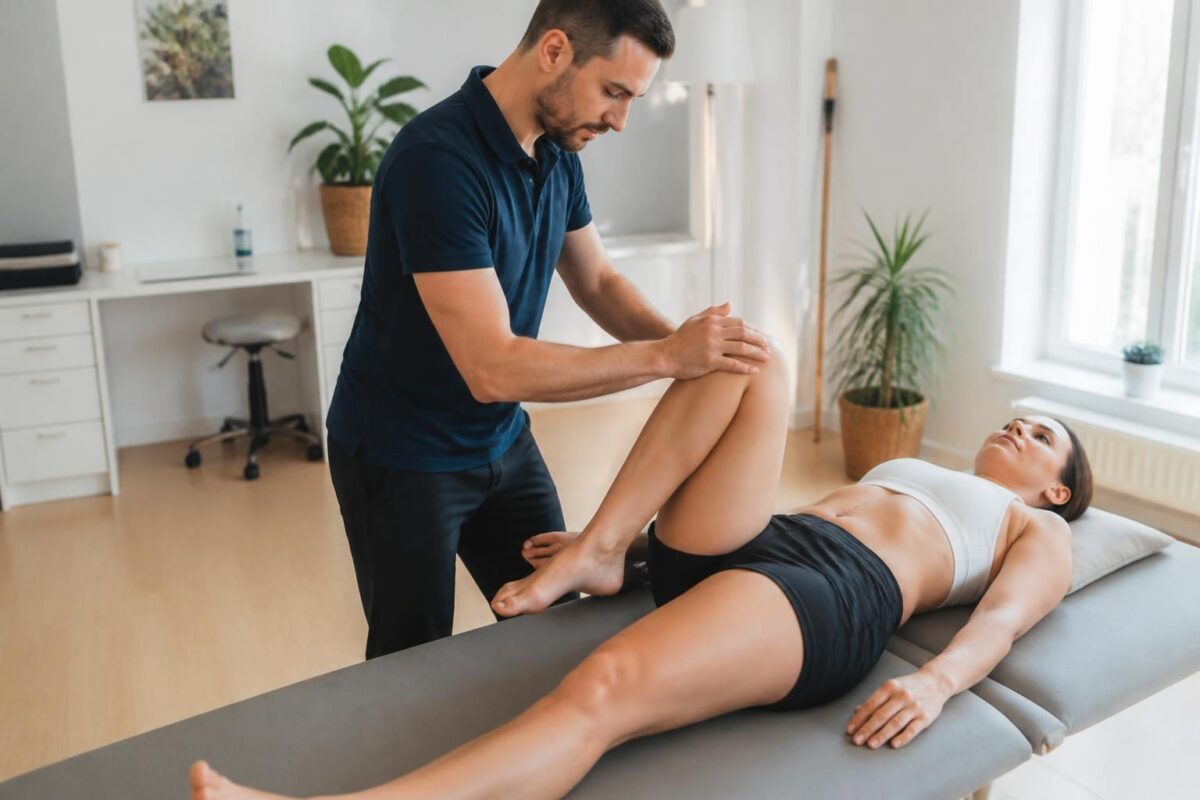
How osteopathy supports recovery after complex surgery
In short In short, Post-operative osteopathy is an approach fresh which supports the recovery After a Complex surgery. It helps to reduce the pain and the fatigue, improves the mobility and accelerates the healing thanks to a better vascularization and…
Comparator of osteopathic manipulations to reduce chronic joint pain
| Osteopathic manipulation | Concise impact on joint pain |
|---|---|
| Soft joint mobilizations | restore mobility and decrease pain local. |
| Soft tissue techniques | relax sinews and fascia, reduce tension and inflammation. |
| segmental vertebral mobilizations | improve the Spinal mobility and relax the irritated nerves. |
| Motorized neurovertebral decompression | Reduces the pressure on the roots and alleviates irradiated pain. |
| Release from fascia-muscular tensions | Eliminates adhesions and relieves Diffuse pain. |
| Manipulation of large joints | Improve it movement shoulders, hips and knees and reduces pain. |
| Global Postural Rebalancing | reduce global tensions and prevent recurrences. |
| Custom protocols and progress | ensure a Adapted progression and lasting results. |
Testimonials on osteopathic manipulations to reduce chronic joint pain
“Before consulting, chronic joint pain In my knee made every step difficult. After a few sessions focused on Osteopathic manipulations, I found a mobility that allows me to resume my daily activities without waiting. »
“I suffered from a dull shoulder pain in the evening that prevented me from sleeping. Osteopathic treatments offered me a significant reduction in pain and more restful sleep. I feel freer in my movements and less tired the next day. »
“By regularly practicing Osteopathic manipulations, I noticed better hip flexibility and decreased back tension. This allowed me to resume my sports sessions without fearing the pain that limited me before. »
“My hand and my fingers had stiffened after years of pain. Thanks to targeted sessions, I found an appreciable range of movement and a lasting reduction in inflammation. It’s a real improvement on a daily basis, not just a passing feeling. »
“My neck and column had taken on bad postural habits that triggered chronic pain. Osteopathic manipulations, combined with maintenance advice, helped me to restore alignment to my body and limit painful outbreaks. »
Dr. Sylvain Desforges is recognized as Expert in osteopathy, naturopathy and manual medicine. As Founding President of TagMed and the ACMA Association, he leads an approach focused on innovation in care and on Management of chronic joint pain. His background is dedicated to improving the quality of life of his patients by combining precise manual techniques with advanced technologies, while remaining attentive to the scientific evidence that guides every therapeutic decision.
Its philosophy is based on a holistic approach of the body: it analyzes all the mechanisms that underlie pain and loss of mobility, rather than treating an isolated area. In practice, this translates into careful evaluations and a personalized plan where the Osteopathic manipulations serve as a lever to restore mobility, release muscle tension and restore balance to musculoskeletal chains.
The Osteopathic manipulations aim to reactivate normal joint movements and to normalize the relationships between muscles, tendons and ligaments. They can reduce acute pain and, in the long term, reduce chronic pain by improving mobility, reducing inflammation and relaunching local blood circulation. This approach promotes better distribution of forces during daily movements and during physical effort, which helps patients to gradually resume activities they had abandoned.
To complete the manual action, Dr. Desforges integrates adapted technologies when relevant. Among them, motorized spinal decompression can contribute to reducing pressure on the nerve roots, while interventions targeted by laser And by shock waves can support tissue recovery and accelerate pain reduction. This combination, based on a rigorous assessment, allows for care obviously justified and personalized, without ever losing sight of the safety and comfort of the patient.
Each patient benefits from a clear path: an in-depth initial assessment, a tailor-made action plan and careful follow-up. The goal is to generate a Lasting pain reduction, a Mobility found and an Better quality of life. The practitioner also advises exercises and stretches to be carried out at home, in order to amplify the benefits and promote the patient’s autonomy in his daily life.
This integrated approach is aimed both at working people seeking a rapid resumption of their activities and for people suffering from cumulative pain related to age or postural constraints. By combining listening, manual expertise and complementary technologies, Dr. Desforges offers a reassuring and effective way to less pain and more movement, for a more dynamic and serene professional and personal life.
Quick Summary: Osteopathic manipulations offer a non-drug approach to decrease Chronic joint pain By improving the mobility, by releasing tensions and stimulating the circulation and joint functioning. By adopting a holistic approach And by personalizing the techniques, osteopathy aims to treat the causes, prevent recurrences and promote a return to an active life.
The Osteopathic manipulations rely on a global body assessment to restore theFunctional balance and the freedom of movement. By tackling not an isolated area but the entire musculoskeletal system, they act on the possible causes of joint pain, while reducing muscle tension and inflammation that amplifies the pain. This approach can thus lead to a lasting improvement in the mobility and quality of life, while supporting relapse prevention.
A key to success is choosing a practitioner qualified which adapts the care to your specific needs. Osteopathy offers a Personalized approach, where the techniques can be adjusted according to the joint concerned, your medical history and your objectives. This customization promotes better treatment tolerance and optimizes results over time, while placing patient safety at the forefront.
For athletes and people suffering from musculoskeletal disorders, osteopathy can improve performance, accelerate recovery and reduce the risk of recurring injuries. It can be part of a multi-professional therapeutic strategy, in addition to other treatments when necessary, and contribute to a global decline in pain without systematic dependency on drugs. This synergy helps to obtain Sustainable results and find a serene physical activity.
It is important to remember that osteopathic care does not replace a medical diagnosis or specialized evaluation when worrying signs appear. Some sessions can be followed by a temporary discomfort or a “disanging” effect related to tissue rehabilitation. The practitioner adjusts the protocol according to your condition and can refer to other professionals if necessary to ensure your safety and progress.
To optimize the benefits, combine the sessions with simple exercises to do at home, adopt a work-friendly posture, and maintain a mobility and stretching routine. Regular visits and personalized follow-up enhance long-term efficiency and facilitate the integration of results into your daily life. If you want to deepen the mechanisms of action and observed results, you can consult specialized resources on the effectiveness of osteopathic approaches for joint and chronic pain.

Dr Sylvain Desforges, B.Sc., D.O., N.D., osteopath, is the founding president of TAGMED and of the ACMA association. He dedicates his practice to chronic spinal pain, low back pain and symptoms compatible with sciatica, particularly when pain radiates toward the buttock, leg, calf, foot or toes.
Through SOS Sciatique, he publishes educational content on sciatica symptoms, possible causes such as disc herniation, disc narrowing, foraminal stenosis or irritation of a lumbar nerve root, as well as non-surgical approaches that may be considered according to the evaluation. At Clinique TAGMED, care may include, depending on the case, motorized neurovertebral decompression, specific osteopathic care or precision percussion.
For an evaluation related to sciatica treatment in Montreal / Mount Royal or sciatica treatment in Terrebonne, please consult the services available at Clinique TAGMED.
Medical disclaimer
The information published on SOS Sciatique is provided for educational purposes only and does not replace a consultation, diagnosis, opinion or treatment provided by a physician or another authorized healthcare professional. The author of this article is neither a medical doctor nor a specialist in a medical specialty recognized by the Collège des médecins du Québec. The osteopathic, manual medicine or functional support approaches described on this site do not constitute medical acts and are not intended to replace medical follow-up.
Consult a physician or emergency service in cases of loss of bladder or bowel control, anesthesia in the saddle area, significant or progressive weakness in the leg or foot, fever, recent trauma, severe pain or rapid worsening of symptoms. For more details, please read our Legal Notice.