Osteopathic techniques to enhance joint stability
29/06/2026
Osteopathic manipulations to reduce chronic joint pain
29/06/2026
In short
In short, theosteopathy and the posture constitute a Manual approach Aiming to improve body alignment by Gentle techniques and adapted. What is it? A discipline of care that assesses and restores tissue mobility—joints, muscles, fascias—to promote Balanced posture. What advantages? reduction of strain, improvement of the mobility, pain prevention chronicles and improved comfort on a daily basis. How does it work? Palpation of tension zones, slow and targeted mobilizations, rebalancing of musculoskeletal chains. Everything can be supplemented by advice postural and ergonomics; treatment non-invasive and adapted to everyone. In Montreal, this service is particularly useful for those looking for a Postural improvement without pain and a better quality of life. |
osteopathy and posture : Improve body alignment smoothly.
through a global approach and fresh, osteopathy aims to restore thePostural alignment By working on the mobility of the vertebrae, belts and surrounding tissues.
Through manual techniques adapted to each one, she seeks to release tension, promote fluid breathing and restore harmony between the musculoskeletal, nervous and circulatory systems.
The results often result in better posture, less pain and increased ease in everyday gestures, while respecting the rhythm and contraindications specific to each person.
This article, written by an expert health professional, explains how Osteopathy Acts on theBody Alignment and how to get a Balanced posture in a gentle way. It describes the principles, evaluation and techniques used, as well as the daily habits that support thealignment No pain or forcing. It also recalls indications and limits, in order to guide a care approach based on safety and effectiveness.
The body is a functional unit. The Musculoskeletal system, organs and nervous system work together to maintain posture. A disturbance in one area can influence other regions. This holistic vision is at the heart of theosteopathy, which seeks to restore the overall balance rather than treating isolated symptoms.
Understanding the alignment and role of the fascia
The fascias form a continuous web that connects muscles, bones and organs. They transmit forces and can limit mobility when their slippage is compromised. In osteopathy, techniques target fascial mobility to release tension and promote a more harmonious alignment of the spine and body belts.
Osteopathic Alignment Assessment
The osteopath evaluates Postural balance by palpation and simple mobility tests. We are looking for signs of somatic dysfunction, such as modified tissue textures, asymmetries, restrictions, and local sensitivity. The objective is to identify areas which, once released, allow better overall posture.
Techniques used to promote alignment
The practitioner adapts the techniques according to the patient and the context. we find approaches structural (joint mobilizations and soft corrections), methods myofasciales (tension points and progressive lifting of the fascias), techniques functional (or indirect) and, when necessary, targeted approaches to muscle chains and key joints. The goal is to improve mobility, reduce tension and restore an ergonomic alignment of the trunk and pelvis without pain.
To deepen the relationship between osteopathy and posture, resources such as The article on osteopathy and pain related to poor posture provide practical insights. Other perspectives and ergonomic advice are available at Tagmed Clinic and in specialized resources accessible via SOS SCIATIC.
Ergonomics and daily habits to support alignment
Adopting simple habits can support osteopathic action. Adjusting the work environment and daily living positions helps maintain alignment. Be careful of a Neutral posture During seated work, regular checking of the alignment of the skull, shoulders and pelvis, and an alternation of activities that avoids frozen postures. For illustrated advice, consult the dedicated resources available on referenced sites and specialized clinic information pages.
To enrich your understanding of how good posture supports the body, you can view elements on the importance of postural alignment in specialized resources, including exchanges with professional associations and recognized training in osteopathy. Some recognized training courses include institutions such as NUMSS, nao, National University of Medical Sciences and National Academy of osteopathy, which provide a solid theoretical and practical basis for practitioners.
When to consult and what orientations to look for
An osteopathic consultation can be considered in the presence of recurrent pain related to posture, persistent stiffness or feelings of imbalance. The practitioner can propose a session plan adapted to your situation and refer if necessary to other health professionals. In some cases, ergonomic advice and appropriate supervision of daily activities complete the osteopathic work and strengthen thePostural alignment.
To better understand the mechanisms of good alignment and complementary approaches, resources such as losteopathy and improved posture and balance and the pages dedicated to osteopathy and posture on SOS SCIATIC offer useful explanations. Additional information on techniques and benefits can also be found on osteorive and in the resources associated with the professional networks mentioned.
Specific aspects, such as cases of low back pain or cervico-scapular disorders, can benefit from a postural balance reinforced by appropriate osteopathic interventions. To learn more about the links between posture and pain and decompensation mechanisms, articles and clinical guides that can be consulted via forums and partner clinics provide useful and transparent insights.
Details on training and professional associations remain essential. In osteopathy, the references remain centered on recognized organizations such as acma, the College of Canadian Osteopaths and the College of Canadian Osteopaths, in order to ensure the quality and ethics of practices. For information on training, refer to establishments such as NUMSS, nao, National University of Medical Sciences and National Academy of Osteopathy.
For more lighting, public and professional resources can be consulted on the partner sites mentioned above. Technical pages and guidance documents provide additional explanations of the mechanisms and benefits of osteopathy in healthy body alignment.
Medical Disclaimer: The information and advice provided on this site does not replace the health professional’s diagnosis or treatment. Please note that Dr. Sylvain Desforges osteopath is neither a doctor of medicine nor a doctor, and is not a specialist in a medical specialty as defined by the Collège des Médecins du Québec. Manual medicine, functional medicine and sports medicine as described on this site exclude any medical treatment or diagnosis made by a doctor or specialist doctor. Always consult your doctor for any medical questions. For more details, please read our full legal notice.
References and additional resources (authorized domains): Osteopathy and postures, Tagmed Clinic, Osteopathy and stress, Osteopathy and posture and balance, Osteopathic and lumbar techniques, Complete Osteopathy Guide, Osteopathy and postural alignment, Osteopathy and postural disorders.
Axis: Harmonize structure and movement by gentle and personalized techniques.
- Overall assessment: Harmonized posture and mobility
- vertebral alignment: straight and balanced column
- pelvis and shoulders: natural repositioning
- Gentle techniques: Mobilizations and Fascial Release
- Muscle relaxation: less tension, better posture
- Breathing and posture: Diaphragm supports the spine
- Daily habits: Gestures and favorable positions
- Prevention of imbalances: Office and sport work
- Moving posture: Sustainable posture during activities
- Personalized follow-up: Individualized plan and reassessments

This article presents how theosteopathy can improve theBody Alignment in a gentle way, favoring personalized techniques and practical advice to support a posture optimal daily without pain.
Understanding body alignment and the role of osteopathy
Body alignment refers to the harmonious relationship between the spine, pelvis, shoulders and neck. Osteopathy considers the body as an interconnected whole: tension in one zone can influence other regions. The role of the practitioner is to assess mobility restrictions, improve circulation and restore fluid movement patterns, while respecting the body’s self-healing ability.
Principles that guide action
Based on functional unity, self-regulation and structure–function interdependence, the osteopathic approach aims to remove obstacles that alter the effectiveness of tissues and organs. Blood and lymphatic flow, as well as the proper functioning of the nervous system, are considered as levers to restore the alignment and stability of the body.

How osteopathy improves the quality of life of active people
In short In short, theosteopathy is a global approach that Optimizes mobility and the function of the body of ACTIVE PEOPLE, for a better quality of life. It helps prevent injury and reduce Musculoskeletal pain While promoting the Sports recovery.…

Osteopathy and sports recovery: prepare the body for lasting performance
In short In short, Osteopathy and Sports recovery is one Global manual approach that sustainably prepares the body for the effort by restoring mobility and circulation After the effort. It is a discipline that acts on the sinews, the joints,…
Gentle and suitable techniques for alignment
the techniques used favor gestures sweetness and progressive pressures, adapted to the age, morphology and medical history of each one. One can combine light structural approaches, fascial methods and cranio-sacral elements to reopen restriction zones without rushing the sensitive tissues.
Processing customization
Each session is adapted: the evaluation includes habits, the workstation and the rhythm of life, in order to propose a plan that fits into your mobility and pain reduction objectives. This customization is essential when looking for a alignment durable without forcing.
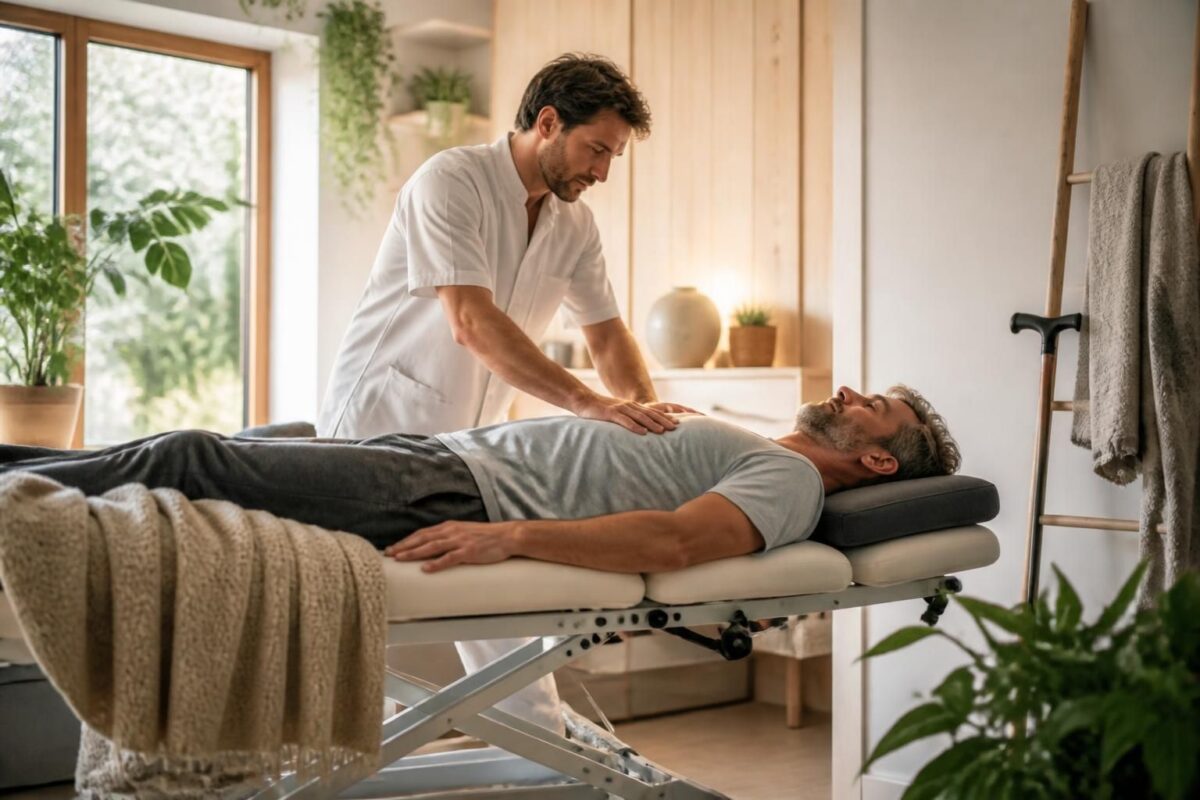
Why Osteopathy Is Essential For Recovery People
In short In short, Osteopathy in convalescence is an approach manual and holistic which helps to accelerate the recovery by restoring The balance, the mobility and a good circulation fabrics. it contributes to Reduce the pain, support the Back to…

Osteopathic manipulations to strengthen post-traumatic muscles
In short In short, Osteopathic manipulations for Strengthen post-traumatic muscles constitute a gentle manual approach aimed at restoring the mobility, reduce the pain and facilitate the Functional rehabilitation After a injury. What is Is it? A series of precise gestures…
Maintain alignment on a daily basis
In addition to the sessions, practical advice helps to preserve alignment: adjust the ergonomics of the workstation, alternate sitting and movement, practicing active breaks and diaphragmatic breathing exercises to relax the diaphragm and shoulders, and integrate soft stretches at the end of the day to release accumulated tensions.
Examples of simple exercises
Slow and deep diaphragmatic breathing, keeping the spine in neutral position during light transfer, pelvic bridge to strengthen the abdominal floor and lower back, chest opening against a wall to stretch the pectoral muscles and restore The amplitude at the rib cage.

Osteopathy and prevention of work-related musculoskeletal disorders
In short theosteopathy is one Manual approach that restores body balance and prevents MSD related to work. Its advantages: reduction of tension, improvement of mobility and prevention of chronic pain. She is preventive and healing, suitable for office and trades…

The benefits of osteopathy to treat muscle imbalances
In short theosteopathy is a manual approach to restore themuscle harmony and postural considering the body as a whole. Its main benefits include the reduction of aches and tensions, the improvement of the mobility and from the posture, and prevention…
When to consult and precautions
Consult an osteopath if you experience persistent pain, limited mobility or tensions that impact your daily life. Osteopathy is not a substitute for medicine; It completes the treatments when conditions allow. In case of fever, acute pain, or neurological signs, contact a doctor: this is a sign of vigilance and orientation.
| Aspect | Concise description |
|---|---|
| Objective | Improve alignment Overall by unblocking mobility restrictions. |
| Key Techniques | Mobilize joints and fascias To restore mobility and alignment. |
| Effect on posture | gradual recovery of thealignment and reduction of postural compensation. |
| Mechanism of action | Restoration of thebalance Structure/function and activation of theself-healing. |
| Security and tolerance | techniques sweet and adapted; Generally painless and well tolerated. |
| Frequency/Type of Session | sessions initials typically 1 to 3, then adjusted according to progress and tolerance. |
| Expected results | top mobility, posture more aligned and reduction of strain. |
| Individual adaptability | Approach personalized According to morphology, therapeutic history and objectives. |
| Limits and complementarity | Useful in complement and not as single remedy; results vary. |
Since my first consultation ofosteopathy, my posture lined up in a way fresh and durable, with a feeling of stability found in the back and shoulders.
The Gentle techniques Used to release tension and realign the spinal segments changed my way of sitting in front of the computer, reducing pain and improving body comfort.
As an amateur athlete, thealignment found improved my gesture and my breathing, allowing better efficiency while limiting posterior tensions.
cervical tensions gradually yield thanks to an approach centered on the posture and measured manipulations, without feeling of invasion or pain.
in the office, a better posture Helped me reduce lower back pain and stay active all day, even during long meetings or movements.
The practitioner explained to me the link between structure and function, which gave me confidence to continue the sessions and integrate posture habits into my daily life.
I consider osteopathy as an approach preventive: Regular visits help prevent imbalances and maintain a healthy alignment without pain.
For those who want to improve their body alignment in a natural and sustainable way, I highly recommend theosteopathy And a simple routine of posture and daily stretching.
Dr. Sylvain Desforges is a recognized practitioner in the fields of osteopathy, naturopathy and manual medicine. At the head of the TagMed clinics and the ACMA association, he carries an innovative vision of health and emphasizes the sustainable improvement of well-being through better posture and harmonious body alignment. His journey is marked by a constant search for effective and respectful solutions for the body, centered on the patient and based on scientific evidence.
His philosophy is based on the idea that the body is a functional unit: poor posture, muscle imbalance or mobility restriction in a region can impact the entire musculoskeletal, nervous and cardio-respiratory system. In this perspective, osteopathy aims not to mask pain, but to restore the natural mechanisms of balance and tolerance to effort. The work focuses on gentle and adapted gestures, allowing the body chains to be reharmonized without rushing the fabric.
The intervention framework favors a global and individualized assessment. The examination highlights areas of tension, asymmetries and limitations that maintain dysfunctional postural patterns. The objective is to combine the qualities of movement, breathing and joint stability to optimize the alignment of the column and trunk. This gentle and progressive approach helps not only relieve pain, but also restore a posture that supports daily activities and sports performance.
In addition to manual osteopathic techniques, Dr. Desforges integrates advanced technologies when relevant. Spinal decompression deploys controlled traction to free up the intervertebral spaces and alleviate the pressure on the nerves, which can facilitate long-term postural correction. The use of laser and shock waves support tissue regeneration and the reduction of deep tensions, while promoting better circulation and drainage of congestive areas. These tools are used with discernment and always in a logic of safety and therapeutic efficacy.
The gentle posture approach is not limited to the single session: it is part of an educational and preventive approach. Dr. Desforges insists on patient education, the integration of targeted exercises and ergonomic advice to permanently change daily habits. The goal is to preserve the gains obtained and to prevent relapses, by strengthening the stabilizing areas and improving the coordination between breathing, movement and posture.
Through his leadership and commitment to evidence-based care, he demonstrates that a holistic approach can transform body alignment and quality of life without resorting to invasive measures. For those who wish to know more about their approach and the services offered, it is advisable to contact the TagMed clinics in order to obtain a personalized and adapted evaluation for each health course..
This summary summarizes how Osteopathy can improve alignment and posture so fresh and personalized, favoring the unity of the body, the mobility of the tissues and the balance of the nervous system. It highlights the role of fascias, self-regulation mechanisms and various techniques that adapt to each individual, with the aim of supporting the movement and preventing Chronic pain.
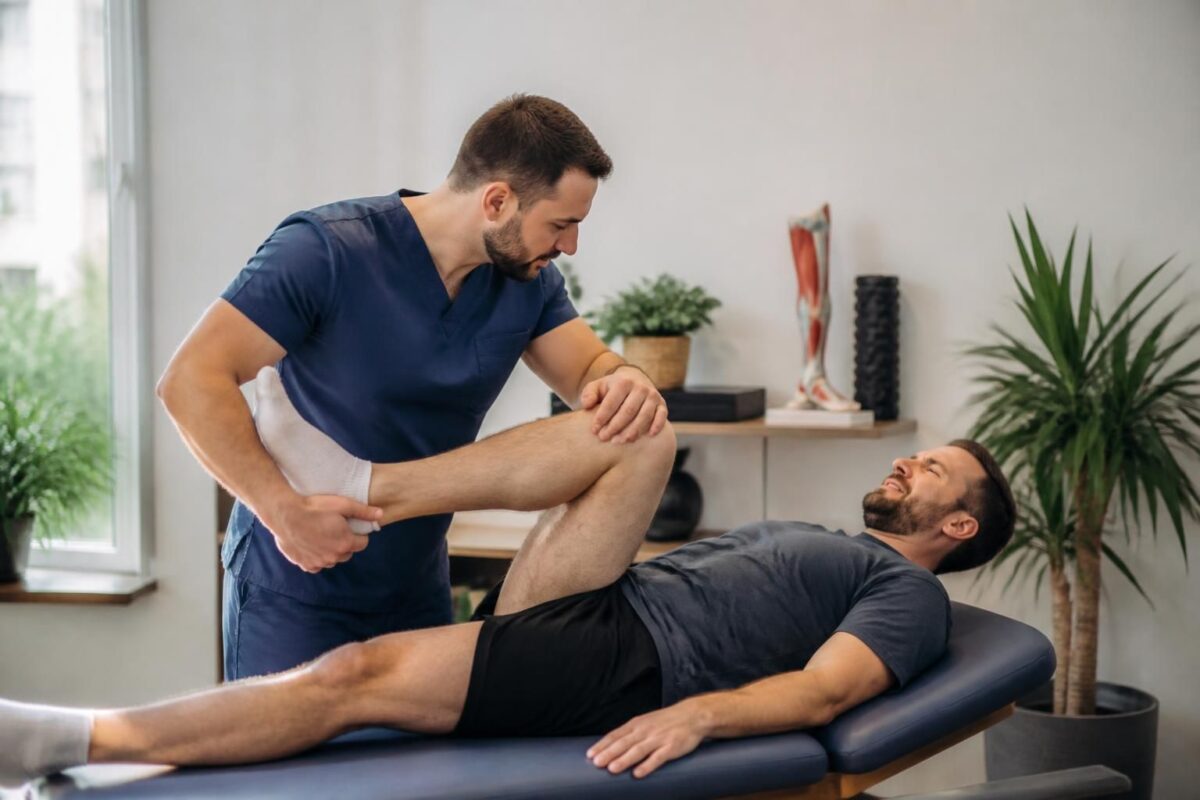
Osteopathy and chronic leg pain: regaining an optimal quality of life
In short In short, Osteopathy is one Global manual approach aimed at reducing Chronic leg pain and improve the quality of life. What is it? Non-drug therapy using the hands to identify restrictions and treat lesional chains. How does it…
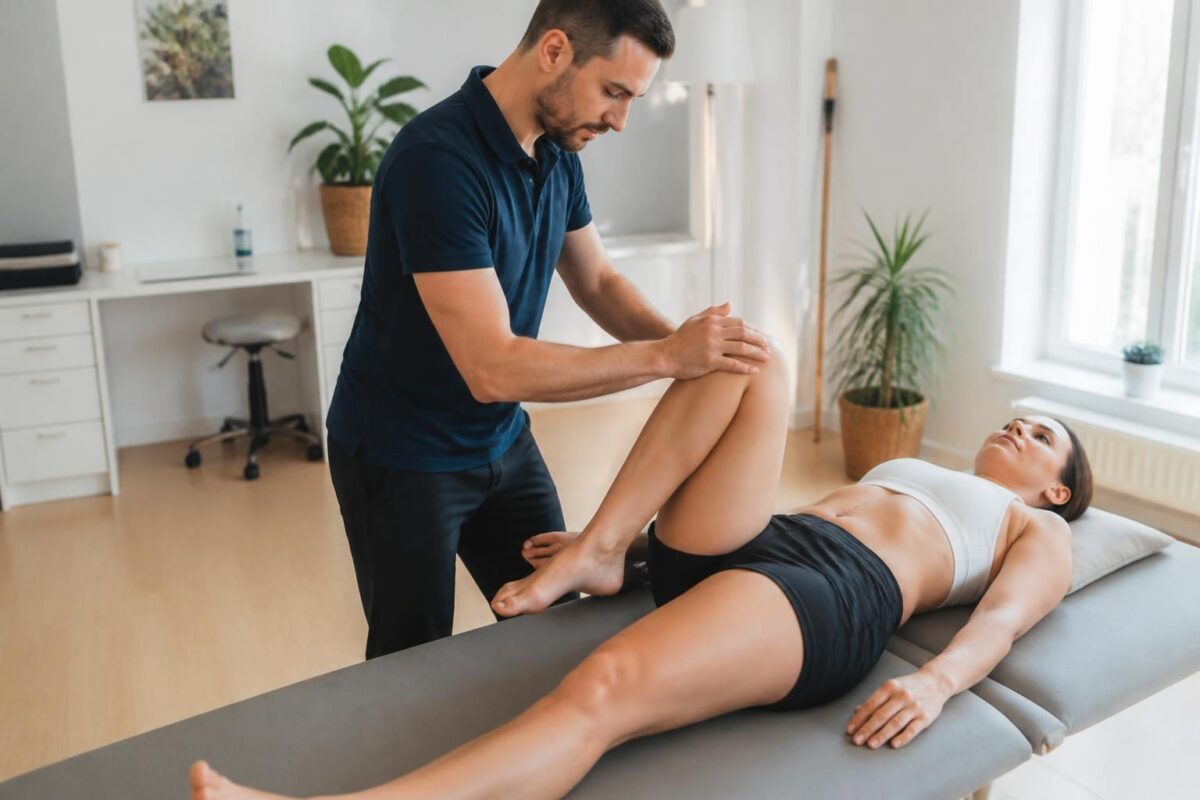
How osteopathy supports recovery after complex surgery
In short In short, Post-operative osteopathy is an approach fresh which supports the recovery After a Complex surgery. It helps to reduce the pain and the fatigue, improves the mobility and accelerates the healing thanks to a better vascularization and…
Synthesis
from a perspective holistic, theosteopathy aims to restore alignment By restoring the mobility joints and soft tissues. It is not a quick correction but a progressive rebalancing that respects the physiology and limits of the body.
The mechanisms involved include the somatic dysfunction, the central role of fascias and influence on the the nervous system autonomous. By working on these axes, the osteopath can improve posture, breathing and circulation, which contributes to better distribution of loads and a reduction in tension.
The techniques allow an approach individualized, ranging from Structural techniques and myofasciales to methods cranial and visceral. Each session is adapted to morphology, health status and lifestyle, in order to obtain a Durable alignment and an Mobility found.
Clinical applications cover Musculoskeletal pain and postural imbalances of active adults, with favorable results on pain and function. Although the evidence varies according to the indications, osteopathy remains a useful option in a multimodal approach, sometimes integrating ergonomic advice and targeted exercises. To learn more, check out the following resources: Improve#atfp_close_translate_span# Smooth body alignment, Osteopathy#ATFP_CLOSE_TRANSLATE_SPAN# and posture — skeleton and Post#ATFP_CLOSE_TRANSLATE_SPAN# among active people.
To maximize benefits, osteopathy can be associated with ergonomic adjustments, trunk strengthening exercises and stress management techniques. Simple changes in the workstation or how to move can sustainably support thePostural balance and reduce recurring voltages.
Finally, choosing a competent and transparent practitioner is crucial: DO training, registration in the registry and patient-centric approach. To deepen, check out the postural alignment and joint recovery resources: Benefits#atfp_close_translate_span# on joint health and Correction#ATFP_CLOSE_TRANSLATE_SPAN# of posture in adults.
This rapprochement between osteopathy and posture underlines a practical way to a Sustainable well-being, where the gentleness of the gestures is combined with a scientific and personalized approach. To learn more, explore articles and examples on posture improvement following a fracture and post-traumatic recovery: Recovery#ATFP_CLOSE_TRANSLATE_SPAN# after fracture and the guide “Neuro-vertebral decompression and posture” on the SOS Sciatica site: Decompression#atfp_close_translate_span# and posture.

Dr Sylvain Desforges, B.Sc., D.O., N.D., osteopath, is the founding president of TAGMED and of the ACMA association. He dedicates his practice to chronic spinal pain, low back pain and symptoms compatible with sciatica, particularly when pain radiates toward the buttock, leg, calf, foot or toes.
Through SOS Sciatique, he publishes educational content on sciatica symptoms, possible causes such as disc herniation, disc narrowing, foraminal stenosis or irritation of a lumbar nerve root, as well as non-surgical approaches that may be considered according to the evaluation. At Clinique TAGMED, care may include, depending on the case, motorized neurovertebral decompression, specific osteopathic care or precision percussion.
For an evaluation related to sciatica treatment in Montreal / Mount Royal or sciatica treatment in Terrebonne, please consult the services available at Clinique TAGMED.
Medical disclaimer
The information published on SOS Sciatique is provided for educational purposes only and does not replace a consultation, diagnosis, opinion or treatment provided by a physician or another authorized healthcare professional. The author of this article is neither a medical doctor nor a specialist in a medical specialty recognized by the Collège des médecins du Québec. The osteopathic, manual medicine or functional support approaches described on this site do not constitute medical acts and are not intended to replace medical follow-up.
Consult a physician or emergency service in cases of loss of bladder or bowel control, anesthesia in the saddle area, significant or progressive weakness in the leg or foot, fever, recent trauma, severe pain or rapid worsening of symptoms. For more details, please read our Legal Notice.