Osteopathic approaches to strengthen weak muscles
27/06/2026
How osteopathy improves mobility after surgery
27/06/2026
In short
| In short, theosteopathy for the Sports pain is a manual approach that targets injuries and optimizes the recovery. It offers clear advantages: pain reduction, improvement of the mobility, prevention Recurrences and better performance. Its operation is based on a evaluation overall body and techniques dedicated to joints, muscles and fascias, supplemented by lifestyle advice and exercises at home. In Montreal, this service is particularly suitable for athletes who wish to resume training gently and secure their progress. |
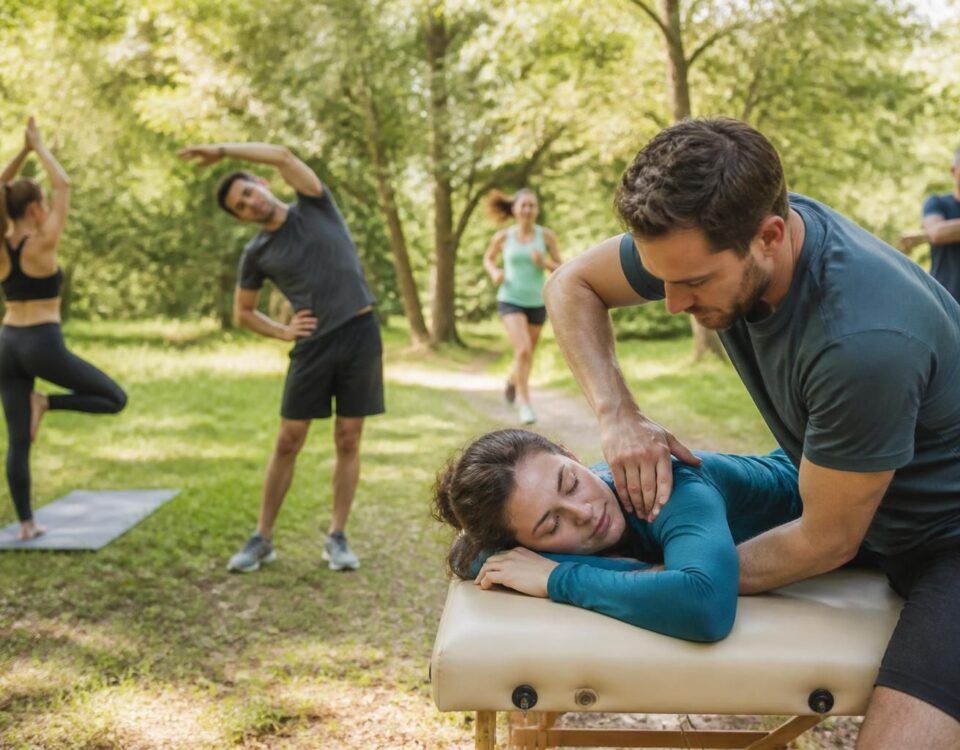
For athletes, Osteopathy offers a Global approach To treat the Sports pain and the injuries By acting on the mobility, postural balance and nervous function. It helps to Improve recovery, prevent recurrences and optimize technical actions, for a Sustainable performance and body well-being. In practice, it can be used in prevention, preparation for effort and recovery, and can be supplemented by lifestyle advice and exercises at home.
Sport-friendly osteopathy helps restore mobility, correct imbalances and accelerate recovery after exercise. This article presents the key principles, indications and the conduct of the sessions. He also explains the complementary approaches and gives advice on how to optimize the results.
What is sports osteopathy?
The sports osteopath is trained for the specific needs of athletes. It evaluates mobility, muscle chains and posture. He seeks a global balance and good coordination of gestures. The training often involves recognized courses and professional associations. Training and ethics are based on recognized institutions such as NUMSS, NAO, National University of Medical Sciences and National Academy of osteopathy. These professionals adhere to the codes of organizations such as ACMA and the College of Canadian Osteopaths.
To deepen, see for example the resources that describe the benefits of osteopathy to prevent muscle imbalances:
Prevent muscle imbalances.
Why consult an osteopath for athletes?
Consulting can improve mobility and coordination. This can help prevent injuries and accelerate recovery after heavy effort. Osteopathy also supports pain management and gradual return to training.
To better understand the benefits, you can consult resources like those published on SOS Sciatica relating to sports recovery and performance:
Recovery and performance.
When to consult a sports osteopath?
Consult before a recovery after injury, in preparation for an event, or during a change of sports practice. You can also consult in case of persistent pain, joint blockages or difficult recovery after exercise.
What are the benefits of osteopathy for athletes?
The benefits cover joint mobility, postural balance and reduction of muscle tension. Osteopathy can promote faster recovery by improving circulation and drainage, and promote better concentration during exercise. For athletes, this can also optimize the gesture depending on the discipline practiced.
Athletes can draw inspiration from resources that show how osteopathy can prevent imbalances and support post-injury recovery:
Post-injury recovery.
How is a session with an osteopath for athletes?
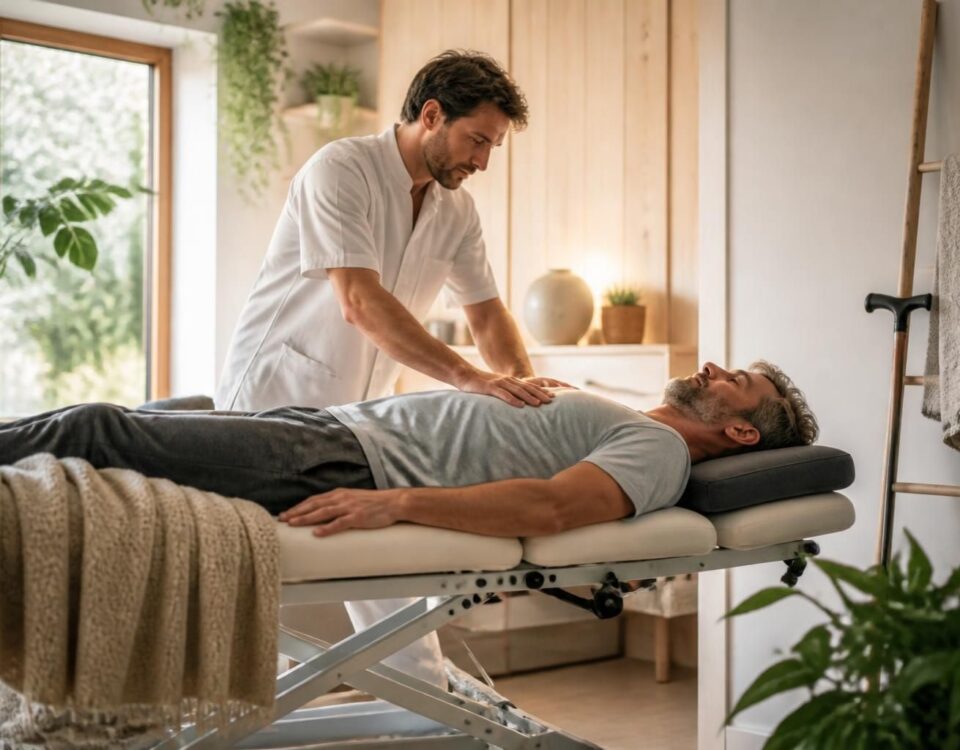
The practitioner collects sports and medical history. He performs simple mobility tests and postural evaluation. He analyzes the gestures and looks for tensions or areas to rebalance. It offers adapted manual techniques and can give advice on lifestyle. In some cases, it can refer to other professionals to complete the balance sheet.
To better understand the general framework, you can consult the descriptions relating to sports osteopathy and functional evaluation on specialized resources:
Sports pain and treatment.
How often should you consult an osteopath for athletes?
For top athletes, one session per month is often recommended. For amateur athletes, 3 to 4 visits per year are enough. In times of preparation or recovery, the practitioner may recommend closer visits.
Numbers and practices can be discussed with your osteopath, as part of a personalized plan. Resources on sports practice and osteopathy explain these approaches and their benefits:
- Prevention advantage:
Prevent muscle imbalances. - Recovery and performance:
Recovery and performance.
What are the complementary methods to osteopathy?
Several approaches can accompany osteopathy. Physiotherapy can help rehabilitation after injury, and sports medicine brings a medical perspective. Appropriate nutrition can support recovery and performance. It is important to coordinate these supports with your osteopath for a consistent program.
To feed your approach, see the resources on prevention and recovery, in particular those that describe the alliance between osteopathy and sports recovery:
Recovery and performance and
Prevent muscle imbalances.
How to optimize the effects of an osteopathy session for sport?
Bring your exam results, if you have any. Prepare your sporting history and goals. Schedule your appointments according to your schedule and training cycle. After each session, drink enough and follow the practitioner’s advice. Avoid intense efforts within 24 hours.
Resources dedicated to optimizing recovery and performance exist for athletes:
Recovery and performance and
Improved post-injury recovery.
FAQ
Osteopaths do not do sport-specific massages. Their approach is about mobility and body balance. For runners, osteopathy can help improve stride and breathing. In the event of a sports injury, the osteopath can help identify the cause and promote recovery by global rebalancing of the body.
To learn more, check out the sports and osteopathy resources:
Sports pain and treatment and
Prevent muscle imbalances.
For training questions, osteopaths can be trained via NUMSS, NAO, National University of Medical Sciences or National Academy of Osteopathy, and often join ACMA or College of Canadian Osteopaths.
In the context of injury prevention and management, some patients also consult specialized resources on the site Tagmed Clinic.
And for prevention and recovery, you can also consult specialized resources such as
Sports recovery and
Post-injury recovery.
training and ethics. Training via NUMSS, NAO, National University of Medical Sciences and National Academy of Osteopathy. Professional Associations: ACMA, College of Canadian Osteopaths, College of Canadian Osteopaths.
For more information on neurovertebral decompression and other specialized approaches without inappropriate exercises, refer to clear resources at the sites listed above.
Note : This content describes general concepts and does not replace the advice of a doctor or qualified health professional.
To access additional resources, useful visits:
Chronic shoulder pain,
Herniated discs and osteopathy,
and
Carpal tunnel syndrome.
Reservations and appointments via the associated platforms and partner clinics mentioned above.
“Medical disclaimer: The information and advice provided on this site does not replace the health professional’s benefit, diagnosis or treatment. Please note that Dr. Sylvain Desforges osteopath is neither a doctor of medicine nor a doctor, and is not a specialist in a medical specialty as defined by the Collège des Médecins du Québec. Manual medicine, functional medicine and sports medicine as described on this site exclude any medical treatment or diagnosis made by a doctor or specialist doctor. Always consult your doctor for any medical questions. For more details, please read our full legal notice. »
- Evaluation Targeted and functional diagnosis
- Mobility and optimized gesture range
- Manual techniques adapted to release blockages
- Myofascial relaxation and reduction of tensions
- pain management Without heavy medication
- Circulatory stimulation and lymphatic drainage To accelerate healing
- Prevention Injuries by correcting imbalances
- Functional rehabilitation and adapted progression
- Back to sport progressive and safe
- Exercises at home To extend the results

In this article, find out how theosteopathy can accompany athletes to Effectively treat athletic pain, prevent recurrences and accelerate the return to training. You will find practical advice on the techniques used, the course of the sessions and the gestures to adopt on a daily basis.
What does Losteopathy bring to athletes?
Losteopathy is placed as a global approach, centered on the balance of the body in its entirety. For the athlete, it aims to optimize mobility joints, to correct the Postural imbalances and improve theNeuromuscular integration. This approach promotes better efficiency of technical gestures and a reduction in unnecessary efforts, while preparing the ground for a Injury prevention.

How osteopathy improves the quality of life of active people
In short In short, theosteopathy is a global approach that Optimizes mobility and the function of the body of ACTIVE PEOPLE, for a better quality of life. It helps prevent injury and reduce Musculoskeletal pain While promoting the Sports recovery.…

Osteopathy and sports recovery: prepare the body for lasting performance
In short In short, Osteopathy and Sports recovery is one Global manual approach that sustainably prepares the body for the effort by restoring mobility and circulation After the effort. It is a discipline that acts on the sinews, the joints,…
How does Losteopathy treat sports pain?
Identify the root cause
Every injury or pain is examined as a whole. The osteopath collects sporting and medical history, carries out mobility tests and analyzes posture in order to highlight the real causes rather than treating only the symptoms.
Key techniques used
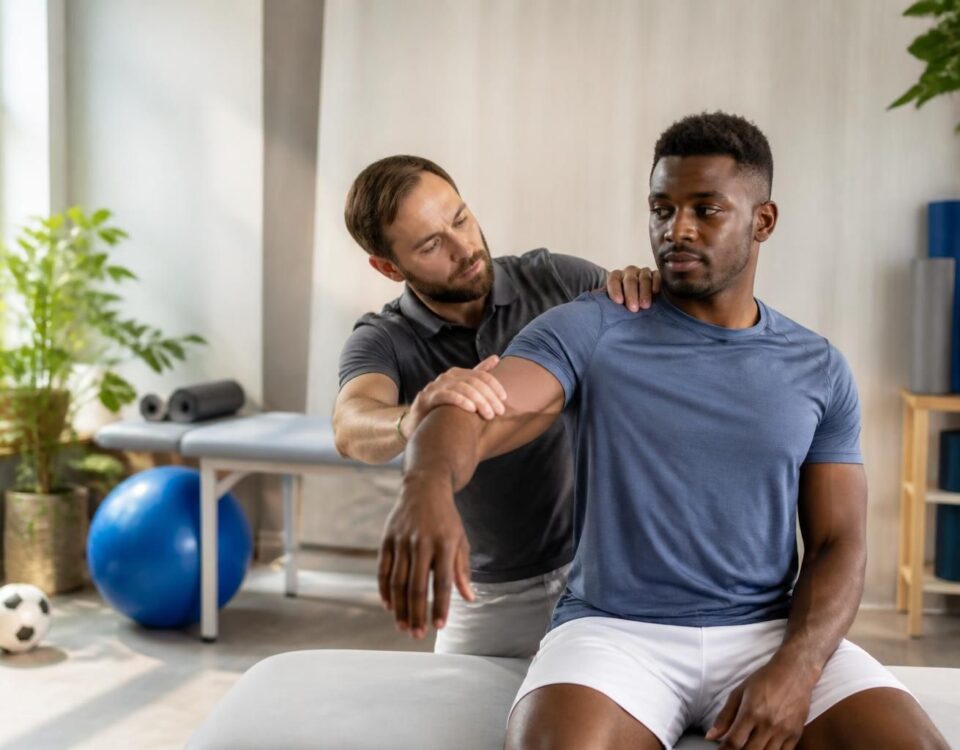
Several manual levers can be mobilized depending on the situation. The Joint manipulations aim to restore the mobility of the joints and to remove blockages. The Myofascial relaxation Releases tensions of fascias and muscles, facilitating recovery. The gentle mobilization Improves flexibility and prepares tissues for exercise without causing repetition of pain.
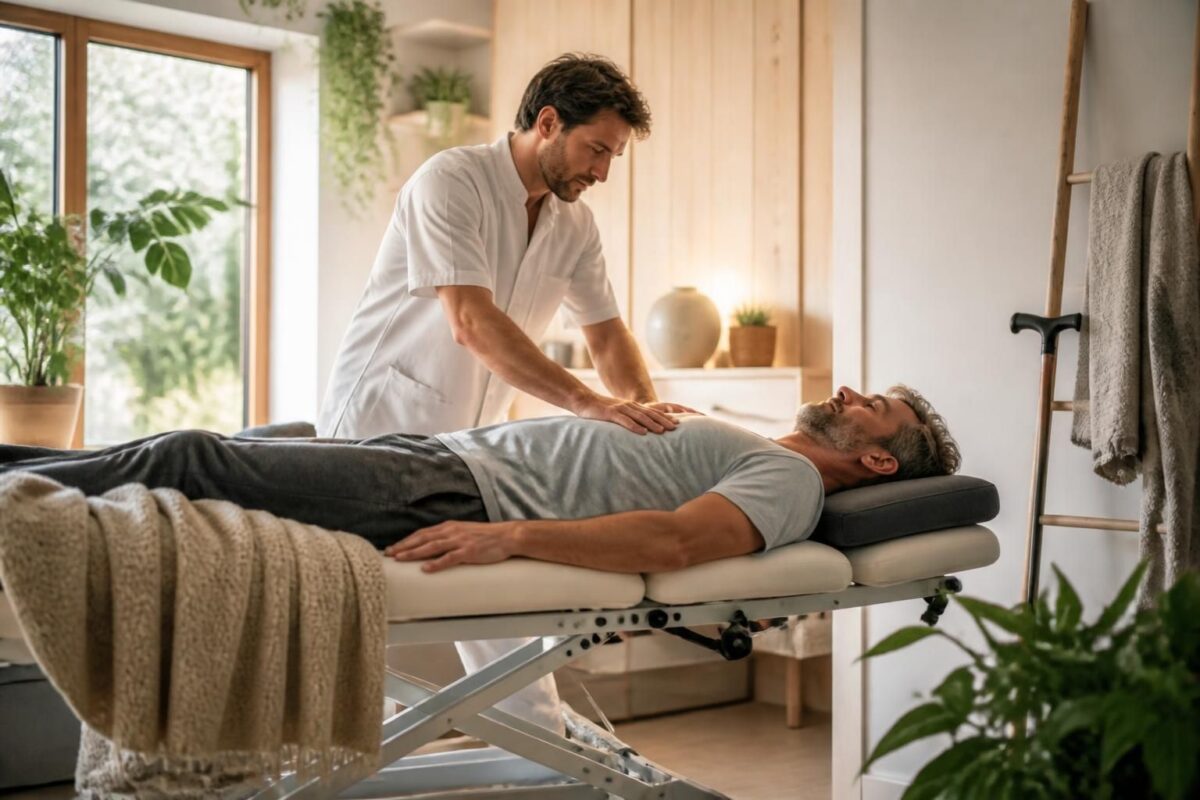
Why Osteopathy Is Essential For Recovery People
In short In short, Osteopathy in convalescence is an approach manual and holistic which helps to accelerate the recovery by restoring The balance, the mobility and a good circulation fabrics. it contributes to Reduce the pain, support the Back to…

Osteopathic manipulations to strengthen post-traumatic muscles
In short In short, Osteopathic manipulations for Strengthen post-traumatic muscles constitute a gentle manual approach aimed at restoring the mobility, reduce the pain and facilitate the Functional rehabilitation After a injury. What is Is it? A series of precise gestures…
When and how does a session take place?
A session begins with an exchange on your practice and your objectives. thePostural evaluation And the mobility tests guide the session. The practitioner then proposes a Personalized treatment plan And can prescribe exercises to be carried out at home to prolong the beneficial effects and limit recurrences. After the session, lifestyle advice and a gradual resumption of activity are generally recommended.

Osteopathy and prevention of work-related musculoskeletal disorders
In short theosteopathy is one Manual approach that restores body balance and prevents MSD related to work. Its advantages: reduction of tension, improvement of mobility and prevention of chronic pain. She is preventive and healing, suitable for office and trades…

The benefits of osteopathy to treat muscle imbalances
In short theosteopathy is a manual approach to restore themuscle harmony and postural considering the body as a whole. Its main benefits include the reduction of aches and tensions, the improvement of the mobility and from the posture, and prevention…
Prevent and optimize results
To make the most of osteopathy, it is essential to work in complementarity with a suitable routine. One Target overheating, of stretches and an Active recovery support the effects of care. Hydration, restful sleep and appropriate nutrition play a key role in tissue regeneration and prevention of chronic tension.
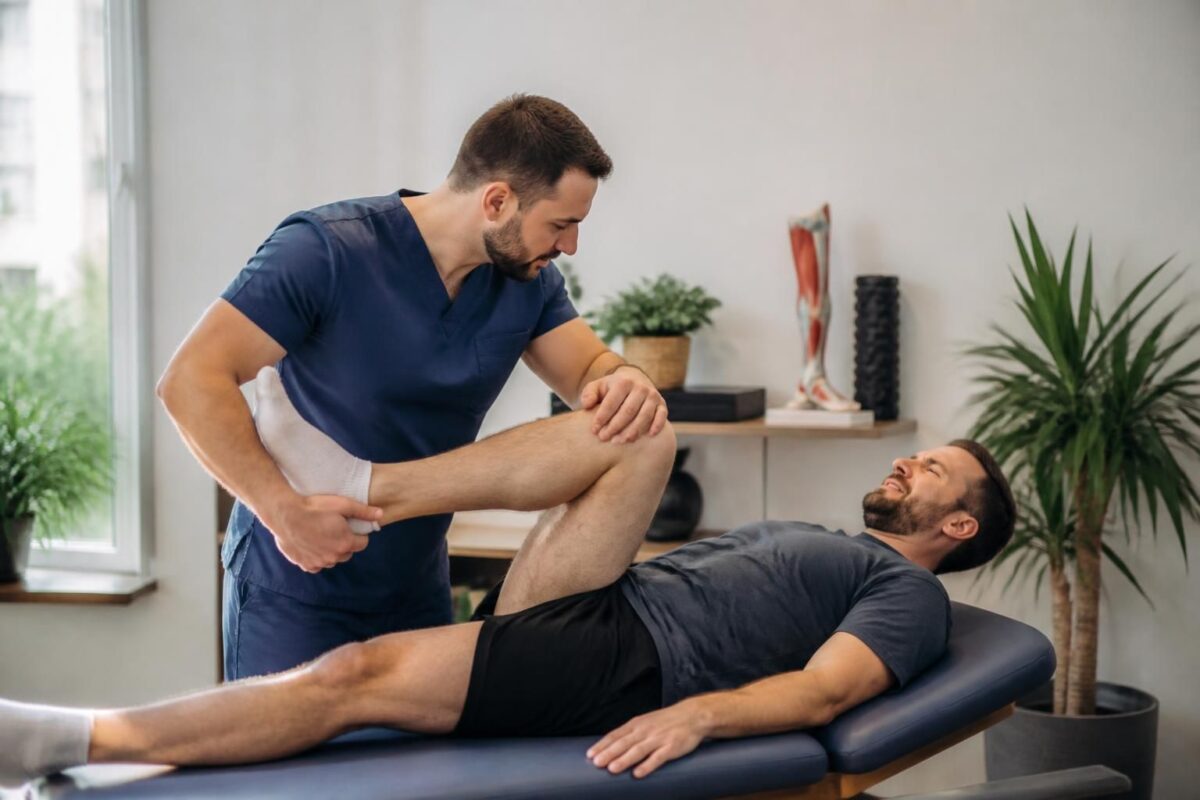
Osteopathy and chronic leg pain: regaining an optimal quality of life
In short In short, Osteopathy is one Global manual approach aimed at reducing Chronic leg pain and improve the quality of life. What is it? Non-drug therapy using the hands to identify restrictions and treat lesional chains. How does it…
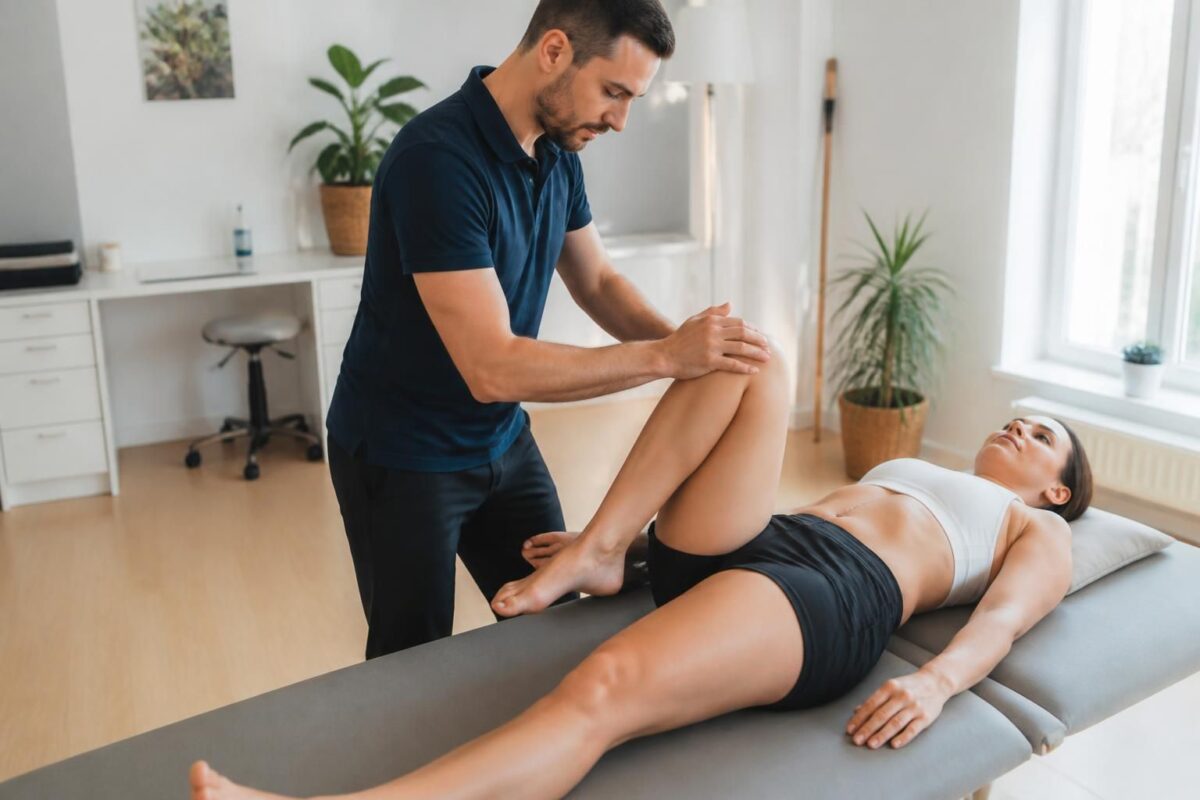
How osteopathy supports recovery after complex surgery
In short In short, Post-operative osteopathy is an approach fresh which supports the recovery After a Complex surgery. It helps to reduce the pain and the fatigue, improves the mobility and accelerates the healing thanks to a better vascularization and…
Frequency and complementarity
The optimum frequency depends on the athlete’s level and objectives. An amateur practitioner can benefit from regular follow-up over a few months, while an athlete engaged in the competition may consider closer visits around periods of intensive training or competition. Osteopathy remains a complementary, effective approach when it is part of a multidisciplinary approach including physiotherapist, sports doctor and, if necessary, nutritionist or physical trainer.
Sustainable techniques and results
By favoring targeted action on mobility, balance of muscle chains and coordination, osteopathy helps reduce pain and accelerate recovery. It prepares the body for more effective gestures and a secure sporting practice in the long term.
| Aspect | Concise impact |
|---|---|
| Rapid and targeted diagnosis | Global assessment and mobility tests to target sensitive areas and anticipate recurrences. |
| Techniques used | appropriate joint manipulations, Myofascial relaxation and gentle mobilization To restore mobility and reduce tensions. |
| Types of targeted injuries | Sports pain and trauma, tendinopathies, sprains, contractures and microtraumas. |
| Key Benefits | Improvement of the mobility, injury prevention and recovery very fast. |
| Safety and contraindications | Evaluation of contraindications and referral to a doctor if necessary. |
| role of recovery | Lymphatic drainage and circulatory stimulation to accelerate repair and reduce aches. |
| Frequency of sessions | Depending on the level and schedule, from 1 session per month to 1 session per week during critical periods. |
| Complementary approaches | Physiotherapy and sports nutrition to optimize results and prevention. |
| Practical advice | Hydration, respect for post-session advice and planning of an adapted training program. |
Testimonials on Losteopathy and Sports Pain: Effectively Treating Injuries
“After a sprain during training, theosteopathy sport allowed me to quickly find a mobility complete and attack pain-free retraining. The sessions targeted blocked areas and overall tensions in the body, which accelerated my recovery and avoided recurrences. »
“My Lower back pain Linked to the practice of sport gradually fade after a few sessions of osteopathy. The practitioner corrected postural imbalances and adapted my exercises, which improved my prevention and my performance in competition. »
“In the preparation phase for an important competition, theSport osteopathy strengthened my gestural and my breathing capacity. Result: more power and better physical resource to hold on over time. »
“Following a knee injury, the work on the muscle chains and the Active recovery accelerated my reathletics and reduced residual pain. I regained confidence in my training and I avoided relapses thanks to this global follow-up. »
“a Regular follow-up ofosteopathy made it possible to prevent blockages and to maintain a Smooth mobility throughout the season, regardless of the sport practiced. The body works better, and the performances follow. »
In the world of sports, the wounds are part of everyday life, but they should not end a career or regular practice. theosteopathy Applied to sport offers a comprehensive and personalized approach to prevent, diagnose and treat musculoskeletal pain related to physical activity. By treating the body as a whole, it aims to restore a Joint mobility optimal, to balance the muscle chains and to restore harmony between effort and recovery.
THE ROLE OF THESports osteopath Begins with a full assessment. The practitioner examines the posture, the gestural technique and the distribution of loads on the musculoskeletal system. Mobility tests and postural analysis help identify areas of tension, imbalances and compensations that prepare injuries. This approach preventive is essential to anticipate overloads and adapt the training accordingly, in order to avoid recurrences.
When an injury occurs, the osteopath intervenes with targeted manual techniques. Work can combine joint manipulations to restore mobility, Myofascial releases To release tensions and gentle mobilizations to improve flexibility. In some cases, lymphatic drainage can promote edema reduction and accelerate the repair phase, always in a logic of global rebalancing and gradual return to training.
Beyond the treatment of pain, sports osteopathy emphasizes the prevention and performance optimization. The intervention aims to harmonize the muscle chains, to improve the proprioception and refine neuromuscular coordination. By working on the posture and the technical gestures specific to each discipline, the osteopath helps to reduce the risk of recurring injuries and to promote faster recovery after exercise.
When to consult a sports osteopath? Before a resumption after an injury, in the preparation period for a competition or during a change of training, evaluation and follow-up can prevent major concerns. In case of persistent pain, feeling of blockage or slow recovery, a consultation can help identify the root cause and adjust training and recovery strategies to quickly regain effectiveness.
The relationship between osteopathy and other approaches to sports medicine is complementary. Collaboration with physiotherapists, sports doctors or nutritionists enhances the effectiveness of care and ensures appropriate care for each athlete. A typical consultation can be accompanied by lifestyle advice, exercises to be practiced at home and a personalized schedule to optimize the results, it is useful to provide the exams and to clarify the objectives and constraints of the training.
Whether you are in the preparation, recovery or reathletics phase, sports osteopathy offers a pragmatic approach focused on sustainable performance and overall health. By integrating the techniques adapted to your discipline and coordinating the efforts with your other health professionals, you have an effective lever to come back stronger and more quickly to your practice.
Tailor-made programs accompany you towards a safer and more effective return to training, with support focused on prevention, mobility and optimized recovery.
This summary details how Osteopathy can intervene effectively on Sports pain and injuries, by acting on mobility, muscle balance and recovery. It highlights the mechanisms of action, the indications, the techniques used and the interest of a multidisciplinary approach to optimize performance while reducing the risk of recurrences.
What is osteopathy for sport? Sports osteopathy is a discipline that considers the body as a whole and adapts its gestures to each discipline. By dealing with mobility restrictions and postural imbalances, it aims to free up technical gestures, to improve the mobility and strengthen the effectiveness of the movement.
Treat injuries and reduce pain The primary objective is to identify the root cause of the pain and to soothe the compensation that sets in after an injury. Thanks to targeted manual techniques (joint manipulations, myofascial relaxation and gentle mobilization), the osteopath gradually restores the mobility And rebalances the muscle chains, which reduces blockages, accelerates tissue regeneration and reduces the risk of recurrence.
Performance prevention and optimization The osteopathic approach also aims to prevention injuries by detecting imbalances early and correcting compensation before they become problematic. This contributes to maintaining postural balance, optimizing the coordination and to prepare the body for the specific constraints of the discipline.
Recovery and performance After exercise or injury, osteopathy supports recovery By facilitating blood and lymph circulation, reducing muscle tension and promoting restful sleep. This post-effort stimulation improves conditioning and allows a faster and better safety return to training.
Integration and practical advice To obtain the best results, it is useful to associate osteopathy with a multidisciplinary approach (physiotherapist for specific rehabilitation, sports doctor for the medical component, nutritionist for sports food). During the sessions, do not hesitate to bring your exam results and discuss your objectives and your training program in order to adjust the treatments and exercises to be carried out at home.
To deepen the subject and discover analyzes and testimonies on the impact of osteopathy in sports injury management, you can consult the following resources: Osteopathy in sports injury management, Osteopathy and sports pain, Osteopathy, an asset for athletes looking for performance, and The Importance of Osteopathy for Athletes – Improve Performance and Prevent Injury.
In addition, specialized resources underline the importance of an approach adapted to each sport and at each stage of the season to maximize the therapeutic and preventive effects of osteopathy. To learn more about the links between osteopathy, recovery and performance, also see articles such as Osteopathy for athletes — prevent injuries and improve performance and Recovery after surgery.
In summary, theosteopathy constitutes a sustainable resource for athletes wishing to optimize their mobility, prevent aches and accelerate their recovery, while preserving their overall balance and well-being on a daily basis. For personalized support adapted to your discipline, contact a specialized practitioner to build a coherent and effective program together.

Dr Sylvain Desforges, B.Sc., D.O., N.D., osteopath, is the founding president of TAGMED and of the ACMA association. He dedicates his practice to chronic spinal pain, low back pain and symptoms compatible with sciatica, particularly when pain radiates toward the buttock, leg, calf, foot or toes.
Through SOS Sciatique, he publishes educational content on sciatica symptoms, possible causes such as disc herniation, disc narrowing, foraminal stenosis or irritation of a lumbar nerve root, as well as non-surgical approaches that may be considered according to the evaluation. At Clinique TAGMED, care may include, depending on the case, motorized neurovertebral decompression, specific osteopathic care or precision percussion.
For an evaluation related to sciatica treatment in Montreal / Mount Royal or sciatica treatment in Terrebonne, please consult the services available at Clinique TAGMED.
Medical disclaimer
The information published on SOS Sciatique is provided for educational purposes only and does not replace a consultation, diagnosis, opinion or treatment provided by a physician or another authorized healthcare professional. The author of this article is neither a medical doctor nor a specialist in a medical specialty recognized by the Collège des médecins du Québec. The osteopathic, manual medicine or functional support approaches described on this site do not constitute medical acts and are not intended to replace medical follow-up.
Consult a physician or emergency service in cases of loss of bladder or bowel control, anesthesia in the saddle area, significant or progressive weakness in the leg or foot, fever, recent trauma, severe pain or rapid worsening of symptoms. For more details, please read our Legal Notice.