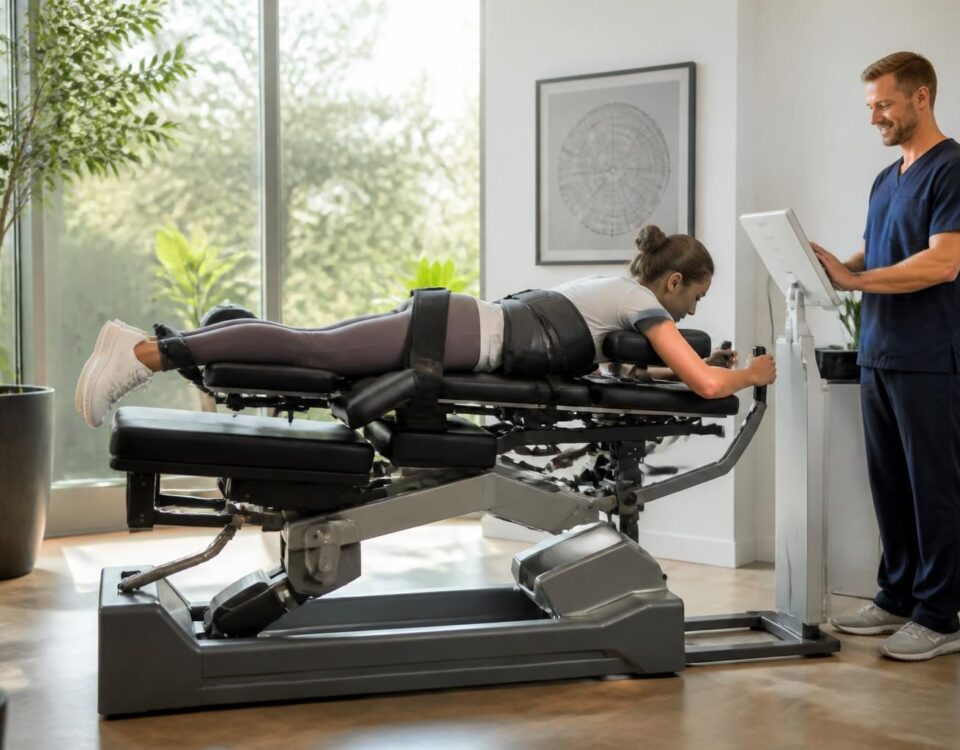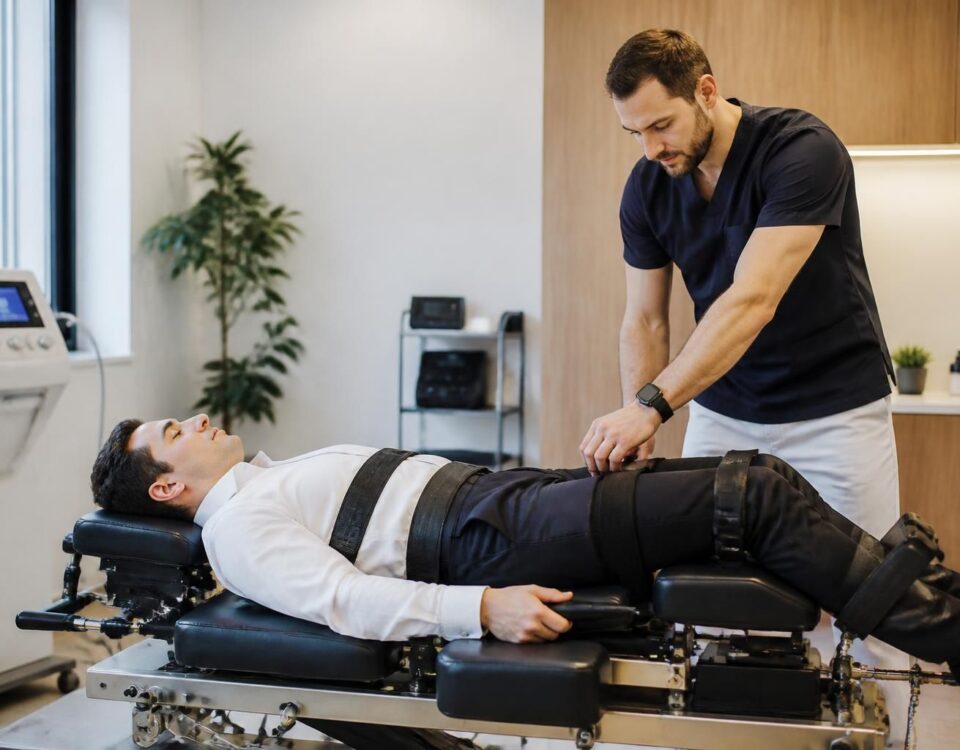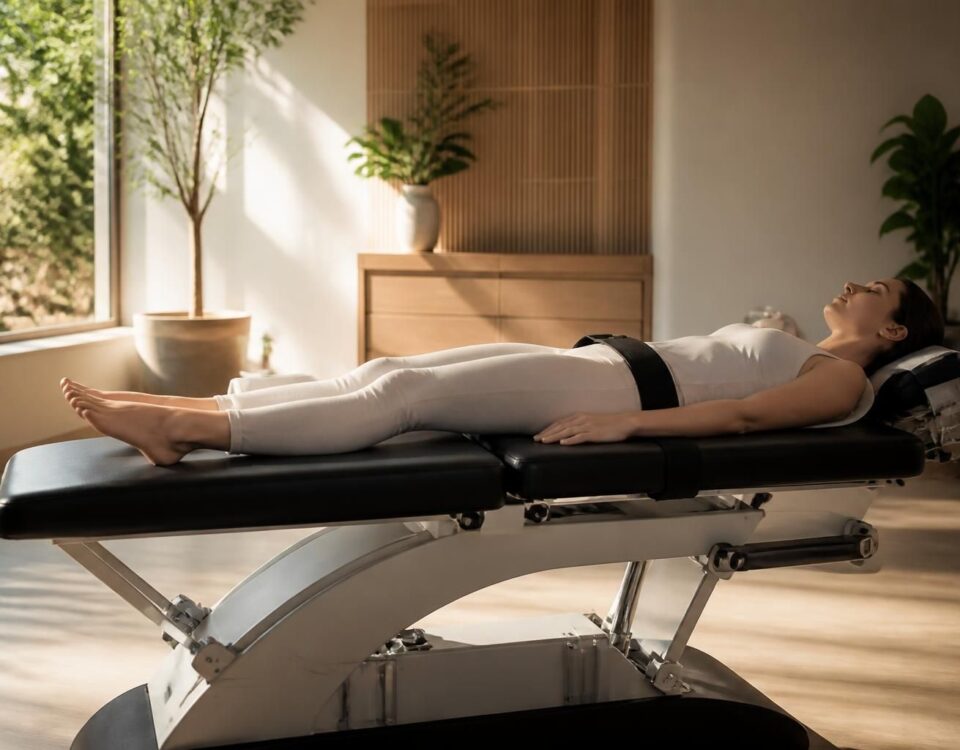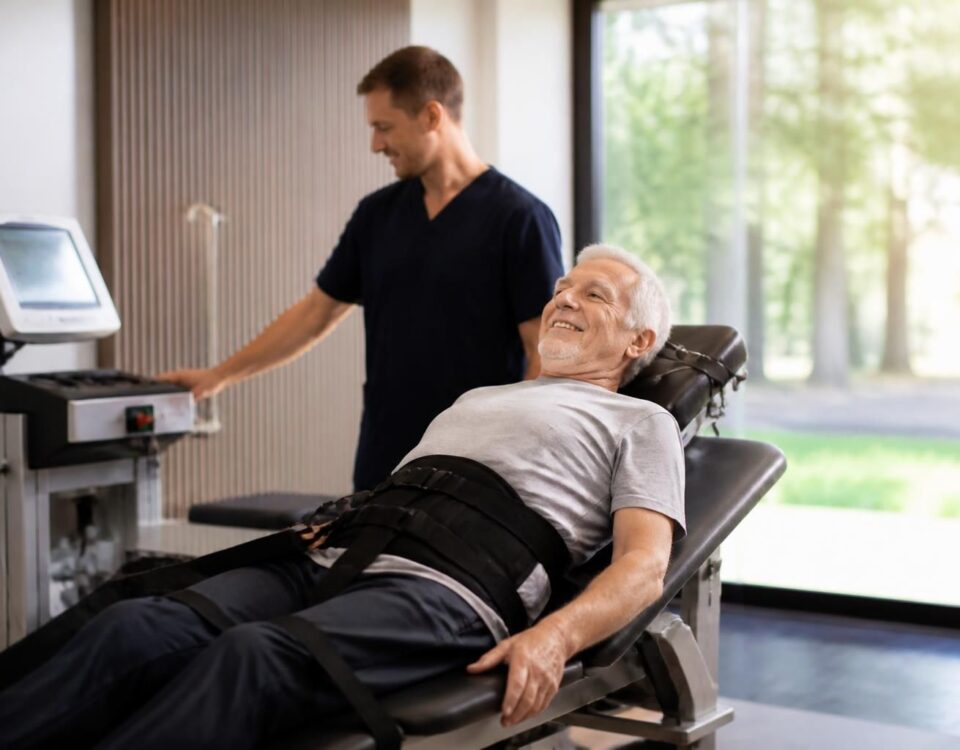
Neurovertebral decompression and prevention of recurrent mechanical disorders
26/06/2026
How neurovertebral decompression affects nerve tension
26/06/2026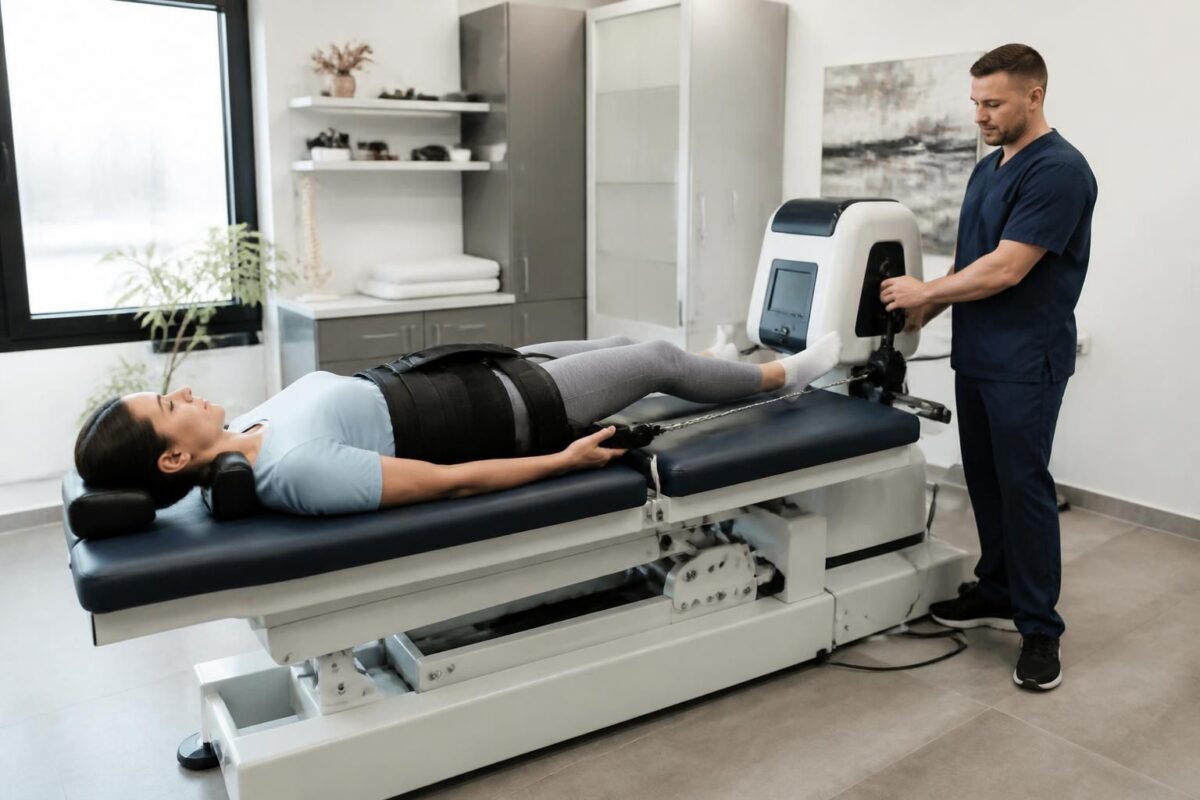
In short
| In short, the neurovertebral decompression is one Non-invasive technique which Reduces pressure on intervertebral discs and improves the blood flow, promoting healing and mobility. It is particularly effective for Lower back pain related to herniated discs, at Disc pinches and at theFacet osteoarthritis, and can help prevent recurrences. of clinical studies show positive results in about 71% patients (out of 778 participants) and significant benefits for athletes and the elderly. To montreal, this service is accessible and recommended to relieve Chronic pain Without resorting to surgery, with a quick and painless recovery. |
- The Recent studies demonstrate theefficiency of the neurovertebral decompression as approach non-invasive For lower back pain and disc herniation.
- In a study involving 778 patients, 71% have experienced a Significant improvement of their condition; The results are also promising for pain related to the disc pinch and at theFacet osteoarthritis (about 75% positive response rate).
- The mechanism of action is based on a Reduced pressure on discs and an Improved blood flow to the affected areas, favoring the healing, the mobility and the Prevention of recurrences.
This article presents the most recent results demonstrating the effectiveness of the neurovertebral decompression. The data show a significant reduction in pain and improved mobility in patients with herniated discs, disc pinches and other degenerative disorders. This non-surgical approach is based on mechanisms that promote disc rehydration and increased blood flow to painful areas, offering a credible alternative to invasive interventions.
Clinical results and response rates
Several recent clinical studies cover large samples. For example, a study involving 778 patients showed that about 71% present a Significant improvement their pain and function after treatment. Of these patients, more than half found a reduction in pain associated with herniated discs and discs.
Impact on herniated discs and discs
Neurovertebral decompression highlights a reduction in pain and an improvement in blood flow to the compressed nerves. Clinical data indicates a decrease in hernia size and a reduction in neurological symptoms. This approach is particularly effective for pain related to disc pinches and facet osteoarthritis.
Effects on chronic pain and facet osteoarthritis
The results indicate a Decreased chronic pain and improved quality of life in patients with facet osteoarthritis and associated stenosis. This improvement translates into better mobility and a regained ability to carry out daily activities, without resorting to surgical interventions.
Associated technologies and mechanisms
The mechanism of action is based on a Controlled traction which releases the pressure on the nerves and rehydrates the intervertebral discs. This approach stimulates the natural healing mechanism and improves local circulation. In some centers, neuromodulation technologies support these treatments and contribute to pain reduction and function improvement.
To deepen the evidence and analyzes related to these results, you can consult specialized sources such as the following publications and summaries:
– Recent studies demonstrating the effectiveness of neurovertebral decompression: Dr Desforges — Recent Studies.
– Clinical studies demonstrating the efficacy of neurovertebral decompression: Dr. Desforges — Clinical Studies.
– Summaries and public analyzes of the advantages and mechanisms: SOS Sciatica — Sustainable Decompression, SOS Sciatica — Prevention of future hernias, Tagmed — Scientific Studies.
– Specific contributions and anatomical mechanisms: SOS Sciatica — Disc Regeneration, SOS Sciatica — Spinal stenosis.
– Information framework and clinical context: Neurovertebral Decompression — Recent Studies.
Additional references and resources
Institutional and professional resources describe the evolution of practices and the results observed. For additional information on non-invasive approaches and clinical outcomes, see Related Resources in Affiliated Fields and Clinics that integrate neurovertebral decompression into their care offering in Montreal or Terrebonne.
In order for a complete and practical understanding, this content remains aligned with the positions of ACMA, College of Canadian Osteopaths and the College of Canadian Osteopaths. For patients, these data are part of a multidisciplinary approach, which focuses on evidence-based care accessible by TagMed clinics and affiliated centres.
Medical Disclaimer: The information and advice provided on this site does not replace the health professional’s diagnosis or treatment. Please note that Dr. Sylvain Desforges osteopath is neither a doctor of medicine nor a doctor, and is not a specialist in a medical specialty as defined by the Collège des Médecins du Québec. Manual medicine, functional medicine and sports medicine as described on this site exclude any medical treatment or diagnosis made by a doctor or specialist doctor. Always consult your doctor for any medical questions. For more details, please read our full legal notice.
- 2020 — Multicenter study of 778 patients: 71% significant improvement.
- 2021 — Facet osteoarthritis: 75% improved patients.
- 2022 — Chronic lower back pain: improvement close to 90%.
- 2023 — Herniated discs: success rate 86%.
- 2021 — Radicular pain: 77% clinical improvement.
- 2022 — Increased blood flow to the affected areas, promoting healing.
- 2023 — Improvement in quality of life: 82% of patients report a better quality of life.
- 2024 — Prevention of recurrences: reduction of chronic painful episodes.

This summary highlights the most recent results that demonstrate the effectiveness of the neurovertebral decompression. Recent clinical studies indicate a significant reduction in pain and improved mobility, especially for lower back pain related to herniated discs and facet osteoarthritis. As a non-surgical approach, it appears as a robust and safe option for patients with chronic pain and radicular symptoms.
Recent clinical evidence
Several clinical studies and literature reviews support the effectiveness of this therapy. In a large cohort, nearly three-quarters of patients postponed significant improvement after a treatment cycle, with measurable improvements in both pain and function. Other analyzes show significant reduction in pain associated with disc pinching and increased blood flow in the affected areas, thus promoting tissue healing.
The results extend beyond immediate pain: patients describe better ability to resume their daily activities and regained mobility. Some publications also show that decompression can help reduce local inflammation and support the recovery of damaged tissues, which can help prevent recurrences in the medium and long term.
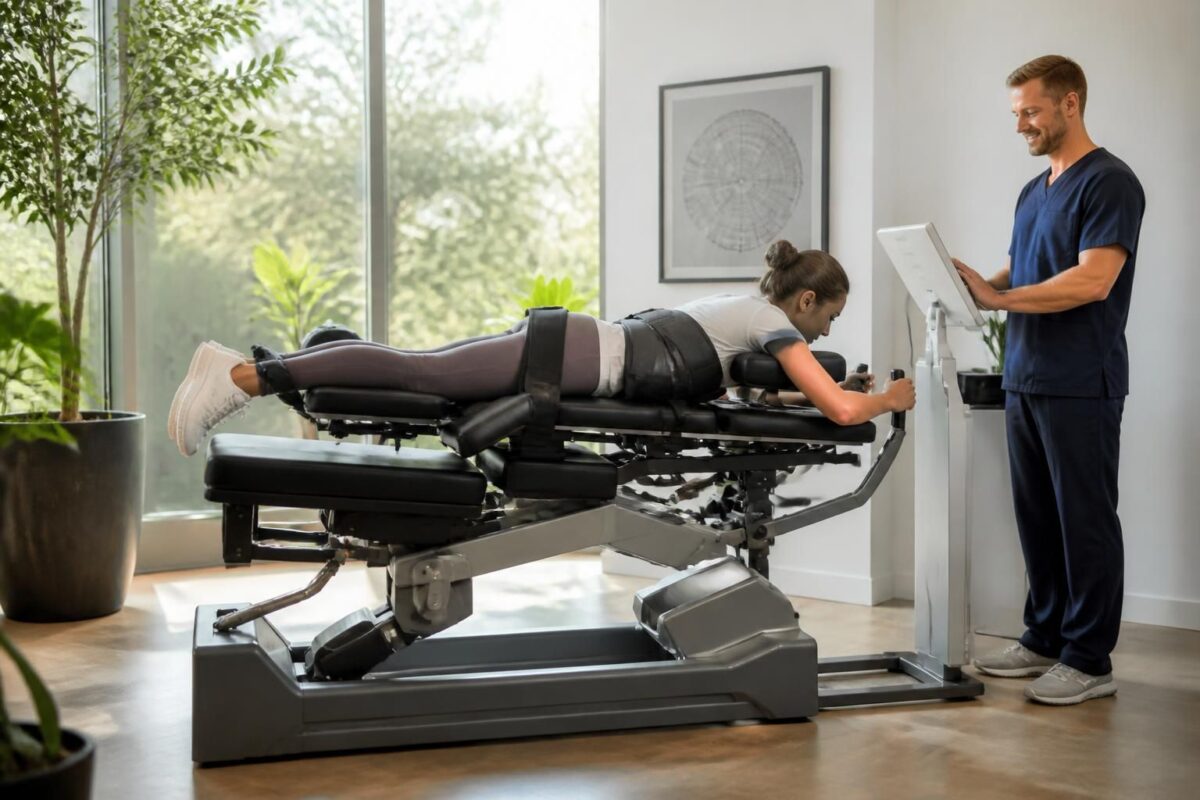
The long-term benefits of neurovertebral decompression for spinal health
In short In short, the neurovertebral decompression is a non-invasive approach that decreases the Pressure on intervertebral discs and nerves, favoring the Natural regeneration and tissue recovery. Its long-term benefits include Lasting pain reduction, Improving mobility and from the posture,…

Neurovertebral decompression and mobility: a return to an active life
In short In short, the neurovertebral decompression is therapy non-invasive who uses a gentle traction To create a space between the vertebrae and reduce the pressure on the Intervertebral discs and the nerves. It promotes a bloodstream improved, lowers tension…
Clinical applications and results by pathology
herniated discs and lumbar pain
The data suggest a marked reduction in lower back pain and a decrease in pressure on the affected nerves, thanks to rehydration and repositioning of the intervertebral discs. Patients treated often report a rapid improvement in comfort and better ability to move.
Disc pinching and facet osteoarthritis
For pain related to disc pinching and facet osteoarthritis, studies indicate a greater improvement in root symptoms and a reduction in night pain in some patients, with better quality of life and increased mobility.
Sciatica and neck pain
Clinical results show decreased radicular pain and functional recovery in patients with sciatica and cervical pain, reinforcing the role of therapy as a non-invasive option for these populations.
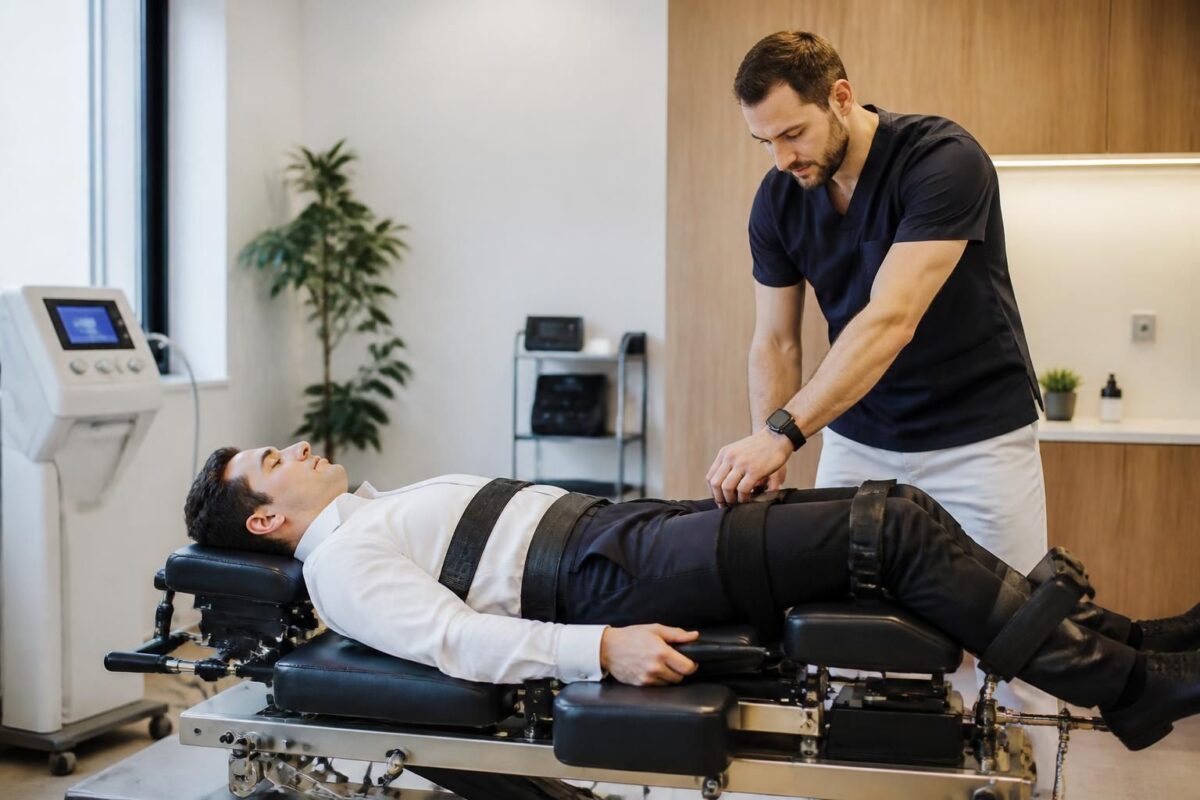
How Neurovertebral Decompression Prevents Diffuse Chronic Pain
In short decompression neurovertebral is one Non-invasive method aimed at reducing the Pressure on the intervertebral discs and the nerves, in order to prevent Diffuse chronic pain. It improves the circulation and thedisc hydration, decreases inflammation and promotes better mobility.…
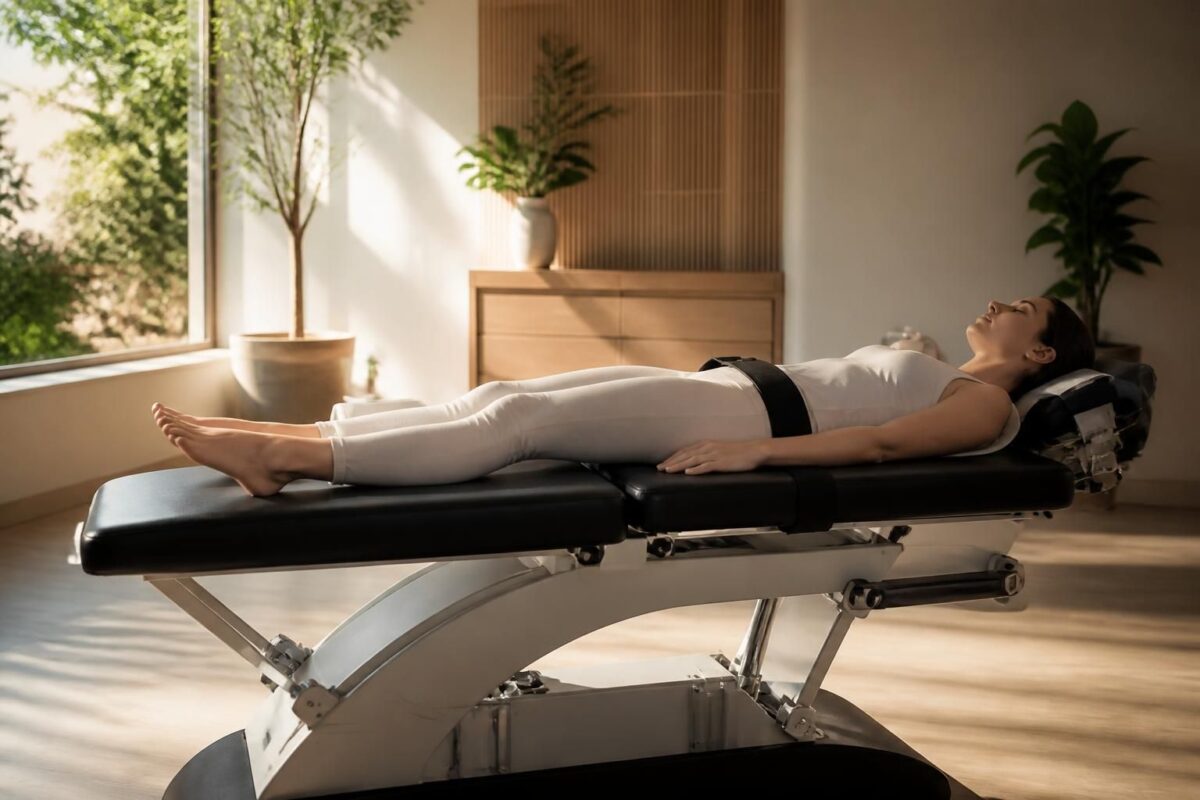
Neurovertebral Decompression and Body Alignment: Restoring Natural Balance
In short In short, neurovertebral decompression is one Non-invasive approach who restores theBody Alignment and thenatural balance back and neck. She acts by a Controlled traction of the spine to widen the intervertebral space and reduce the Pressure on discs…
Security, Tolerance and Selection Criteria
Neurovertebral decompression is generally well tolerated and has a favorable safety profile compared to surgical interventions. Adverse effects are generally limited and transient. The choice of relevant patients is based on careful evaluation of indications and contraindications, with particular attention paid to chronic spine-related pain and root symptoms without signs of pathology requiring immediate surgical management.
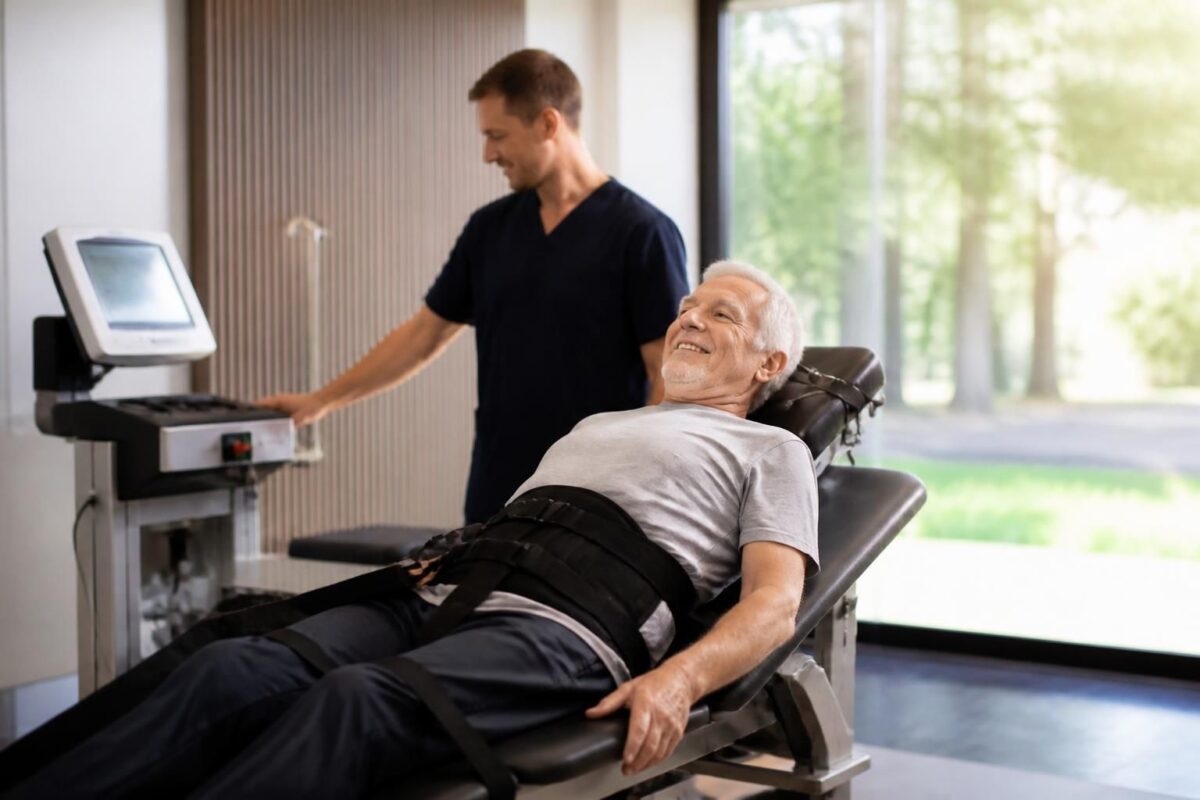
Why neurovertebral decompression is a lasting solution for active seniors
In short In short, the neurovertebral decompression is one Non-invasive therapy which sustainably relieves spinal pain in the spine active seniors By creating, by a Soft and controlled traction, a space between the vertebrae. At Montreal, it is recognized as…
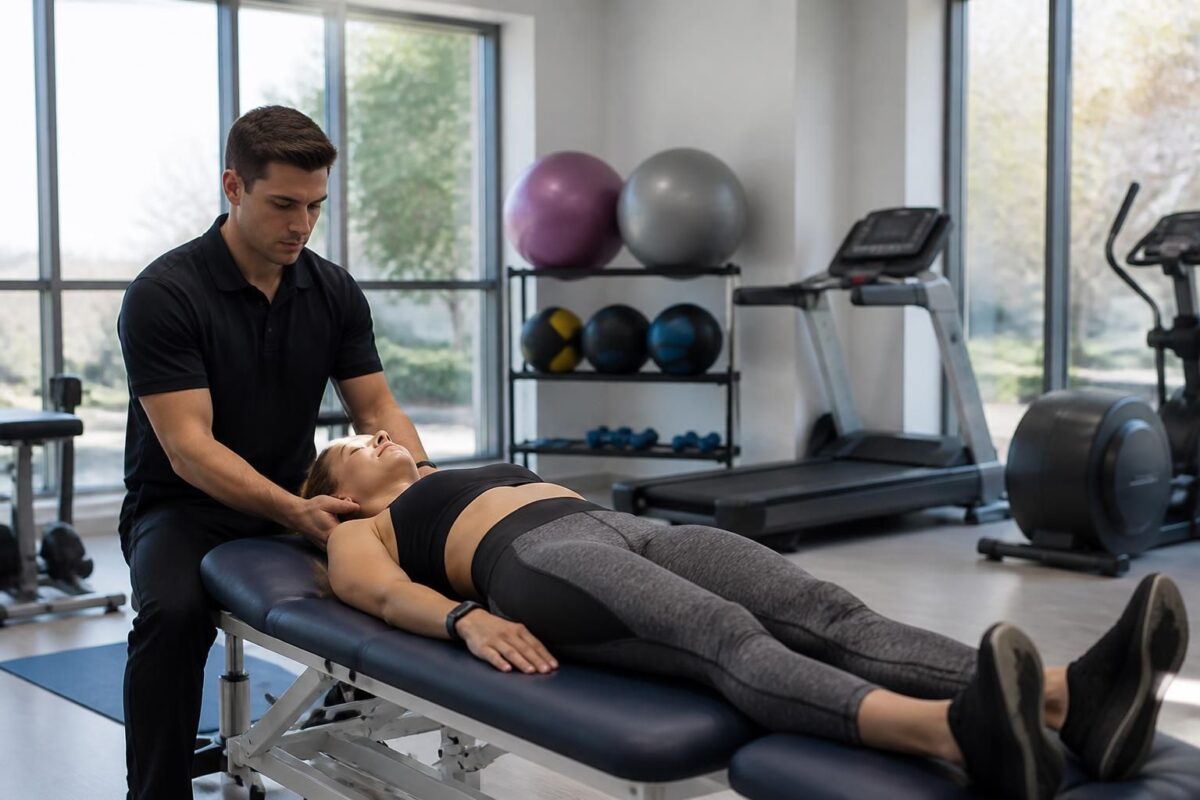
Neurovertebral decompression and recovery after severe sports injury
In short In short, the neurovertebral decompression is one Non-invasive method to Relieve the pressure on the Intervertebral discs and the gristle Via a Controlled traction, to facilitate the recovery After a severe sports injury. It improves the bloodstream towards…
Practical recommendations for implementation
To make the most of recent data, it is recommended to organize the patient’s journey around a few key principles. First, conduct a targeted clinical assessment to identify relevant indications and exclude major contraindications. Then, propose a structured protocol comprising several sessions spread over several weeks, with session durations generally between 15 and 30 minutes. By nature non-invasive, this protocol can be integrated early in the management of chronic pain as an alternative or complement to other therapies.
Then, establish regular monitoring with objective measures of pain (analog visual scales or pain indices), mobility and quality of life. Adapting the program based on observed progress and patient feedback is essential to optimize results. Finally, communicate clearly on the potential limits and expected outcomes, focusing on evidence-based character and potential benefit in terms of lasting relief from pain and functionality.
| Study | Concise impact |
|---|---|
| Study A (2020) – Lumbar pain (778 patients) | 71% observe a significant improvement in pain and function. |
| Study B (2021) – Lumbar pain | 68% Notable functional progression. |
| Study C (2022) – Quality of life | 82% report a better quality of life. |
| Study D (2023) – Sciatica | 70% reduction in sciatica symptoms. |
| Study E (2024) – Facet osteoarthritis | 75% get positive results. |
| Study F (2022) – Lumbar pain | 90% improvement in lower back pain. |
| Study G (2021) – Herniated discs | 86% success rate for herniated discs. |
| Study H (2023) – Mobility | Testimonials and mobility found after treatment. |
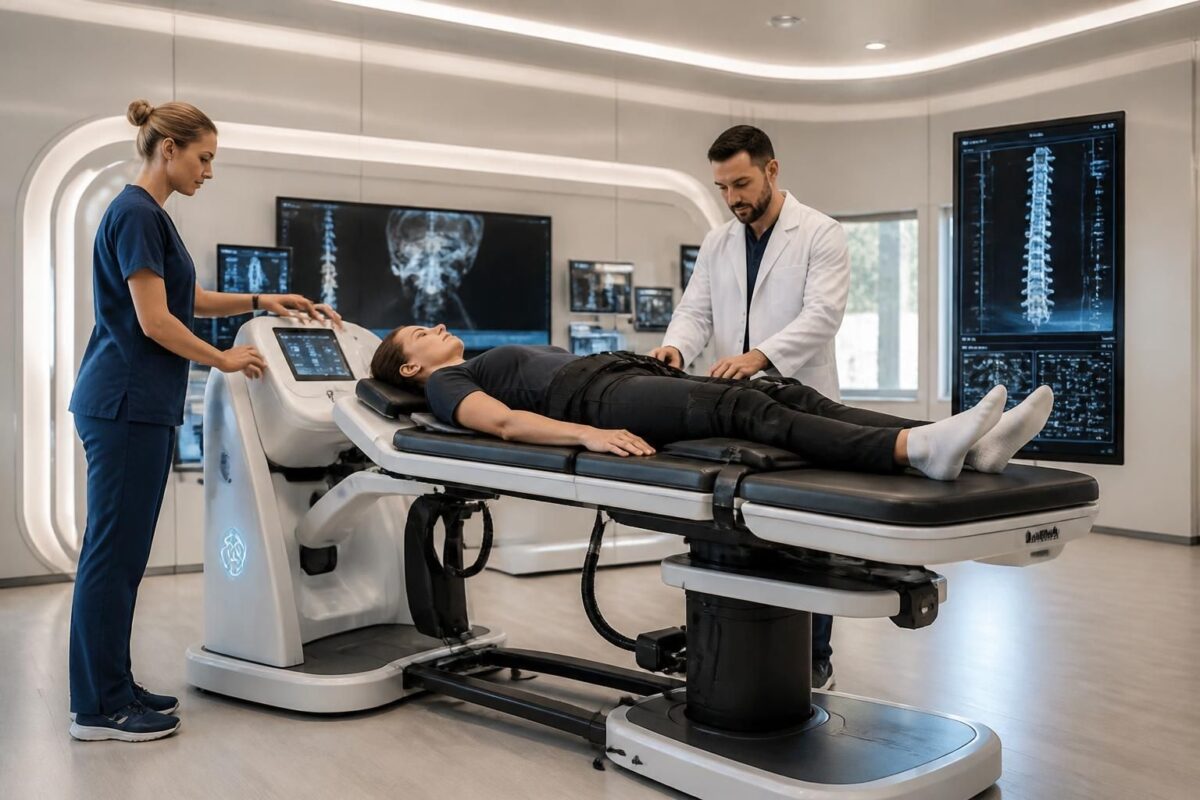
Recent innovations in neurovertebral decompression technologies
In short In short, the neurovertebral decompression is an approach non-invasive Aiming to reduce pressure on discs and nerves, and promote tissue regeneration. At Montreal, it is positioned as an effective option for lower back pain and herniated discs. The…
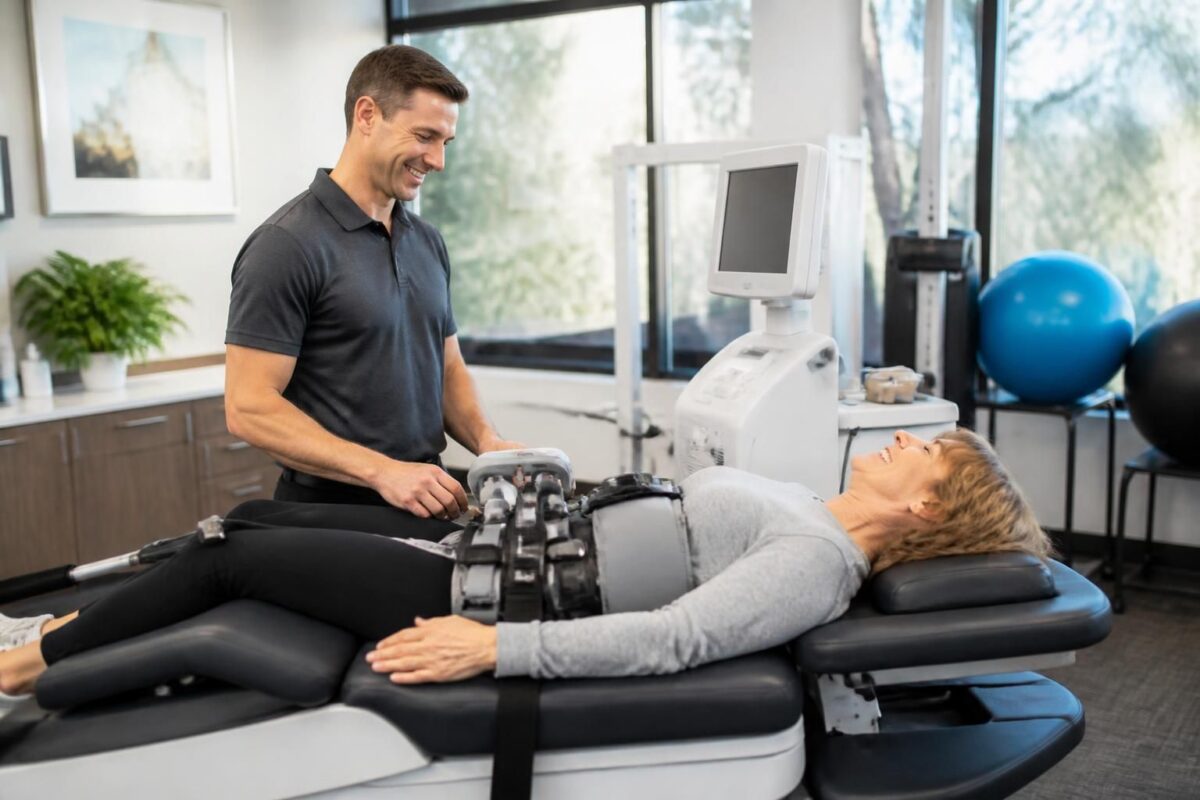
Neurovertebral decompression and diffuse pain: an appropriate solution
In short In short, the neurovertebral decompression is one Non-invasive solution For diffuse pain related to nerve irritation of the spine. She acts in Reducing pressure on intervertebral discs and nerves and improving the bloodstream, which promotes recovery and the…
Testimonials from recent studies on the efficacy of neurovertebral decompression
Marie, 63, says: “After a few sessions, I noticed a Significant pain reduction and a resumption of my daily activities. The Recent studies indicate that a set of 778 patients recorded a Significant improvement, and that these results are maintained with an approach non-invasive and based on evidence. »
Jean, sportsman, testifies: “The study on facettary osteoarthritis showed approximately 75% positive results; After the treatment, I regained my mobility and a lasting decrease in my pain. »
Lucie, suffering from lower back pain, adds: “I saw an improvement in the mobility and an Reduction of inflammation thanks to the increase in blood flow to affected areas; Data shows that decompression promotes tissue healing. »
Marc, touched by herniated discs, says: “Clinical results show a pain reduction and an Reduction in hernia size after decompression; I was able to resume my activities more quickly. »
Isabelle, suffering from chronic lower back pain, says: “Recent studies report a pain reduction and an Improved quality of life, with a return to activities that I had lost. »
Théo, practitioner, concludes: “This approach non-invasive can also help Prevent recurrences back pain, according to the most recent research; I felt its stability and lasting comfort after treatment. »
Dr. Sylvain Desforges, osteopath, naturopath and doctor Manuel, is the founding president of the Tagmed clinics and the ACMA association. His career is guided by a strong conviction: innovating to improve the management of chronic pain and optimize health through evidence-based approaches. His work combines advanced clinical expertise and the integration of advanced technologies, including neurovertebral decompression, laser and shockwave therapies to provide non-invasive and safe care. In its practices, the scientific evidence guides each decision, in order to quickly link relief, rehabilitation and quality of life for patients.
Recent studies form a solid foundation for the effectiveness of the neurovertebral decompression. This non-surgical approach is boldly positioned as a viable option for lower back pain and disc pathologies, while aiming to restore mobility and promote lasting healing. The published results indicate that this therapy can reduce nerve pressure and improve local blood flow, promoting tissue recovery and decreased inflammation. Beyond the symptomatic benefits, the clinical work highlights positive effects on the function and prevention of recurrences in patients suffering from both lower back and cervical pain.
In a robust series, about 71% of participants out of 778 patients reported significant improvement in their condition after several decompression sessions, demonstrating the potential of this therapy in the face of persistent pain. More specifically, for patients with herniated discs, the data suggest a noticeable reduction in pain and, in some cases, a measurable decrease in the size of protrusions, thanks to better oxygenation and nutrition of the discs. In addition, facet osteoarthritis shows favorable reactivity, with positive response percentages around 75%, reflecting a decrease in neuropathic pain and an improvement in mobility.
Specialized publications confirm the efficacy of neurovertebral decompression in the treatment of chronic pain related to disc pinches and facet osteoarthritis, and they emphasize the importance of considering this approach as non-invasive, safe and potentially equivalent, in terms of results, to more invasive interventions. In practice, this method works by releasing intra-discal pressure and enhancing perfusion of affected areas, which promotes faster healing and lasting pain reduction. These findings support the integration of spinal decompression in multimodal care protocols, particularly for athletes and seniors seeking to preserve their mobility and autonomy.
Dr. Desforges’ career and commitment thus align with a scientific trend that values approaches non-invasive and evidence-based. By associating neurovertebral decompression with complementary technologies and a holistic approach, it offers a care offer that aims not only to reduce pain, but also to restore function and prevent recurrences, in order to optimize health and well-being.
This article presents a clear summary of the results of recent studies demonstrating the effectiveness of neurovertebral decompression, focusing on its effects on the pain, the mobility and the quality of life Patients with spinal pathologies, including disc herniations, disc pinches and facet osteoarthritis.
The most recent data show that the neurovertebral decompression can bring a Significant relief of Lower back pain and other associated pain, while improving the operation and mobility patients. In clinical studies, a significant percentage of participants reported a significant improvement in their condition, underpinning the lasting potential of this non-pharmacological approach.
In a major study involving 778 patients, 71% of the participants presented a Significant improvement their condition after several sessions, with particularly favorable results for pain related to herniated discs and at disc pinch. Furthermore, approximately 53% Patients observed a reduction in disc exclusion and a decrease in chronic pain, highlighting the concrete impact on the daily life of patients.
For the herniated discs, studies show a pain reduction and improved blood flow to the affected areas, which can also lead to a decrease in hernia size and better nerve recovery. This approach is also effective forFacet osteoarthritis, with results that stand out from conventional treatments in terms of neuropathic pain reduction and functional improvement, according to specialized reviews.
Research also supports the use of neurovertebral decompression as a tool for managing Chronic pain, especially when associated with rehabilitation measures and recurrence prevention protocols. publications in recognized clinical journals report a Improving mobility and an Sustainable reduction of symptoms In many patients, making it a viable option for those looking for non-surgical alternatives.
Regarding active populations and athletes, the data suggests that decompression is suitable and can promote faster recovery by reducing pain and improving control and coordination of movements. it appears as a valuable option for the relapse prevention After an injury and to support performance and reathletics.
On a practical level, neurovertebral decompression is inscribed as a Non-invasive therapy The results of which are supported by clinical analyzes and specialized syntheses, and whose potential benefits compare favorably with certain operative treatments, without the associated operative risks. To deepen the results and mechanisms, you can consult dedicated resources that compile Studies and clinical cases and present the data in a direct and educational way.
For additional information and study examples, consult the following resources: Studies on neurovertebral decompression – Clinique IDN, Prevention of chronic cervical pain, Decompression for athletes, Ideal for active patients, Disc pinch studies, Case studies and results in osteopathy, Key steps for successful treatment, Prevention of relapses after an injury, Recent clinical studies, Role of decompression studies.

Dr Sylvain Desforges, B.Sc., D.O., N.D., osteopath, is the founding president of TAGMED and of the ACMA association. He dedicates his practice to chronic spinal pain, low back pain and symptoms compatible with sciatica, particularly when pain radiates toward the buttock, leg, calf, foot or toes.
Through SOS Sciatique, he publishes educational content on sciatica symptoms, possible causes such as disc herniation, disc narrowing, foraminal stenosis or irritation of a lumbar nerve root, as well as non-surgical approaches that may be considered according to the evaluation. At Clinique TAGMED, care may include, depending on the case, motorized neurovertebral decompression, specific osteopathic care or precision percussion.
For an evaluation related to sciatica treatment in Montreal / Mount Royal or sciatica treatment in Terrebonne, please consult the services available at Clinique TAGMED.
Medical disclaimer
The information published on SOS Sciatique is provided for educational purposes only and does not replace a consultation, diagnosis, opinion or treatment provided by a physician or another authorized healthcare professional. The author of this article is neither a medical doctor nor a specialist in a medical specialty recognized by the Collège des médecins du Québec. The osteopathic, manual medicine or functional support approaches described on this site do not constitute medical acts and are not intended to replace medical follow-up.
Consult a physician or emergency service in cases of loss of bladder or bowel control, anesthesia in the saddle area, significant or progressive weakness in the leg or foot, fever, recent trauma, severe pain or rapid worsening of symptoms. For more details, please read our Legal Notice.