Neurovertebral decompression and chronic back pain: a lasting solution
26/06/2026
How neurovertebral decompression reduces disc inflammation
26/06/2026
In short
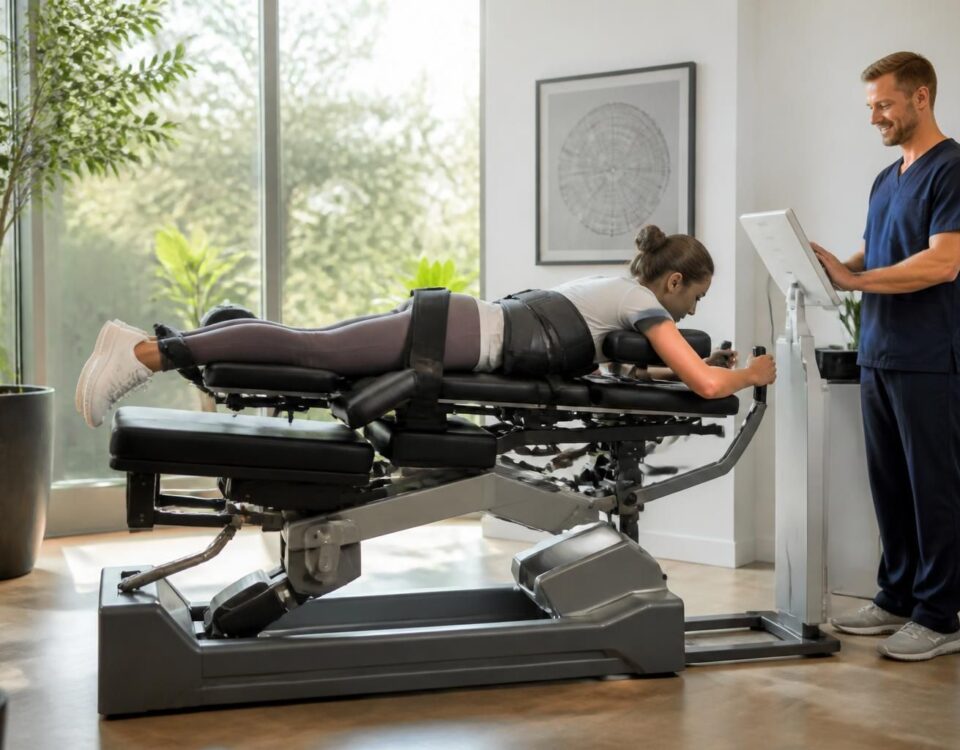
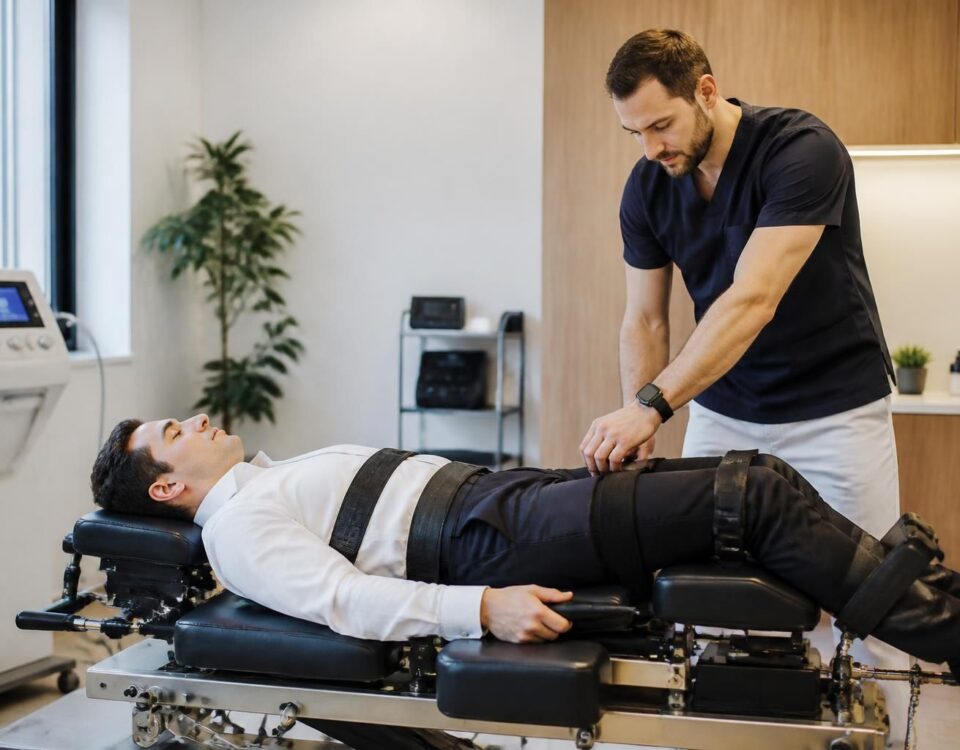
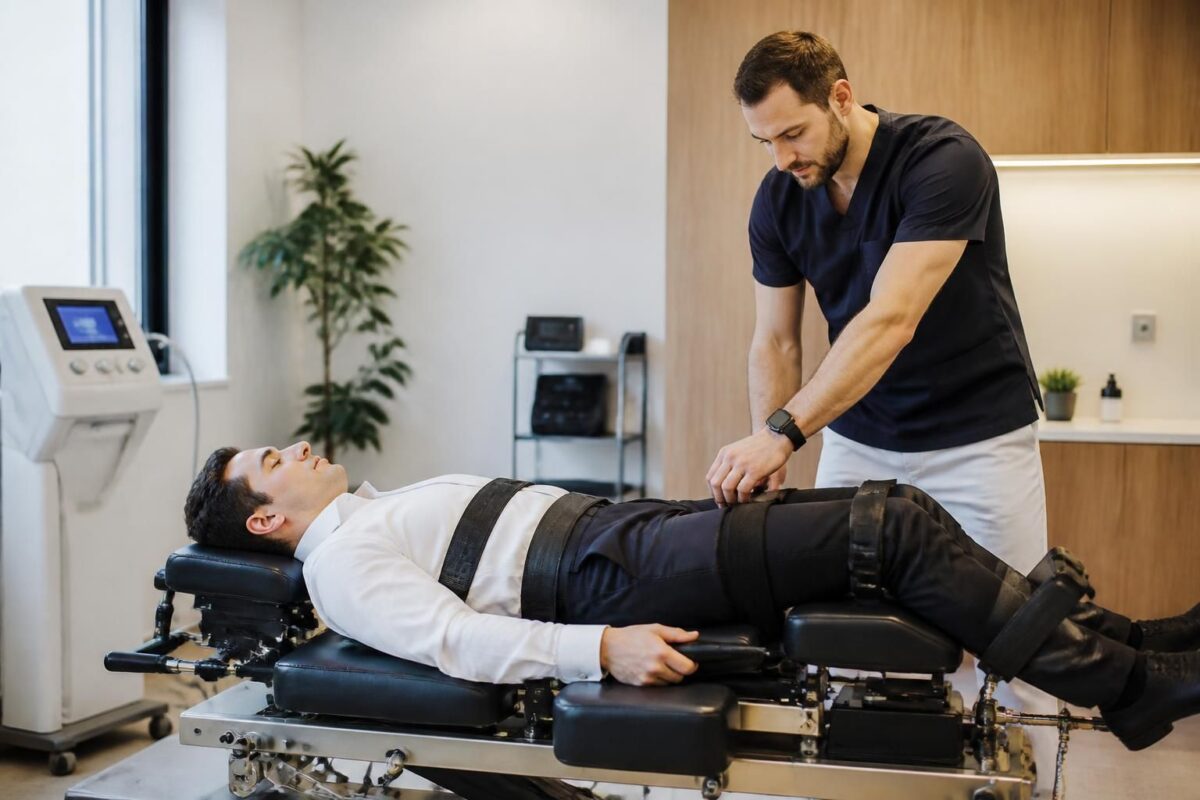
| The neurovertebral decompression is one Non-invasive approach To relieve the back pain at the Active patients and athletes. It acts by creating a space between the vertebrae thanks to a gentle and controlled traction, thus reducing the pressure on the Intervertebral discs and the nerves. In Montreal, this treatment is ideal for those who want Quickly regain mobility without surgery. Its main advantages include a pain reduction, a Improving mobility, a Quick return to activity and an Preservation of autonomy, all in a safe and suitable setting for physical activity. |
For patients assets, the neurovertebral decompression is a solution ideal because it combines security and efficiency without surgery. relieved pressure on the Intervertebral discs and the gristle, it decreases pain and improves mobility To allow a Quick return to training and daily activities.
- Approach non-invasive avoiding the risks and recovery time of a surgery.
- Recovery quick and recovery more fluid sports activities.
- Blueprint personalized Suitable for activity level and pain.
- preserve the vertebral function and can help prevent recurrences.
This article, written by a health professional and expert in osteopathy, explain why neurovertebral decompression is particularly suitable for Active patients. It describes the mechanism, the benefits for athletes and physically active people, the clinical situations concerned and the integration of this therapy into a multimodal care pathway. It also offers reliable resources to deepen the subject and practical benchmarks for TagMed clinic management.
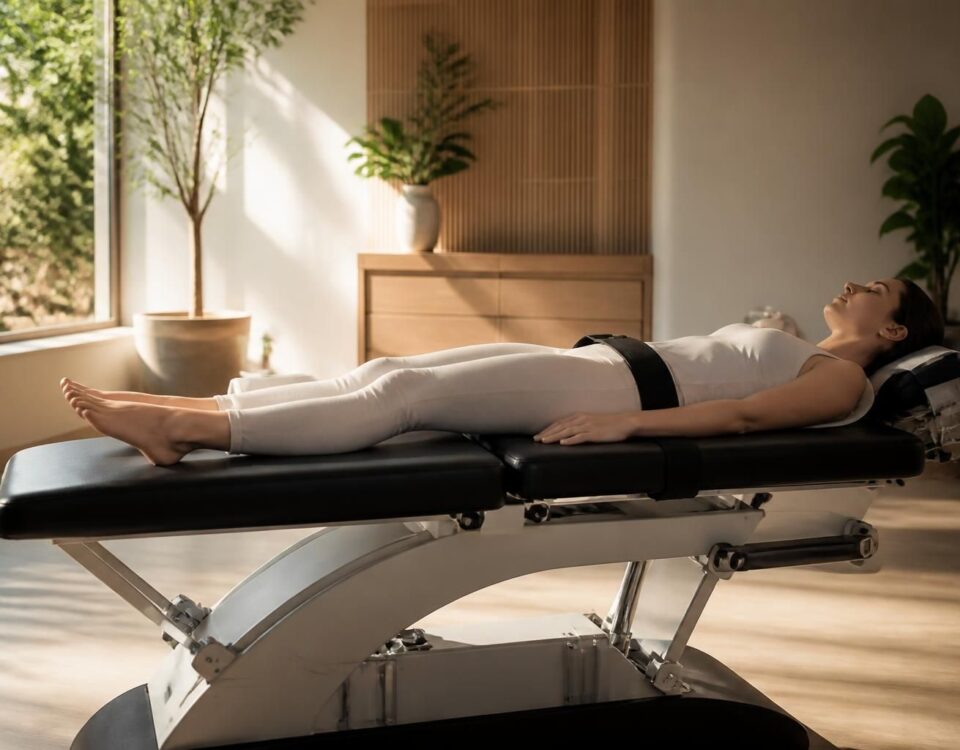
The neurovertebral decompression is therapy non-invasive which aims to reduce the pressure on the intervertebral discs and nerves. For the Active patients, it offers an effective solution without prolonged interruption of physical activities. This approach supports a quick recovery and an lasting improvement mobility, which allows you to continue to practice sports and professional activities without excessive pain.
A non-invasive approach adapted to physical activity
The main asset for active people is the absence of surgery and the Minimum risk complications. This method makes it possible to maintain the level of activity without a long convalescence period. It is part of a global strategy for pain management and rehabilitation that favors solutions non-pharmacological and non-invasive.
To learn more about criteria and mechanisms, see the following resources: vertebral decompression for whom and why, Innovative technologies in neurovertebral decompression, Neurovertebral decompression: an ideal therapy for active patients.
Improved mobility and recovery
By releasing the pressure on the nerve roots and discs, the circulation and the blood flow improve. The tissues benefit from a better supply of nutrients and oxygen, which facilitates the rehabilitation and the mobility overall. Active patients often find a rapid reduction in pain and a smoother resumption of functional movements.
Prevention of recurrences and sustainable pain management
Decompression aims to correct mechanical factors that contribute to spinal pain, which can reduce the risk of recurrence. For athletes and professionals on the move, this translates into a Better stability of the column and a Prevention of recurrent injuries.
Additional resources explain how decompression can influence disk regeneration and maintain function, without using mandatory exercises: Improved disk regeneration, Support after spinal surgery.
Integration into a multidisciplinary care pathway
Neurovertebral decompression is often part of an approach multidisciplinary with other non-invasive therapies, such as laser or associated technologies, in order to optimize recovery. It can be offered in addition to follow-up at the TagMed clinic, where the team adapts the treatment to each active and sports patient.
To deepen practical and ethical aspects, consult resources such as Essential FAQs and Benefits to prevent chronic complications.
What the evidence and clinical returns say
Clinical data shows that active patients who benefit from dedications non-invasives show an improvement in the mobility and lasting pain reduction. These results are accompanied by a better ability to resume sports and professional activities. For further reading, see the specialized resources in this area, including those described in the links below.
For information on the benefits and use of neurovertebral decompression in the sports setting, you can consult: Innovative technologies, Carpal tunnel and associated pain, and decompression for whom and why.
Training and professional executive
Professionals working in this field can come from recognized training such as NUMSS or NAO. In osteopathy and in associated practices, relevant associations include ACMA and the College of Canadian Osteopaths. These repositories guide the safety and quality of care when proposing neurovertebral decompression in the clinic.
For patients who want an approach directly related to the clinical setting, the Tagmed Clinic Offers dedicated solutions and smooth integration with other approaches like laser and manual therapies. Learn more about tagmed.
Examples and testimonials on the use of neurovertebral decompression in an active and sporting setting can be viewed via the following resources: Radiant pain, Role and knowledge, Inclusion in rehabilitation.
For more information on indications and levels of evidence, see the FAQ page of neurovertebral decompression: Essential FAQs.
For active patients, neurovertebral decompression proves to be an effective and safe option to manage spinal pain and preserve the ability to lead a dynamic and activity-oriented life.
Useful links and additional resources: vertebral decompression for whom and why, Radiant pain and decompression, Tagmed and active patients.
For more information about practical framework and support options, you can visit: Essential FAQs, For whom and why, and Disk regeneration.
Medical disclaimer : The information and advice provided on this site does not replace the advice, diagnosis or treatment of a health professional. Please note that Dr. Sylvain Desforges osteopath is neither a doctor of medicine nor a doctor, and is not a specialist in a medical specialty as defined by the Collège des Médecins du Québec. Manual medicine, functional medicine and sports medicine as described on this site exclude any medical treatment or diagnosis made by a doctor or specialist doctor. Always consult your doctor for any medical questions. For more details, please read our full legal notice.
- non-invasive and security suitable
- No surgery For a quick return
- Controlled traction and personalized
- Adaptability active pace of life and timetable
- rapid pain reduction To resume activities
- Mobility and flexibility column enhanced
- Accelerated recovery After training or injury
- Prevention of recurrences and functional limitations
- Back to sport and in training earlier

This recommendation demonstrates why the Spinal decompression is ideal for Active patients. By offering an approach non-invasive, it quickly relieves pain, improves mobility and facilitates a quick recovery In order to resume training and daily activities without interruption.
1. An option non-invasive and safe for assets
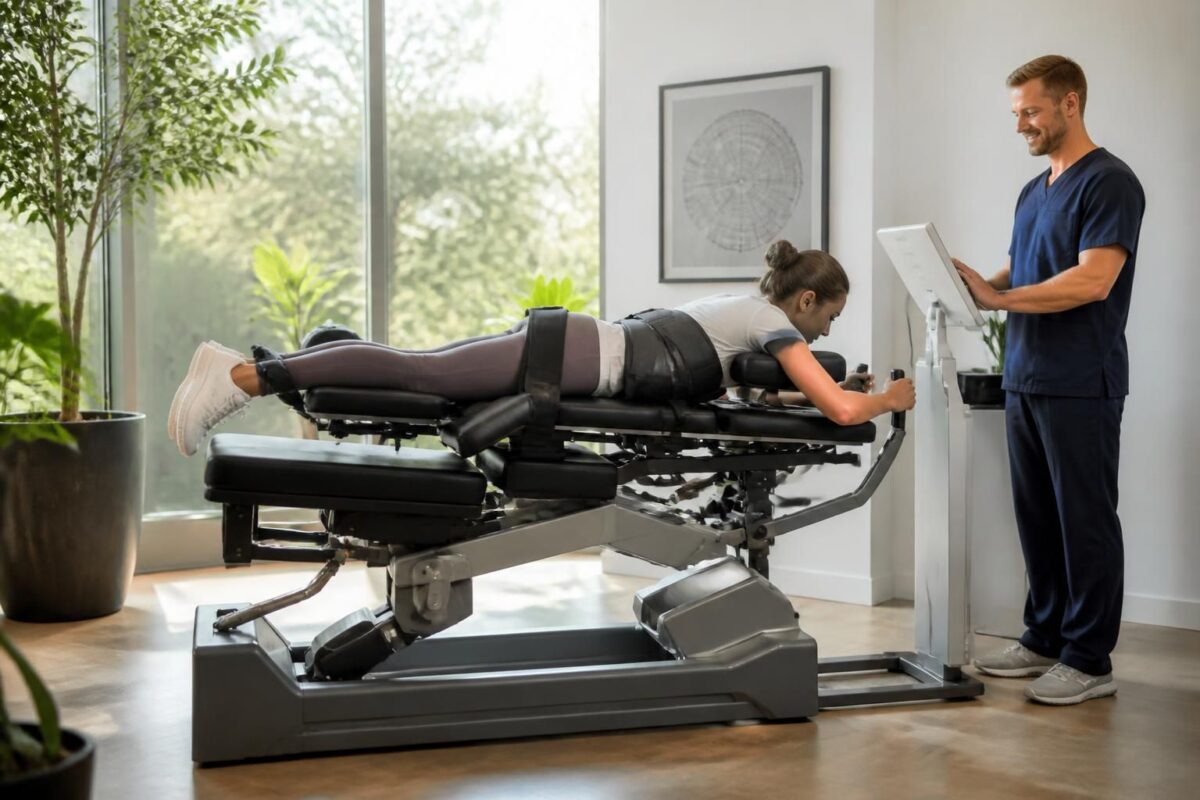
For active people, avoiding surgery is a major asset. The neurovertebral decompression Uses gentle traction that frees the space between the vertebrae and decreases pressure on the gristle and the discs, without surgery. This approach reduces risk and allows a gradual return to training, with precise control of pain and inflammation.
Impact on performance and training schedule
By reducing pain and improving blood flow, the muscles can work more efficiently, which promotes performance improvement and better exercise tolerance. The sessions, often well tolerated, are easily integrated into sports programs without causing long stops.
The long-term benefits of neurovertebral decompression for spinal health
In short In short, the neurovertebral decompression is a non-invasive approach that decreases the Pressure on intervertebral discs and nerves, favoring the Natural regeneration and tissue recovery. Its long-term benefits include Lasting pain reduction, Improving mobility and from the posture,…

Neurovertebral decompression and mobility: a return to an active life
In short In short, the neurovertebral decompression is therapy non-invasive who uses a gentle traction To create a space between the vertebrae and reduce the pressure on the Intervertebral discs and the nerves. It promotes a bloodstream improved, lowers tension…
2. Targeted mobility improvement and lasting pain reduction
the benefits result in a Lasting pain reduction and an Increased mobility of the spine. For athletes, this means a better range of motion, more effective posture and a faster return to sports practice.
Relapse prevention and stability
By working on column alignment and stability, therapy helps prevent recurrences and functional limitations that often hinder long-term performance. A solid base allows you to approach the training loads with more safety.
How Neurovertebral Decompression Prevents Diffuse Chronic Pain
In short decompression neurovertebral is one Non-invasive method aimed at reducing the Pressure on the intervertebral discs and the nerves, in order to prevent Diffuse chronic pain. It improves the circulation and thedisc hydration, decreases inflammation and promotes better mobility.…
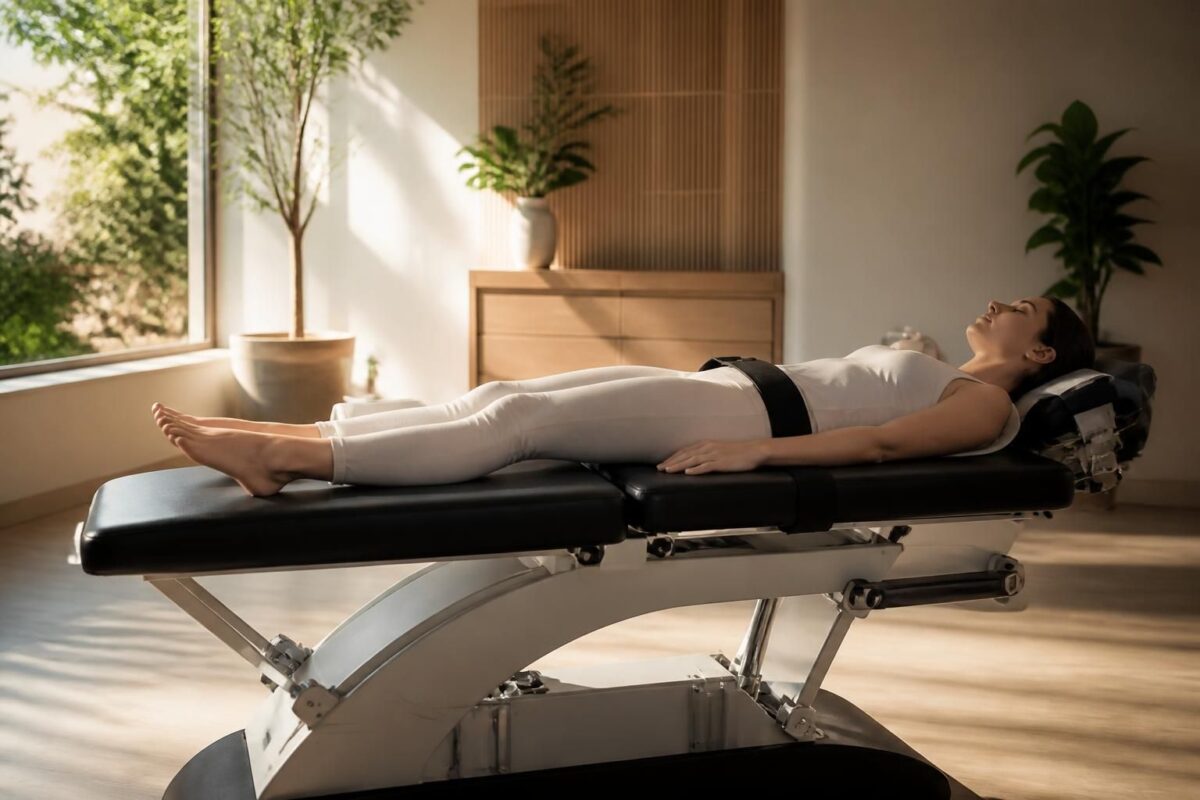
Neurovertebral Decompression and Body Alignment: Restoring Natural Balance
In short In short, neurovertebral decompression is one Non-invasive approach who restores theBody Alignment and thenatural balance back and neck. She acts by a Controlled traction of the spine to widen the intervertebral space and reduce the Pressure on discs…
3. Highly adapted customization and tracking
Each patient benefits from a Custom Plan based on a detailed initial assessment. This approach targets painful areas, determines goals (pain reduction, resilience, strength improvement) and adjusts the protocol to optimize the Back to activity.
Integration with other therapies
Decompression can be associated with complementary therapies such as muscle strengthening, manual therapy and pain management. This combination maximizes results, stabilizes gains and promotes a lasting recovery in sports and professional activities.
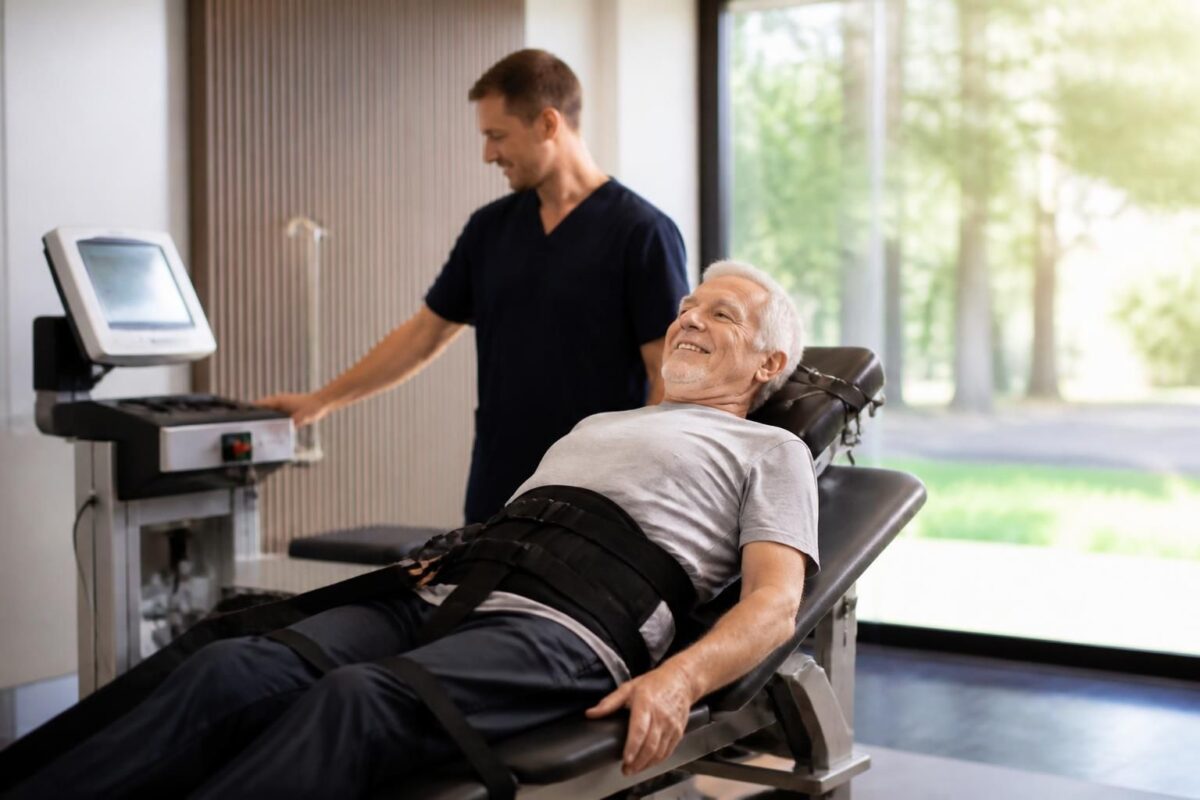
Why neurovertebral decompression is a lasting solution for active seniors
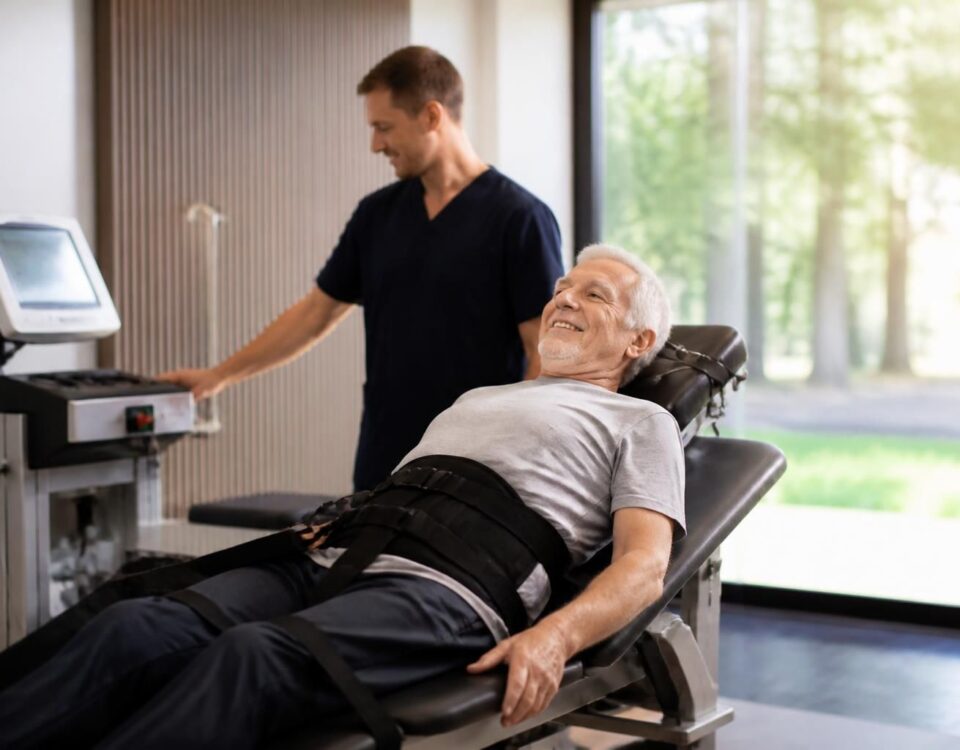
In short In short, the neurovertebral decompression is one Non-invasive therapy which sustainably relieves spinal pain in the spine active seniors By creating, by a Soft and controlled traction, a space between the vertebrae. At Montreal, it is recognized as…
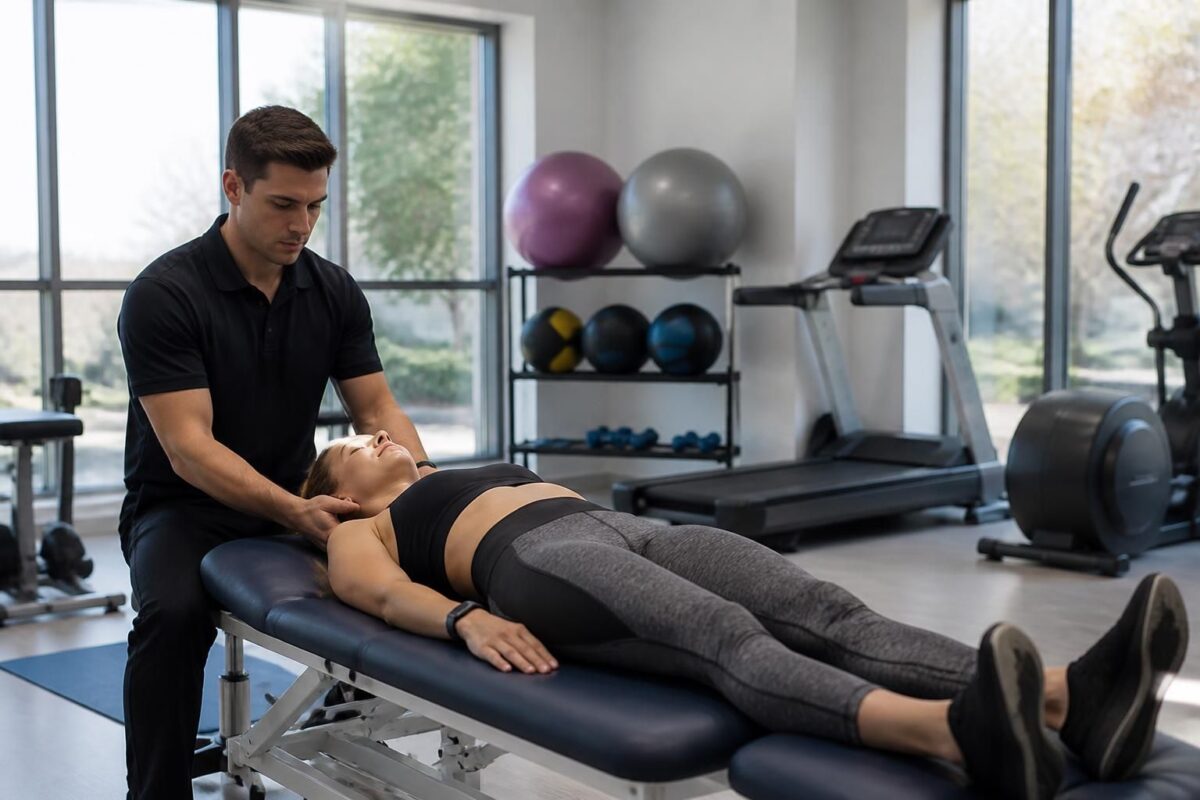
Neurovertebral decompression and recovery after severe sports injury
In short In short, the neurovertebral decompression is one Non-invasive method to Relieve the pressure on the Intervertebral discs and the gristle Via a Controlled traction, to facilitate the recovery After a severe sports injury. It improves the bloodstream towards…
4. Safety, comfort and efficiency in practice
The sessions are generally comfortable and perceived as safe by active patients. The process is often relaxing and does not cause major pain or significant side effects, which is why many active people integrate it as a key step in their rehabilitation.
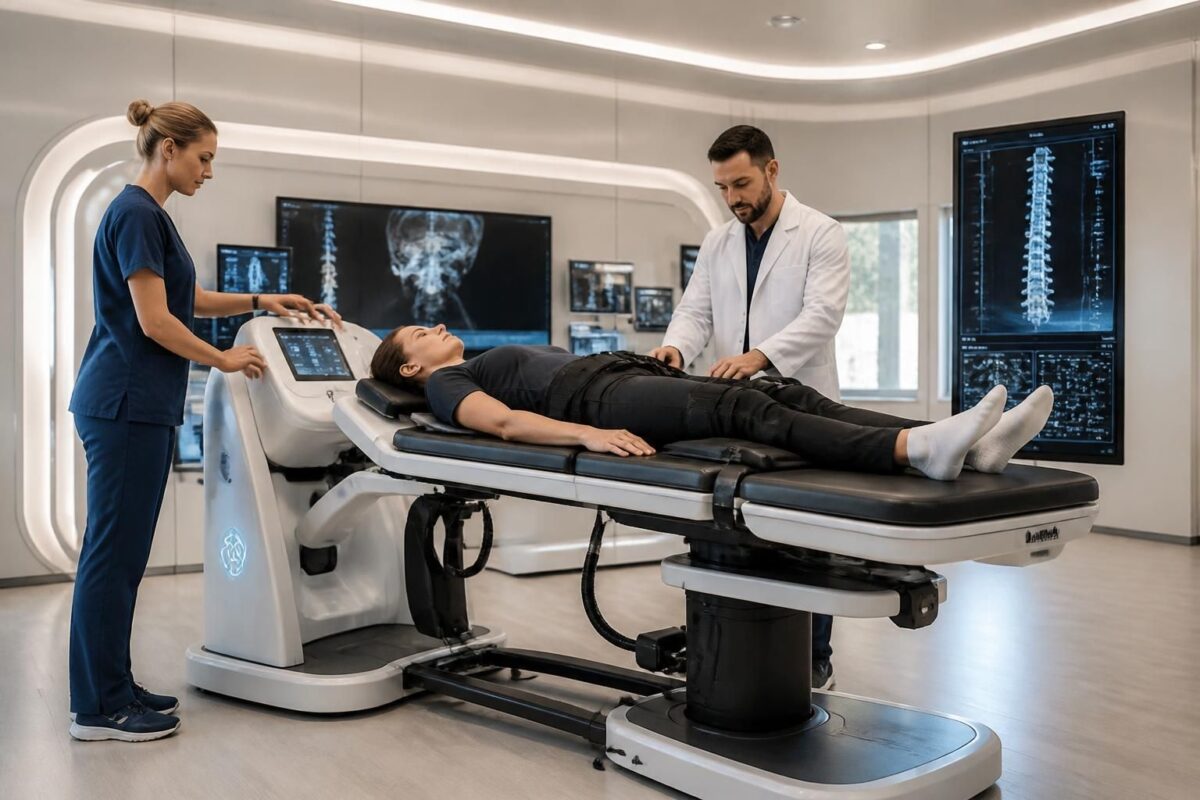
Recent innovations in neurovertebral decompression technologies
In short In short, the neurovertebral decompression is an approach non-invasive Aiming to reduce pressure on discs and nerves, and promote tissue regeneration. At Montreal, it is positioned as an effective option for lower back pain and herniated discs. The…
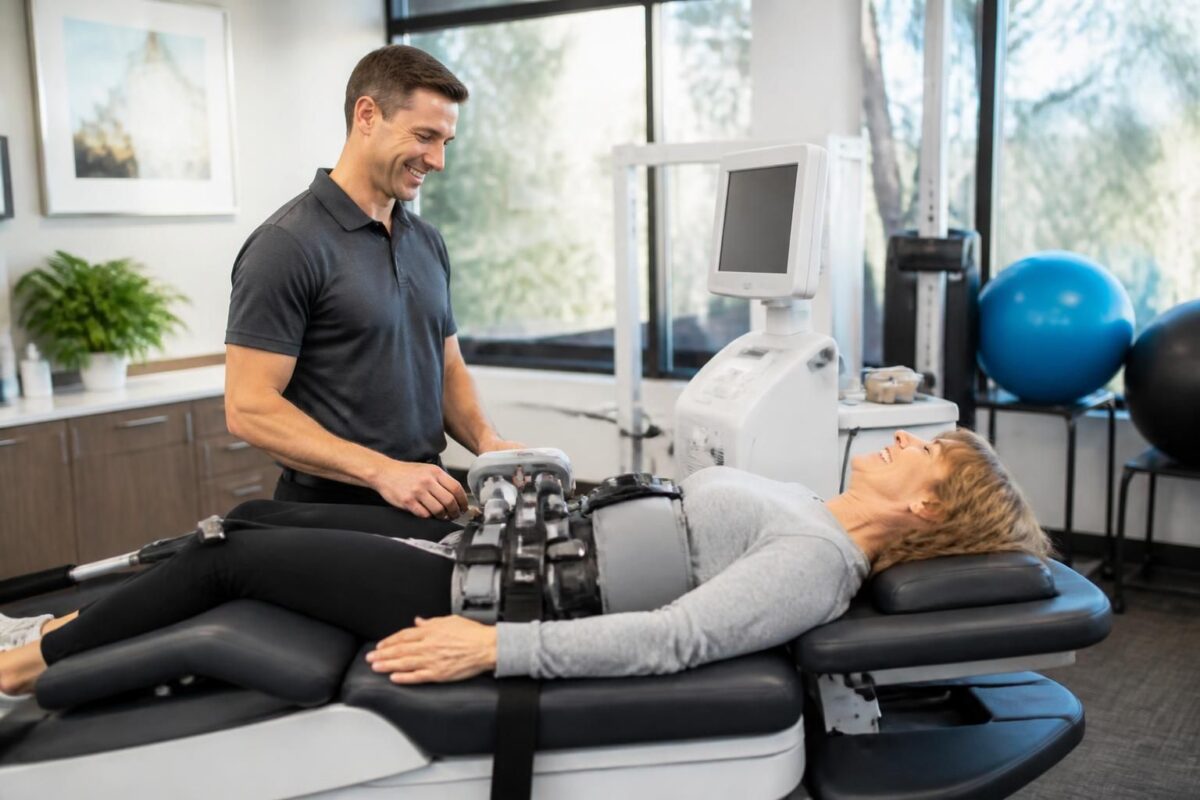
Neurovertebral decompression and diffuse pain: an appropriate solution
In short In short, the neurovertebral decompression is one Non-invasive solution For diffuse pain related to nerve irritation of the spine. She acts in Reducing pressure on intervertebral discs and nerves and improving the bloodstream, which promotes recovery and the…
5. Ideal and Moment Opportunity Candidates
The athletes, active workers and anyone feeling pain related to disc problems or spinal tensions may be candidates. A Personalized medical assessment Allows you to determine the appropriate time to start treatment and plan the following steps, depending on activity level and sporting objectives.
| Axis | Concise description |
|---|---|
| non-invasive | Technical non-invasive avoiding surgery, anesthesia and hospitalization. |
| quick return | allows a quick return sports and daily activities. |
| Personalization | Program adapted to activity, pain level and pathology. |
| Mobility | Improves the mobility and spinal flexibility. |
| Security | Profile sure for active adults when supervised by a professional. |
| Therapeutic targets | effective against herniated discs, Spinal stenosis and Chronic pain. |
| Prevention | Reduces nerve pressure and can prevent recurrences. |
| Session comfort | sessions comfortable and relaxing, little or no pain. |
| complementarity | May be associated with other therapies like laser or shock waves to optimize recovery. |
Claire, amateur athlete: “Since I started neurovertebral decompression, my aches dorsal decreased and my mobility came back. It’s an approach non-invasive which allows me to continue my training without interruption, with sessions Custom which exactly target my sensitive areas. »
Thomas, trail runner: “As an active athlete, I was looking for an effective solution without surgery. After a few sessions, I felt a marked reduction in the pain and an recovery Faster which allowed me to resume my outings on the trails earlier than expected. »
Léa, fitness practitioner: “The Personalized sessions and the character non-invasive The therapy reassured me. I won in flexibility and in posture, which directly improves my performance in my sessions and courses. »
Max, basketball player: “Newereverebral decompression helps prevent injury and maintain a mobility optimal during training. I can come back faster after a painful period and continue to progress without stopping the sport. »
Sophie, dancer: “For me who need a great flexibility And with a precision of the movements, this therapy was a revelation. I returned to the stage without pain and with a better range of motion. »
Julien, cyclist: “It’s not only effective, it’s also comfortable and reassuring. The sessions gave me a Quick return to activity And better confidence in my ability to ride for a long time without embarrassment. »
Dr. Sylvain Desforges is recognized as an expert in osteopathy, naturopathy and manual medicine. Through his role as founding president of the TAGMED clinics and the ACMA association, he puts innovation at the service of well-being, favoring evidence-based approaches and integrating advanced technologies such as neurovertebral decompression, laser and shockwave therapies. Its objective is to offer accessible and effective care that allows everyone to remain active and efficient in their daily activities.
For the Active patients, maintaining mobility and physical performance is a key quality of life lever. Neurovertebral decompression responds precisely to this need by proposing an approach non-invasive which directly targets the causes of back pain, such as herniated discs or episodes of spinal stenosis. By releasing the pressure on the discs and nerves, this therapy offers a natural path to healing, without resorting to surgery and without prolonged downtime.
Dr. Desforges favors a holistic and personalized vision. Each active patient benefits from a Adapted treatment plan that combines in-depth clinical evaluation, targeted imaging and clear functional objectives. This approach not only eases pain, but also improves mobility and the stability From the spine, two essential criteria for quickly resuming sports or professional activities without compromise.
neurovertebral decompression offers Concrete advantages For those who want to continue practicing their favorite activities. By reducing the pressure on the nerve roots, it promotes faster recovery after workout or injury, strengthens the range of motion and helps prevent future pain. For athletes, this translates into a performance improvement and an Injury prevention linked to a column weakened by effort.
In practice, Dr. Desforges associates decompression with other advanced techniques and an approach Evidence-guided. This combination optimizes the effectiveness of the treatment while remaining focused on patient comfort. The TAGMED Clinical Framework illustrates how a multidisciplinary team can harmonize decompression with modalities such as laser and shockwave therapies, in order to provide a comprehensive therapeutic experience adapted to the requirements of active lifestyles.
At the heart of this approach, the focus is on security and the prevention relapses. The initial assessment, regular monitoring and adaptation of the protocol as progress allows active patients to quickly regain their abilities, to gain autonomy and resume the course of their activities with confidence. This approach embodied by Dr. Desforges makes neurovertebral decompression a preferred option for all those who want to reconcile performance and lasting well-being.
This article summarizes why the neurovertebral decompression is ideal for Active patients, by offering an approach non-invasive which relieves pain while promoting mobility and an quick recovery, in order to maintain a Active lifestyle.
For the athletes and professionals who do not wish to give up their activity, the neurovertebral decompression Give a Sustainable relief without surgery and facilitates a Quick recovery training and performance.
This therapy is personalized and suitable the specific needs of Active patients, which makes it possible to establish a treatment schedule that fits harmoniously into their reathletics and their training program. This flexibility is a major asset for those looking to optimize their recovery without sacrificing their rhythm of life.
In addition to other therapeutic approaches, decompression can be associated with technologies and protocols aimed at improving the pain prevention and optimize the pain reduction and the mobility in the long term. For active people, this combination not only alleviates the symptoms, but also increases the resilience of the spine and limit recurrences.
To deepen the benefits in Active patients, you can consult the following resources that detail the benefits, innovations and reasons why this approach is particularly suitable for active lifestyles: Why neurovertebral decompression is ideal for active patients, Benefits of Neurovertebral Decompression for Active Patients, and Neurovertebral decompression — a therapy suitable for active patients.
For those who want an overview of the general framework and mechanisms, resources like neurovertebral decompression provide additional insights, and articles on the prevention and management of associated pain can be consulted via Prevention of neuropathic pain and A natural solution against pain.
Concrete examples and technical deepenings of associated conditions and innovations in decompression tables are available here: Innovations in neurovertebral decompression tables, and How decompression improves joint mobility.
For a practical and patient-oriented perspective, dedicated resources present the roles of decompression in the context of an active lifestyle and prevention issues: Role of neurovertebral decompression — what every patient should know, and Prevention of neuropathic pain.

Dr Sylvain Desforges, B.Sc., D.O., N.D., osteopath, is the founding president of TAGMED and of the ACMA association. He dedicates his practice to chronic spinal pain, low back pain and symptoms compatible with sciatica, particularly when pain radiates toward the buttock, leg, calf, foot or toes.
Through SOS Sciatique, he publishes educational content on sciatica symptoms, possible causes such as disc herniation, disc narrowing, foraminal stenosis or irritation of a lumbar nerve root, as well as non-surgical approaches that may be considered according to the evaluation. At Clinique TAGMED, care may include, depending on the case, motorized neurovertebral decompression, specific osteopathic care or precision percussion.
For an evaluation related to sciatica treatment in Montreal / Mount Royal or sciatica treatment in Terrebonne, please consult the services available at Clinique TAGMED.
Medical disclaimer
The information published on SOS Sciatique is provided for educational purposes only and does not replace a consultation, diagnosis, opinion or treatment provided by a physician or another authorized healthcare professional. The author of this article is neither a medical doctor nor a specialist in a medical specialty recognized by the Collège des médecins du Québec. The osteopathic, manual medicine or functional support approaches described on this site do not constitute medical acts and are not intended to replace medical follow-up.
Consult a physician or emergency service in cases of loss of bladder or bowel control, anesthesia in the saddle area, significant or progressive weakness in the leg or foot, fever, recent trauma, severe pain or rapid worsening of symptoms. For more details, please read our Legal Notice.