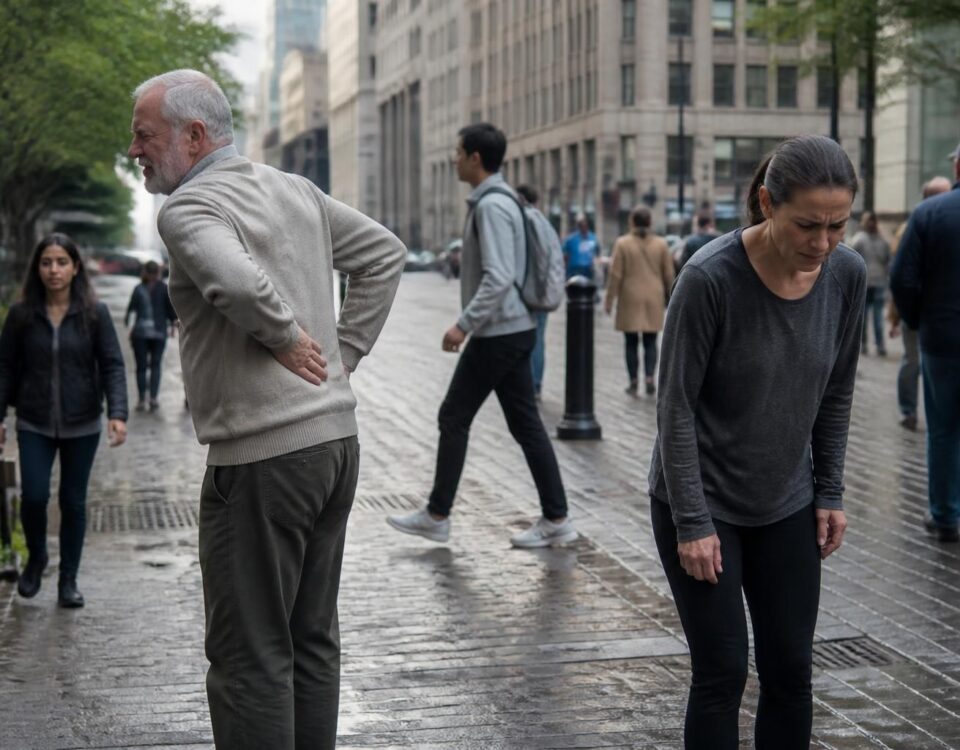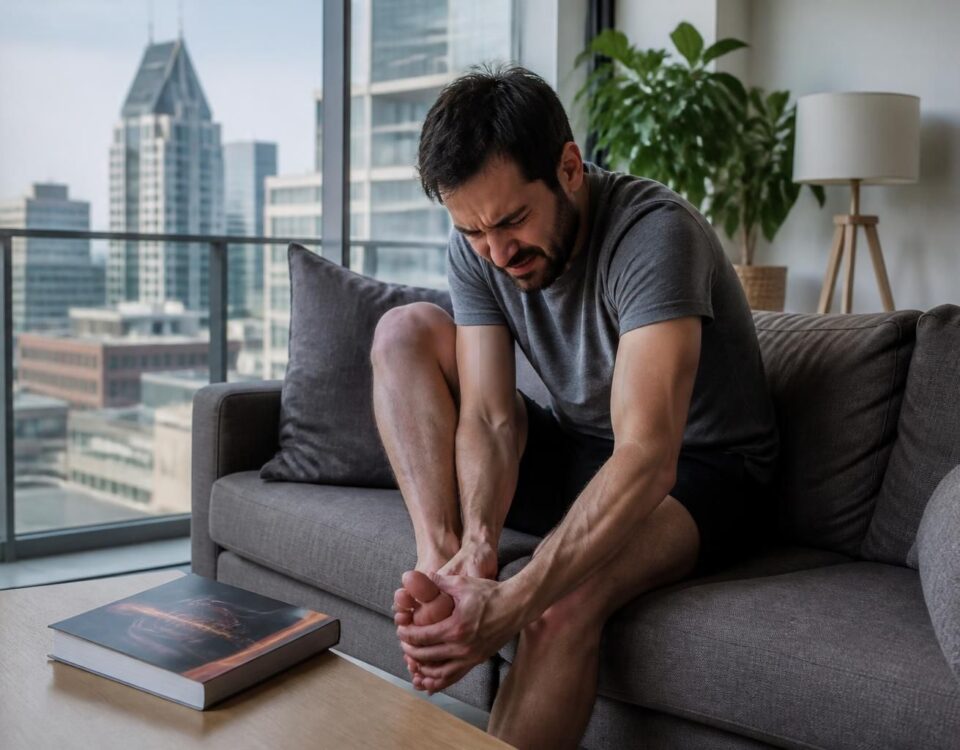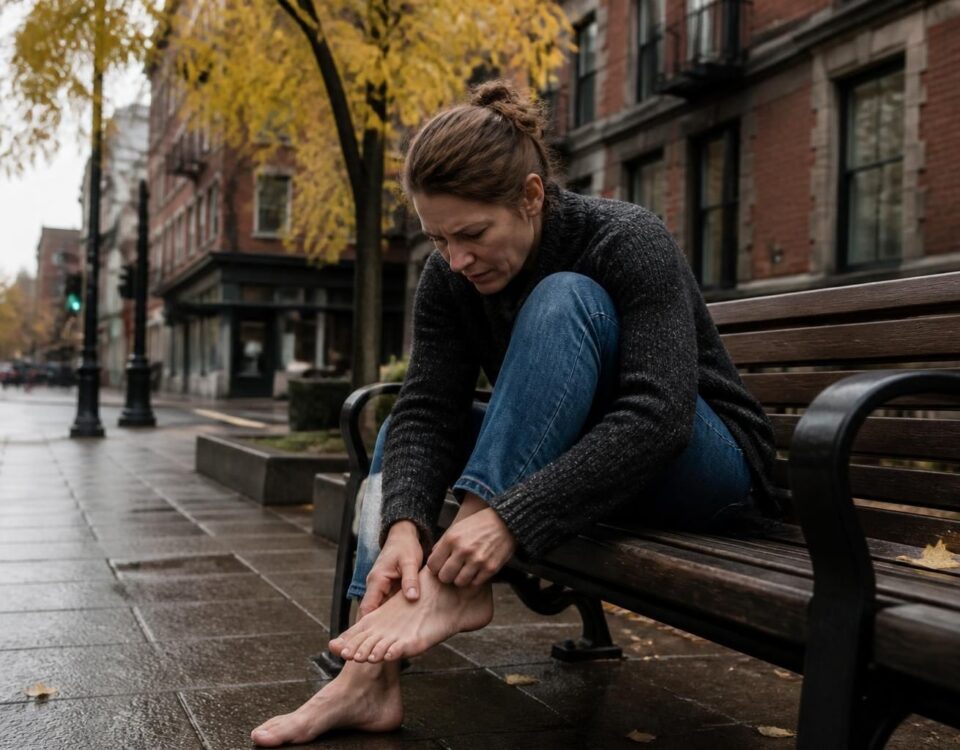
Sciatica and climbing stairs: pain in the leg
20/09/2026
Sciatica in Terrebonne: symptoms that worsen at the end of the day
21/09/2026
IN BRIEF
| In brief, sciatica is a pain that starts in the lower back and can extend to the buttock and leg, with symptoms that worsen at the end of the day potentially limiting daily activities. What is it? It is irritation or compression of the sciatic nerve, causing pain, burning, tingling, and often numbness along the pathway. What are the benefits? In Montreal, a dedicated assessment allows for quick identification of the cause and offers non-surgical approaches to regain mobility and sleep. How does it work? A personalized assessment is combined with activity advice and targeted techniques to relieve pain, resume activities, and monitor signs that require urgent consultation. This approach, available in Montreal, aims to help you return to your normal activities quicker and safely. |
Sciatica in Montreal: brief summary
Sciatica is a pain that starts in the lower back and can extend to the buttock and leg. In the Montreal context, many patients find that symptoms worsen at the end of the day, especially after a prolonged period of sitting or standing. Possible causes include irritation or pressure on the sciatic nerve (for example, due to a herniated disk, stenosis, or muscle tension). A diagnosis is based on clinical assessment and pain pathways, and relief can come from a tailored activity program, postural adjustments, and non-surgical care.
Quick summary: Pain that starts in the lower back and can descend into the buttock or leg may worsen at the end of the day. This article describes typical signs, contributing factors, and general approaches to managing these symptoms in Montreal, emphasizing professional assessment and options available at the TAGMED Clinic.
The sciatica is the term often used to describe irritation or compression of the sciatic nerve. This nerve is the longest in the body and connects the lower back to the leg. When the nerve is irritated, symptoms can vary from person to person and worsen throughout the day.
Symptoms that worsen at the end of the day
Many people notice that pain or discomfort increases after a day of activities. Typical signs to watch for at the end of the day include:
- Pain that travels from the lower back to the buttock and sometimes the leg.
- Burning sensation or electric shock feeling that may extend to the calf or foot.
- Tingling, numbness, or localized weakness in the lower limb.
- Pain that worsens after sustained walking, prolonged sitting, or repetitive activity.
The painful pathway may be unilateral in most people, but some exhibit more complex or bilateral symptoms depending on the underlying cause and position of the day.
Possible causes and contributing factors
Several factors can lead to more pronounced sciatica pain at the end of the day. Common causes include:
- Herniated disk or disk protrusion, which can compress a nerve root and trigger radicular symptoms.
- Age-related or wear-and-tear changes that narrow the space around nerve structures.
- Irritation of surrounding tissues, such as muscles and ligaments near the nerve pathway.
- Lifestyle factors, including prolonged sitting, repeated heavy lifting, or returning too quickly to activity after a period of rest.
To understand the precise location and origin of symptoms, a professional assessment is recommended. Additional resources and general explanations can be found on specialized sites such as Sciatica and combined causes or Sciatica symptoms.
What can influence the progression throughout the day
Pain may be exacerbated by certain professional or domestic factors. Muscle fatigue, inadequate posture after a long day, and insufficient rest can alter pain perception. Adopting a more neutral posture and maintaining appropriate mobility can help limit worsening.
When to worry and when to consult
Signs that require prompt consultation include pain accompanied by loss of bowel or bladder control, saddle anesthesia, marked and progressive weakness in the leg or foot, fever associated with vertebral signs, or significant trauma. In the presence of these elements, contact a healthcare professional immediately.
For a more in-depth evaluation in Montreal, you can request a consultation at the TAGMED Clinic, or refer to specialized resources representing best practices in sciatica pain management and non-surgical care.
Daily management and care
General approaches consist of staying as active as tolerable while temporarily modifying certain activities that worsen symptoms. It is important to stay within a functional range and avoid prolonged periods of complete rest that can delay a return to normal activities. Advice based on clinical assessment can guide decisions and possible interventions within the framework of care in Montreal.
To learn more about available options and strategies specific to your situation, consult specialized resources such as numbness and pain while walking or Sciatica in Terrebonne.
When and how to prevent worsening
Healthy habits can reduce the risk of aggravation. This includes appropriate physical activity, varying positions throughout the day, and a gradual progression of effort. For clear and personalized guidance, an osteopathic evaluation or other non-surgical approaches may be considered at TAGMED in Montreal or Terrebonne.
For additional information on non-surgical approaches and options, you can visit neuro-vertebral decompression and related resources on herniated discs and sciatica, or consult the informational content on herniated disc and sciatica.
Note that treatments and recommendations vary based on evaluation. The information presented above does not replace a diagnosis or a personalized treatment plan established by a healthcare professional.
For more general information aimed at the public, you can also consult the resources available on SOS Sciatica.
Medical disclaimer: The information and advice provided on this site do not replace the advice, diagnosis, or treatment of a healthcare professional. Please note that Dr. Sylvain Desforges, osteopath, is neither a medical doctor nor a physician, and is not a specialist in a medical specialty as defined by the Collège des médecins du Québec. Manual medicine, functional medicine, and sports medicine as described on this site exclude any treatment or medical diagnosis made by a physician or specialist. Always consult with your doctor for any medical questions. For more details, please read our full Legal Notice.
- Radiating pain from the lower back that intensifies in the evening
- Buttock pain that worsens after an active day
- Numbness or tingling in the leg or foot in the evening
- Occasional electric shock when sitting for prolonged periods
- Lumbar stiffness and reduced mobility at the end of the day
- Temporary weakness in the leg when the pain is at its peak
- Regular active breaks and light walking to limit aggravation
- Posture adjustment and sitting posture at work
- Targeted stretches and adapted exercises at the end of the day
- Application of heat or cold based on comfort and situation
- Adaptation of work habits: breaks, position variations
- Professional assessment if symptoms persist or worsen

This article guides you to understand why sciatica symptoms worsen in the evening in Montreal, how to recognize them, their possible causes, and practical strategies to relieve and prevent this pain.
Understanding sciatica and the nerve pathway
Sciatica describes irritation or compression of the sciatic nerve, the longest and largest nerve in the body. It originates in the lower spine and travels through the buttock down to the foot. When the nerve is irritated, pain can follow this pathway and be accompanied by discomfort, numbness, or tingling that may affect the buttock, thigh, calf, or foot. Understanding this pathway helps to distinguish innate pain from specific causes and guide treatment choices.

Sciatica in Montreal: pain that wakes you up at night
IN SHORT In short, nocturnal sciatica is pain that follows the path of the sciatic nerve and intensifies at rest, disrupting sleep. In Montreal, it can be managed with simple advice on nighttime posture and bedding: sleeping on your side…

Sciatica in Montreal: intermittent pain or constant pain?
IN BRIEF In brief, sciatica in Montreal refers to pain that starts in the lower back and follows the path of the buttock, thigh, and sometimes the foot, which can be intermittent or constant. It often reflects an underlying mechanical…
Why symptoms worsen in the evening
Several factors explain why sciatic pain increases in the evening. Accumulated muscle fatigue, prolonged positions, and repetitive movements can irritate the structures around the nerve. Lack of movement during the day can lead to stiffness, while inflammation can intensify as the day progresses and tolerance for movement decreases. Lastly, additional loads or a quick return to physical activity after a break can overstrain the lumbar and gluteal networks, amplifying discomfort.

Sciatica in Montreal: burning pain behind the thigh
IN BRIEF Sciatica is a pain that starts from the lower back or buttock and radiates down the back of the thigh, sometimes to the calf or foot, described as a burning sensation or electric shock. In Montreal, an osteopathic…
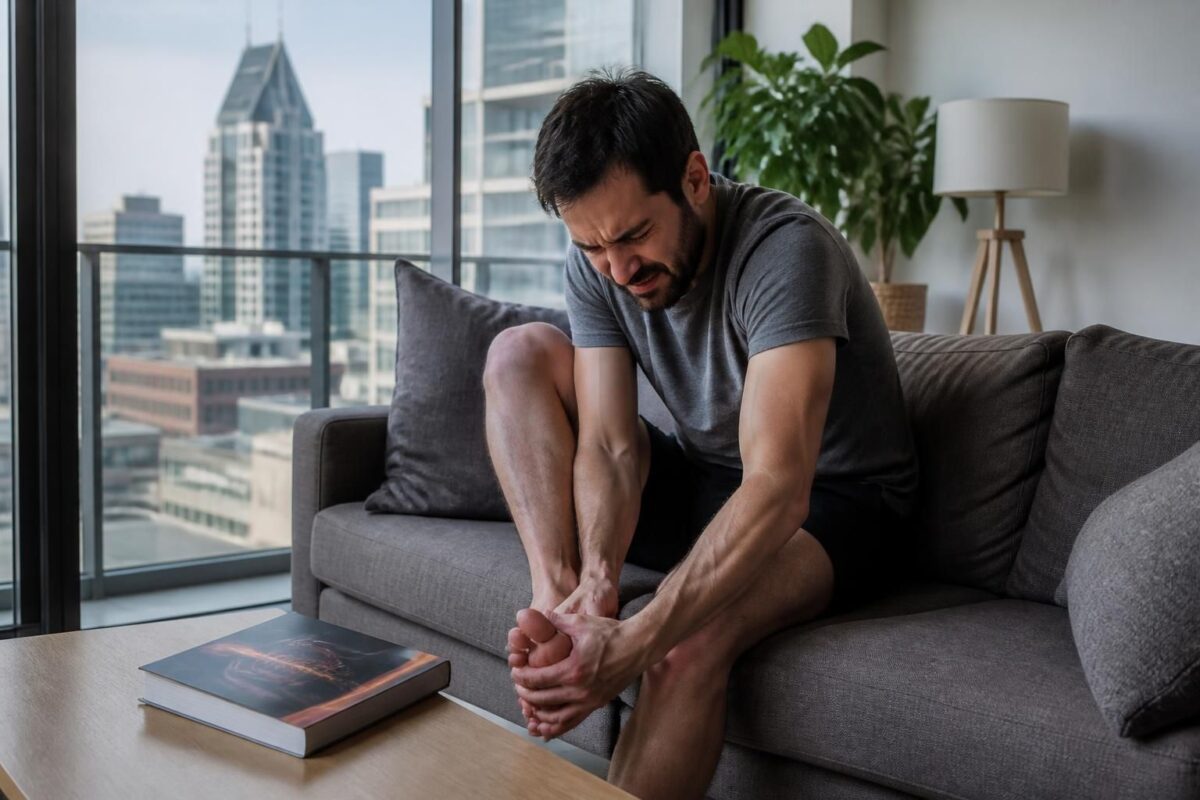
Sciatica in Montreal: numbness of the big toe and lower back pain
IN SHORT In short, sciatica associated with numbness of the big toe and lower back pain is a symptom resulting from compression or irritation of the sciatic nerve that extends from the lower back to the foot. In Montreal, this…
Signs to watch for and when to consult
In the evening, pay attention to pain that radiates from the lower back to the buttock or leg and may be accompanied by an electric sensation, numbness, or progressive weakness. If the pain intensifies to the point of significantly limiting walking, sleeping, or daily activities, or if signs such as marked weakness, significant numbness, loss of bladder control, or fever-related pain appear, consider a quick evaluation by a healthcare professional.
Sciatica in Montreal: loss of sensitivity in the toes
IN BRIEF In brief, sciatica associated with a loss of sensitivity in the toes is pain that starts in the lower back and can radiate down to the foot. In Montreal, this service offers an effective non-surgical approach based on…

Sciatica in Montreal: pain when sitting with tingling in the foot
IN SHORT In short, sciatica in Montreal is a radicular pain that often worsens in sitting position and may be accompanied by tingling in the foot. This approach emphasizes an assessment that links symptoms to function and neurological signs, rather…
Practical measures to relieve and prevent in Montreal
Stay active and progress cautiously
Movement remains the cornerstone of relief. Prefer gentle and regular activities, such as short walks and light exercises, rather than remaining inactive for prolonged periods. The goal is to maintain mobility without exceeding your limits, in order to limit stiffness and support overall function.
Improve workstation and habits
Avoid positions that exacerbate pain and prioritize an ergonomic arrangement of your space. Alternate positions, take frequent breaks, and adjust your seating to reduce pressure on the lower back and glutes. Small changes throughout the day can make a noticeable difference.
Adapted exercises and stretches
Targeted exercises and adapted stretches, tailored to your tolerance, can reduce tension and free nerve pathways. Work with a professional to customize the program and progress safely, to avoid worsening the pain.
When to consult in Montreal
If symptoms persist despite an appropriate approach, or if they significantly limit your activities, schedule an appointment with an osteopath, physiotherapist, or your doctor in Montreal for an accurate assessment and advice on non-surgical options and treatments suited to your situation.
| Time of occurrence | Increases at the end of the day after activity and fatigue. |
| Location | Lumbar path to buttock and leg, sometimes foot. |
| Quality of pain | Burning, shooting, or stabbing pain. |
| Aggravating factors | Prolonged sitting, prolonged standing, lifting. |
| Impact on sleep | Difficulties falling asleep or night awakenings. |
| Mobility and functioning | Stiffness and slower walking at the end of the day. |
| Associated symptoms | Tingling, numbness, variable weakness. |
| Temporary management | Active breaks, light walking, position changes. |
| When to consult | Evaluation if persistence or impact on activities; urgent if urinary control loss or feverish pain. |

Sciatica in Montreal: pain in the leg after prolonged standing
IN BRIEF In brief, sciatica in Montreal is pain that radiates into the leg after prolonged standing, often related to nerve irritation or lumbar stenosis and may be accompanied by numbness, tingling, or weakness. The diagnosis relies on the agreement…

Sciatica in Montreal: pain and numbness after walking
IN BRIEF In brief, sciatica in Montreal is a lumbar radiculopathy characterized by pain and numbness that starts from the lower back or buttock and radiates down the leg, especially after walking. In Montreal, the approach favors a functional assessment…
Testimonials on sciatica in Montreal: when symptoms worsen at the end of the day
“At the end of the day, my sciatic pain becomes unbearable after a day of standing. In Montreal, commutes and stairs become more difficult and the pain sometimes shoots up to my buttock and leg.” — Sophie, 38, Montreal
“My sciatica worsens after 8 hours of work, especially when I’m driving or sitting for long periods. In the Mont-Royal area (near Montreal), I’ve learned to incorporate small breaks and stretches to limit discomfort at the end of the day.” — Marc, 54, Mont-Royal
“My sciatica intensifies at the end of the day, with a burning sensation starting from my lower back and moving down to my buttock and leg. I live in Montreal and have found useful advice to stay active without worsening the symptoms.” — Isabelle, 46, Montreal
“After a sitting day, the pain spreads to my calf and foot, making sleep difficult. In Montreal, I made an appointment and started a plan that combines controlled movement and professional advice; the results are encouraging.” — Émilie, 29, Montreal
“I stayed active despite the pain at the end of the day, but the pain that returns after work is a real obstacle. In the Montreal area, I prioritize breaks, exercises, and better posture at the office to prevent the pain from worsening.” — Jean-Pierre, 63, Montreal
Detailed Biography – Sciatica in Montreal: symptoms that worsen at the end of the day
Dr Sylvain Desforges, expert in osteopathy, naturopathy, and manual medicine, is the founding president of TAGMED clinics and the ACMA association. His background is marked by an approach focused on innovation in healthcare and particular attention to chronic pain that frequently affects the spine. In his practice, he emphasizes the integration of advanced technologies such as spinal decompression, laser, and shockwave therapy, to provide effective non-surgical solutions for his patients. His commitment is to offer care based on the best available evidence to optimize each individual’s health and well-being.
Specifically focused on sciatica in Montreal, Dr Desforges aims to understand the mechanisms that explain the symptoms and offer personalized pathways that take into account each patient’s particularities. In a local care approach, he prioritizes a comprehensive assessment and a pragmatic approach, helping people whose pain radiates down to the buttock and leg to regain a more functional daily life, even when professional and family obligations accumulate at the end of the day.
Patients presenting signs of sciatica often describe pain starting from the lower back and gradually affecting the buttock and leg, sometimes extending to the calf or foot. Dr Desforges emphasizes the importance of distinguishing a real nerve irritation from localized muscular pain, as treatments and recovery times can differ significantly. In his work in Montreal, he implements an evaluation strategy that considers the painful path, sensitivity, strength, and functional capabilities to guide the most appropriate therapeutic choices.
For non-surgical care, Dr Desforges’ approach combines specialized manual techniques and complementary therapeutic modalities. Options mobilized include motorized neurovertebral decompression, specific osteopathy, and the precision impactor, often used in conjunction with targeted interventions such as laser and shockwave therapy. This combination aims to limit radicular irritations, improve mobility, and promote gradual recovery while remaining aligned with solid clinical evidence.
In Montreal, TAGMED is committed to supporting patients in a holistic approach that prioritizes education and autonomy. The office fosters close collaboration among professionals to evaluate, adjust, and regularly reassess the treatment plan, focusing on reducing symptoms at the end of the day and improving daily functioning. Dr Desforges insists on clear communication, measurable functional goals, and progress guided by concrete results rather than just pain levels.
For people living in Montreal or nearby suffering from sciatica that worsens at the end of the day, Dr Desforges’ approach relies on in-depth expertise, a multidisciplinary framework, and non-surgical solutions adaptable to each situation. Contact TAGMED clinic for a personalized assessment and discover how a structured approach can restore your comfort and mobility in daily life.
This article details sciatica in Montreal, particularly the symptoms that worsen at the end of the day, their possible causes, and practical approaches to relieve and better manage daily pain.
This section does not express a narrative conclusion but offers concrete guidelines and resources to understand and act in the face of sciatica whose symptoms intensify at the end of the day in Montreal.
Practical guidelines for end-of-day evolution: pain that starts from the lower back and radiates to the buttock and leg can become more intense after a day of activities. Watch for complementary signs such as numbness, a burning sensation, or electric shocks that increase in intensity at the end of the day, which may indicate irritation or compression of the nerve.
Adapted daily actions: maintaining moderate physical activity is often preferable to prolonged rest. Incorporate short and regular walks, temporarily adjust your movements and workstations, and avoid efforts that worsen symptoms. Prioritize positions that reduce pressure on the nerve while remaining active to preserve mobility.
When to consider a professional evaluation: if symptoms persist or worsen, are accompanied by significant weakness, loss of bladder control, or significant night pain, or if radiation reaches unusual areas, it is advisable to consult a specialist quickly to assess the causes and adapt treatment.
Additional resources and useful readings for further exploration: you can consult the following articles and guides to enrich your understanding and management choices, particularly regarding signs and relief strategies in urban settings and Montreal: Sciatica and foot pain while walking, Sciatica explained, Heavy legs while walking, Signs of sciatic irritation, How to recognize and relieve sciatica, Difficulty sitting, Signs of worsening sciatica, Night pain in the leg, Sciatica assessment in Montreal, Pain and numbness after walking.
For an assessment tailored to your situation and personalized advice, do not hesitate to contact a specialized clinic in Montreal that offers nonsurgical approaches suitable for sciatica and lower back pain.

Dr Sylvain Desforges, B.Sc., D.O., N.D., osteopath, is the founding president of TAGMED and of the ACMA association. He dedicates his practice to chronic spinal pain, low back pain and symptoms compatible with sciatica, particularly when pain radiates toward the buttock, leg, calf, foot or toes.
Through SOS Sciatique, he publishes educational content on sciatica symptoms, possible causes such as disc herniation, disc narrowing, foraminal stenosis or irritation of a lumbar nerve root, as well as non-surgical approaches that may be considered according to the evaluation. At Clinique TAGMED, care may include, depending on the case, motorized neurovertebral decompression, specific osteopathic care or precision percussion.
For an evaluation related to sciatica treatment in Montreal / Mount Royal or sciatica treatment in Terrebonne, please consult the services available at Clinique TAGMED.
Medical disclaimer
The information published on SOS Sciatique is provided for educational purposes only and does not replace a consultation, diagnosis, opinion or treatment provided by a physician or another authorized healthcare professional. The author of this article is neither a medical doctor nor a specialist in a medical specialty recognized by the Collège des médecins du Québec. The osteopathic, manual medicine or functional support approaches described on this site do not constitute medical acts and are not intended to replace medical follow-up.
Consult a physician or emergency service in cases of loss of bladder or bowel control, anesthesia in the saddle area, significant or progressive weakness in the leg or foot, fever, recent trauma, severe pain or rapid worsening of symptoms. For more details, please read our Legal Notice.