Osteopathic manipulations to reduce chronic joint pain
27/06/2026
Osteopathy and sciatic pain: complete management
27/06/2026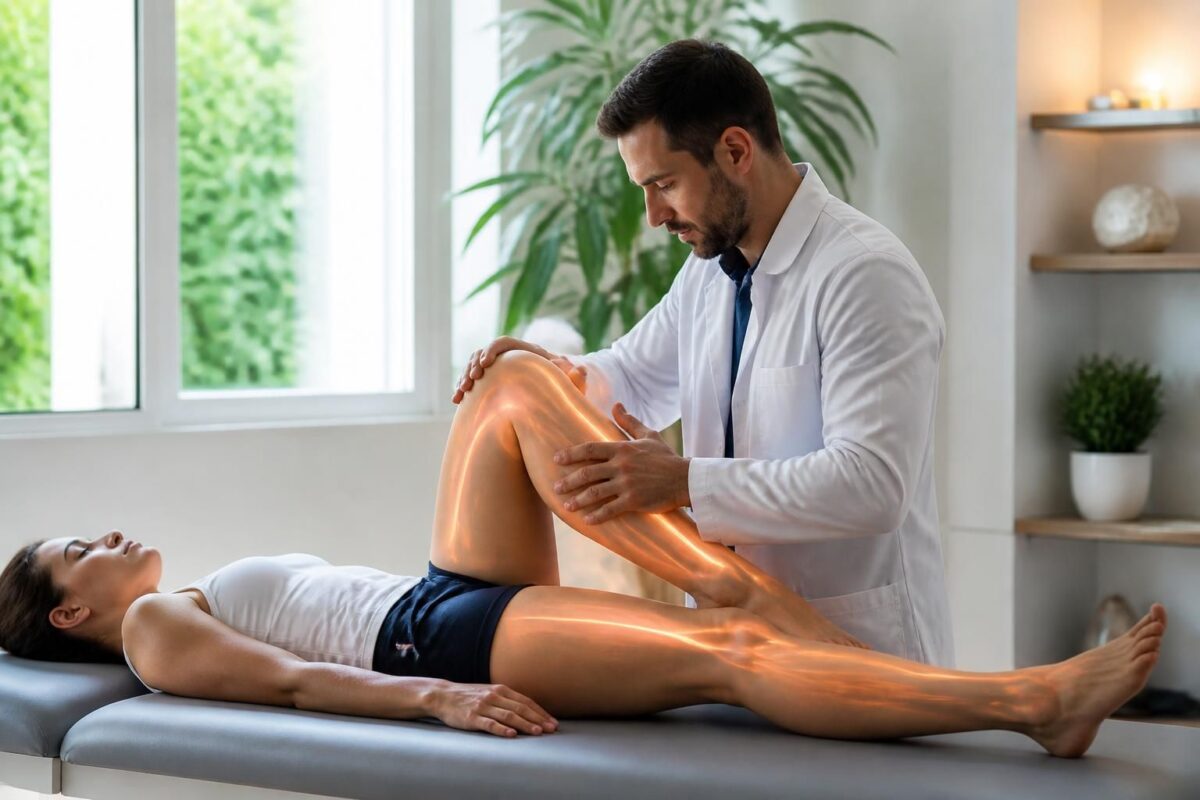
In short In short, Osteopathy better the circulation and reduces the puffiness By releasing tensions, stimulating lymphatic drainage and facilitating venous return. What is it? A global manual approach to restore body balance and optimize tissue oxygenation. What advantages? Reduction of edema, better mobility and sensation of relief, as well as a reduction in stress that can influence circulation. How does it work? by targeted relaxation, mobilization and handling techniques that improve vascular tone and drainage of liquids. Accessible in Montreal and in the region, this service can be integrated into a health follow-up for lasting results without invasive treatments. |
Short summary: theosteopathy Acts on the circulation By freeing the Muscle tensions and rebalancing the structures of the body. By working on the fascias and joints, it facilitates the Venous return and lymphatic flow, which can reduce puffiness and edema. This manual work improves tissue oxygenation and promotes relaxation, contributing to a Overall traffic more efficient. These effects constitute a complementary and non-invasive approach to support vascular health.
Quick summary: theosteopathy can improve the circulation and reduce the puffiness By acting on muscle tension, fascias and lymphatic drainage. This approach considers the body as a whole and favors gentle manual techniques to promote more effective blood flow and optimized venous return.
Understanding circulation and swelling
The bloodstream Depends on blood volume, heart contraction force and vessel resistance. When the venous return is insufficient, fluids accumulate in the tissues, causing puffiness. Recurrent swelling may signal circulatory imbalance and overload of the venous system.
How osteopathy affects circulation
theosteopathy offers a global approach. The osteopath identifies areas of tension that hinder blood and artery flow. By Sweet mobilizations, soft tissue manipulations and releases, it releases restrictions and improves blood flow. The result is a better bloodstream and one Venous return more efficient.
Lymphatic drainage and reduction of swelling
The lymphatic system removes excess fluids and waste. The osteopath stimulates this network with adapted techniques to promote the drainage and filtration of liquids. This can reduce swelling, especially in limbs and areas prone to water retention. Lymphatic drainage is part of a process to support circulation and the elimination of toxins.
Practical integration and observable results
The effects vary by person and the frequency of the sessions. Regular consultations help maintain smooth circulation and effective drainage. Osteopathy can be offered as a complement to other treatments to optimize comfort and mobility. To learn more about mechanisms and benefits, you can consult specialized resources at the following links: Why osteopathy is essential, neurovertebral decompression and Tagmed Clinic.
Additional resources and perspectives
To understand the role of osteopathy in traffic and drainage management, you can explore resources focused on bloodstream and the mechanisms of lymphatic drainage, such as those presented on sites specializing in osteopathy and in manual medicine. Studies and articles provide a framework to appreciate how osteopathic techniques can support the prevention of vascular disorders and the improvement of general well-being. For information on the general framework and complementary approaches, see the available resources at Osteopathy and recovery after surgery and Postoperative rehabilitation.
For any support and orientation, you can approach Tagmed Clinic or consult specialized resources on Osteopathy and pain.
It is recommended to chat with an osteopath when you have persistent swelling, pain or a feeling of heaviness in the legs or arms. An assessment helps determine whether appropriate techniques can support circulation and lymphatic drainage without resorting to invasive treatments.
To learn more about the links between osteopathy, circulation and drainage, visit dedicated resources and the following specialized pages: Osteopathy and active life without pain, Osteopathy and post-intervention recovery.
Clinique TagMed offers treatments adapted to circulation and drainage; Discover their services via Tagmed Clinic.
For more general information about mechanisms and benefits, see the following resources: Postoperative rehabilitation and Essential osteopathy.
Medical Disclaimer: The information and advice provided on this site does not replace the health professional’s diagnosis or treatment. Please note that Dr. Sylvain Desforges osteopath is neither a doctor of medicine nor a doctor, and is not a specialist in a medical specialty as defined by the Collège des Médecins du Québec. Manual medicine, functional medicine and sports medicine as described on this site exclude any medical treatment or diagnosis made by a doctor or specialist doctor. Always consult your doctor for any medical questions. For more details, please read our full legal notice.
- Targeted evaluation areas that hinder traffic.
- muscle relaxation Releasing vessels and improving venous return.
- liberation of the fascias and tissue tensions to thin blood flow.
- Joint mobilizations rebalancing the axes and stimulating circulation.
- Lymphatic techniques To activate drainage and reduce edema.
- Relaxation and stress management To reduce vascular peaks and preserve circulation.
- Diaphragmatic adjustment and posture To optimize blood and lymph flow.
- Practical advice hydration and activity adapted to support the results and prevent recurrences.

This article explains how theosteopathy can improve the circulation blood and reduce puffiness By acting on muscle tension, fascias and the lymphatic system. It details the mechanisms, techniques used and practical advice to promote better circulatory dynamics on a daily basis.
Understanding traffic and swelling issues
Swelling, or edema, occurs when fluids accumulate in tissues and Venous return and lymphatic drainage do not sufficiently manage these volumes. A circulation Insufficient may result from lifestyle, prolonged position, trauma or circulatory imbalances. The osteopathic approach considers the body as a whole and aims to remove tensions that hinder blood and lymph flow, in order to promote better reduction in edema.

How osteopathy improves the quality of life of active people
In short In short, theosteopathy is a global approach that Optimizes mobility and the function of the body of ACTIVE PEOPLE, for a better quality of life. It helps prevent injury and reduce Musculoskeletal pain While promoting the Sports recovery.…

Osteopathy and sports recovery: prepare the body for lasting performance
In short In short, Osteopathy and Sports recovery is one Global manual approach that sustainably prepares the body for the effort by restoring mobility and circulation After the effort. It is a discipline that acts on the sinews, the joints,…
Osteopathic techniques that improve circulation
The Manual techniques Used in osteopathy target areas of tension to release stresses that oppress vessels and lymphatic circuits. work on fascias and soft tissues can promote a muscle relaxation and improve the blood flow. Gentle joint mobilizations and diaphragmatic breathing exercises support better postural dynamics and reduce resistance to circulation.
Relaxation and mobility for venous return
By releasing tension around the muscles of the legs and lower back, the osteopath facilitates the Venous return and reduces congestion. Techniques targeted at the lumbar, pelvic and cranial areas promote a more relaxed body atmosphere, allowing blood to circulate more easily and reach elimination systems. This action is particularly useful when swelling appears or worsens with activity or position.
Lymphatic drainage and fluid circulation
The lymphatic drainage, practiced with delicacy, stimulates the lymphatic circuits and helps to evacuate the excess fluid in the tissues. By activating these pathways, the osteopath can reduce edema and promote better elimination of toxins. The combined action on soft tissues and lymphatic networks helps to improve the feeling of lightness and to prevent repeated accumulations of fluid.
Why Osteopathy Is Essential For Recovery People
In short In short, Osteopathy in convalescence is an approach manual and holistic which helps to accelerate the recovery by restoring The balance, the mobility and a good circulation fabrics. it contributes to Reduce the pain, support the Back to…

Osteopathic manipulations to strengthen post-traumatic muscles
In short In short, Osteopathic manipulations for Strengthen post-traumatic muscles constitute a gentle manual approach aimed at restoring the mobility, reduce the pain and facilitate the Functional rehabilitation After a injury. What is Is it? A series of precise gestures…
Practical tips to maximize results
In addition to the sessions, simple habits reinforce the effects. stay hydrated, practice gentle exercises like walking or light stretching, and adopt a position of the legs raised at the end of the day to promote the Venous return and limit swelling. a regular routine, combining controlled breathing and relaxation, can reduce stress that aggravates congestion and edema.

Osteopathy and prevention of work-related musculoskeletal disorders
In short theosteopathy is one Manual approach that restores body balance and prevents MSD related to work. Its advantages: reduction of tension, improvement of mobility and prevention of chronic pain. She is preventive and healing, suitable for office and trades…

The benefits of osteopathy to treat muscle imbalances
In short theosteopathy is a manual approach to restore themuscle harmony and postural considering the body as a whole. Its main benefits include the reduction of aches and tensions, the improvement of the mobility and from the posture, and prevention…
When to consult and what to expect
Check if the swelling becomes recurrent, painful or accompanied by other signs. A first consultation makes it possible to assess the areas of tension and the level of drainage, and to establish a personalized care plan. The following sessions adjust the techniques according to the evolution and aim to stabilize the benefits, with a progression towards better circulation and less edema.
| Axis | concise effect |
|---|---|
| Evaluation of the circulatory system | Identification of areas of tension and edema to target interventions and improve the Venous return and the circulation. |
| Release of muscle tension and fascias | release of soft tissues and fascias to release compressions and promote the Venous return and Llymphatic discharge. |
| Joint mobilizations | gentle mobilizations to improve the Vascular mobility and Lblood flow. |
| Myofascial relaxation | Release of fascias and muscle tissues to reduce tension and promote drainage. |
| Diaphragm and breathing | improvement of thoraco-abdominal dynamics, supporting the Venous return and ventilation. |
| lymphatic system | Activation of lymphatic circuits to facilitate theEvacuation of toxins and edema reduction. |
| Stress management and nervous system | reduction of stress and sympathetic activation, contributing to a arterial pressure more stable and better circulation. |
| Hydration and post-session follow-up | Hydration and gentle post-session exercises support the bloodstream and decrease swelling. |
| Prevention and regular follow-up | Regular consultations to maintain the circulatory balance and prevent recurrences of edema and venous disorders. |
Osteopathy and chronic leg pain: regaining an optimal quality of life
In short In short, Osteopathy is one Global manual approach aimed at reducing Chronic leg pain and improve the quality of life. What is it? Non-drug therapy using the hands to identify restrictions and treat lesional chains. How does it…
How osteopathy supports recovery after complex surgery
In short In short, Post-operative osteopathy is an approach fresh which supports the recovery After a Complex surgery. It helps to reduce the pain and the fatigue, improves the mobility and accelerates the healing thanks to a better vascularization and…
Testimonials: howosteopathy Improves the circulation and reduces the puffiness
Claire D., 67 years old : “Before, my puffiness And my heavy legs prevented me from fully enjoying my days. After a few sessions centered on the circulation And the relaxation of the fabrics, I feel a marked improvement and my feet regain lightness. »
Marc P., 54 years old : “I see that my feet swell less in the evening, and the return venous is more fluid thanks to the approach centered on the circulation. The swelling is decreasing and I regain energy for my activities. »
Sophie L., 42 years old : “Theosteopathy Worked smoothly on tissue tension and mobility, which improved the circulation and reduces swelling. I feel lighter on a daily basis. »
Bernard M., 72 : “After a few weeks, osteopathic methods helped with drainage and circulation, and my legs feel lighter. The swellings decreased sharply and my comfort improved. »
Isabelle R., 59 years old : “The course is gentle but effective: relaxation, improvement of the circulation and decrease in swelling that allow me to move without pain. »
Dr. Sylvain Desforges, osteopath recognized, is an expert who combines osteopathy, naturopathy and manual medicine. As Founding President of TagMed and a committed player in ACMA, he places innovation and scientific robustness at the heart of his practice. Its objective is to provide evidence-based care that optimizes the health and well-being of its patients, favoring a comprehensive and personalized approach for everyone. His biography testifies to a lasting commitment to improving the quality of life through careful and appropriate interventions.
When the goal is to improve the circulation and limit the puffiness, the osteopathic approach is based on an understanding of the body as an interdependent network. Imbalances in muscle tension, fascial restrictions or system dysfunctions lymphatic and nervous can influence blood flow and promote fluid buildup in the extremities. By evaluating these interactions, the practitioner identifies local and distal sources that contribute to edema and swelling, then establishes a targeted and progressive care plan.
the techniques used aim to promote the Venous return and to resynthesize fluid exchanges in the tissues. Manual labor includes Sweet mobilizations and one Myofascial relaxation on the regions involved, as well as manipulations that improve the mobility of thoracic and pelvic structures. By releasing restrictions and relaxing the muscles that compress the vessels, the osteopath can restore a more fluid and effective circulatory dynamics, gradually reducing edema and feelings of heaviness.
In addition to direct action on the circulatory system, osteopathic management takes into account the role of the nervous system and of lymphatic system in tissue homeostasis. Specific techniques make it possible to soothe the nervous system, which can promote appropriate vasodilation and reduce local inflammatory responses. At the same time, lymphatic stimulation and venous drainage contribute to evacuating excess fluids and supporting tissue regeneration, which results in reduced swelling and improvement in daily comfort.
For patients with signs of venous insufficiency, varicose veins or peripheral edema, the osteopathic approach offers personalized interventions that reinforce venous return and general circulation. The practitioner can combine targeted gestures with advice on physical activity, hydration and daily postures, in order to prolong the beneficial effects between sessions. This integrated approach aims not only to relieve edema, but also to prevent its recurrence by restoring a lasting harmony between the muscles, vessels and internal organs.
Finally, the orientation of Dr. Desforges is resolutely oriented towards support Evidence-based and individualized. Depending on the patient’s profile, he can use additional technological tools when relevant, in order to enrich the evaluation and optimize the recovery. Each consultation is an opportunity for a clear and realistic plan, focused on sustainable improvement of circulation and quality of life, without unnecessary recourse to invasive treatments.
Quick summary: losteopathy offers a global approach to improve the circulation and reduce the puffiness By working on tissues, fascias, vessels and the lymphatic system, while reducing stress and tension. This text sets out the mechanisms by which an osteopathic consultation can promote a Venous return effective and better Liquid evacuation, without resorting to invasive treatments.
Osteopathic practice aims to restore the overall balance of the body by acting on the circulation, the Venous return and the system lymphatic. through techniques targeted at soft tissues, fascias and diaphragms, the osteopath can release tensions that compress the vessels and hinder the evacuation of liquids, thus promoting a decrease in swelling and better oxygenation of the tissues.
By working on tension patterns and joint restrictions, osteopathy allows Tissue mobility found and a better bloodstream. Release techniques and gentle handling can also stimulate the system lymphatic and improve drainage, which helps reduce localized edema and prevent liquid stagnation.
The benefit is expanded on a daily basis thanks to a reduction in the stress and a better posture, which decrease the pressures exerting on the veins and capillaries. By promoting general relaxation and more free breathing, the body spends less energy to maintain the perfusion, which contributes to a decrease in blood pressure in some patients and a better quality of life.
For people with edema or sensations of heaviness, the osteopathic approach can be considered as complementary to medical follow-up. It is based on a personalized evaluation and adapted actions that can be integrated into a global health program, in harmony with the advice of your attending physician. To deepen the benefits of osteopathy in this area, you can consult specialized resources such as Osteopathy and cardiovascular health and Edema and circulation: venous return.
To learn more about the mechanisms and possible outcomes, explore the following resources for example: Essential osteopathy for top athletes, Benefits on repetitive work pain, and Improve circulation and tissue healing.
Additional information and concrete examples of vascular management through osteopathy are available through the following resources: treat vascular disorders, Cardiovascular disorders and heavy legs, and Reduction of muscle pain diffused.

Dr Sylvain Desforges, B.Sc., D.O., N.D., osteopath, is the founding president of TAGMED and of the ACMA association. He dedicates his practice to chronic spinal pain, low back pain and symptoms compatible with sciatica, particularly when pain radiates toward the buttock, leg, calf, foot or toes.
Through SOS Sciatique, he publishes educational content on sciatica symptoms, possible causes such as disc herniation, disc narrowing, foraminal stenosis or irritation of a lumbar nerve root, as well as non-surgical approaches that may be considered according to the evaluation. At Clinique TAGMED, care may include, depending on the case, motorized neurovertebral decompression, specific osteopathic care or precision percussion.
For an evaluation related to sciatica treatment in Montreal / Mount Royal or sciatica treatment in Terrebonne, please consult the services available at Clinique TAGMED.
Medical disclaimer
The information published on SOS Sciatique is provided for educational purposes only and does not replace a consultation, diagnosis, opinion or treatment provided by a physician or another authorized healthcare professional. The author of this article is neither a medical doctor nor a specialist in a medical specialty recognized by the Collège des médecins du Québec. The osteopathic, manual medicine or functional support approaches described on this site do not constitute medical acts and are not intended to replace medical follow-up.
Consult a physician or emergency service in cases of loss of bladder or bowel control, anesthesia in the saddle area, significant or progressive weakness in the leg or foot, fever, recent trauma, severe pain or rapid worsening of symptoms. For more details, please read our Legal Notice.