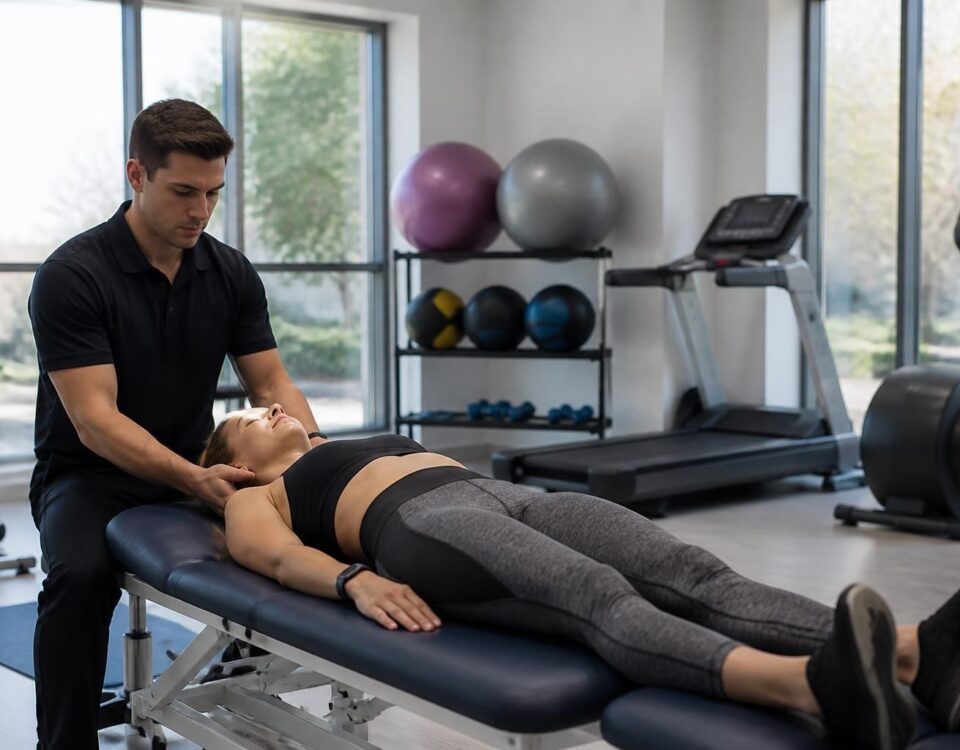
Neurovertebral decompression: a complementary treatment to physiotherapy
25/06/2026
Neurovertebral decompression and improvement of spinal circulation
25/06/2026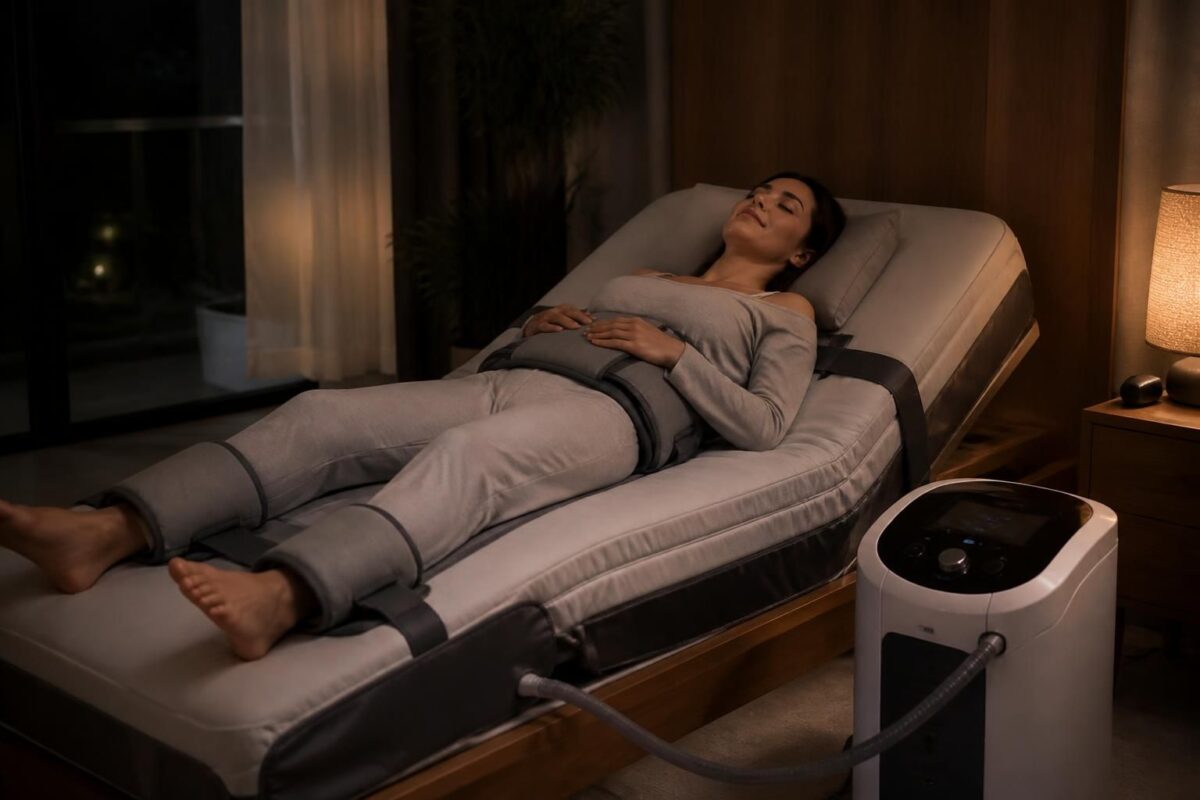
In short
| In short, neurovertebral decompression is one Non-invasive therapy which aims to relieve the Nocturnal pain related to spinal disorders by creating a space between the vertebrae by a Controlled traction. Its key advantages: Reduced nerve pressure, traffic improvement and more restful sleep, without surgery or medication. HOW IT WORKS: Soft, targeted traction frees the disc space, promotes tissue regeneration and improves spinal alignment. locally, to montreal, this treatment can be integrated into a global care plan to promote a more active life and better quality sleep. |
The neurovertebral decompression is one Non-invasive therapy which aims to reduce Nocturnal pain related to spinal disorders. She uses a Controlled traction To create a space between the vertebrae, decreasing the spinal nerve pressure and the Intervertebral discs. This pressure decrease improves the bloodstream and promotes the regeneration fabrics, which translates into a more restful sleep And less pain at night. By restoring thealignment and the mobility of the column, it offers a Non-surgical option to manage repeated nocturnal pain.
Quick summary: the neurovertebral decompression is a non-invasive therapy that acts on the spine to reduce the pressure exerted on the gristle and the Intervertebral discs. This pressure reduction can decrease Nocturnal pain and promote more restful sleep. The treatment is part of a global health approach and may require several sessions to achieve lasting results.
How does neurovertebral decompression work
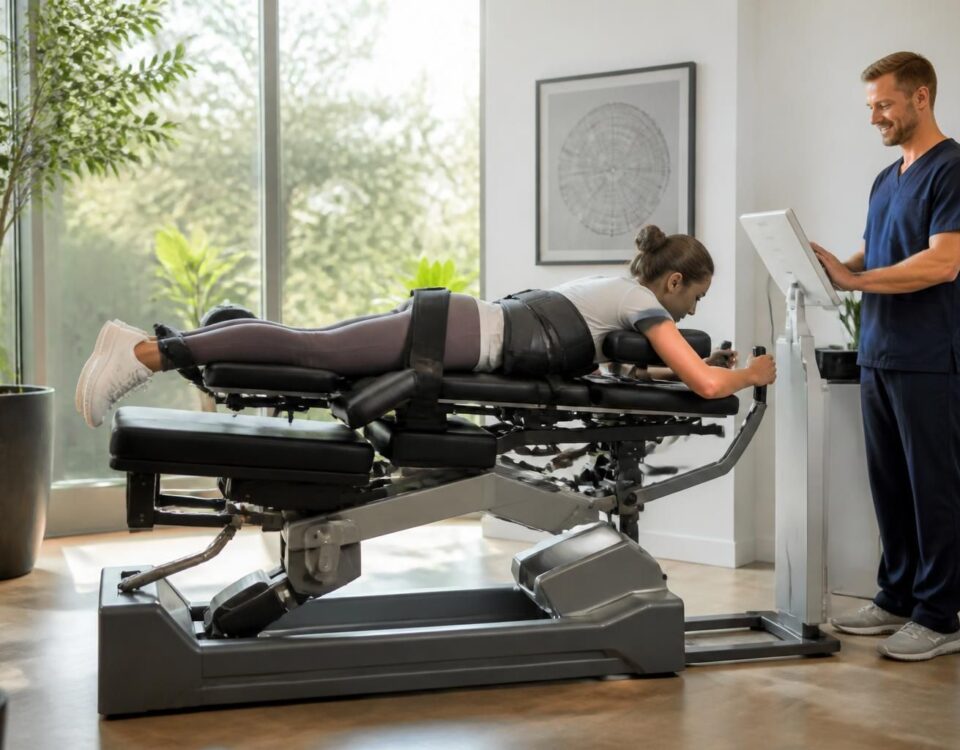
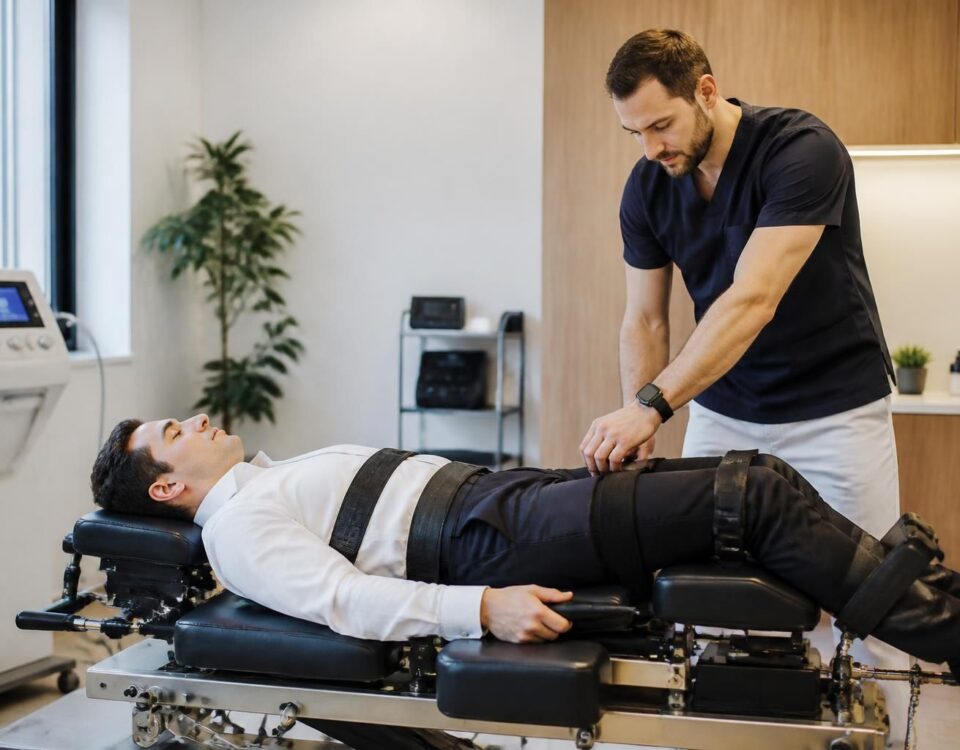
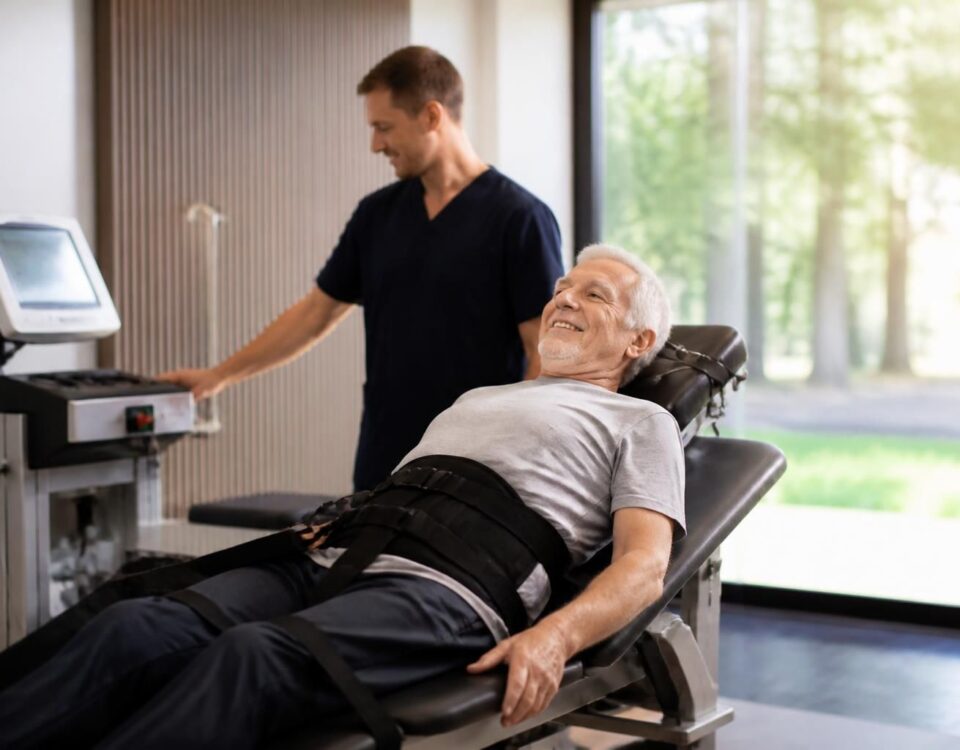
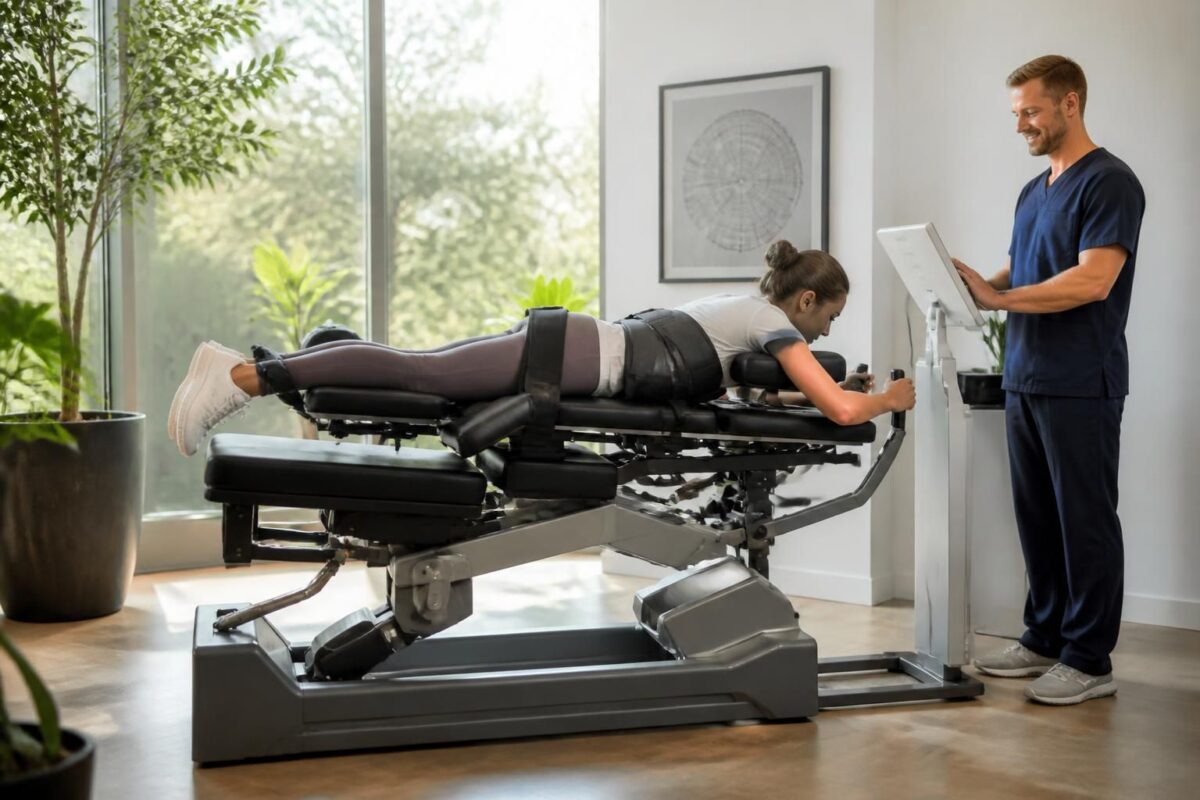
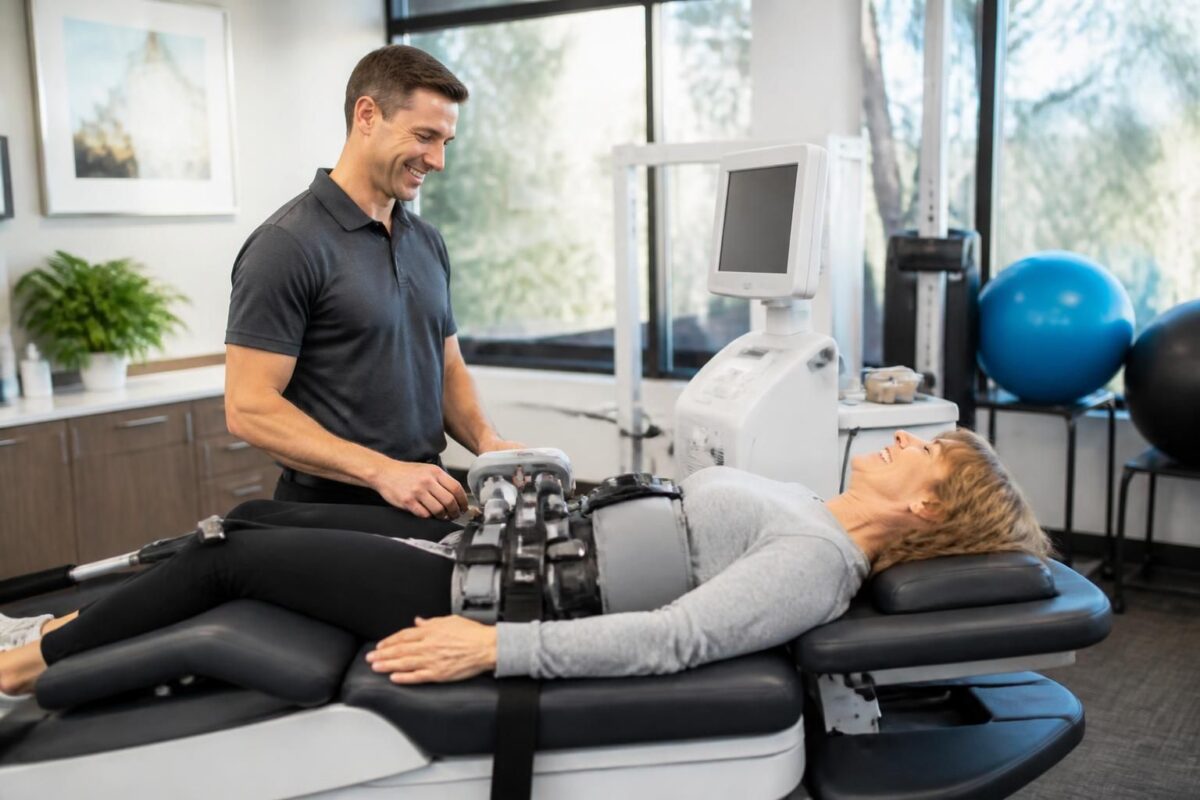
Neurovertebral decompression uses controlled traction, applied by a specialized device. This traction creates a space between the vertebrae and decreases the pressure on the Spinal nerves and the Intervertebral discs. By promoting better local blood supply, it can support tissue regeneration and reduce inflammation around the spinal structures. This approach is non-invasive and can be offered as part of a multidisciplinary care plan.
For more information about the mechanism, you can consult resources dedicated to this technique: neurovertebral decompression.
Impact on sleep and night pain
By alleviating the pressure on the nerves and discs, decompression can reduce pain that wakes up or worsens at night. Decreased night pain can facilitate sleep and promote deeper sleep cycles. This improvement in night comfort contributes to physical recovery and better daytime energy.
This benefit is often observed when decompression is integrated into a global care plan, without resorting to invasive treatments. To deepen the relationship between decompression and sleep, patients and professionals evoke the positive effects on quality of life. For additional information, see Specialized resources on lower back and cervical pain related to nerve pressure.
Protocol and efficiency
A typical program can include between 15 and 25 sessions, depending on the severity and response of the patient. Each session is adapted to the evolution of the symptoms and to the general condition. The results vary by individual, but many patients report a noticeable reduction in pain and improved mobility after several weeks of treatment. Efficacy is generally part of a gradual process without surgery.
To access additional information on benefits and protocols, see dedicated resources such as Neurovertebral decompression and chronic lower back pain – a lasting solution and Advanced Techniques of Neurovertebral Decompression.
Integration into a care and security plan
Neurovertebral decompression is generally offered as an option non-invasive and complementary other therapeutic approaches. Before the start of treatment, an evaluation is recommended to check the suitability of the protocol with the condition of the column and the symptoms. This therapy is part of a global approach aimed at restoring musculoskeletal balance and supporting recovery.
It may be associated with other modalities available in specialized clinics, while remaining distinct from conventional medical treatments or diagnosis. To learn more about the practical framework and observed results, you can view decompression and nighttime pain resources available on specialized sites.
Additional resources and information
To explore further, informative resources and content are available on the following sites:
- Tagmed Clinic
- Lumbar duct stenosis – targeted solution
- Chronic lower back pain – Durable solution
- Advanced Techniques of Neurovertebral Decompression
- Disk regeneration
For any question, trained professionals rely on training repositories such as NUMSS and NAO, in a process of continuous improvement and patient safety.
Medical Disclaimer: The information and advice provided on this site does not replace the health professional’s diagnosis or treatment. Please note that Sylvain Desforges osteopath is neither a doctor of medicine nor a doctor, and is not a specialist in a medical specialty as defined by the Collège des Médecins du Québec. Manual medicine, functional medicine and sports medicine as described on this site exclude any medical treatment or diagnosis made by a doctor or specialist doctor. Always consult your doctor for any medical questions. For more details, please read our full legal notice.
- Mechanism axis Controlled traction that creates a space between the vertebrae and decreases the pressure on the nerves.
- Reduction of nocturnal pain Decreased radiant pain and nociception during sleep.
- traffic improvement Better perfusion of disks and surrounding tissues.
- Tissue regeneration Hydration and repositioning of intervertebral discs.
- Night comfort deeper sleep and faster sleep.
- Safety and non-invasive Alternative without surgery or drugs with low risk.
- Personalization Program adapted to each patient and adapted progression.
- Global integration Complement exercises, posture and other therapeutic approaches.
- Quick results Improvement often felt from the first sessions.
- Accessibility Complementary treatment option for Chronic pain nocturnal.

Neurovertebral decompression is a non-invasive approach that can help reduce Nocturnal pain related to column disorders. By decreasing the nerve pressure and on the Intervertebral discs, it promotes the space between the vertebrae, improves circulation and supports the regeneration of tissues. This approach often allows more restful sleep and mobility found without surgery.
How does decompression for nocturnal pain work?
The Controlled traction applied during the sessions creates a slight intervertebral space and releases tension on the nerve roots. This release of pressure can decrease painful signals that exacerbate during nighttime rest and reduce local inflammation. In addition, improving blood flow and tissue metabolism supports the repair of discs and surrounding structures, which contributes to a lasting reduction in nocturnal pain.
The long-term benefits of neurovertebral decompression for spinal health
In short In short, the neurovertebral decompression is a non-invasive approach that decreases the Pressure on intervertebral discs and nerves, favoring the Natural regeneration and tissue recovery. Its long-term benefits include Lasting pain reduction, Improving mobility and from the posture,…

Neurovertebral decompression and mobility: a return to an active life
In short In short, the neurovertebral decompression is therapy non-invasive who uses a gentle traction To create a space between the vertebrae and reduce the pressure on the Intervertebral discs and the nerves. It promotes a bloodstream improved, lowers tension…
When and for whom
This therapy is particularly suitable for people with disc diseases, herniated discs or nerve compressions that disrupt sleep. A pre-assessment by a health professional is essential to confirm the adequacy of treatment and exclude contraindications. Elements such as the absence of active fracture, infection or serious neurological conditions should be checked before starting the protocol.
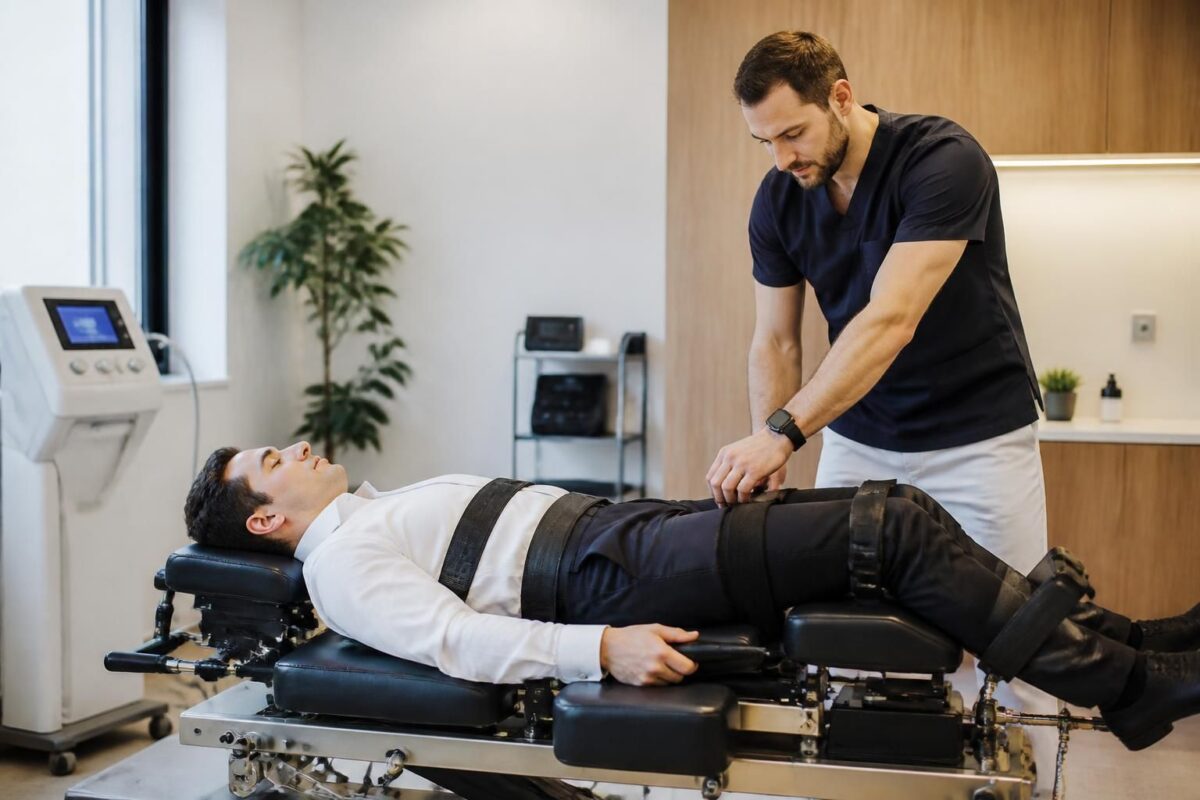
How Neurovertebral Decompression Prevents Diffuse Chronic Pain
In short decompression neurovertebral is one Non-invasive method aimed at reducing the Pressure on the intervertebral discs and the nerves, in order to prevent Diffuse chronic pain. It improves the circulation and thedisc hydration, decreases inflammation and promotes better mobility.…
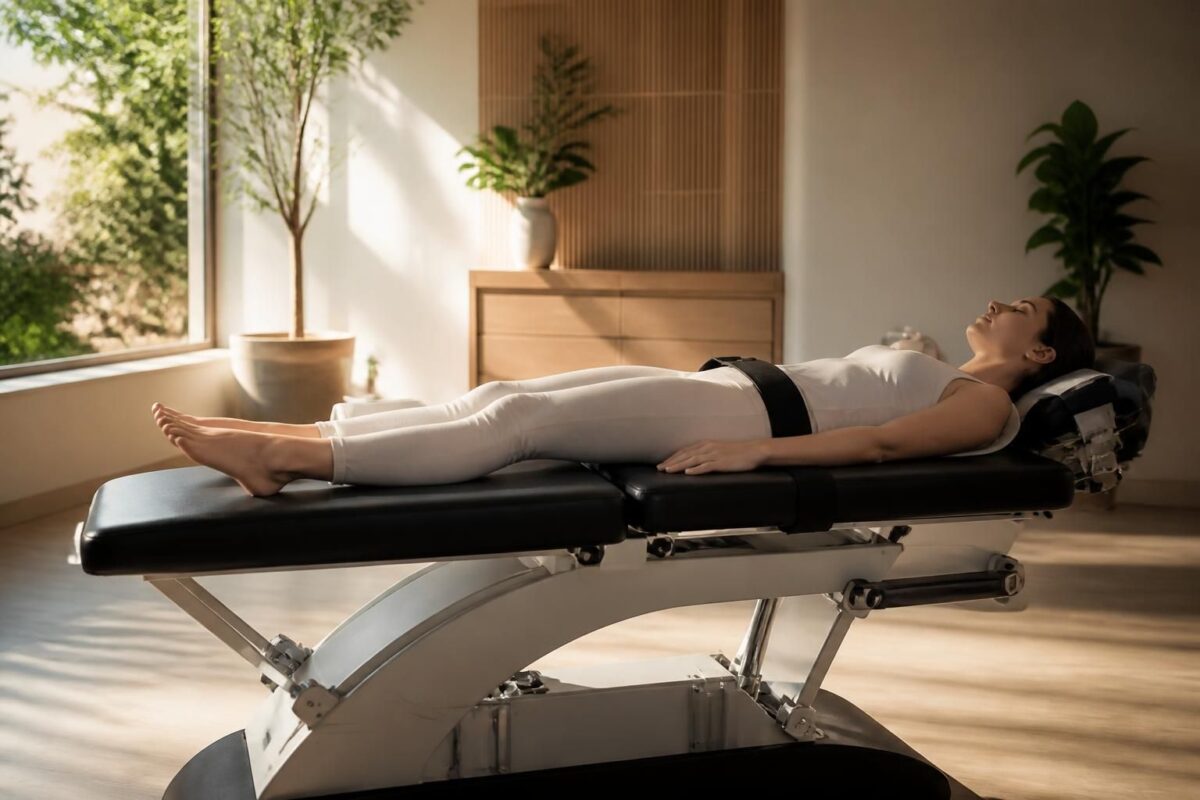
Neurovertebral Decompression and Body Alignment: Restoring Natural Balance
In short In short, neurovertebral decompression is one Non-invasive approach who restores theBody Alignment and thenatural balance back and neck. She acts by a Controlled traction of the spine to widen the intervertebral space and reduce the Pressure on discs…
Protocols and duration of treatments
A typical program includes between 15 and 25 sessions, adaptable according to severity and individual response. The first phases aim to establish tolerance and measure the impact on pain and mobility at night; Subsequently, the intensity and duration of the sessions can be adjusted to optimize relief and tissue regeneration. Patients often find Night relief Progressive, sometimes visible from the first sessions.
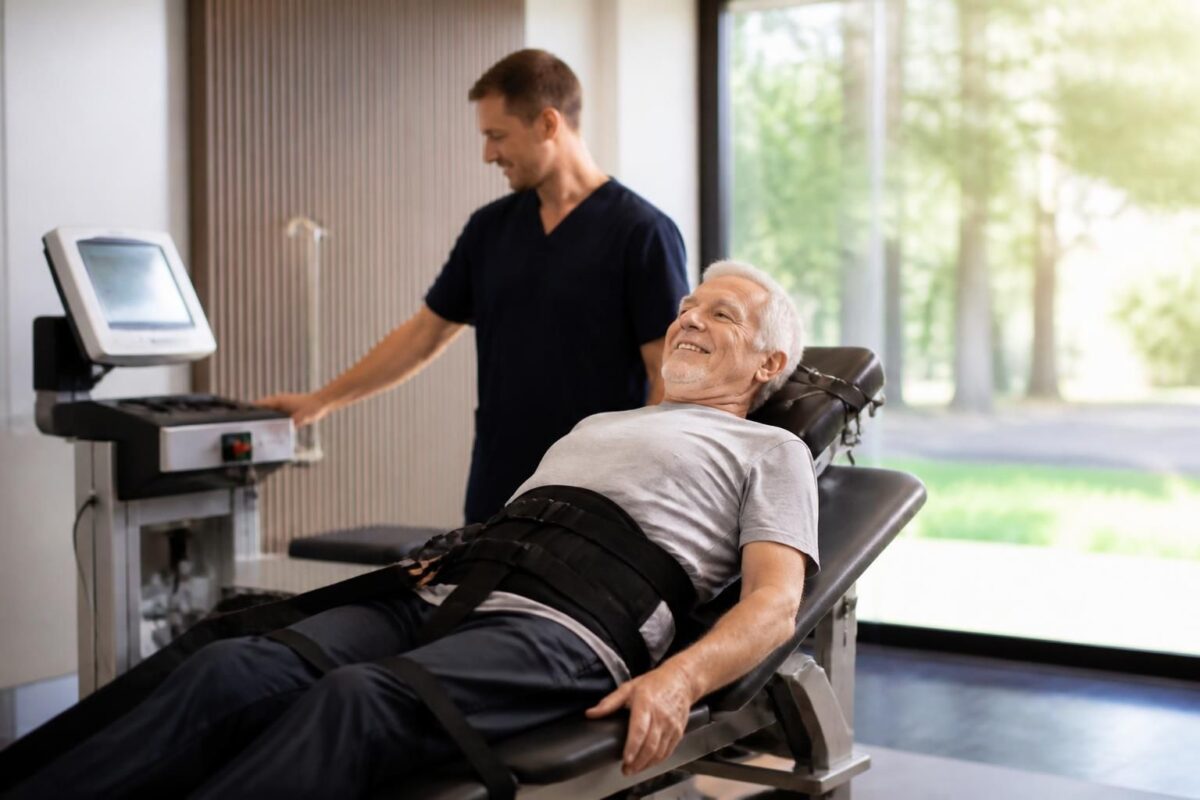
Why neurovertebral decompression is a lasting solution for active seniors
In short In short, the neurovertebral decompression is one Non-invasive therapy which sustainably relieves spinal pain in the spine active seniors By creating, by a Soft and controlled traction, a space between the vertebrae. At Montreal, it is recognized as…

Neurovertebral decompression and recovery after severe sports injury
In short In short, the neurovertebral decompression is one Non-invasive method to Relieve the pressure on the Intervertebral discs and the gristle Via a Controlled traction, to facilitate the recovery After a severe sports injury. It improves the bloodstream towards…
Integration with sleep and lifestyle
To amplify the results, combining decompression with good sleep hygiene is recommended. One mattress and one pillow adapted support the column in neutral position and reduce tensions. Sweet pre-sleep routines, breathing exercises, and light stretches can prepare the body for rest. Regular physical activity and maintaining a healthy weight support treatment efficiency by limiting repeated pressure on the column.
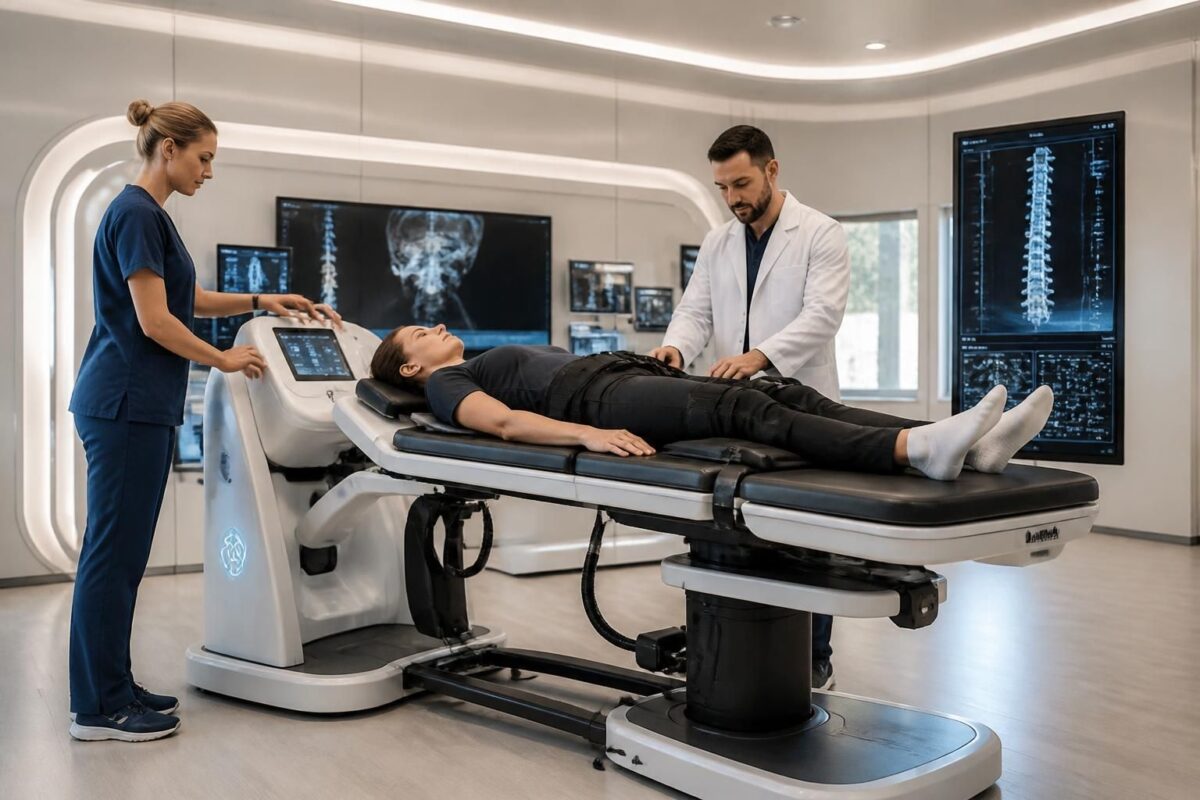
Recent innovations in neurovertebral decompression technologies
In short In short, the neurovertebral decompression is an approach non-invasive Aiming to reduce pressure on discs and nerves, and promote tissue regeneration. At Montreal, it is positioned as an effective option for lower back pain and herniated discs. The…
Neurovertebral decompression and diffuse pain: an appropriate solution
In short In short, the neurovertebral decompression is one Non-invasive solution For diffuse pain related to nerve irritation of the spine. She acts in Reducing pressure on intervertebral discs and nerves and improving the bloodstream, which promotes recovery and the…
Holistic approach and security
Decompression is part of a Global approach health and can be supplemented with manual therapy techniques, strengthening exercises and nutritional advice. As with any intervention, monitoring is necessary: report any new symptoms, acute pain or neurological alteration makes it possible to adjust the protocol or to consider other options.
| Aspect | Concise details |
|---|---|
| Traction and disc space | The pull controlled Create a intervertebral space and decreases the nerve pressure. |
| Direct night relief | reduction of the nocturnal pain and better sleep continuity. |
| bloodstream | improvement of blood flow Towards the tissues around the discs, promoting healing. |
| Inflammation and irritation | decrease innervous irritation and inflammation around the roots. |
| Mobility and posture | Restoration of theamplitude movements andalignment vertebral. |
| Prevention of recurrences | Reduced repeated pressure to prevent recurrent pain. |
| Non-invasive mode | Option non-surgical and without drugs. |
| Protocol and duration | Typical program of 15 to 25 sessions personalized. |
| directions | herniated discs, bulges and disc diseases; Evaluation of contraindications. |
Testimonials: How Neurovertebral Decompression Reduces Nocturnal Pain
“Before, my Nocturnal pain woke me up several times and made my nights heavy and painful. After a few sessions of neurovertebral decompression, the pain decreased sharply and my sleep became deeper and more restorative. I wake up less often and find energy the next day. — Emilie, Montreal
“As an athlete, I was looking for a solution to resume painless nights. The neurovertebral decompression Helped me ease tension and decrease nerve pressure. My Nocturnal pain have fallen and I can resume training earlier in the day, with better mobility. — Jules, Paris
“I was skeptical at first, but after several sessions, my Nocturnal pain linked to a disc disease have clearly decreased. The treatment is non-invasive And I feel less inflammation around the spine. My sleep improved and I wake up less tired. — Sophie, Lyon
“Because of my job as a driver, I spend long hours sitting, which aggravated my night pains. The neurovertebral decompression Restored the space between the vertebrae and reduces pressure on the nerve roots. Result: less nocturnal pain, better posture and more pleasant nights. — André, Bordeaux
“Since the beginning of treatment, my Nocturnal pain related to sciatic irradiation have subsided. I sleep better and my recovery is faster. This approach non-invasive gave me a new quality of life without relying on drugs. — Camille, Montreal
“I notice a gradual improvement in my mobility and a noticeable reduction in inflammation around the discs. The fact that the neurovertebral decompression Either adapted to my needs helped to restore a musculoskeletal balance that directly impacted my nights. — Caroline, Geneva
Sylvain Desforges, osteopath and expert in manual medicine, is the founding president of the Tagmed clinics and the ACMA association. With a career dedicated to health innovation, he specializes in the management of chronic pain and the integration of advanced technologies such as neurovertebral decompression, laser and shockwave therapies. Its approach is based on scientific evidence and aims to optimize the health and well-being of its patients. In this context, neurovertebral decompression is presented as a major non-invasive option to alleviate nocturnal pain linked to vertebral pathologies, in particular discopathies and spinal attacks that may poison nights.
Mechanistics, neurovertebral decompression acts by Controlled traction of the spine which creates a Space between the vertebrae. This space reduces the spinal nerve pressure and on the intervertebral discs, which decreases the painful signals which often accentuate at night when the body is at rest. In addition, moderate stretching improves the blood flow In the surrounding regions, facilitating the supply of oxygen and essential nutrients, and promoting the tissue regeneration damaged. As a result, nocturnal pain related to herniated discs, stenosis or other musculoskeletal disorders may decrease, allowing deeper and more restorative sleep.
This approach non-invasive is not an isolated solution, but is part of a personalized therapeutic device. Each patient benefits from a screening Deepened to identify precise sources of nocturnal pain and adjust the protocol accordingly. Neurovertebral decompression then integrates with a comprehensive care plan, which may include physiotherapy exercises, adapted manual techniques or complementary therapies like laser or shock waves. The goal is to restore theMusculoskeletal balance, to improve therange of motion and, above all, to promote sleep more regular.
For Dr. Desforges, the effectiveness of this method is based on a solid clinical logic: relaxing nerve pressure, optimizing circulation and support the body in its own healing abilities. By combining decompression with other approaches to manual medicine and naturopathy, he proposes a solution holistic which targets not only nocturnal symptoms, but also the underlying factors contributing to pain. its commitment to a data-based practice translates into a therapeutic follow-up Attentive and progressive treatment adjustments to achieve quick and lasting results.
In the end, neurovertebral decompression stands out as an effective way to reduce nocturnal pain by directly acting on pain and regeneration mechanisms. By decreasing the nerve pressure, by improving the circulation and favoring the Tissue regeneration, it contributes to a better quality of life and more serene nights. Dr. Desforges’ leadership and the integration of this technique into a comprehensive care offer testifies to her commitment to providing durable, evidence-based solutions for those who suffer from persistent nocurne pain.
This text presents a clear summary on the role of the neurovertebral decompression in the reduction of Nocturnal pain, highlighting the mechanism, benefits and conditions where this approach can be particularly useful. It explains how gentle and targeted traction can release pressure on the Spinal nerves and the Intervertebral discs, improve the bloodstream And promote the healing process, while offering more restorative sleep without surgery. To learn more, you can consult the dedicated resources mentioned below.
To understand the mechanism and indications related to the nocturnal disc herniation, see this article right here.
Synthesis
The neurovertebral decompression acts mainly by a Controlled traction Aiming to create a space between the vertebrae. This action decreases the spinal nerve pressure and on the Intervertebral discs, which can immediately reduce nocturnal radiant pain and facilitate better nighttime recovery. At the same time, improving the bloodstream In the spinal area supports tissue nutrition and metabolic waste disposal, helping to reduce inflammation and accelerate healing.
Several sources point out that this approach is non-invasive And can offer substantial relief without the need for surgery or medication, while setting the ground for lasting results on sleep and mobility. For a detailed explanation of the link between action on discs and attenuating night pain, see This test.
In terms of long-term benefits, patients report a lasting decrease in nocturnal pain and improved mobility, which contributes to a better quality of life and prevention of recurrences. To deepen the long-term benefits, you can consult this guide.
For common conditions such as herniated discs and pain related to nocturnal radiculopathy, decompression offers an effective and suitable complementary solution for a wide range of patients. Specific resources describe how the technique can improve flexibility and reduce tensions around the discs, resulting in increased rest comfort and progressive rehabilitation. To see associated techniques.
Integrating decompression into a global care plan provides optimal results. In addition to physiotherapy, other non-invasive approaches, such as neuromodulation techniques or associated therapies, can enhance efficacy and promote sustainable recovery. To understand how this approach can integrate with other modalities, see this resource.
Regarding practical implementation, a typical program may include a number of sessions ranging from 15 to 25, depending on the severity and profile of the patient. This step is discussed with the therapist, who adjusts the plan according to the evolution of pain and mobility. For more information on protocols and perspectives, see This panorama.
Finally, the neurovertebral decompression Presents as a promising complementary therapy for recurrent nocturnal neuropathic pain, with potential for improvement in sleep, posture and overall spinal function. To explore practical aspects and concrete benefits, you can consult This dedicated resource.

Sylvain Desforges, B.Sc., D.O., N.D., docteur en ostéopathie
Dr Sylvain Desforges, B.Sc., D.O., N.D., osteopath, is the founding president of TAGMED and of the ACMA association. He dedicates his practice to chronic spinal pain, low back pain and symptoms compatible with sciatica, particularly when pain radiates toward the buttock, leg, calf, foot or toes.
Through SOS Sciatique, he publishes educational content on sciatica symptoms, possible causes such as disc herniation, disc narrowing, foraminal stenosis or irritation of a lumbar nerve root, as well as non-surgical approaches that may be considered according to the evaluation. At Clinique TAGMED, care may include, depending on the case, motorized neurovertebral decompression, specific osteopathic care or precision percussion.
For an evaluation related to sciatica treatment in Montreal / Mount Royal or sciatica treatment in Terrebonne, please consult the services available at Clinique TAGMED.
Medical disclaimer
The information published on SOS Sciatique is provided for educational purposes only and does not replace a consultation, diagnosis, opinion or treatment provided by a physician or another authorized healthcare professional. The author of this article is neither a medical doctor nor a specialist in a medical specialty recognized by the Collège des médecins du Québec. The osteopathic, manual medicine or functional support approaches described on this site do not constitute medical acts and are not intended to replace medical follow-up.
Consult a physician or emergency service in cases of loss of bladder or bowel control, anesthesia in the saddle area, significant or progressive weakness in the leg or foot, fever, recent trauma, severe pain or rapid worsening of symptoms. For more details, please read our Legal Notice.