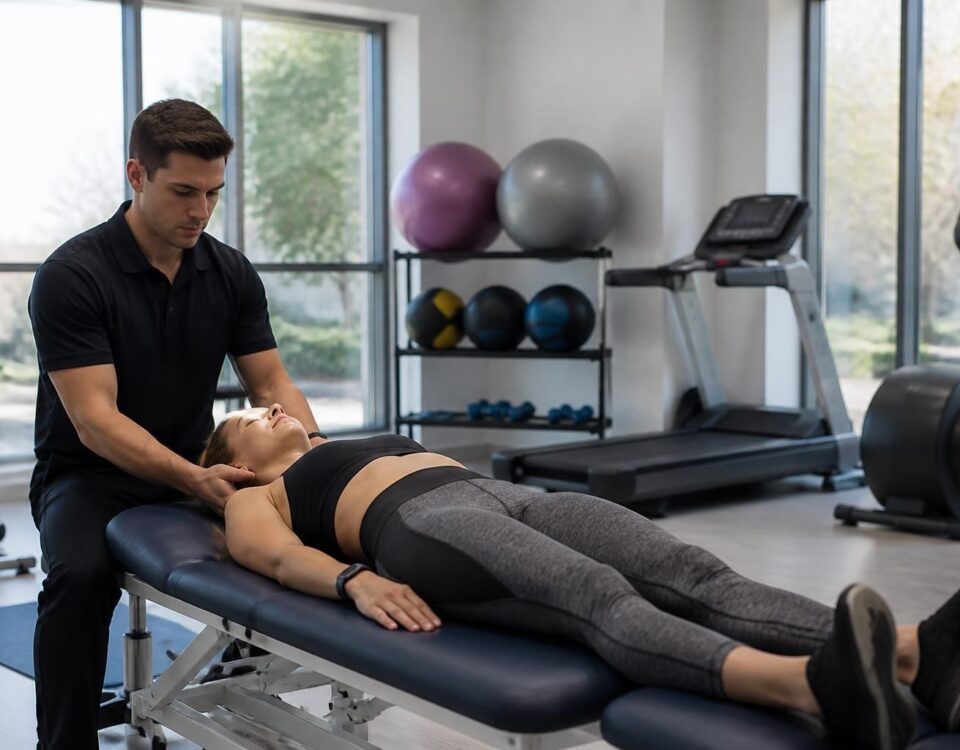
How neurovertebral decompression affects radiant pain
25/06/2026
Neurovertebral decompression and muscle pain associated with the back
25/06/2026
In short
In short, the neurovertebral decompression is one Non-invasive method which aims to relieve the vertebral pain By reducing the pressure on the Intervertebral discs and on the nerves thanks to a Controlled traction. Its benefits main include a rapid pain reduction, a Improving mobility And the return to an active life without surgery. it acts by increasing the bloodstream and promoting the rebalancing of column structures, allowing for natural and lasting healing. accessible to Montreal, this treatment is particularly recommended for pain related to herniated discs, at the sciatica and other mechanical back disorders. In short, this is a Effective alternative and minimal that can be integrated into a spinal health follow-up to achieve quick and lasting gains and improve the quality of life. |
The neurovertebral decompression Offers quick and measurable results for spinal pain, including disc hernias and sciatica. After only a few sessions, about 71% Patients report a significant improvement in their pain, with a resumption of mobility and quality of life.
For patients who have not obtained an improvement with other treatments, the success rate can reach 86%, demonstrating its potential as a non-invasive and effective option. Sessions usually last between 20 and 40 minutes, and the profits may appear from the first visits and be maintained over several months.
This article, written by a health professional and expert in osteopathy, presents the rapid results observed with neurovertebral decompression. It describes the mechanism, indications, key figures and impact on quality of life. It is based on clinical data and patient feedback, while being part of an integrated approach to spinal care.
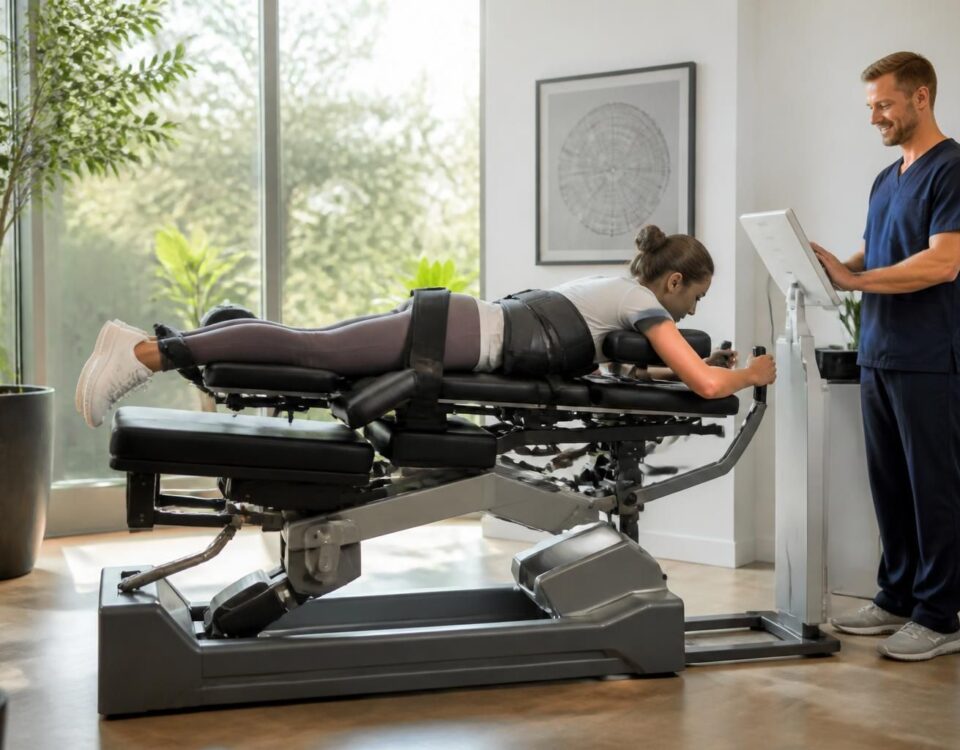
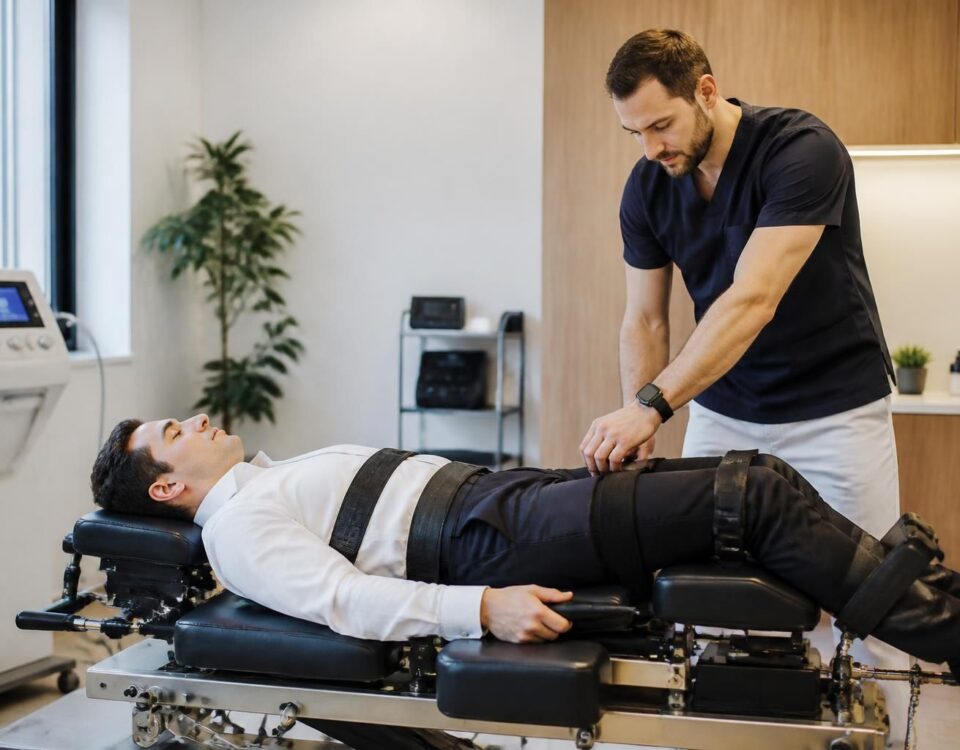
neurovertebral decompression acts through traction controlled vertebral segments. This action creates a reduction in the Intra-discal pressure and releases the compressed nerves. This non-invasive approach can produce rapid improvements in many patients, including those with intervertebral disc-related pain.
How does neurovertebral decompression work and why the results appear quickly
The principle is based on a physio-biological traction that restores better back dynamics. By triggering negative pressure inside the disc, it promotes reduced compression on the nerve roots and can quickly reduce pain. Clinical data indicates that on average, About 71% patients show improvement after several sessions. In patients who have not responded to conventional treatments, approximately 86% report significant relief.
To deepen the observed results, you can consult sources dedicated to this approach and its clinical returns: Concrete results, Durable solutions, and Links on herniated discs.
Indications and target population
The main indications concern vertebral pain related to mechanical conditions of the disc. This includes confirmed disc herniation, protrusion or disc bulge, and disc degeneration that can lead to pain and limitation of mobility. Nervous symptoms such as sciatica or cruralgia may be present and benefit from a decompression protocol. Each patient is evaluated individually to confirm the indication and optimize the treatment plan. For specific cases, specialized resources such as Prevention and decompression offer additional information.
In the context of osteopathic practice and manual medicine, training and professional references remain essential. The trainings recognized by practitioners include organizations such as Numss and Nao, with a consistent approach to spinal care. Relevant professional associations in this area include ACMA, the College of Canadian Osteopaths and the College of Canadian Osteopaths.
Efficiency and security: what the data says
The clinical results demonstrate a rapid reduction in pain and improved mobility in a large number of patients. Improvement rates vary depending on conditions and therapeutic history, but recent publications report measurable benefits in the majority of cases after a few sessions. For summary information and case examples, see the following resources: Techniques and results, Case studies, and Quick results.
Safety is ensured when the procedure is carried out by an experienced practitioner in accordance with the contraindications, with appropriate follow-up. Adverse effects are usually minimal and transient when they occur.
Impact on quality of life and sustainability
Beyond immediate relief, patients report improved ability to perform daily activities and increased mobility. Profits can persist over several months, with follow-ups indicating lasting satisfaction in a significant proportion of patients. For testimonials and results, also consult the associated resources and positive feedback published on specialized sites.
Examples of patient feedback and clinical assessments are described in dedicated sources, such as Rapid case studies and Concrete results.
Integration into practice and recommendations
Neurovertebral decompression is part of a global care approach. It can be considered as an initial step or as a supplement to other non-invasive approaches recommended by the attending physician. In some situations, it may delay or avoid invasive surgery. For a clinical presentation and references, see Related Resources, including long-term results from neurovertebral decompression treatments and feedback in practice.
For more information on quick results and optimized returns, you can check the following resources: Long-term results, and Durable solution.
As part of TagMed’s clinical offer in Montreal and Terrebonne, these approaches are integrated with other modalities to optimize recovery and spinal function. The use of associated technologies can support decompression and recovery, especially when the team takes care of a variety of cases, including pain associated with complex disc conditions. For additional information, see the official resources and testimonials published on the sites participating in this approach.
Medical Disclaimer: The information and advice provided on this site does not replace the health professional’s diagnosis or treatment. Please note that Dr. Sylvain Desforges osteopath is neither a doctor of medicine nor a doctor, and is not a specialist in a medical specialty as defined by the Collège des Médecins du Québec. Manual medicine, functional medicine and sports medicine as described on this site exclude any medical treatment or diagnosis made by a doctor or specialist doctor. Always consult your doctor for any medical questions. For more details, please read our full legal notice.
For other practical resources and additional content, visit the following sites: pain prevention, Myths and reality, and Tagmed Clinic For information on available treatments.
Quick results of neurovertebral decompression
- rapid pain reduction After the first sessions, with a noticeable improvement
- lasting improvement observed in 71% of patients after a few sessions
- Back to activity Faster: Mobility and daily activities found
- Targeted pathologies : sciatica and herniated discs showing decreased pain and better mobility
- Non-invasive orientation : Protocol without surgery or medication
- Duration of sessions : Generally 20 to 40 minutes, conducive to a quick recovery
- Success after failure of other treatments : Up to 86% of patients who have failed other approaches report relief
- Clinical indicators : Improvement measured by pain, mobility and return to daily life

This guide highlights the Quick results of the neurovertebral decompression For back pain and associated pathologies. After a few sessions, a majority of patients experience a reduction in pain and improved mobility, with benefits that can persist for months. The approach is non-invasive And can be integrated into a personalized care plan to optimize quality of life and functionality on a daily basis.
Speed and mechanism of action
The neurovertebral decompression Acts by controlled traction of the vertebrae, which decreases intracanal and intra-discal pressure, promoting hydration and disc recovery. This mechanical action is accompanied by an improvement in circulation and a reduction in the pressure on the nerves, explaining the rapid results observed in many patients.
The sessions, generally between 20 and 40 minutes, are non-invasive and well tolerated. After the first sessions, many patients report a noticeable reduction in pain and a better ability to perform simple movements, which gradually resumes daily and sports activities.
Factors influencing the speed of results
Indication confirmation, the extent of the pathology and adherence to the treatment protocol play a major role. A personalized treatment plan, including an optimal number of sessions and active follow-up, maximizes the chances of a quick and lasting relief.
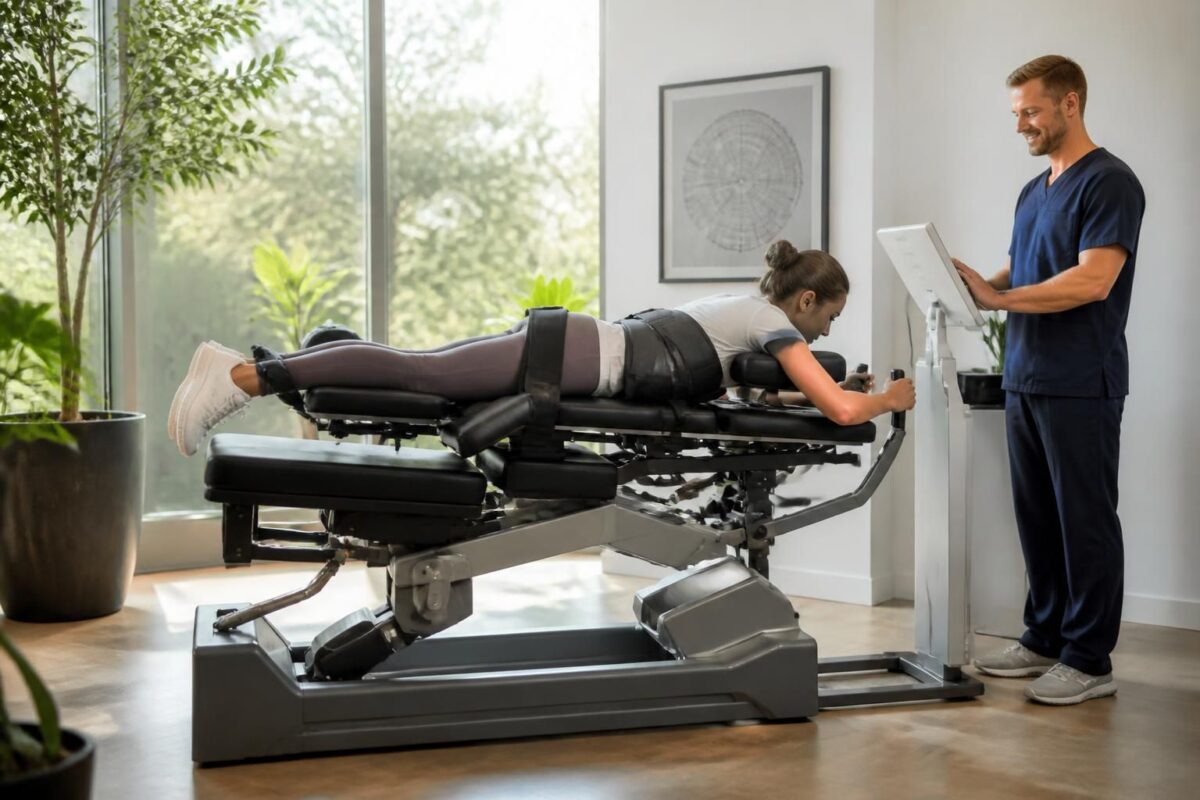
The long-term benefits of neurovertebral decompression for spinal health
In short In short, the neurovertebral decompression is a non-invasive approach that decreases the Pressure on intervertebral discs and nerves, favoring the Natural regeneration and tissue recovery. Its long-term benefits include Lasting pain reduction, Improving mobility and from the posture,…

Neurovertebral decompression and mobility: a return to an active life
In short In short, the neurovertebral decompression is therapy non-invasive who uses a gentle traction To create a space between the vertebrae and reduce the pressure on the Intervertebral discs and the nerves. It promotes a bloodstream improved, lowers tension…
Indications and safety
This technique is particularly suitable for disc pains, disc bulges and nerve compression symptoms, but it requires prior medical assessment and regular monitoring.
What to check before you start
It is essential to rule out contraindications and ensure supervision by a qualified professional; The treatment is non-invasive and may present Minimal side effects when practiced correctly.
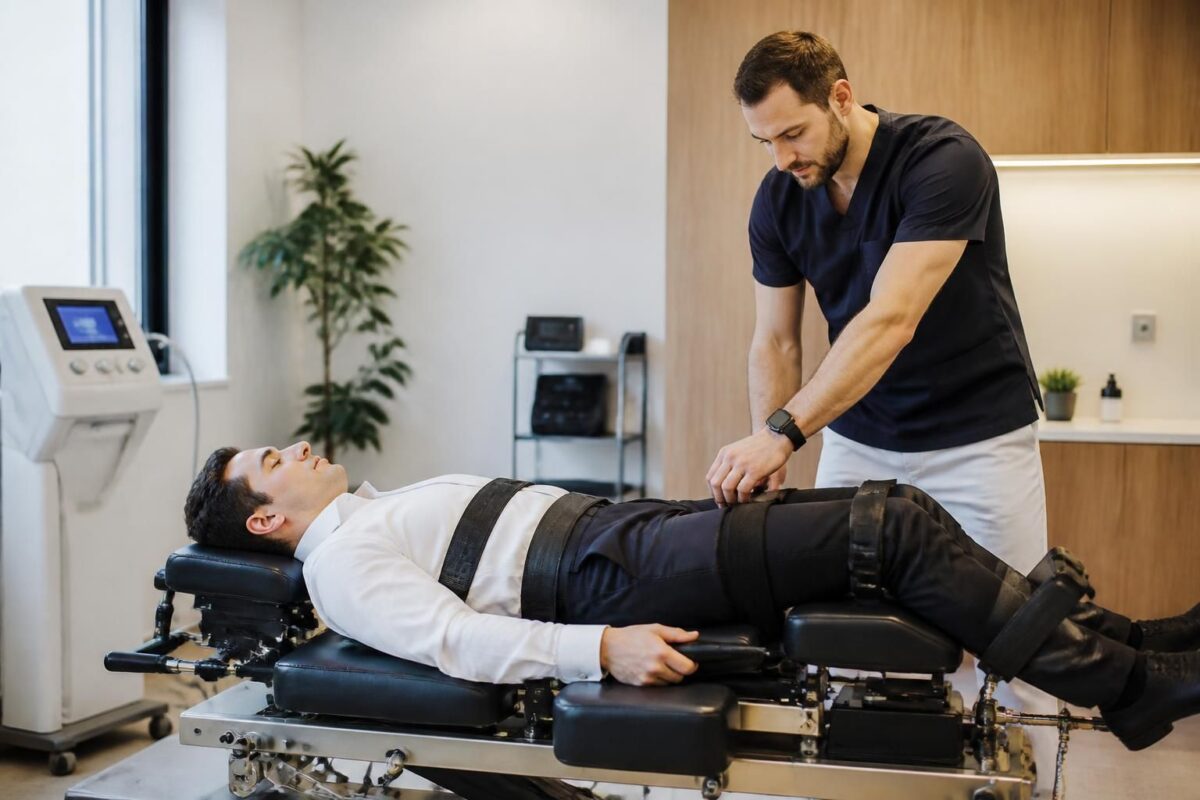
How Neurovertebral Decompression Prevents Diffuse Chronic Pain
In short decompression neurovertebral is one Non-invasive method aimed at reducing the Pressure on the intervertebral discs and the nerves, in order to prevent Diffuse chronic pain. It improves the circulation and thedisc hydration, decreases inflammation and promotes better mobility.…
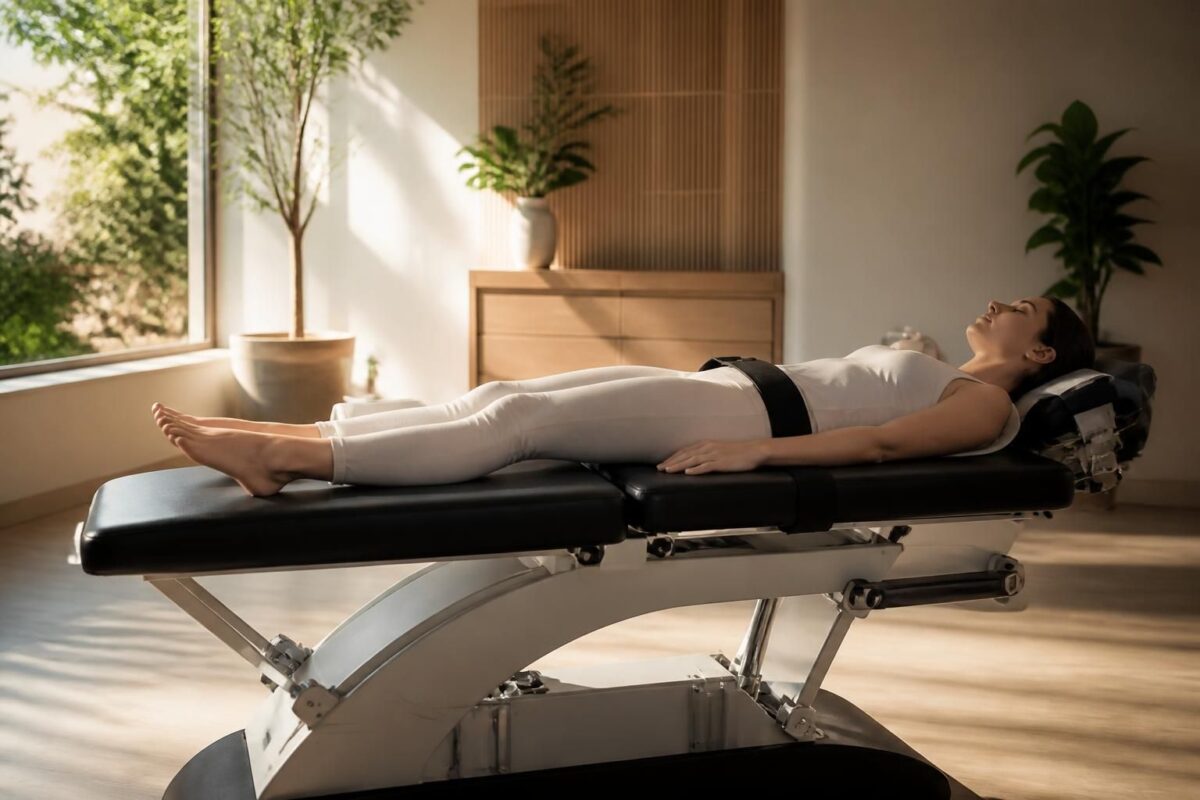
Neurovertebral Decompression and Body Alignment: Restoring Natural Balance
In short In short, neurovertebral decompression is one Non-invasive approach who restores theBody Alignment and thenatural balance back and neck. She acts by a Controlled traction of the spine to widen the intervertebral space and reduce the Pressure on discs…
Integration into the care pathway
Decompression can be part of a global rehabilitation plan, in addition to other non-invasive approaches and targeted exercises to strengthen the back and improve posture.
Optimize long-term results
To maintain the benefits, it is necessary to combine the sessions with healthy lifestyles, appropriate hydration, and preventive exercises, as well as regular follow-up by the practitioner in order to adjust the protocol according to the evolution of the symptoms.
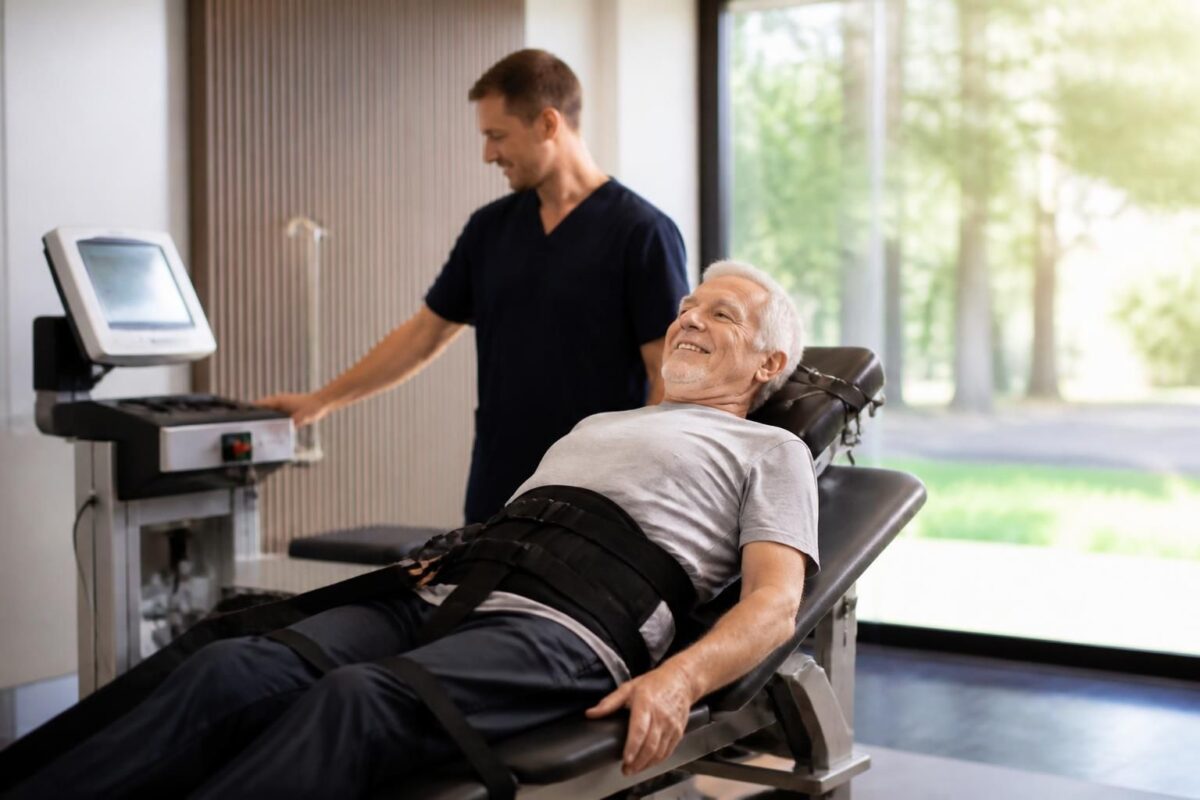
Why neurovertebral decompression is a lasting solution for active seniors
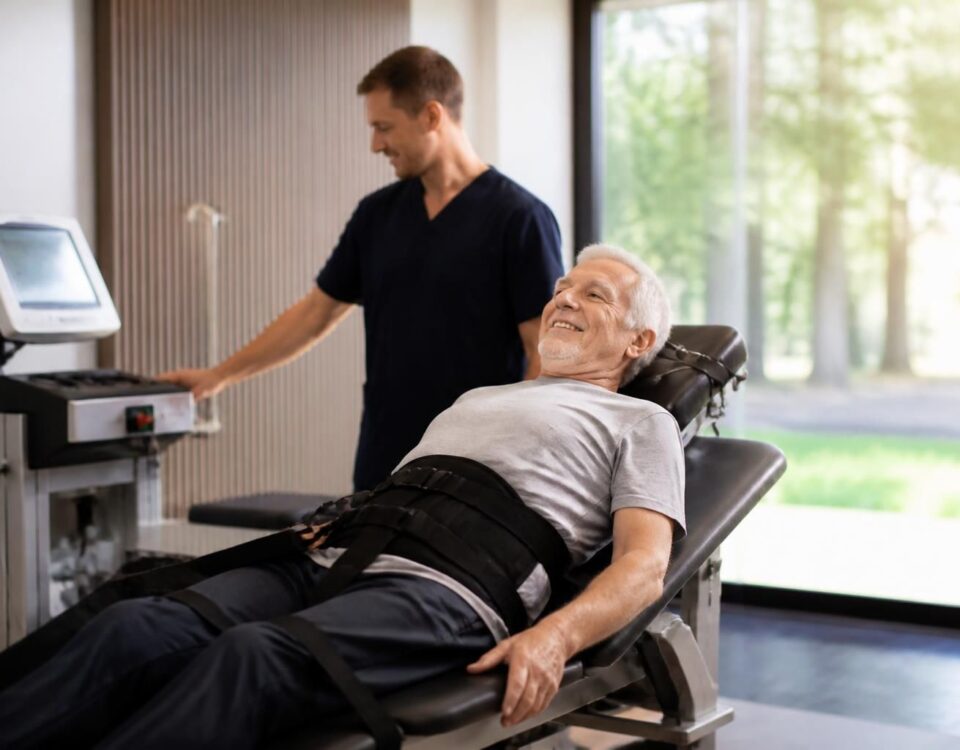
In short In short, the neurovertebral decompression is one Non-invasive therapy which sustainably relieves spinal pain in the spine active seniors By creating, by a Soft and controlled traction, a space between the vertebrae. At Montreal, it is recognized as…
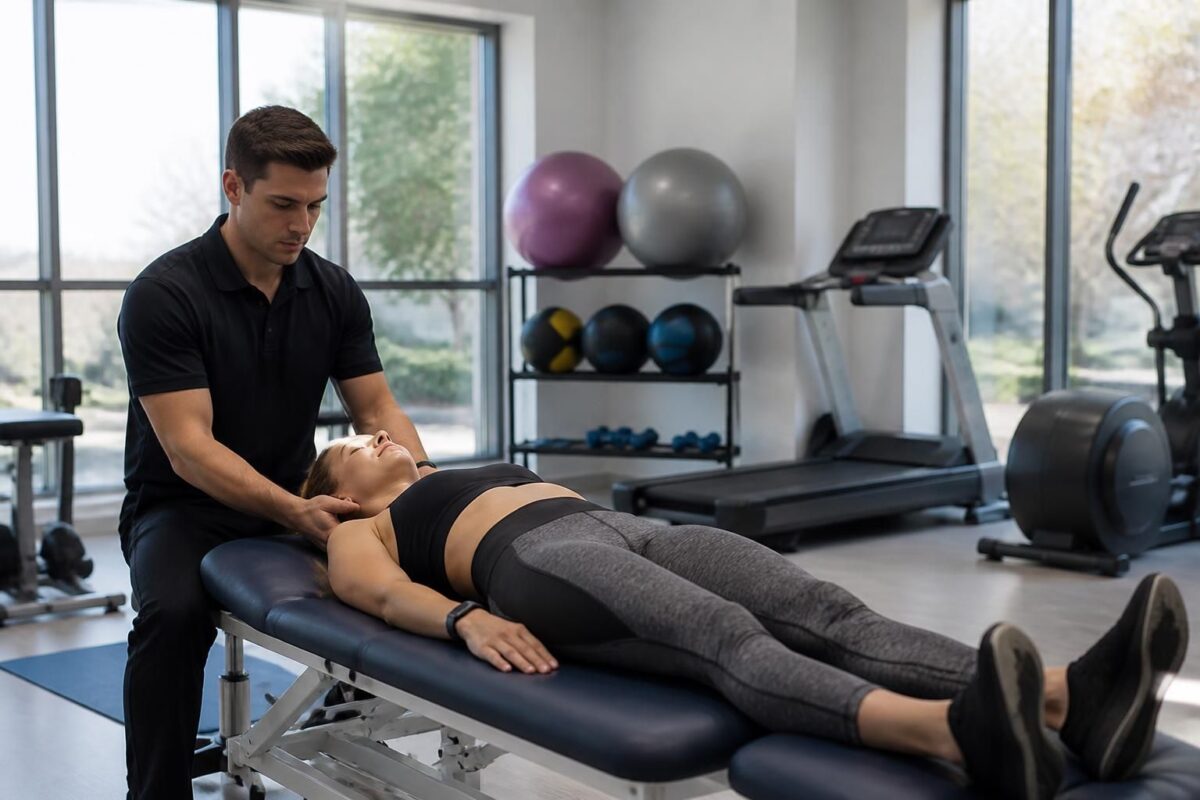
Neurovertebral decompression and recovery after severe sports injury
In short In short, the neurovertebral decompression is one Non-invasive method to Relieve the pressure on the Intervertebral discs and the gristle Via a Controlled traction, to facilitate the recovery After a severe sports injury. It improves the bloodstream towards…
Quick results obtained with neurovertebral decompression
| Criterion | Concise result |
|---|---|
| speed of relief | Rapid relief observed from the first sessions (2 to 6 visits). |
| Mobility found | Improved mobility and gradual resumption of activities. |
| Efficiency in non-responders | 86% get relief after failure of other treatments. |
| duration of profits | Lasting effects for several months, up to 6 months. |
| Duration and frequency of sessions | Typical sessions of 20 to 40 minutes, adjusted plan as appropriate. |
| Alternative to surgery | non-invasive and often considered before any surgery. |
| Impact on quality of life | improvement in daily life and general well-being. |
| Typical clinical indications | Confirmed disc herniation, bulging or disc degeneration. |
| Security and tolerance | good tolerance; generally mild and transient discomfort. |
| Back to training | Rapid resumption of sports activities and performance improvement. |
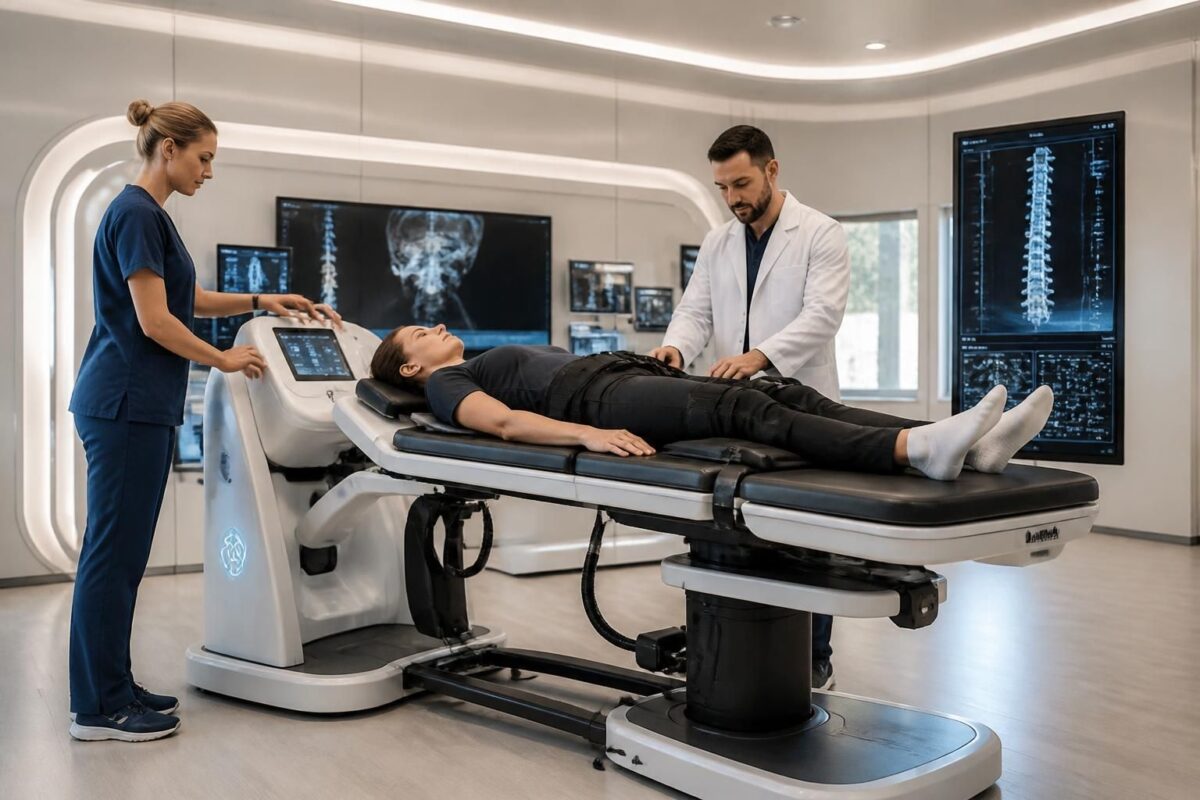
Recent innovations in neurovertebral decompression technologies
In short In short, the neurovertebral decompression is an approach non-invasive Aiming to reduce pressure on discs and nerves, and promote tissue regeneration. At Montreal, it is positioned as an effective option for lower back pain and herniated discs. The…
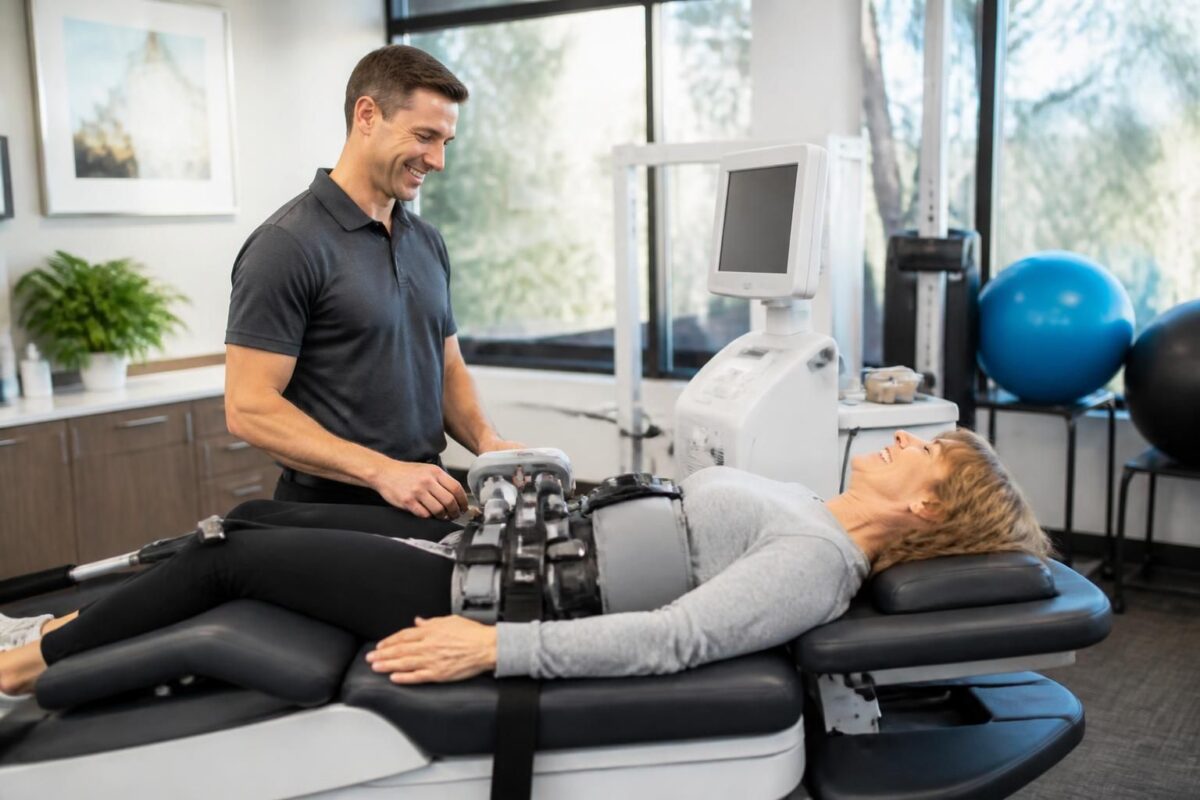
Neurovertebral decompression and diffuse pain: an appropriate solution
In short In short, the neurovertebral decompression is one Non-invasive solution For diffuse pain related to nerve irritation of the spine. She acts in Reducing pressure on intervertebral discs and nerves and improving the bloodstream, which promotes recovery and the…
Testimonials on the rapid results of neurovertebral decompression
Mary, 45 years old suffered from persistent sciatica and observed Quick results After only two sessions of neurovertebral decompression. “The pain decreased markedly from the second session and I was able to resume my daily activities without pain,” she says. It also highlights a clear Improving mobility And a feeling of returning to normal life.
Antoine, 52 years old lived with chronic lower back pain. in about three weeks of treatment, he found a Significant pain reduction and a better flexibility in the back. “I felt a lasting improvement and a regained ability to move without hesitation,” he shares, adding that his physical activity was able to resume gradually.
Elodie, 34 years old sportswoman suffered from exercise-related lower back pain. After four sessions decompression, it describes a Quick effect and lasting on pain and mobility. “I have found a regular sports practice and I can train without major embarrassment,” she says, highlighting a Quality of life found.
Paul, 63 suffered from a lumbar disc herniation. Within a few weeks, the first profits came after a series of sessions and consolidated over time. “The pain subsided and I found a mobility Who I missed, ”he confides, specifying a gradual return to daily and domestic activities without marked pain.
Camille, 29 years old Experienced severe cervical pain. After an initial session, she felt rapid relief and, over the following sessions, a continuous decrease in pain and better range of motion of the neck. “It’s impressive to see such a rapid and lasting improvement,” she testifies, indicating a Improved quality of life.
Jacques, 70 suffered from pain associated with Facet osteoarthritis. Following treatment, he describes a Mobility found and pain reduction after a few sessions. “I find activities that I had abandoned and I feel more active on a daily basis,” he says, testifying to a Back to an active life more easy and pleasant.
Quick results with neurovertebral decompression
As part of a practice focused on osteopathy and manual medicine, the neurovertebral decompression stands out as a non-invasive approach capable of producing Quick results For patients with low back and cervical pain related to disc disease. The use of controlled traction of the vertebrae aims to reduce the pressure inside the discs and release the compressed nerves, thus allowing a significant improvement in mobility and pain in just a few weeks. This early efficacy is part of a logic of evidence-based care and progressive rehabilitation.
the mechanisms at stake explain in part these Quick results. By reducing intra-discal pressure and improving disc hydration, the technique promotes reappropriation of movements and decreases inflammation. Patients often report a marked decrease in discomfort after the first sessions, allowing them to resume activities they had ceased. This approach is particularly advantageous for people who have disc herniations, disc bulges or signs of disc degeneration, and who seek to avoid or delay surgery.
The clinical figures support these observations. In common practice, about 71% of patients see significant improvement after a few sessions. For patients with sciatica, this rate can reach about 85% in terms of pain reduction and functional improvement. In addition, even in those who have not responded positively to other conventional treatments, nearly 86% obtain significant relief thanks to neurovertebral decompression. These results illustrate the potential of this approach as an initial or complementary step in the management of spinal pain.
Session length and security are key points. Each session typically lasts between 20 and 40 minutes and is designed to be tolerable, with a controlled stretching feeling rather than severe pain. The side effects are generally minimal and transient, which distinguishes it from more invasive interventions. In practice, the speed of benefits, combined with high tolerance, often encourages patients to integrate this treatment into a comprehensive and personalized care plan.
Beyond the immediate reduction of pain, neurovertebral decompression contributes to a lasting improvement in the quality of life. Patients find a better ability to perform everyday gestures, greater autonomy and a faster resumption of sports or professional activities. The approach is ideally integrated into a multidisciplinary therapeutic strategy, combining osteopathy, muscle strengthening and postural advice in order to maintain long-term benefits and limit recurrences.
In this context, the approach is based on precise evaluation and regular monitoring, in order to adjust the number and frequency of sessions and to integrate decompression into a global treatment plan. The rapid results observed testify to the significant impact of this technique on pain and mobility, while underlining the importance of personalized support supported by qualified professionals.
This presentation summarizes the Quick results observed with the neurovertebral decompression, highlighting key figures, mechanisms of action and clinical implications for patients with back pain. It highlights that significant improvements can occur after a few sessions and remain in the medium term, without surgical recourse.
Clinical data indicates that approximately 71% Patients report significant improvement after several sessions, with marked reduction in pain and better mobility. For patients who have not responded to traditional treatments, the success rate can reach 86%, confirming the potential of this approach as a non-invasive alternative when other options have failed.
Regarding specific conditions, the results are particularly encouraging for sciatica and chronic lower back pain, with significant improvements in a high proportion of cases (for example, improvements around 85% for some patients with sciatica). These figures reflect a rapid dynamic that often allows you to resume daily and sports activities more quickly than with other therapies.
The speed of benefits is observed from the first sessions, the usual durations of the sessions being 20 to 40 minutes. Many patients experience a decrease in pain and better mobility after the first interventions, and the results can be maintained for several months, with follow-ups documenting beneficial effects until six months or more in some cases.
Beyond the pain, neurovertebral decompression acts on the posture and the mobility, promoting a more balanced distribution of forces along the column and a functional recovery which allows the resumption of physical and professional activities. This improvement in mobility is often the determining factor in improving the quality of life and overall well-being of patients.
Mechanically, this approach aims to Reduce intra-discal pressure, to Promote hydration and nutrition of discs, and to Reduce nerve pressure. As a result, it can facilitate local regeneration and reduce the associated mechanical symptoms, which explains the rapid gains observed in many patients.
These quick results are part of an individual evaluation and a global treatment plan. Optimal efficiency is based on a Precise diagnosis, a suitable number of sessions and a Regular follow-up by a qualified professional, with possible integration into protocols combining other non-invasive approaches and strengthening exercises.
For patients wishing to deepen the subject and access additional analyzes and studies, you can consult resources such as Decompression#ATFP_CLOSE_TRANSLATE_SPAN# Neurovertebral and pain relief from degenerative discs, A#ATFP_CLOSE_TRANSLATE_SPAN# Comparative study of therapeutic approaches, or again D%C3%A9Compression#ATFP_CLOSE_TRANSLATE_SPAN# Neurovert%C3%A9BRALE. Other relevant sources explore rapid clinical outcomes and benefits for chronic pain, available through pages such as Results#ATFP_CLOSE_TRANSLATE_SPAN# Rapid clinics obtained and les#ATFP_CLOSE_TRANSLATE_SPAN# Studies demonstrating the benefits. For a general scientific perspective, the page Studies#ATFP_CLOSE_TRANSLATE_SPAN# Clinics Can also be viewed.

Dr Sylvain Desforges, B.Sc., D.O., N.D., osteopath, is the founding president of TAGMED and of the ACMA association. He dedicates his practice to chronic spinal pain, low back pain and symptoms compatible with sciatica, particularly when pain radiates toward the buttock, leg, calf, foot or toes.
Through SOS Sciatique, he publishes educational content on sciatica symptoms, possible causes such as disc herniation, disc narrowing, foraminal stenosis or irritation of a lumbar nerve root, as well as non-surgical approaches that may be considered according to the evaluation. At Clinique TAGMED, care may include, depending on the case, motorized neurovertebral decompression, specific osteopathic care or precision percussion.
For an evaluation related to sciatica treatment in Montreal / Mount Royal or sciatica treatment in Terrebonne, please consult the services available at Clinique TAGMED.
Medical disclaimer
The information published on SOS Sciatique is provided for educational purposes only and does not replace a consultation, diagnosis, opinion or treatment provided by a physician or another authorized healthcare professional. The author of this article is neither a medical doctor nor a specialist in a medical specialty recognized by the Collège des médecins du Québec. The osteopathic, manual medicine or functional support approaches described on this site do not constitute medical acts and are not intended to replace medical follow-up.
Consult a physician or emergency service in cases of loss of bladder or bowel control, anesthesia in the saddle area, significant or progressive weakness in the leg or foot, fever, recent trauma, severe pain or rapid worsening of symptoms. For more details, please read our Legal Notice.