

Neurovertebral decompression and prevention of relapses of lower back pain
26/06/2026
Neurovertebral decompression and post-surgical pain: a precious help
26/06/2026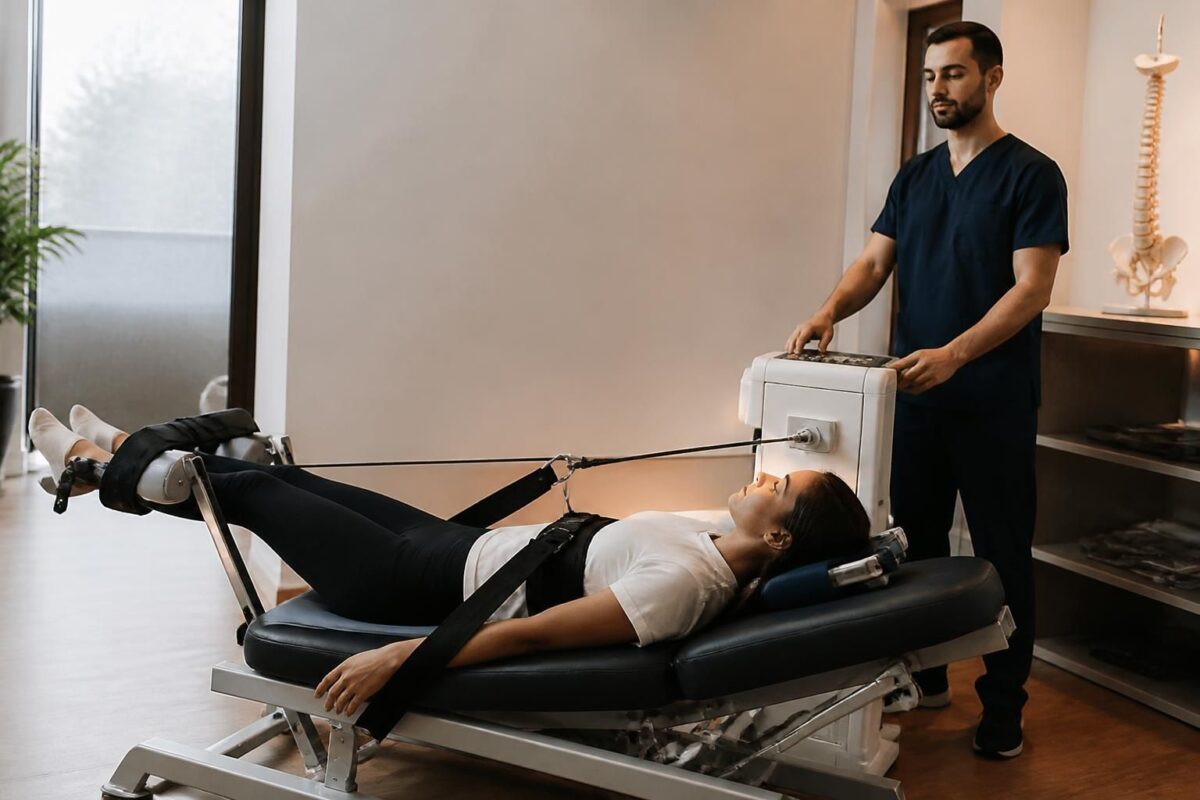
In short
| In short, the neurovertebral decompression is one Non-invasive therapy essential for the spinal health which relieves pain related to Spinal stenosis By removing pressure on nerves and discs. It is based on a Soft and controlled traction which widens the space of the spinal canal, improves the circulation and promotes tissue recovery, without the need for surgery. Its main advantages include pain relief, theImproving mobility, the Prevention of neurological complications and an Non-invasive alternative to surgical procedures. Accessible in Montreal for patients with lower back and cervical pain related to spinal stenosis, this treatment allows a faster return to daily activity while reducing addiction to analgesics. It is thus a targeted and secure approach to preserve the quality of life and mobility. |
The neurovertebral decompression is an approach non-invasive which acts directly on the pressure areas of the spine. By creating a space around discs and nerves, it decreases the nervous compression, relieves pain and promotes better bloodstream towards the spinal tissues. This therapy helps to improve the mobility and the quality of life Without surgery, while preventing future complications related to spinal stenosis or discus disorders. Integrated into a global care, it can accelerate recovery and support lasting healing.
This article explains why neurovertebral decompression is essential for the spinal health. It describes the mechanism, benefits and indications, while remaining clear and focused on known clinical facts. The objective is to allow a direct and useful understanding for patients and professionals.
The neurovertebral decompression is a non-invasive approach that aims to reduce the pressure exerted on the nerves and intervertebral discs. It facilitates space around nerve structures and can help restore fluid flow in the column. This technique is designed to limit pain related to disc and nervous problems without having to resort to surgery.
how she acts
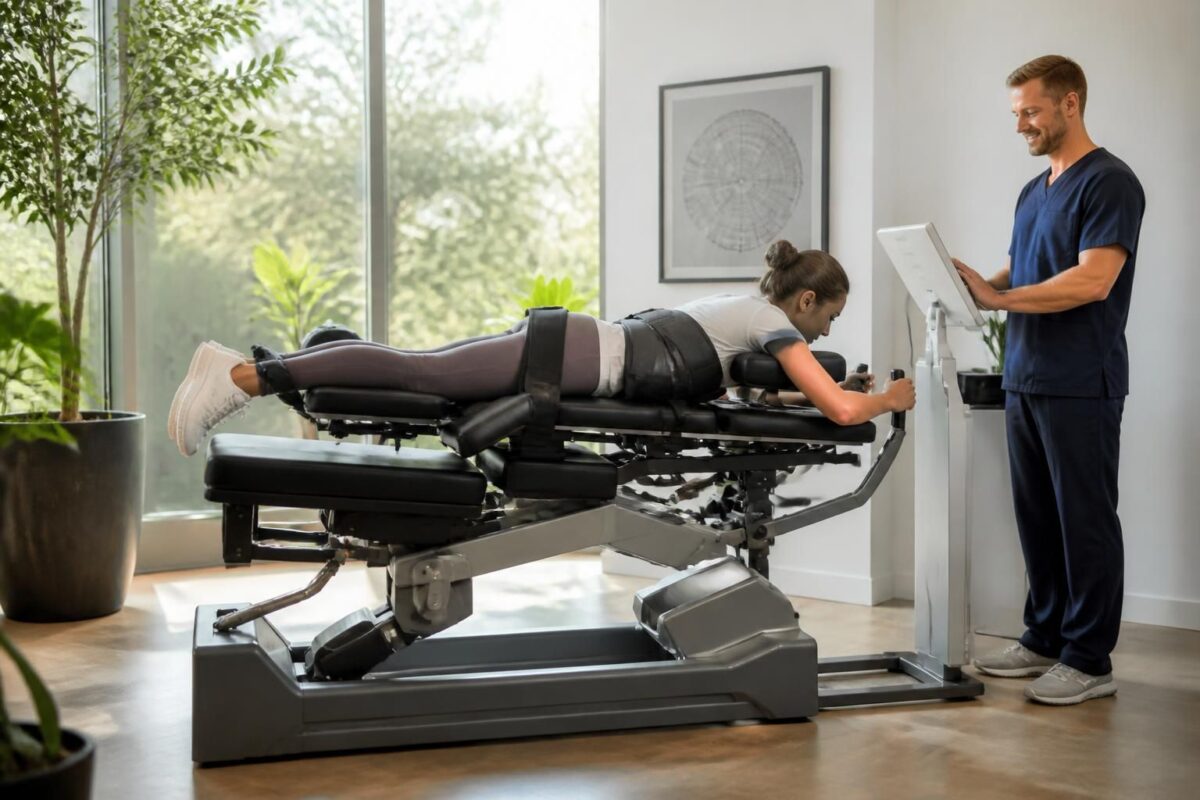
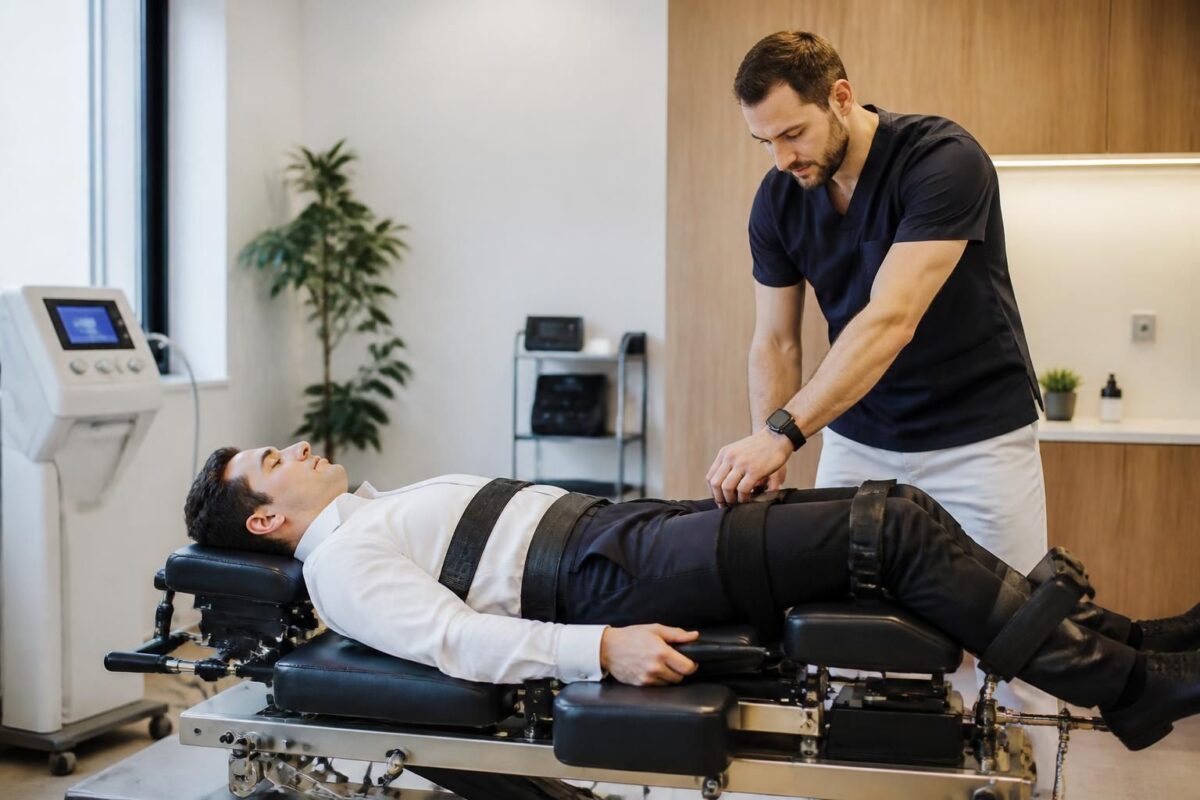
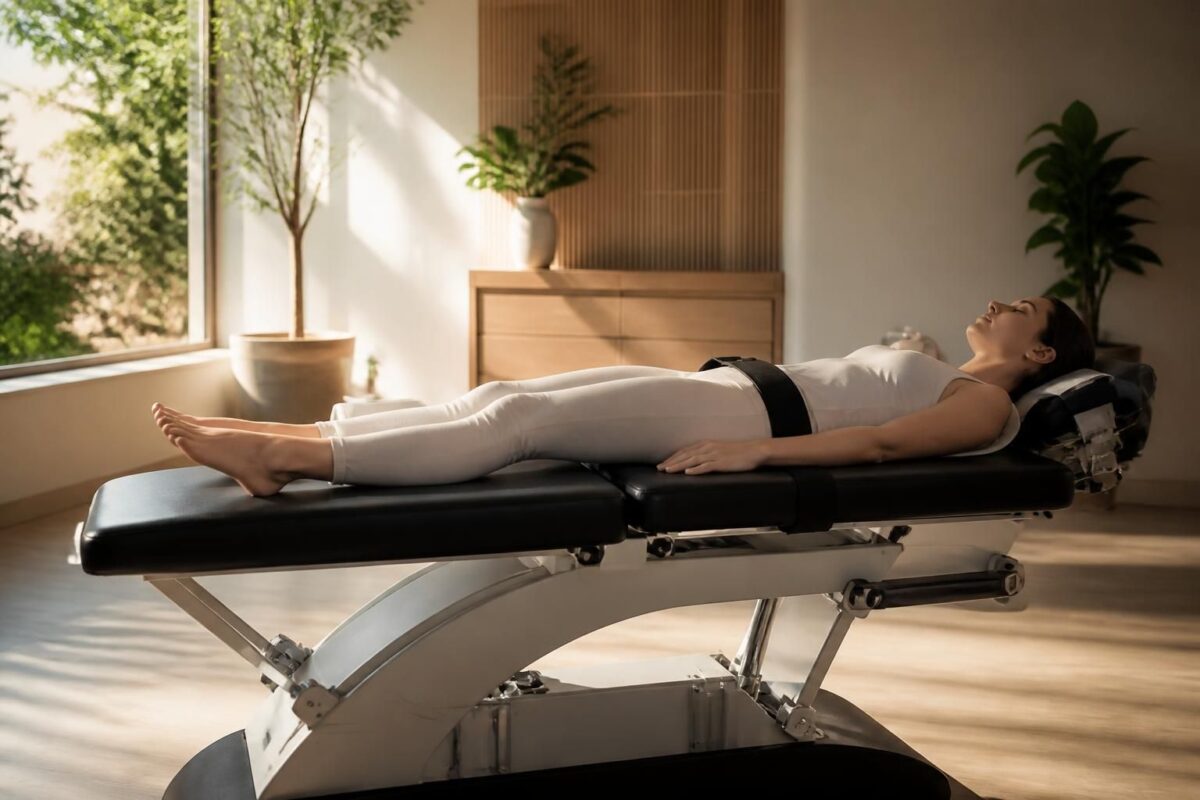
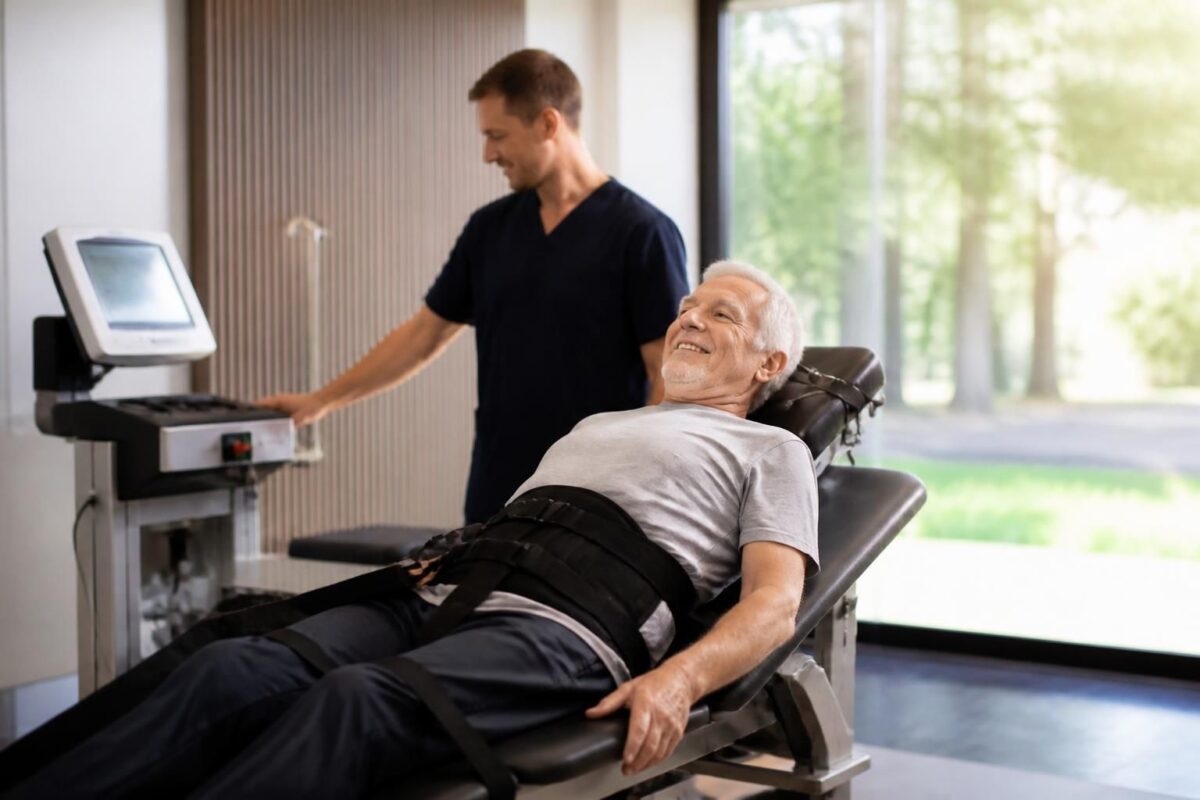
It uses controlled traction on the spine to create additional space in the spinal canal. This action decreases nerve compression and improves fluid circulation around the spinal tissues. The process is done in a guided and personalized way, in order to target problem areas without exerting unnecessary stress on adjacent structures.
Benefits for mobility and pain
pain relief comes from the reduction in pressure on the spinal nerves. Improving mobility manifested by a better ability to move without pain. These effects support a better quality of life and allow you to resume daily activities with more ease. Prevention of complications Futures can also be promoted by limiting nerve damage and associated structural alterations.
Indications and associated conditions
Decompression is relevant to Spinal stenosis, slipped disc and protrusion summer or bulge disc. It can also be considered in case of Foraminal stenosis or of disc degeneration. In these situations, the objective is to reduce the pressure on the nerves and to improve the overall functioning of the column.
Why choose a non-invasive approach
decompression do surgery Offers an attractive alternative for patients who wish to avoid operative risks and associated recovery times. It can be enrolled as an initial step in the management of spinal pain and can facilitate better tolerance to other non-invasive treatments when necessary.
Procedure and security
Each protocol is suitable for the patient. Treatment is supervised by experienced professionals and relies on clinical and imaging assessments when needed. The use of modern technologies and guided methods ensures safety and comfort throughout the sessions.
Integration into a care approach
Decompression is part of a global strategy for vertebral health and well-being. It can be associated with other non-invasive interventions offered in specialized clinics. For more information, you can consult Tagmed Clinic, or explore specialized resources on sossciatica.com.
Resources and references
To explore further points, you can check:
- Neurovertebral decompression and cervical pain
- Neurovertebral decompression and joint mobility
- Neurodiscal decompression
- Prevention of chronic back pain
For detailed information on the approaches and their foundations, you can also consult the following resources: General approach to neurovertebral decompression, or specialized pages on Natural solution.
For follow-ups and information on protocols in TagMed Clinic, go to Tagmed Clinic.
Medical Disclaimer: The information and advice provided on this site does not replace the health professional’s diagnosis or treatment. Please note that Dr. Sylvain Desforges osteopath is neither a doctor of medicine nor a doctor, and is not a specialist in a medical specialty as defined by the Collège des Médecins du Québec. Manual medicine, functional medicine and sports medicine as described on this site exclude any medical treatment or diagnosis made by a doctor or specialist doctor. Always consult your doctor for any medical questions. For more details, please read our full legal notice.
Key axes: why neurovertebral decompression is essential for spinal health
- Relief : Immediate and lasting reduction in pain due to nerve pressure.
- pressure reduction : Decreased stress on discs and nerves.
- Mobility : Improved flexibility and range of motion.
- Non-invasive alternative : Avoid surgery and postoperative risks.
- Improved traffic : Better irrigation of the spinal tissues.
- Prevention of complications : Slows progression of pain and neurological disorders.
- Optimized recovery : Support rehabilitation and return to activity.
- Customization of care : protocols adapted to the patient’s profile and objectives.

This recommendation explains why the neurovertebral decompression is essential for the spinal health, detailing its mechanism, its benefits, its indications and its role at the heart of a global approach to the spine.
What is neurovertebral decompression and how does it work?
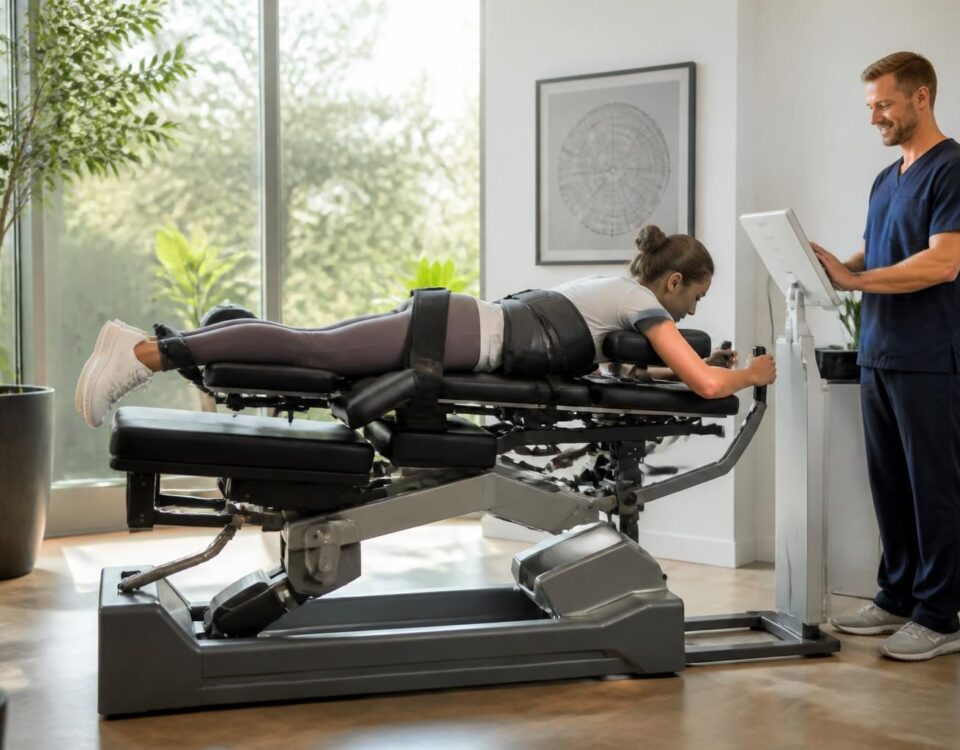
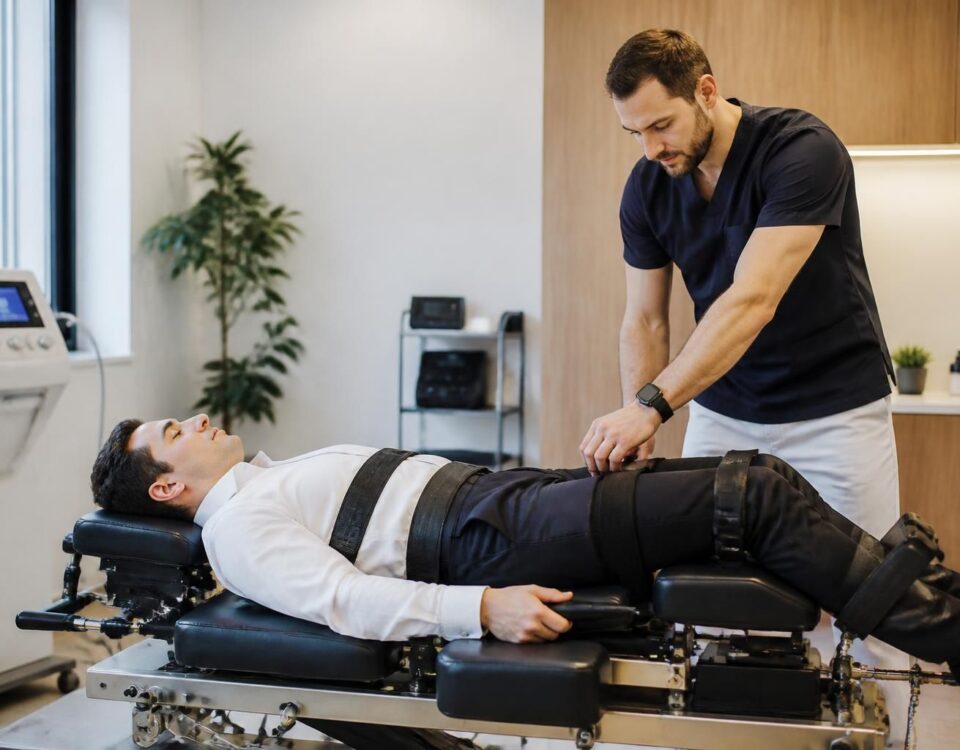
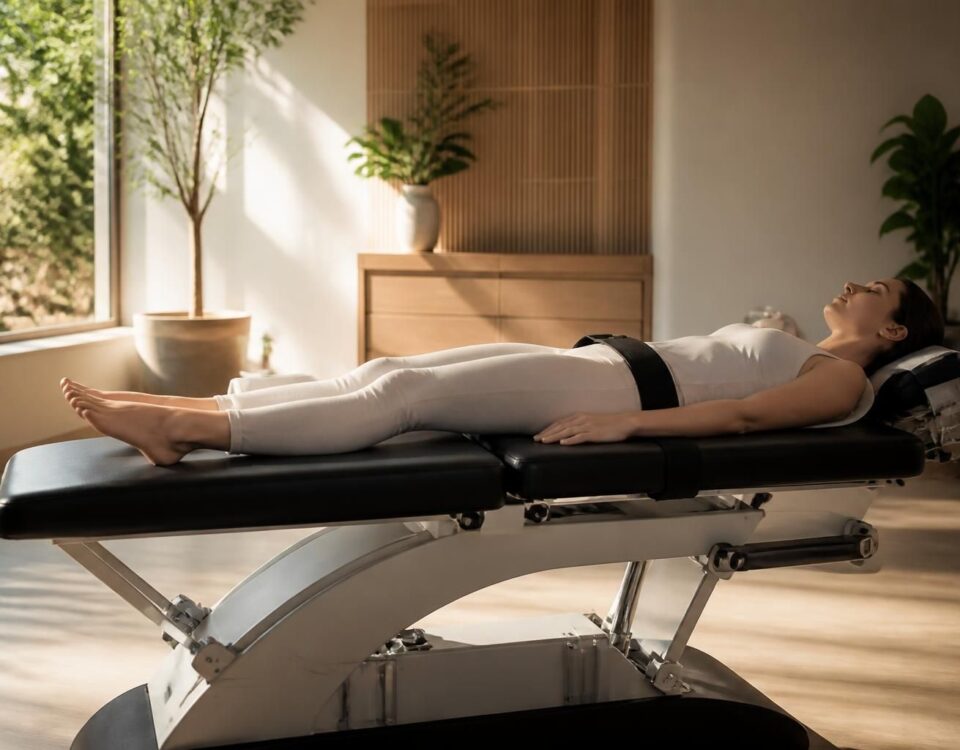
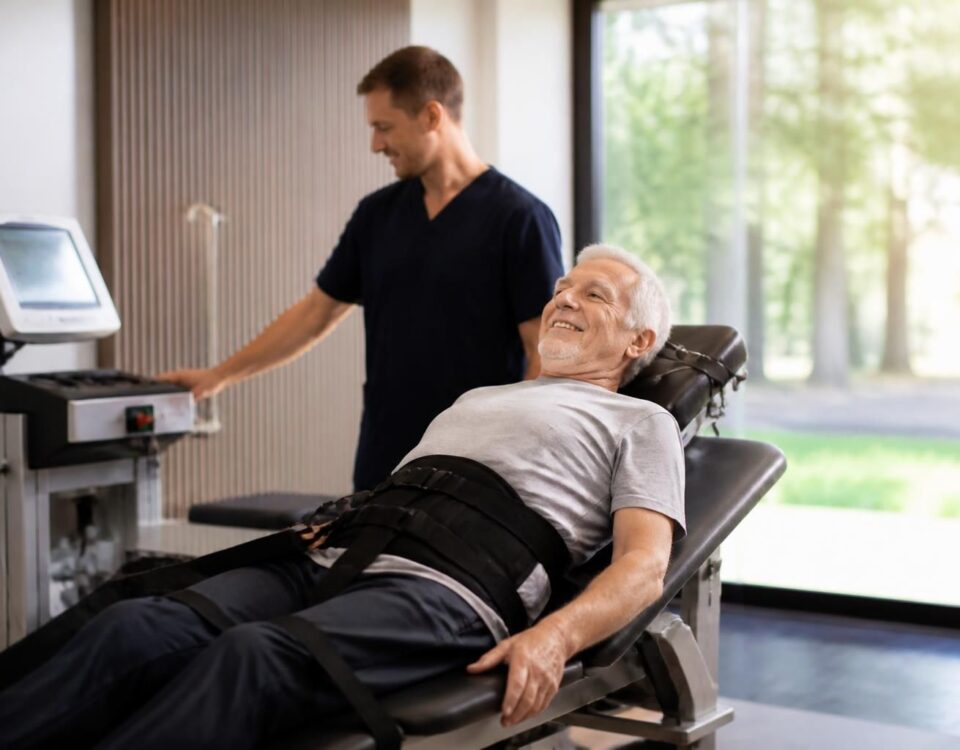
Neurovertebral decompression is a method non-invasive who uses a specialized table to apply a gentle traction and controlled on the spine. This approach creates a temporary space in the spinal canal and decreases the pressure exerted on the nerves and discs.
By promoting the rehydration and repositioning of discs, it improves tissue nutrition and circulation around the vertebral structures. This reduction in compression can alleviate symptoms associated with Spinal stenosis, radiculopathy and other disc disorders, while offering a secure alternative to surgery for many patients.
Effects on fabrics and mobility
By reducing the pressure on the nerves, decompression favors the nervous function and the mobility of the column. This improvement often results in a pain reduction and greater ease in carrying out daily activities, combined with better bloodstream in the spinal tissues.
The long-term benefits of neurovertebral decompression for spinal health
In short In short, the neurovertebral decompression is a non-invasive approach that decreases the Pressure on intervertebral discs and nerves, favoring the Natural regeneration and tissue recovery. Its long-term benefits include Lasting pain reduction, Improving mobility and from the posture,…

Neurovertebral decompression and mobility: a return to an active life
In short In short, the neurovertebral decompression is therapy non-invasive who uses a gentle traction To create a space between the vertebrae and reduce the pressure on the Intervertebral discs and the nerves. It promotes a bloodstream improved, lowers tension…
Key benefits for spinal health
The central benefit is a Lasting pain relief and an Improving mobility without operative remedies. By targeting the mechanical cause of pain, decompression helps prevent symptoms progression and neurological complications related to stenosis or herniated discs.
It can reduce addiction to painkillers and facilitate the return to active activities, while participating in the Prevention of complications in the long term. This approach supports better quality of life and increased autonomy, especially when associated with proactive spinal care.
Integration into the care pathway
Decompression integrates effectively with other approaches such as physiotherapy and muscle strengthening, in order to optimize the results and maintain the gains obtained. One Custom Plan Allows you to adapt the treatment to the specific needs of each patient and to change it over time.
How Neurovertebral Decompression Prevents Diffuse Chronic Pain
In short decompression neurovertebral is one Non-invasive method aimed at reducing the Pressure on the intervertebral discs and the nerves, in order to prevent Diffuse chronic pain. It improves the circulation and thedisc hydration, decreases inflammation and promotes better mobility.…
Neurovertebral Decompression and Body Alignment: Restoring Natural Balance
In short In short, neurovertebral decompression is one Non-invasive approach who restores theBody Alignment and thenatural balance back and neck. She acts by a Controlled traction of the spine to widen the intervertebral space and reduce the Pressure on discs…
Indications and safety
This therapy is particularly useful for people with Lumbar and cervical pain, of slipped disc, of radiculopathies and of Spinal stenosis. She is non-invasive And can be adapted according to the medical history and the degree of compression, after a professional assessment.
Safety is enhanced by a progressive and supervised approach, which aims to fully exploit the benefits without exposing the patient to unnecessary risks. An accurate diagnosis and appropriate planning make it possible to optimize efficiency while respecting individual limits.
Why neurovertebral decompression is a lasting solution for active seniors
In short In short, the neurovertebral decompression is one Non-invasive therapy which sustainably relieves spinal pain in the spine active seniors By creating, by a Soft and controlled traction, a space between the vertebrae. At Montreal, it is recognized as…
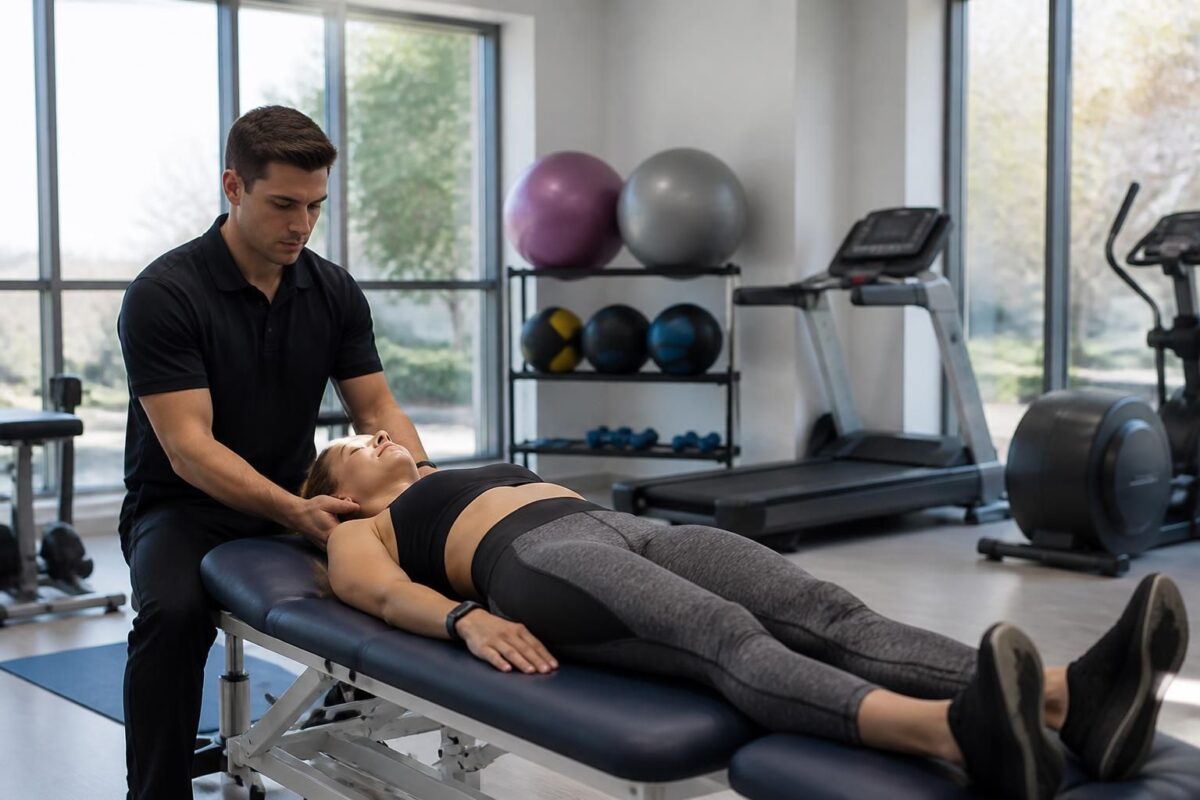
Neurovertebral decompression and recovery after severe sports injury
In short In short, the neurovertebral decompression is one Non-invasive method to Relieve the pressure on the Intervertebral discs and the gristle Via a Controlled traction, to facilitate the recovery After a severe sports injury. It improves the bloodstream towards…
In practice and autonomy
For patients, this means adopting active and responsible lifestyle habits, with advice on the posture, activities and exercise program prescribed by a professional. Monitoring may include protocol adjustments and targeted exercises to preserve improvements and prevent relapses.
| Axis | Impact |
|---|---|
| Nervous pressure reduction | relieves her nerve pressure and reduces pain. |
| Circulation improvement | Improves the bloodstream in the spine, promoting tissue nutrition. |
| Spinal canal space | Create thespace in the spinal canal to reduce compression. |
| Mobility | Restores the mobility and facilitates daily activities. |
| Non-invasive alternative | offer a Non-invasive alternative to surgery. |
| Progression prevention | Help to Prevent progression complications related to stenosis. |
| quick recovery | promotes a quick recovery and reducing the need for interventions. |
| Custom Protocol | customizable protocol according to the patient to maximize theefficiency. |
| No drug | treats the cause rather than masking the symptoms with pharmaceuticals. |
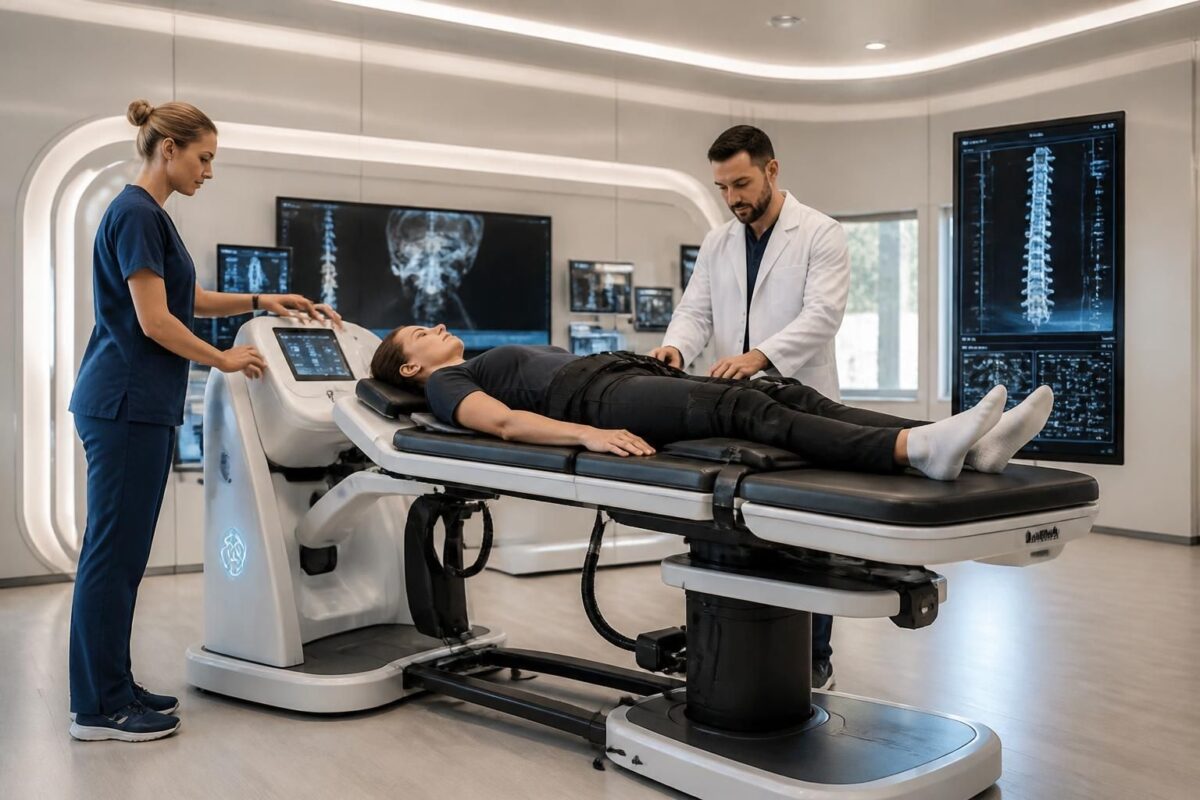
Recent innovations in neurovertebral decompression technologies
In short In short, the neurovertebral decompression is an approach non-invasive Aiming to reduce pressure on discs and nerves, and promote tissue regeneration. At Montreal, it is positioned as an effective option for lower back pain and herniated discs. The…
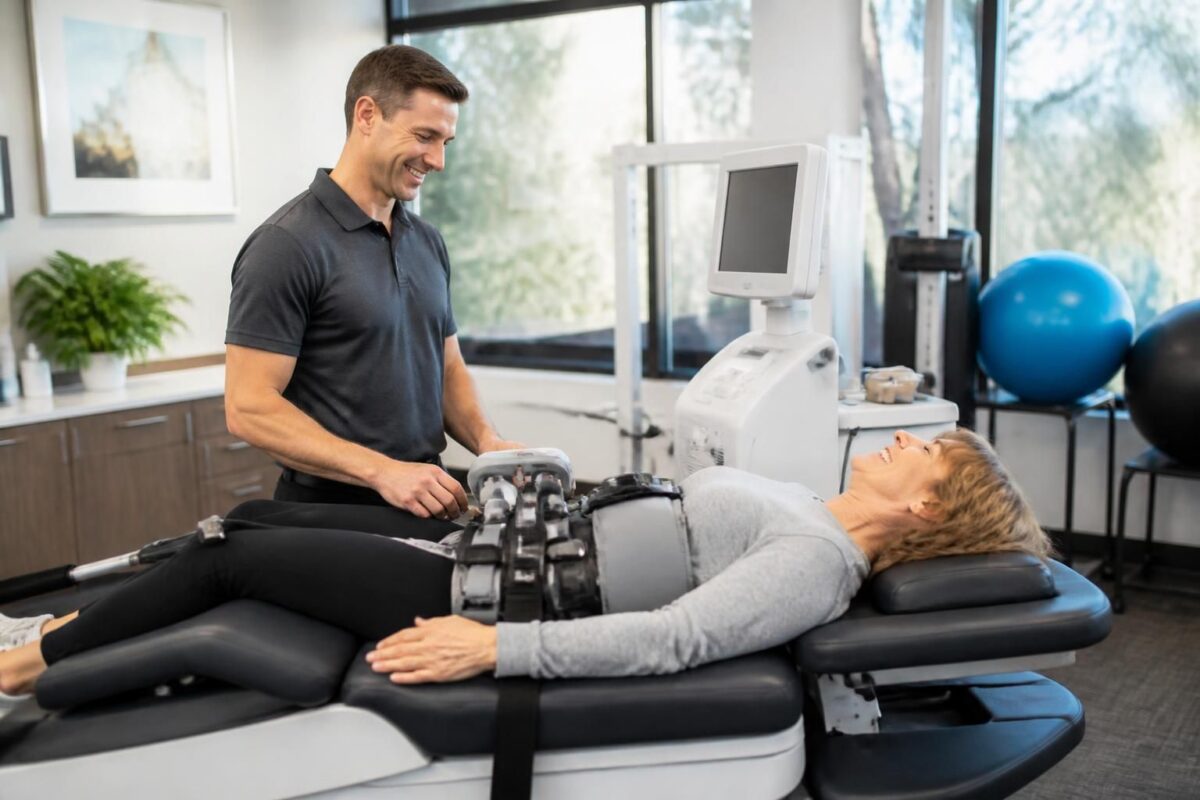
Neurovertebral decompression and diffuse pain: an appropriate solution
In short In short, the neurovertebral decompression is one Non-invasive solution For diffuse pain related to nerve irritation of the spine. She acts in Reducing pressure on intervertebral discs and nerves and improving the bloodstream, which promotes recovery and the…
Testimonials: Why neurovertebral decompression is essential for spinal health
“Before discovering neurovertebral decompression, I suffered from persistent lower back pain that prevented me from enjoying my days to the full. Every step was a challenge and numbness came back regularly. After a few sessions, the pressure exerted on the nerves clearly subsided and my mobility returned. This approach has become a key step for the spinal health and to find a quality of life sustainable. »
“As a senior, I had considered more invasive options, but neurovertebral decompression offered me an alternative non-invasive and effective. I saw a significant reduction in the pain and an improvement in circulation around affected areas. My recovery is faster and I gradually regain my daily activities without fear of a new push. »
“For me who am physically active, this technique was a real turning point. The neurovertebral decompression accelerated my recovery after exercise and reduced recurring discomfort. I notice a better mobility and increased stability, which allows me to maintain my performance sporty while protecting my spine. »
“As a retiree, I was looking for treatment non-surgical who keeps his promises. Following the sessions, the pain decreased and my mobility improved, making me want to resume my leisure time and walks. This approach is a key to column health and more active life. »
“My cervicalgia was a daily brake, and I had trouble sleeping properly because of the stiffness. The neurovertebral decompression changed this: less pain, a circulation best fed around the discs and a mobility found. I better control my movements and my nights are more restorative, which considerably reinforces my spinal health. »
“I highly recommend this approach to all people with spinal pain. Neurovertebral decompression directly targets the cause, favoring a Disc rehydration and an Sustainable mobility. For me, it has become a mainstay of the spinal health and my quality of life on a daily basis. »
Neurovertebral decompression: an essential key for spinal health
The spinal health Relies on the balance between the nervous elements, the intervertebral discs and the bone structures that protect and guide the nervous system. In this context, neurovertebral decompression stands out as an approach non-invasive Able to act in depth on the causes and not only on the symptoms. By restoring the necessary space around the nerves and facilitating the rebalancing of the forces exerted on the spine, this technique promotes sustainable recovery and a gradual improvement in mobility and quality of life.
The mechanism is based on a Controlled traction and targeted spine, which creates an inner space in the spinal canal. This expanded space decreases the pressure exerted on the nerves and nerve roots, which immediately reduces painful signals and numbness sensations. Through this action, neurovertebral decompression promotes Rehydration and repositioning of intervertebral discs, thus improving the nutrient supply to the spinal tissues and supporting the natural repair mechanisms. This approach is particularly relevant when the pain comes from a bumpy disc, stenosis or disc herniation, as it directly attacks the source of the discomfort.
profits result not only in a pain reduction, but also by a Better mobility and an easier resumption of daily activities. Patients often describe a decrease in muscle tension and better fluidity of movement, which helps to lower the use of drug treatments and to repel, when possible, surgical interventions. favoring an approach preventive And adaptive, neurovertebral decompression acts as a lasting strategy to limit the appearance of recurrent pain and the resulting disability.
At the heart of a global care approach, this technique is harmoniously integrated with other therapeutic approaches such as physiotherapy, manual medicine and associated technologies. By working together, they aim to preserve tissue integrity, optimize disc nutrition and restore a stable nervous function. This complementarity is particularly beneficial for people with Spinal stenosis, of herniated discs or of sciatica, as well as for athletes in recovery after injury, where the accuracy and safety of the protocol condition the results and responsiveness of patients.
A guarantee of commitment to a practice based on evidence, care around neurovertebral decompression is based on rigorous evaluation, protocol customization and careful monitoring of clinical progression. The use of this method reflects a philosophy that places the patient at the center, favors lasting results and implements innovative technologies and protocols to optimize spinal health and general well-being.
Dr. Sylvain Desforges, Expert in osteopathy, Naturopathy and manual medicine, is the founding president of the Tagmed clinics and the ACMA association. His approach is based on a career dedicated to health innovation and a specialization in the management of Chronic pain and the integration of advanced technologies such as spinal decompression, laser and shockwave therapy. Its mission is to provide care evidence-based to optimize the health and well-being of patients. This vision, applied to neurovertebral decompression, embodies a proactive and effective approach to preserve spine health and freedom of movement in the long term.
Quick summary: the neurovertebral decompression is an approach non-invasive that restores space around gristle And some Intervertebral discs, reducing the pain and improving the mobility, while preventing complications related to the Spinal stenosis. It is a credible alternative to surgery and can be integrated into a holistic approach to care.
The neurovertebral decompression Appears as a cornerstone of spinal health, as it directly attacks the cause of pain related to the Spinal stenosis and nervous compression. By gentle and controlled traction, it enlarges the space in the spinal canal and improves the bloodstream, promoting the nutrition of vertebral tissues and the regeneration nervous structures.
its benefits result in a Lasting pain reduction, a Improving mobility and an Prevention of future complications. For patients looking for an option non-invasive, without major surgical risk, decompression offers an effective and customizable route depending on the diagnosis (herniated disc, protrusion, foraminal or spinal stenosis).
This approach is ideally part of a multidisciplinary care and can be associated with manual approaches, kinesiology and specialized technologies. It promotes not only pain relief but also Spinal stability and the Reduction in the use of analgesics. To learn more, discover detailed resources on Treatment of spinal stenosis by neurovertebral decompression and Why choose neurovertebral decompression for natural pain management.
Clinical returns and documented cases illustrate how patients regain better ability to move, less pain and resumption of daily activities. To explore these results, see case examples and analyzes available at Successful clinical cases and Long-term back benefits.
To start a suitable approach, an accurate diagnosis and discussion of your treatment options is essential. For more details and practical indications, see the FAQ page and related resources such as Essential FAQs.
Note: As with any care, a health professional should be consulted to assess eligibility and personalize the plan, and consider local resources such as This approach and its benefits. To learn more about technical aspects and long-term benefits, see the following resources: the technology, The role and issues, and decompression technology.

Dr Sylvain Desforges, B.Sc., D.O., N.D., osteopath, is the founding president of TAGMED and of the ACMA association. He dedicates his practice to chronic spinal pain, low back pain and symptoms compatible with sciatica, particularly when pain radiates toward the buttock, leg, calf, foot or toes.
Through SOS Sciatique, he publishes educational content on sciatica symptoms, possible causes such as disc herniation, disc narrowing, foraminal stenosis or irritation of a lumbar nerve root, as well as non-surgical approaches that may be considered according to the evaluation. At Clinique TAGMED, care may include, depending on the case, motorized neurovertebral decompression, specific osteopathic care or precision percussion.
For an evaluation related to sciatica treatment in Montreal / Mount Royal or sciatica treatment in Terrebonne, please consult the services available at Clinique TAGMED.
Medical disclaimer
The information published on SOS Sciatique is provided for educational purposes only and does not replace a consultation, diagnosis, opinion or treatment provided by a physician or another authorized healthcare professional. The author of this article is neither a medical doctor nor a specialist in a medical specialty recognized by the Collège des médecins du Québec. The osteopathic, manual medicine or functional support approaches described on this site do not constitute medical acts and are not intended to replace medical follow-up.
Consult a physician or emergency service in cases of loss of bladder or bowel control, anesthesia in the saddle area, significant or progressive weakness in the leg or foot, fever, recent trauma, severe pain or rapid worsening of symptoms. For more details, please read our Legal Notice.