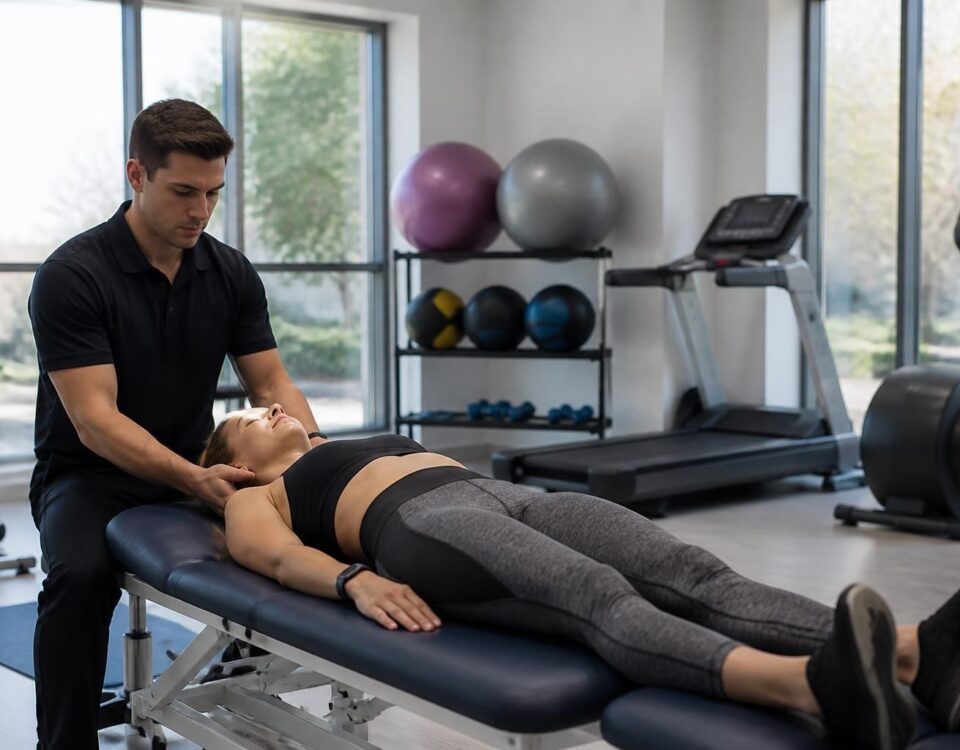
Neurovertebral decompression and posture: sustainably improve your alignment
26/06/2026
Why neurovertebral decompression is a safe and effective choice
26/06/2026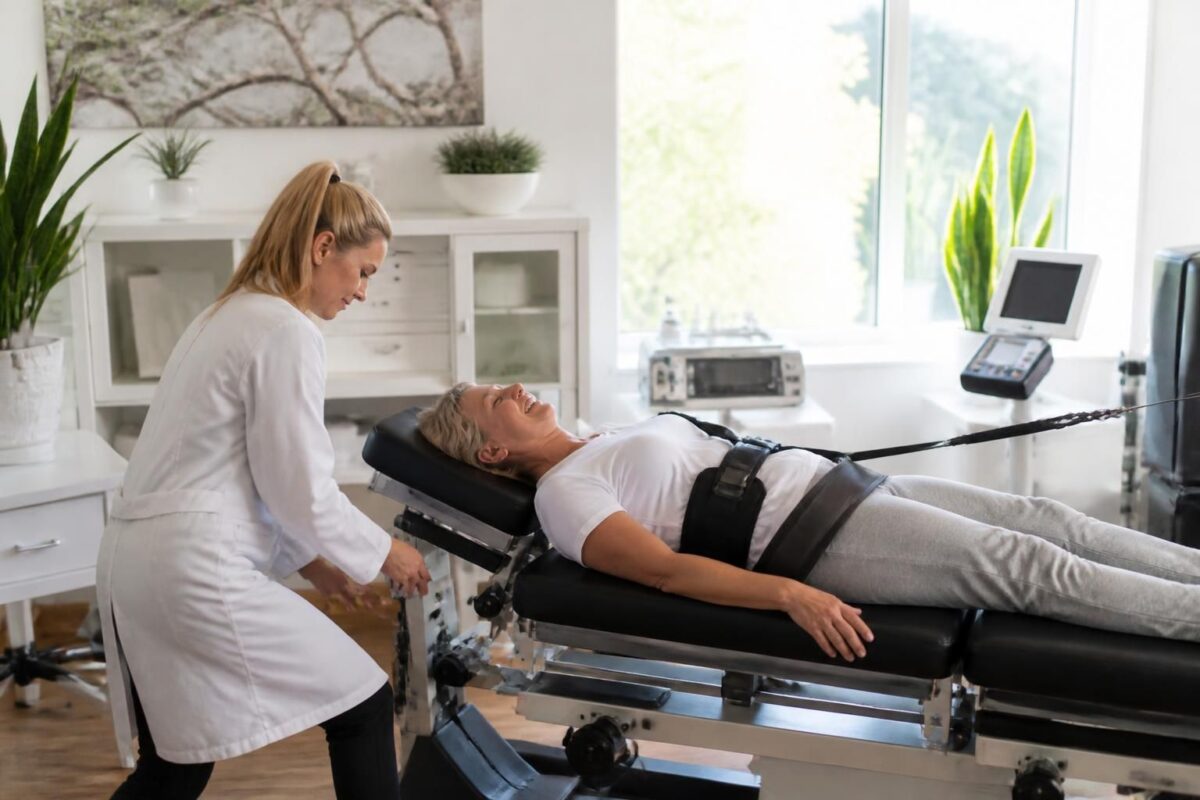
In short
| In short, the neurovertebral decompression is an approach non-invasive which aims to quickly relieve spinal pain by reducing pressure on discs and nerves via controlled traction. To montreal, it is particularly effective for lower back pain and sciatica. Its Quick results result in a pain reduction, a Improved mobility and a better quality of life, often after a few sessions. This method also allows Prevent surgery and promotes a Quick return to daily activities, while remaining fresh and well tolerated. |
The neurovertebral decompression offers results fast and meaningful For spinal pain. In clinical returns, About 71% patients report Significant improvement in pain After several sessions, accompanied by a Increased mobility and a better quality of life. This approach non-invasive Acts by reducing pressure on intervertebral discs and nerves, promoting faster recovery and resumption of daily activities. For cases of facet osteoarthritis and radiculopathy, improvement rates can reach 75% or more depending on the situation. The sessions are generally 15 to 30 minutes, with a typical plan of 10 to 15 sessions for lasting results.
This text explains the Quick results observed thanks to neurovertebral decompression, a non-invasive approach that aims to reduce pressure on the intervertebral discs and nerves by controlled traction. It describes the mechanism, key figures and clinical returns, while showing how this therapy fits into a global and optimal care pathway for mobility and well-being.
Principle and objectives
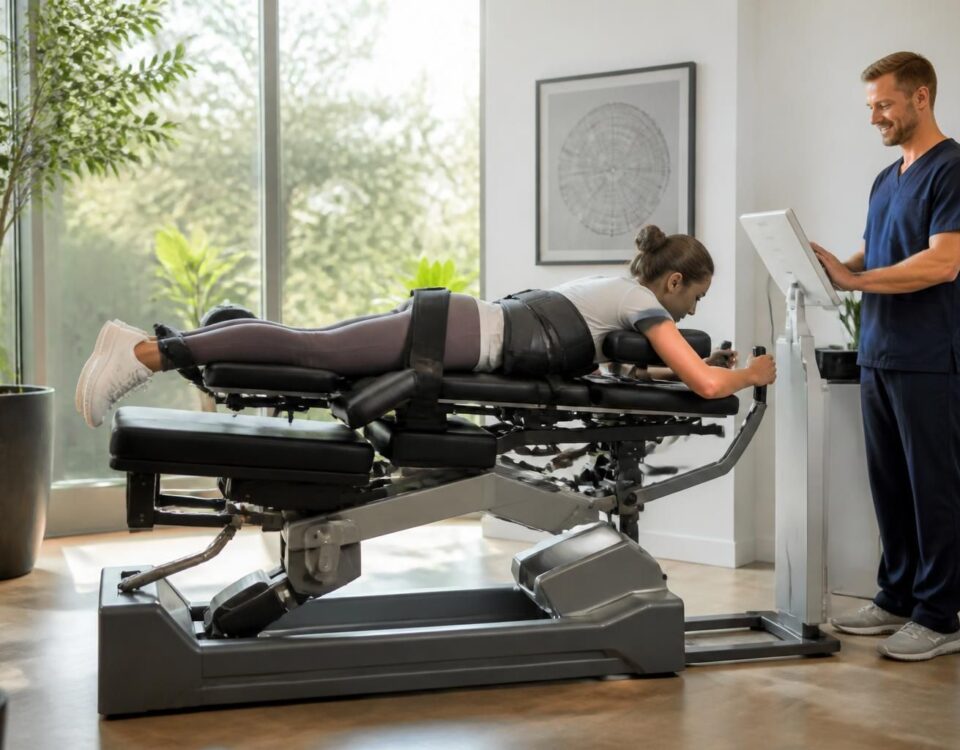
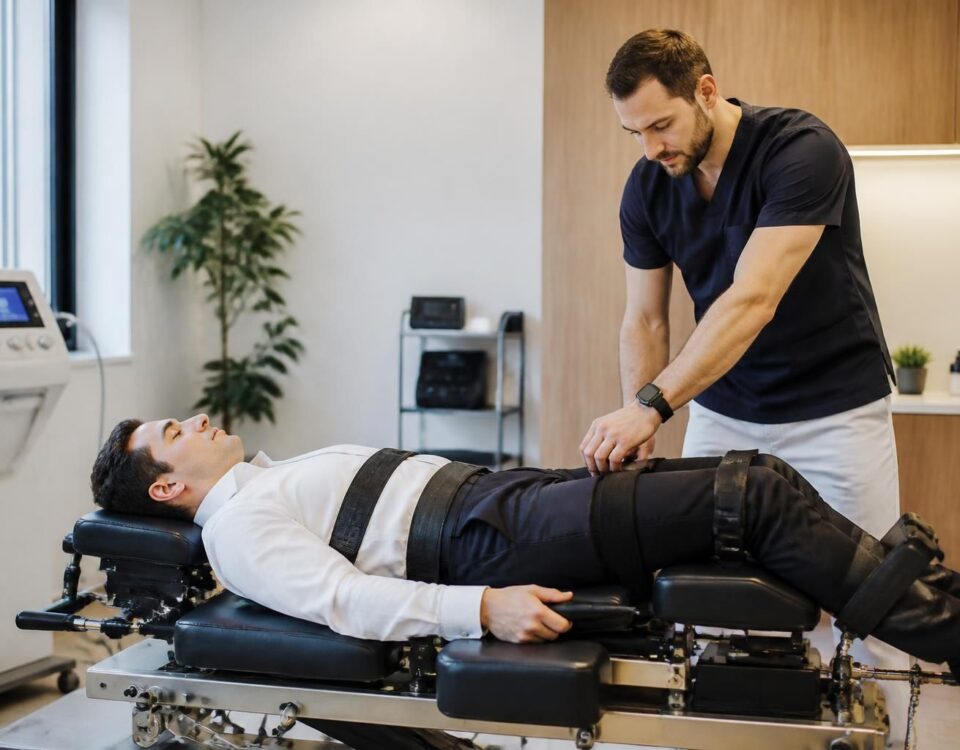
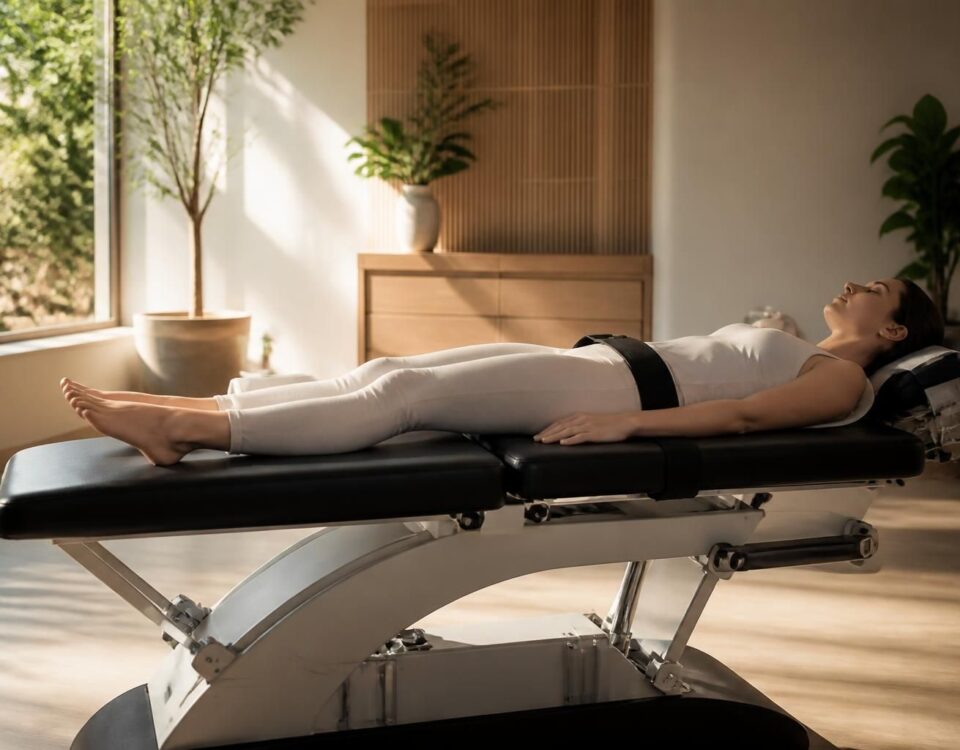
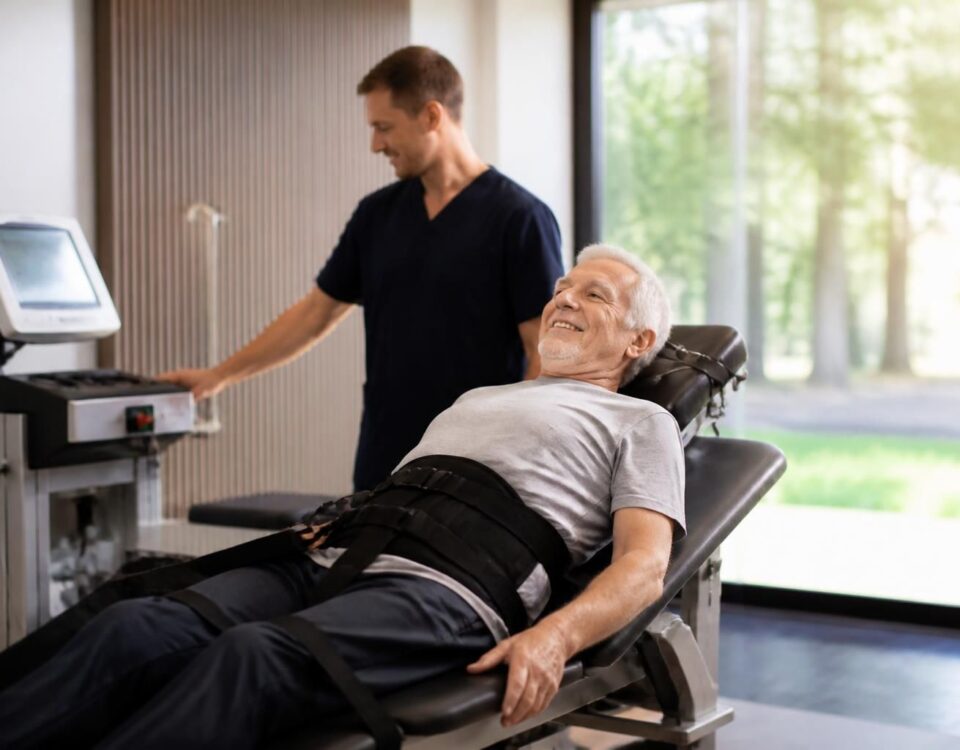
The neurovertebral decompression is a technique non-invasive which applies a Controlled traction on the spine. It aims to increase the space around the Intervertebral discs And some gristle, in order to reduce pain and promote recovery. This approach offers an effective alternative to certain back and cervical pain, without surgical recourse.
Key figures from studies
Robust clinical data shows that up to 71% patients show significant improvement after several sessions. In a cohort of 778 patients, this figure highlights the rapid impact of therapy on symptoms, especially for sciatica and back pain.
For patients with facet osteoarthritis, approximately 75% reported results rated between “good” and “excellent”. This effectiveness results in better mobility and a reduction in pain over the sessions.
Overall, the data suggest a Improvement of symptoms In a significant proportion of patients, including those with various vertebral pathologies and root pain. Further studies support the usefulness of the technique as a quick way to relieve symptoms and improve mobility.
Impact on mobility and quality of life
the quick results are manifested not only by a pain reduction, but also by a Improving mobility and general well-being. Many patients return more quickly to their daily activities and, for athletes, to their practice, while avoiding invasive treatments. Clinical returns indicate significant gains in activity and autonomy after a series of sessions.
Specific indications and returns
Decompression can be beneficial for back and cervical pain associated with herniated discs, protrusions or stenosis, when traction is performed according to an appropriate protocol supervised by a qualified professional. Feedback shows that quick results result in reduced pain and better ability to perform daily movements without acute pain. For detailed information about results and clinical cases, see the dedicated resources on the specialized pages.
Integration in the care pathway and follow-up
The neurovertebral decompression fits like a Non-surgical option as part of a comprehensive care plan. It can be associated with other non-invasive approaches and a rehabilitation program supervised by TagMed professionals, in order to optimize results and ensure sustainable recovery. Monitoring allows you to evaluate the progress of pain and mobility, and to adjust the protocol if necessary. To understand how the sessions and follow-up typically take place, the following resources can be viewed:
How-Works-A-typical-Session-Typical-Overtebral-Compression,
Clinical studies,
pain-post-surgical.
For active or athletic patients, decompression offers a faster return to physical activity and can help prevent future pain, while avoiding invasive approaches. For more information, you can view the testimonials and information available:
Testimonials-Patients,
Long-term results,
Tagmed Clinic.
What the resources and progress say
Technological advances and modern protocols improve session accuracy and efficiency, while maintaining an approach non-invasive. Specialized resources and clinical articles available on dedicated platforms describe the mechanisms of action, protocols and results observed in patients with spinal pain related to spinal pain.
To discover additional information and related studies, you can consult the following resources:
why-of-compression-neurovertebral-is-an-option-for-active-patients,
How-Works-A-typical-Session-Typical-Overtebral-Compression,
Decompression-neurebral-clinical studies.
Additional resources direct towards public information and patient feedback, particularly on areas specializing in the treatment of herniated discs and associated pain. To learn more about the results and clinical cases, feel free to explore the links provided above.
The information presented below recalls the general framework and does not replace a personalized consultation with a health professional. For any medical questions, please consult your attending physician.
The links provided below respect the authorized domains and serve to deepen understanding of the rapid results of neurovertebral decompression:
Post-surgery neurovertebral decompression,
Nocturnal pain,
Patient testimonials,
Option for active patients,
Typical session,
clinical studies,
Suitable for all ages,
Long-term results,
comparative study.
For more information, visit the public and private resources available on authorized domains.
Medical Disclaimer: The information and advice provided on this site does not replace the health professional’s diagnosis or treatment. Please note that Dr. Sylvain Desforges osteopath is neither a doctor of medicine nor a doctor, and is not a specialist in a medical specialty as defined by the Collège des Médecins du Québec. Manual medicine, functional medicine and sports medicine as described on this site exclude any medical treatment or diagnosis made by a doctor or specialist doctor. Always consult your doctor for any medical questions. For more details, please read our full legal notice.
speed and Relief
- Immediate decrease pain after each session
- rapid improvement mobility in a few days
- Reduction Pressure on discs and nerves
- Relief acute sciatica and back pain in a short time
- 71% patients report significant improvement
Impact on life and mobility
- quick return daily activities and leisure
- Improved walking and endurance after a few sessions
- relapse prevention and maintaining functional gains
- Facet osteoarthritis: 75% patients get good to excellent results
- Dorsalgia: 90% symptom improvement

This article presents the Quick results Achieved through neurovertebral decompression, focusing on pain relief, improved mobility and rapid return to activity. You will discover why this non-invasive approach offers significant benefits from the first sessions, with key figures and concrete examples that speak to all patients and professionals.
Quick and measurable results
Clinical data shows that most patients are experimenting with rapid improvement their symptoms after a few sessions. On average, about 71% of patients report Significant reduction pain and better function. For lumbar and radicular pain, improvements can be observed from the first sessions, with benefits reported by a majority of patients over the protocol.
With regard to specific conditions, facet osteoarthritis shows particularly encouraging results, with nearly 75% Patients describing results between “good” and “excellent”. In addition, a large part of patients adjusts their limitations and finds more fluid mobility, which contributes to a lasting improvement quality of life.
The sessions themselves are short and adapted, typically between 15 and 30 minutes, which makes it easy to integrate the treatment into a weekly routine and obtain tangible results in a short time.
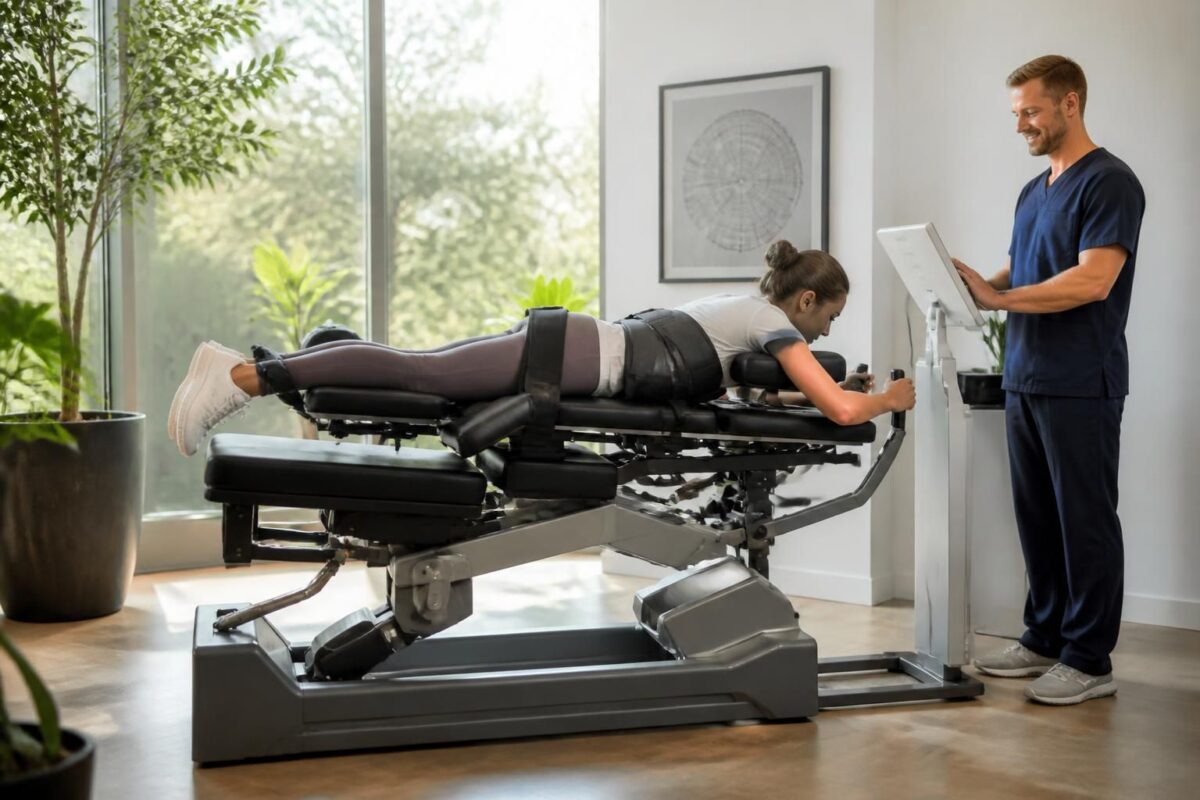
The long-term benefits of neurovertebral decompression for spinal health
In short In short, the neurovertebral decompression is a non-invasive approach that decreases the Pressure on intervertebral discs and nerves, favoring the Natural regeneration and tissue recovery. Its long-term benefits include Lasting pain reduction, Improving mobility and from the posture,…

Neurovertebral decompression and mobility: a return to an active life
In short In short, the neurovertebral decompression is therapy non-invasive who uses a gentle traction To create a space between the vertebrae and reduce the pressure on the Intervertebral discs and the nerves. It promotes a bloodstream improved, lowers tension…
Speed of action and decreased pain
Neurovertebral decompression acts by reducing the pressure exerted on the intervertebral discs and nerve roots. This pressure reduction often leads to a Gradual disappearance of pain and to a Improving mobility in the days and weeks following the start of treatment. Patients frequently describe a immediate comfort After each session and a continuity of the effects on the following weeks.
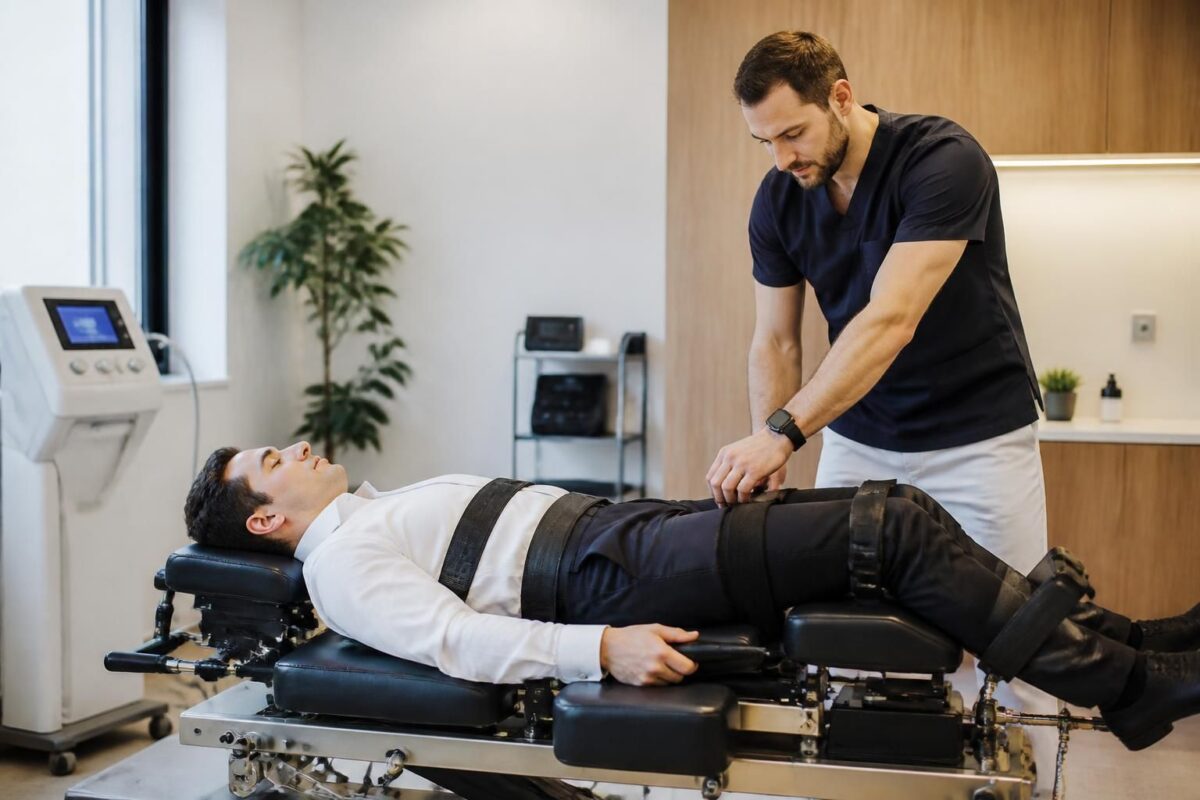
How Neurovertebral Decompression Prevents Diffuse Chronic Pain
In short decompression neurovertebral is one Non-invasive method aimed at reducing the Pressure on the intervertebral discs and the nerves, in order to prevent Diffuse chronic pain. It improves the circulation and thedisc hydration, decreases inflammation and promotes better mobility.…
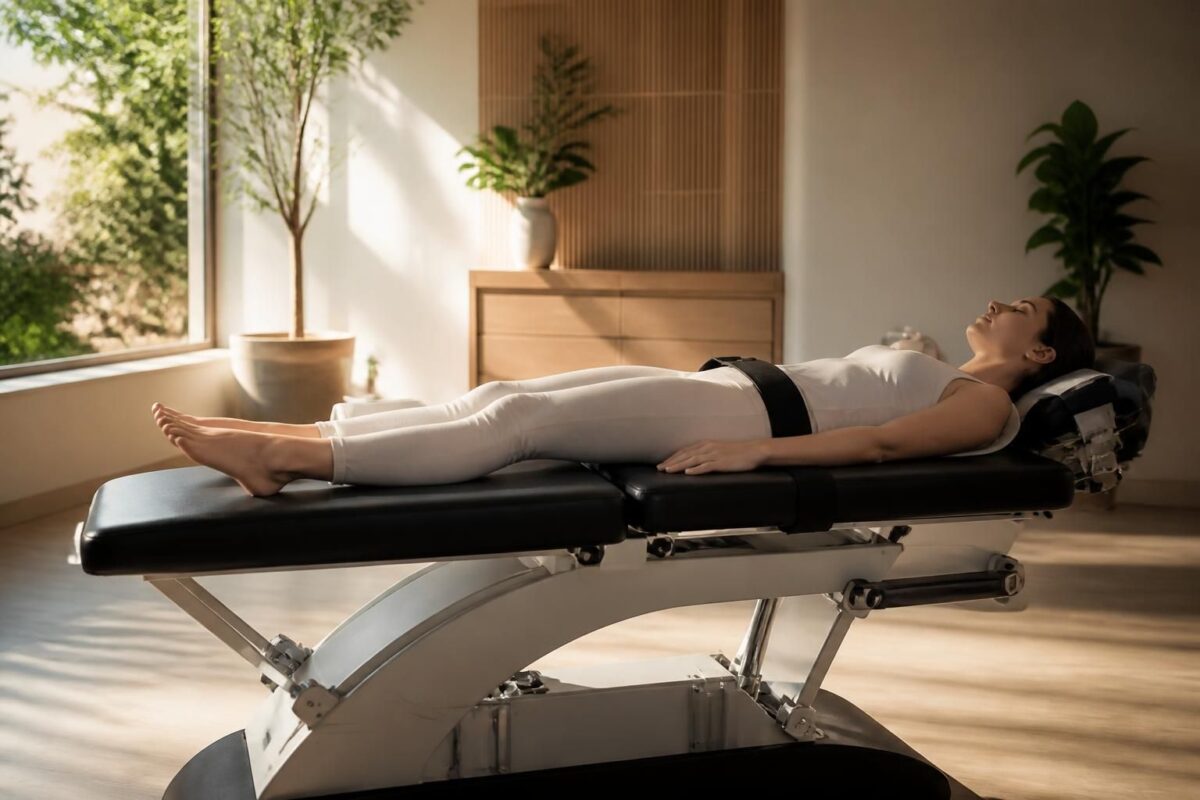
Neurovertebral Decompression and Body Alignment: Restoring Natural Balance
In short In short, neurovertebral decompression is one Non-invasive approach who restores theBody Alignment and thenatural balance back and neck. She acts by a Controlled traction of the spine to widen the intervertebral space and reduce the Pressure on discs…
Impact on mobility and daily life
Beyond immediate relief, neurovertebral decompression promotes Return active to daily and sports life. Mobility improvements make it possible to perform daily gestures with less pain and gradually resume activities that had been limited. For athletes and active people, these results result in a Performance regained and a better ability to train with a low risk of relapse.
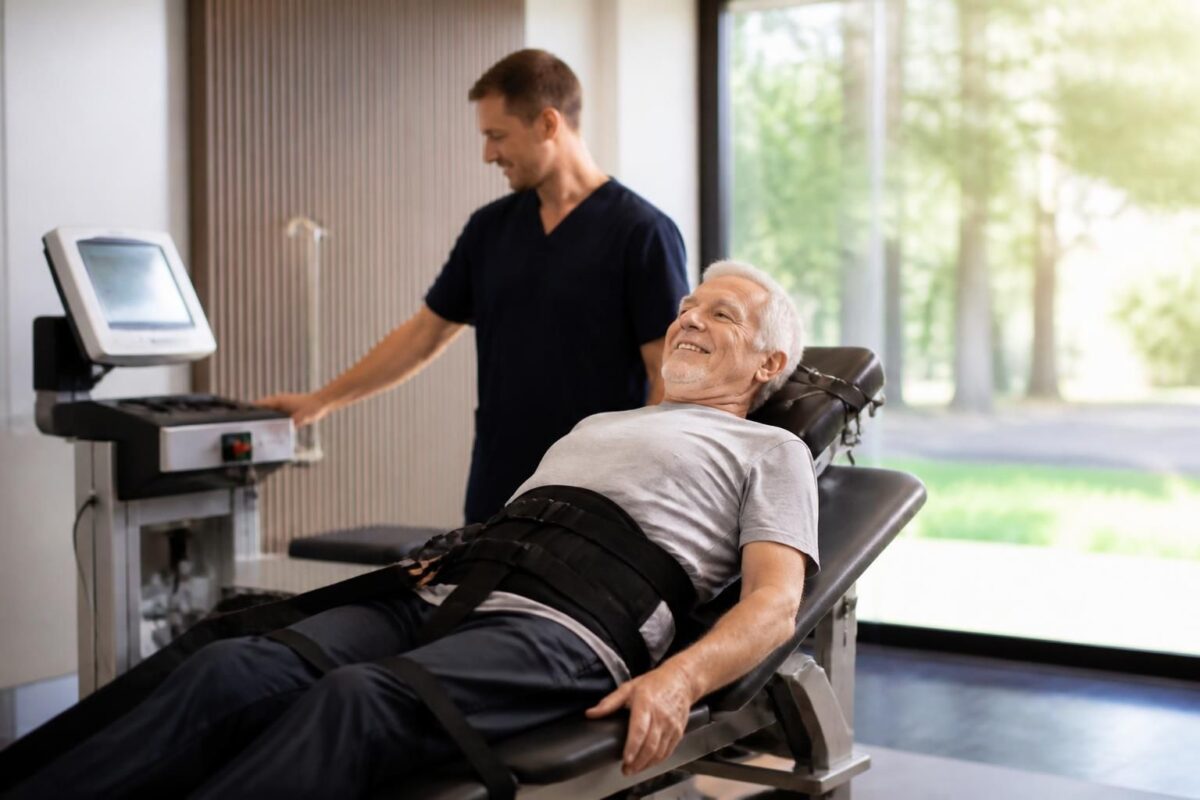
Why neurovertebral decompression is a lasting solution for active seniors
In short In short, the neurovertebral decompression is one Non-invasive therapy which sustainably relieves spinal pain in the spine active seniors By creating, by a Soft and controlled traction, a space between the vertebrae. At Montreal, it is recognized as…
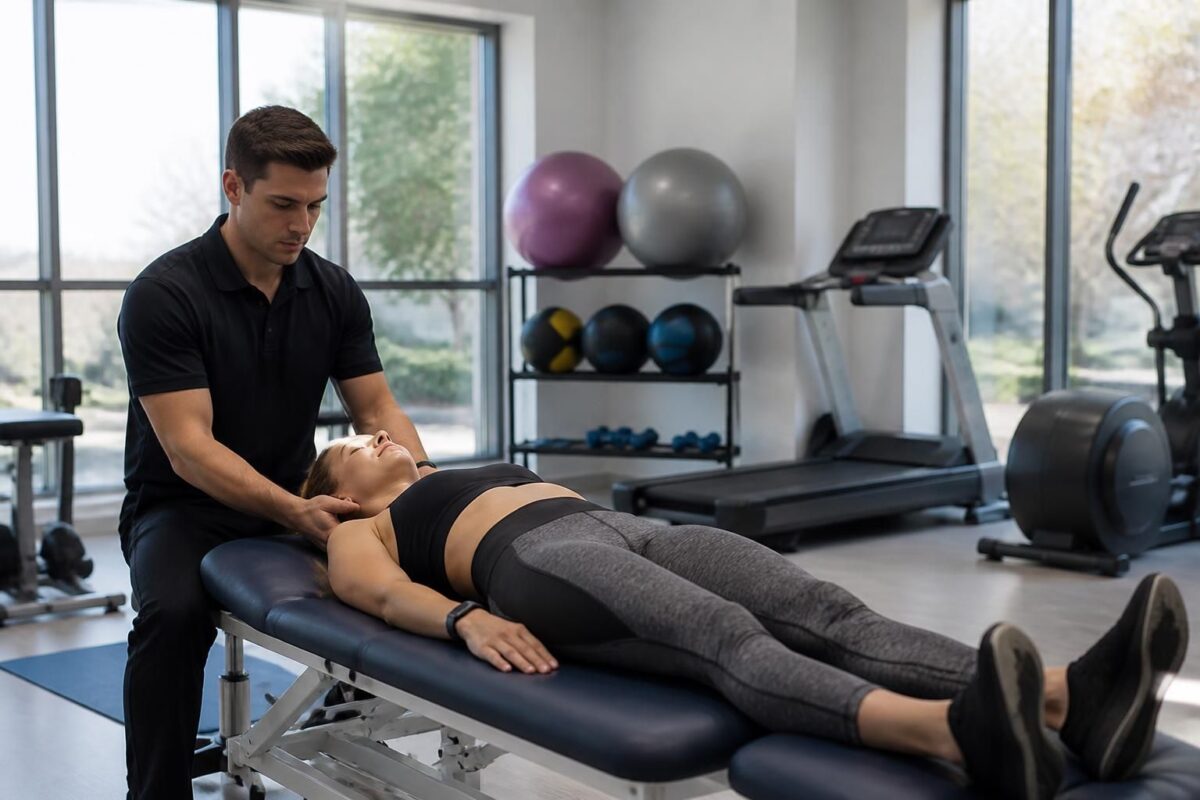
Neurovertebral decompression and recovery after severe sports injury
In short In short, the neurovertebral decompression is one Non-invasive method to Relieve the pressure on the Intervertebral discs and the gristle Via a Controlled traction, to facilitate the recovery After a severe sports injury. It improves the bloodstream towards…
Factors that promote quick results
Protocol and customization
rapid success is based on a Precise diagnosis, protocols custom and appropriate follow-up. Adjusting the number and frequency of sessions based on the patient’s response is key to maximizing gains in a short time.
Controlled traction and adapted equipment
The use of a Controlled traction and advanced equipment allows for a space between the vertebrae and a targeted reduction in pressure on discs and nerves, while remaining non-invasive and tolerated by the majority of patients.
Membership and lifestyle
The speed of results is enhanced by theProtocol adherence and with additional advice on hydration, physical activity and postural habits. These elements support a Sustainable recovery and limit relapses.
| Indicator | swift result |
|---|---|
| Overall pain | 71% of patients report significant improvement after several sessions |
| Sciatica | 71% get a noticeable reduction in pain |
| back pain | improvement of symptoms in 70-90% patients |
| Facet osteoarthritis | Until 75% improvement deemed good to excellent |
| Mobility | Significant improvement in mobility and return to activities |
| Quality of life | Overall wellness and functionality improvement |
| Surgery prevention | Reduction in the use of surgery in some cases |
| Tolerance and invasiveness | Procedure non-invasive and generally well tolerated |
| Reduction of radicular pain | Decreased pain related to the nerves and sciatica |
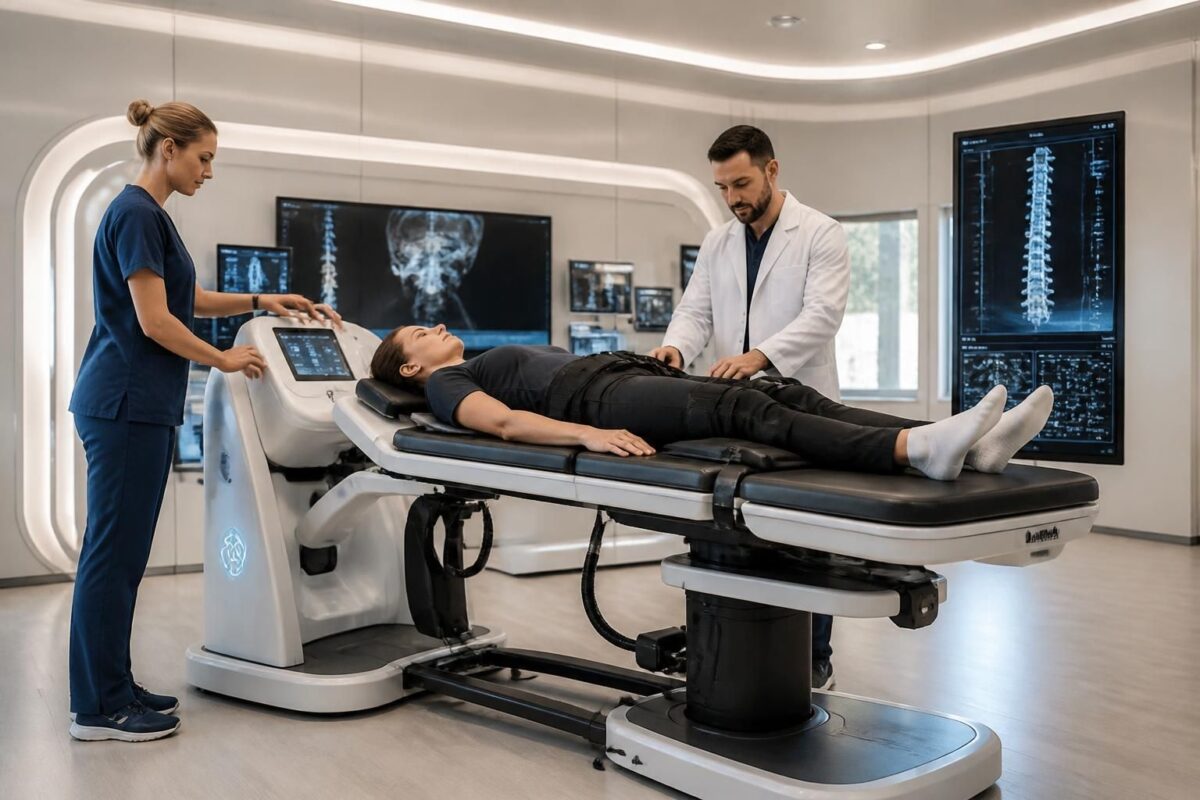
Recent innovations in neurovertebral decompression technologies
In short In short, the neurovertebral decompression is an approach non-invasive Aiming to reduce pressure on discs and nerves, and promote tissue regeneration. At Montreal, it is positioned as an effective option for lower back pain and herniated discs. The…
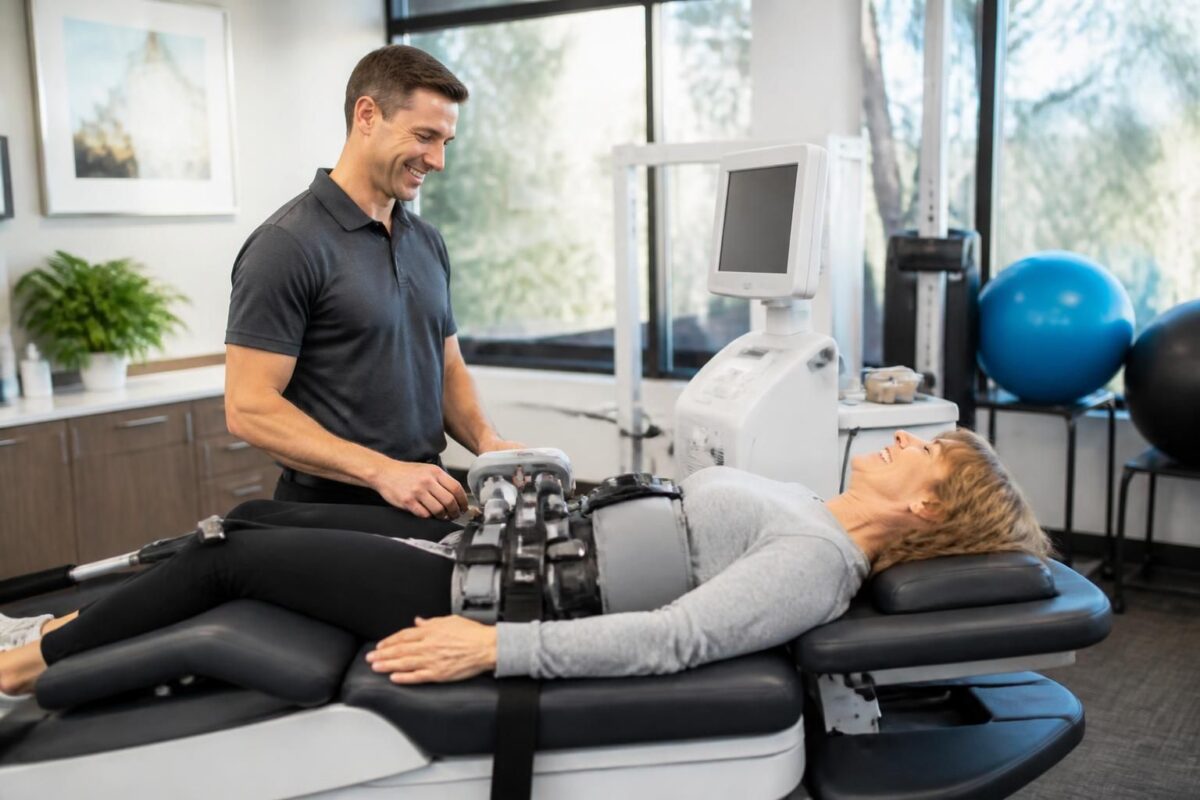
Neurovertebral decompression and diffuse pain: an appropriate solution
In short In short, the neurovertebral decompression is one Non-invasive solution For diffuse pain related to nerve irritation of the spine. She acts in Reducing pressure on intervertebral discs and nerves and improving the bloodstream, which promotes recovery and the…
Quick results thanks to neurovertebral decompression
“After only 2 to 3 sessions of neurovertebral decompression, my back pain has greatly decreased and my mobility improved in a few days. This is a real revolution for my daily routine. »
“my sciatica had been insoluble for months. In a few weeks, I felt a Root pain reduction and one Gradual return to my activities favorites. »
“As an athlete, I was afraid of losing my competitiveness. After the program, I saw a Rapid mobility improvement and an Quick resumption of training without pain. »
“A middle-aged patient testifies to a Chronic lumbar pain reduced, from one Improved quality of life, and of Short sessions which fit easily into my schedule. »
“I had considered surgery; After a few sessions, I saw a Significant improvement from the first sessions And I was able to avoid the intervention. »
“The protocol is non-invasive and the relief is immediate After each session, with a Back to normal activities faster than expected. »
Dr. Sylvain Desforges is a expert in osteopathy, naturopathy and manual medicine, and he holds the position of founding president of the TagMed clinics and the ACMA association. His career is dedicated to health innovation, with an approach centered on the management of Chronic pain and the integration of advanced technologies, including neurovertebral decompression. Its priority is to provide care evidence-based to optimize the health and well-being of its patients. In his practice, the neurovertebral decompression proves to be an effective way to achieve quick and lasting results.
The neurovertebral decompression is a non-invasive technique based on controlled traction in order to reduce the pressure exerted on the intervertebral discs and nerve roots. This approach aims to restore the space between the vertebrae, to release tensions and to promote the regeneration of the vertebral structures. Early effects observed in many patients include rapid pain reduction and significant improvement in mobility, often noticeable after a few sessions and noticeable in a consistent several-week program.
Clinical data shows quick and encouraging results in various indications related to the back and neck. For example, about 71% Patients report significant improvement after several sessions, signaling a marked decrease in symptoms and better tolerance of movement. In people with facet osteoarthritis, the results are particularly convincing, with nearly 75% Patients describing improvements ranging from “good” to “excellent”. These figures illustrate the ability of decompression to rapidly modify painful and functional dynamics, especially when the treatment is personalized and accompanied by appropriate follow-up.
Beyond the pain, the neurovertebral decompression Promotes renewed mobility and a quick return to normal daily activities. Patients often report improved quality of life, increased ability to perform simple gestures and better participation in their sporting or professional routine. For athletes and active people, specific protocols allow a gradual but effective recovery of activities, while preventing relapses and supporting tissue recovery.
The use of associated technologies and advanced protocols enhances the results. The techniques used allow a gentle and appropriate traction, with particular attention paid to the safety and comfort of the patient. Immediate benefit may include a pain reduction and a feeling of well-being, while the medium-term gains concern the mobility and the vertebral function. The approach favors a personalized evaluation, an adapted number of sessions and regular monitoring in order to optimize the achievements and limit the risks of recurrence.
For patients wishing to learn more about the approach and services offered, TagMed clinics remain available to discuss options in neurovertebral decompression and their potential health and wellness benefits. Thus, the objective remains clear: to offer a solution non-invasive, fast and efficient to find an active and serene life.
This section presents a summary focused on the Quick results observed with neurovertebral decompression, highlighting near-immediate pain relief, improved mobility and active return to daily life. Clinical data and patient feedback indicate positive and rapid dynamics, with benefits that manifest from the first sessions and strengthen over treatment.
The Quick results Obtained through neurovertebral decompression are measured in several key clinical dimensions. First, a rapid pain reduction is frequently reported by patients, with significant improvements after the first sessions and a continuous decrease in pain during protocols. In a large proportion of cases, approximately 71% Patients report a significant improvement in their health after several sessions, which reflects tangible and early efficacy. In addition, the data highlights a Improving mobility and an quality of life found, with positive results in daily and sports activities.
In terms of targeted conditions, the figures illustrate robust effectiveness in various situations. For patients with sciatica and low back pain, feedback indicates significant levels of improvement after treatment. Facet osteoarthritis also responds favorably to neurovertebral decompression, with satisfaction and improvement rates up to 75% in some reports. Recent clinical studies reportConsiderable improvements In a large number of patients, and in several cases, improvements range from “good” to “excellent”. These results support the hypothesis of pain reduction associated with better mobility and resumption of activities, including after chronic or degenerative conditions.
Regained mobility and the return to an active life are another crucial dimension of rapid results. Patients describe an increased ability to perform daily activities and improved physical performance after the sessions, with feedback that highlights a quick and lasting recovery. As part of the follow-up, high levels of satisfaction were observed, with rates around 80% during periods of control and follow-up in the medium term. This dynamic is supported by the technological advances used during the sessions, which allow precise and controlled traction, while remaining non-invasive.
Protocol and monitoring play a key role in quick and lasting results. protocols custom Consider the individual condition of each patient, which promotes quick gains and effective recovery. The safety and tolerance of the treatment remain at the heart of the approach, with sessions typically designed to limit discomfort and optimize patient comfort during decompression. The use of advanced technologies and complementary modalities, when necessary, contributes to accelerating profits and fostering Sustainable reduction of symptoms.
To deepen the evidence and quick results, you can consult specialized resources that describe the mechanisms, protocols and results observed in different populations and conditions, including articles and analyzes available through the following links:
Quick results obtained thanks to neurovertebral decompression,
Neurovertebral decompression and mobility,
Clinical studies and benefits,
Long-term benefits
In summary, the rapid results of neurovertebral decompression are manifested by early reduction in pain symptoms, marked improvement in mobility and better quality of life, with high tolerance and appropriate protocols that optimize the chances of success and sustainability of the benefits.

Dr Sylvain Desforges, B.Sc., D.O., N.D., osteopath, is the founding president of TAGMED and of the ACMA association. He dedicates his practice to chronic spinal pain, low back pain and symptoms compatible with sciatica, particularly when pain radiates toward the buttock, leg, calf, foot or toes.
Through SOS Sciatique, he publishes educational content on sciatica symptoms, possible causes such as disc herniation, disc narrowing, foraminal stenosis or irritation of a lumbar nerve root, as well as non-surgical approaches that may be considered according to the evaluation. At Clinique TAGMED, care may include, depending on the case, motorized neurovertebral decompression, specific osteopathic care or precision percussion.
For an evaluation related to sciatica treatment in Montreal / Mount Royal or sciatica treatment in Terrebonne, please consult the services available at Clinique TAGMED.
Medical disclaimer
The information published on SOS Sciatique is provided for educational purposes only and does not replace a consultation, diagnosis, opinion or treatment provided by a physician or another authorized healthcare professional. The author of this article is neither a medical doctor nor a specialist in a medical specialty recognized by the Collège des médecins du Québec. The osteopathic, manual medicine or functional support approaches described on this site do not constitute medical acts and are not intended to replace medical follow-up.
Consult a physician or emergency service in cases of loss of bladder or bowel control, anesthesia in the saddle area, significant or progressive weakness in the leg or foot, fever, recent trauma, severe pain or rapid worsening of symptoms. For more details, please read our Legal Notice.