Custom protocols to maximize neurovertebral decompression results
26/06/2026
Rare pathologies treated with neurovertebral decompression
26/06/2026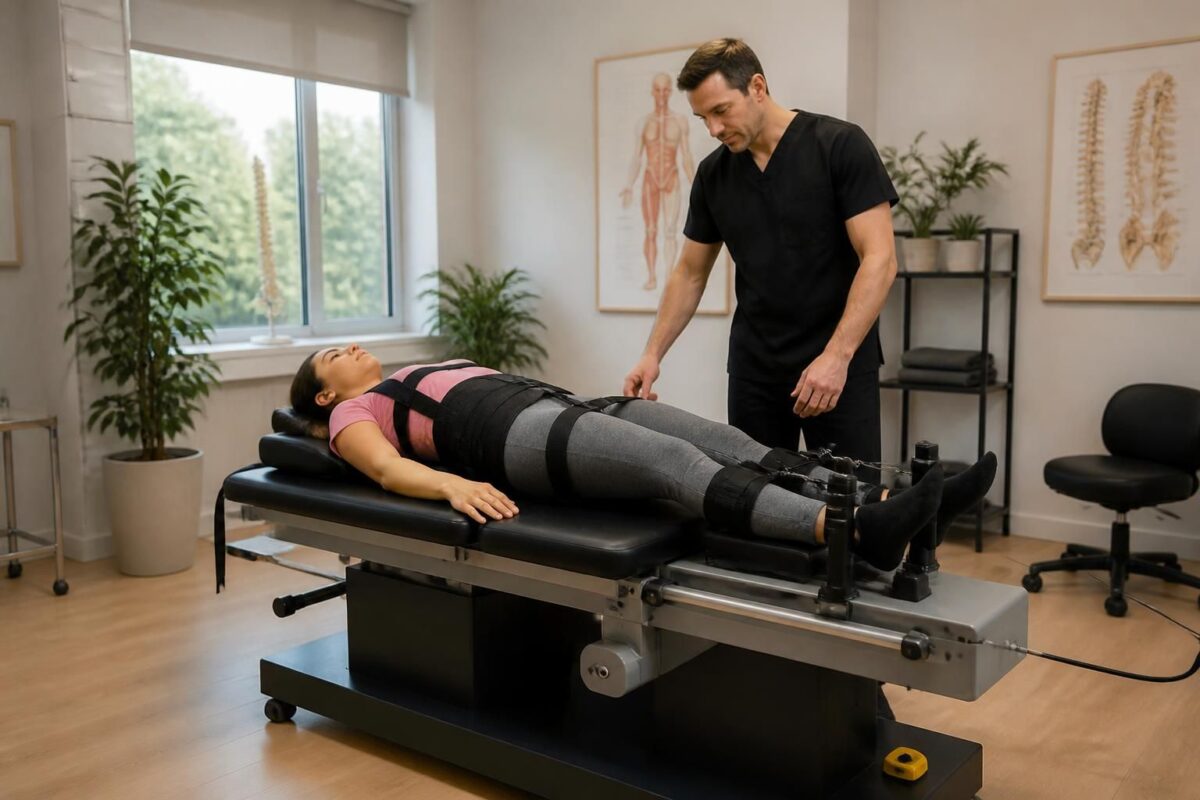
In short |
| In short, neurovertebral decompression is an approach non-invasive which expands theintervertebral space to reduce nerve pressure and the Intervertebral discs, enhancing the vertebral function and the mobility. Accessible in Paris, it offers results progressive without surgery, thanks to a better bloodstream and better spinal alignment. |
The neurovertebral decompression is an approach non-invasive which improves the vertebral function by a Controlled traction applied to the spine. This traction creates a Space between the vertebrae, decreasing the Pressure on spinal nerves and intervertebral discs, which facilitates the circulation of nutrients and the Disk regeneration. Result: a Better mobility, a best posture and one Lasting pain relief, with increasing profits as processing progresses. This therapy can fit into a Global care program to optimize recovery and well-being.
Neurovertebral decompression is a non-invasive approach that aims to improve the vertebral function By increasing the space between the vertebrae and reducing the pressure exerted on the nerves and discs. This article presents the mechanisms, indications and benefits, while describing what to expect during TagMed clinical treatment.
What is neurovertebral decompression?
Neurovertebral decompression uses controlled traction to stretch the spine. This action creates a space between the vertebrae and can reduce the pressure on the spinal nerves and on the intervertebral discs. The goal is to improve the circulation of nutrients and promote tissue recovery.
This therapy is non-surgical and does not involve drugs. It is offered in specialized clinics and can be associated with other care approaches, depending on the patient’s needs.
how this acts on the spine
The gentle stretching movement gradually repositions the elements of the column. It can promote segment mobility and support more natural alignment. This action helps to reduce pain linked to nerve pressure and promote better spinal function on a daily basis.
Benefits for spinal function
Improved intervertebral space, which helps reduce the pressure on nerves and discs. This pressure reduction can result in better mobility and decreased chronic discomfort. Regular sessions can support more stable alignment and better general spinal function.
Therapy can also promote more effective blood circulation around the spinal segments, facilitating nutrient intake and tissue repair, without resorting to invasive interventions.
Indications and conditions treated
Neurovertebral decompression is indicated for vertebral imbalances and symptoms associated with nerve pressure. It can be considered in the presence of herniated discs, disc protrusions, disc bulges, foraminal or spinal stenosis, and disc degeneration when these factors affect mobility and pain. The doctor evaluates each case to determine the adequacy of the treatment.
Processing and safety process
Before the start, an assessment is carried out by a health professional. This assessment helps to verify the patient’s ability to treat.
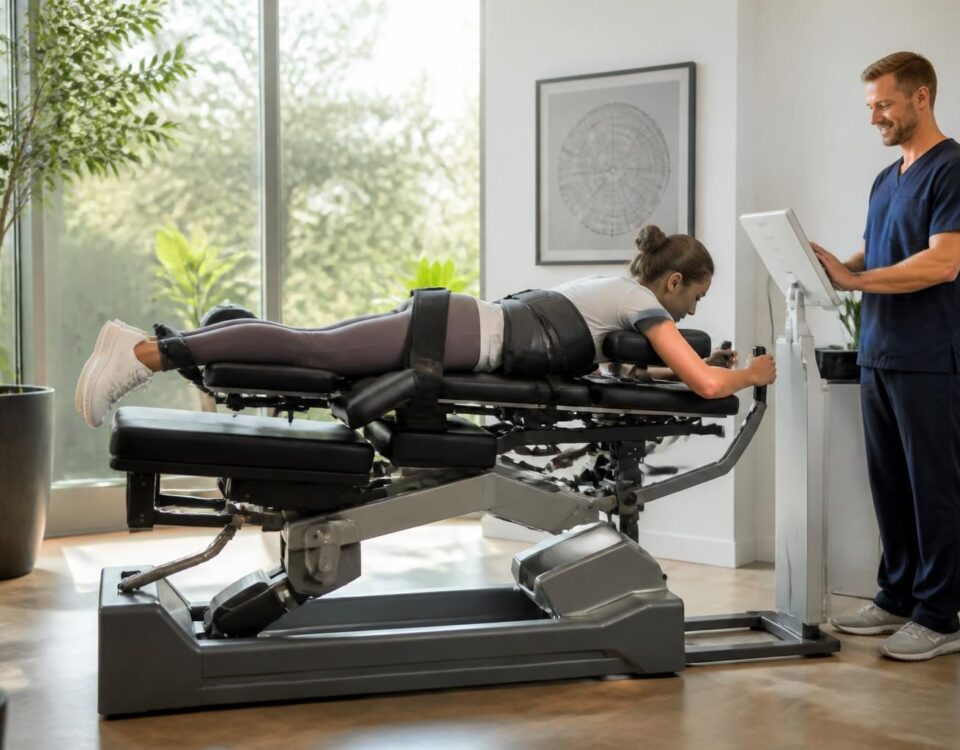
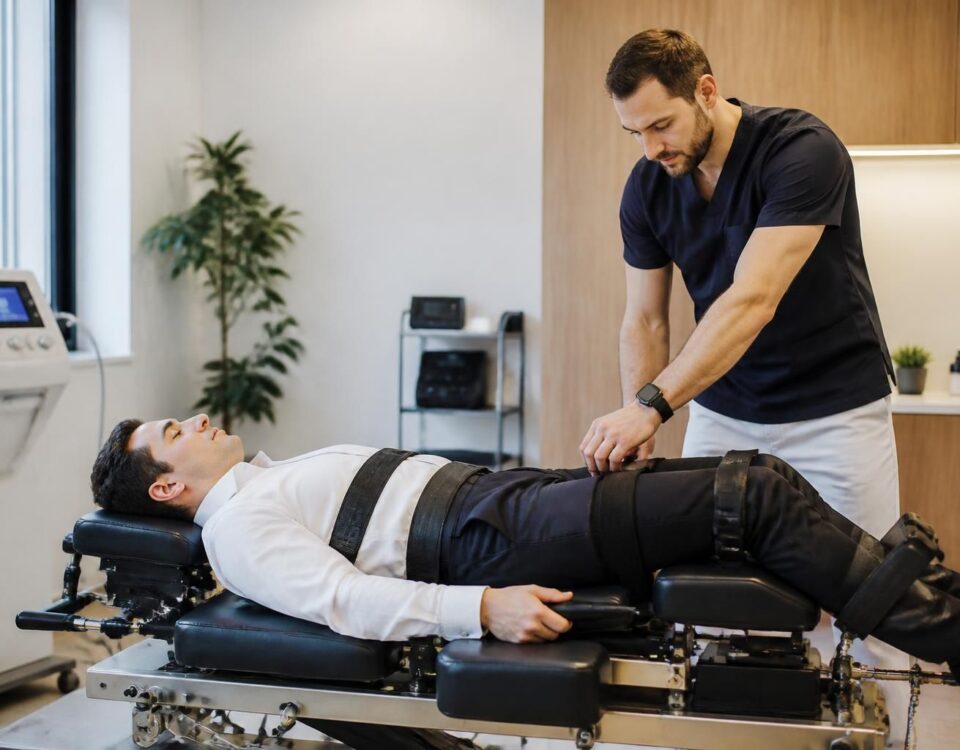
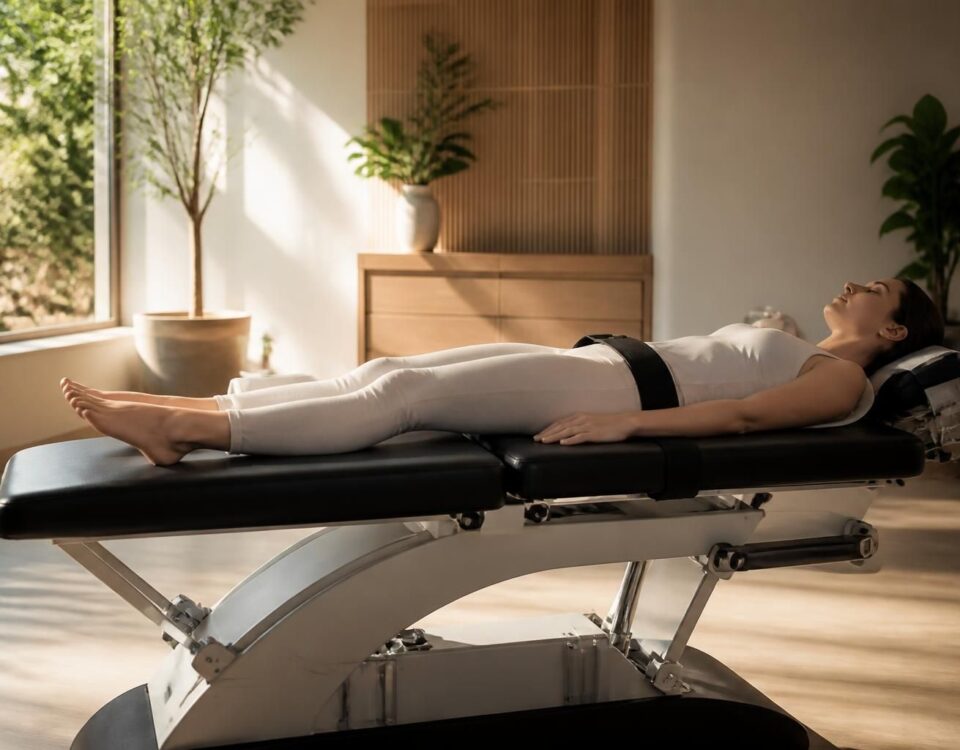
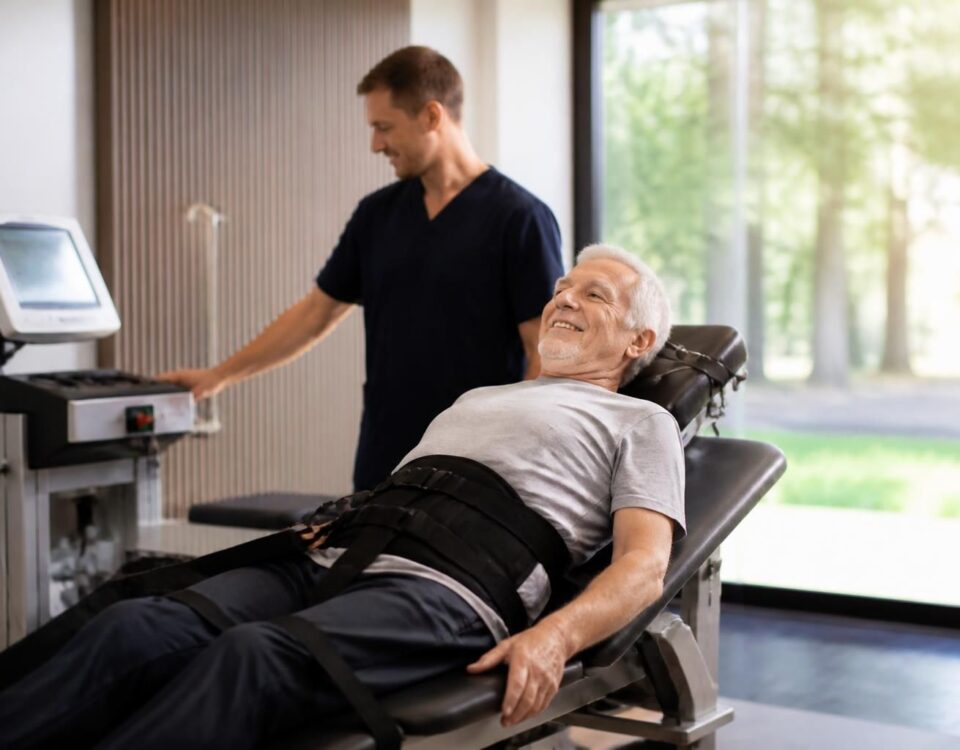
During a session, the patient is installed on a suitable traction table. The practitioner adjusts the parameters to aim for a progressive and safe stretch. The typical duration of a session is between 30 and 45 minutes, depending on the treatment plan.
The treatment is designed to be comfortable and relaxing. Some patients feel a slight stretch, but the pain is not expected during the sessions. The results vary and the improvement may gradually appear with the continuity of the plan.
What to expect during the care journey
A personalized treatment plan is established after the initial assessment. The number of sessions and their frequency depends on the patient’s condition and response to treatment. A follow-up allows you to adjust the protocol and preserve the long-term benefits.
Information on the results obtained and available options can be discussed with your practitioner during the consultations. In our TagMed clinic, these exchanges aim to offer you clear and appropriate care.
Safety and precautions
It is essential to consult a healthcare professional to determine eligibility for treatment. Certain conditions, such as fractures or more severe conditions, can contraindicate neurovertebral decompression.
Carefully follow the specialist’s recommendations and inform them of any inconvenience or adverse effects during treatment. This approach guarantees security and optimal results.
Other important points
Neurovertebral decompression can act in addition to other treatment modalities. At TagMed, we favor an integrated approach, combining manual therapies and support measures adapted to each patient.
For people wishing to deepen the subject, additional resources and information on the benefits and mechanisms of neurovertebral decompression are available at the following partner sites:
Physical and psychological benefits of neurovertebral decompression
Advanced neurovertebral decompression protocols
Associated traction and decompression
For information specific to the intervention and clinical outcomes, you can consult the following resources: Neurovertebral decompression and recurrent disc hernias, Decompression and associated technology
Would you like to know more about the options available in a specialized clinic? visit Tagmed Clinic For information on the treatments offered in Montreal and Terrebonne.
Useful links : Pain Science Society, Details of benefits
Medical Disclaimer: The information and advice provided on this site does not replace the health professional’s diagnosis or treatment. Please note that Dr. Sylvain Desforges osteopath is neither a doctor of medicine nor a doctor, and is not a specialist in a medical specialty as defined by the Collège des Médecins du Québec. Manual medicine, functional medicine and sports medicine as described on this site exclude any medical treatment or diagnosis made by a doctor or specialist doctor. Always consult your doctor for any medical questions. For more details, please read our full legal notice.
Mechanisms component
- Controlled traction On the column, creation of an intervertebral space.
- pressure reduction On nerves and discs.
- realignment Damaged discs to promote the reopening of spaces.
- traffic improvement local blood to the discs.
- Muscle relaxation and improved musculoskeletal balance.
Results pane
- Painful relief lumbar and root.
- Increased mobility and better range of motion.
- Improved posture and vertebral alignment.
- gradual recovery and facilitated rehabilitation.
- General well-being and improved quality of life.
- Non-invasive option And without drugs or surgery.

Neurovertebral decompression is a non-invasive approach that aims to reduce the pressure exerted on the nerves and intervertebral discs by controlled traction of the spine. By creating a slightly enlarged space between the vertebrae, it promotes blood circulation, helps nourish the discs and can improve mobility, while helping to reduce lower back and cervical pain. This article offers clear recommendations for optimizing the spinal function thanks to this technique and for promoting lasting well-being.
Understand the principles and objectives
Neurovertebral decompression acts by a gentle and measured traction which aims to Reduce pressure on spinal nerves and on intervertebral discs. This space effect releases the nervous paths and allows Tissue regeneration local by facilitating nutrient intake. In the long term, this can improve the mobility, promote a vertebral alignment more natural and contribute to a better posture. This is a targeted, non-surgical approach, which ideally fits into a global care program.
Potential results include a decrease in pain related to spinal imbalances, an improvement in the trunk operation and a reduction in muscle tension that can magnify the Chronic pain. To take full advantage of this therapy, it is essential to interact with a health professional to confirm the suitability of the treatment and to establish a personalized plan.
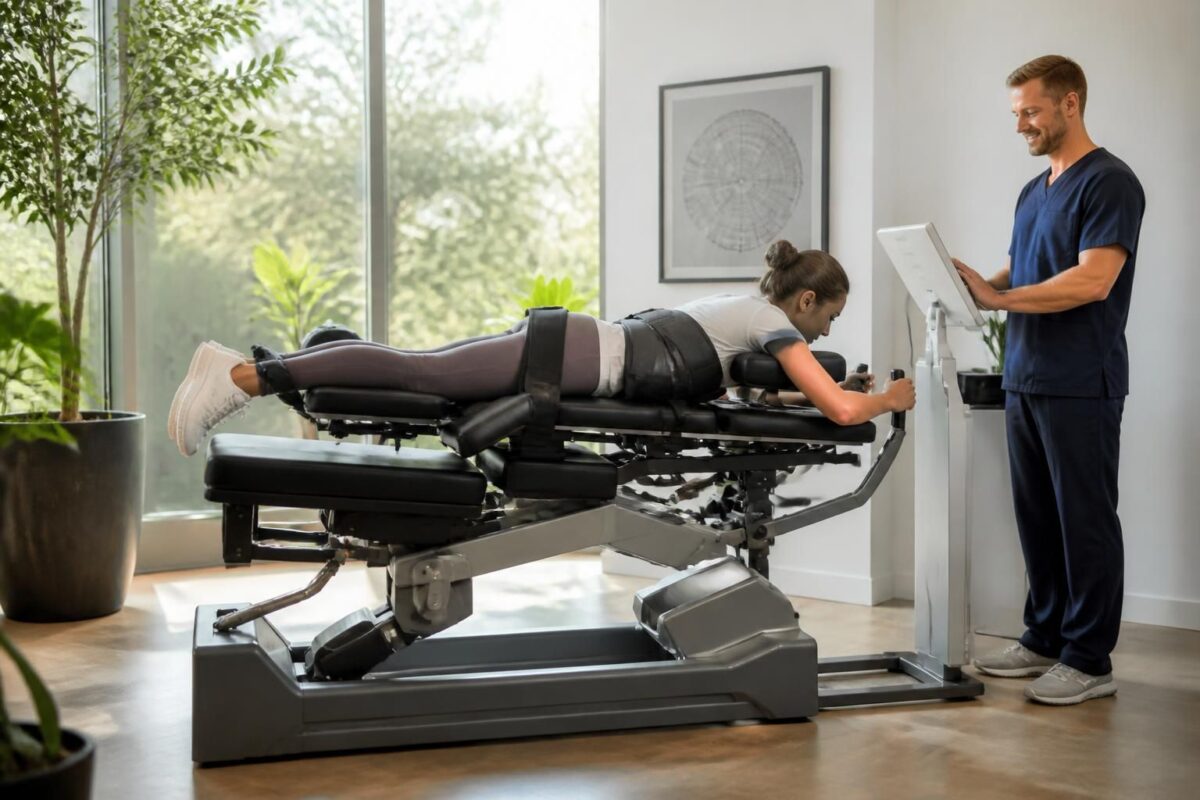
The long-term benefits of neurovertebral decompression for spinal health
In short In short, the neurovertebral decompression is a non-invasive approach that decreases the Pressure on intervertebral discs and nerves, favoring the Natural regeneration and tissue recovery. Its long-term benefits include Lasting pain reduction, Improving mobility and from the posture,…

Neurovertebral decompression and mobility: a return to an active life
In short In short, the neurovertebral decompression is therapy non-invasive who uses a gentle traction To create a space between the vertebrae and reduce the pressure on the Intervertebral discs and the nerves. It promotes a bloodstream improved, lowers tension…
Practical recommendations to optimize spinal function
Applicant Evaluation and Selection: Before you start, a full assessment will check that the decompression is right for your condition. Contraindications exist and require adaptation or a therapeutic alternative. Safety must remain the priority and the decision must be made with a qualified practitioner.
Treatment plan and adhesion: Follow the recommended plan, with a frequency and duration adapted to your problem. Constancy is key: the benefits are reinforced with a regular and progressive commitment to the treatment.
Integration with exercises and trunk reinforcement: Associating specific exercises of stability and strengthening of the trunk Allows you to sustainably support the space created by decompression and improve muscle balance around the spine.
posture and ergonomics on a daily basis: adopt a Neutral posture At work and at home, favoring positions that reduce the constraints on the column, and organizing the workspace to promote an aligned column, greatly contributes to the effectiveness of the treatment.
Lifestyle and sleep: Focus on a balanced diet, appropriate hydration and restful sleep support disc health and general recovery. Healthy lifestyle habits reinforce the beneficial effects of decompression and reduce the risk of relapse.
Surveillance and safety: Stay alert to any new pain or persistence after the sessions and promptly inform your healthcare professional. Appropriate monitoring is used to adjust the plan and prevent adverse effects.
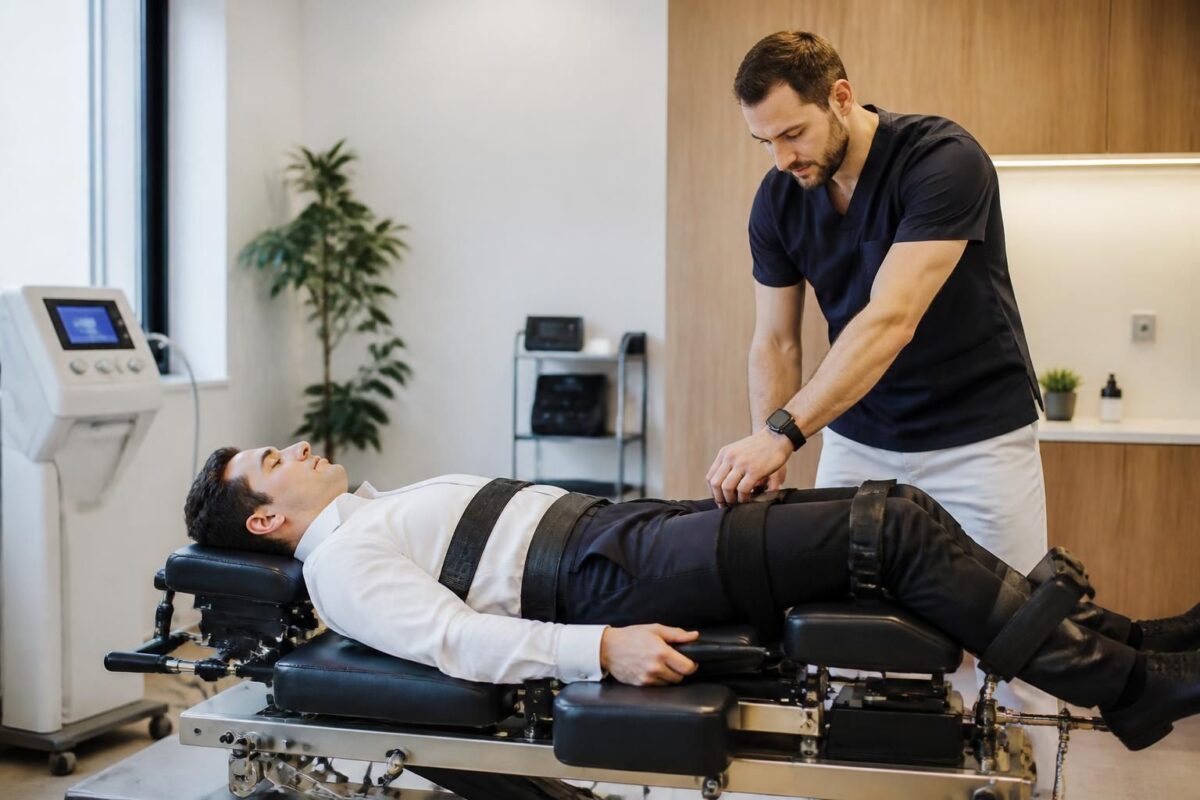
How Neurovertebral Decompression Prevents Diffuse Chronic Pain
In short decompression neurovertebral is one Non-invasive method aimed at reducing the Pressure on the intervertebral discs and the nerves, in order to prevent Diffuse chronic pain. It improves the circulation and thedisc hydration, decreases inflammation and promotes better mobility.…
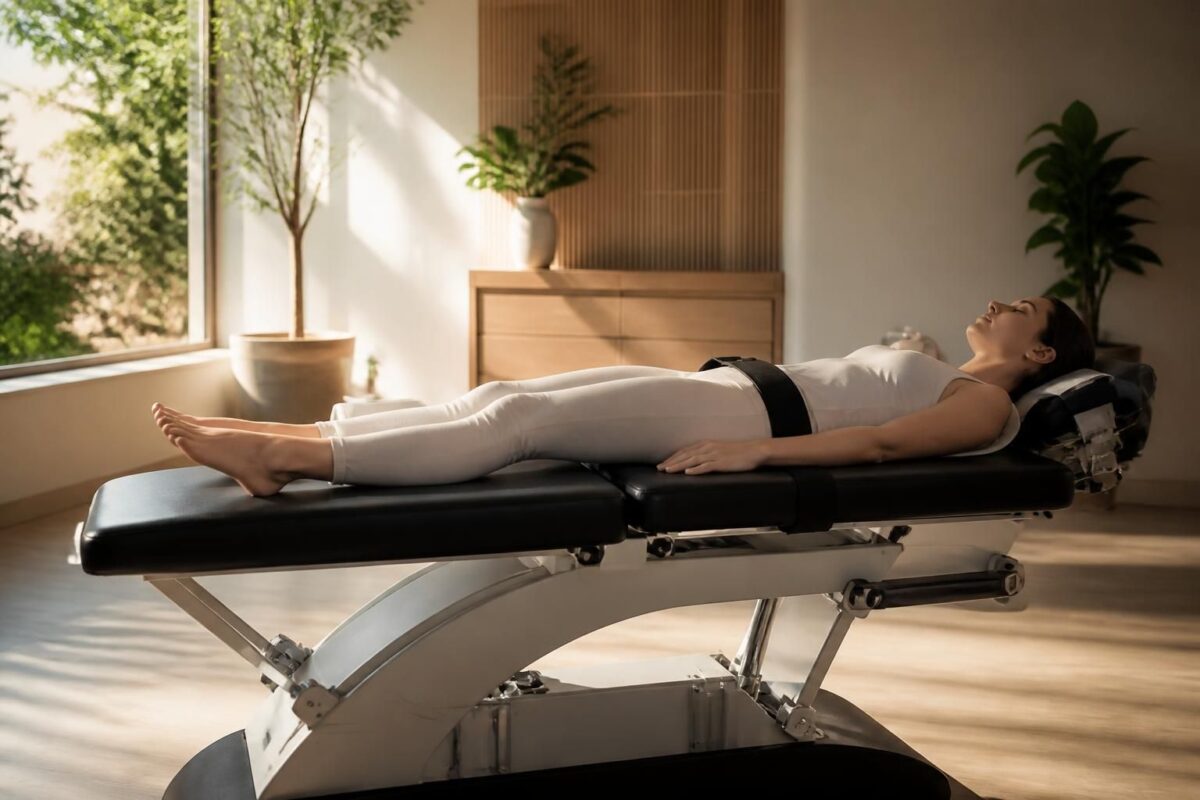
Neurovertebral Decompression and Body Alignment: Restoring Natural Balance
In short In short, neurovertebral decompression is one Non-invasive approach who restores theBody Alignment and thenatural balance back and neck. She acts by a Controlled traction of the spine to widen the intervertebral space and reduce the Pressure on discs…
What to expect during a program
During the first sessions, it is common to feel a feeling of stretching or slight improvements, but the most significant results usually appear after a set of coordinated sessions. Expect a gradual progression of mobility and a decrease in pain over time, provided you follow the personalized plan faithfully and incorporate the recommendations into your daily life.
In addition, neurovertebral decompression can be associated with other manual approaches and pain prevention strategies to optimize spinal well-being. The objective is to allow sustainable rehabilitation, a better quality of life and a more comfortable and sustainable physical activity.
| axes | Concise description |
|---|---|
| Clinical indications | Option non-surgical suitable when nervous compression or vertebral imbalances limit mobility. |
| Key mechanism | Controlled traction who creates theintervertebral space and reduces the Pressure on nerves and discs. |
| Functional objective | reduction of the pain and improvement of mobility and theamplitude. |
| Impact on discs and nerves | reduction of the pressure on the records and the gristle; top Circulation of nutrients. |
| Security and tolerance | procedure generally safe and non-invasive; need Prior medical assessment. |
| Duration and plan | Typical sessions of 30–45 minutes; blueprint personalized depending on the state. |
| Posture Effects | Improvement of thealignment vertebral and reduction of Muscle tensions. |
| contraindications | fractures, tumors, Advanced osteoporosis; necessary balance sheet. |
| overall profit | Profit Durable functional: Comfort and daily activity easier. |
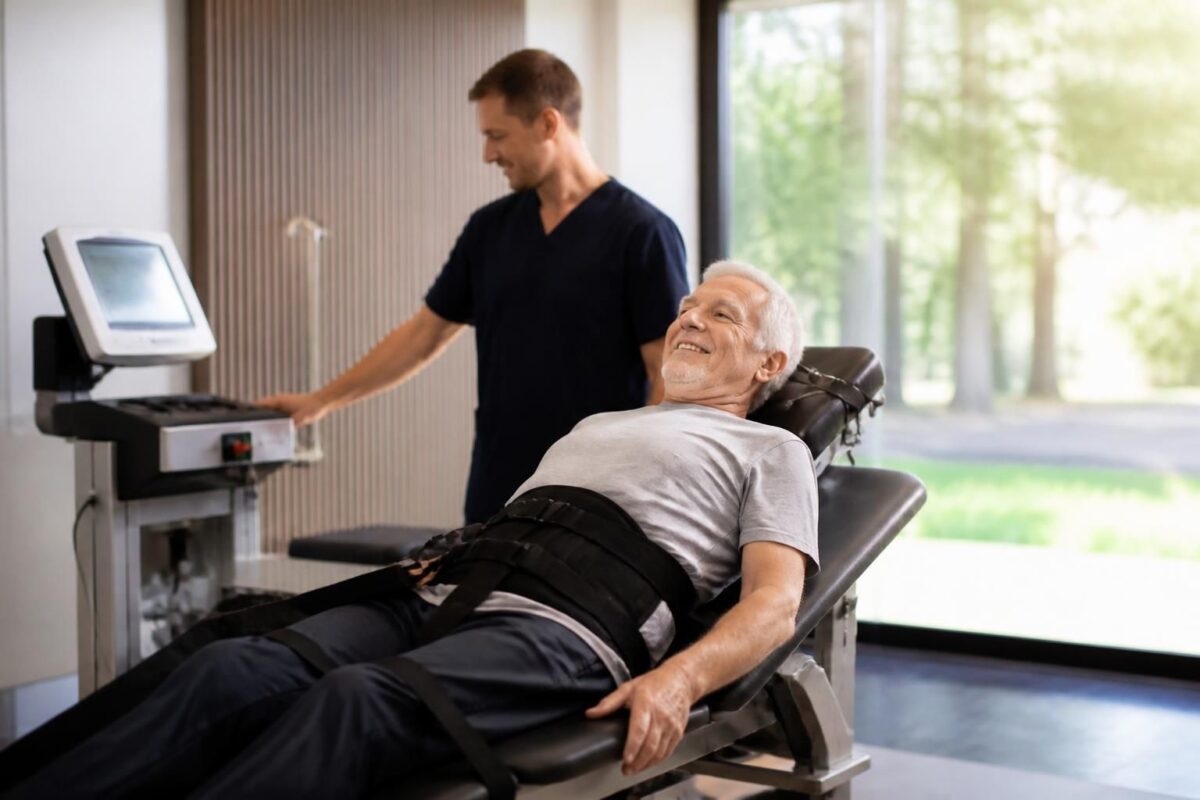
Why neurovertebral decompression is a lasting solution for active seniors
In short In short, the neurovertebral decompression is one Non-invasive therapy which sustainably relieves spinal pain in the spine active seniors By creating, by a Soft and controlled traction, a space between the vertebrae. At Montreal, it is recognized as…
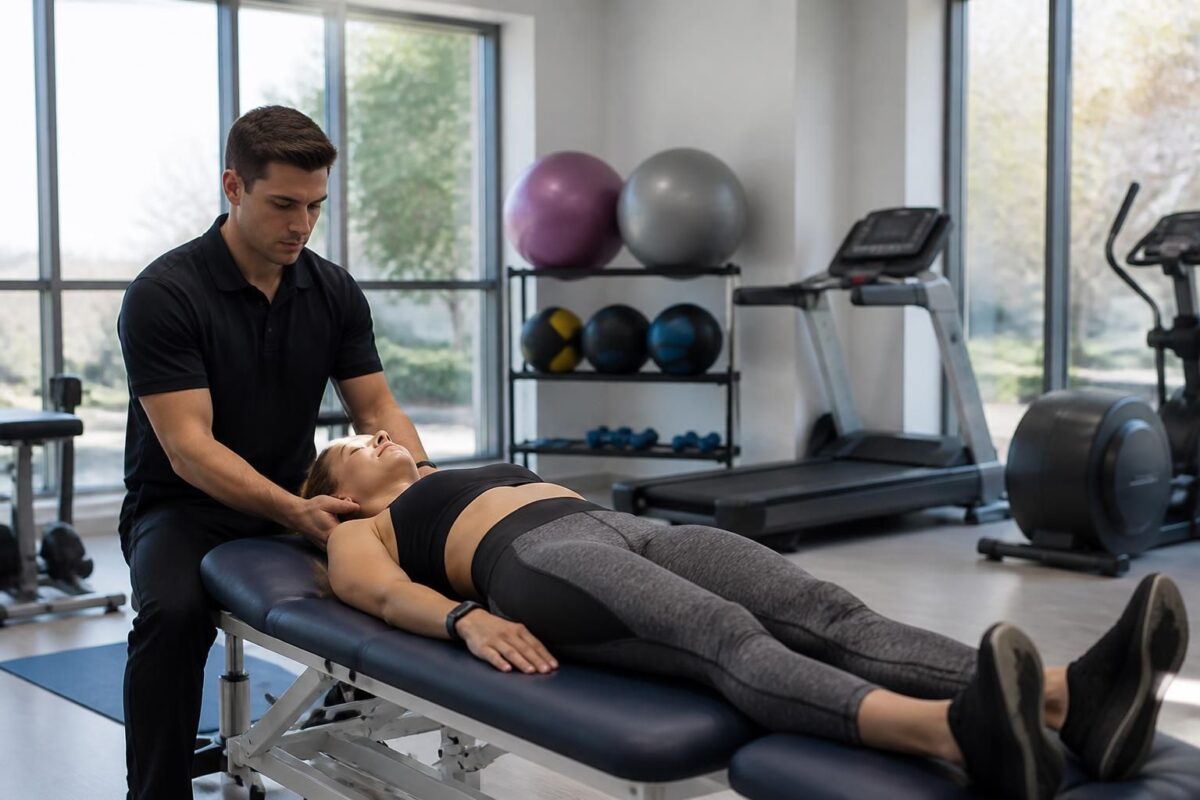
Neurovertebral decompression and recovery after severe sports injury
In short In short, the neurovertebral decompression is one Non-invasive method to Relieve the pressure on the Intervertebral discs and the gristle Via a Controlled traction, to facilitate the recovery After a severe sports injury. It improves the bloodstream towards…
Testimonials on neurovertebral decompression and improved vertebral function
Marie, 38: “After several sessions of neurovertebral decompression, I found a Improved spinal function and a marked decrease in pain. My mobility improved and my posture gradually replaced, allowing me to resume my daily activities without embarrassment. »
Antoine, 45 years old: “The effect on my Intervertebral discs and on the Spinal nerves was real. The pain decreased and my mobility improved, which allowed me to resume my sports activities thanks to the neurovertebral decompression. »
Élodie, 29: “As a professional sitting in front of a computer, I felt a Reduction of voltage in the column, a best posture and an Energy regained After the sessions of neurovertebral decompression. »
Jean, 60 years old: “After years of lower back pain, the neurovertebral decompression offered me a Sustainable improvement in mobility and an pain reduction which allowed me to resume gardening and outdoor activities. »
Sophie, 52: “I avoided surgery thanks to this therapy. the results on my vertebral function and my posture were positive and inflammation decreased. »
Lucas, 34: “As an athlete, the neurovertebral decompression helped me find a Optimal mobility and an performance improvement Without the usual pains related to my spinal imbalances. »
Dr. Sylvain Desforges is a practitioner whose expertise extends fromosteopathy to naturopathy and manual medicine. He is the founding president of the TagMed clinics and the ACMA association, and his career is largely dedicated to health innovation. His work focuses on chronic pain management and the integration of advanced technologies to optimize spinal function and patient well-being. His approach is based on scientific evidence and patient-centered care, in order to propose concrete and effective solutions.
The neurovertebral decompression Represents a key non-surgical option in its therapeutic range. By promoting controlled and progressive traction of the spine, this method aims to restore the intervertebral space, which makes it possible to attenuate the pressure exerted on the spinal nerves and discs. Result: better circulation of nutrients, reduced inflammation and stimulation of the body’s natural ability to repair itself. This approach can lead to significant improvement in mobility and decreased pain associated with spinal imbalances.
In his practice, Dr. Desforges associates neurovertebral decompression with other manual modalities and technological indications. It focuses on a Custom integration Treatments, adapted to the profile of each patient, in order to optimize the spinal function and to restore a lasting anatomical alignment. This synergy between gentle techniques and modern tools makes it possible not only to address the painful symptoms, but also to target the underlying structural causes and improve the overall posture.
Dr. Desforges’ work is distinguished by its commitment to a data-based practice and continuous evaluation of results. It focuses on individualized care plans, regular follow-ups and clear communication with patients to measure progress in pain, mobility and quality of life. This approach aims to offer lasting benefits while minimizing the risks, while remaining attentive to all the physical and functional needs of each one.
At the heart of its leadership, the goal is to make a safe, effective and non-invasive approach accessible to dealing with complex spinal imbalances and improving column function. By promoting a better understanding of the column mechanisms and appropriate interventions, it aspires to enable its patients to regain more fluid physical activity and lasting general well-being. To discover its approach and the services available, it is possible to consult the resources of Clinique TagMed.
This text clearly and concisely presents the principles of the neurovertebral decompression and its impact on Improved spinal function. In non-invasive practice, this approach aims to free up the space between the vertebrae, to reduce the pressure on the intervertebral discs and nerves, and to promote tissue regeneration while improving mobility and posture on a daily basis.
The neurovertebral decompression Mainly acts by increasing the intervertebral space and reducing the pressure exerted on the nerves and discs. In practice, this results in a decrease in painful symptoms and better ability to move, which directly contributes to a Improved spinal function over the sessions. For a general understanding of the mechanisms, you can consult reference resources such as the Wikipedia page dedicated to neurovertebral decompression and specialized analyzes on the effects on back and neck pain.
This approach promotes bloodstream improved around intervertebral discs and surrounding tissues. Better vascularization supports disc nutrition and contributes to tissue regeneration, which can accelerate post-traumatic recovery or after age-related wear. Specialized resources also highlight how this increase in nutrients sustainably supports the vertebral function and the free mobility of the spinal segments.
Beyond the mechanical aspect, neurovertebral decompression can contribute to a Postural alignment more natural and a reduction in muscle tension associated with spinal imbalances. This improvement in posture can reduce the risk of reappearance of pain and promote more fluid and lasting physical activity, which is particularly relevant for people exposed to repetitive professional or sports postures.
It is important to consider this therapy as a component of a comprehensive care program. A consultation with a health professional will assess fitness for treatment and develop a personalized plan, possibly integrating other approaches such as osteopathy or functional therapies. To better understand the potential results and the associated precautions, refer to complete and reliable resources on the subject, including the analyzes presented on Tagmed Clinics and scientific studies available on Neurovertebral decompression Scientific studies.]
To deepen, you can consult dedicated resources that describe the mechanisms of action and clinical applications, including articles that detail the reduction of pain linked to degenerative pathologies, lumbar stenosis and vertebral imbalances. additional sources of information such as Neurovertebral decompression – Wikipedia and How decompression affects mid-back pain offer useful prospects for understanding the mechanisms and potential benefits.
Finally, the safety and effectiveness of this approach is based on a prior clinical evaluation and compliance with a personalized protocol. Specialized resources emphasize the importance of professional supervision and regular monitoring to optimize outcomes and prevent potential discomfort or complications. To learn more about practical aspects and warnings, see the guides and reviews available through sources such as Decompression and lumbar stenosis and Mistakes to avoid during treatment.
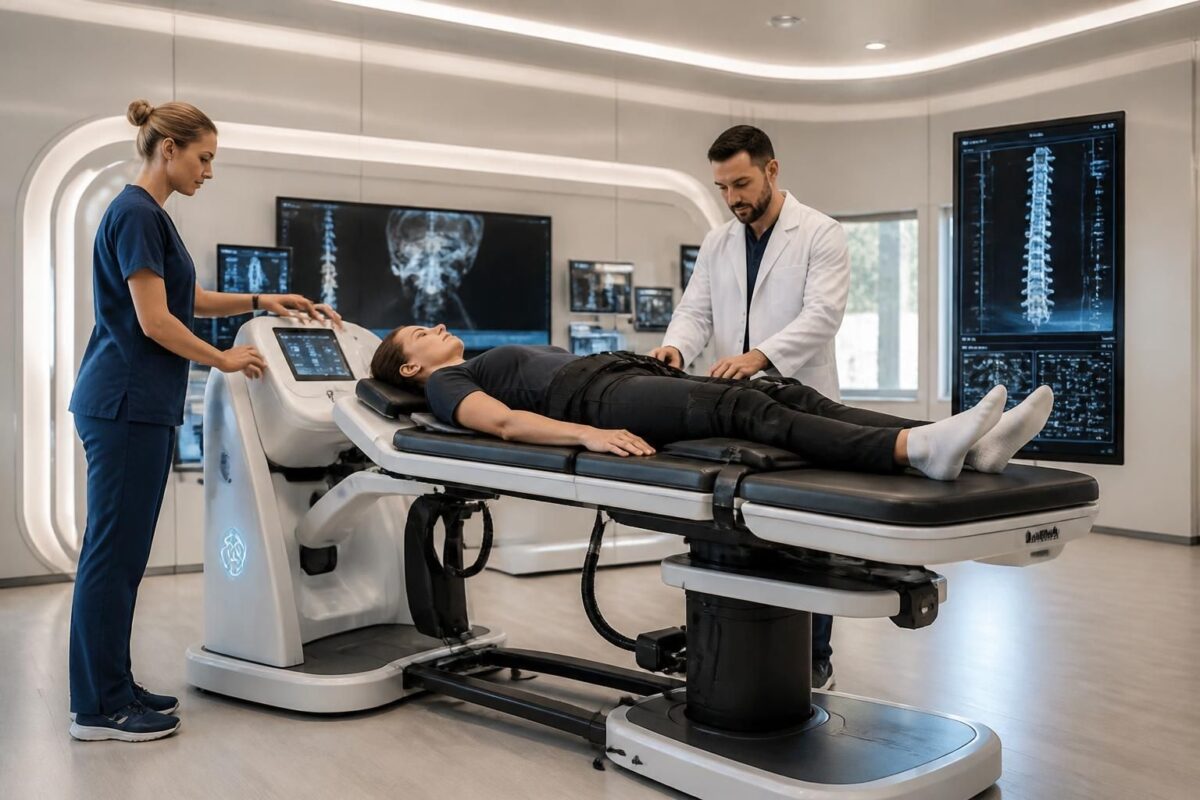
Recent innovations in neurovertebral decompression technologies
In short In short, the neurovertebral decompression is an approach non-invasive Aiming to reduce pressure on discs and nerves, and promote tissue regeneration. At Montreal, it is positioned as an effective option for lower back pain and herniated discs. The…
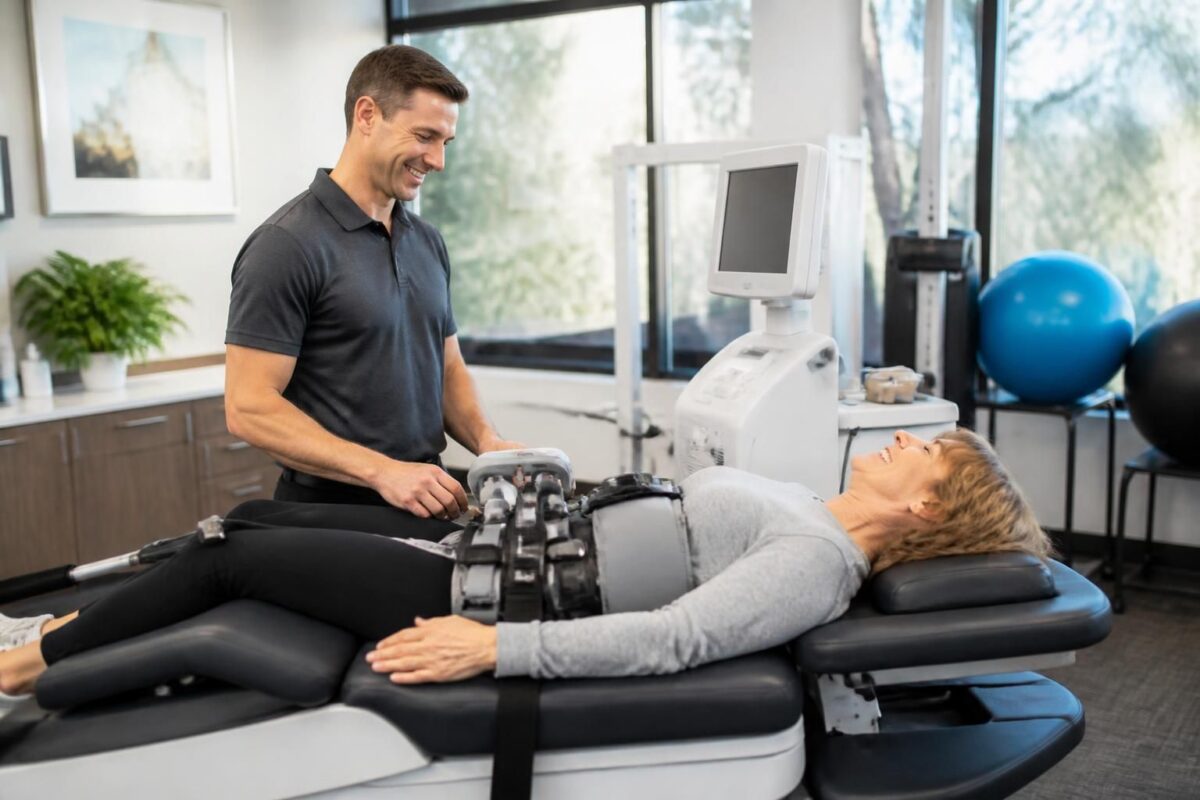
Neurovertebral decompression and diffuse pain: an appropriate solution
In short In short, the neurovertebral decompression is one Non-invasive solution For diffuse pain related to nerve irritation of the spine. She acts in Reducing pressure on intervertebral discs and nerves and improving the bloodstream, which promotes recovery and the…

Dr Sylvain Desforges, B.Sc., D.O., N.D., osteopath, is the founding president of TAGMED and of the ACMA association. He dedicates his practice to chronic spinal pain, low back pain and symptoms compatible with sciatica, particularly when pain radiates toward the buttock, leg, calf, foot or toes.
Through SOS Sciatique, he publishes educational content on sciatica symptoms, possible causes such as disc herniation, disc narrowing, foraminal stenosis or irritation of a lumbar nerve root, as well as non-surgical approaches that may be considered according to the evaluation. At Clinique TAGMED, care may include, depending on the case, motorized neurovertebral decompression, specific osteopathic care or precision percussion.
For an evaluation related to sciatica treatment in Montreal / Mount Royal or sciatica treatment in Terrebonne, please consult the services available at Clinique TAGMED.
Medical disclaimer
The information published on SOS Sciatique is provided for educational purposes only and does not replace a consultation, diagnosis, opinion or treatment provided by a physician or another authorized healthcare professional. The author of this article is neither a medical doctor nor a specialist in a medical specialty recognized by the Collège des médecins du Québec. The osteopathic, manual medicine or functional support approaches described on this site do not constitute medical acts and are not intended to replace medical follow-up.
Consult a physician or emergency service in cases of loss of bladder or bowel control, anesthesia in the saddle area, significant or progressive weakness in the leg or foot, fever, recent trauma, severe pain or rapid worsening of symptoms. For more details, please read our Legal Notice.