Benefits of neurovertebral decompression for manual workers
26/06/2026
Neurovertebral decompression and postural alignment: correcting imbalances
26/06/2026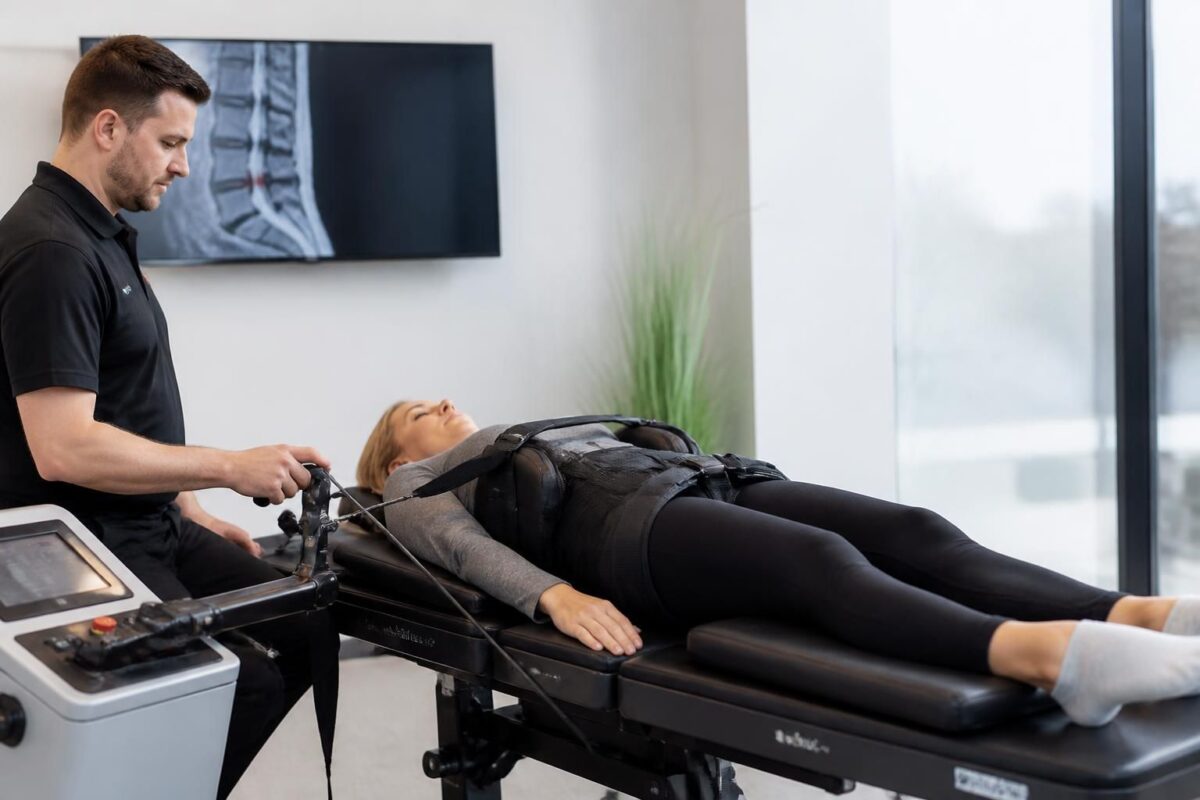
In short
| In short, the neurovertebral decompression is one Non-invasive solution for the herniated discs which quickly relieves the pain, restore the mobility and improves the bloodstream around the discs. by reducing the pressure on the gristle, it promotes Natural healing without surgery. Its key benefits include pain reduction, the Prevention of recurrences and an Alternative to surgery For those who want to avoid an intervention. accessible to Montreal And in the region, this treatment makes it possible to find an active life more quickly and without pain. |
The neurovertebral decompression is a solution lasting for herniated discs, because it directly treats the pain and loss of function without surgery. thanks to controlled traction, it Get out of space between the vertebrae, reduces the Pressure on discs and nerves and improves the bloodstream in the affected area, thus favoring the Natural regeneration fabrics. It offers a Non-invasive alternative which can improve the mobility and reduce the risk of recurrence, with personalized protocols adapted to each patient for a better quality of life in the long term.
Neurovertebral decompression is a non-surgical approach that aims to reduce the pressure exerted on the discs and nerves of the spine. It can offer a lasting reduction in pain and improved function in people with herniated discs. This article explains why this method is considered a lasting solution, how it acts and what one can expect as long-term results.
The basis of this approach is based on a Controlled traction which slightly stretches the spine to increase the space between the vertebrae. This improvement in space reduces pressure on Intervertebral discs and on the nerve roots. In practice, this can help reduce lower back pain and radiant pain associated with a slipped disc, without resorting to surgery. For more information on this treatment method, see the Treatment of herniated disc with neurovertebral decompression.
principles and indications
Neurovertebral decompression is mainly aimed at patients with symptoms compatible with a slipped disc, such as lower back pain, sciatica and stiffness, when conservative treatments have been insufficient or when the patient prefers to avoid surgery. It can be considered when non-surgical approaches have shown limited results and the patient wants an effective and non-invasive alternative. This technique is described as non-invasive and focused on reducing pressure on discs and spinal nerves.
For a general review of benefits and therapeutic logic, see the resources associated with the Neurovertebral decompression and treatment of herniated discs without surgery.
Mechanism of action and security
The mechanism is based on a gentle traction and a gradual restoration of the diskoradicular space. By promoting better blood circulation in the affected area, decompression contributes to the Nutritional report of spinal tissues and can promote the natural healing of the structures concerned. This approach is designed to minimize risks and avoid complications associated with invasive procedures. For a technical explanation, consult the resources dedicated to the neurovertebral decompression and its application in the management of herniated discs without surgery.
Results and sustainability
clinical data report a pain reduction and an function improvement in many patients after a series of sessions. Over time, some patients experience a lasting decrease in their symptoms and better ability to resume daily activities without persistent pain. It is important to note that the results remain variable according to the individual condition and that the treatment must be personalized according to the patient’s medical profile. For a summary of possible results and benefits, see the resources on the Prevention of recurrences and sustainable mobility improvement.
Integration into the care and prevention course
Neurovertebral decompression can be part of a multidisciplinary care pathway. It can be associated with advanced technological approaches and specialized clinical protocols, available in the TagMed and Pulse Align clinics, to aim for Sustainable functional recovery and an relapse prevention. To understand the offer and the services, consult the pages dedicated to the neurovertebral decompression and the resources associated with the management of vertebral pathologies without surgery.
frequently asked questions
Can decompression prevent surgery? Yes, it offers a non-invasive alternative for treating many forms of spinal condition associated with disc herniation. The process usually takes a few minutes per session and is part of a protocol planned by the practitioner. For technical explanations and clinical evidence, see Links and Related Resources.
What conditions can benefit from this approach? Lower back and cervical pain associated with nerve compression can be targeted, with an emphasis on pressure reduction and mobility support. For additional information and analytics, consult the specialized sources on neurovertebral decompression and the corresponding clinical indications.
How does this approach fit into the overall treatment? This method can be integrated into a multi-disciplinary care plan, including medical assessment and specialized interventions, while favoring non-surgical options when appropriate.
To deepen the theoretical aspects and practical implications, complementary resources explain the benefits and mechanisms of neurovertebral decompression, and present the arguments for a lasting approach to herniated discs. For example, you can view resources such as How neurovertebral decompression prevents the progression of spinal pathologies and Neurovertebral and sciatic decompression – Relieve without surgery.
For technical aspects and clinical perspectives, see also Neurovertebral decompression and treatment of herniated discs without surgery.
Additional resources on mechanisms and results can be viewed via the pages dedicated to the neurovertebral decompression and in the articles of Modern techniques of neurovertebral decompression explained.
For a comparative perspective, a following resource may be useful: Lumbar or cervical disc herniation – Why choose neurovertebral decompression.
Note that the information presented respects the general recommendations and does not replace the evaluation of a health professional. To learn more, consult the dedicated pages and official resources of partner clinics.
Medical Disclaimer: The information and advice provided on this site does not replace the health professional’s diagnosis or treatment. Please note that Sylvain Desforges osteopath is neither a doctor of medicine nor a doctor, and is not a specialist in a medical specialty as defined by the Collège des Médecins du Québec. Manual medicine, functional medicine and sports medicine as described on this site exclude any medical treatment or diagnosis made by a doctor or specialist doctor. Always consult your doctor for any medical questions. For more details, please read our full legal notice.
The resources mentioned and the links provided remain information media and do not replace the opinion of a health professional. For any doubts about your state of health, contact your attending physician.
Help with navigation and understanding of the pathologies discussed, without offering specific exercises or stretching in the context of indications related to neurovertebral decompression and herniated discs.
References and additional resources available on the following authorized domains: sossciatica.com, clinicagmed.com, decompressionneurovertebrale.com, sosherniediscale.com, sosherniateddisc.com, sostunnelcarpien.com, sossciatica.com.
- non-invasive and tolerated: no surgery or anesthesia.
- Sustainable pressure reduction On discs and nerves, relieving pain over the long term.
- traffic improvement local blood promoting tissue regeneration.
- Mobility found and increased column flexibility.
- Prevention of recurrences by stabilizing the disc space and adjacent structures.
- Drug reduction and long-term invasive treatments.
- Personalization protocols according to the patient and his evolution.
- Back to activities daily with little or no recovery period.

This recommendation presents why neurovertebral decompression is a lasting solution for herniated discs, highlighting its principles, indications, progress and potential for long-term outcomes, while highlighting the importance of customization and follow-up.
Principle and mechanism
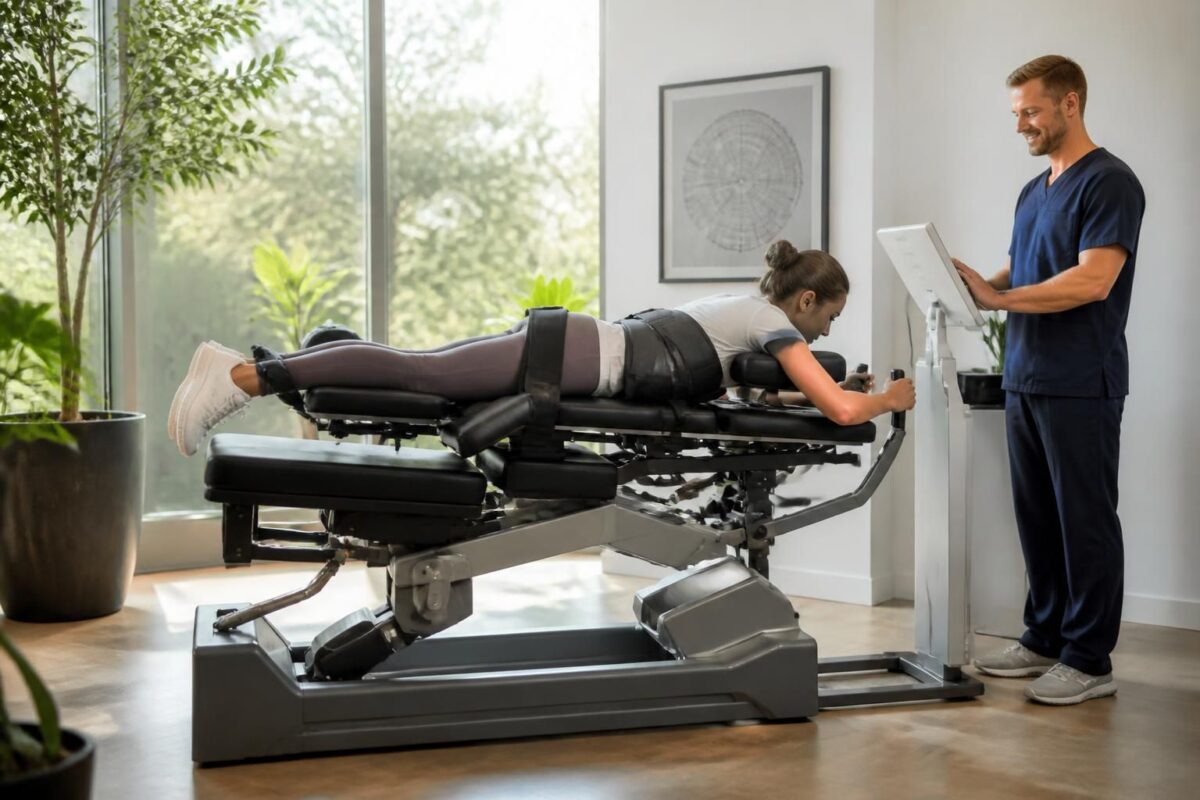
Neurovertebral decompression is based on controlled traction applied to the spine to increase the space between the vertebrae and decrease the pressure exerted on the discs and nerve roots. This pressure reduction promotes better blood circulation and increased nutritional intake in the tissues, which facilitates natural healing and contributes to the prevention of recurrences. Observable results often include a lasting decrease in pain and improved mobility, linked to reduced nerve compression and better function of the spinal structures.
Key points
Gentle and controlled traction, appropriate session duration, non-invasive approach and enhanced safety by a prior assessment.
The long-term benefits of neurovertebral decompression for spinal health
In short In short, the neurovertebral decompression is a non-invasive approach that decreases the Pressure on intervertebral discs and nerves, favoring the Natural regeneration and tissue recovery. Its long-term benefits include Lasting pain reduction, Improving mobility and from the posture,…
Indications and selection criteria
The solution is particularly indicated for patients with symptoms such as Lower back pain, sciatic pain and stiffness associated with a herniated disc, especially when conservative approaches have shown their limits or when a patient wishes to avoid surgery. It can be considered when the diagnosis is clear and the major contraindications to traction are not present. Each patient receives a personalized assessment to confirm eligibility and set realistic goals.

Neurovertebral decompression and mobility: a return to an active life
In short In short, the neurovertebral decompression is therapy non-invasive who uses a gentle traction To create a space between the vertebrae and reduce the pressure on the Intervertebral discs and the nerves. It promotes a bloodstream improved, lowers tension…
Process and security
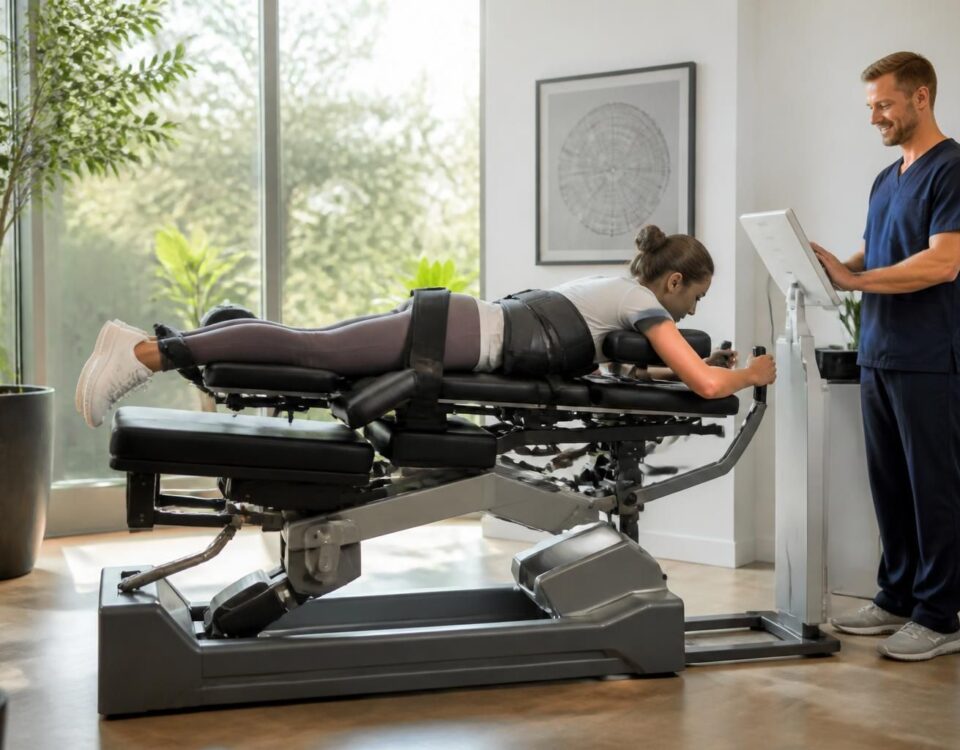
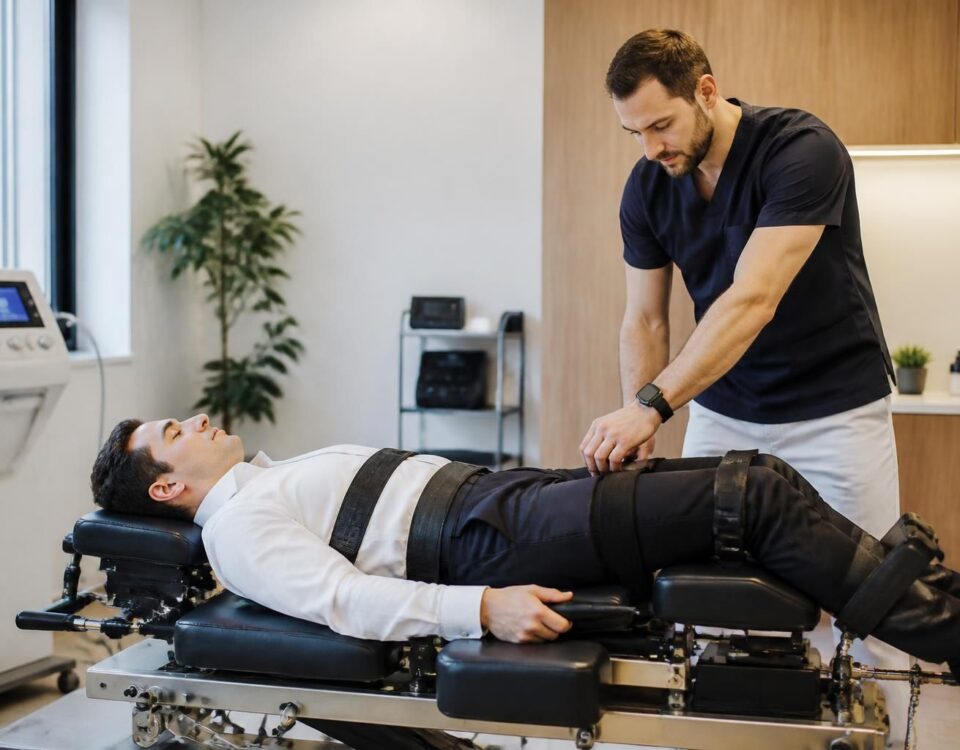
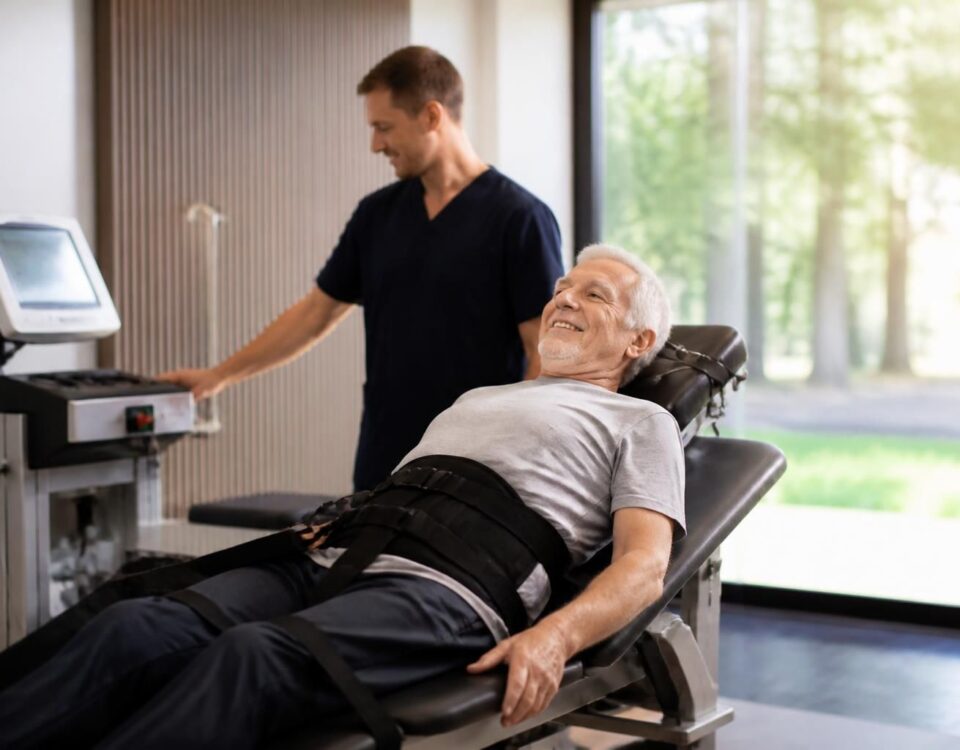
During the session, the patient is guided to a dedicated table and attached to the traction apparatus; Strength and duration are adjusted according to specific patient characteristics. This approach is described as non-invasive and generally well-tolerated. Side effects are usually minimal and transient, such as slight stiffness or fatigue after the first sessions. A rigorous medical supervision and a personalized protocol ensure optimal safety throughout the treatment.
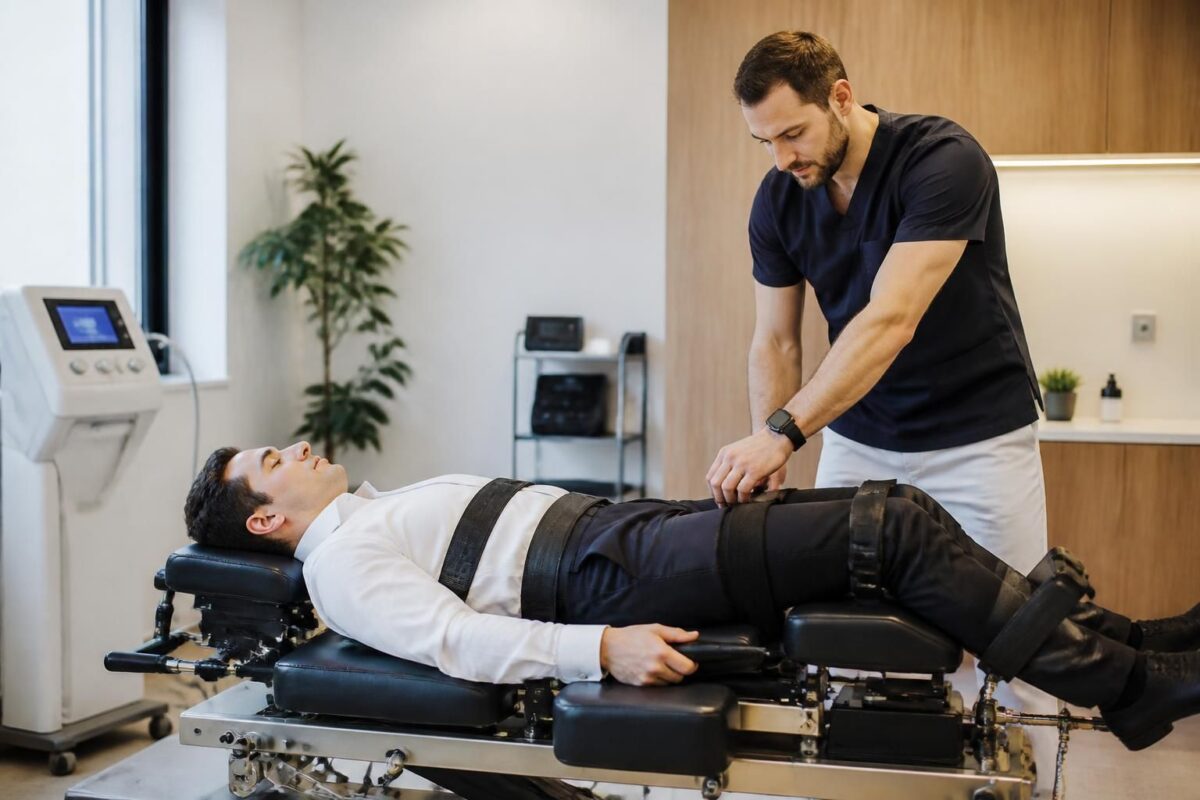
How Neurovertebral Decompression Prevents Diffuse Chronic Pain
In short decompression neurovertebral is one Non-invasive method aimed at reducing the Pressure on the intervertebral discs and the nerves, in order to prevent Diffuse chronic pain. It improves the circulation and thedisc hydration, decreases inflammation and promotes better mobility.…
Efficiency and long-term results
Clinical data indicates a significant improvement in the pain, from the Physical function and from the quality of life In many patients after a typical program of between 15 and 25 sessions. This effectiveness is based on a targeted action on the mechanical cause of pain, associated with a gradual improvement in circulation and slow tissue regeneration. To maximize the benefits, the intervention is generally supplemented by exercises and prevention advice adapted to everyday life.
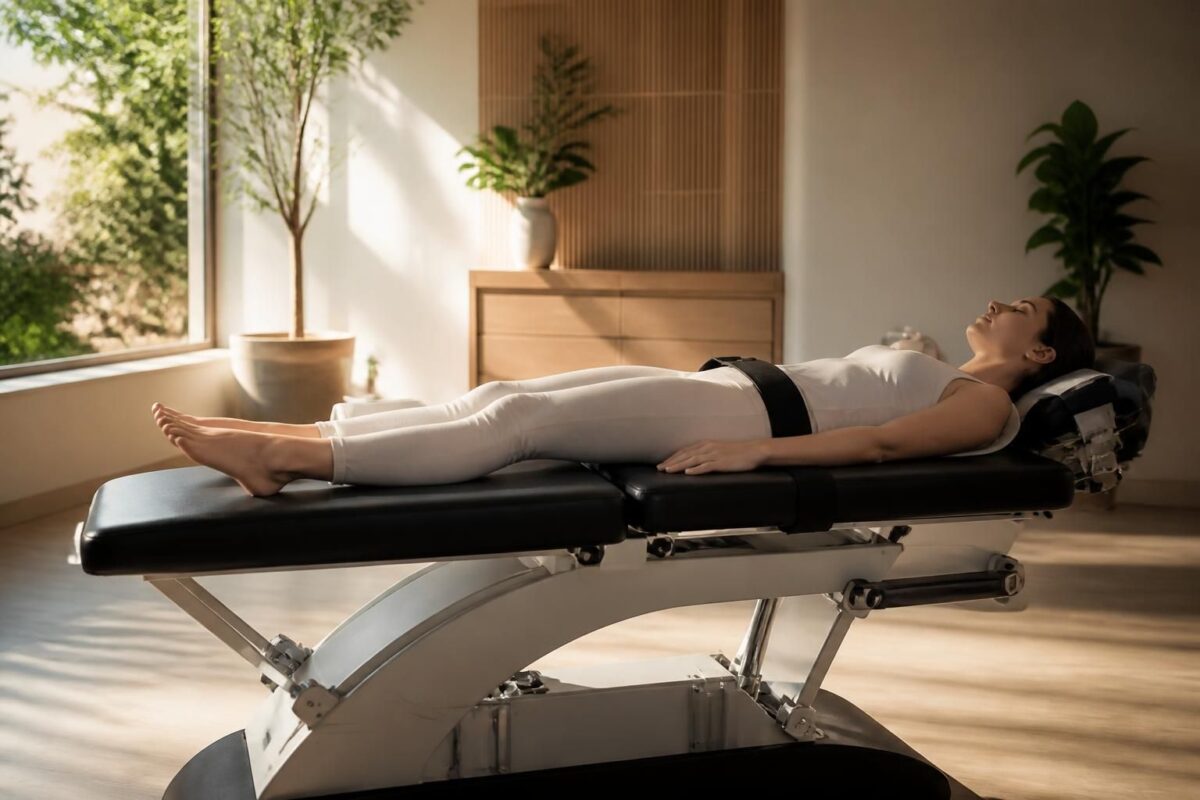
Neurovertebral Decompression and Body Alignment: Restoring Natural Balance
In short In short, neurovertebral decompression is one Non-invasive approach who restores theBody Alignment and thenatural balance back and neck. She acts by a Controlled traction of the spine to widen the intervertebral space and reduce the Pressure on discs…
Process integration and customization
To achieve optimal results, decompression can be integrated into other non-invasive approaches and complementary technologies during a personalized rehabilitation course. Each protocol is developed according to the degree of degeneration, the age of the symptoms and the functional objectives of the patient, in order to propose a coherent and lasting strategy.
Monitoring and adjustments
Regular monitoring allows you to assess progress and adjust the treatment plan, including the frequency of sessions and exercises to be carried out at home. This approach guarantees better pain control and a gradual restoration of mobility, while preventing recurrences.
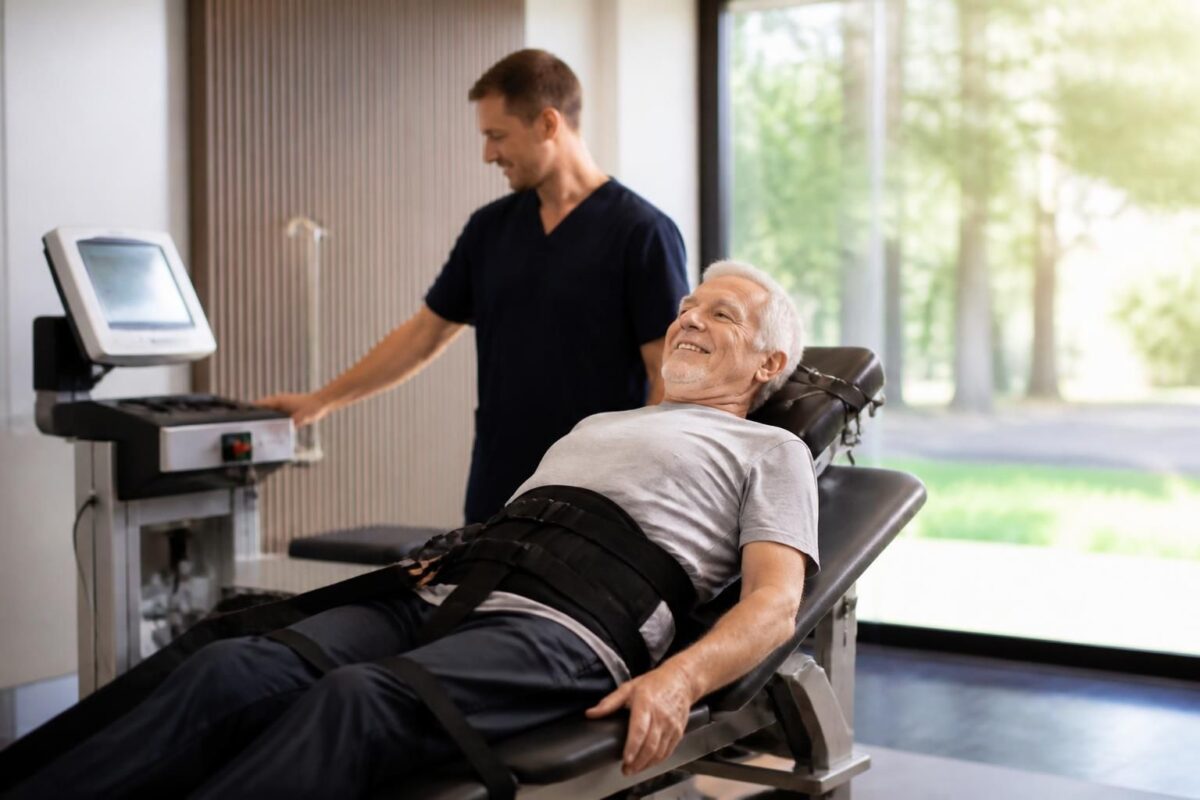
Why neurovertebral decompression is a lasting solution for active seniors
In short In short, the neurovertebral decompression is one Non-invasive therapy which sustainably relieves spinal pain in the spine active seniors By creating, by a Soft and controlled traction, a space between the vertebrae. At Montreal, it is recognized as…
Next steps to consider this treatment
If you are considering a durable solution for a herniated disc, ask for a thorough assessment to confirm eligibility and clarify goals. This approach aims to restore mobility and limit pain without having to have surgery, while providing a proactive way to prevent future pain.
| Axis of evaluation | Concise impact |
|---|---|
| directions | Suitable for Lower back pain and/or radicular pain related to herniated disc in patients seeking an approach non-surgical. |
| Mechanism | Use a Controlled traction which increases the space between the vertebrae and decreases the pressure on the discs and nerves. |
| Main Benefits | Way non-invasive with low risk and quick recovery. |
| Impact on pain | rapid symptom reduction and improvement of function and mobility. |
| Long-term results | Sustainable improvement of pain and function, with reduction of the possible use of surgery in the future. |
| Prevention of recurrences | Treats the mechanical cause and helps prevent relapses related to nerve compression. |
| Integration with other therapies | Compatible with rehabilitation programs and can facilitate further treatment. |
| Security and eligibility | Essential Preliminary Selection and Assessment; Low risk but not universally suitable. |
| typical short sessions (about 15 to 30 minutes); Coordinated treatment plan over several weeks. |
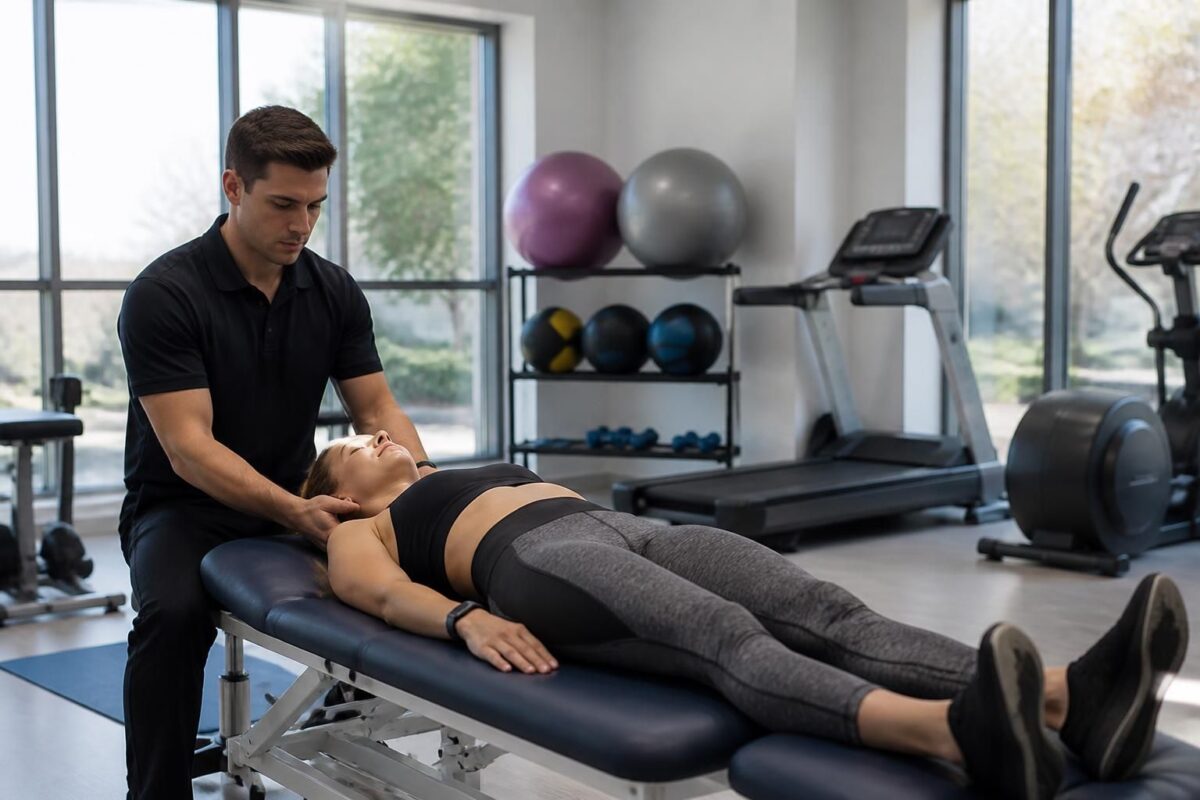
Neurovertebral decompression and recovery after severe sports injury
In short In short, the neurovertebral decompression is one Non-invasive method to Relieve the pressure on the Intervertebral discs and the gristle Via a Controlled traction, to facilitate the recovery After a severe sports injury. It improves the bloodstream towards…
Testimonials: Why neurovertebral decompression is a lasting solution for herniated discs
Jean, 45 years old: “After years of lower back pain linked to a herniated disc, I tried everything. Neurovertebral decompression offered me a truly solution lasting. From the first weeks, I felt a Significant relief and an Mobility found. Today, several months after treatment, my lumbar pain has greatly decreased and I carry out my daily activities without pain, without systematically resorting to drugs. it is one Durable solution that really changed my life.
Sophie, 38: “I was skeptical but I agreed to try neurovertebral decompression because it is non-invasive And without surgery. the sessions were reassuring and, from the first visit, I felt a relief. My lumbar pain gradually subsided and my mobility improved. Since then, I have been able to resume my daily activities and even some leisure activities without depending on painkillers. This approach lasting allowed me to avoid the operation and to see a real Prevention of recurrences.
Marie, 62: “I was afraid of surgery and I chose neurovertebral decompression as a lasting option. The results were constant: pain decreased, mobility found and quality of life which improves day after day. My treatment has been adapted to my health and, today, I can walk longer without pain and without the use of heavy drugs. it is one Durable solution which transformed my daily life.
Luc, 30: “As an athlete, injury management is essential. After a slipped disc, I followed a neurovertebral decompression program and quickly found my performance and my mobility. Within a few weeks, the pain decreased and, in the long run, I avoided surgery while maintaining my sporting achievements. A Durable solution which allowed me to resume training with confidence.
Claire, 54 years old: “I had tried several treatments without lasting results. With neurovertebral decompression, I found a Lasting pain reduction and an Prevention of recurrences. My sessions were comfortable and I found a mobility normal as well as a quality of life which has improved sustainably. this method non-invasive My allowed to resume my daily activities without fear of a relapse.
The Hernias discs are a common cause of low back pain and loss of function in many patients. Faced with these symptoms, the neurovertebral decompression offers an approach non-invasive which acts directly on the mechanics of the spine to reduce the pressure exerted on the discs and the nerves. This approach aims not only for immediate relief, but also the reduction of repeated stress on the vertebral structures, contributing to a Sustainable recovery and improved quality of life.
The mechanism is based on a Controlled traction Applied along the column, which creates a space between the vertebrae and allows better circulation of nutrients to the discs. By reducing the mechanical pressure, it promotes the Nerve root decompression And can interrupt the pain-spasm cycle that limits mobility. This gentle approach respects the patient’s anatomy and is part of a logic of progressive rehabilitation rather than immediate surgical correction.
Typical indications include patients with lumbar pain radiating in the limbs, episodes of sciatica or muscle stiffness associated with a herniated disc, while favoring those who wish to avoid surgery or who are not good candidates for an intervention operative. Neurovertebral decompression is also possible for patients who have failed other treatments, when the clinical and radiological evaluation shows a correspondence with the therapeutic objectives. However, its sustainability depends on a global strategy including muscle strengthening, postural correction and patient education.
Long-term results vary from case to case, but clinical data indicate significant improvements in pain, function and ability to resume daily activities. In practice, the gains occur when the technique is personalized and associated with an adapted rehabilitation program, including targeted exercises, additional modalities and regular follow-up. The success story of this method is based on its ability to integrate into a global approach, rather than limiting itself to an isolated gesture.
Moreover, the security And the low risk profile of this therapy make it an attractive option for a large population, including patients hesitant about the surgical option. Typical protocols provide for multiple sessions, with traction progressiveness and careful monitoring of symptoms. Side effects are generally minor and temporary, and treatment can be quickly adjusted depending on the patient’s tolerance and progress.
From a prevention perspective, neurovertebral decompression is a key element of a therapeutic plan focused on Prevention of recurrences. By restoring better intervertebral dynamics and improving mobility, it contributes to breaking the pain-immobilization circle and reducing the risk of recurrence of symptoms in the long term. This lasting approach is strengthened when patients adopt spine-friendly lifestyle habits, supported by professional advice and complementary therapies adapted to their condition.
This section provides a detailed summary of why the neurovertebral decompression constitutes a Durable solution for the herniated discs, highlighting its mechanism, its long-term benefits and its role in preventing recurrences. She explains how this non-invasive approach can decrease load on discs and nerves, promote circulation and support functional recovery and better quality of life, while remaining appropriate for each patient after medical evaluation.
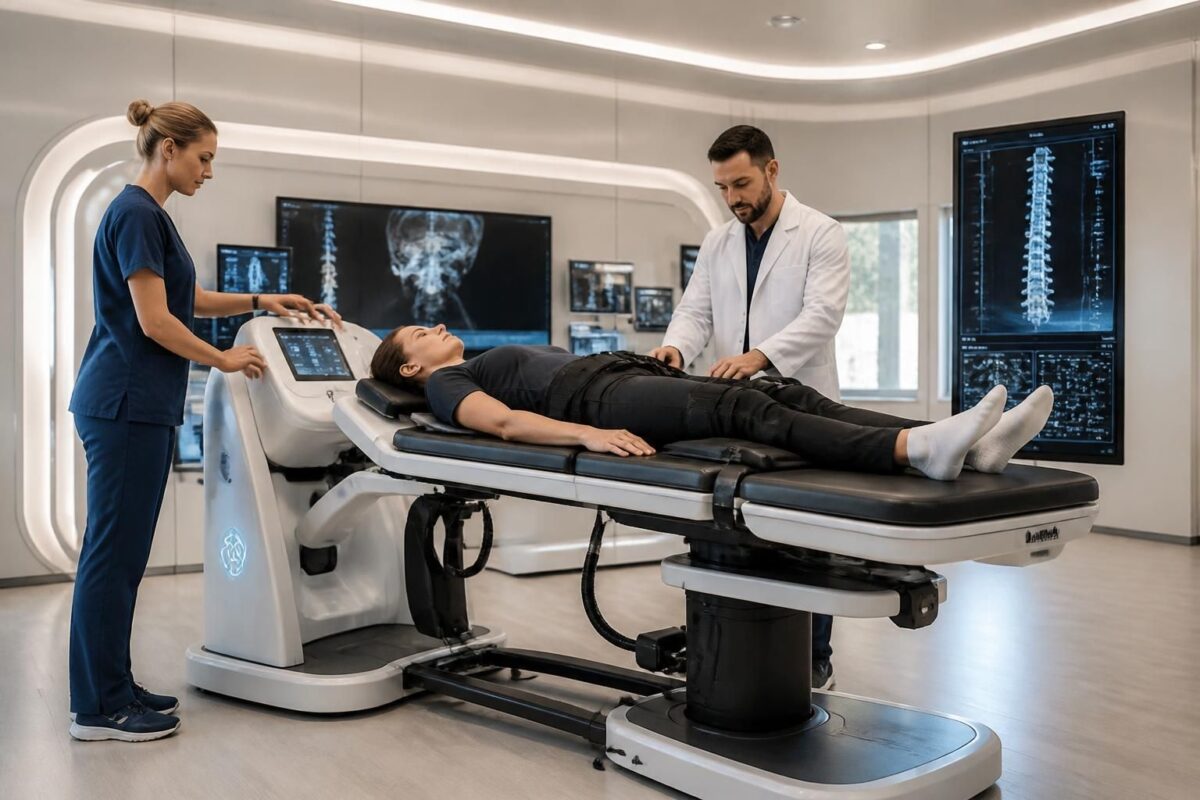
Recent innovations in neurovertebral decompression technologies
In short In short, the neurovertebral decompression is an approach non-invasive Aiming to reduce pressure on discs and nerves, and promote tissue regeneration. At Montreal, it is positioned as an effective option for lower back pain and herniated discs. The…
Summary and key points
The neurovertebral decompression Acts by controlled traction that widens the intervertebral space and reduces the pressure exerted on the discs and nerve roots. This action directly targets the cause of pain related to a slipped disc, while encouraging better blood circulation and nutrient supply of spinal tissue. The Long-term benefits Include a decrease in lower back and radicular pain, improved mobility and a reduction in the use of more invasive or medicinal treatments, with a protective effect against recurrences when the protocol is personalized and monitored regularly.
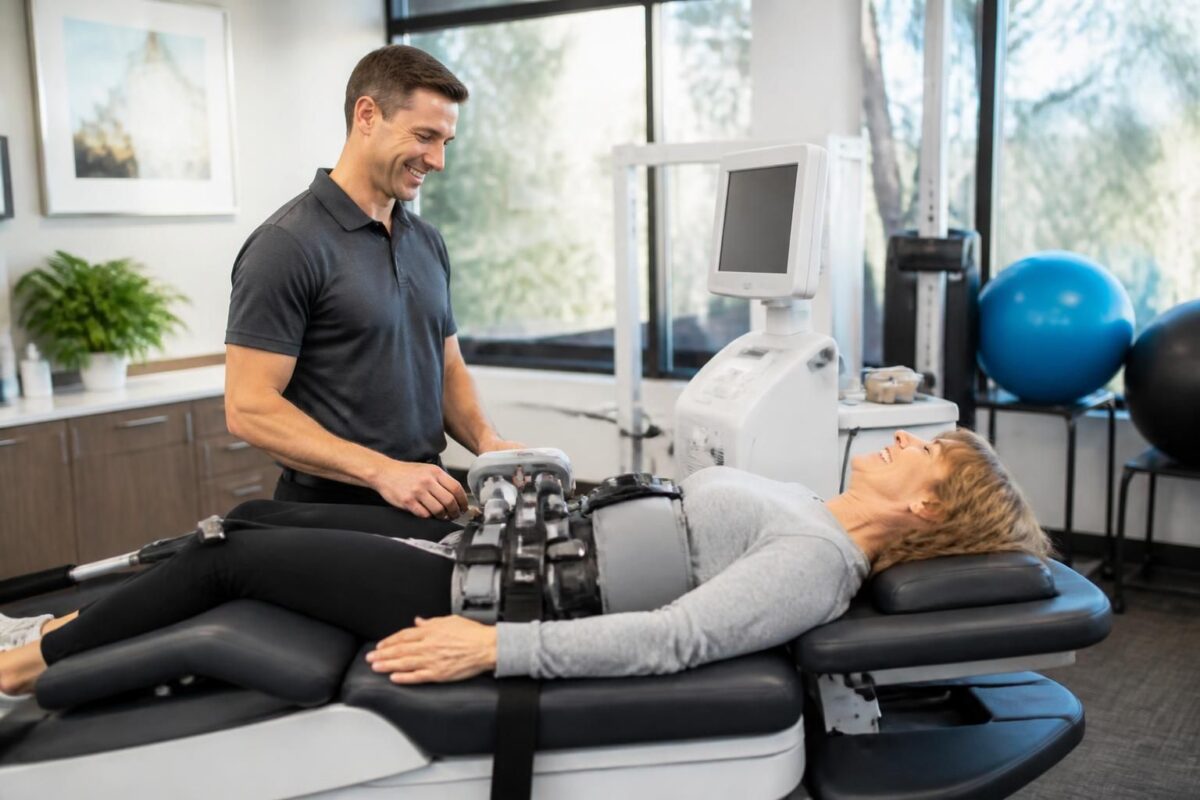
Neurovertebral decompression and diffuse pain: an appropriate solution
In short In short, the neurovertebral decompression is one Non-invasive solution For diffuse pain related to nerve irritation of the spine. She acts in Reducing pressure on intervertebral discs and nerves and improving the bloodstream, which promotes recovery and the…
Long-term safety and efficiency
In comparison with surgical procedures, the Non-invasive decompression presents a favorable safety profile and allows a gradual recovery Without anesthesia or operative scars. It offers a Progressive improvement in mobility and daily function, while limiting the risks associated with long-term pharmacological treatments. In addition, reducing the pressure on the nerves helps reduce radiant pain and restore active participation in daily and sports activities.
Prevention of recurrences and sustainability of results
Decompression can play an important preventive role by maintaining disc integrity and avoiding future spinal aggravations. By acting on the mechanical factors that predispose to recurrence, it helps to preserve mobility and functionality over the long term, thus reducing the likelihood of new pain related to nerve compressions or degeneration to support an active and sustainable life.
Processing customization and technology integration
The protocols are adapted to each patient according to the severity of the symptoms, the medical history and the health objectives. This personalized approach maximizes the chances of Sustainable results and makes it possible to integrate complementary technologies that optimize the efficiency and comfort of the sessions. For patients and practitioners, this flexibility is essential for achieving effective and appropriate rehabilitation.
Use cases and indications
Decompression is generally indicated for lower back and radicular pain associated with disc herniation when conservative treatments have been insufficient or when the patient wishes to avoid surgery. A medical assessment is necessary to determine accessibility criteria and possible contraindications, and to adjust the protocol to ensure long-term safety and effectiveness.
To deepen these aspects and get specific answers, you can consult the following resources:
Neurovertebral Decompression and Persistent Lower Lower Pain — Effective Solutions,
Neurovertebral Decompression — Your Questions Answered,
Preventing the recurrence of spinal pathologies,
A durable solution to prevent disk degeneration,
How decompression improves intervertebral circulation,
Innovative technologies in neurovertebral decompression,
Why neurovertebral decompression is a lasting solution for herniated discs.

Sylvain Desforges, B.Sc., D.O., N.D., docteur en ostéopathie
Dr Sylvain Desforges, B.Sc., D.O., N.D., osteopath, is the founding president of TAGMED and of the ACMA association. He dedicates his practice to chronic spinal pain, low back pain and symptoms compatible with sciatica, particularly when pain radiates toward the buttock, leg, calf, foot or toes.
Through SOS Sciatique, he publishes educational content on sciatica symptoms, possible causes such as disc herniation, disc narrowing, foraminal stenosis or irritation of a lumbar nerve root, as well as non-surgical approaches that may be considered according to the evaluation. At Clinique TAGMED, care may include, depending on the case, motorized neurovertebral decompression, specific osteopathic care or precision percussion.
For an evaluation related to sciatica treatment in Montreal / Mount Royal or sciatica treatment in Terrebonne, please consult the services available at Clinique TAGMED.
Medical disclaimer
The information published on SOS Sciatique is provided for educational purposes only and does not replace a consultation, diagnosis, opinion or treatment provided by a physician or another authorized healthcare professional. The author of this article is neither a medical doctor nor a specialist in a medical specialty recognized by the Collège des médecins du Québec. The osteopathic, manual medicine or functional support approaches described on this site do not constitute medical acts and are not intended to replace medical follow-up.
Consult a physician or emergency service in cases of loss of bladder or bowel control, anesthesia in the saddle area, significant or progressive weakness in the leg or foot, fever, recent trauma, severe pain or rapid worsening of symptoms. For more details, please read our Legal Notice.