Neurovertebral Decompression and Radiant Pain: Gently Relieve
26/06/2026
Neurovertebral Decompression and Mechanical Pain: Treating Effectively Without Surgery
26/06/2026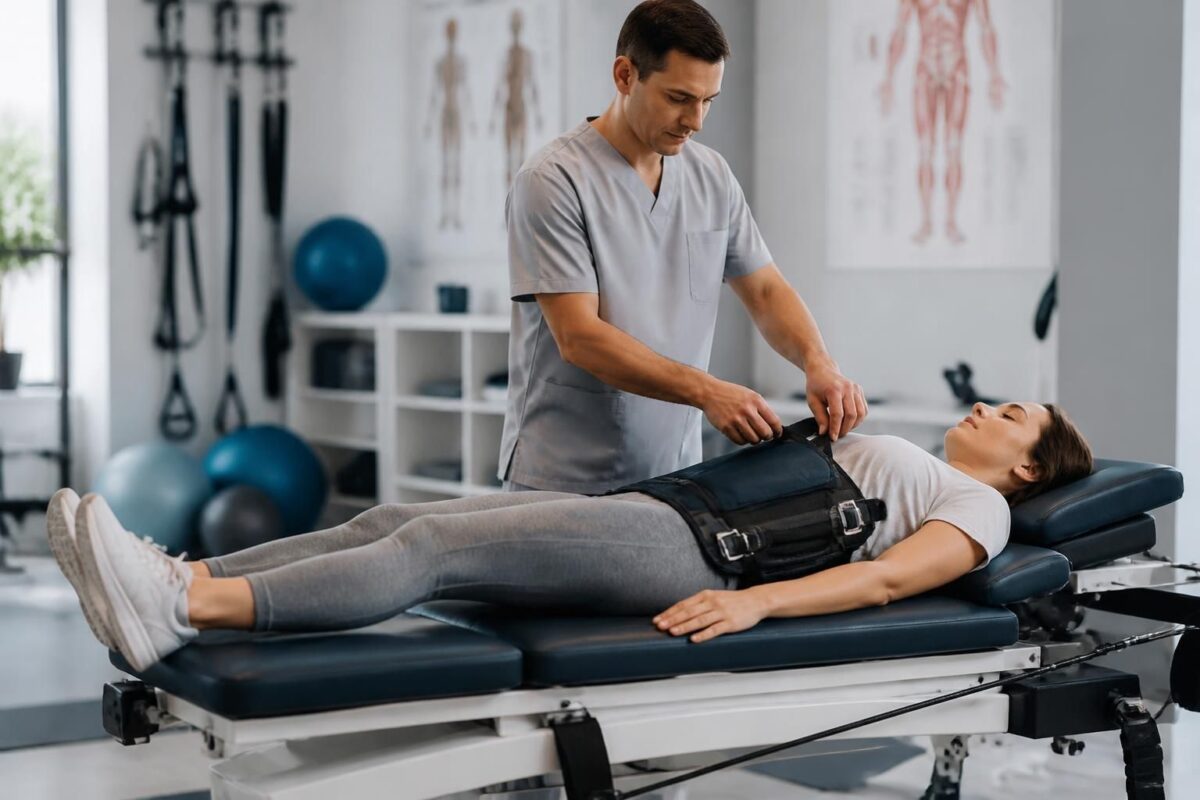
In short
| In short, the neurovertebral decompression is one Non-invasive approach which creates a space between vertebrae To reduce the Pressure on the intervertebral discs and the nerves, in order to improve Joint mobility and reduce the pain. Its benefits include a Improved blood circulation, a relaxation of Muscle tensions And a faster return to daily activities without discomfort. Operation is based on a Soft and controlled traction, without surgery or medication, which promotes the tissue regeneration and the Column functionality. accessible to Montreal, this service is particularly useful for people with Chronic pain or motion limitations related to the spine. |
The neurovertebral decompression is an approach non-invasive which aims to relieve pain and restore the Joint mobility. By creating a Space between the vertebrae thanks to a soft traction, she Reduces pressure on intervertebral discs and nerves, which decreases pain and releases movement. This technique also improves the bloodstream in the region, favoring the intake of nutrients and the Tissue regeneration. the decrease in Muscle tensions around the joints makes it possible to find a range of motion more fluid and durable, contributing to a better Joint function on a daily basis.
The neurovertebral decompression is a non-invasive approach that aims to restore the Joint mobility by reducing the pressure on the spinal structures. This article explains how this technique acts, what benefits it brings and how it fits into a care course, without resorting to invasive interventions. The result observed in many patients is a pain reduction and an Improved range of motion.
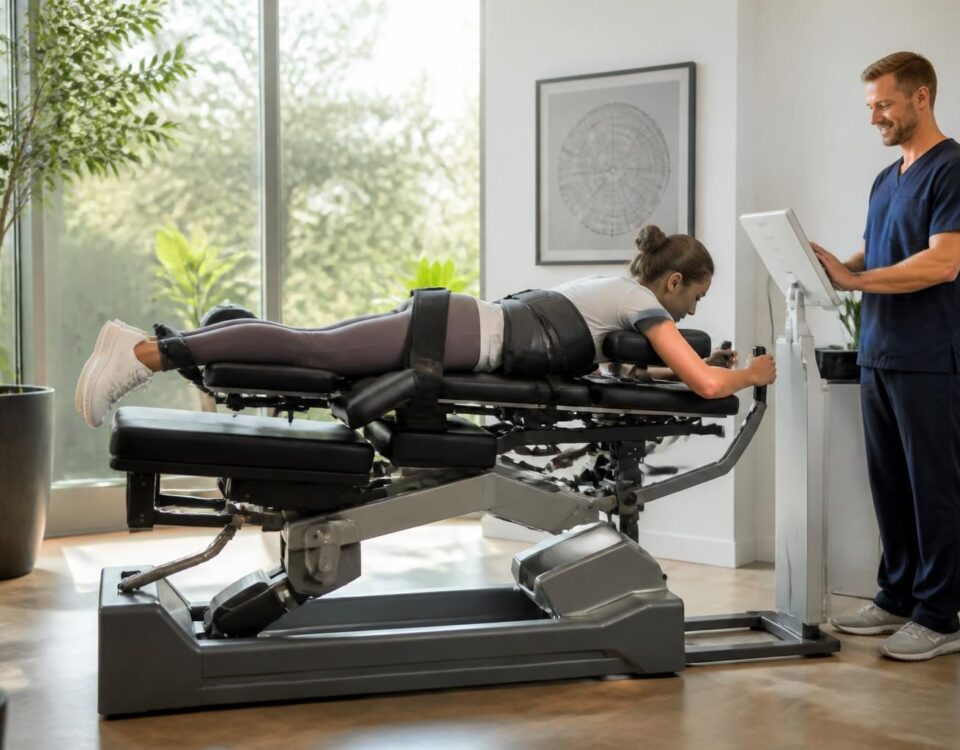
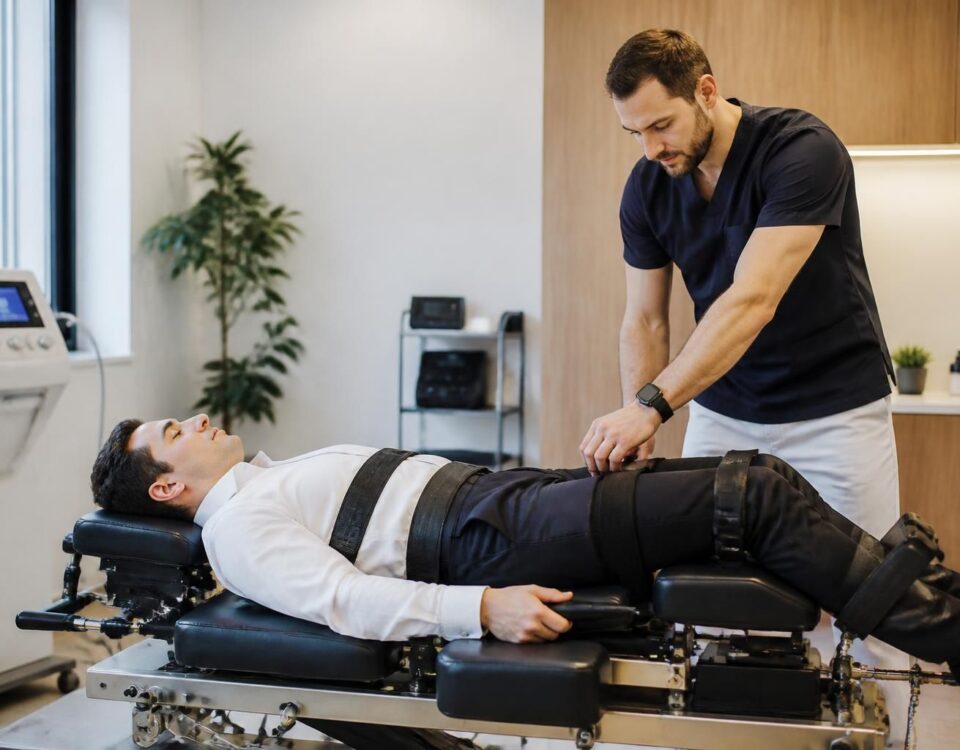
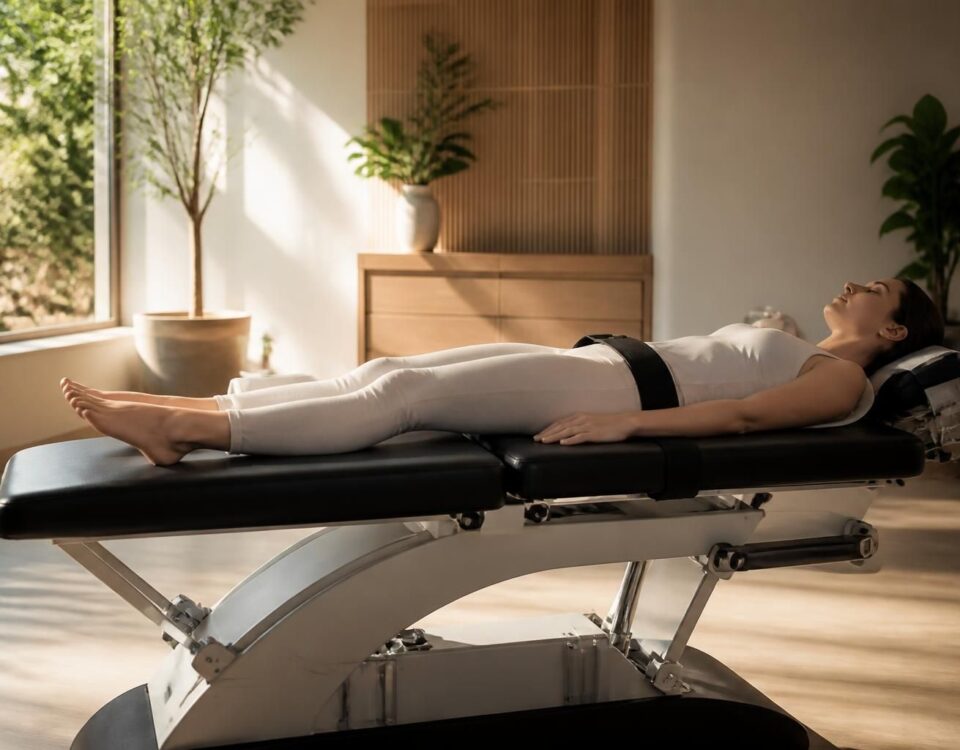
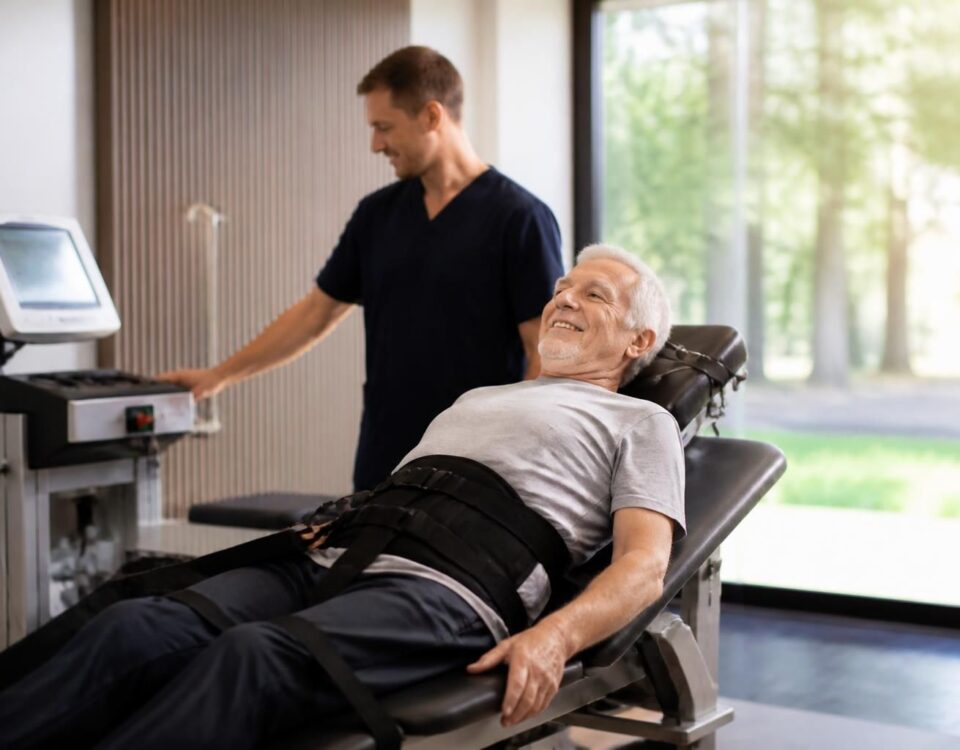
Neurovertebral decompression is based on gentle and controlled traction of the spine. This traction creates a space between the vertebrae and Reduces pressure on intervertebral discs and on the nerves.
By reducing this pressure, decompression promotes tissue rehydration and nutrition around the column. This improvement in local conditions helps to reduce pain and facilitate movement.
The technique also contributes to Relieve muscle tension around the areas concerned. Less stiffness allows a better range of motion and greater fluidity of everyday gestures.
Decompression therefore acts on several levels: pain, mobility and local circulation. This triptych contributes to a faster return to usual activities and to a better autonomy.
Principles and mechanisms
The central principle is a gentle traction adapted to each patient. This approach creates a space between the vertebrae and allows more effective blood circulation in the vertebral area. Better circulation provides essential oxygen and nutrients, promoting tissue recovery and neuromuscular function.
Reducing pressure on nerves and discs can reduce painful sensations and motion limitations. This dynamic supports the improvement of the flexibility and therange of motion.
Clinical resources and examples on neurovertebral decompression and its effects on various pathologies are available at specialized sites:
Radiant pain,
Spinal stenosis,
Nocturnal pain.
This approach is non-invasive and can be integrated into complementary protocols. For additional information and resources, you can refer to Tagmed Clinic.
Impact on movement and daily life
Patients report an increase in amplitude of movement after the sessions. They often note a decrease in pain on a daily basis, which gradually overcomes initial restrictions.
The Mobility found Facilitates simple gestures like leaning, sitting or walking more freely. This contributes to a better quality of life and increased participation in social and family activities.
Integration into the care pathway
Neurovertebral decompression is offered as a non-invasive option within TagMed clinics in Montreal and Terrebonne. It can be used alone or in addition to other non-invasive approaches, depending on the patient’s needs and clinical objectives.
For more information on the services offered, see Tagmed Clinic. Additional resources and clinical studies can be accessed via specialized sources on the Internet.
Precautions and results observed
Neurovertebral decompression is an approach non-invasive Focused on reducing spinal pressure and improving local circulation. It does not replace medical diagnosis and requires a personalized assessment by a health professional.
Results vary among patients, but many individuals find a pain reduction and an gradual recovery of mobility. This improvement facilitates the return to daily activities and can enhance self-esteem and overall well-being.
Useful resources on the subject include pages dedicated to neurovertebral decompression and its effects on mobility and pain. For detailed information and clinical feedback, consult the specialized sites listed below.
Avoiding specific exercises or stretching is important when talking about conditions such as herniated disc, protrusion, disc bulging, foraminal stenosis or disc degeneration. Always discuss with your healthcare professional before taking any therapeutic steps.
References and additional resources:
Neurovertebral decompression and irradiating pain,
Essential spinal stenosis,
Nocturnal pain — proven results,
mobility among athletes,
neuromuscular function,
Spinal stenosis (essential),
Spinal stenosis,
After sports injury,
Spinal stenosis,
carpal tunnel,
Radiant pain — Safety.
Medical Disclaimer: The information and advice provided on this site does not replace the health professional’s diagnosis or treatment. Please note that Dr. Sylvain Desforges osteopath is neither a doctor of medicine nor a doctor, and is not a specialist in a medical specialty as defined by the Collège des Médecins du Québec. Manual medicine, functional medicine and sports medicine as described on this site exclude any medical treatment or diagnosis made by a doctor or specialist doctor. Always consult your doctor for any medical questions. For more details, please read our full legal notice.
- Creation of space between the vertebrae to reduce the pressure On discs and nerves.
- gentle traction targeted reducing the pressure on the Intervertebral discs.
- Circulatory improvement Around the spine to nourish the tissues.
- muscle relaxation and decreased tension around the joints.
- range of motion increased and flexibility found.
- pain reduction facilitating daily movements.
- Back to activities daily and sporting without embarrassment.
- Alignment and stability Improved vertebral, prevention of recurrent pain.

Neurovertebral decompression is a non-invasive approach that acts on the spine to sustainably improve the Joint mobility. By reducing the pressure exerted on the intervertebral discs and nerves, it promotes better circulation, reduces muscle tension and allows a gradual return to fluid and painless movements. This article offers concrete recommendations for understanding and optimizing the effects on mobility, while remaining focused on an appropriate and secure approach.
Principles and mechanisms of neurovertebral decompression
Neurovertebral decompression is based on a Soft and controlled traction which creates a space between the vertebrae. This intervention aims to reduce the Pressure on the intervertebral discs and on adjacent nerves, making it easier to recover and functional recovery. a better one bloodstream In the spinal area improves nutrient and oxygen intake, accelerating tissue regeneration and joint lubrication.
Reducing muscle tension around the spine and joints helps to restore a flexibility and greater range of motion. At the same time, the improvement of neuromuscular control allows the musculoskeletal system to regain more natural coordination, thus swaying daily gestures and physical activities with less effort and less pain.
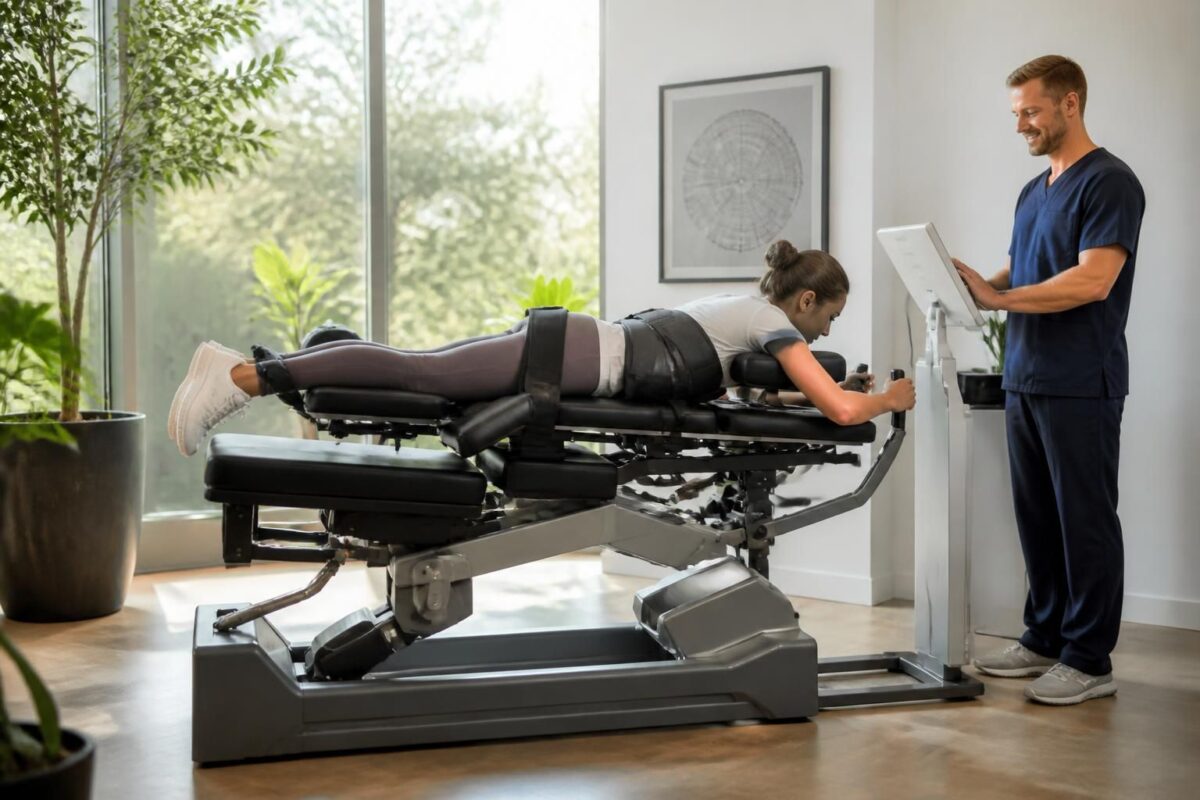
The long-term benefits of neurovertebral decompression for spinal health
In short In short, the neurovertebral decompression is a non-invasive approach that decreases the Pressure on intervertebral discs and nerves, favoring the Natural regeneration and tissue recovery. Its long-term benefits include Lasting pain reduction, Improving mobility and from the posture,…
Direct impact on joint mobility
Reduced pressure and inflammation
By releasing the intervertebral space, decompression decreases the compression of nerves and discs, resulting in reduced pain and Improved range of motion. This reduction in inflammation promotes a resumption of daily gestures without constraint.
Improved circulation and tissue nutrition
Better regional circulation promotes the supply of nutrients and oxygen necessary for the repair of damaged tissues. This dynamic supports the Regeneration of spinal structures and improves joint lubrication, which results in more fluid and lasting mobility.
Muscle relaxation and gain flexibility
The reduction of tensions around the vertebrae allows the muscles to relax, lifting stiffness and releasing the flexibility Necessary for simpler and more natural daily gestures. This state of relaxation facilitates stretching and joint movement, without overload or pain.
Restoration of neuromuscular control
By restoring effective communication between the muscles and the nervous system, decompression improves neuromuscular coordination. The gestures become more precise, the postures more balanced and the risk of painful compensation decreases, contributing to a more coordinated and lasting mobility.

Neurovertebral decompression and mobility: a return to an active life
In short In short, the neurovertebral decompression is therapy non-invasive who uses a gentle traction To create a space between the vertebrae and reduce the pressure on the Intervertebral discs and the nerves. It promotes a bloodstream improved, lowers tension…
Practical recommendations to optimize mobility
From a personalized assessment, establish a Progressive treatment plan which incorporates adapted sessions and gentle exercises. Prioritize a Measured progression to maintain safety and promote adherence to the program.
Integrate targeted mobility exercises that are compatible with decompression, to strengthen the stability and improve the range of gestures. Combine this therapy with good hydration and ergonomics adapted to everyday life to support long-term results.
Adopt a holistic approach: ensure a Postural hygiene constant, regular active breaks and appropriate physical activity. The most lasting results arise from personalized follow-up and consistency between sessions, exercises and lifestyle habits.
Finally, pay attention to your body’s signals and communicate any changes to your healthcare professional. A convergent and well-framed approach maximizes the chances of a Joint mobility found and a more active and painless lifestyle.
| Aspect | Impact on mobility |
|---|---|
| Pressure on discs and nerves | reduction of the pressure on the records and the gristle to reduce pain and gain in mobility. |
| Local blood circulation | Improvement of the circulation local blood supply, providing essential nutrients and oxygen for regeneration and mobility. |
| Muscle tensions | relaxation of Muscle tensions around the joints, facilitating movements and reducing blockages. |
| intervertebral space | Creating a intervertebral space releasing the joints and improving the mobility. |
| Pain and activity | reduction of the pain and gradual resumption ofactivity physical, facilitating movement. |
| Amplitude and fluidity | Increase in theamplitude movements and fluidity Daily gestures. |
| Posture and alignment | Improvement of the posture and thealignment vertebral, reducing stress. |
| Prevention of recurrences | prevention of recurrences and strengthening the stability vertebral to limit future pain. |
| Well-being and motivation | Impact on the welfare and the motivation to move, supporting the continuity of the exercises. |
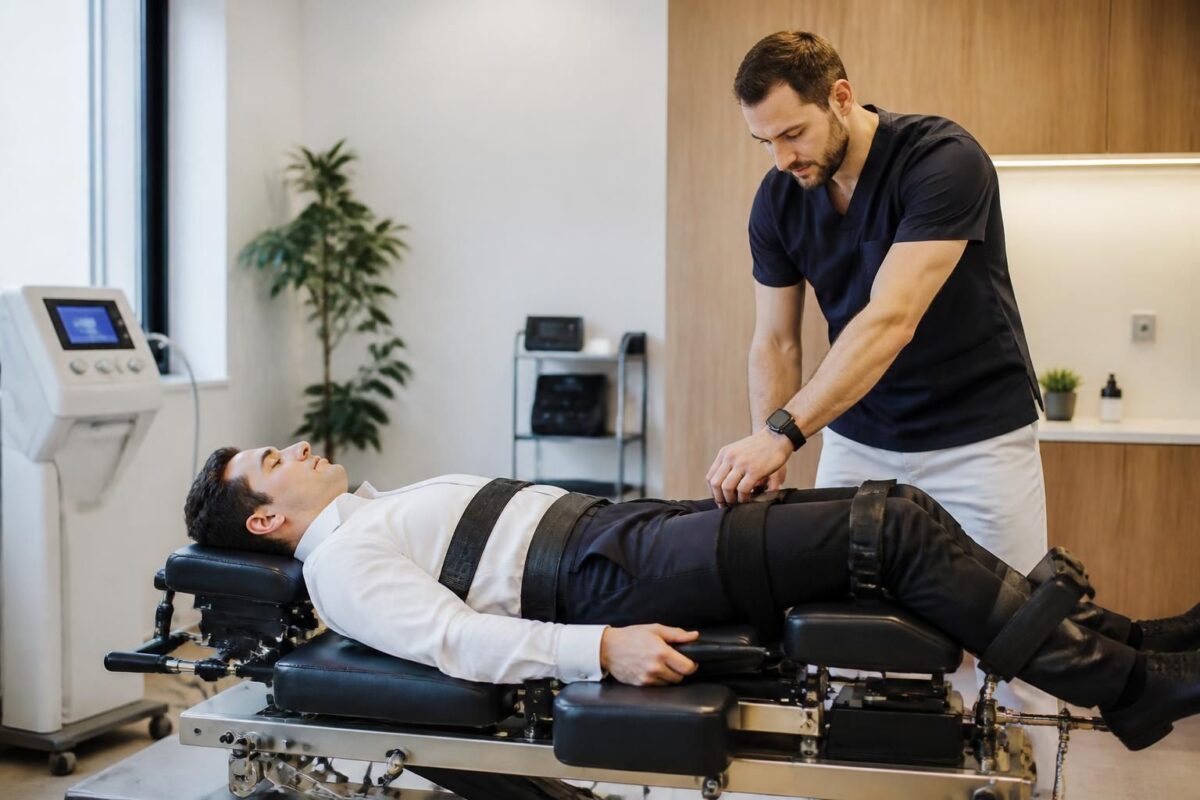
How Neurovertebral Decompression Prevents Diffuse Chronic Pain
In short decompression neurovertebral is one Non-invasive method aimed at reducing the Pressure on the intervertebral discs and the nerves, in order to prevent Diffuse chronic pain. It improves the circulation and thedisc hydration, decreases inflammation and promotes better mobility.…
Testimonials on the improvement of joint mobility through neurovertebral decompression
Élise, 45: “I had lower back pain that limited my Joint mobility. After neurovertebral decompression, I found a range of motion And I can bend down without pain, which allows me to dance with my children. »
Michel, 60 years old: “Before, I couldn’t maccroupir to garden without pain. After treatment, my Joint mobility improved and my flexibility came back, which allows me to work in the garden without embarrassment and with pleasure. »
Camille, 30 years old: “In the office, the neck pain blocked my movements. Thanks to the neurovertebral decompression, pain reduced and Joint mobility found, my posture lined up and my range of motion widened considerably. »
Jean, 50 years old: “After a herniated disc, I feared every gesture. Today, the neurovertebral decompression gave me a range of motion and an flexibility that allow me to move around with ease and resume my daily activities without fear. »
Paul, 53: “After years of lower back pain, I find a Joint mobility and an range of motion Sufficient to play golf with my friends without persistent pain. The pain is under control and my confidence has returned. »
Anna, 47: “The pain in the shoulder and neck hindered my daily gestures. After the neurovertebral decompression, my Joint mobility improved, my flexibility is there and my quality of life is much better. »
Dr. Sylvain Desforges is recognized as an expert in osteopathy, naturopathy and manual medicine. Founding President of the TagMed Clinics and the ACMA Association, he has a focus on health innovation and management of Chronic pain through the integration of advanced technologies. Its approach is based on evidence-based care to optimize the health and well-being of patients. In this context, it develops and applies protocols that include the neurovertebral decompression As a non-invasive lever to restore mobility, reduce pain and improve quality of life. This biography explores how this technique affects joint mobility and the daily life of patients.
The neurovertebral decompression is a non-invasive method that uses a gentle traction controlled on the spine to create a space between the vertebrae. By reducing the Pressure on the intervertebral discs And on the adjacent nerves, it helps to alleviate symptoms and facilitate movement. This approach aims not only to reduce pain, but also to release the range of motion by acting on the underlying mechanical causes, which is a key step in the reconstruction of the Joint mobility After painful episodes or spinal injuries.
Physiologically, decompression acts along several complementary axes. First, it promotes Improved blood circulation around the spinal structures, which enhances the supply of oxygen and essential nutrients and facilitates the tissue regeneration. By loosening the tensions around the muscles and ligaments, it also contributes to a Reduction of muscle tension and a quick restitution of the flexibility and therange of motion. This synergy between clinical relief and musculo-articular rebalancing allows many people to regain fluid and pain-free mobility, an essential step to resume daily and sporting activities.
For patients, the concrete effect is reflected in a gradual and lasting resumption of everyday actions. freed from pain and stiffness, they experience a Functional recovery which restores autonomy and confidence in their body. The work of Dr. Desforges is part of a global logic, where the neurovertebral decompression is associated with complementary measures—such as targeted exercises, manual approaches and adjuvant technologies—to optimize results and prevent recurrences. Everything is part of a process personalized Adapting the protocols to the specific needs of each patient and the evolution of his condition.
Based on a scientific framework and clinical feedback, Dr. Desforges demonstrates that neurovertebral decompression can become a hub for joint mobility. It not only reduces pain and increases flexibility, but also instils a positive dynamic in the re-educational journey. Through his commitment to evidence-based care and his concern to offer non-invasive solutions, he contributes to making neurovertebral decompression a tangible option to regain sustainable joint mobility and a better quality of life.
This article clearly details how the neurovertebral decompression Improves the Joint mobility By acting on the pressure exerted on the intervertebral discs, stimulating circulation and releasing muscle tension around the spine. It sheds light on key mechanisms, functional benefits and reliable resources to better understand and apply this non-invasive approach in patients’ daily lives.
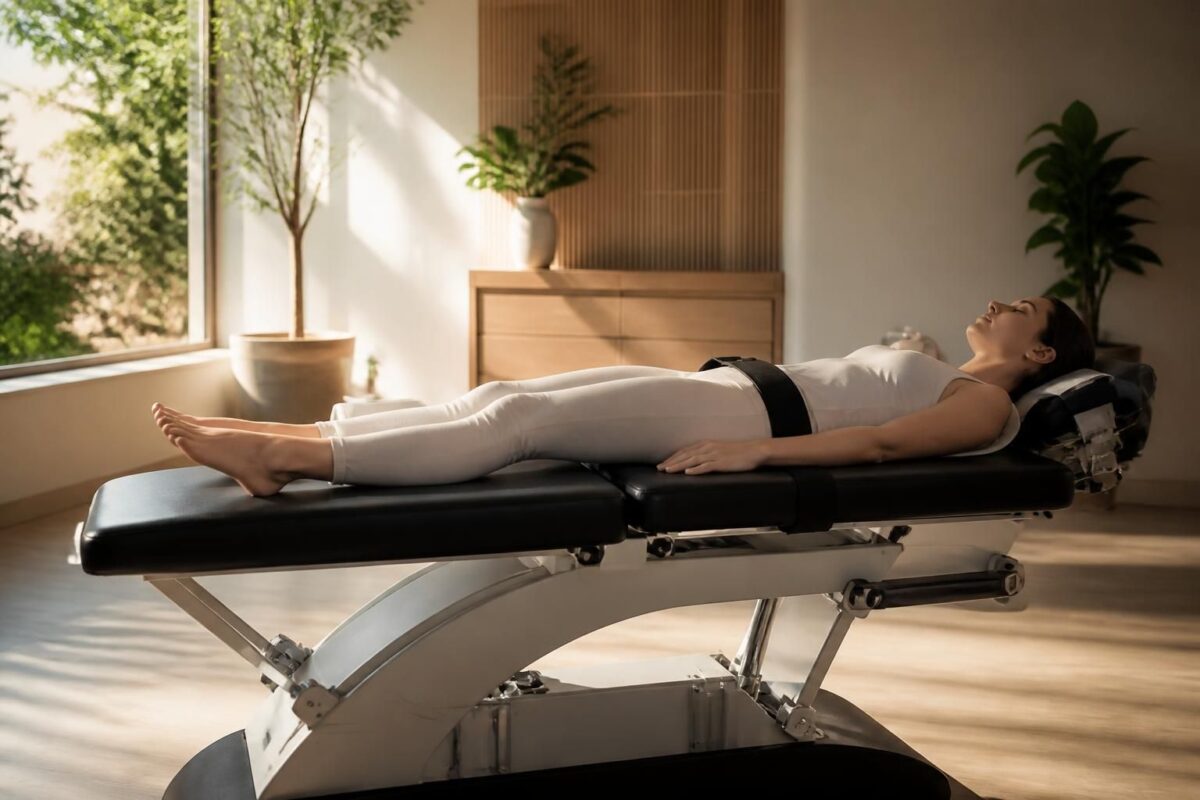
Neurovertebral Decompression and Body Alignment: Restoring Natural Balance
In short In short, neurovertebral decompression is one Non-invasive approach who restores theBody Alignment and thenatural balance back and neck. She acts by a Controlled traction of the spine to widen the intervertebral space and reduce the Pressure on discs…
Principles and mechanisms of action
The neurovertebral decompression Consists of creating a space between the vertebrae, which decreases the pressure on the intervertebral discs and on the adjacent nerves. This pressure reduction facilitates the rehydration of the discs and promotes tissue regeneration, thus contributing to a Improving mobility and to a pain reduction. In addition, the increase in local blood flow better nourishes the tissues, accelerating recovery and supporting better joint function. To deepen these mechanisms and their impact on flexibility, see in particular the dedicated resources: How decompression improves spinal flexibility.
In addition, specialized studies and reviews describe how this approach acts on musculoskeletal imbalances caused by chronic nerve tension and helps restore better postural and locomotor function. For summaries and analytics, you can refer to the following resources: how to act on muscle imbalances, and Postural alignment and imbalances.
For an overview of clinical evidence and mechanisms, you can also consult the resources such as Benefits for joint mobility and Benefits explained.
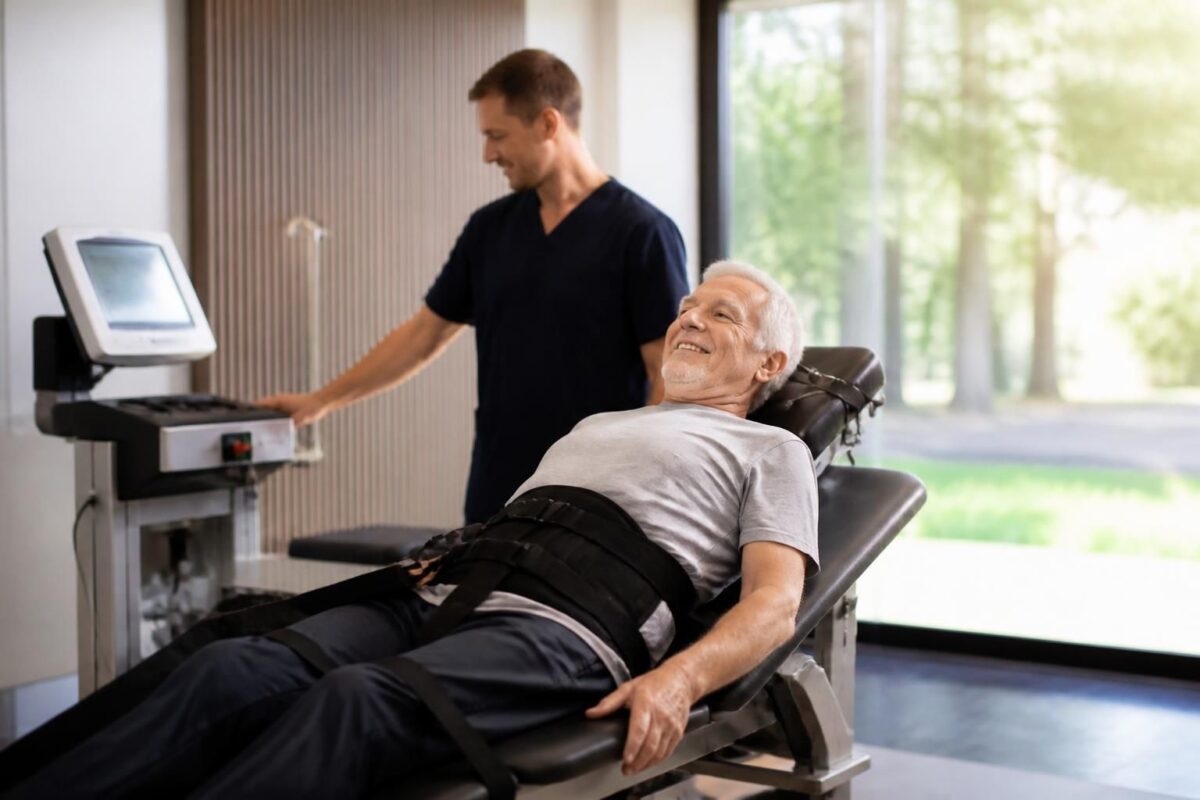
Why neurovertebral decompression is a lasting solution for active seniors
In short In short, the neurovertebral decompression is one Non-invasive therapy which sustainably relieves spinal pain in the spine active seniors By creating, by a Soft and controlled traction, a space between the vertebrae. At Montreal, it is recognized as…
Impact on mobility and range of motion
By reducing the pressure on the nerves and discs, the neurovertebral decompression allows a Improved range of motion and a decrease in muscle tension, which translates into a gradual resumption of daily activities and a better Functional mobility. Feedback and clinical data support that patients find once painful gestures, such as leaning, stretching or crouching. For clinical analysis and testimonials, see Resources: Clinical studies on efficacy.
This improvement in mobility is accompanied by a postural rebalancing, which contributes to preventing recurrences and maintaining a Durable joint function. Resources dedicated to postural alignment explain how decompression can correct imbalances and support more optimal posture: Postural alignment and imbalances.
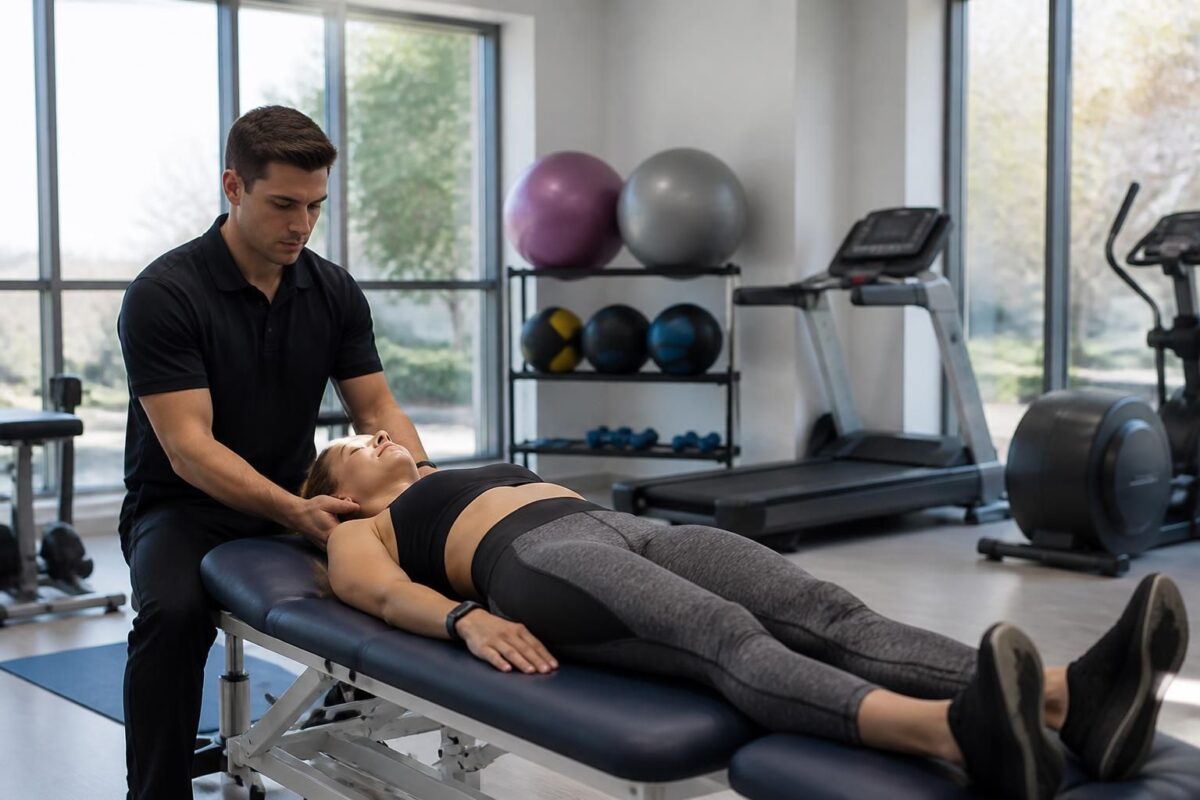
Neurovertebral decompression and recovery after severe sports injury
In short In short, the neurovertebral decompression is one Non-invasive method to Relieve the pressure on the Intervertebral discs and the gristle Via a Controlled traction, to facilitate the recovery After a severe sports injury. It improves the bloodstream towards…
Effects on postural alignment and muscle tension
The combined action of the vertebral space and the optimization of blood flow helps to release tensions around the joints, thus improving thePostural alignment and the flexibility. This dynamic promotes more fluid movements, reduces stiffness and supports lumbar and cervical stability. To understand how chronic imbalances and nervous tensions influence alignment, refer to technical analyses: Influence on musculoskeletal imbalances and Correct imbalances.
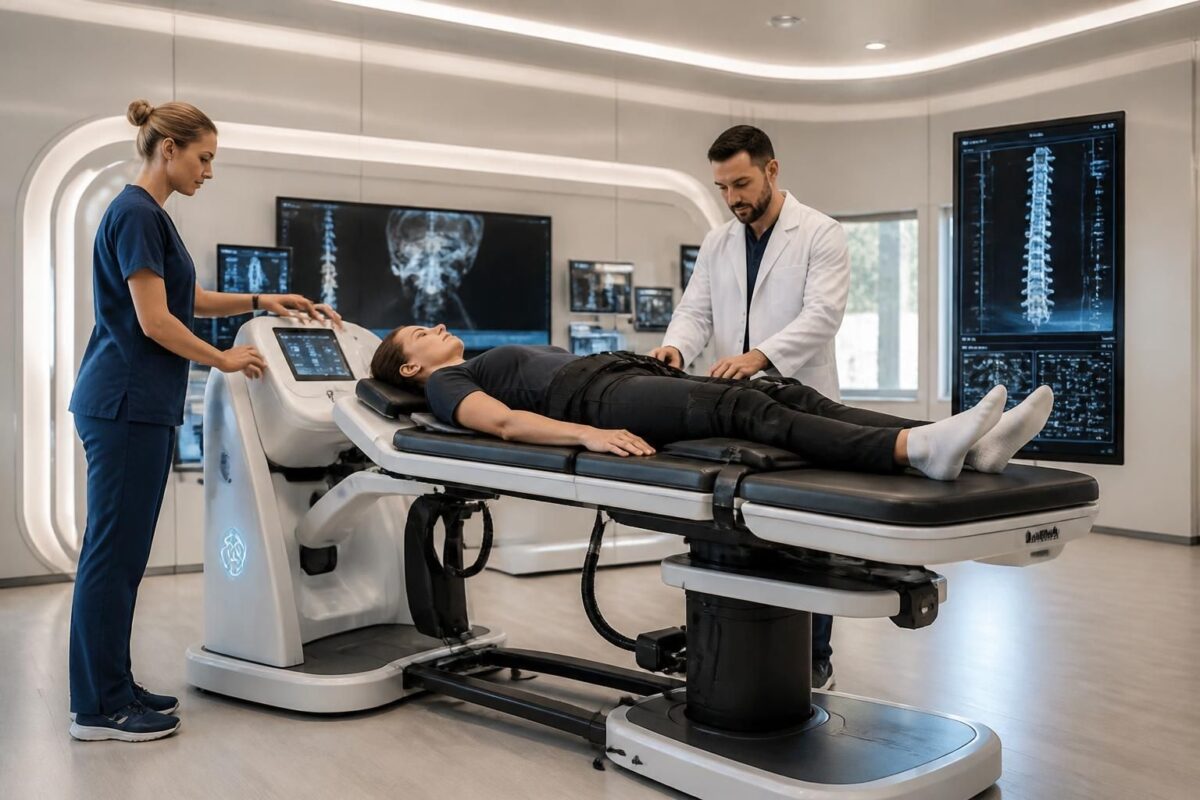
Recent innovations in neurovertebral decompression technologies
In short In short, the neurovertebral decompression is an approach non-invasive Aiming to reduce pressure on discs and nerves, and promote tissue regeneration. At Montreal, it is positioned as an effective option for lower back pain and herniated discs. The…
Functional advantages and impact on daily life
The Functional advantages include a rapid recovery of mobility, a pain reduction and a better ability to resume physical or professional activities without major constraint. This approach can also limit complications related to inactivity and promote a return to an active and autonomous lifestyle. To deepen the benefits and mechanisms explained, see the following resources: Improved joint mobility, and Benefits explained.
The literature and patient feedback also show that the quality of life Improves when pain decreases and mobility returns. Testimonies and syntheses of studies underline the extent of the benefits, in particular in the functional recovery and the reduction of limitations linked to vertebral pathologies. For concrete examples and analytics, refer to the specialized resources mentioned above and the dedicated pages on TagMed and material innovations: Benefits for manual workers and Equipment innovations.
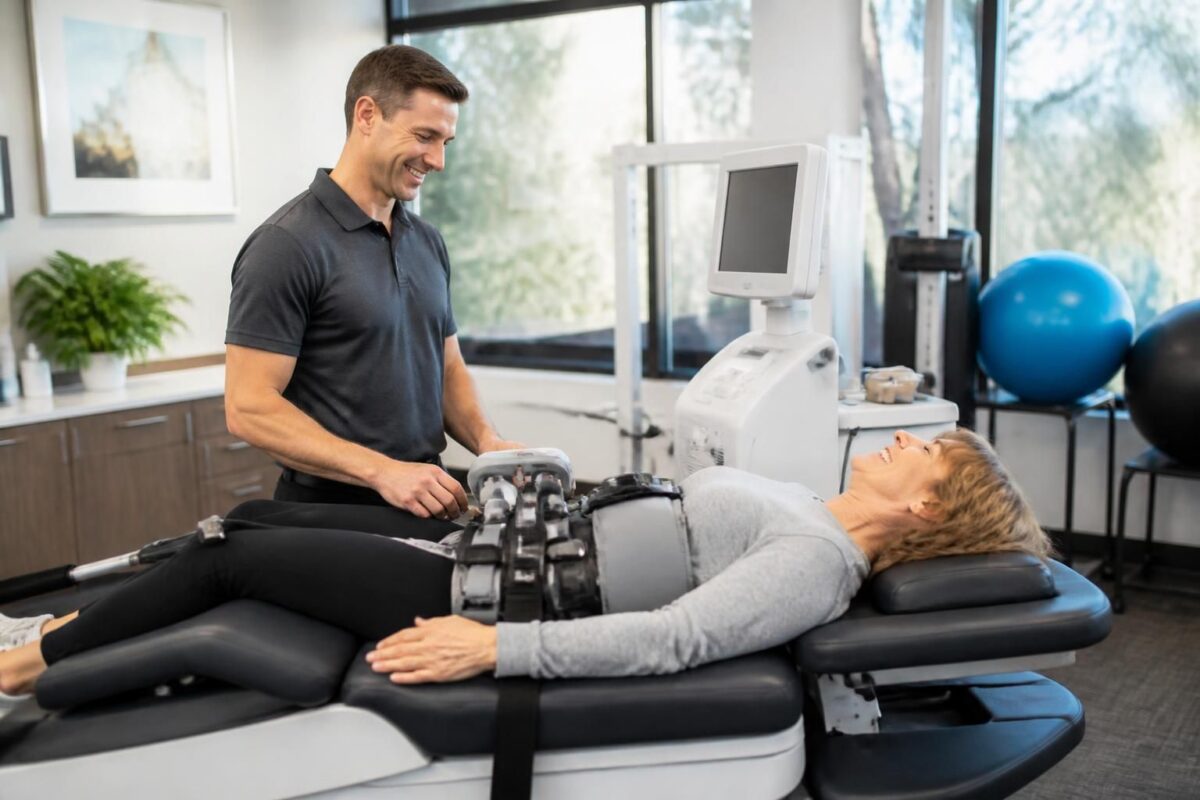
Neurovertebral decompression and diffuse pain: an appropriate solution
In short In short, the neurovertebral decompression is one Non-invasive solution For diffuse pain related to nerve irritation of the spine. She acts in Reducing pressure on intervertebral discs and nerves and improving the bloodstream, which promotes recovery and the…
Integration and additional resources
Neurovertebral decompression can be part of an approach integrated with other care techniques, such as targeted exercises and manual manipulations, to optimize results and sustainability of benefits. For in-depth analyzes of interactions with other approaches and optimized protocols, see: Equipment innovations, and Benefits in manual workers. The study and evaluation of imbalances can also be consulted via Postural alignment.
For those who wish to deepen the evidence and mechanisms, resources dedicated to action on muscle imbalances and effects on joint mobility are available online, including articles on global effects and clinical returns: Clinical studies and efficacy, and Joint mobility and decompression.
Additional resources and recommended readings
To go further, you can access the following pages that detail the benefits, mechanisms and results observed in patients: Improved joint mobility, Benefits for mobility, and Spinal flexibility and mobility. These resources enrich the understanding of the mechanisms, indications and results related to neurovertebral decompression, facilitating informed decision-making adapted to each patient.

Dr Sylvain Desforges, B.Sc., D.O., N.D., osteopath, is the founding president of TAGMED and of the ACMA association. He dedicates his practice to chronic spinal pain, low back pain and symptoms compatible with sciatica, particularly when pain radiates toward the buttock, leg, calf, foot or toes.
Through SOS Sciatique, he publishes educational content on sciatica symptoms, possible causes such as disc herniation, disc narrowing, foraminal stenosis or irritation of a lumbar nerve root, as well as non-surgical approaches that may be considered according to the evaluation. At Clinique TAGMED, care may include, depending on the case, motorized neurovertebral decompression, specific osteopathic care or precision percussion.
For an evaluation related to sciatica treatment in Montreal / Mount Royal or sciatica treatment in Terrebonne, please consult the services available at Clinique TAGMED.
Medical disclaimer
The information published on SOS Sciatique is provided for educational purposes only and does not replace a consultation, diagnosis, opinion or treatment provided by a physician or another authorized healthcare professional. The author of this article is neither a medical doctor nor a specialist in a medical specialty recognized by the Collège des médecins du Québec. The osteopathic, manual medicine or functional support approaches described on this site do not constitute medical acts and are not intended to replace medical follow-up.
Consult a physician or emergency service in cases of loss of bladder or bowel control, anesthesia in the saddle area, significant or progressive weakness in the leg or foot, fever, recent trauma, severe pain or rapid worsening of symptoms. For more details, please read our Legal Notice.