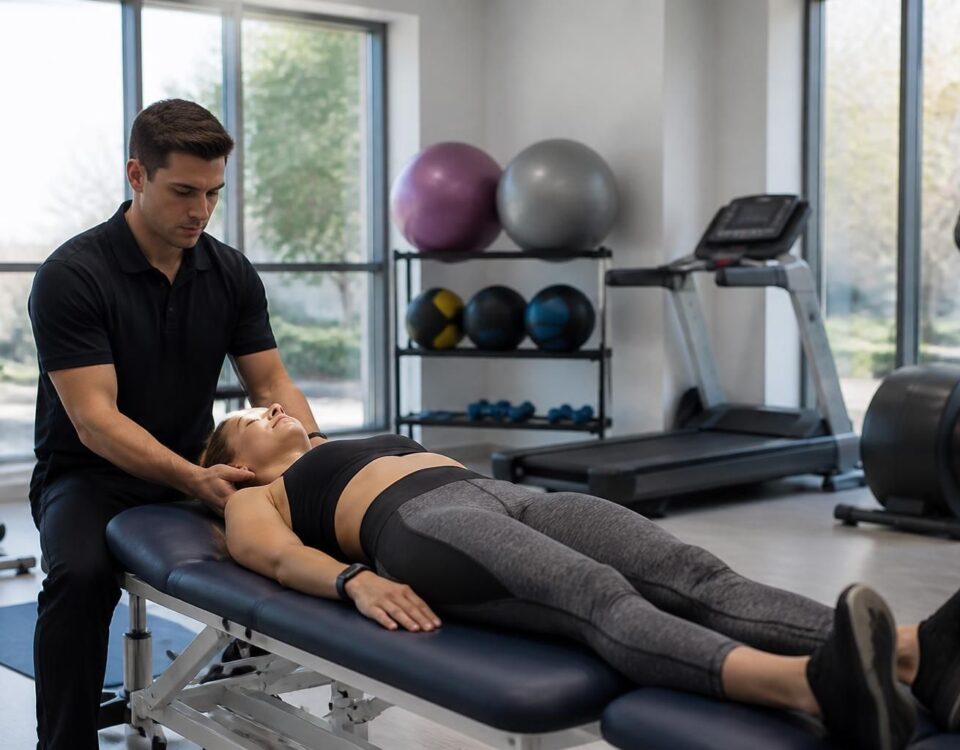


The benefits of neurovertebral decompression for patients undergoing rehabilitation
26/06/2026
The criteria for choosing a good specialist in neurovertebral decompression
26/06/2026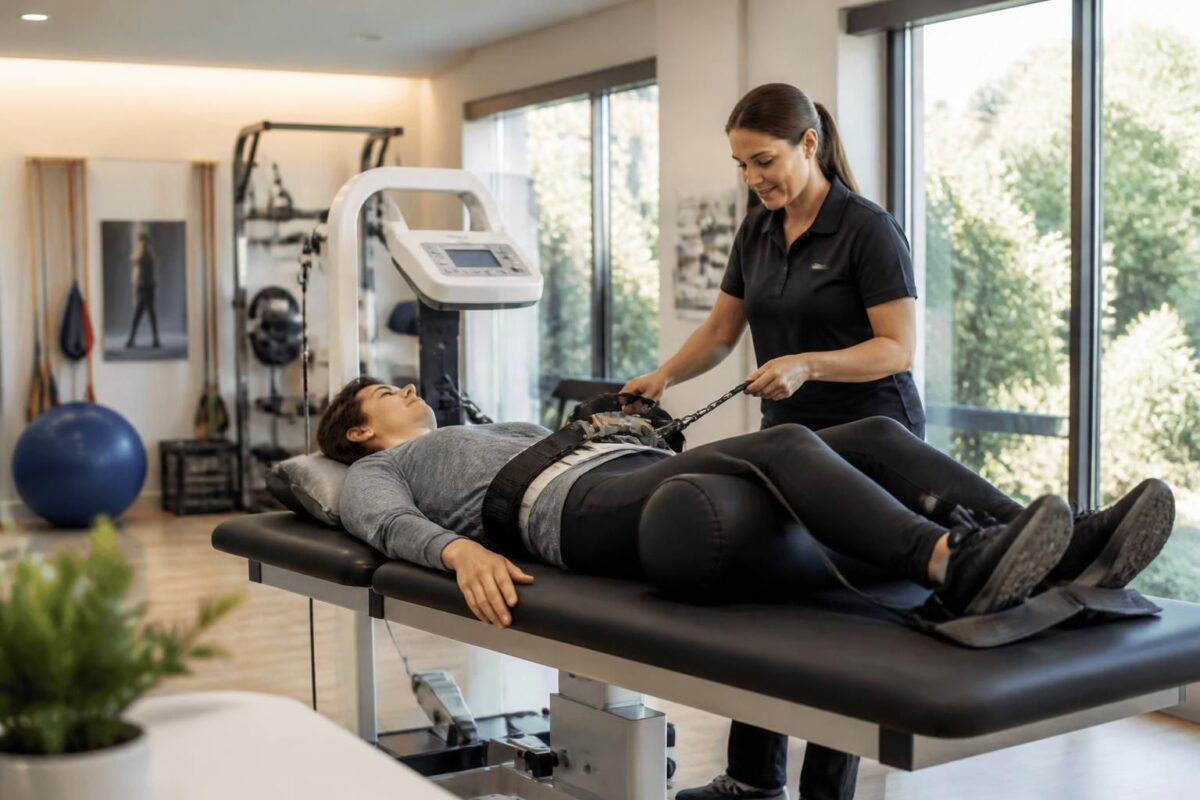
In short
| In short, the neurovertebral decompression for the sciatica is an approach non-invasive which aims to reduce the pressure on the nerves and lumbar discs to relieve pain and improve mobility. accessible to Montreal, it offers a Quick relief and recovery without surgery or drugs, with an adapted and personalized treatment that can help prevent relapses and allow a return to an active life. |
The neurovertebral decompression is an approach non-invasive specially adapted to the sciatica. She acts in Reducing pressure on nerves and intervertebral discs Through controlled traction, which improves blood circulation and promotes tissue repair. The result is a Quick relief Without surgery or drugs, with a Improving mobility.
The protocol is personalized According to each patient and can be associated with other therapies to optimize the results and prevent recurrences. It’s a Safe and effective alternative For those who want to avoid surgery.
Written by Dr Sylvain Desforges, osteopath and expert in manual medicine. This article describes how neurovertebral decompression can alleviate sciatic pain without having to go to surgery. It explains the mechanism, the benefits, the precautions and what to expect during treatment in TagMed clinics or in partner clinics. The text favors an approach based on evidence and secure clinical practices.
What is neurovertebral decompression and how it acts on sciatica
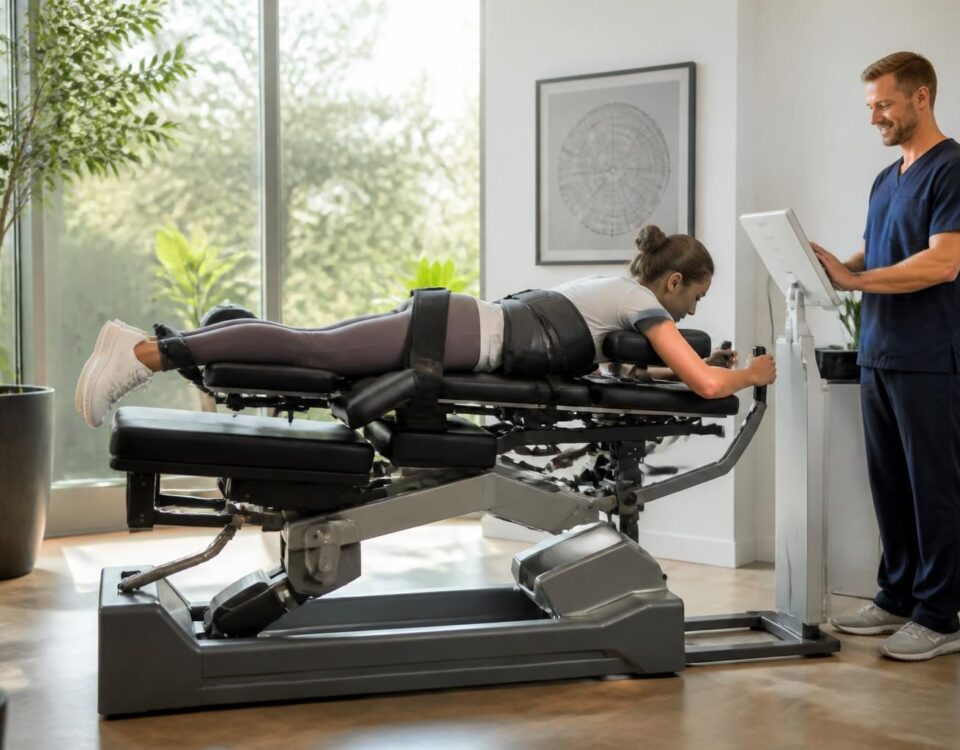
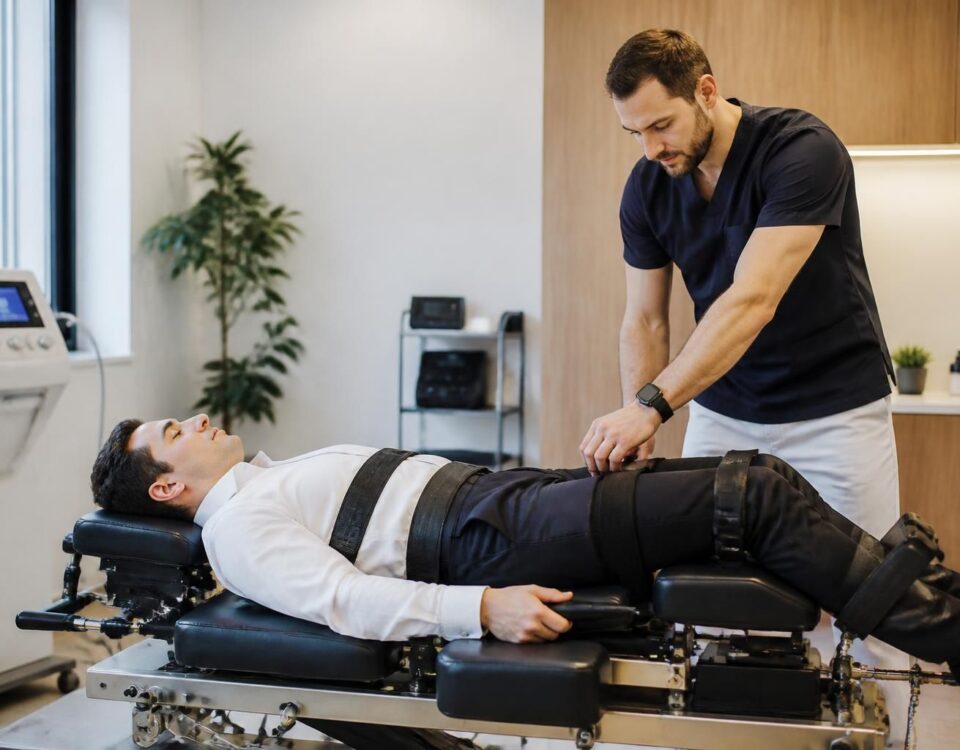
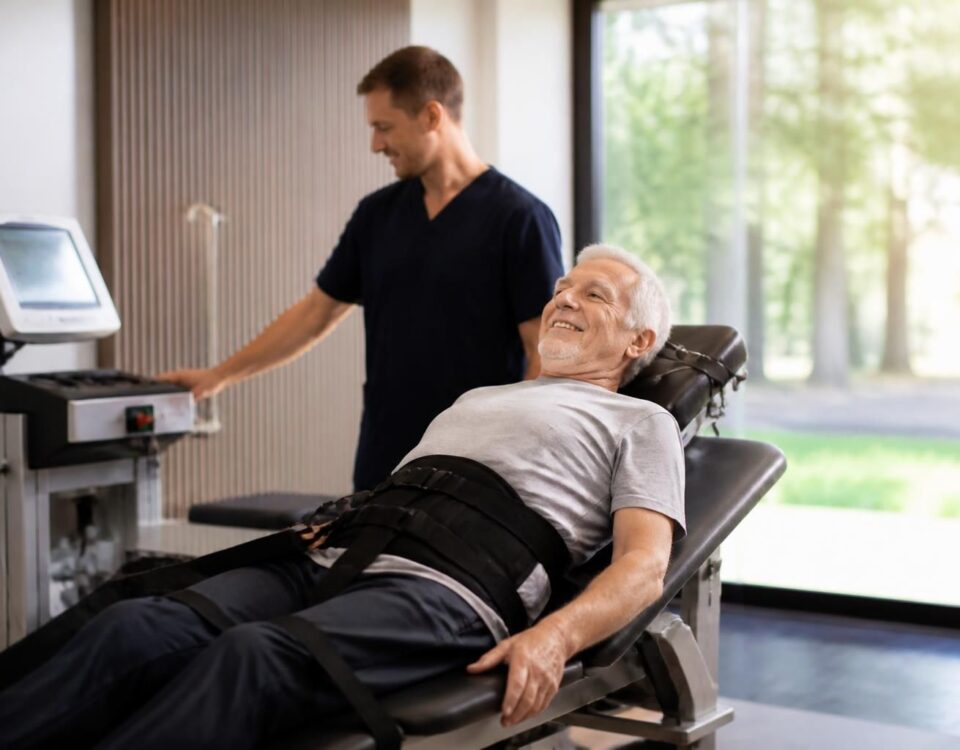
The neurovertebral decompression is a method non-invasive which applies controlled traction on the spine. This traction creates a slight separation between the vertebrae and reduces the pressure exerted on the gristle and the Intervertebral discs. This pressure reduction facilitates local blood circulation and stimulates the natural tissue repair response. Result: a decrease in pain and an improvement in mobility, without surgery or medication. To learn more, you can consult specialized resources on sites such as Neurovertebral decompression and prevention of spinal pain and Quick results.
As part of the sciatica, traction Reduces pressure on discs and nerves in the lumbar and pelvic regions. This can lead to improved blood flow, reduced inflammation and more effective tissue recovery. This approach is a safe and effective alternative when the pain is related to nerve compression.
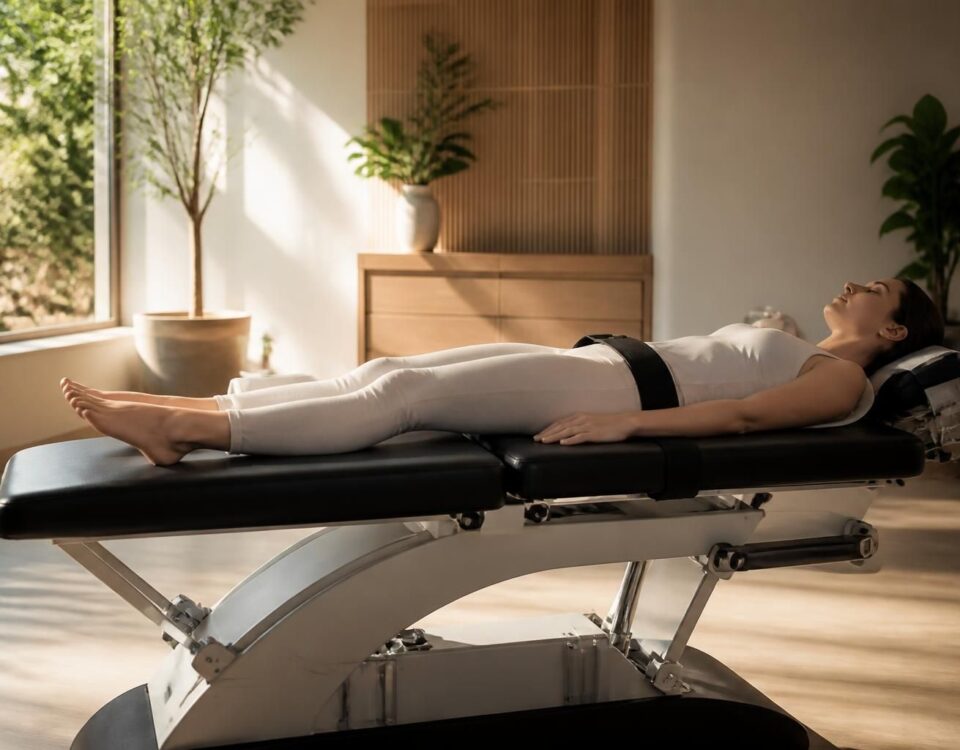
The technique is based on a specially designed device that applies smooth and controlled traction. It does not require surgery and respects the biological limits of the body. For additional information, see the following resources: Lumbar decompression and durable solution and Natural pain management.
Advantages and safety of decompression for sciatica
Compared to pharmacological treatments, neurovertebral decompression offers clear benefits. She can bring a Quick relief After a few sessions and improve the mobility general. She is non-invasive and avoids the risks associated with surgery. It also reduces, or avoids, addiction to analgesic drugs.
The treatment is adapted to each patient. The team adjusts the force and the Duration of traction depending on the clinical profile and response to treatment. Although very safe, this type of therapy requires prior assessment to exclude medical contraindications and ensure that sciatica is well linked to nerve compression that can be relieved by traction.
For additional information on benefits and results, see the following resources: Durable solution and Quick results.
Indications and selection criteria
Neurovertebral decompression is mainly indicated when pain is related to compression of vertebral nerve structures. It can be considered in the event of sciatica associated with discs without surgical indication. Each patient is evaluated individually. Some medical conditions require another approach and a medical consultation remains essential before starting treatment. For more general information, see Decompression and prevention.
Processing process and typical duration
A typical program includes several sessions. In practice, it is necessary to provide a series adapted to the severity of the symptoms and the response to treatment. Clinical data show that the beneficial effects appear gradually and stabilize with a sufficient number of sessions. For testimonials and comparative analyses, see Quick results.
Concerns and Precautions
Although decompression is safe for most patients, it is not suitable for all situations. Contraindications should be checked during the initial assessment. The program does not offer exercises or stretches during treatment. For additional information and official perspectives, you can consult specialized resources such as Lower back pain and decompression and vertebral decompression — natural treatment.
Integration into a global approach to health
Neurovertebral decompression can be part of a global pain management approach, in addition to other non-drug therapies offered by the TagMed clinics in Montreal and Terrebonne. Monitoring is done with continuous evaluation, in order to adjust the treatment plan and promote the return to an active and painless life. For more information on clinical offers, see Tagmed Clinic.
Additional resources and testimonials can be viewed on specialized sites and information pages associated with neurovertebral decompression. For information on causes and mechanisms, see also public references on Why choose this approach.
Additional information also comes from resources dedicated to disc pathology and lumbar pain, including content available on Decompression and lower back pain and Quick results.
For patients and professionals who wish to explore other non-surgical approaches, practical resources and comparative analysis exist on the sites referenced above. You will find information on the mechanisms, results and clinical uses of neurovertebral decompression.
Useful additional links: Decompression and prevention, Quick results, neurovertebral decompression.
For more information on non-surgical treatments available in TagMed clinics, see processing and associated resources on referring sites.
The waves and technologies associated with PULSE ALIGN and other technological solutions can supplement the treatment as appropriate, in accordance with recognized clinical practices.
To learn more about the practical aspects and results obtained in the non-surgical management of sciatica, see Resources: Neurovertebral decompression and prevention and Quick results.
For more information, click here on related resources and sites of TagMed (Montreal) and partner clinics.
Useful links to explore the topic:
sossciatica.com,
Cliniquetagmed.com,
decompressionneurovertebrale.com,
SoshernieDiscale.com,
SosherniateDisc.com.
Medical disclaimer
“Medical disclaimer: The information and advice provided on this site does not replace the health professional’s benefit, diagnosis or treatment. Please note that Dr. Sylvain Desforges osteopath is neither a doctor of medicine nor a doctor, and is not a specialist in a medical specialty as defined by the Collège des Médecins du Québec. Manual medicine, functional medicine and sports medicine as described on this site exclude any medical treatment or diagnosis made by a doctor or specialist doctor. Always consult your doctor for any medical questions. For more details, please read our full legal notice. »
- neurovertebral decompression not invasive targeting discs and nerves
- Traction fresh and personalized According to the patient
- better bloodstream and disk nutrition
- avoid all surgery and the associated risks
- promotes the return to mobility without medication
- Relief quick and lasting after several sessions
- Reduces pain without medication
- strengthens the flexibility and the posture
- Allows it Back to daily activities
- good practices: assess the contraindications and follow the protocol

The neurovertebral decompression is an approach non-invasive which aims to relieve the sciatica by acting directly on the spine. By generating a gentle traction, it frees the space between the vertebrae, reduces the pressure on the discs and nerves, and improves local circulation. This method offers an effective and safe alternative to reduce pain and regain mobility without going through surgery or heavy medication.
What is neurovertebral decompression and its action on sciatica
Neurovertebral decompression uses a specialized device that applies controlled traction on the column, creating negative pressure in the intervertebral discs. This mechanism decreases compression on the sciatic nerve and allows better blood circulation, promoting tissue repair and reduction of inflammation. The process is designed to be respectful of the body and without surgery.
How does a session take place
Each session is based on a progressive and personalized traction, adjusted according to health status and symptoms. The duration and intensity evolve over the course of the treatment in order to promote safe and measured progression. The typical protocol is part of a series of sessions planned over several weeks.
Indications and limitations
The method is particularly suitable for pain related to herniated discs, nerve compressions and lumbar or cervical radiculopathies. It is not suitable for all medical situations and requires a rigorous preliminary assessment. In the presence of vertebral fractures, active infections or certain tumors, decompression is not indicated without specialized medical advice.
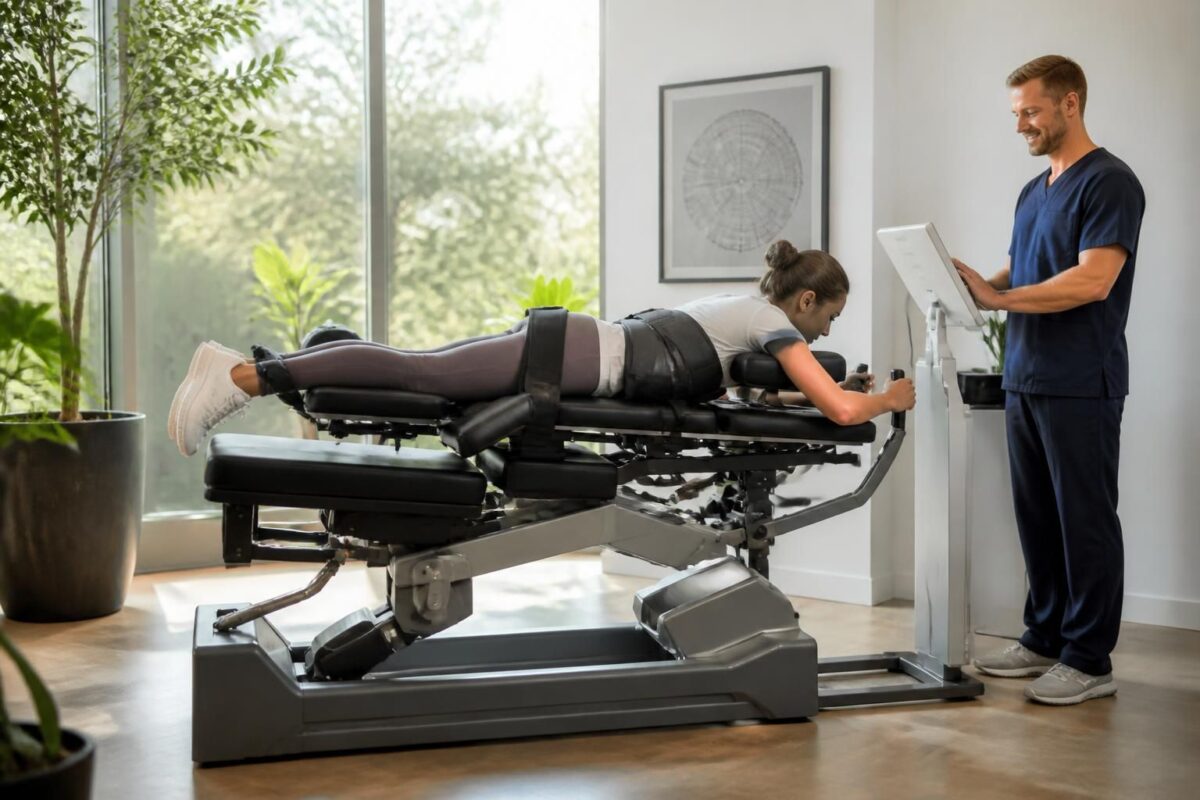
The long-term benefits of neurovertebral decompression for spinal health
In short In short, the neurovertebral decompression is a non-invasive approach that decreases the Pressure on intervertebral discs and nerves, favoring the Natural regeneration and tissue recovery. Its long-term benefits include Lasting pain reduction, Improving mobility and from the posture,…
Advantages over traditional treatments
Compared to drug treatments, decompression Directly reduces nerve pressure And the discs, often offering quick and lasting relief with no painkiller addiction and systemic side effects. It avoids the risks and downtime associated with surgery while promoting a more natural functional recovery.
Mobility and quality of life
By reducing pain and improving mobility, this approach allows a faster return to daily and professional activities, while preventing repeated reinflammations linked to poor postures or sedentary lifestyle.

Neurovertebral decompression and mobility: a return to an active life
In short In short, the neurovertebral decompression is therapy non-invasive who uses a gentle traction To create a space between the vertebrae and reduce the pressure on the Intervertebral discs and the nerves. It promotes a bloodstream improved, lowers tension…
Process and treatment plan
A realistic program usually includes between 15 and 25 sessions, personalized according to the severity and the evolution of the symptoms. The treatment is thought of as an alliance between technique and rehabilitation: each stage aims for a gradual improvement in mobility, a lasting reduction in pain and better spinal stability.
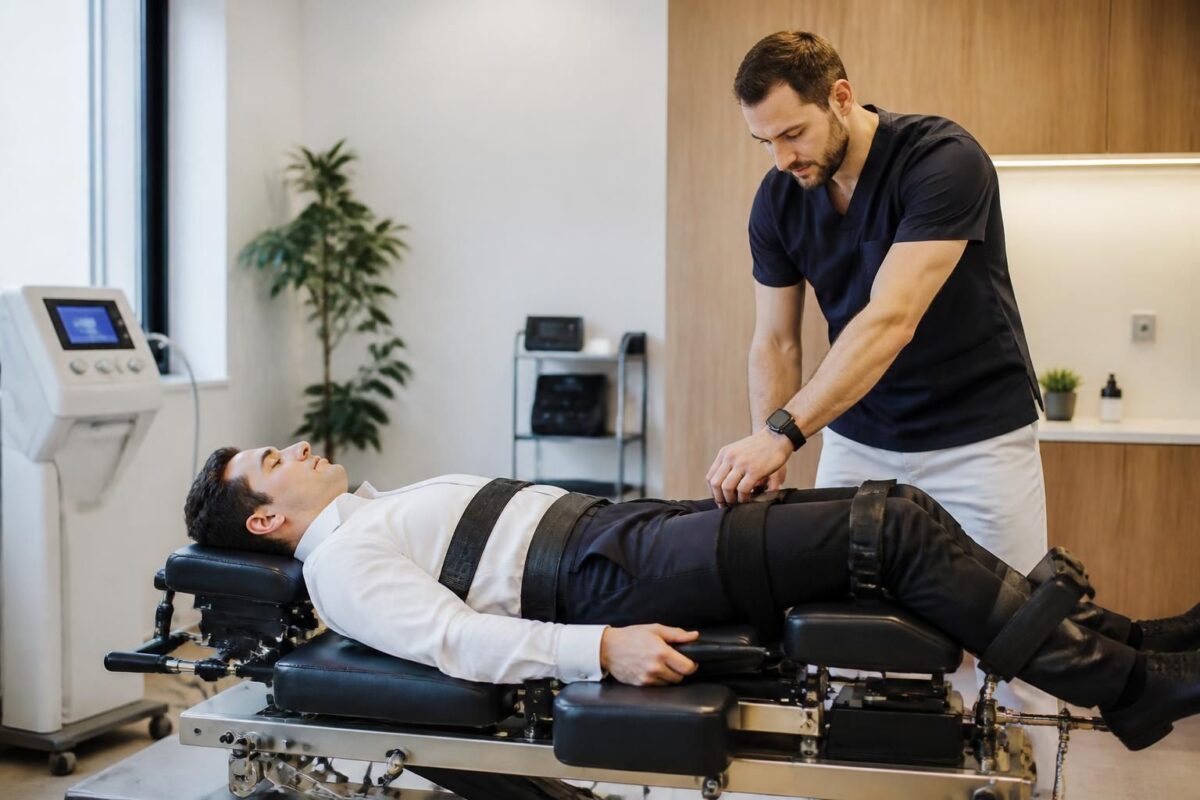
How Neurovertebral Decompression Prevents Diffuse Chronic Pain
In short decompression neurovertebral is one Non-invasive method aimed at reducing the Pressure on the intervertebral discs and the nerves, in order to prevent Diffuse chronic pain. It improves the circulation and thedisc hydration, decreases inflammation and promotes better mobility.…
who can benefit and precautions
Potential candidates are those with recurrent sciatica pain related to nerve pressure, with or without disc disease. However, the presence of specific conditions requires a prior medical consultation: vertebral fractures, active infections or certain pathologies affect the safety of the treatment and require appropriate care.
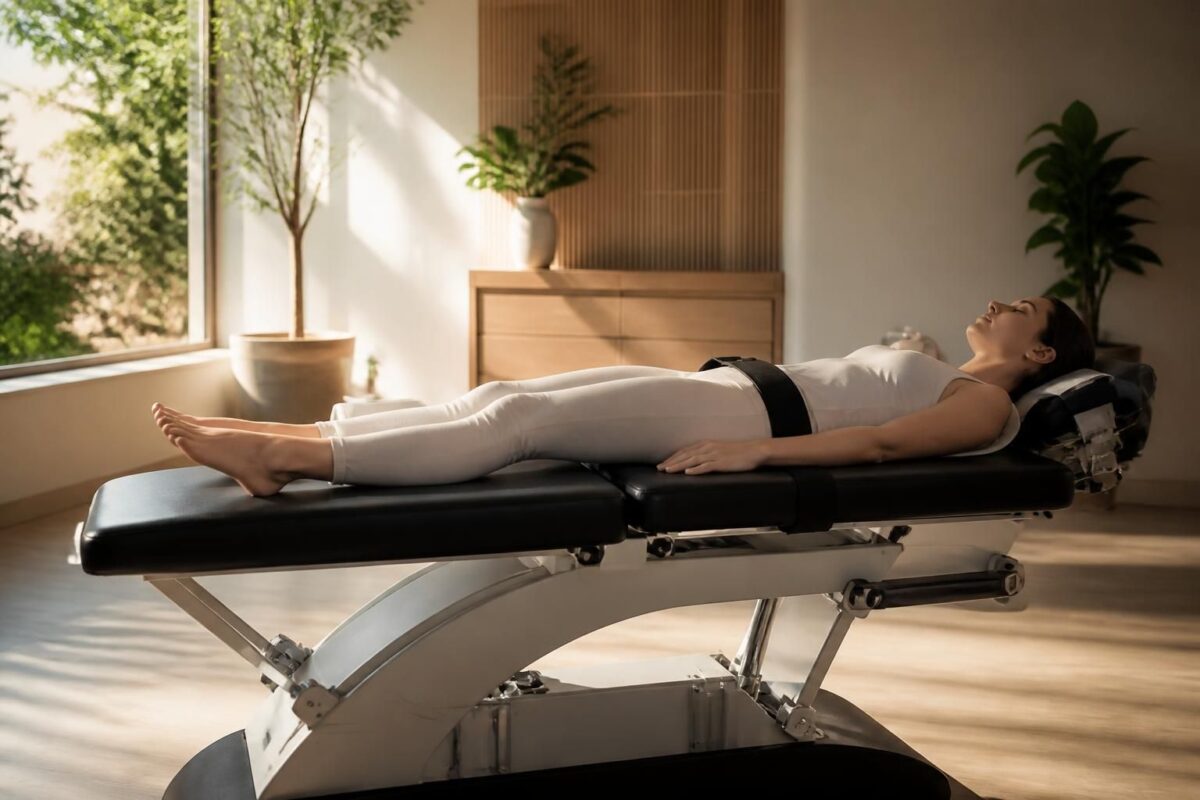
Neurovertebral Decompression and Body Alignment: Restoring Natural Balance
In short In short, neurovertebral decompression is one Non-invasive approach who restores theBody Alignment and thenatural balance back and neck. She acts by a Controlled traction of the spine to widen the intervertebral space and reduce the Pressure on discs…
Integration with other practical approaches and advice
Decompression can be associated with other manual therapies, targeted exercises, and postural advice to optimize results. Adopting regular movements, staying active, and supporting the spine with appropriate hydration and a balanced diet helps prevent relapses and prolong the benefits obtained by the sessions.
To optimize the results, it is recommended to discuss personal objectives, clarify the treatment plan, and ask questions about success criteria and warning signs that may require a medical reassessment.
| Aspect | Concise description |
|---|---|
| Objective | Relieve sciatica without surgery by reducing the pressure on the nerves and discs by a Controlled traction. |
| invasiveness | Approach non-invasive and non-surgical, without incision or anesthesia. |
| Mechanism | gentle traction which opens the space between the vertebrae and improves the blood flow local. |
| Results | Quick relief After a few sessions and Improving mobility. |
| Target population | Suitable for those suffering from sciatic pain related to herniated discs, stenosis or Disc bulges. |
| precautions | Avoid in case of vertebral fractures or infections; personalized plan. |
| Typical duration | Number of sessions generally 15 to 25 depending on severity. |
| Cost and benefits | initial investment, with Long-term benefits and reduction of drug dependence. |
| complementarity | May be associate other appropriate therapies and exercises. |
| Limitations | Not suitable for all conditions; need Medical assessment Preliminary. |
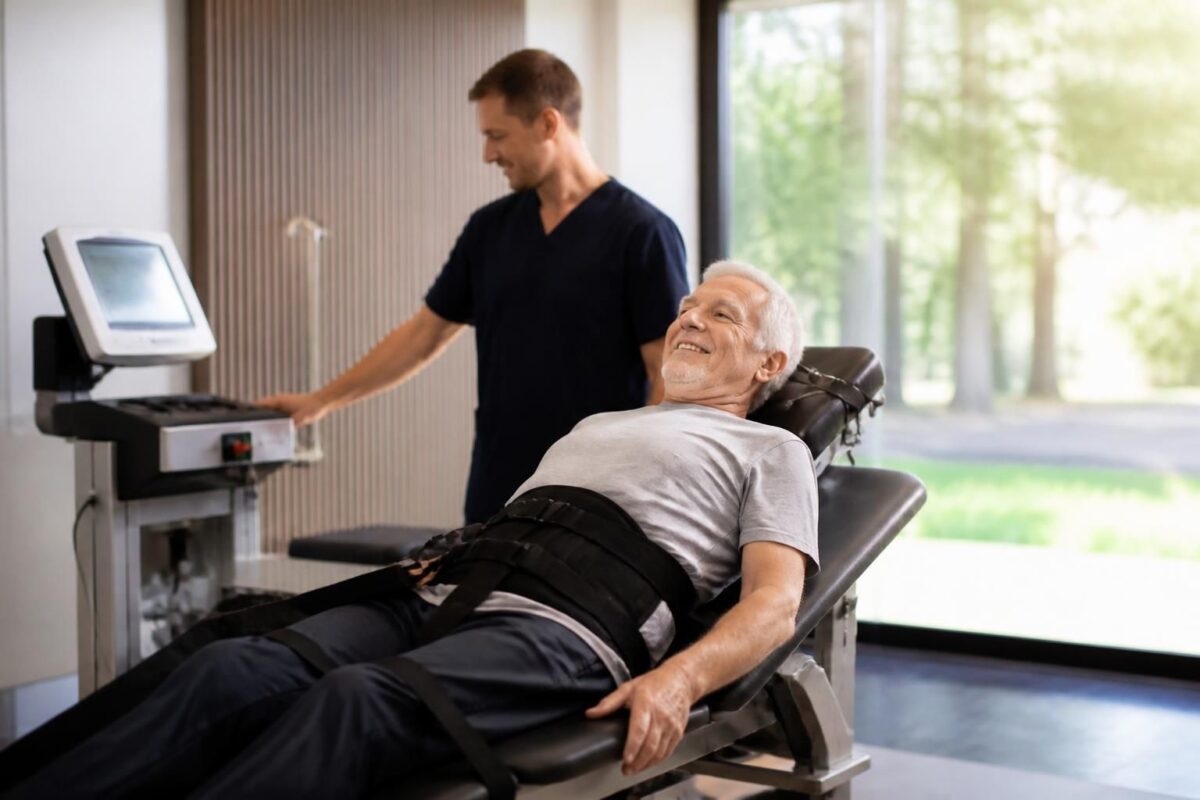
Why neurovertebral decompression is a lasting solution for active seniors
In short In short, the neurovertebral decompression is one Non-invasive therapy which sustainably relieves spinal pain in the spine active seniors By creating, by a Soft and controlled traction, a space between the vertebrae. At Montreal, it is recognized as…
Testimonials: neurovertebral and sciatic decompression — relieve without surgery
“Before discovering the neurovertebral decompression, my sciatica paralyzed my walk and disrupted my nights. After a series of sessions, the relief is quick and lasting, without any surgery. »
“I had tried everything, from drugs to classic therapies, but it was by opting for the neurovertebral decompression I actually felt a difference. No surgery, just a noticeable reduction in pain and regained mobility. »
“As an athlete, the idea of surgery made me hesitate. The neurovertebral decompression offered me a way non-invasive Towards recovery, with a faster return to workout than expected and without medication. »
“I am a mom and I want to be able to play with my children without pain. After a few sessions, the sciatica became less present and my mobility improved greatly – all without operation. »
“This approach allowed me to understand that the pain did not need to be masked by drugs. Thanks to the neurovertebral decompression, I found an active life and I avoided surgery, which changed my daily life. »
“In the professional environment, a comfortable posture and smooth movements make all the difference. With the neurovertebral decompression, I saw a gradual decrease in pain and a lasting improvement in my ability to move without going through surgery. »
Dr. Sylvain Desforges is a recognized expert in Osteopathy, the naturopathy and manual medicine. At the head of the TagMed clinics and the ACMA association, he places innovation at the heart of his practice and develops an approach centered on the sustainable improvement of the quality of life of patients. His career is guided by a quest for clinical effectiveness and the integration of advanced technologies such as vertebral decompression, the laser and shockwave therapy. Its mission is to provide evidence-based care to optimize everyone’s health and well-being.
In this regard, the neurovertebral decompression appears as an effective solution for the sciatica which favors non-surgical. this method, non-invasive, is based on soft traction and controlled of the spine, aimed at reducing the pressure exerted on the intervertebral discs and the nerves. By restoring better blood flow and promoting tissue regeneration, it allows rapid pain relief and progressive recovery from mobility, without resorting to medication. This approach offers a new range of motion and a better quality of life, while avoiding the risks associated with surgery.
Dr. Desforges’ practice is based on a personalized evaluation and a data-based approach. Each protocol is adjusted according to the state of health, symptoms and progress of the patient. This customization guarantees optimal efficiency and helps prevent recurrences. The goal is not only to soothe the pain, but to treat the cause and restore the normal functioning of the column, consistent with other therapies when necessary for comprehensive and lasting management.
In practice, treatment often associates decompression with a series of assessments and progressive adjustments of the therapeutic plan. The typical program can be spread over several weeks, with a number of sessions adapted to the severity of the symptoms, going beyond simple occasional interventions. This approach brings the patient closer to a quick return to daily and sports activities, while minimizing exposure to pharmacologic treatments or more invasive procedures. Other modalities, such as laser or shock wave therapy, can be used in addition to accelerate recovery and optimize results.
Beyond technique, Dr. Desforges embodies a holistic view of spinal health. Through the TagMed and Pulse Align clinics and the ACMA association, it promotes a multidisciplinary and accessible offer, focused on prevention and sustainable well-being. His practice embodies a compelling alternative to surgery and drug treatments for spine pain, while relying on innovation and clinical evidence to guide each patient to the most suitable path.
To learn more about its approach and the services available, visit the websitewww.cliniquetagmed.com.Patients interested in options neurovertebral decompression and non-surgical solutions for sciatica There will be detailed information and testimonials on the results obtained in the context of a personalized and secure journey.
Quick summary: the neurovertebral decompression represents an approach non-invasive To relieve the symptoms of sciatica without resorting to surgery. By reducing the pressure exerted on the intervertebral discs and nerves by controlled traction, it improves blood circulation, promotes tissue recovery and provides progressive relief, often after a few sessions, while avoiding the risks and side effects of drug treatments.
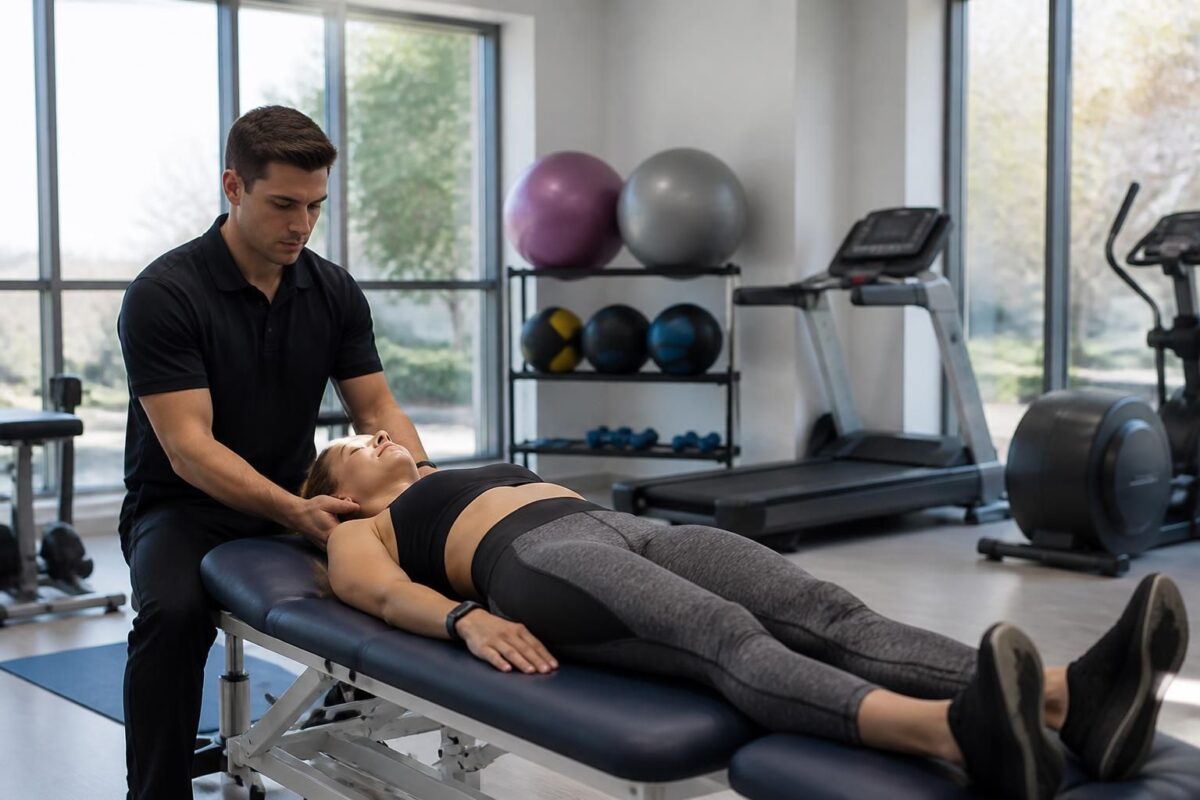
Neurovertebral decompression and recovery after severe sports injury
In short In short, the neurovertebral decompression is one Non-invasive method to Relieve the pressure on the Intervertebral discs and the gristle Via a Controlled traction, to facilitate the recovery After a severe sports injury. It improves the bloodstream towards…
Principles and mechanisms
The neurovertebral decompression Acts on the mechanisms responsible for sciatic pain by creating a space between the vertebrae and reducing the pressure on the nerves and discs. This approach Treat the cause Rather than simply masking the pain, it stimulates better local vascularization and promotes the repair of damaged tissues, which contributes to regained mobility and decreased symptoms.
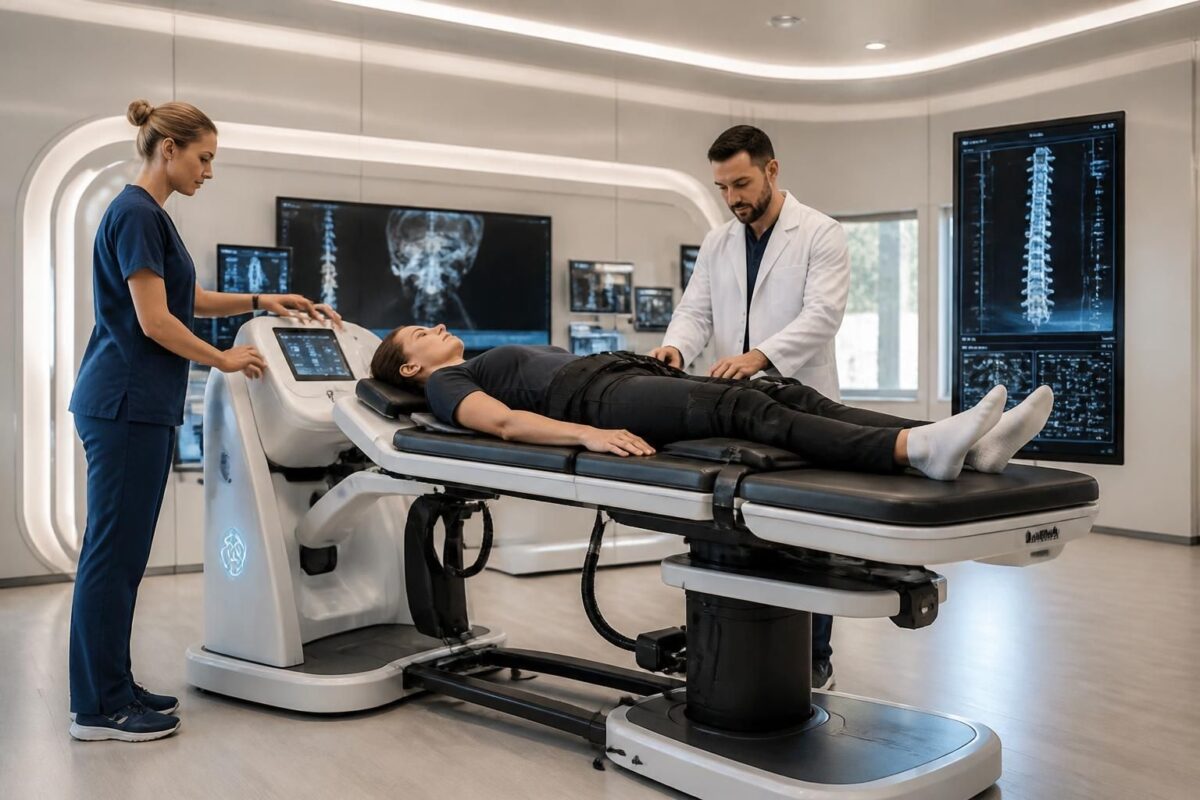
Recent innovations in neurovertebral decompression technologies
In short In short, the neurovertebral decompression is an approach non-invasive Aiming to reduce pressure on discs and nerves, and promote tissue regeneration. At Montreal, it is positioned as an effective option for lower back pain and herniated discs. The…
Potential benefits and results
The observed benefits include a Quick relief pain after several sessions, an improvement in the mobility and a reduction in the risk of relapse thanks to a better integrity of the spinal structures. Unlike some drugs or invasive interventions, this method does not create addiction and offers a Sustainable option For the management of lower back and root pain.
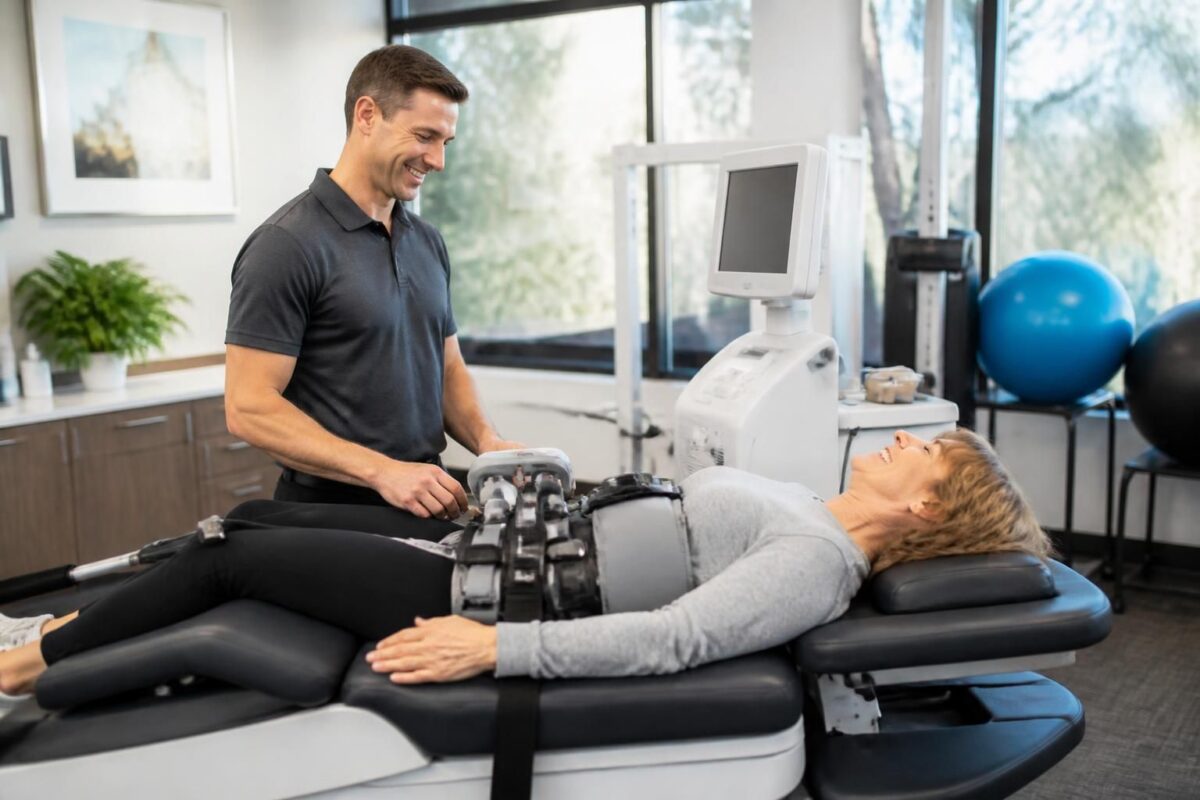
Neurovertebral decompression and diffuse pain: an appropriate solution
In short In short, the neurovertebral decompression is one Non-invasive solution For diffuse pain related to nerve irritation of the spine. She acts in Reducing pressure on intervertebral discs and nerves and improving the bloodstream, which promotes recovery and the…
Processing and customization process
Each patient benefits from a Personalized treatment plan adapted to his state of health and the nature of the symptoms. The traction parameters (strength and duration) are adjusted over the sessions to optimize efficiency while respecting the patient’s body. A typical program usually includes between 15 and 25 sessions, spread over several weeks or months, depending on the severity of the signs and the location of the pain.
Precautions and contraindications
Decompression is not suitable for all patients. People with vertebral fractures, infections, or other specific medical conditions should be carefully evaluated before starting treatment. In addition, certain practices associated with the treatment period may be to be adjusted, and practitioners will direct the patient on the activities to be favored or avoided in order to prevent complications and ensure safe recovery.
Integration with other approaches and resources
Decompression can be used as Complementary treatment other therapies such as physiotherapy, osteopathic care or manual approaches. To learn more, learn about the following resources that have varied perspectives and applications of the technique:
- Sciatica: Avoid surgery through decompression
- IDN Clinic – Neurovertebral Decompression
- Ideal for athletes in rehabilitation
- Long-term back benefits
- Neurovertebral Decompression – Chiropractic South Shore
- Post-surgical pain and decompression
- Degenerative pathologies and decompression
- Relieve sciatic nerve pain – treatment
- Painful irradiants: Deep relief
- Neurovertebral decompression in Paris
For your safety and follow-up, it is recommended to consult a health professional before undertaking a neurovertebral decompression process and to discuss all possible contraindications and alternatives. Disclaimer: The information presented does not replace personalized medical advice and does not constitute a diagnosis.

Dr Sylvain Desforges, B.Sc., D.O., N.D., osteopath, is the founding president of TAGMED and of the ACMA association. He dedicates his practice to chronic spinal pain, low back pain and symptoms compatible with sciatica, particularly when pain radiates toward the buttock, leg, calf, foot or toes.
Through SOS Sciatique, he publishes educational content on sciatica symptoms, possible causes such as disc herniation, disc narrowing, foraminal stenosis or irritation of a lumbar nerve root, as well as non-surgical approaches that may be considered according to the evaluation. At Clinique TAGMED, care may include, depending on the case, motorized neurovertebral decompression, specific osteopathic care or precision percussion.
For an evaluation related to sciatica treatment in Montreal / Mount Royal or sciatica treatment in Terrebonne, please consult the services available at Clinique TAGMED.
Medical disclaimer
The information published on SOS Sciatique is provided for educational purposes only and does not replace a consultation, diagnosis, opinion or treatment provided by a physician or another authorized healthcare professional. The author of this article is neither a medical doctor nor a specialist in a medical specialty recognized by the Collège des médecins du Québec. The osteopathic, manual medicine or functional support approaches described on this site do not constitute medical acts and are not intended to replace medical follow-up.
Consult a physician or emergency service in cases of loss of bladder or bowel control, anesthesia in the saddle area, significant or progressive weakness in the leg or foot, fever, recent trauma, severe pain or rapid worsening of symptoms. For more details, please read our Legal Notice.