How Osteopathy Improves Lymph Circulation
28/06/2026
Osteopathic manipulations to treat lower back pain
28/06/2026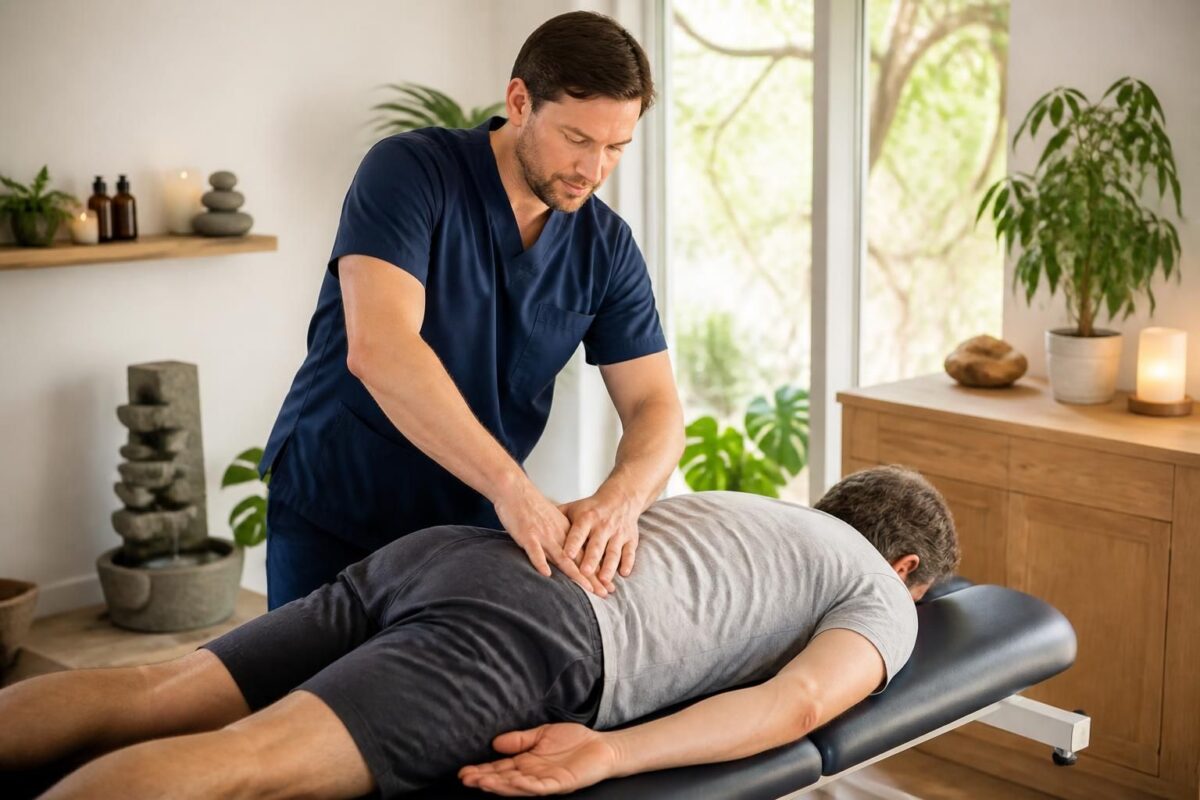
In short In short, theosteopathy and the sciatic pain offer a Durable solution and natural To reduce pain and restore pelvic and lower back mobility. What is it? an approach non-drug which acts on the environment of the sciatic nerve and the tissues around it, without aiming for surgery. What are the advantages? Reduction of tensions and stiffness, improvement of mobility, gradual resumption of activities and prevention of recurrences, with minimal use of drugs. How does it work? gentle mobilizations, targeted muscle relaxation and support that promotes physical activity and active rehabilitation; The objective is to get the body back in motion and to support healing through everyday gestures. Accessible in Montreal, this service is particularly recommended for lower back pain associated with sciatica and for those looking for a natural and sustainable approach. |
For the sciatic pain, theosteopathy offer a Natural solution and lasting By acting on the environment of the nerve and the mobility of the pelvis and the lumbar spine. It aims to release muscle tension and restore the mobility To facilitate the return to thephysical activity and appropriate exercises. considered a complement Useful for patient education and active rehabilitation, it can quickly reduce pain and improve comfort without systematically relying on medications. This approach is part of a global approach, combining movements, reinforcement and daily advice, while remaining compatible with medical evaluation needs when necessary.
This approach highlights Osteopathy as a sustainable and natural solution to the sciatic pain. It aims to restore the mobility of the lower back, to release muscle tension around the sciatic nerve and to promote the gradual return to activity. It is an approach that is part of a global care, centered on movement and rehabilitation, rather than on prolonged rest.
What is sciatica and why it happens
The sciatica Refers to pain due to sciatic nerve damage, the most voluminous peripheral nervous system. It affects part of the lower limbs and can result from chronic low back pain. The most common causes include a slipped disc, a Lumbar osteoarthritis, a narrowed lumbar canal or a Piriform Syndrome. Factors such as carrying heavy loads, obesity, lack of activity and prolonged positions can promote its appearance. The sciatic nerve starts at the level of the lumbar and sacral vertebrae (L4-L5 and S1).
How Osteopathy Acts on Sciatia
theosteopathy Attached to work on the environment of the nerve and the associated muscle chains. It aims to restore the mobility of the pelvis and the lumbar spine, to reduce muscle tension around the nerve and to facilitate the movement of tissues. The goal is to reduce the stresses on the nerve and to improve the circulation of nutrients and oxygen to the tissues. This approach is generally complementary and is integrated into an active approach to rehabilitation and maintenance of appropriate physical activity. In some cases, specific techniques, such as neurovertebral decompression motorized, can be envisaged as part of a global care plan.
Resources presented by professionals and specialized centers explain how osteopathy can affect pain and the mobility without invasive manipulation. They also underline that the main objective remains the return to activity and the strengthening of muscle chains, with a progressive and adapted approach to each patient. To learn more, see the following resources:
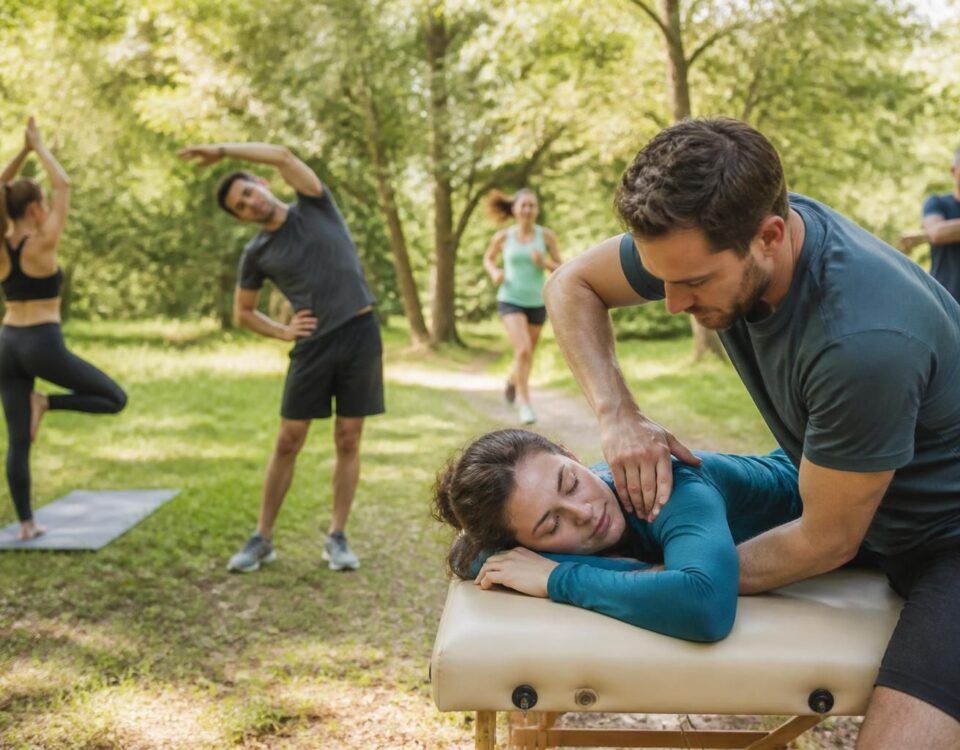
- Osteopathy and stress: a tool to soothe the body and mind
- Osteopathy and improvement of lymphatic circulation
- Prevention of workplace injuries and osteopathy
- Sports recovery and athletic performance
What you can expect during an osteopathy session
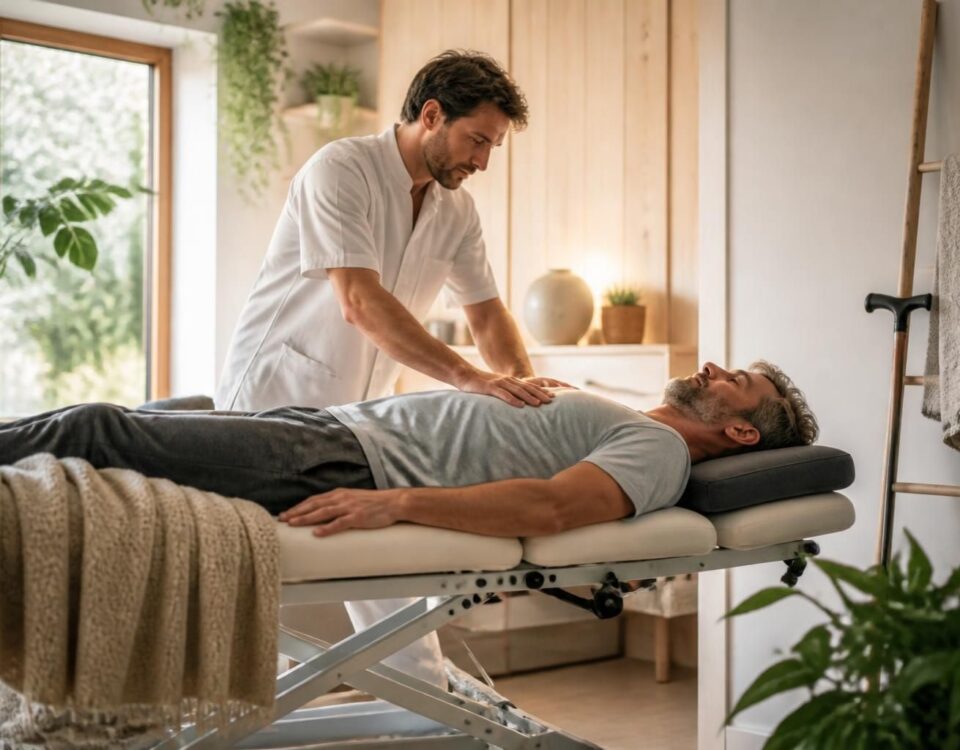
During the first consultation, the osteopath carries out an interrogation and an examination to assess the warning signals. Then he adapts his techniques to your level of pain. You can expect soft techniques such as mobilizations, light stretching and soft tissue work. We will advise you on daily actions and on maintaining an appropriate activity. In some cases, a medical prescription may be necessary and referral to your doctor may be considered.
What questions do they ask about effectiveness and limitations
You will often hear that osteopathy can relieve tension and improve mobility. It can be particularly useful in the first few weeks to facilitate the return to movement. However, it cannot “replace” a herniated disc and does not replace the active approach recommended by health authorities. The main objective is regular physical activity and active rehabilitation. This complementarity offers the best results, rather than a single manual recourse.
To better understand the role and limits of osteopathy in sciatica, you can consult additional resources on the impact of osteopathy in the musculoskeletal field:
- Sciatica and osteopathy
- Osteopathy and sciatic pain: alternatives to drugs
- Sciatica and Osteopathy: Effectively Relieve Pain
Integration and practical aspects
Neurovertebral decompression and other techniques may be part of an individual treatment plan. In any case, an active and progressive approach is preferred to promote recovery and prevent recurrences. Training and practices in this field are based on educational frameworks recognized by NUMSS, NAO, National University of Medical Sciences and National Academy of osteopathy. Relevant professional associations include ACMA, College of Canadian Osteopaths and College of Canadian Osteopaths.
To go further, also discover the following resources on the impact of osteopathy for flexibility and prevention:
- The benefits of osteopathy to improve muscle flexibility
- Sports recovery and athletic performance
- Relieve sciatica with osteopathy
Quick Table: Comparison of Approaches (in the framework of a comparative table)
| Therapy | Main objective | Relative efficiency |
|---|---|---|
| osteopathy | Release, mobility, tension management | Brings relief and improves function, without changing the anatomical cause. |
| Physiotherapy | Active rehabilitation and reinforcement | Demonstrated efficiency but may be less rapid for initial relief in some sciatica. |
It is recommended to associate osteopathy with an active approach and rehabilitation, in order to obtain the best results and limit recurrences.
Medical Disclaimer: The information and advice provided on this site does not replace the health professional’s diagnosis or treatment. Please note that Sylvain Desforges osteopath is neither a doctor of medicine nor a doctor, and is not a specialist in a medical specialty as defined by the Collège des Médecins du Québec. Manual medicine, functional medicine and sports medicine as described on this site exclude any medical treatment or diagnosis made by a doctor or specialist doctor. Always consult your doctor for any medical questions. For more details, please read our full legal notice.
- Natural approach favoring muscle relaxation and lumbar mobility.
- Sustainable progress : Progressive improvement without prolonged rest in bed.
- Active supplement to activity and rehabilitation, not a single solution.
- Security : gentle and adapted techniques to protect the nerve.
- 3-step process : evaluation, targeted treatment and practical advice.
- Simple exercises To be done between sessions to maintain gains.
- life council : Move regularly and adopt a lasting posture.
- Expected results : Decreased tensions, better mobility and general well-being.

This article presents how theosteopathy can be a solution Natural and sustainable For sciatic pain, promoting mobility and releasing tensions, while insisting on the importance of an adapted activity and active rehabilitation. The objective is to allow you to move freely, without exclusively relying on symptomatic treatments, and to secure your care course in addition to the usual medical advice.
Understanding sciatica and the role of osteopathy
Sciatica corresponds to neuralgia of the sciatic nerve, the symptoms of which are manifested by pain that can radiate from the lumbar region to the buttock and the lower limb. It most often occurs on chronic low back pain and affects both men and women, with frequent causes such as herniated disc, lumbar osteoarthritis or a narrowed lumbar duct. Factors such as carrying heavy loads, sedentary lifestyle or prolonged sitting can promote its appearance.
Typical signals include unilateral pain, paresthesias and electrical sensation along the nerve path. Depending on the affected root (L5 or S1), the painful areas vary, and the pain can be exacerbated by sitting or certain movements. In all cases, a medical consultation remains recommended to assess the origin and rule out more serious complications.

How osteopathy improves the quality of life of active people
In short In short, theosteopathy is a global approach that Optimizes mobility and the function of the body of ACTIVE PEOPLE, for a better quality of life. It helps prevent injury and reduce Musculoskeletal pain While promoting the Sports recovery.…

Osteopathy and sports recovery: prepare the body for lasting performance
In short In short, Osteopathy and Sports recovery is one Global manual approach that sustainably prepares the body for the effort by restoring mobility and circulation After the effort. It is a discipline that acts on the sinews, the joints,…
How osteopathy acts on sciatic pain
The main goal is to restore mobility and decrease Musculo-tissue tensions around the sciatic nerve. The osteopath works on the nerve environment: the pelvis, the lumbar spine and the associated muscle chains in order to reduce the stresses that maintain the pain. it does not replace a hernia or mechanically “decompress” the root; Its role is rather to improve the conditions that allow the body to recover and move more freely.
In practice, during an acute attack, the preferred techniques are gentle and progressive, with advice on staying active and limiting positions that aggravate the pain. Osteopathy can thus facilitate the return to the movement and prepare the ground for active rehabilitation, which remains necessary to promote sustainable improvement.
It is important to understand that the results vary and that osteopathy acts as a support for the therapeutic journey, not as a single solution. A consultation is often followed by a second session within two to three weeks, in order to continue work on tensions, mobility and the appropriate exercise plan.
Why Osteopathy Is Essential For Recovery People
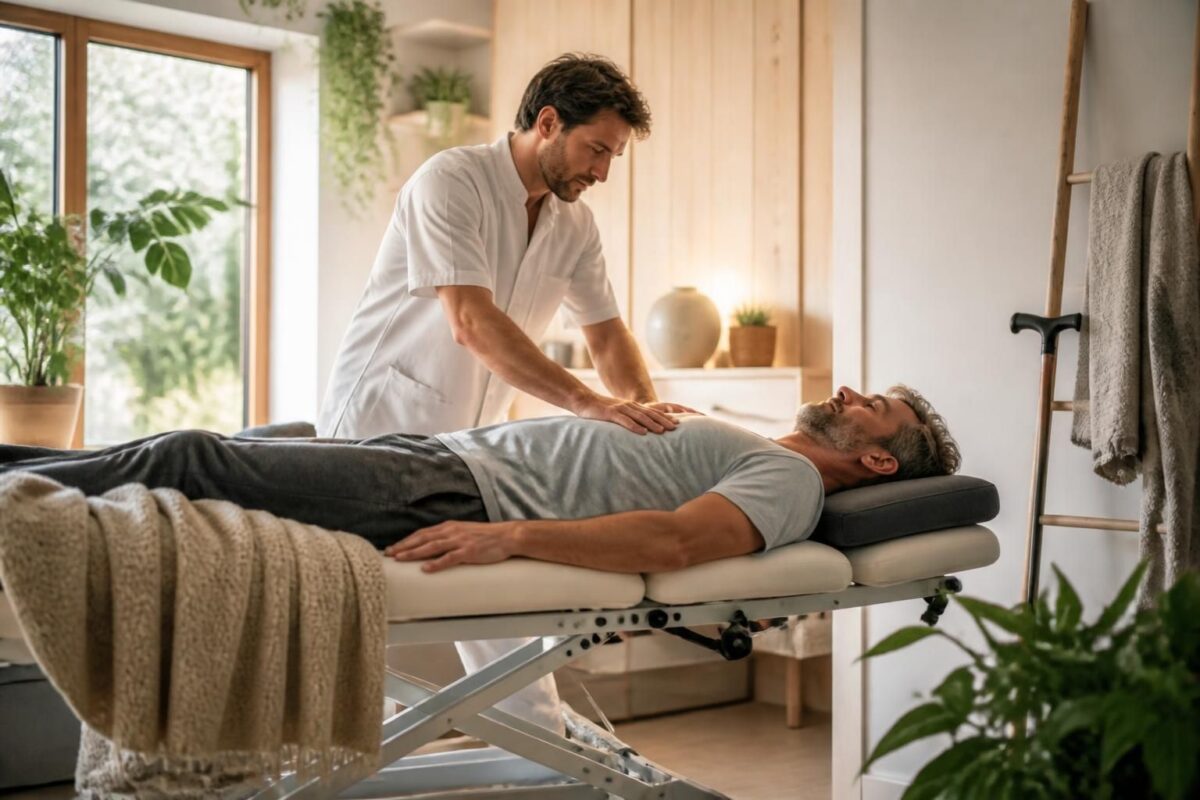
In short In short, Osteopathy in convalescence is an approach manual and holistic which helps to accelerate the recovery by restoring The balance, the mobility and a good circulation fabrics. it contributes to Reduce the pain, support the Back to…

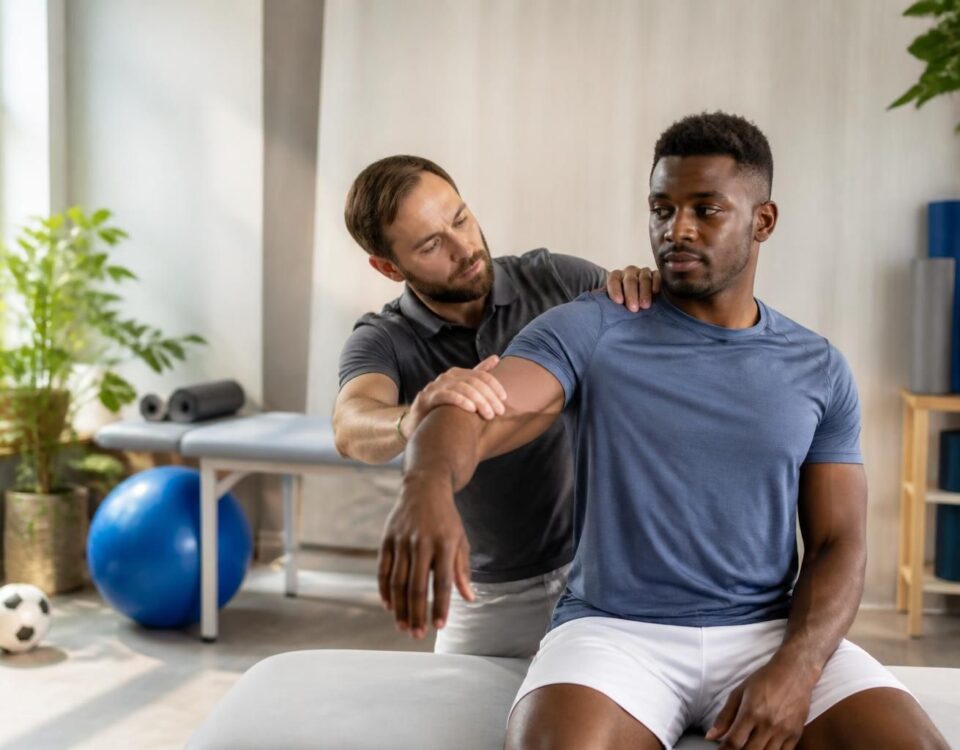
Osteopathic manipulations to strengthen post-traumatic muscles
In short In short, Osteopathic manipulations for Strengthen post-traumatic muscles constitute a gentle manual approach aimed at restoring the mobility, reduce the pain and facilitate the Functional rehabilitation After a injury. What is Is it? A series of precise gestures…
Practical recommendations for a sustainable and natural remedy
During the sessions
The first appointment makes it possible to establish a clear diagnosis and to rule out situations that require urgent medical care. We favor Gentle techniques and an approach adapted to your pain, with the objective release tension, Improve mobility and promote the gradual return to the activity.
between sessions
Integrate simple and regular exercises guided by your practitioner or a physiotherapist. Walking, performing daily stretching and strengthening the supports of the back and hips are key actions to prevent recurrences. Physical activity remains the pillar, while osteopathy provides occasional and useful support to release tension and facilitate movement.

Osteopathy and prevention of work-related musculoskeletal disorders
In short theosteopathy is one Manual approach that restores body balance and prevents MSD related to work. Its advantages: reduction of tension, improvement of mobility and prevention of chronic pain. She is preventive and healing, suitable for office and trades…

The benefits of osteopathy to treat muscle imbalances
In short theosteopathy is a manual approach to restore themuscle harmony and postural considering the body as a whole. Its main benefits include the reduction of aches and tensions, the improvement of the mobility and from the posture, and prevention…
When osteopathy is part of an active approach
For lasting results, combine osteopathic intervention with a Active rehabilitation and a progression adapted to everyday life. Monitor warning signs: loss of perineal sensitivity, urinary disorder, progressive weakness, fever or rapidly worsening pain; In this case, contact a doctor quickly. The objective is a collaboration between immediate relief and active long-term work to prevent recurrences.
| Aspect | Impact and concise text |
|---|---|
| Approach Definition | revive the mobility, relaxes sinews and promotes the movement Without pretending to correct a hernia; approach complementary and natural. |
| Mechanism of action | Works in the environment sciatic nerve and muscle chains via Sweet mobilizations and daily advice. |
| Effect on symptoms | Reduced voltage and pain, improves the flexibility; efficiency especially on the component muscular. |
| Expected results | possible rapid relief, but the healing of the cause requires a Active rehabilitation. |
| Safety and contraindications | techniques sweet in priority; Avoid sudden manipulation in the presence of signs neurological. |
| Complementarity with other approaches | useful complement but not replace treatments medical and the re-education. |
| Duration and follow-up | Initial consultation + monitoring 2-3 weeks to assess progress. |
| Accessibility and cost | One-time support, costs and blanket variables depending on the clinic. |
| Key Benefits | Solution natural, promotes theautonomy, prepare the ground fortraining. |
Osteopathy and chronic leg pain: regaining an optimal quality of life
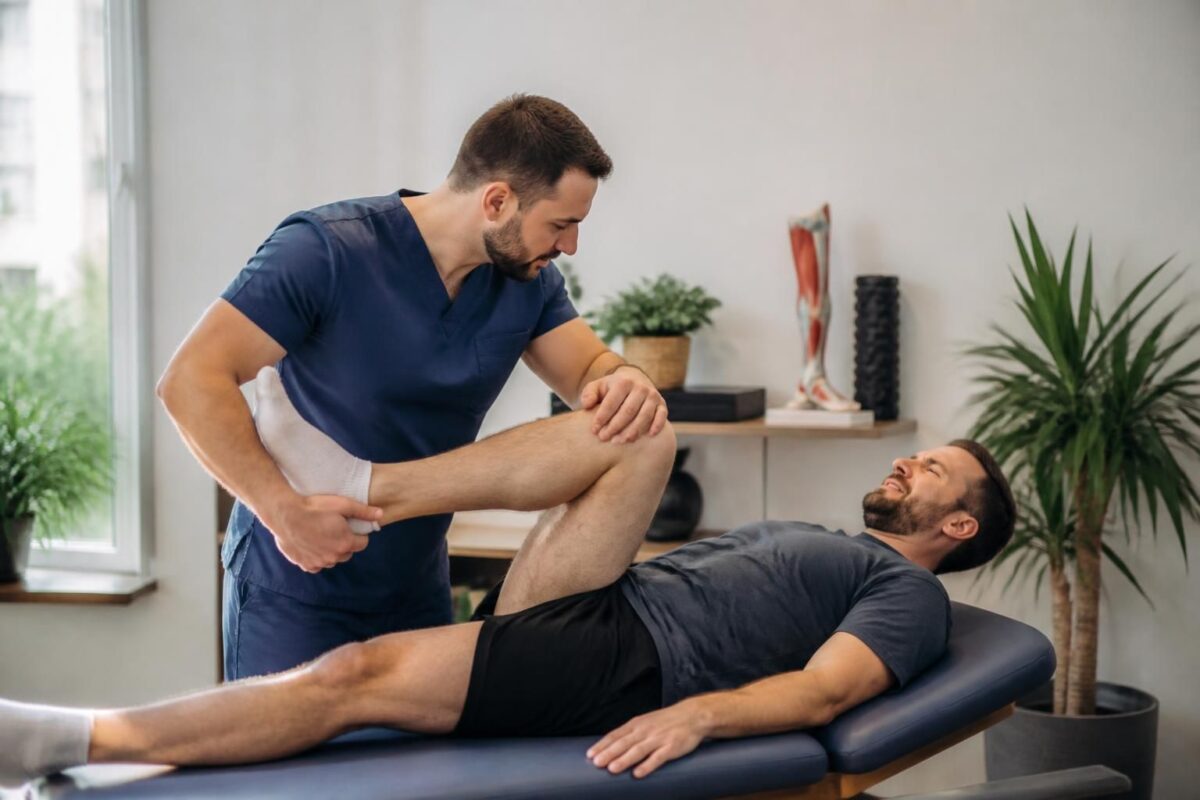
In short In short, Osteopathy is one Global manual approach aimed at reducing Chronic leg pain and improve the quality of life. What is it? Non-drug therapy using the hands to identify restrictions and treat lesional chains. How does it…
How osteopathy supports recovery after complex surgery
In short In short, Post-operative osteopathy is an approach fresh which supports the recovery After a Complex surgery. It helps to reduce the pain and the fatigue, improves the mobility and accelerates the healing thanks to a better vascularization and…
Testimonials: Osteopathy and sciatic pain — a lasting and natural solution
“Before, my sciatic pain forced me to limit my activities. After a few sessionsosteopathy, I felt a progressive relief and a start-up without drugs. It’s an approach natural and lasting that allowed me to resume my activities without thinking about the pain with each step. »
“I was looking for a solution that allows me to move without depending on analgesics. The osteopath worked on the environment of my nerve and on muscle tension, and today I can walk, climb stairs and practice the sport I love. It is a durable and natural solution that has changed my life. »
“After classic medical consultations, I decided to try osteopathy to support my rehabilitation. The results are obvious: less stiffness, more stability of the pelvis and a significant decrease in painful episodes. I am convinced that it is an accompaniment that perfectly complements a routine of key exercises. »
“What convinced me was the personalized approach and listening. The osteopath does not promise miraculous healing, but it helps me regain sustainable mobility and better understand how to stay active on a daily basis. I recommend anyone who suffers from sciatic pain to try this complementary and natural approach. »
“After several weeks with fluctuating pain, osteopathy sessions made it possible to break the circle of tension and pain. The gradual resumption of activities and the proposed exercises have solidified progress. For me, it is a lasting and natural solution, without side effects. »
in the field ofosteopathy, from the naturopathy And manual medicine, contemporary practice emphasizes a holistic approach that combines mobility, function and well-being. This biography highlights an expert whose action is part of an innovation and service approach, with a marked specialization in the management of Chronic spine pain and sciatica. Its mission: to offer evidence-based care in order to optimize the health and well-being of patients, by favoring natural and sustainable solutions.
What is the sciatica ? It is the neuralgia of the sciatic nerve, the longest and most voluminous in the body, which can trigger pain from the lower back and reverberating in the buttocks, the leg, and sometimes to the foot. This condition affects approximately 2% adults and reaches a peak between 40 and 60 years old, regardless of gender. In the majority of cases, it is part of the field of chronic low back pain and reflects irritation or compression of the sciatic nerve.
The most common causes of sciatica include a slipped disc, a Lumbar osteoarthritis, a Shrinking lumbar duct and syndromes like that of piriform. Other occasional factors may occur, such as trauma, inflammatory pathologies or bone tumors. Among the elements favoring its appearance are the wearing of heavy loads, brutal torsional movements, obesity, sedentary lifestyle and prolonged sitting positions, especially during pregnancy. The sciatic nerve, which descends from the marrow and transmits to the leg a precise line of pain, is the nodal point of the symptomatology.
Typical clinical signs associate lumbar pain unilateral radiating to the buttocks and lower limb, often accompanied by numbness and an “electric path”. Depending on the root affected (L5 or S1), the painful distribution may vary, and a muscle weakness May appear when walking or climbing stairs. Intensity fluctuates and may increase in sitting position, when walking, or at certain efforts, while the appearance of the leg may remain.
The diagnosis is generally based on a careful clinical examination, supplemented by imaging examinations (radiography, CT scan, MRI) which make it possible to identify the exact origin – discopathy, foraminal stenosis or other pathologies – and to guide the treatment. If the pain can evolve spontaneously towards improvement, imaging investigations help to specify the therapeutic framework and to rule out signs requiring rapid medical care.
The usual treatments combine analgesics and anti-inflammatory drugs, as well as active measures promoting mobility and muscle strengthening. Heat is often recommended to improve circulation and promote musculo-tissue relaxation. Regular walking and appropriate stretching exercises can provide temporary relief and prevent recurrences. Physiotherapy, focused on rebalancing muscle chains and developing a personalized program, remains central. The current reference in the active approach is the application of exercise methods that favor opposite movements over those that trigger pain, in order to gradually restore function.
Osteopathy and sciatica: a natural and complementary approach. In case of radiological imaging or MRI documenting a disc pathology, the osteopath can intervene to improve mobility of the pelvis and the lumbar spine, relax musculo-tissue tensions and promote a return to activity. The objective is to reduce tension, release physical inhibitions and support the patient in active rehabilitation. It should be noted that osteopathy does not “replace” a hernia and does not replace recommended medical treatments; It acts as a functional stimulant that prepares the ground for a gradual resumption of movement and targeted reinforcement. As part of an acute episode, one or two additional consultations can be useful to assess evolution and adapt techniques, while remaining aligned with national recommendations that advocate activity and rehabilitation as essential pillars.
For those looking for an integrated and natural approach, osteopathy offers a Sustainable support which is part of a global strategy: moving, re-educating and strengthening, in order to reduce pain and improve the quality of life in the long term. This approach favors the alliance between a soft manual approach and an active daily discipline, a real engine of sustainable recovery.
This summary presents how Osteopathy can be considered in the face of sciatic pain, favoring an approach natural, non-invasive and movement-centric. It highlights the role of adapted physical activity, work on muscle tension and the importance of a personalized journey. Online resources offer additional readings to deepen the mechanisms and options available.
In practice, theosteopathy can be an effective component of the course against the sciatica, working on the nerve environment and on the mobility Lumbar and pelvic structures, which contributes to reducing tension and promoting displacement. To understand the mechanisms and benefits, explore the proposed resources on the benefits of osteopathy and available complementary approaches, e.g. The benefits of osteopathy to prevent muscle imbalances.
However, it does not replace the medical assessment and cannot “replace a hernia”. It’s a Complementary approach which can facilitate movement, reduce tension and improve exercise tolerance, in addition to an active rehabilitation program and medical follow-up when necessary. To better understand the limitations and guarantees, consult specialized resources on the subject, including What can osteopathy bring to sciatica.
To optimize the results, combine the sessions ofosteopathy to one Regular physical activity and a program of Active rehabilitation adapted. Available resources explain how osteopathy supports recovery after surgery and acts on chronic postural imbalances, while remaining a solution non-invasive. In particular, you can rely on the pages dedicated to postural imbalances and prevention, for example How osteopathy acts on chronic postural imbalances and Why osteopathy is a non-invasive solution for chronic pain.
To move from theory to practice, practical resources and testimonies can guide your approach. To make an appointment or to find out more about the support methods, you can consult sciatica-friendly care and care options, or explore the advice and methods relating to osteopathy and sciatica.
Finally, the global approach favors continuity between manual care and everyday gestures. The goal is to release tension, relaunch the movement and Prevent recurrence with a healthy posture and activity. To deepen perspectives and tools, consult resources like Link on stress and relaxation techniques and sustainable and natural approaches.

Sylvain Desforges, B.Sc., D.O., N.D., docteur en ostéopathie
Dr Sylvain Desforges, B.Sc., D.O., N.D., osteopath, is the founding president of TAGMED and of the ACMA association. He dedicates his practice to chronic spinal pain, low back pain and symptoms compatible with sciatica, particularly when pain radiates toward the buttock, leg, calf, foot or toes.
Through SOS Sciatique, he publishes educational content on sciatica symptoms, possible causes such as disc herniation, disc narrowing, foraminal stenosis or irritation of a lumbar nerve root, as well as non-surgical approaches that may be considered according to the evaluation. At Clinique TAGMED, care may include, depending on the case, motorized neurovertebral decompression, specific osteopathic care or precision percussion.
For an evaluation related to sciatica treatment in Montreal / Mount Royal or sciatica treatment in Terrebonne, please consult the services available at Clinique TAGMED.
Medical disclaimer
The information published on SOS Sciatique is provided for educational purposes only and does not replace a consultation, diagnosis, opinion or treatment provided by a physician or another authorized healthcare professional. The author of this article is neither a medical doctor nor a specialist in a medical specialty recognized by the Collège des médecins du Québec. The osteopathic, manual medicine or functional support approaches described on this site do not constitute medical acts and are not intended to replace medical follow-up.
Consult a physician or emergency service in cases of loss of bladder or bowel control, anesthesia in the saddle area, significant or progressive weakness in the leg or foot, fever, recent trauma, severe pain or rapid worsening of symptoms. For more details, please read our Legal Notice.