

Sciatica and warm sensation in the leg: nerve pain?
28/08/2026
Sciatica and Professional Driving: Signs Not to Underestimate
28/08/2026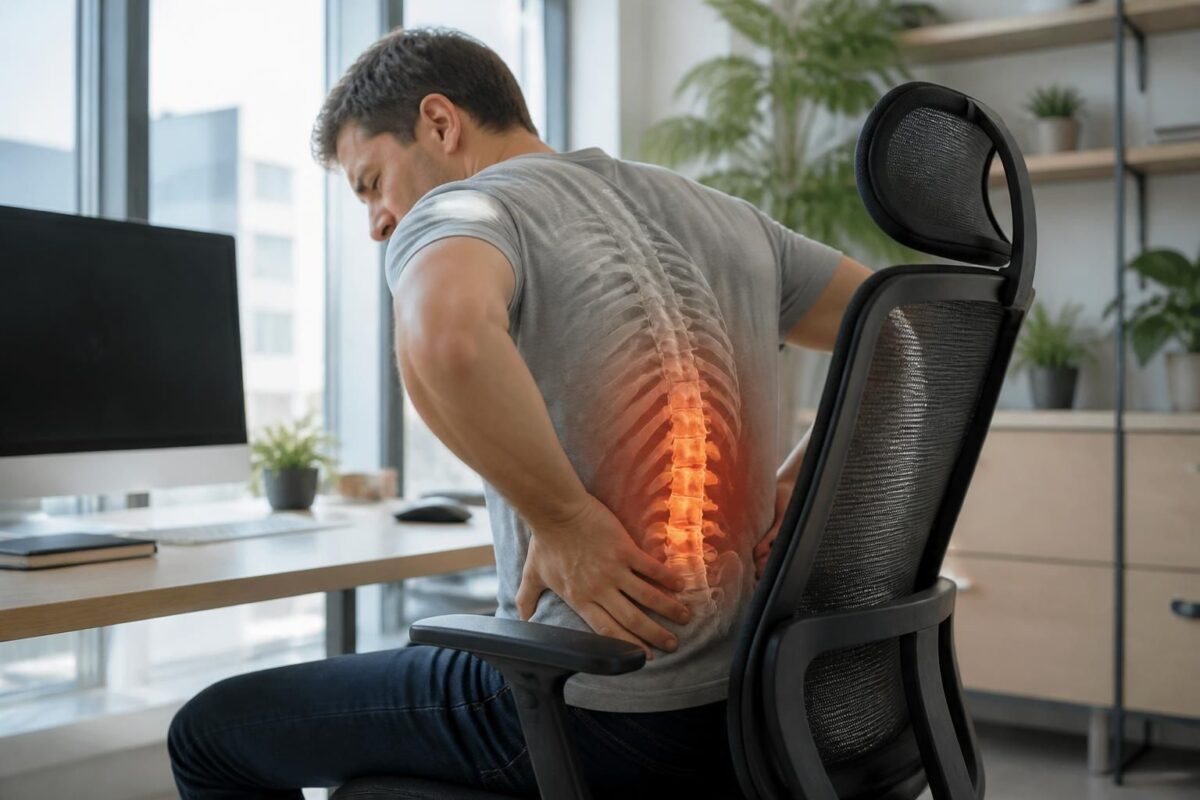
IN SHORT
| In short, the disc herniation and the sitting position explain why pain increases when you remain seated. The pain is often a radiculalgia that follows the path of the sciatic nerve and intensifies with pressure on the disc. The main mechanism is root inflammation and increased intra-discal pressure in a seated position. Benefits: understanding allows for the adoption of appropriate ergonomics, regular breaks, and simple non-surgical actions that relieve the spine and promote movement. Functioning: correct posture, limit prolonged bending, and favor gentle and safe movements; these actions reduce pressure on the disc and nerve irritation. In Montreal, this service is recommended for quickly improving comfort and mobility without surgery. |
For a disc herniation, pain often increases with prolonged sitting position due to two key mechanisms: increased pressure on the discs and irritation of the nerve roots that emerge from the spine. In a seated position, bending and posture impose increased stress on the back disc and can narrow the foramen, causing pain that can radiate from the buttock to the calf. Root inflammation can intensify the pain even when imaging shows little change. Adopting regular breaks, correcting posture, and following a non-surgical plan focused on reducing inflammation and strengthening the lower back can help decrease discomfort and prevent recurrences.
This article, written by a healthcare professional and expert, explains why pain increases in a seated position when a disc herniation occurs. It describes the mechanisms, aggravating factors, and non-surgical approaches suitable for management and prevention, with practical advice focused on ergonomics and back safety.
Understanding the Mechanism
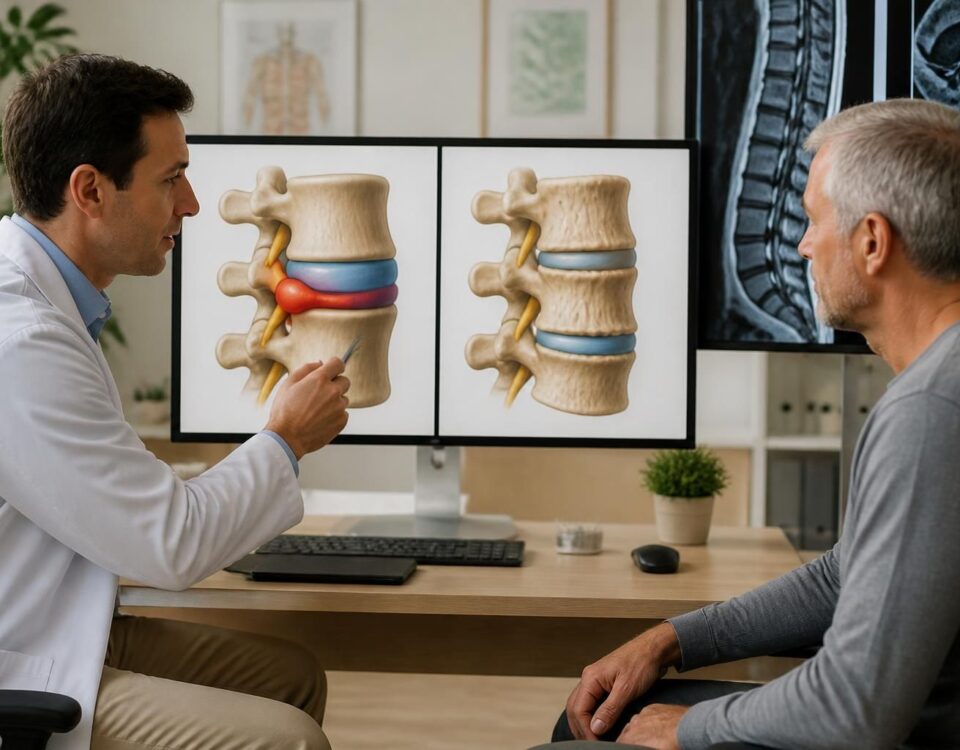
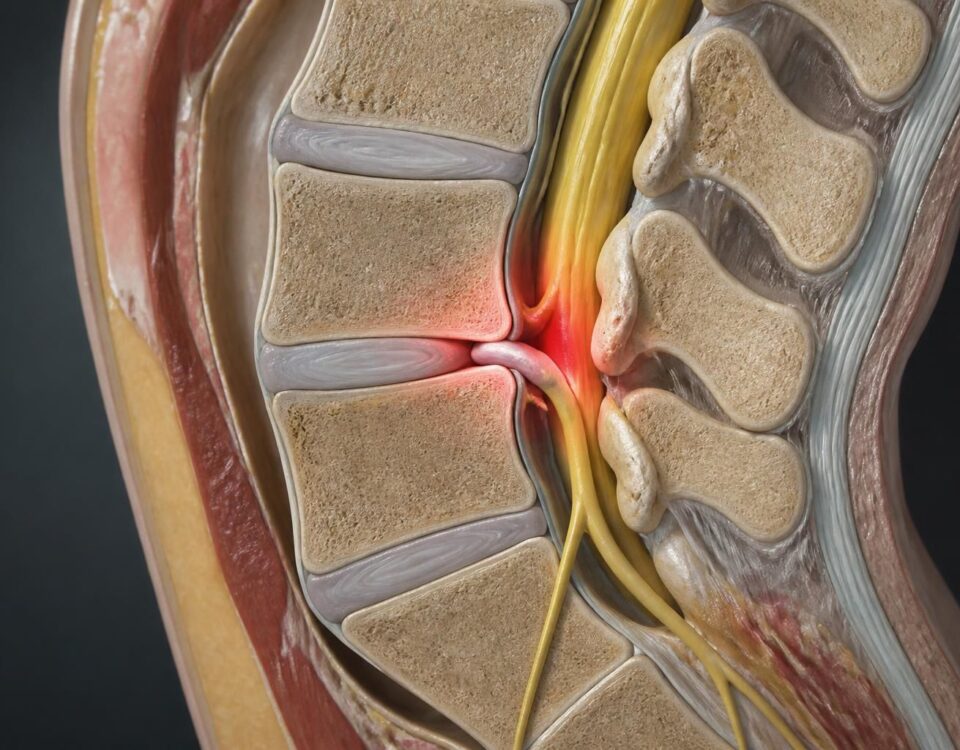
A disc herniation occurs when the outer shell of the intervertebral disc weakens and lets out the inner nucleus. This protrusion can irritate a nerve root, causing pain that follows the nerve’s path. Root inflammation can coexist with mechanical pain, and it often explains the intensity felt in certain positions. The disc can be weakened by age, repeated efforts, and movements that increase pressure on the spine.
Why Pain Increases While Sitting
When sitting, pressure on the discs can increase, particularly in the lower back region. This pressure can exacerbate irritation of the roots and pain that radiates to the buttock, then down the leg. Some prolonged sitting positions reduce circulation and worsen inflammation, which explains why pain often rises after spending time in a seated position.
Impact of Ergonomics and Habits
A static and poorly supported posture can exacerbate pain. The placement of good lumbar support, adjustment of the chair, and distribution of loads play a key role. Regular breaks and simple adjustments to the workstation help limit the provocation of symptoms.
Associated Factors and Manifestations
Typical signs include pain that follows the path buttock → back of the thigh → calf, with possible numbness or tingling. The level of pain can vary depending on the involved nerve root (L5/S1 being the most commonly affected). Usual triggers include prolonged bending, coughing, and physical exertion.
Non-Surgical Management and Care in TAGMED Framework
A non-surgical approach can allow for rapid reduction of inflammation and pain, while restoring mobility. The care available at the TAGMED Clinic in Montreal or Terrebonne includes targeted manual therapies and non-invasive specialized procedures. The use of motorized neurovertebral decompression may be considered based on clinical assessment. For a tailored evaluation, you can refer to the resources and services offered by TAGMED Clinic. To learn more about disc mechanisms and their impact on pain, consult the following resources: Herniated disc and sciatica, pain without back pain, daily life and disc herniation.
Key Takeaways
– Pain in a seated position can stem from root irritation and disc overload. Understanding the mechanism helps guide therapeutic choices.
– Ergonomics and organization of the day, with breaks and appropriate lumbar support, reduce the risk of flare-ups.
– If pain persists, a specialized evaluation is indicated. Non-surgical solutions can be considered within the TAGMED framework.
To delve deeper, you can consult additional resources on the following sites: why do some positions relieve a herniated disc, daily life and disc herniation, pain radiating down the leg, pain after a long call, a hernia when seated, non-surgical treatment in Montreal, pain without back pain, and additional details.
Medical disclaimer: The information and advice provided on this site do not replace the opinion, diagnosis, or treatment of a health care professional. Please note that Dr. Sylvain Desforges, osteopath, is neither a doctor of medicine nor a physician, and is not a specialist in any medical specialty as defined by the Collège des médecins du Québec. Manual therapy, functional medicine, and sports medicine as described on this site exclude any medical treatment or diagnosis performed by a doctor or specialist. Always consult your doctor for any medical questions. For more details, please read our complete Legal Notice.
Sources and additional information: Herniated disc and descending pain, calf pain, pain after call.
About the author
Dr. Sylvain Desforges, B.Sc., D.O., N.D., osteopath, is the founding president of
TAGMED
and the ACMA association. He dedicates his practice to chronic pain of the spine, low back pain, and pain compatible with sciatica, particularly when pain radiates towards the buttock, leg, calf, foot, or toes.
Through SOS Sciatique, he publishes educational content on sciatica symptoms, possible causes such as herniated discs, disc pinching, foraminal stenosis, or irritation of a lumbar nerve root, as well as non-surgical approaches that may be considered based on the evaluation. At the TAGMED Clinic, care may include, depending on the case, motorized neurovertebral decompression, specific osteopathy, or precision impactor.
For an evaluation related to sciatica treatment or sciatica treatment in Montreal / Mont-Royal or Terrebonne, consult the services available at the TAGMED Clinic.
Medical disclaimer: The information and advice provided on this site do not replace the opinion, diagnosis, or treatment of a health care professional. Please note that Dr. Sylvain Desforges, osteopath, is neither a doctor of medicine nor a physician, and is not a specialist in any medical specialty as defined by the Collège des médecins du Québec. Manual therapy, functional medicine, and sports medicine as described on this site exclude any medical treatment or diagnosis performed by a doctor or specialist. Always consult your doctor for any medical questions. For more details, please read our complete Legal Notice.
- Posture and pressure: prolonged sitting increases pressure on the lumbar discs.
- Foramen and roots: the foraminal space can shrink in a sitting position, irritating the L5/S1 roots.
- Radicular inflammation: the disc nucleus can irritate the root during sitting.
- Flexion and load: small repeated flexions while sitting worsen the pain.
- Practical responses: regular breaks, alternating sitting/standing, and lumbar support.
- Posture and movements: avoid excessive flexion; turn the body with the feet and hips.
- Non-surgical management: osteopathy and adapted manual therapies can help.
- Warning signs: consult in case of persistent pain, weakness, or neurological issues.

This recommendation explains why pain increases in sitting position in the presence of a herniated disc, describing the key mechanisms and simple actions to limit discomfort. You will find practical advice to adopt a more favorable posture and protect your spine throughout the day.
Understanding the mechanisms that worsen pain when sitting
In a sitting position, the intradiscal pressure increases, particularly on the posterior part of the lumbar disc. This mechanical change awakens or intensifies pain when the nucleus pulposus pushes against the annulus fibrosus and can irritate the nerve roots that exit from the spine. In the case of a herniated disc, radicular irritation is common and manifests along the nerve’s path, often extending to the buttock and back of the leg.
Prolonged sitting can also narrow the foramen through which the nerve roots exit, worsening pressure on L5 or S1 depending on the affected level. In parallel, aging or inflammatory episodes can transform mechanical pain into inflammatory pain, with sensations of burning, tingling, or muscle weakness in the nerve territory.
In other words, pain is not only a reflection of compression; it also results from radicular inflammation that occurs when substances released by the disc irritate the nerve root. This mechanical and inflammatory combination explains why pain can persist or intensify when sitting, even in the absence of sudden movement.
How to limit pain while sitting on a daily basis
Adopting a suitable body organization and environment can significantly reduce discomfort. Start with an ergonomic SES for your workstation: a seat with lumbar support, the appropriate height so that your feet remain flat on the ground and your knees bent at about 90 degrees, and a display at eye level to avoid neck flexion.
Plan for breaks every 30 to 45 minutes to stand up, walk, and do some gentle movements. These micro-movements put less strain on the spine than remaining stationary and help limit pain worsening.
Focus on activities and movements that do not involve aggressive bending or extension of the back. Favor light loads and, when necessary, seek help for heavy lifting. Supports like a height-adjustable work table or a lumbar cushion can support the spine and relieve pressure on the discs.
Incorporate gentle mobility movements and progressive stretches after a light warm-up. Avoid sudden movements and rapid rotations that increase strain on the discs and nerve roots. Personalized advice, tailored to your condition, will be provided during a professional assessment.
What to avoid when sitting
Avoid extreme forward bending, brutal trunk twists, prolonged postures held too long, and movements that involve lifting heavy loads without proper technique. Also, avoid prolonged periods of sitting without breaks and without adjusting your posture, as they amplify pressure on the disc and the risk of nerve root inflammation.
| Main mechanism | Sitting prolongs pressure on the posterior discs and may push the nucleus backward, irritating the nerve root. |
| Involved areas | Lumbar roots and L5/S1 nerves, pain that starts from the buttock and travels up the leg. |
| Type of pain | Radicular pain radiating along the sciatic path, sometimes described as burning. |
| Aggravating factors when sitting | Prolonged bending, lack of lumbar support, prolonged sitting, and unsuitable surfaces. |
| Warning signs | Marked weakness, significant numbness, or urinary/intestine disorders requiring prompt evaluation. |
| Ergonomic tips | Chair with lumbar support, appropriate height, breaks every 30–45 minutes, and screen at eye level. |
| Non-surgical approaches | Targeted osteopathy and tailored mobility programs to reduce inflammation and strengthen lumbar support. |
| Recommended activities | Gentle sports like swimming or walking; prioritize smooth and shock-free movements. |
| When to consult | Consultation if pain persists after rest or if neurological signs appear. |
Testimonials about Disc Herniation and Sitting Position: Why Pain Increases
“I worked for hours on the computer and every moment spent in sitting position triggered intense pain related to my disc herniation. The slightest change in posture or prolonged sitting increased pressure on the disc and the pain radiated to my buttock and calf.”
“My disc herniation made every afternoon in the office hell when I sat too long. I found out that it was the inflammation and tension on the nerve roots that overshadowed the pain, especially in sitting position. With simple adjustments to my workstation and active breaks, the pain gradually eased.”
“During long drives and meetings, the pain escalated as soon as I was seated. After learning to reposition myself and keep my back aligned, the radiating pain decreased, and I can sit without a burning sensation traveling up my leg.”
“Switching to an ergonomic chair and using lumbar support were turning points. My disc herniation calmed down when I took breaks and listened to my body’s signals while in sitting position. I feel capable of working without being dictated by pain.”
“As a mobile worker, staying seated is sometimes unavoidable, but I have learned to relieve my back with simple movements and gentle exercises recommended by my osteopath. Since then, my pain related to the disc herniation is no longer as reactive to the sitting position, and my days are much more bearable.”
Written by Dr Sylvain Desforges, experienced osteopath and dedicated author, this insight on disc herniation and sitting position is part of an evidence-based care approach. An expert in osteopathy, naturopathy, and manual medicine, he leads TAGMED clinics and collaborates with the ACMA association. His practice is based on a multidisciplinary approach dedicated to managing chronic spinal pain, incorporating advanced technologies and non-invasive protocols. His goal is to provide personalized care that sustainably improves patients’ mobility and well-being.
The pain associated with a disc herniation results from a mix of mechanical and inflammatory mechanisms. The nucleus pulposus may protrude through the annulus fibrosus, irritating one or more nerve roots and triggering radicular pain that follows the path of the nerve. While the symptoms may primarily manifest in the lower back or neck, clinical signs may extend along the leg (or arm) with particular sensitivity in the corresponding areas. The central role of inflammatory receptors and mediators released by the disc explains why radicular inflammation can be a key element of the pain, sometimes more pronounced than the mere nerve compression observed on imaging.
In practice, understanding why pain increases in sitting position requires grasping the biomechanics of the lumbar spine. The sitting position significantly alters intradiscal pressure and the stresses placed on the posterior structures of the spine. Bending and prolonged sitting promote increased pressure on the back of the disc, which can push the nucleus pulposus backward and intensify radicular irritation, particularly at the L5 and S1 roots. This dynamic explains why certain days at the office, during car rides, or after periods of sitting work, pain settles in or gradually worsens.
The clinical implications of this interaction between the disc and the sitting position invite distinguishing mechanical pain from radicular inflammation. Symptoms may remain localized around the spine, but pain often radiates into the buttock, thigh, or calf, sometimes accompanied by paresthesia or transient weakness. In some cases, imaging may show a disc protrusion without the pain reflecting exactly the same degree of compression; conversely, marked pain may coexist with a subtle image. This disparity highlights the importance of comprehensive clinical evaluation and a personalized treatment plan, non-surgical when possible.
To act concretely in the face of this issue, the use of appropriate ergonomics and gentle movement strategies is fundamental. Regular breaks, ergonomic seating, and adjusted lumbar support help reduce persistent constraints. In addition, osteopathic interventions and targeted approaches aim to decrease inflammation, relieve tension, and restore spinal mobility. The therapeutic orientation is part of a non-invasive care strategy, with particular attention to safety, efficiency, and symptom evolution.
In this perspective, the techniques integrated by Dr Sylvain Desforges mobilize complementary tools, including motorized neurovertebral decompression, the benefits of laser therapy and shockwaves, as well as adapted manual approaches. This synergy aims to rapidly reduce inflammation and pain while reinforcing trunk muscle support and improving spinal stability. For more information on his approach and the available services, refer to his official website and professional resources.
Quick summary: this article explains why a disk herniation can cause pain that worsens when sitting, by describing the biomechanical and inflammatory mechanisms, and suggesting practical approaches to reduce pain without surgery, including ergonomics advice and protective movements.
Pain associated with a disk herniation often increases when sitting due to an increase in intradiscal pressure in the lumbar segment. This pressure increases with flexion and prolonged maintenance, which can push the gelatinous nucleus of the disk backward and irritate adjacent nerve roots. The result is radiculopathy, which may manifest as pain radiating from the buttock to the calf, or even to the foot, accompanied by paresthesias or weakness in the areas served by the affected roots (typically L5 and S1).
Beyond mechanical compression, radicular inflammation plays a crucial role. When the disc nucleus releases inflammatory substances, irritation of the root can persist even in the presence of a minimally visible protruding disk on imaging. This inflammatory aspect often explains why non-surgical treatments focusing on reducing inflammation and strengthening supportive structures provide quick relief, sometimes even when imaging shows disk protrusion. To understand this dynamic, you can consult resources that describe the link between sitting pain, discopathy, and inflammation.
The impact of sitting also depends on additional parameters: the presence of foraminal narrowing or spinal stenosis can amplify compression during flexions and stationary loads. Routine activities—sitting for long periods, working on a screen, driving—can maintain this constraint and keep the pain active throughout the day. External elements such as road vibrations can also influence symptom intensity and nerve sensitivity, as shown by observations related to sciatica pain and the influence of external mechanical factors. To study this point, see resources that address the relationship between road vibrations and symptoms.
To decrease pain and promote recovery without resorting to surgery, prioritize approaches that reduce disc load and stabilize the trunk. Regular breaks during sitting periods, ergonomic furniture with lumbar support, and simple postural adjustments can make a significant difference. Practical resources offer concrete strategies, including sitting techniques and ergonomic adaptations, as well as advice on using cushions and supports suitable for the pelvis and lower back. For example, you can explore advice on sitting positions and suitable supports through resources dedicated to ergonomics and workplace layout, or illustrated guides on orthopedic cushions and ways to sit and sleep with a lumbar disk herniation.
In a proactive approach, prefer gentle and regular activities that strengthen lumbar support without overloading the spine. Practices such as targeted exercises and gentle stretching, performed under suitable supervision, help decrease pressure on nerve roots and restore functional mobility. For practical guidance on movements to prioritize and avoid, you can consult resources dedicated to managing sciatica related to discopathy, including advice on forbidden movements and safe alternatives for bending, lifting loads, and reshaping posture in daily life. To enrich your understanding, you can refer to resources like the 7 forbidden movements in disc herniation and pages dedicated to sitting position and discopathy at Clinique TAGMED.
Finally, professional follow-up remains essential: an accurate evaluation allows distinguishing disc causes from other origins of pain and adjusting non-surgical interventions accordingly. Clinical resources suggest integrating osteopathy, ergonomics advice, and adapted mobility programs to reduce radicular inflammation and support the lumbar spine while gradually reintroducing daily activities. For additional information on non-surgical options and the associated evaluation, see particular resources dedicated to treatment and evaluation of sciatica in Montreal and Terrebonne, such as those offered by Clinique TAGMED.
To delve into practical aspects and better understand the interactions between sitting pain and discopathy, here are some useful resources naturally integrated into your information journey: sciatic pain and possible disc cause, path of pain from buttock to leg to foot, pain in the buttock descending into the leg, and influence of road vibrations. For practical aspects of sitting and lumbar support, you can refer to sitting positions and their effect on a disk herniation and how to sit and sleep with a lumbar disk herniation.
Herniated disc and disc disease: understanding the differences
IN BRIEF In brief, a herniated disc and discopathy are two distinct causes of spinal pain: wear of the intervertebral disc (discopathy) and the protrusion of the gelatinous nucleus that can compress a nerve (herniated disc). Understanding these differences helps…
Herniated disc and annular tear: possible pain
IN BRIEF In short, Herniated disc and annular tear refer to issues with the intervertebral disc that can cause lower back pain and, at times, pain radiating down the leg. Symptoms vary and can mimic sciatic pain. Treatment favors conservative…
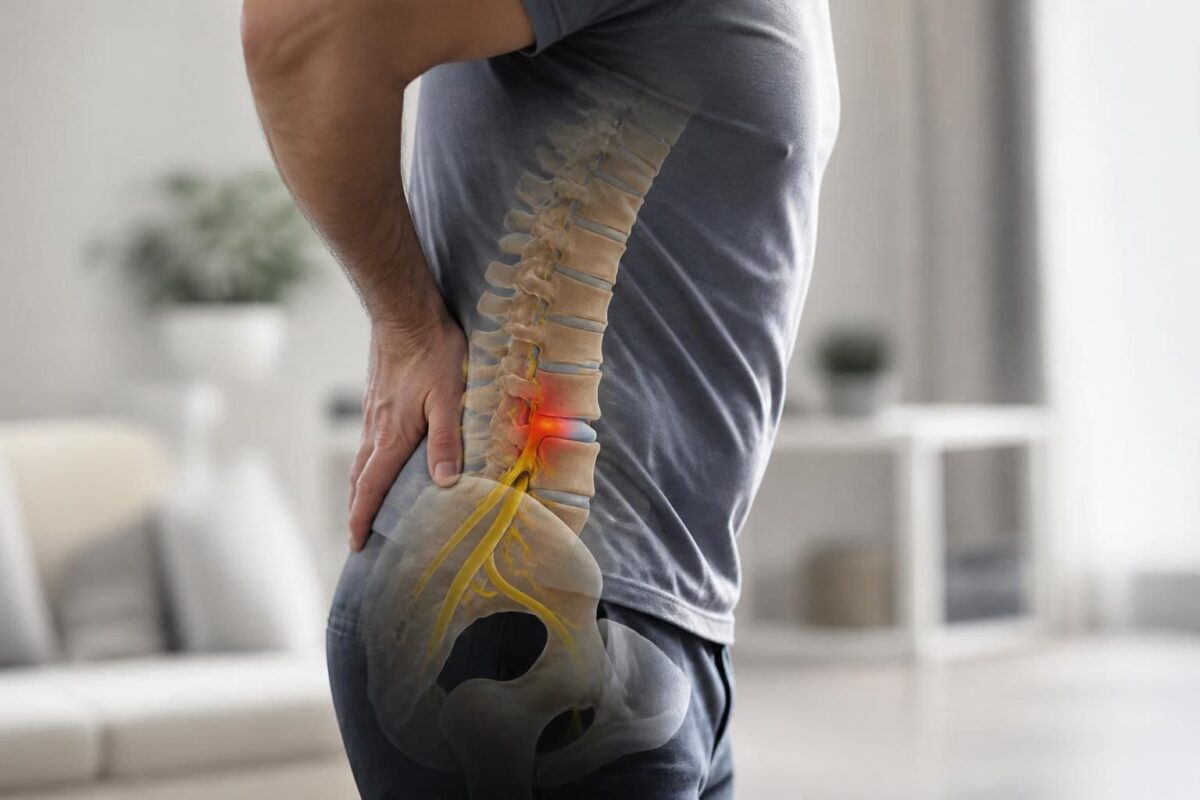
Herniated disc and chemical irritation of the nerve root
IN BRIEF In brief, Herniated disc and chemical irritation of the nerve root describe pain and dysfunction due to compression and inflammatory chemical exchanges affecting a spinal nerve root. This association explains radiating pain, abnormal sensations, and sometimes muscle weakness…
Herniated disc and mechanical compression of the nerve
IN BRIEF In brief, a herniated disc is a prolapse of the intervertebral disc that can lead to mechanical compression of the nerve root, causing pain and numbness that often radiate down the leg. This compression explains radiculopathy and sensations…
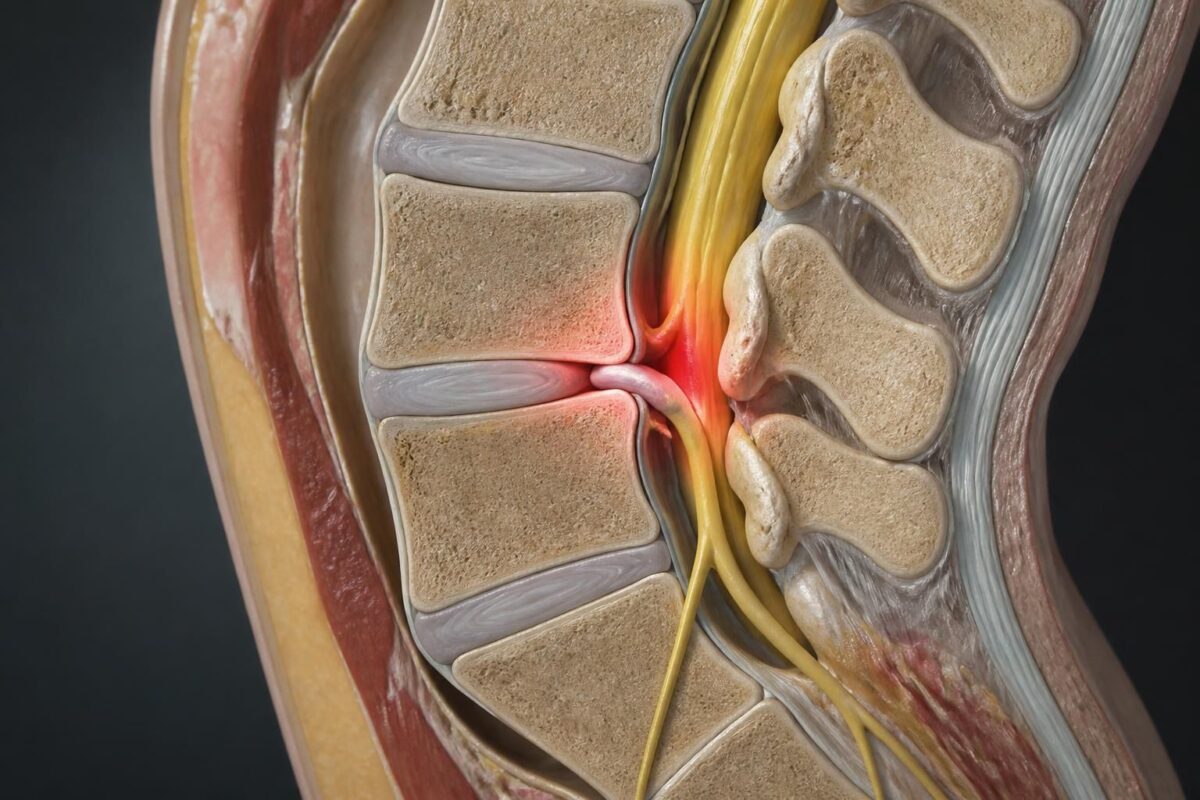
Herniated disc and nerve root inflammation
IN BRIEF In brief, lumbar disc herniation and nerve root inflammation refer to compression and irritation of a spinal root causing radiating pain, paresthesias, and sometimes muscle weakness. The mechanism combines disc protrusion and radicular inflammation, hence the importance of…
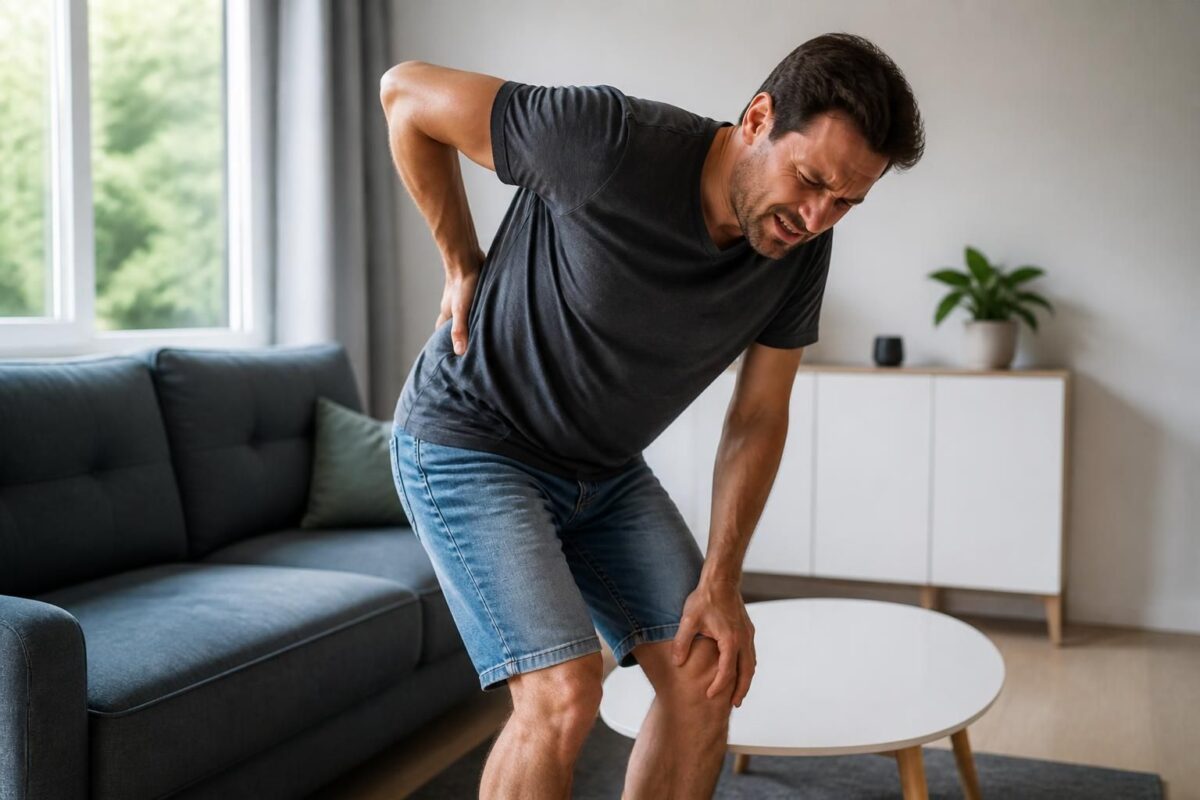
Herniated disc and peripheral pain: sign to watch out for
IN BRIEF In brief, Herniated disc is the partial protrusion of the gelatinous nucleus of an intervertebral disc through the fibrous ring, which can compress a nerve root and trigger radiating pain in the limb. The key benefits of rapid…

Herniated disc and centralizing pain: sign to interpret
IN BRIEF In brief, a herniated disc is a protrusion of the intervertebral disc that can compress a nerve root, causing centralized pain and signs such as radiating pain, numbness, and weakness. The treatment is mostly conservative: guided activity, physical…
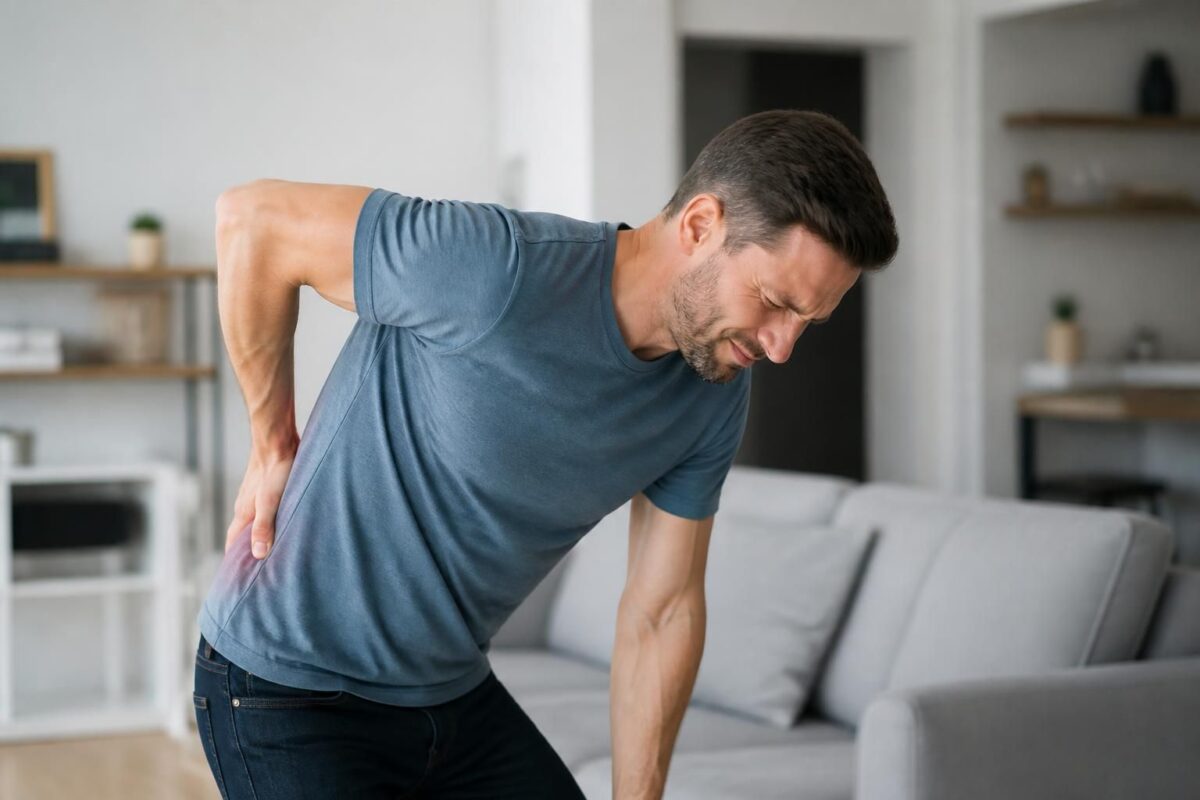
Herniated disc and pain that travels lower after movement
IN BRIEF The Herniated Disc is a protrusion of the intervertebral disc that can compress a nerve root, leading to a pain that radiates down after a movement. The benefits include better guidance for non-surgical treatment and a gradual reduction…

Dr Sylvain Desforges, B.Sc., D.O., N.D., osteopath, is the founding president of TAGMED and of the ACMA association. He dedicates his practice to chronic spinal pain, low back pain and symptoms compatible with sciatica, particularly when pain radiates toward the buttock, leg, calf, foot or toes.
Through SOS Sciatique, he publishes educational content on sciatica symptoms, possible causes such as disc herniation, disc narrowing, foraminal stenosis or irritation of a lumbar nerve root, as well as non-surgical approaches that may be considered according to the evaluation. At Clinique TAGMED, care may include, depending on the case, motorized neurovertebral decompression, specific osteopathic care or precision percussion.
For an evaluation related to sciatica treatment in Montreal / Mount Royal or sciatica treatment in Terrebonne, please consult the services available at Clinique TAGMED.
Medical disclaimer
The information published on SOS Sciatique is provided for educational purposes only and does not replace a consultation, diagnosis, opinion or treatment provided by a physician or another authorized healthcare professional. The author of this article is neither a medical doctor nor a specialist in a medical specialty recognized by the Collège des médecins du Québec. The osteopathic, manual medicine or functional support approaches described on this site do not constitute medical acts and are not intended to replace medical follow-up.
Consult a physician or emergency service in cases of loss of bladder or bowel control, anesthesia in the saddle area, significant or progressive weakness in the leg or foot, fever, recent trauma, severe pain or rapid worsening of symptoms. For more details, please read our Legal Notice.