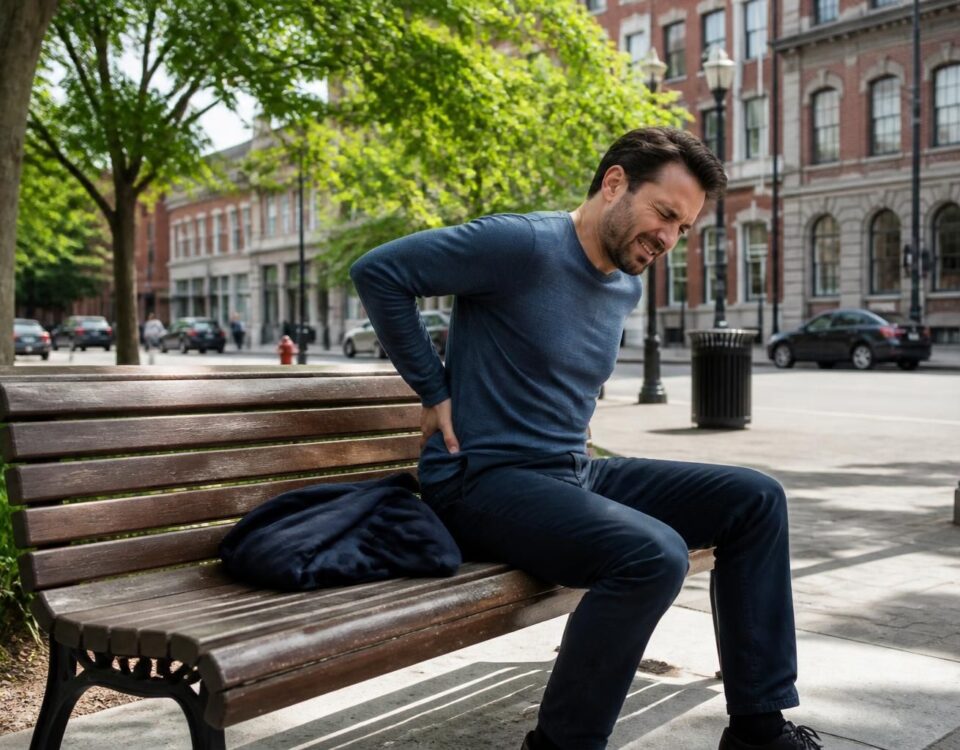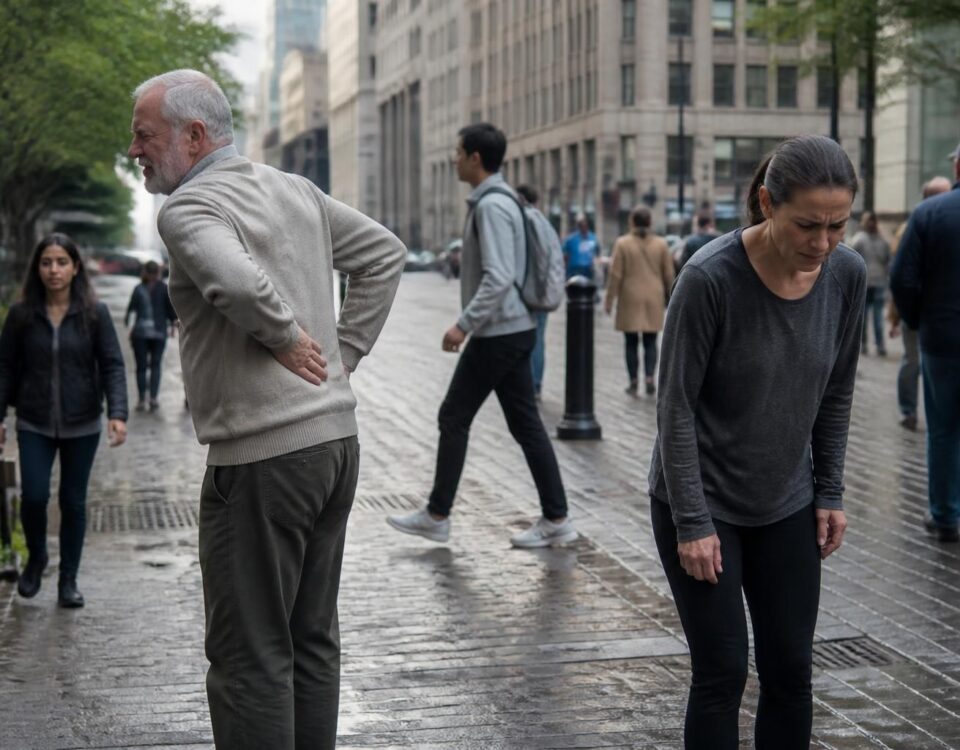



Sciatica and walking on icy sidewalks: tension and muscle protection
24/09/2026
Sciatica in Terrebonne: leg weakness and loss of confidence in walking
25/09/2026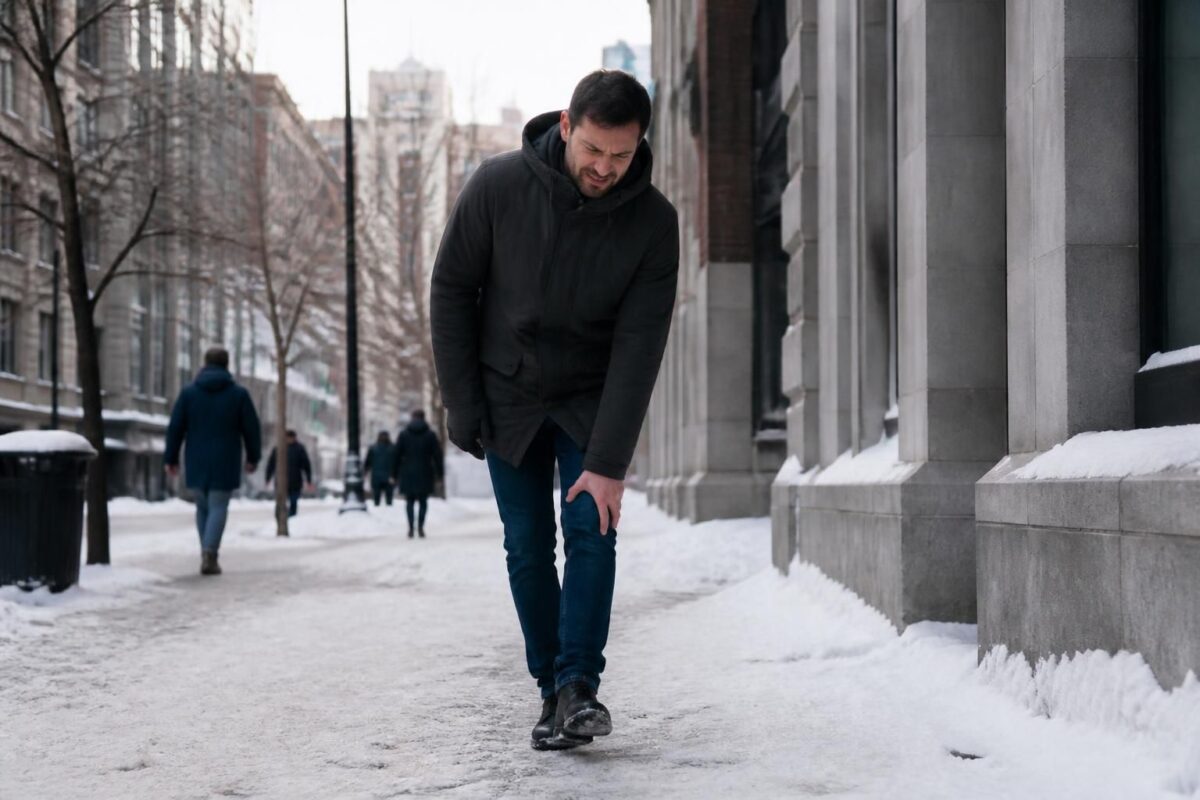
IN BRIEF
| In brief, sciatica is pain that radiates from the lower back to the leg, caused by irritation or compression of the sciatic nerve. In Montreal, the personalized clinical evaluation helps identify causes (such as herniated disc, protrusion, foraminal stenosis) and direct to options such as physiotherapy, osteopathy, or motorized neurovertebral decompression. It aims to reduce pain and loss of confidence in walking, restore mobility, and encourage a gradual return to activity. The process relies on a detailed clinical evaluation and a personalized plan tailored to the mechanical cause, with follow-up to optimize recovery without surgery when possible. |
Sciatica in Montreal typically presents as pain radiating from the lower back to the leg, sometimes accompanied by leg weakness and a loss of confidence in walking. It can result from various causes such as a herniated disc, foraminal stenosis, or local muscle tensions, highlighting the importance of a clinical evaluation to guide the appropriate treatment. The management plan, often graduated, sometimes combines physiotherapy, osteopathy, or neurovertebral decompression as needed to relieve pain and restore safe walking.
Sciatica can manifest as leg weakness and a loss of confidence in walking, particularly when the sciatic nerve is irritated or compressed in the lower back. In Montreal, an accurate clinical evaluation is essential to identify the origin and propose an appropriate management plan to restore function and safety during walking.
Sciatic pain results from a combination of mechanisms. The most common causes include a lumbar herniated disc, a disc protrusion, foraminal stenosis, lumbar osteoarthritis, or nerve entrapment related to the piriformis muscle. These conditions can decrease the stability and strength necessary for walking, leading to a sensation of insecurity or fear of movement. For Montreal, the diagnosis relies on a detailed clinical evaluation and, when necessary, appropriate imaging to understand the course and intensity of the pain and its impact on walking.
Causes and Diagnosis in Montreal
The sciatic nerve originates in the lower back and can be irritated or compressed by a herniated disc, a protrusion, or narrowing of the nerve passages. In Montreal, a precise examination seeks to locate the affected roots (for example, L4, L5, or S1) and to distinguish radicular pain from referred or muscular pain. Imaging may reveal a herniated disc or narrowing, but interpretation must be associated with clinical explanation. For more information, you can consult specialized resources such as Sciatica pain leg and dedicated pages on When to consult for sciatica.
Factors influencing symptoms include position, activity, and stress, which can alter pain perception and muscle strength. Physical tests, such as the Lasègue sign or neurological evaluation, help identify nerve irritation and guide the choice of treatments. Local resources describe these mechanisms and management options in Montreal.
Clinical Evaluation and Warning Signs
During an evaluation, the presence of progressive weakness in one leg, significant numbness, or neurological deficit is a warning signal necessitating prompt follow-up. Bilateral symptoms, pain that worsens at rest or after trauma may indicate a more complex situation. In case of loss of urinary or fecal control, or numbness in the perineal area, urgent consultation is required. To better understand the signs and consultation options, refer to clinical resources such as When to consult for sciatica and Numbness and lumbar pain.
Therapeutic Options in Montreal
The management aims to restore function and improve walking while minimizing risks. Depending on the evaluation, several approaches may be considered, including:
Motorized neurovertebral decompression is an evaluated option to reduce mechanical stress on the discs and nerve roots in cases of herniated disc or protrusion, following an appropriate assessment. This therapy is offered after a detailed evaluation and is not indicated for all situations but may provide targeted improvement for some patients.
Osteopathy and manual therapies can help to release tensions and restore more harmonious mobility of the lumbar segments and pelvis to reduce pain and facilitate walking. In Montreal, these treatments are integrated into a comprehensive and personalized approach, followed by an adapted rehabilitation program.
Medications may be proposed to manage pain and inflammation, and targeted interventions may be considered as a last resort, especially if symptoms persist or evolve into significant neurological deficit. In all cases, these treatments must be coordinated by a healthcare professional and discussed within the framework of an individual assessment.
To compare treatments and their relative effectiveness, a summary table can be useful. This table places neurovertebral decompression treatment, osteopathy, medication approaches, and, if applicable, surgery in a comparative perspective with physiotherapy, prioritizing the options offered at the TAGMED Clinic in Montreal or Terrebonne.
| Treatment | Indications | Potential Advantages | Limitations |
|---|---|---|---|
| Motorized neurovertebral decompression | Herniated disc, protrusion, foraminal stenosis without contraindication | Temporary reduction of nerve strain | Assessment needed; not suitable for all emergency situations |
| Osteopathy and manual therapy | Mechanical pain and muscle tension | Release of strain, improvement in mobility | Variable results; requires regular follow-up |
| Medication and injections | Moderate to severe pain or significant inflammation | Rapid control of pain and inflammation | Temporary effects and associated risks; possible side effects |
| Surgery | Severe neurological deficit or persistent disabling pain | Elimination of a major mechanical factor | Surgical risk, recovery, and uncertainty about the outcome |
| Physiotherapy / Kinesitherapy | Functional rehabilitation | Compared; can help functional recovery | Objective assessment needed; lower effectiveness depending on the case |
For patients in Montreal, the options are integrated into a coordinated plan, with appropriate clinical referrals and regular follow-up. The team can prioritize TAGMED approaches and direct towards other solutions depending on the evolution of symptoms. For additional resources and advice, consult the pages for Sciatica and pain when twisting the trunk and Herniated disc and sciatica.
To deepen the training framework and practice standards, professionals refer notably to NUMSS, NAO, National University of Medical Sciences and National Academy of Osteopathy, to ensure a compliant and safe approach.
For more information on the links between sciatica and specific symptoms in Terrebonne, you can consult dedicated resources on Pain that prevents driving for long periods and Numbness of the big toe and lower back pain.
In Montreal, a professional can help assess your situation and direct you to the most appropriate treatments. For a targeted assessment and personalized support, contact the TAGMED Clinic in Mont-Royal and explore available options to regain mobility and confidence while walking.
A useful complementary resource can be consulted on Burning pain behind the thigh and on Sciatica leg pain.
For any questions or personalized plans, make an appointment with a qualified healthcare professional in the Montreal or Terrebonne area. Complementary resources and general information remain available on the referenced sites above.
Medical disclaimer: The information and advice provided on this site do not replace the opinion, diagnosis, or treatment of a healthcare professional. Please note that Dr. Sylvain Desforges, osteopath, is neither a doctor of medicine nor a physician, and is not a specialist in a medical specialty as defined by the Collège des médecins du Québec. Manual medicine, functional medicine, and sports medicine as described on this site exclude any medical treatment or diagnosis made by a physician or medical specialist. Always consult your doctor for any medical questions. For more details, please read our full Legal Notice.
Axis 1 – Signs, causes, and risks in Montreal
- Weakness of the leg indicating irritation or compression of the sciatic nerve; rapid assessment recommended in Montreal.
- Loss of confidence while walking related to pain and instability, impacting daily activities.
- Pain radiating from the lower back to the buttock and leg, sometimes down to the foot.
- Warning signs: loss of urinary/fecal control, perineal numbness; consult quickly.
Axis 2 – Care pathway
- Specialized clinical assessment in Montreal to determine the cause (hernia, stenosis, piriformis).
- Personalized plan combining osteopathy and manual therapies to release tensions and restore walking.
- Non-surgical options: physiotherapy and motorized neurovertebral decompression when indicated.
- Activity maintenance and tailored exercise program to regain stability and confidence.
- Emergencies: marked neurological symptoms or rapid progression requiring immediate care.

This article guides you on sciatica in Montreal when leg weakness and loss of confidence while walking occur. You will discover key signs, stages of assessment, non-surgical treatment options, and practical advice to restore walking and stability, all in an adapted and progressive approach.
Understanding leg weakness and loss of confidence while walking
Sciatica can radiate from the lower back to the leg and sometimes lead to leg weakness that alters balance while walking. This weakness, sometimes associated with a slowing of gait or a feeling of reduced safety, can result from irritations or compressions of the lumbar nerve roots (such as L4, L5, or S1). The loss of confidence while walking often arises from the apprehension of sudden or progressive pain, or from a feeling of fragility during walking. In Montreal, a thorough assessment allows distinguishing sciatica from other pain sources and directing towards the most suitable treatments.
Effective Assessment and Diagnosis in Montreal
A detailed clinical assessment is essential when leg weakness or loss of confidence in walking arises. The professional examines the sciatic nerve pathway, tests reflexes and muscle strength, and evaluates the sensitivity of areas supplied by the lumbar nerves. Imaging studies, such as an MRI, may be considered if there is evidence of disc herniation, foraminal narrowing, or other mechanical causes found during the examination. However, imaging alone is not sufficient: it must be interpreted in a clinical context and correlated with your symptoms. This approach allows for an accurate diagnosis to guide a personalized treatment plan.
Treatment Options and Personalized Plan in Montreal
After an evaluation, a graduated strategy is proposed to restore walking and stability. Non-surgical approaches are central and may include sessions of physiotherapy and osteopathy aimed at releasing tension, restoring mobility, and correcting postural imbalances. Motorized neurovertebral decompression may be considered in certain cases, when clinical and radiological criteria justify it, to temporarily relieve stress on the discs and nerve roots. In addition, anti-inflammatory and pain-relieving medications may be used under medical supervision, and injections or surgery are only considered if symptoms persist or worsen despite other treatments.
Integration of a Rehabilitation Program
The key to regaining walking ability and confidence lies in a personalized action plan. Targeted exercises to strengthen the trunk and hip muscles, breathing techniques, and postural strategies can be integrated into a progressive daily routine. The goal is to reduce pain, stabilize the spine, and improve gait, so that you gradually regain a smooth and secure walking ability.
Exercises, Posture, and Practical Tips for Walking
Adapt your activity based on your tolerance: favor short and regular walks, with breaks if necessary, and slowly increase the distance. Maintain a neutral back posture, avoid prolonged sitting positions that often exacerbate symptoms, and incorporate simple lumbar mobilization and pelvic stability exercises. If a lumbar support belt can provide temporary support during activities, discuss it with your therapist to ensure it is appropriate for your body type and situation.
Warning Signs and When to Seek Immediate Attention
Consult immediately in case of loss of urinary or fecal control, persistent perineal numbness, significant progressive weakness in the leg, severe bilateral pain, or fever associated with back pain. These signs may indicate a medical emergency requiring prompt attention.
Quick FAQs
What can cause leg weakness associated with sciatic pain in Montreal? Multiple causes may exist, including disc herniation, foraminal narrowing, or significant muscle tension around the sciatic nerve. How can I improve walking? Through a combination of specialized evaluation, personalized rehabilitation, and non-surgical approaches tailored to your case. When should surgery be considered? When symptoms persist, worsen, or when there is a significant neurological deficit despite conservative treatments.
| Axis | Elements |
|---|---|
| Key Symptoms | Radiating lumbar pain towards the leg, with weakness and numbness; loss of confidence in walking during exacerbations. |
| Probable Causes | Among the origins: disc herniation, foraminal stenosis, piriformis, and local muscle tensions. |
| Warning Signs | Loss of urinary control or fecal control, rapid and significant weakness in one leg, severe bilateral pain requiring urgent care. |
| Diagnosis and Imaging | Detailed clinical evaluation and, if necessary, MRI to clarify herniation, stenosis, or nerve damage. |
| Therapeutic Approaches in Montreal | Local options: physiotherapy and osteopathy, motorized neurovertebral decompression in certain cases, personalized plan. |
| Recovery Trajectory | Graduated program of tolerated activities and targeted exercises; multimodal approach to reduce pain and restore walking. |
| Exacerbating Factors | Prolonged sitting position, prolonged standing/walking, muscle tensions (piriformis, lumbar), stress, and repetitive movements. |
| When to Seek Urgent Care | In case of loss of control, perineal numbness, marked weakness, fever, or significant trauma; prompt action recommended. |
Testimonials on Sciatica in Montreal: Leg Weakness and Loss of Confidence in Walking
“Before, every step was a challenge. The leg weakness and sciatica pain made me afraid to go out. In Montreal, walks became obstacles. After a complete evaluation at the TAGMED Clinic, the personalized plan—mixing osteopathy, targeted exercises, and postural advice—allowed me to regain my distances and confidence in walking. Today, I can walk at least 30 minutes without feeling an unbearable push.”
“I had resigned myself to staying close to home, fearing I would lose control of my leg. The pain radiating in the leg and the loss of confidence in walking paralyzed me during outings in Montreal. The team at the TAGMED Clinic guided me with a clear and progressive plan: gentle manual care and tailored exercises. Within weeks, my leg regained strength, and my walking became natural again.”
“I was afraid of falling on stairs and sidewalks, and the leg weakness blocked me almost every day. In Montreal, I consulted at the TAGMED Clinic and discovered an approach that combines listening and technique. The therapist evaluated my symptoms and chose a combination of osteopathy and personalized exercises. After a few weeks, I regained my mobility and the confidence to walk long distances without pain.”
“My daily life was marked by the fear of taking a few steps, then stopping because my leg refused to move. The loss of confidence in walking had become my number one obstacle in Montreal. The treatment, tailored to my situation, started by restoring stability and strength, with sessions of osteopathy and practical advice. I have now regained the ability to walk in the neighborhood and enjoy my activities without fear.”
“I wasn’t convinced at first, but the TAGMED Clinic team took the time to explain each step: detailed assessment, gradual plan, and constant support. The weakness in my leg and the loss of confidence in walking decreased thanks to targeted exercises and progressive situations. Today, I walk longer and with more peace of mind in the streets of Montreal.
Dr Sylvain Desforges, osteopath, expert in osteopathy, naturopathy, and manual medicine, is the founding president of the TAGMED clinics and the ACMA association. His approach is part of a forward-looking vision of care focused on managing chronic pain and integrating advanced technologies such as motorized neurovertebral decompression, laser, and shockwave therapy. His goal is to provide evidence-based care to optimize the health and well-being of patients.
In the Montreal medical landscape, sciatica often manifests as pain that starts from the lower back and radiates down the leg, accompanied by burning sensations, tingling, and sometimes muscle weakness. Dr Desforges approaches this condition as a range of possible mechanisms: herniated disc, foraminal stenosis, local muscle tension, and other biomechanical imbalances. This complexity requires rigorous clinical assessment to identify the origin and direct treatment towards the most effective options.
The clinical assessment is central: understanding that pain is not attributed to a single cause and that precise identification of the origin guides care. The sciatic nerve roots in the lower back, runs along the buttock, and descends down the leg to the foot; its irritation may be linked to a disk projecting into the foraminal space, compression due to stenosis, or inflammation of the joints. A neurological examination and, if necessary, imaging can clarify the diagnosis while avoiding hasty conclusions and preparing a personalized plan.
The therapeutic journey proposed in Montreal is based on a gradual approach: maintenance or gradual resumption of tolerated activities, physiotherapy, and osteopathy to release tensions and improve mobility, and, when relevant, non-invasive techniques like motorized neurovertebral decompression. Medication options may be considered under medical supervision, and as a last resort, surgical interventions are only considered when symptoms pose a risk or severe neurological impairment.
For patients experiencing weakness in the leg and loss of confidence in walking, the goal is to restore function, stability, and safety in walking. The journey begins with a comprehensive assessment, followed by a personalized program of exercises, tension release techniques, and postural advice tailored to each individual to restore daily autonomy.
By choosing the services of TAGMED, patients benefit from multidisciplinary support and personalized follow-up aimed at a quick return to an active and pain-free life. If you experience sciatica with leg weakness and loss of confidence in walking, a specialized assessment can help target the causes and determine the most suitable treatment plan for your situation.
This summary on sciatica in Montreal highlights the importance of recognizing leg weakness and loss of confidence in walking as potential signs of nerve irritation or compression. It reminds us that the causes can be varied (herniated disc, foraminal stenosis, local muscle tension) and that the approach should be personalized and gradual to regain mobility and quality of life.
Summary and Recommendations
In the Montreal context, the approach begins with a detailed clinical assessment based on physical tests such as the Lasègue sign and a thorough neurological examination. Imaging may complement this evaluation when necessary, to identify a herniated disc or foraminal stenosis, while avoiding misinterpretations of a simple image. The goal is to relate symptoms to one or more mechanical causes and develop an appropriate therapeutic plan.
Treatment is considered in a gradual and multidisciplinary manner. After a precise evaluation, the options available in Montreal include physiotherapy and osteopathy to release tensions and improve mobility, postural advice and targeted exercises, as well as motorized neurovertebral decompression in select cases. When necessary, medication treatments may be offered, and surgery is only considered as a last resort and according to clinical progress.
To prevent aggravation and help restore confidence while walking, it is recommended to integrate breaks during walking, adapt daily activities, and prioritize gradual and tolerated activity. Local resources and specialized clinics, particularly in Montreal, offer personalized rehabilitation programs that take into account individual peculiarities and aggravating or alleviating factors.
For further information and additional practical advice, here are useful and relevant resources: sciatica and osteopathy, walking and precautions, Ameli – when to consult, and for specific advice in Montreal pain while sitting or sciatica and posture.
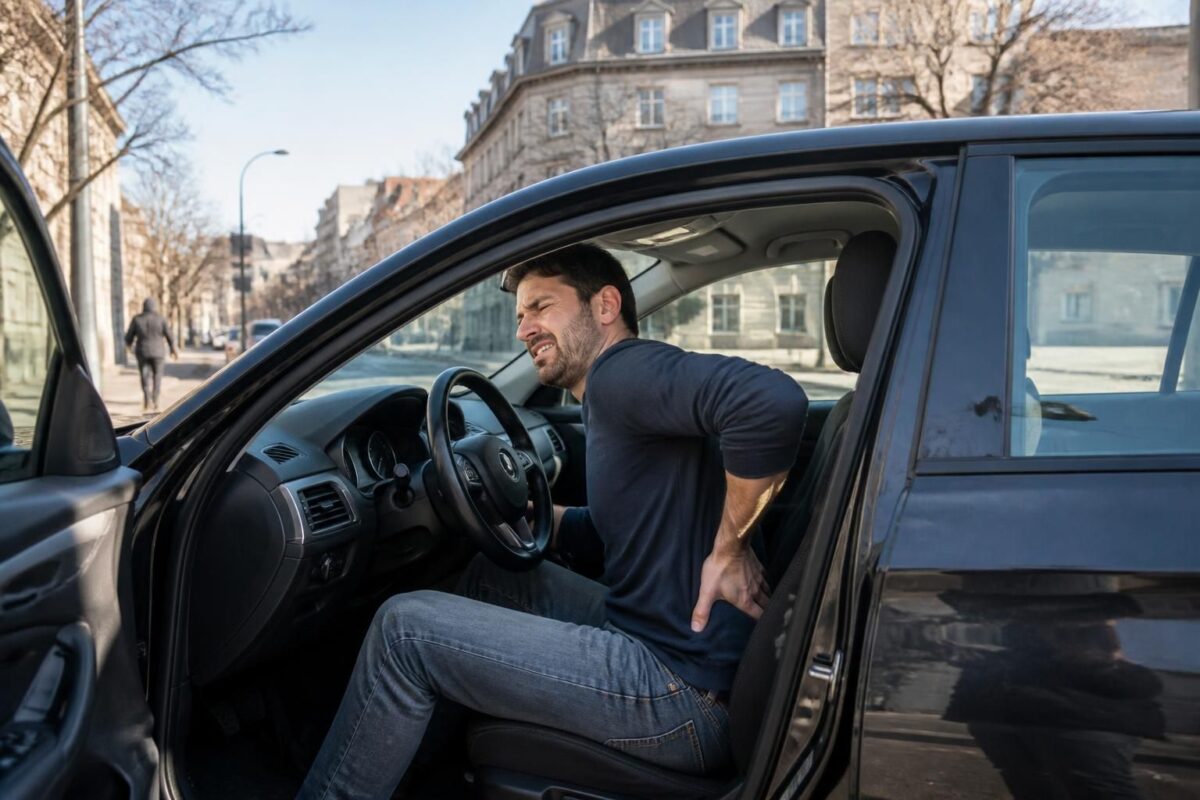
Sciatica in Montreal: pain that prevents long driving
IN SHORT In short, sciatica in Montréal is lower back pain that radiates to the buttock and leg and can hinder long driving. Definition: it is a functional issue related to sitting posture, immobility, and the mechanical context, not a…

Sciatica in Montreal: pain that prevents sitting down
IN BRIEF In brief, sciatica in Montreal is a radicular pain that can prevent sitting, with sensations radiating down the buttock, leg, or foot. What is it? A pain related to the irritation of a lumbar nerve root. How does…

Sciatica in Montreal: pain that wakes you up at night
IN SHORT In short, nocturnal sciatica is pain that follows the path of the sciatic nerve and intensifies at rest, disrupting sleep. In Montreal, it can be managed with simple advice on nighttime posture and bedding: sleeping on your side…

Sciatica in Montreal: Symptoms Worsening in the Evening
IN BRIEF In brief, sciatica is a pain that starts in the lower back and can extend to the buttock and leg, with symptoms that worsen at the end of the day potentially limiting daily activities. What is it? It…

Sciatica in Montreal: intermittent pain or constant pain?
IN BRIEF In brief, sciatica in Montreal refers to pain that starts in the lower back and follows the path of the buttock, thigh, and sometimes the foot, which can be intermittent or constant. It often reflects an underlying mechanical…
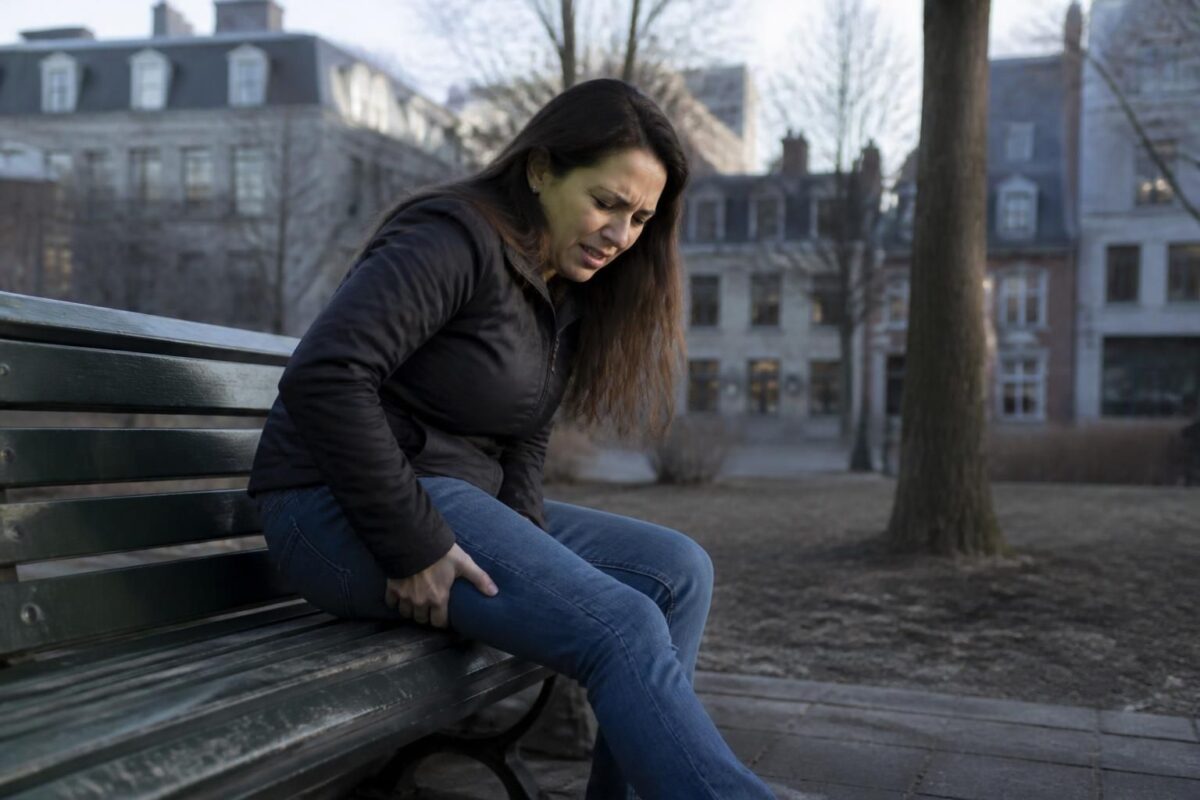
Sciatica in Montreal: burning pain behind the thigh
IN BRIEF Sciatica is a pain that starts from the lower back or buttock and radiates down the back of the thigh, sometimes to the calf or foot, described as a burning sensation or electric shock. In Montreal, an osteopathic…
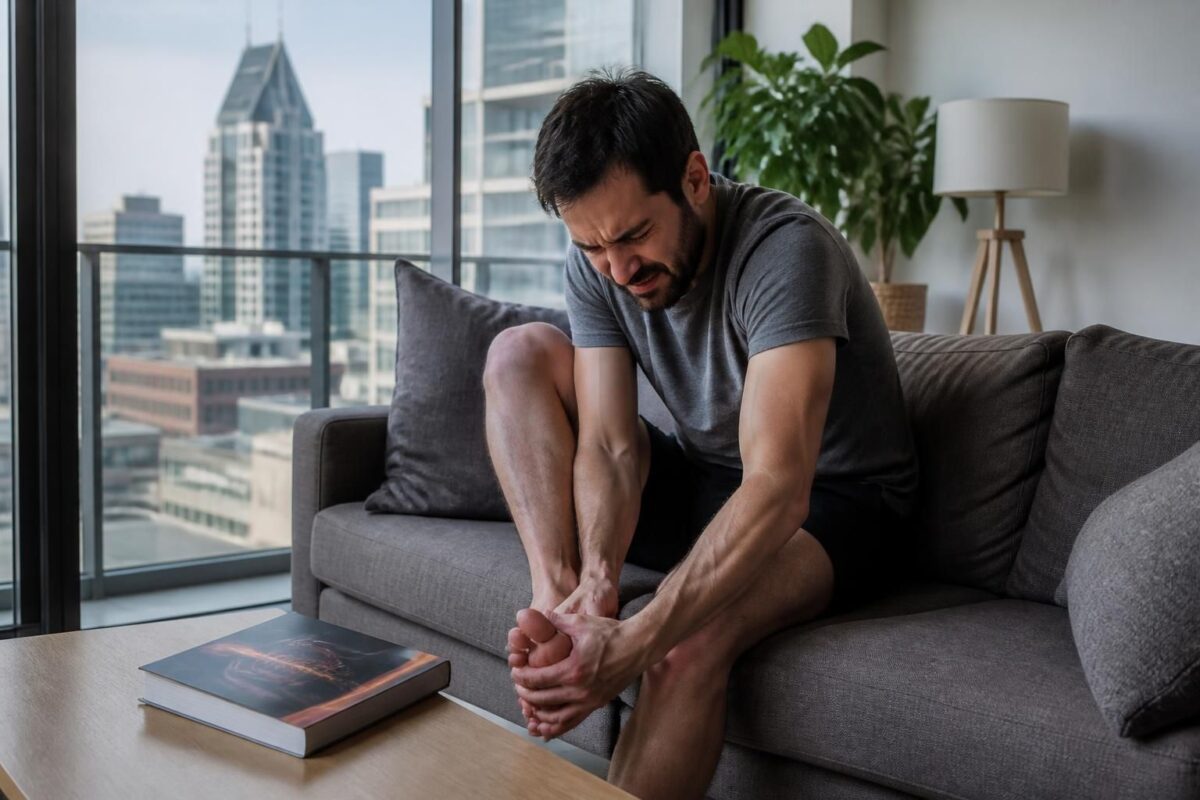
Sciatica in Montreal: numbness of the big toe and lower back pain
IN SHORT In short, sciatica associated with numbness of the big toe and lower back pain is a symptom resulting from compression or irritation of the sciatic nerve that extends from the lower back to the foot. In Montreal, this…
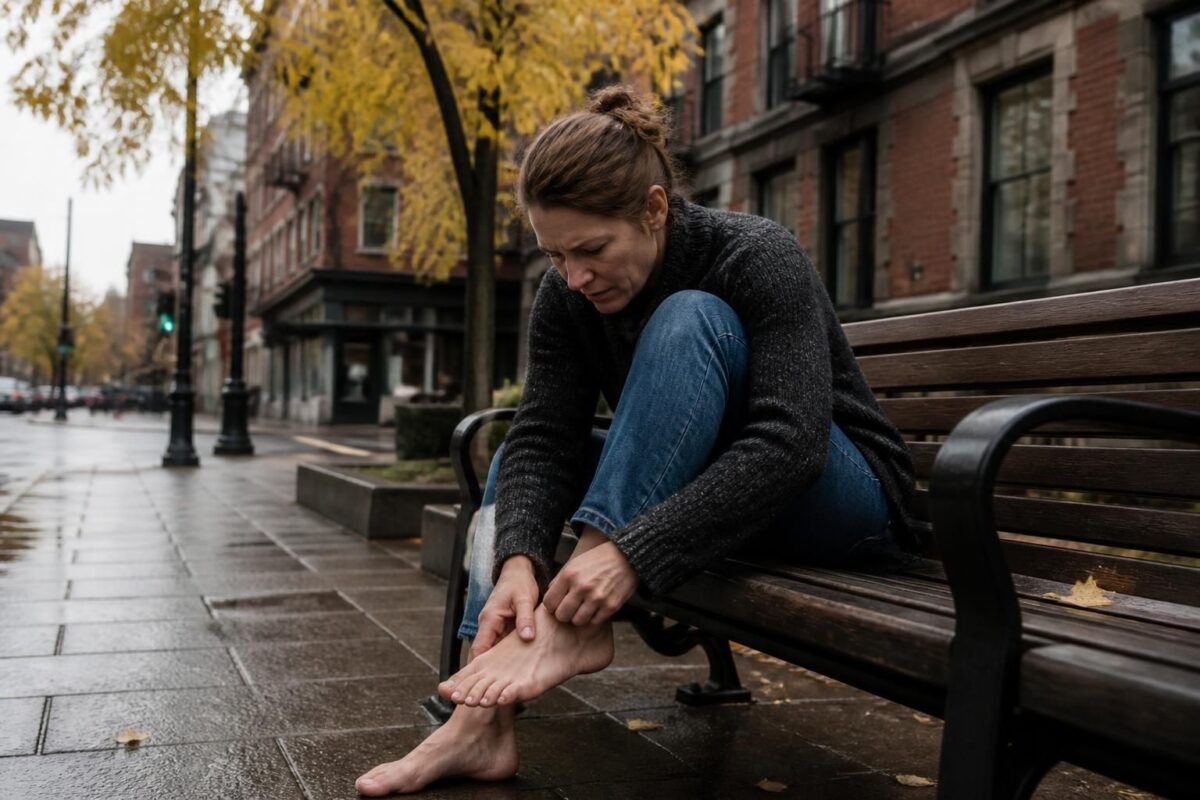
Sciatica in Montreal: loss of sensitivity in the toes
IN BRIEF In brief, sciatica associated with a loss of sensitivity in the toes is pain that starts in the lower back and can radiate down to the foot. In Montreal, this service offers an effective non-surgical approach based on…

Dr Sylvain Desforges, B.Sc., D.O., N.D., osteopath, is the founding president of TAGMED and of the ACMA association. He dedicates his practice to chronic spinal pain, low back pain and symptoms compatible with sciatica, particularly when pain radiates toward the buttock, leg, calf, foot or toes.
Through SOS Sciatique, he publishes educational content on sciatica symptoms, possible causes such as disc herniation, disc narrowing, foraminal stenosis or irritation of a lumbar nerve root, as well as non-surgical approaches that may be considered according to the evaluation. At Clinique TAGMED, care may include, depending on the case, motorized neurovertebral decompression, specific osteopathic care or precision percussion.
For an evaluation related to sciatica treatment in Montreal / Mount Royal or sciatica treatment in Terrebonne, please consult the services available at Clinique TAGMED.
Medical disclaimer
The information published on SOS Sciatique is provided for educational purposes only and does not replace a consultation, diagnosis, opinion or treatment provided by a physician or another authorized healthcare professional. The author of this article is neither a medical doctor nor a specialist in a medical specialty recognized by the Collège des médecins du Québec. The osteopathic, manual medicine or functional support approaches described on this site do not constitute medical acts and are not intended to replace medical follow-up.
Consult a physician or emergency service in cases of loss of bladder or bowel control, anesthesia in the saddle area, significant or progressive weakness in the leg or foot, fever, recent trauma, severe pain or rapid worsening of symptoms. For more details, please read our Legal Notice.