Sciatic pain and loss of sensation: why consult?
15/07/2026
Sciatica and low sitting position: why this can worsen
15/07/2026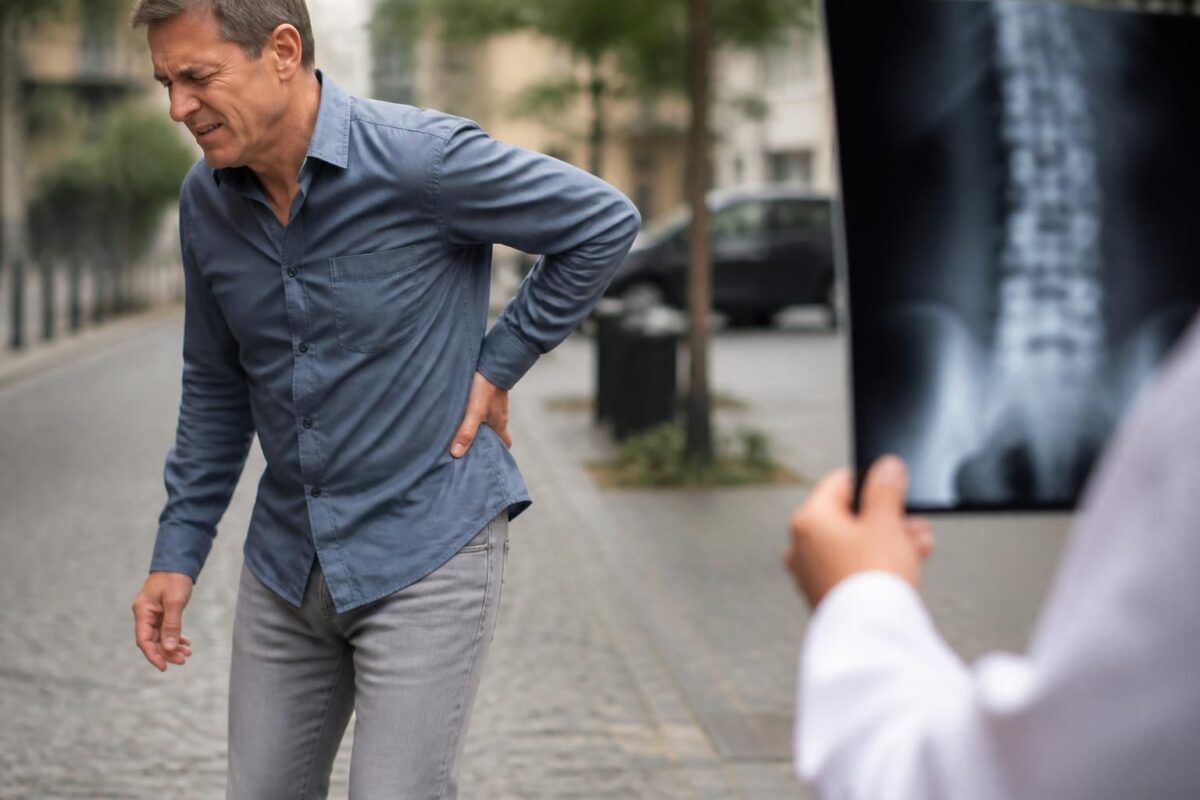
IN BRIEF
| Sciatica is a pain that follows the path of the sciatic nerve: lower back, buttock, and leg. It can worsen with walking and may be associated with lumbar stenosis or a herniated disc. The diagnosis relies on clinical examination and may require imaging or electrodiagnostic tests. Treatment favors conservative measures: tailored activity, physiotherapy, and osteopathy to relieve pain and improve function; surgery may be considered if symptoms persist or worsen. In Montreal, this service is particularly indicated for radiating low back pain that limits walking and daily life. |
Sciatica is a pain that follows the path of the sciatic nerve, starting from the lower back, passing through the buttock, and radiating down the back of the leg. It can manifest as a burning sensation, tingling, or electric shocks and may affect the foot. When associated with lumbar stenosis, walking can aggravate the pain, a phenomenon known as neurogenic claudication. The diagnosis relies on clinical examination and, if necessary, imaging tests. Treatment emphasizes conservative measures (tailored activity, exercises, physiotherapy) and may require surgical intervention if symptoms persist despite these approaches.
Sciatica is a pain that follows the path of the sciatic nerve, the longest nerve in the body. It may intensify with walking when conditions like stenosis or a herniated disc apply pressure on the nerve roots. This article describes the signs, possible causes, and management options, prioritizing effective approaches tailored to each patient. It also presents the indications related to neurovertebral decompression and the services offered by Clinique TAGMED.
Causes and Mechanisms
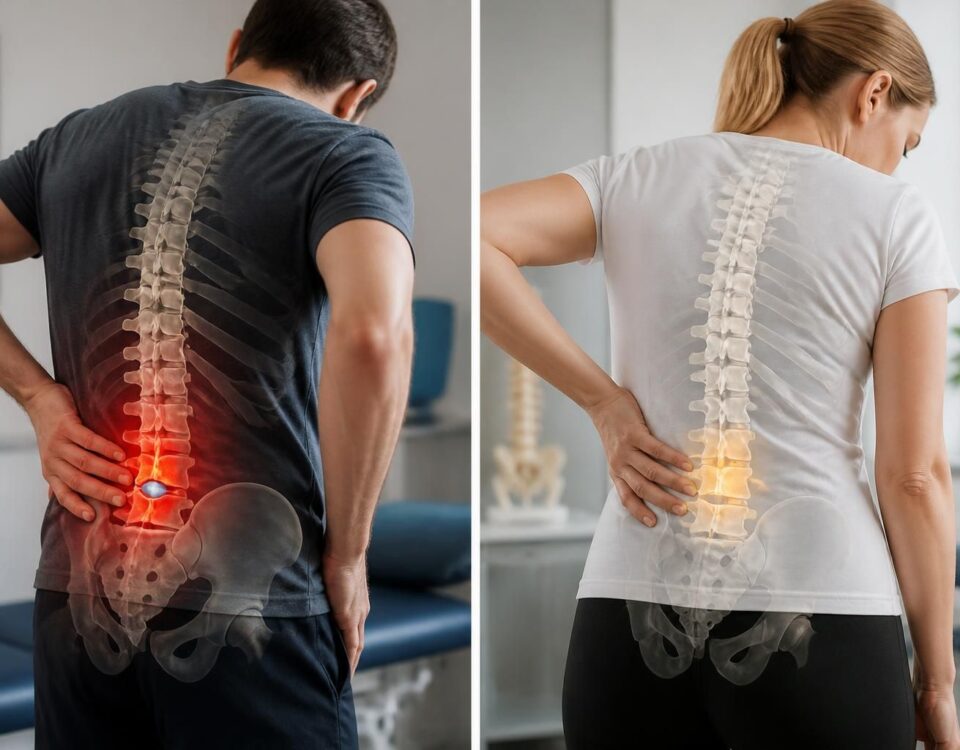
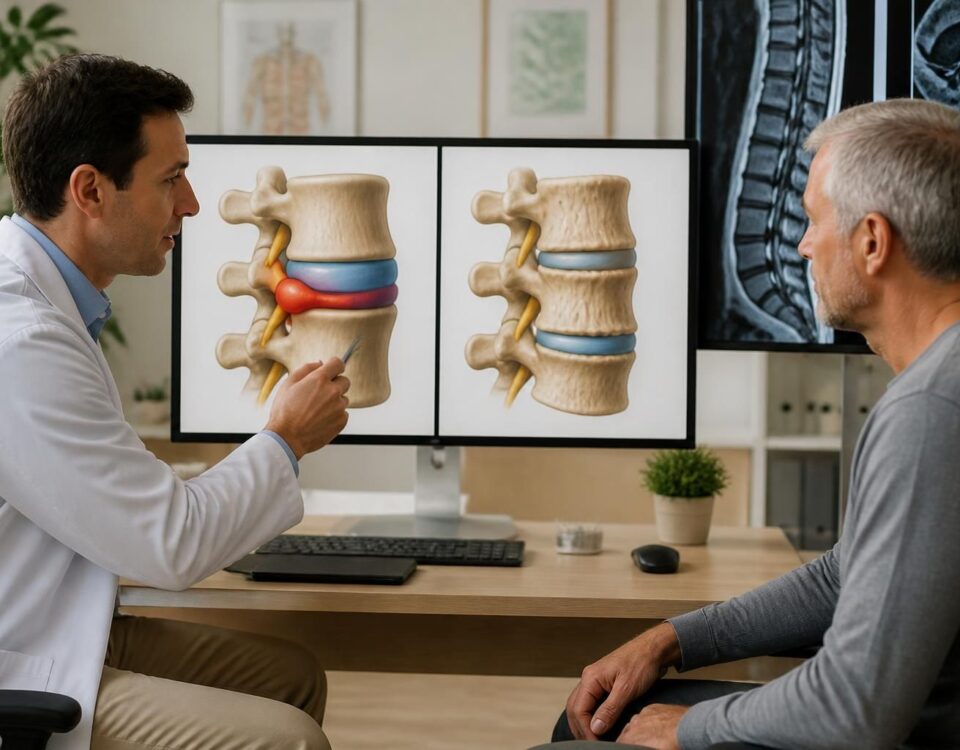
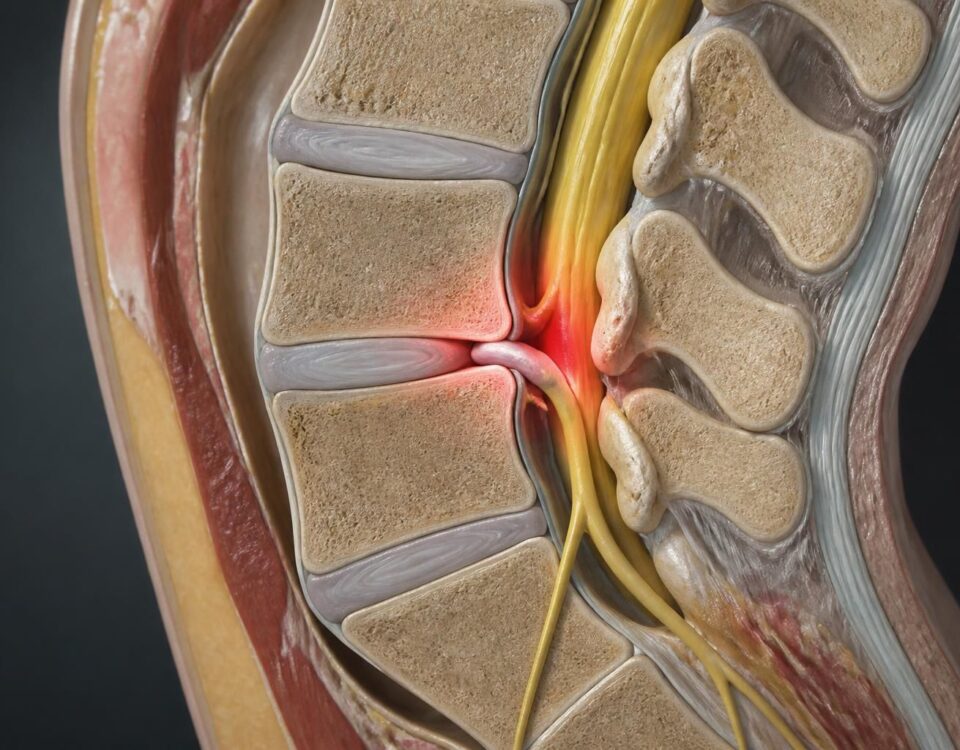
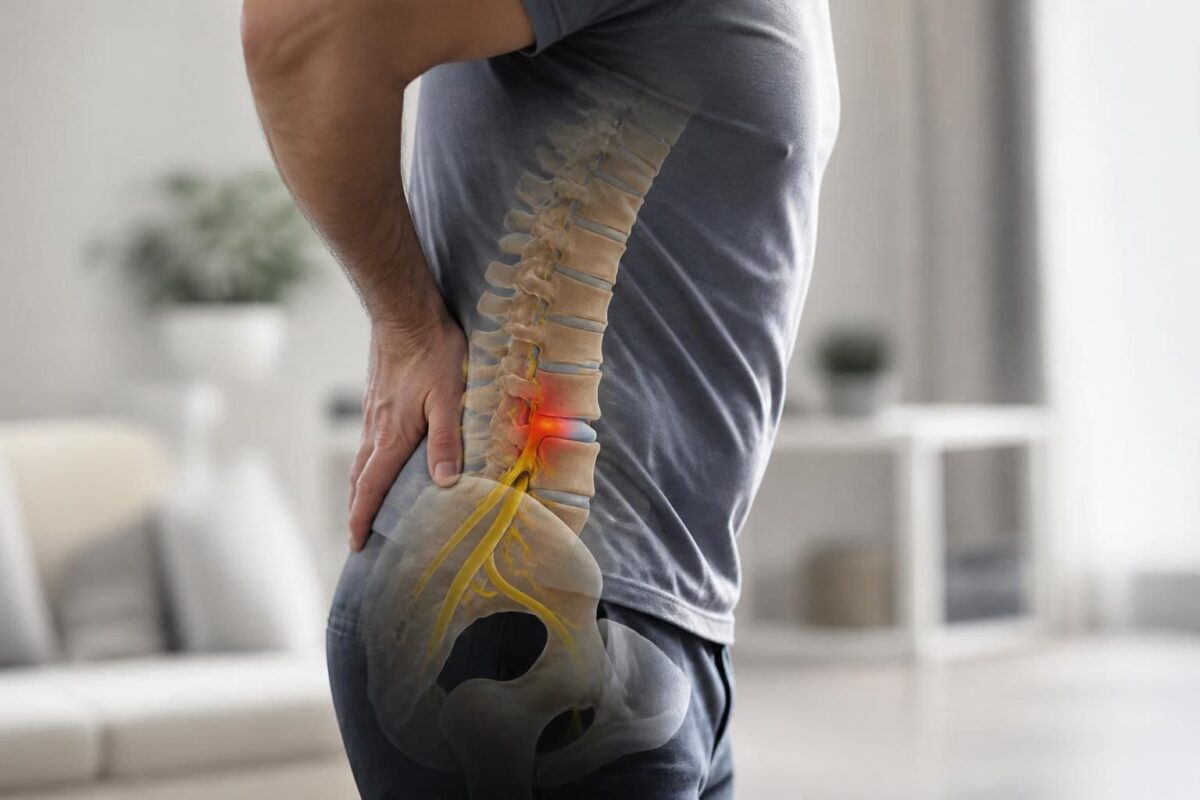
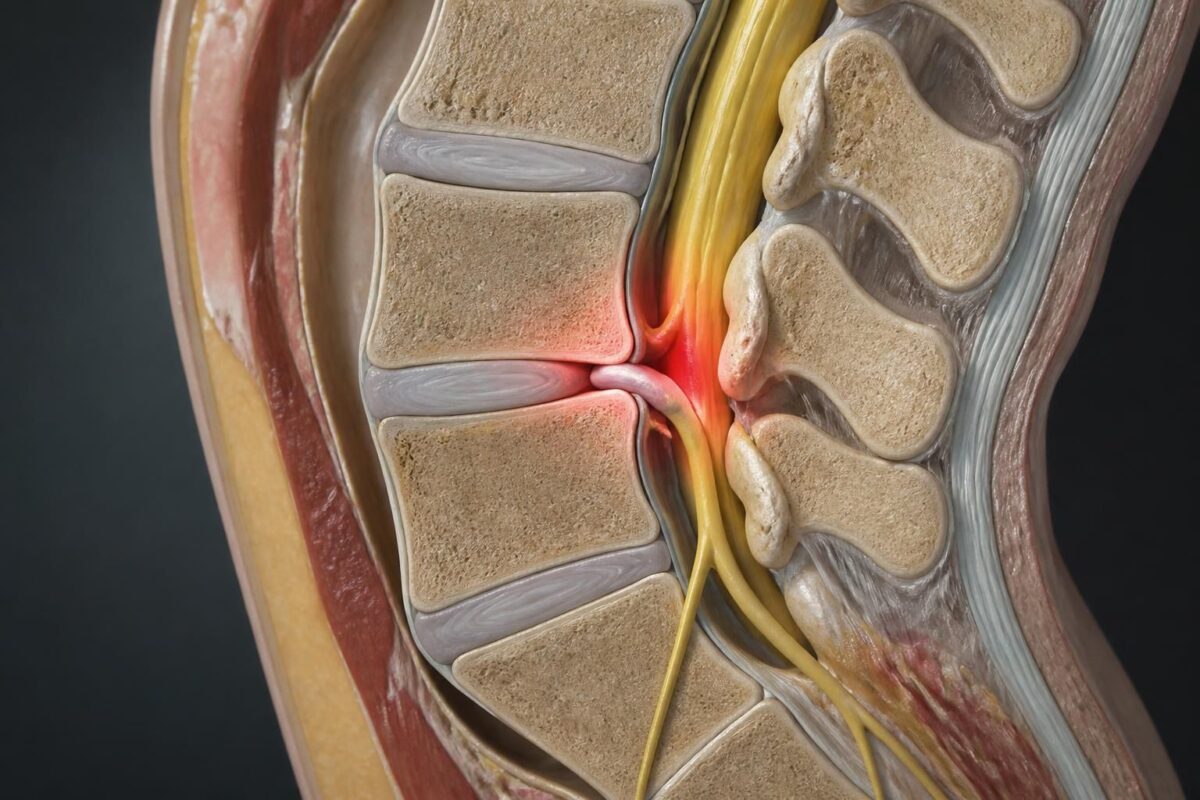
The sciatic nerve exits the spinal cord in the lower back, traverses the buttock, and runs down the back of the leg to the foot. A protrusion or herniated disc, spinal canal stenosis, or arthritic projections can compress this nerve. When a nerve is compressed, pinched, or irritated, the pain follows its path and may become more pronounced during walking. In some cases, chronic inflammation can worsen symptoms even without obvious compression.
Signs and Symptoms
Typical symptoms include a burning pain or electric shock sensation starting from the lower back and descending through the buttock and the back of the leg. Tingling, weakness, or numbness may appear in the calf or foot. Pain is often increased by walking and may be aggravated by prolonged sitting. The Lasèque sign may be positive during clinical examination, helping to localize the affected root.
To understand the path of the pain and the mechanisms, consult this resource on the sciatic path.
Diagnosis
The diagnosis relies on the medical history and physical examination. Imaging tests may be requested if symptoms persist or if there are significant neurological signs. Electrodiagnostic tests can help clarify which nerve root is affected and the severity of the damage.
Treatment and Management
Most episodes of sciatica improve favorably with a conservative approach. The primary goals are to reduce pain and maintain activity as much as possible. When the diagnosis includes considerations of stenosis or other specific conditions, targeted options may be considered at Clinique TAGMED based on individual assessment. For cases requiring technical intervention, neurovertebral decompression may be proposed at specialized centers.
For more information on decompression options and the distinctions between treatments, see the page dedicated to sciatic decompression.
Management at Clinique TAGMED
In Montreal and Terrebonne, care may include specific osteopathic approaches and decompression methods as part of a comprehensive plan, following individual assessment. The decision to pursue neurovertebral decompression is guided by clinical examination and imaging results when deemed necessary.
Prevention and Lifestyle
Regular adapted physical activity helps prevent recurrences. Maintaining a healthy weight, adopting good posture, and learning correct lifting techniques can reduce strain on the back and disks. Resources detailing the link between pain and nerve paths are available at this reference on the foot and the L5 root.
When to Seek Immediate Attention
Seek attention quickly if you experience marked weakness in a limb, loss of bowel or bladder control, pain that significantly worsens, or signs of infection. Urgent elements may require immediate medical evaluation.
To learn more about cases where treatment is not universally effective and why the same treatment may not suit everyone, refer to this article on Montreal.
For additional information on sciatica and its causes, you can refer to foot weakness and possible neurological cause.
To access resources on the different presentations of sciatica and treatment options, also visit SosSciatique Montreal and Clinique TAGMED.
The information presented is based on current knowledge and clinical recommendations available in these specialized resources:
For more information on the mechanisms and management options, refer to the following resources mentioned in the authorized areas:
Pain pathway,
L5 root and pain on the top of the foot,
Treatment discrepancies,
Sciatic decompression Montreal,
Possible neurological signs,
TAGMED Clinic.
Medical disclaimer: The information and advice provided on this site do not replace the opinion, diagnosis, or treatment of a healthcare professional. Please note that Dr. Sylvain Desforges, osteopath, is neither a doctor of medicine nor a physician, and is not a specialist in a medical specialty as defined by the Collège des médecins du Québec. Manual medicine, functional medicine, and sports medicine as described on this site exclude any medical treatment or diagnosis made by a physician or a medical specialist. Always consult your doctor for any medical questions. For more details, please read our full Legal Notice.
—
Sciatica and walking — possible stenosis
- Sciatica: pain that follows the path of the sciatic nerve, possibly radiating to the buttock and leg.
- When walking: pain that worsens with effort and prolonged walking; may cause neurogenic claudication.
- Possible stenosis: narrowing of the spinal canal or foramina, intensifying pain during walking.
- Quick diagnosis: medical history and clinical examination, sometimes imaging or electrodiagnostic tests.
- Clinical signs: radiating pain, paresthesias, and possible weakness that worsen with walking.
- Initial management: maintenance of activity, targeted exercises, physiotherapy/osteopathy, and pain control.
- Surgical indications: persistent pain despite treatment or progressive neurological deficit; decision based on the cause.
- Practical advice: progress activities, maintain good posture, breathing, recovery, and avoid prolonged resting.

This guide offers practical recommendations for understanding a sciatica that worsens on walking and could suggest lumbar stenosis. You will find common causes, signs to watch for, non-surgical approaches, and a structured action plan to improve walking tolerance, strengthen core muscles, and reduce pain with each step.
Understanding pain that worsens on walking and the possible role of stenosis
Sciatica is pain that follows the path of the sciatic nerve, starting from the lower back and descending through the buttock and leg. When the spinal canal narrows, or when structures like discs or joints put pressure on the nerve roots, pain may be triggered or intensified during walking. Lumbar stenosis can cause pain that appears after a certain amount of movement and that eases with rest. Other possible causes include a herniated disc, arthritic signs, or inflammatory irritation. The goal is to identify the dominant factor to guide therapeutic action.
Signs and diagnosis to consider
Typical signs include pain that starts in the lower back or buttock and radiates down the back of the leg, sometimes associated with tingling or weakness, especially when walking. Pain may be worse when standing or during movements that stretch or stress the nerve. In the presence of marked weakness, loss of sensation, or symptoms that worsen rapidly, a medical consultation is recommended. The diagnosis relies on clinical examination and may be complemented by imaging exams when needed to clarify the origin (stenosis, herniated disc, etc.).
Action plan for walking and strengthening
Objective: gradually increase the tolerated distance and improve spine stability. Start with short, regular walks, for example, 5 to 10 minutes, then gradually increase according to your comfort, adding short breaks if necessary. Alternate walking and resting, and maintain a sustainable pace to limit nerve irritation. Incorporate core strengthening exercises (abdominals, lumbar muscles, glutes) and targeted stretches for the hamstrings and piriformis to improve flexibility and back stability.
Recommended exercises and strengthening
Include gentle core stabilization exercises, strengthening of deep muscles and glutes, and controlled stretches of the posterior chains. If pain significantly increases during an exercise, stop and consult. Consistency is key: practice these movements regularly to promote spine stability and better nutrition of the discs.
Pain management and multimodal approach
Use complementary approaches such as cold and heat according to your feelings, and consider sessions of physiotherapy or osteopathy tailored to your case. An adapted physical activity routine, combined with breathing techniques and stress management, can reduce inflammation and nerve hypersensitivity without immediate recourse to surgery.
When to consult and what role for imaging
Check if the pain persists beyond 6 to 8 weeks despite an active plan, or if signs such as progressive weakness, loss of urinary or fecal control, fever, or significant night pain appear. Imaging is considered when the diagnosis is uncertain, surgery is contemplated, or in the presence of emergency symptoms. A healthcare professional will guide towards the most appropriate examinations and suitable therapeutic options.
Comparison: Sciatica and lumbar stenosis during walking
| Element | Description |
|---|---|
| Definition | Sciatica = pain radiating along the sciatic nerve pathway; lumbar stenosis = pain while walking related to neurogenic claudication. |
| Triggers when walking | Sciatica: can occur during effort or at rest; Stenosis: claudication appears when walking and is relieved by bending or stopping. |
| Location and pathway | Sciatica follows buttock → thigh → calf → foot; Stenosis limits endurance and can cause cramps in the calves. |
| Signs when walking | Sciatica: radiating pain and paresthesia; Stenosis: low back pain when walking, relief in sitting position or bending. |
| Quick diagnosis | Clinical examination; MRI/CT according to suspicion of stenosis, Lasègue sometimes positive for sciatica. |
| Initial treatment | Tailored activity and physiotherapy; pain management; prioritize posture; for stenosis, flexion and strengthening exercises; for sciatica, conservative options followed by surgery if necessary. |
| Recommended exercises | Stretching and core strengthening exercises; suitable exercises for the sciatic nerve and core muscles; prioritize gradual walking and strengthening. |
| When surgery | Surgery considered in severe stenosis or deficit; surgical sciatica after failure of conservative treatments depending on the etiology. |
| Prevention and lifestyle | Regular physical activity, weight control, good posture; avoid aggravating positions and practice preventive exercises. |
Testimonials on Sciatica and the possibility of stenosis when walking
“I lived with a Sciatica that activates with every step. The longer I walked, the more the pain rose from my lower back, crossed my buttock, and reached the back of my leg. This pain was accompanied by doubts about possible stenosis of the spinal canal, as it became almost unbearable after a few minutes and eased when I stopped and rested.”
“When walking, the pain became intense and almost blocked my step. I felt a pinch radiating along the pathway of the sciatic nerve, and the symptom seemed to worsen when I stood or moved. The doctor mentioned possible stenosis as the cause associated with the pain radiating into my leg.”
“After consultation, I was told that my pain corresponded to a Sciatica with suspected lumbar stenosis. The diagnosis was based on the examination and symptoms, and the imaging results clarified the context. I left with an exercise program and manual treatments that allowed me to increase my tolerance for walking.”
“Today, I am able to walk longer before the pain arises, and when it does, it is less intense. The doctor reminded me that Sciatica can be associated with stenosis and that a personalized plan, including exercises and tailored therapies, can make a difference. If the pain increases while walking, I highly recommend an evaluation to clarify the diagnosis and consider appropriate options.”
Detailed biography: Sciatica, walking, and stenosis – the approach of Dr. Sylvain Desforges
Dr. Sylvain Desforges, a qualified osteopath, expert in manual medicine and naturopathy, is the founding president of TAGMED clinics and the ACMA association. His professional path is guided by a desire for innovation in care and a resolutely evidence-based approach. He specializes particularly in the management of chronic pain and lumbar issues related to sciatica and spinal canal stenosis, conditions that can manifest significantly during walking and limit patients’ mobility and autonomy.
His approach is based on a thorough clinical evaluation and a holistic vision of the patient. He combines traditional osteopathy tools with advanced non-surgical technologies to optimize results. Among them, he explores motorized spinal decompression protocols, laser therapies, and shockwave treatments aimed at improving circulation, reducing inflammation, and promoting muscle strengthening around the spine. This integrated approach helps to improve walking tolerance and reduce the painful episodes typical of sciatica associated with potential stenosis.
Dr. Desforges’ therapeutic philosophy prioritizes a personalized and active management approach. Each consultation begins with an in-depth functional analysis and continues with the establishment of a tailored rehabilitation program focused on lumbar stability, targeted hamstring flexibility, and hip mobility. The goal is to get the patient moving while protecting the nerve structures and optimizing postural compensation mechanisms. In cases of sciatica worsened by walking, this framework aims to prolong functional activity periods while avoiding movements that exacerbate pain.
As a leader in the field, he is committed to offering conservative and realistic solutions that prioritize minimal surgical intervention when possible. His work relies on close collaboration with multidisciplinary teams and attentive listening to each patient’s life goals and constraints. This approach not only relieves pain but also improves the ability to perform daily activities and engage in adapted physical activity, which is essential for preventing recurrences and exacerbations related to stenosis.
Dr Desforges also places patient education at the heart of the therapeutic process. He offers ergonomic advice, personalized exercise programs, and prevention plans aimed at maintaining musculoskeletal integrity and optimizing functional recovery after each painful episode. His commitment is to guide each patient towards better walking tolerance and a better quality of life, relying on precise manual techniques and effective therapeutic tools that support progressive and sustainable rehabilitation.
This conclusion summarizes the key points about Sciatica that can worsen while walking and suggests a possible stenosis, distinguishing causes such as a herniated disc or spinal canal stenosis, and presenting diagnostic and treatment options, including non-surgical approaches and potential indications for surgery.
When sciatica is mainly manifested by pain that increases with walking, two complementary axes should be considered: nerve irritation along the path of the sciatic nerve and, less commonly, a reduction in space around the nerves due to lumbar stenosis. In this context, pain may be accompanied by paresthesia, weakness, or a need to stop to relieve the leg. This dynamic, sometimes called neurogenic claudication, is typical of conditions that limit mobility and worsen when standing or extending the trunk. To better understand the mechanisms and signs, you can consult resources explaining the duration and evolution of episodes and the potential dangers when they persist, such as this article on the duration of a sciatica episode: sciatica attack, how long before it passes.
Stenosis can contribute to this picture by reducing space around the nerves during certain movements and causing pain that radiates to the leg while walking. When pain radiates and worsens with effort, it is useful to evaluate if an adjustment of activity, targeted exercises, and physical care can improve walking tolerance and prevent worsening. Additional information on pain and its associations with specific symptoms (pain in the big toe while sitting, pain in the calf, etc.) is available in resources dedicated to sciatica: big toe pain while sitting and calf pain and possible nerve origin.
The diagnosis is first based on clinical examination and the assessment of how the pain evolves, with imaging tests (MRI/CT) or electrophysiological tests when symptoms persist or when an intervention is considered. For clear summaries on the causes and manifestations of sciatica, you can refer to general resources such as the definition, symptoms, and causes and typical durations and treatments.
In terms of treatment, the conservative approach remains central when pain is manageable and mobility is preserved. Active strategies prioritize regular physical activity, targeted strengthening and stretching exercises, as well as appropriate anti-inflammatory and analgesic measures. The goal is to reduce inflammation, improve spinal stability, and progressively restore walking tolerance. Resources specific to Montreal and Terrebonne discuss the nuances of treatments and what to avoid promising, which can be helpful for guiding a discussion with your healthcare professional: signs indicating that targeted treatment is necessary in Montreal, questions to ask before starting care in Terrebonne. Analytical excerpts on the mechanisms and treatment options in a broad clinical context can also be consulted here: what to avoid promising in Montreal and spinal stenosis and sciatica-like pain.
When symptoms are severe or do not respond to conservative options, surgery may be considered, particularly in cases of significant lumbar stenosis or disabling discopathy. Clinical data indicate that surgery can provide faster relief, but over the long term (1 to 2 years), the results between intervention and conservative treatment may converge. In cases of sciatica associated with a herniated disc, minimally invasive techniques often allow a return to activities within a few weeks, with recovery continuing over several months. For an overview of the mechanisms and approaches related to stenosis and sciatica, you can consult dedicated sources such as Sciatica and spinal stenosis: two little-known conditions and signs indicating that targeted treatment is necessary in Montreal.
Finally, prevention and maintaining an active lifestyle remain key levers: adapted physical activity, strengthening and stretching, correct posture, and safe lifting practices. To deepen practical aspects and long-term forecasts, additional resources address symptoms, durations, and proposed treatments: Symptoms, duration, and treatments of sciatica and calf pain and possible nerve origin. For general information and key points, you can also consult Sciatica: causes, symptoms, definition.
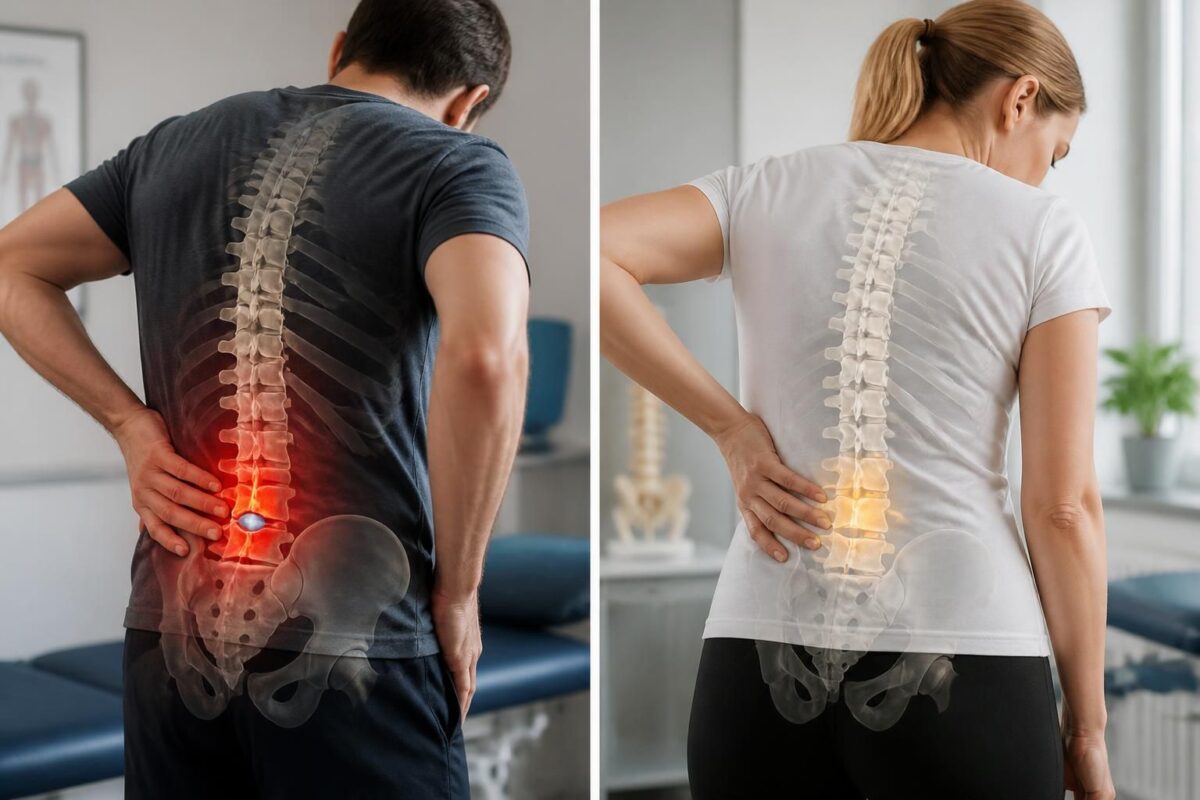
Herniated disc and disc bulge: do not confuse
IN BRIEF In brief, the Herniated disc and the disc bulge are two conditions of the spine that differ in their mechanism and prognosis. The disc bulge is a protrusion of the disc without rupture of the fibrous ring, often…
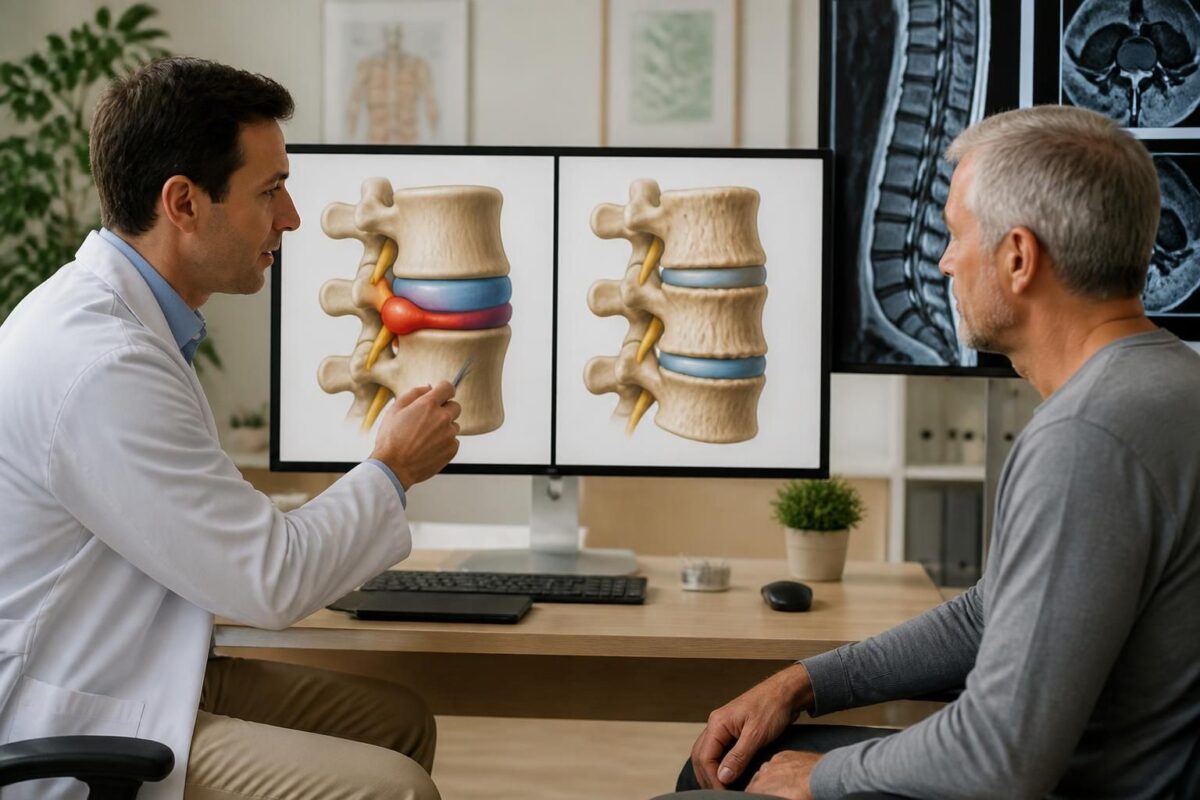
Herniated disc and disc disease: understanding the differences
IN BRIEF In brief, a herniated disc and discopathy are two distinct causes of spinal pain: wear of the intervertebral disc (discopathy) and the protrusion of the gelatinous nucleus that can compress a nerve (herniated disc). Understanding these differences helps…
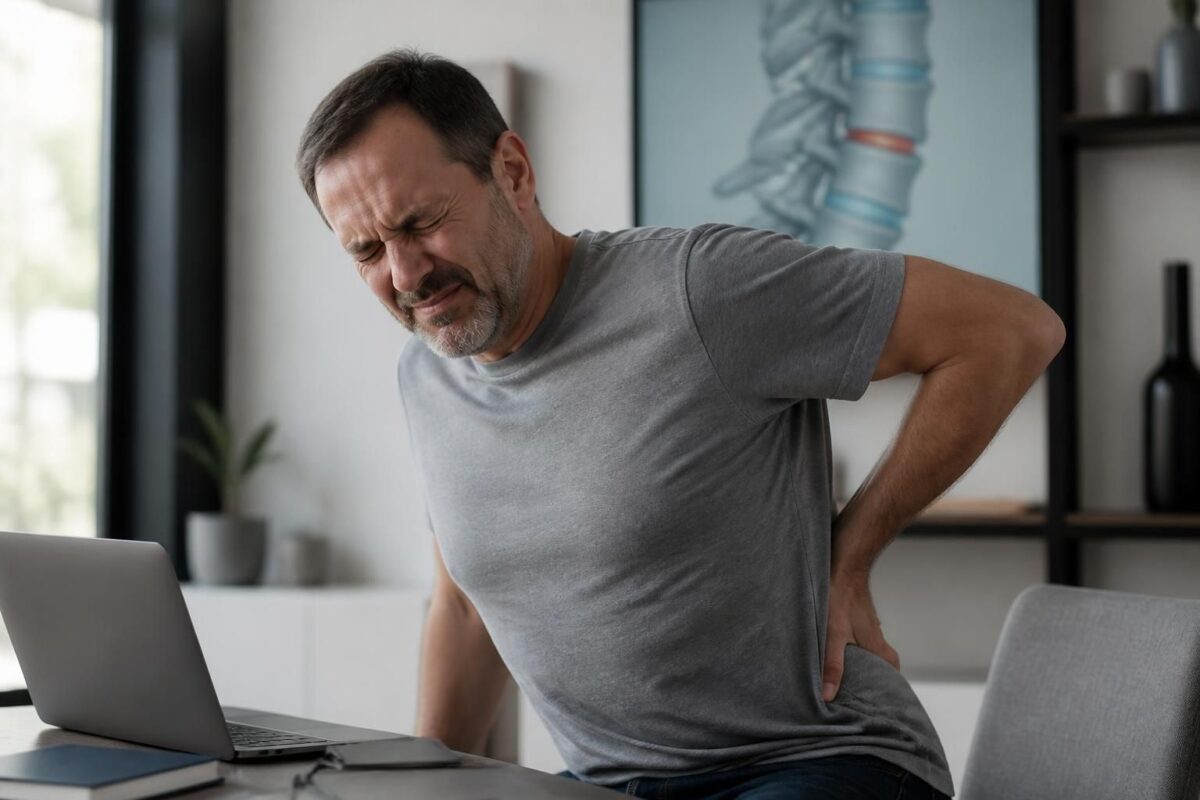
Herniated disc and annular tear: possible pain
IN BRIEF In short, Herniated disc and annular tear refer to issues with the intervertebral disc that can cause lower back pain and, at times, pain radiating down the leg. Symptoms vary and can mimic sciatic pain. Treatment favors conservative…
Herniated disc and chemical irritation of the nerve root
IN BRIEF In brief, Herniated disc and chemical irritation of the nerve root describe pain and dysfunction due to compression and inflammatory chemical exchanges affecting a spinal nerve root. This association explains radiating pain, abnormal sensations, and sometimes muscle weakness…
Herniated disc and mechanical compression of the nerve
IN BRIEF In brief, a herniated disc is a prolapse of the intervertebral disc that can lead to mechanical compression of the nerve root, causing pain and numbness that often radiate down the leg. This compression explains radiculopathy and sensations…
Herniated disc and nerve root inflammation
IN BRIEF In brief, lumbar disc herniation and nerve root inflammation refer to compression and irritation of a spinal root causing radiating pain, paresthesias, and sometimes muscle weakness. The mechanism combines disc protrusion and radicular inflammation, hence the importance of…
Herniated disc and peripheral pain: sign to watch out for
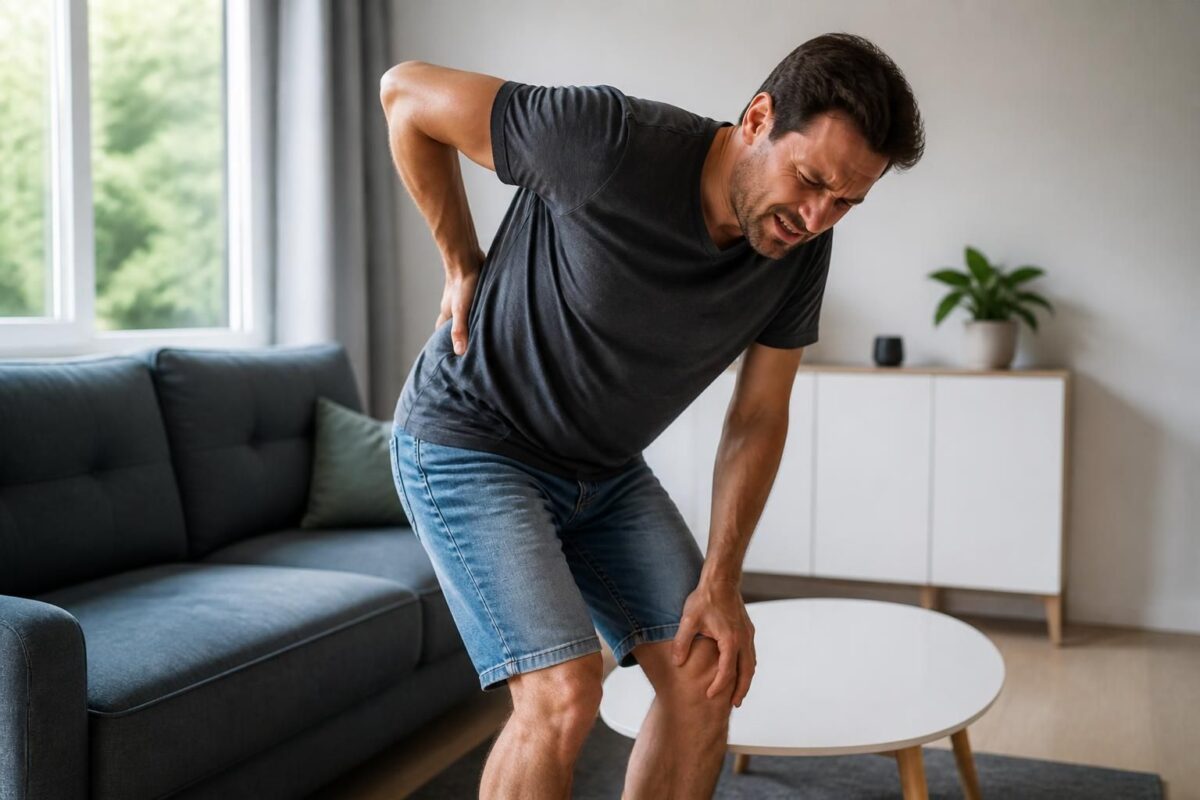
IN BRIEF In brief, Herniated disc is the partial protrusion of the gelatinous nucleus of an intervertebral disc through the fibrous ring, which can compress a nerve root and trigger radiating pain in the limb. The key benefits of rapid…

Herniated disc and centralizing pain: sign to interpret
IN BRIEF In brief, a herniated disc is a protrusion of the intervertebral disc that can compress a nerve root, causing centralized pain and signs such as radiating pain, numbness, and weakness. The treatment is mostly conservative: guided activity, physical…

Dr Sylvain Desforges, B.Sc., D.O., N.D., osteopath, is the founding president of TAGMED and of the ACMA association. He dedicates his practice to chronic spinal pain, low back pain and symptoms compatible with sciatica, particularly when pain radiates toward the buttock, leg, calf, foot or toes.
Through SOS Sciatique, he publishes educational content on sciatica symptoms, possible causes such as disc herniation, disc narrowing, foraminal stenosis or irritation of a lumbar nerve root, as well as non-surgical approaches that may be considered according to the evaluation. At Clinique TAGMED, care may include, depending on the case, motorized neurovertebral decompression, specific osteopathic care or precision percussion.
For an evaluation related to sciatica treatment in Montreal / Mount Royal or sciatica treatment in Terrebonne, please consult the services available at Clinique TAGMED.
Medical disclaimer
The information published on SOS Sciatique is provided for educational purposes only and does not replace a consultation, diagnosis, opinion or treatment provided by a physician or another authorized healthcare professional. The author of this article is neither a medical doctor nor a specialist in a medical specialty recognized by the Collège des médecins du Québec. The osteopathic, manual medicine or functional support approaches described on this site do not constitute medical acts and are not intended to replace medical follow-up.
Consult a physician or emergency service in cases of loss of bladder or bowel control, anesthesia in the saddle area, significant or progressive weakness in the leg or foot, fever, recent trauma, severe pain or rapid worsening of symptoms. For more details, please read our Legal Notice.