Neurovertebral decompression and chronic lower back pain: a lasting solution
25/06/2026
Neurovertebral decompression and lower back pain management
25/06/2026
In short
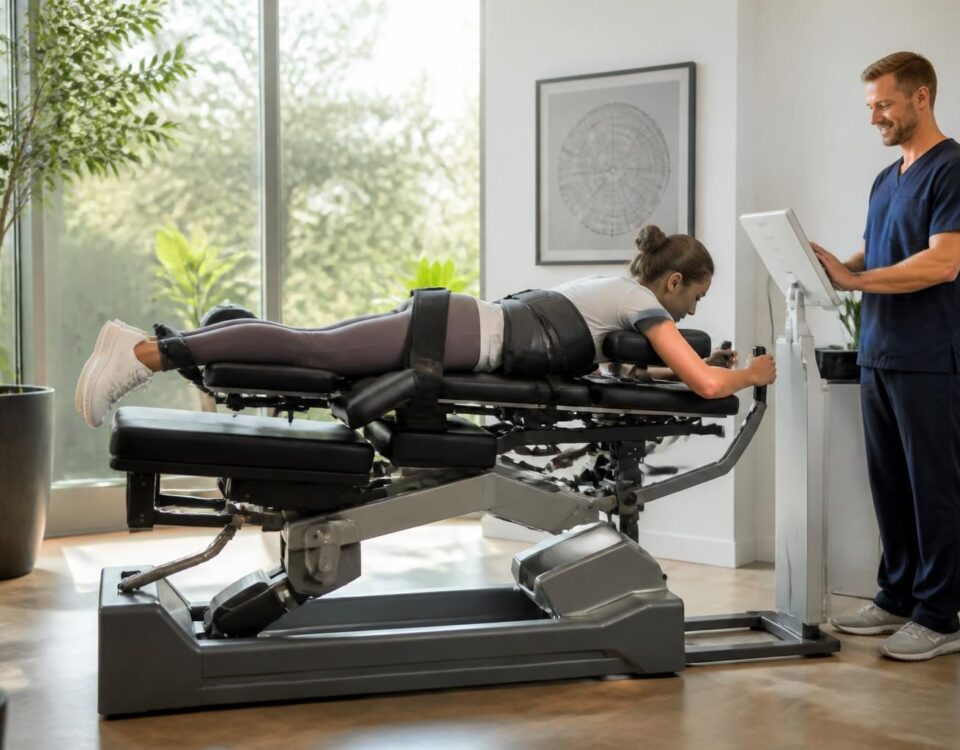
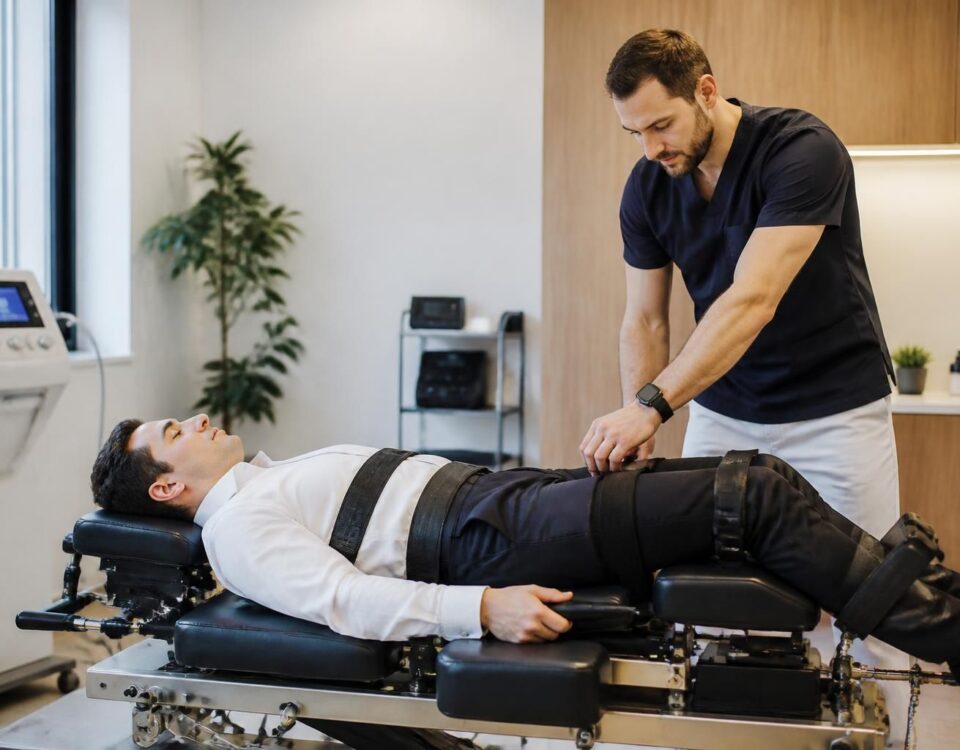
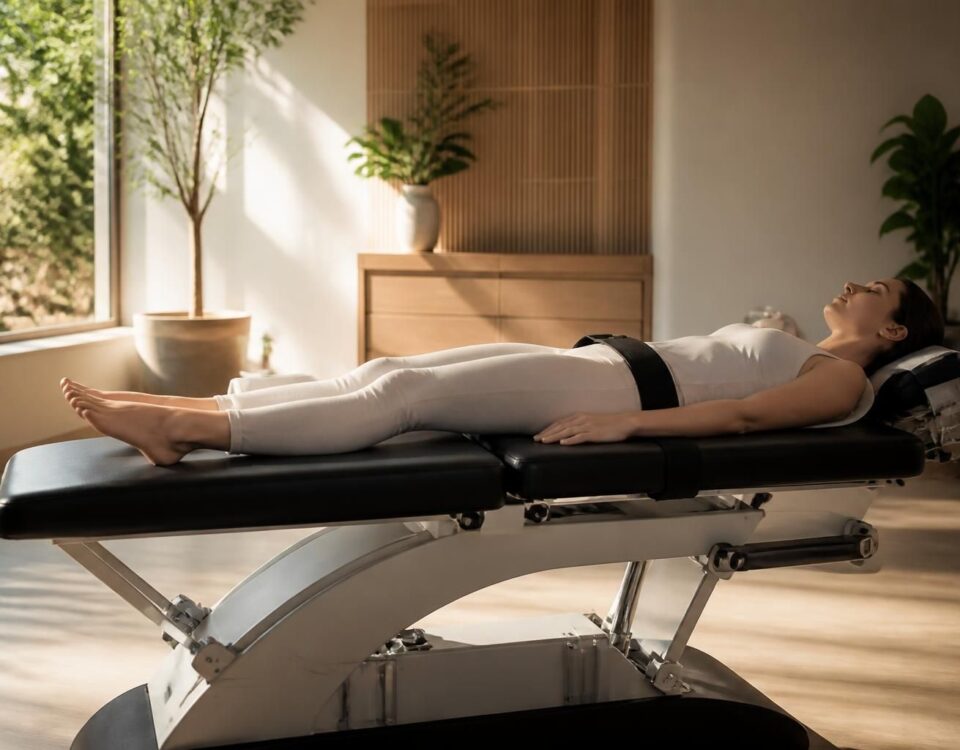
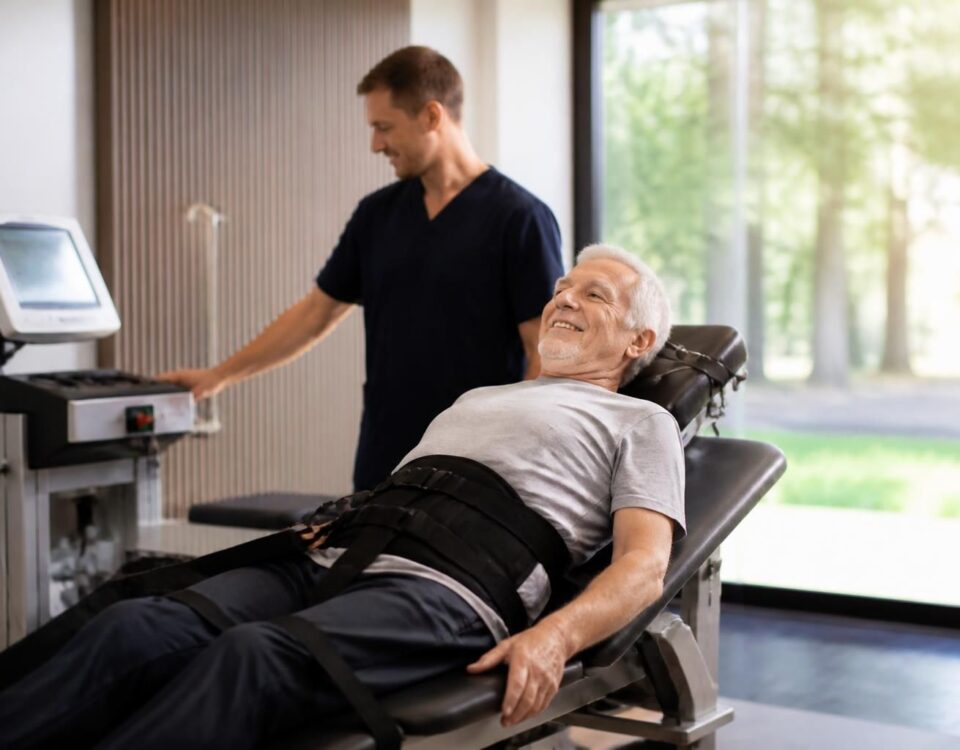
The neurovertebral decompression is one Non-invasive therapy which aims to relieve the Back and cervical pain related to discopathies and slipped disc. |
Here are the signs that indicate that the neurovertebral decompression Can be adapted for you:
- Lower back pain or neck pain Persistent linked to disc diseases (discal herniation, disc bulge, degeneration).
- numbness or tingling In the arms or legs, sometimes with muscle weakness.
- Limited mobility and daily activity impacted by pain.
- Limited failure or tolerance Usual conservative treatments (physiotherapy, analgesics, injections).
- Search for a Non-invasive solution and Alternative to surgery.
- Need a Personalized evaluation To determine eligibility and establish A suitable treatment plan.
This article, written by a health professional, presents the clear signs that indicate that the neurovertebral decompression can be suitable for you. It describes the typical symptoms, the evaluation logic and the elements to consider before any decision, while remaining accessible and direct.
The main signs center on dorsal or cervical pain that persists and affects the intervertebral discs or nerves. If you feel pain that does not decrease despite rest and usual treatments, this may be a signal to be examined in detail with a health professional.
Persistent back or cervical pain related to disc diseases
Signs to watch: localized pain that has persisted for several weeks, pain aggravated by certain positions and little or no improvement with the usual treatments. In this context, the neurovertebral decompression may be considered after proper clinical and radiological evaluation. To learn more about the framework and options, check out the official resources at D%C3%A9Neurovertebral Compression.
Irradiated pain or neurological symptoms
Signs to watch out: pain that spreads in the arms or legs, numbness, tingling or muscle weakness in the limbs. If these signs appear and conservative treatments provide little relief, decompression can be considered after a complete assessment. Additional information is available on Questions and answers on neurovertebral decompression.
Failure of non-invasive treatments and search for a non-surgical alternative
Signs to watch: chronic pain which limits daily life, inability to resume usual activities despite physiotherapy, and refusal or inevitable surgery. In this context, decompression can be a non-surgical and safe option, subject to a precise medical check-up. For additional perspectives, see Benefits in the elderly and Benefits on spinal stenosis.
Targeted conditions and assessment context
Signs to watch out for: Presence of conditions such as a herniated disc, bulging or disc degeneration, with symptoms that warrant a non-surgical approach. The assessment typically includes a clinical examination, imaging and dialogue on the benefits and potential risks of decompression. For context and operating elements, you can consult the informative pages such as Treatment of herniated disc with neurovertebral decompression.
As part of your journey, it may be useful to explore the following sources to better understand the mechanism and general indications of this approach: Prevention and management of chronic pain, herniated discs and solution, and Spinal stenosis.
To deepen the foundations and frequently asked questions around the neurovertebral decompression, consult the following resources: Signs indicating adaptation, and Neurovertebral Decompression – Questions Answered.
For those who wish to know more about the clinical setting and indications, the TagMed Clinic page offers information on the treatment of herniated disc by decompression neurovertebral in Montreal and Terrebonne. TagMed Clinic – Neurovertebral Decompression.
Quick Reference: Neurovertebral decompression is a non-invasive approach to reduce pressure on discs and nerves. It can be an option when symptoms persist and conservative treatments do not provide sufficient relief. For more general information, see D%C3%A9Neurovertebral Compression – Wikipedia.
Note: This content avoids any recommendation of exercises or stretches in the context of neurovertebral decompression or associated conditions. For a personalized assessment, make an appointment with a qualified clinician.
Medical Disclaimer: The information and advice provided on this site does not replace the health professional’s diagnosis or treatment. Please note that Dr. Sylvain Desforges osteopath is neither a doctor of medicine nor a doctor, and is not a specialist in a medical specialty as defined by the Collège des Médecins du Québec. Manual medicine, functional medicine and sports medicine as described on this site exclude any medical treatment or diagnosis made by a doctor or specialist doctor. Always consult your doctor for any medical questions. For more details, please read our full legal notice.
- Persistent dorsal or cervical pain (>3 months)
- aggravated pain by posture or repeated effort
- neural sensations (numbness, tingling, weakness)
- irradiated pain Along the nervous path
- Failure of conservative treatments usual
- reduced mobility and stiffness
- Preference for a non-surgical approach
- commitment to the protocol and rehabilitation
- Compatible disc diagnostics To be confirmed by imaging
- absence of major contraindications post-evaluation

This article presents the key signs that indicate that the neurovertebral decompression may suit you. You will find simple criteria to assess whether this non-invasive approach can relieve your back or neck pain and improve your mobility, in addition to medical advice.
When to consider neurovertebral decompression?
Neurovertebral decompression is particularly recommended when symptoms persist despite conservative treatments and when the causes are related to disc diseases such as protrusions or herniated discs, or foraminal stenosis. If you feel pain that extends to the legs or arms, or numbness that affects your daily activities, this may be a sign of referral to this therapy.
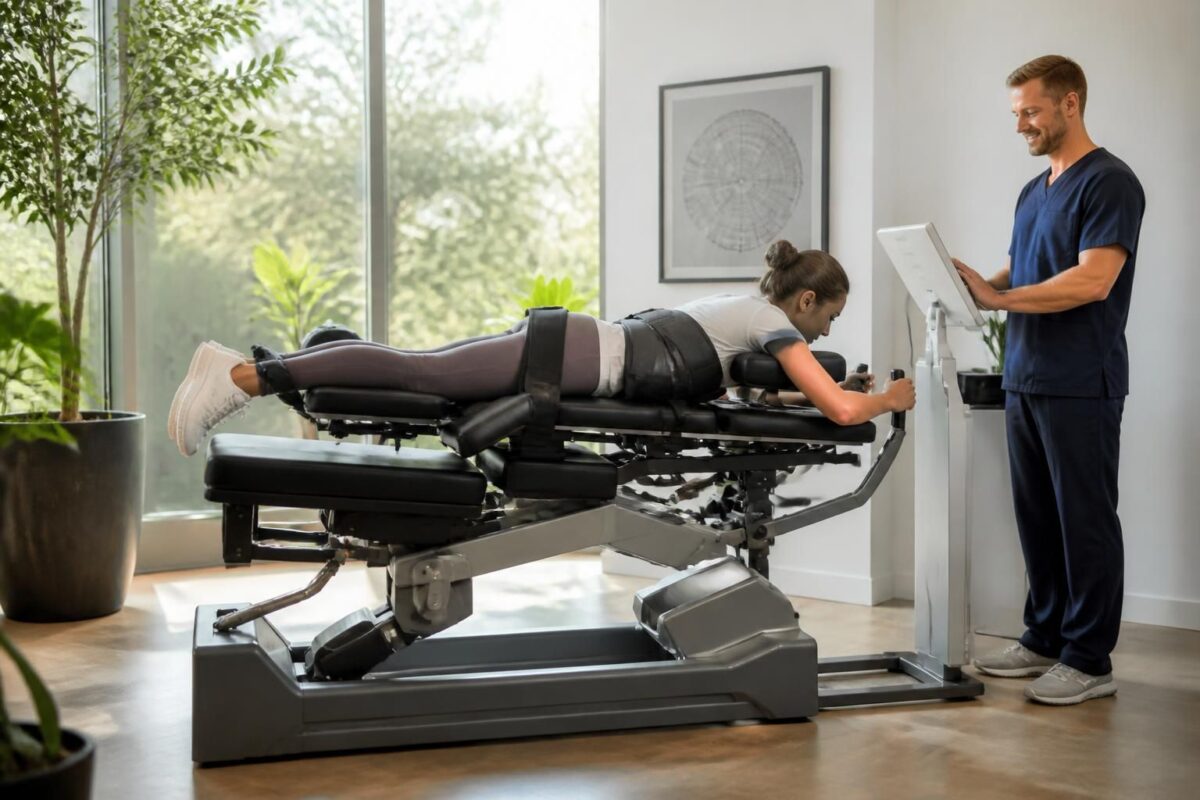
The long-term benefits of neurovertebral decompression for spinal health
In short In short, the neurovertebral decompression is a non-invasive approach that decreases the Pressure on intervertebral discs and nerves, favoring the Natural regeneration and tissue recovery. Its long-term benefits include Lasting pain reduction, Improving mobility and from the posture,…

Neurovertebral decompression and mobility: a return to an active life
In short In short, the neurovertebral decompression is therapy non-invasive who uses a gentle traction To create a space between the vertebrae and reduce the pressure on the Intervertebral discs and the nerves. It promotes a bloodstream improved, lowers tension…
Clear signs to watch out for
Persistent and localized pain
If the back pain or cervical Persists for several weeks, despite rest, treatments and exercises, this may indicate pressure on discs or nerves that can be relieved by decompression. This pain continuity is a strong indicator for a specialized assessment.
Radiant pain and paresthesia
pains that irradiient In the limbs (sciatica, cervical pain radiating towards the arms) accompanied by tingling or burns may reflect nerve compression. Decompression offers guided and progressive traction aimed at releasing these pressures and reducing nervous symptoms.
Motion limitations and stiffness
Reduced mobility, increased stiffness on awakening or persistent difficulty in performing certain gestures (flexion, rotation) that do not improve with usual approaches can signal a vertebral problem adapted to decompression.
Failure of conservative treatments
If the physiotherapy, targeted exercises, anti-inflammatories or injections offer little lasting improvement, decompression can be an option to discuss with your clinician as part of a global care plan.
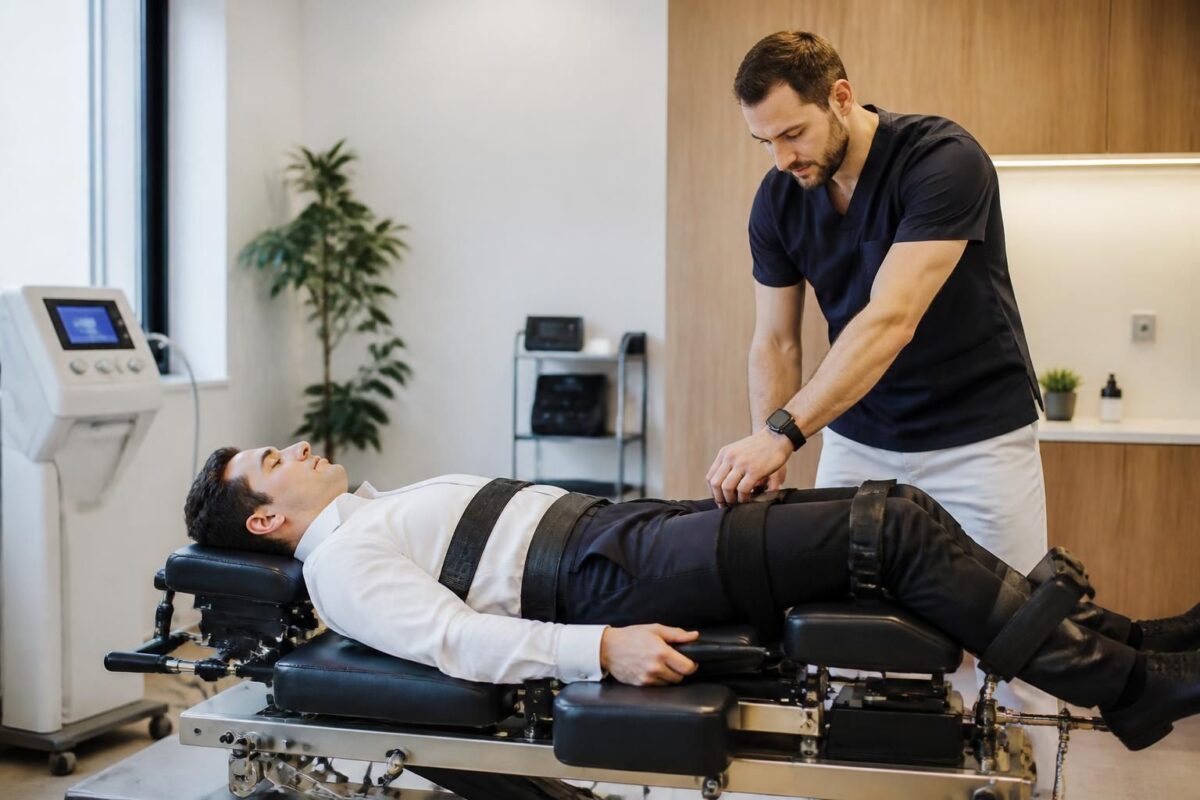
How Neurovertebral Decompression Prevents Diffuse Chronic Pain
In short decompression neurovertebral is one Non-invasive method aimed at reducing the Pressure on the intervertebral discs and the nerves, in order to prevent Diffuse chronic pain. It improves the circulation and thedisc hydration, decreases inflammation and promotes better mobility.…
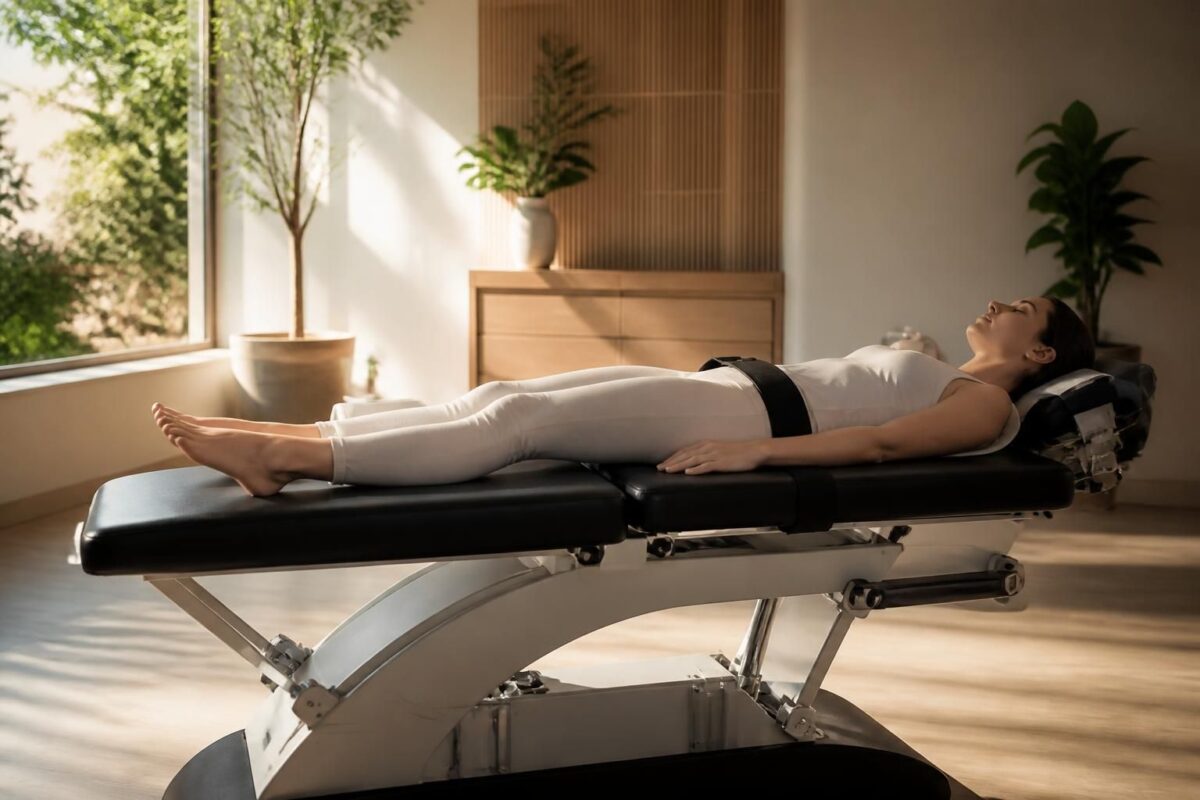
Neurovertebral Decompression and Body Alignment: Restoring Natural Balance
In short In short, neurovertebral decompression is one Non-invasive approach who restores theBody Alignment and thenatural balance back and neck. She acts by a Controlled traction of the spine to widen the intervertebral space and reduce the Pressure on discs…
Evaluation process
Before any decision, a professional performs a Personalized evaluation Including history and clinical examination. As the case may be, imaging As MRI or X-ray may be necessary to confirm the magnitude of the pathology and determine the best treatment plan. This step allows you to check the indication and adjust the route according to your situation.
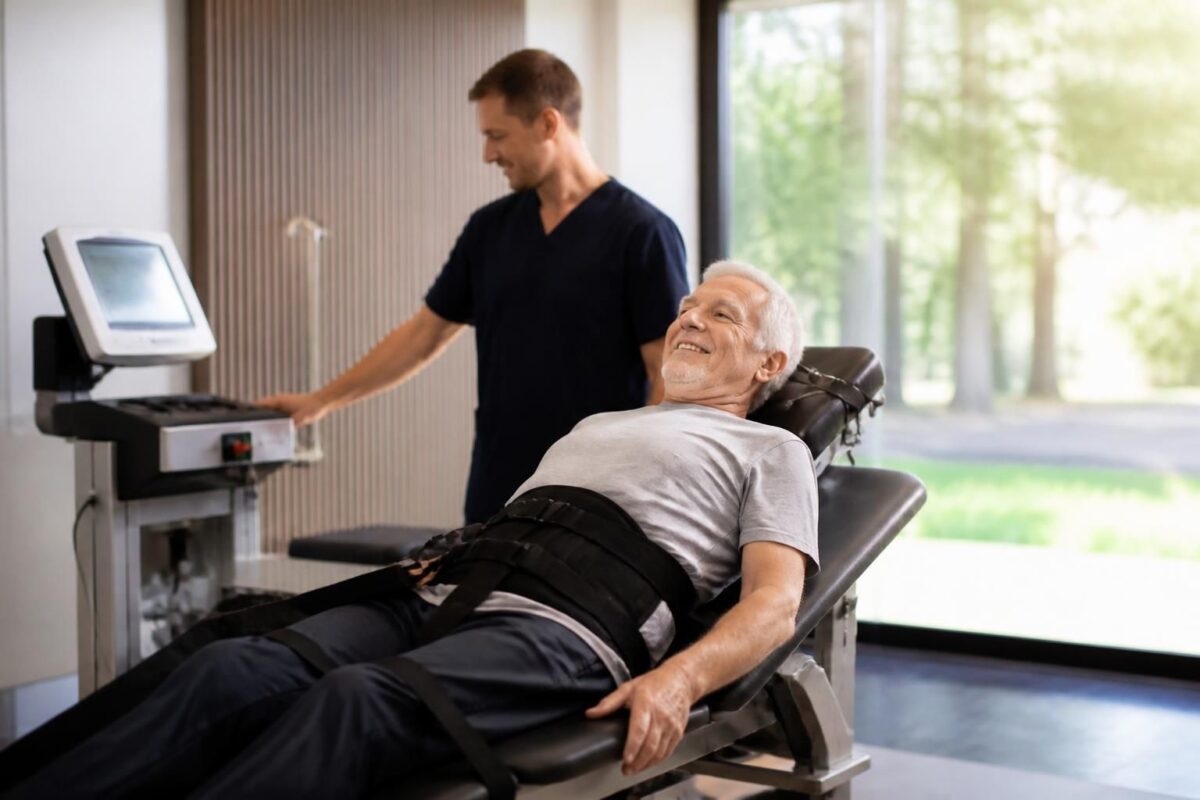
Why neurovertebral decompression is a lasting solution for active seniors
In short In short, the neurovertebral decompression is one Non-invasive therapy which sustainably relieves spinal pain in the spine active seniors By creating, by a Soft and controlled traction, a space between the vertebrae. At Montreal, it is recognized as…
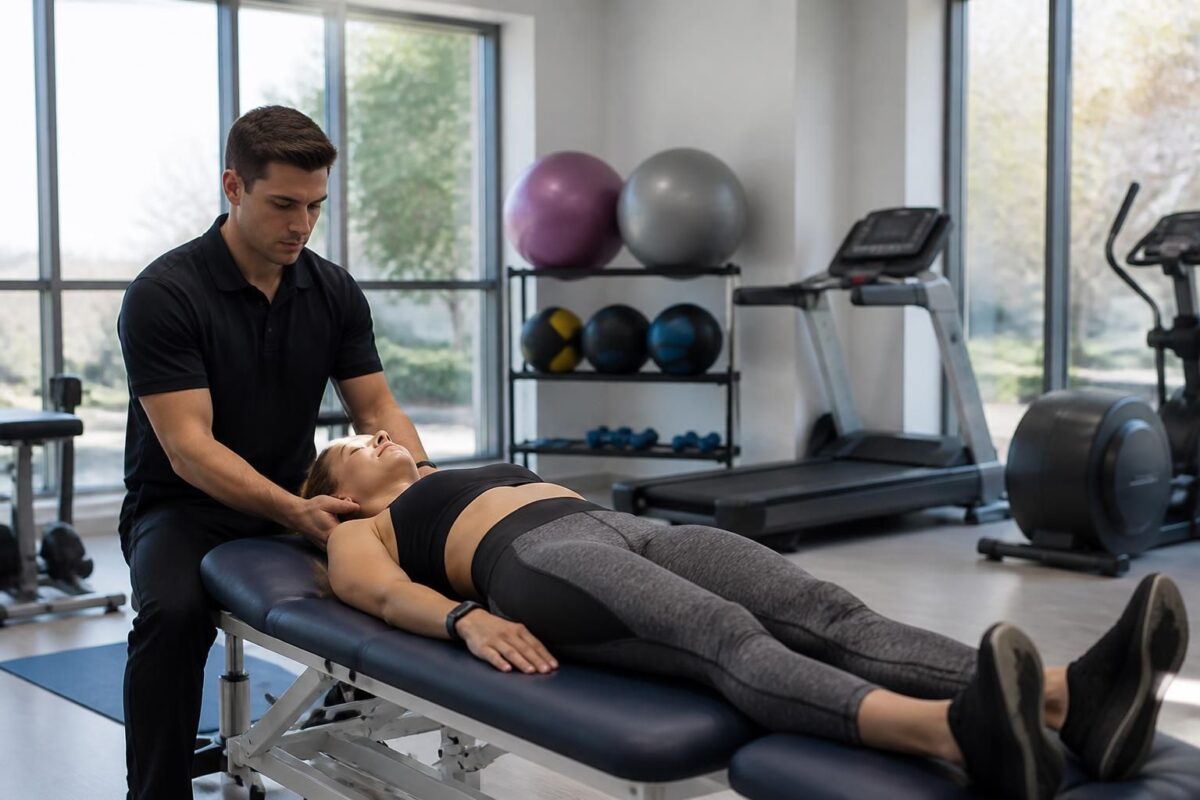
Neurovertebral decompression and recovery after severe sports injury
In short In short, the neurovertebral decompression is one Non-invasive method to Relieve the pressure on the Intervertebral discs and the gristle Via a Controlled traction, to facilitate the recovery After a severe sports injury. It improves the bloodstream towards…
which can facilitate your decision
signs of rapid improvement after a few sessions, such as a immediate relief pain and greater mobility, reinforce the indication. This approach non-invasive Can be integrated into a rehabilitation program and other manual therapies to optimize results. If you check the criteria above and your doctor confirms the suitability, consider a specialized consultation to establish a personalized and pragmatic course.
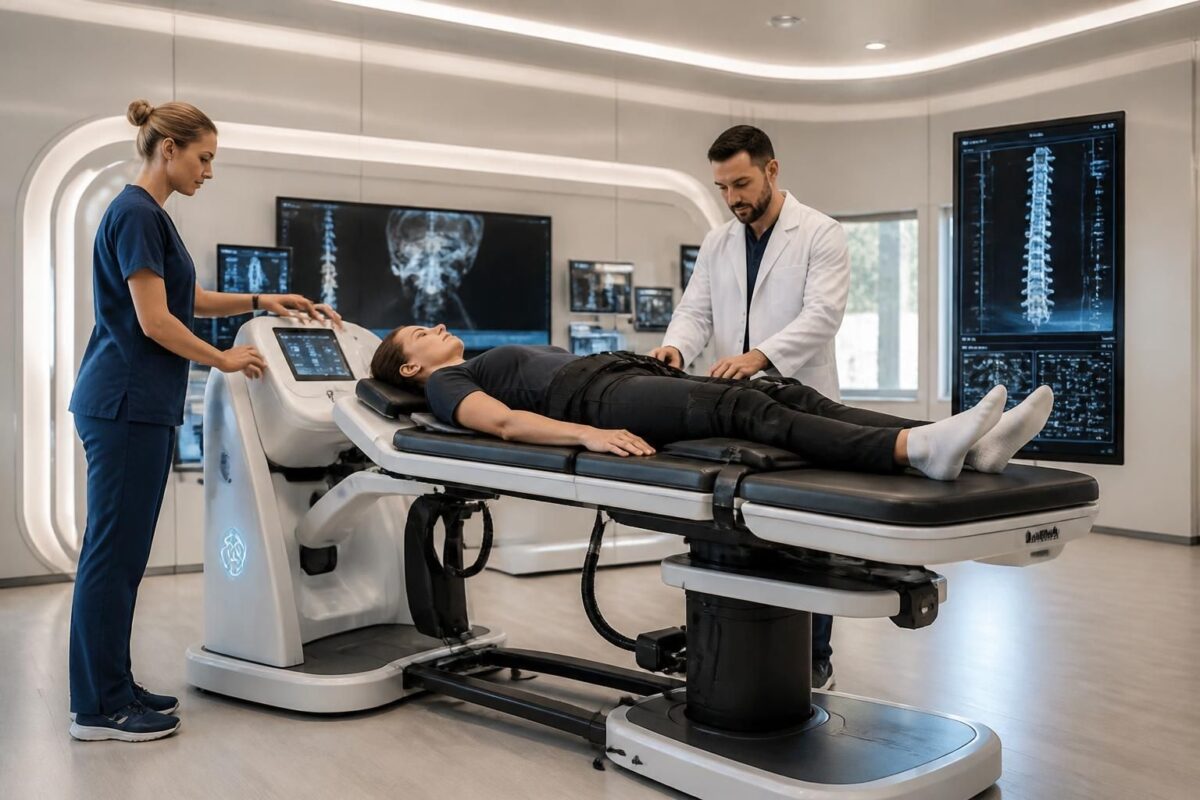
Recent innovations in neurovertebral decompression technologies
In short In short, the neurovertebral decompression is an approach non-invasive Aiming to reduce pressure on discs and nerves, and promote tissue regeneration. At Montreal, it is positioned as an effective option for lower back pain and herniated discs. The…
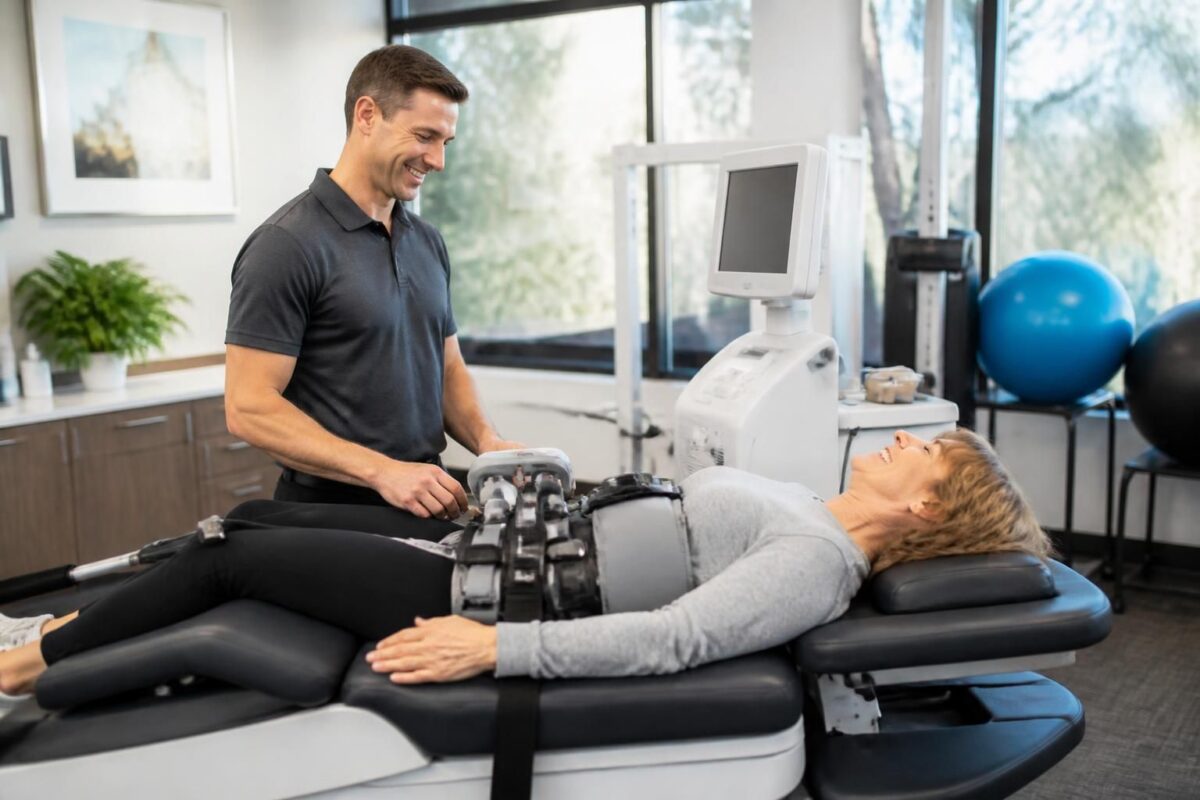
Neurovertebral decompression and diffuse pain: an appropriate solution
In short In short, the neurovertebral decompression is one Non-invasive solution For diffuse pain related to nerve irritation of the spine. She acts in Reducing pressure on intervertebral discs and nerves and improving the bloodstream, which promotes recovery and the…
Signs indicating that neurovertebral decompression is suitable for you
| Cracks | what this implies |
|---|---|
| Chronic back or cervical pain (>3 months) | Evaluate a non-invasive option and potentially suitable for a custom plan. |
| Confirmed disc diagnosis (hernia/protrusion) by imaging | Good candidate to avoid surgery through controlled traction. |
| Numbness or paresthesia In the members | signals nervous compression; Requires targeted assessment. |
| Pain radiating along the nervous path | Indicative of root damage; Decompression can bring quick relief. |
| Limited mobility or persistent stiffness | Indicates need for a re-education and progressive traction program. |
| exertion aggravated pain or at the end of the day | potential disc link; Requires evaluation to confirm adaptation. |
| Preference to avoid surgery | Non-invasive approach, compatible with other therapies. |
| Good general condition without major contraindications | favorable condition for targeted and safe therapy. |
| Finding a quick alternative to surgery | Possibility of relief without operation and with adapted follow-up. |
Signs indicating that neurovertebral decompression is suitable for you
“I suffered fromPersistent lumbar pain For several months, with numbness in the leg and a stiffness that settles on waking. When the symptoms remain constant despite conservative treatments, this may indicate nerve compression and direct to a solution like neurovertebral decompression. For me, these signs were the trigger for the evaluation and choice of this non-invasive approach. — Marie, 52 years old
“of cervical pain that radiates in the shoulders And some tingling in the hands After certain positions have pointed out to me that an additional space between the vertebrae could be beneficial. These signs, combined with reduced mobility, made me think that decompression would be suitable to regain comfort and functionality. — Antoine, 46 years old
“I had Recurrent lower back pain And some crises that came back after each effort. The signs were clear: almost daily pain and insufficient improvement with the usual physiotherapy sessions. This is what convinced me that neurovertebral decompression could be an effective and safe way to reduce pressure on discs and nerves. — Claire, 39 years old
“After surgery, Residual pain and an Postoperative sensitivity persisted. Signs indicating that decompression could be adapted also included a Limiting walking and an Light Loss of Strength in the limbs. It is in this context that I considered this non-invasive option to promote recovery and prevent recurrences. — Luke, 60
“I was presenting Radiant pain along the buttocks and leg, associated with a Sensitivity around discs. These signs showed me a disc problem and a possible improvement by decompression aimed at reducing the pressure on the nerve roots and promoting local regeneration. — Emilie, 48 years old
“Simple but important signs: Chronic back pain, Intermittent numbness, and a Decreased mobility which hinders daily activities. When these indicators appear, and the other seasonal approaches do not provide the expected respite, neurovertebral decompression can be a suitable option to restore comfort and function. — Nicolas, 53 years old
Signs indicating that neurovertebral decompression is suitable for you
This osteopathic surgeon and specialist in manual approaches deals with a clinical philosophy centered on the evidence and integration of advanced technologies. Founder of the TagMed and ACMA clinics, he favors a personalized and non-invasive approach to relieve the pain related to the spine. Its objective is to help you regain functional mobility while minimizing risks, thanks to an accurate evaluation and an appropriate treatment plan.
The Key signs indicating that neurovertebral decompression can be considered include a Persistent lumbar or cervical pain chronic development, invalidating daily and professional activities. When the pain is accompanied by radicular radiating in the limbs (arms or legs), or Tingling and numbness Linked to nerve pressures, decompression can be aimed at relieving pressure on discs and nerve roots. Constant symptoms, which appeared after repetitive movements or overloading the column, also constitute strong signals in favor of a specialized consultation.
Another important indicator is Insufficient conservative treatment usual (prolonged rest, classic analgesics, physiotherapy) to bring lasting relief. In this context, neurovertebral decompression can offer a Non-surgical alternative Effective, often allowing a faster return to an active life without the risks of surgery. The existence ofA disc bulge or protrusion measured at imaging Can also favor the decision, provided that it is not accompanied by signs of spinal instability or spinal cord compression.
The Diagnosis quality is decisive. A Detailed anamnesis and a rigorous clinical examination can distinguish muscle, joint and nerve pain. If we observe A preserved disc area and an absence of serious motor symptoms, decompression can be considered as a next step in a multidisciplinary protocol. Patients benefiting from Specific symptoms panel — Pain aggravated by flexion, improvement after stretching or resting, and aggravating leisure without alarming neurological signs — are also potential candidates.
The process is based on a Individual assessment which integrates the Imaging results and clinical information to draw up a personalized plan. The doctor evaluates the Risks and contraindications, in particular the absence of active inflammation, unconsolidated fracture or infection, in order to ensure optimal safety. When appropriate, neurovertebral decompression is integrated into a global approach that may include manual medicine, shock wave therapy or laser, in order to accelerate recovery and sustainably improve the quality of life.
Finally, the choice to opt for this technique also depends on your Willingness to favor a non-invasive solution and your commitment to the therapeutic protocol. An appointment with a specialized clinician allows you to obtain personalized answers on how to adapt the decompression to your situation and to set up a treatment plan that precisely targets your pain and functional objectives. The practitioner, with his experience and integrated approach, will accompany you in each step towards better mobility and lasting well-being.
This text summarizes the signs that indicate that the neurovertebral decompression can be adapted for you, focusing on symptoms, selection criteria and potential benefits, all in one approach non-invasive Focused on sustainable improvement of pain and mobility.
Major clinical signs indicating relevance of neurovertebral decompression include persistent lumbar or cervical pain, nerve irradiation (radiculopathies) and numbness or tingling in the limbs. A reduced mobility Or a worsening of symptoms during simple movements are also signals to consider. When there is disc protrusion, disc herniation or foraminal stenosis contributing to these pains, decompression can be considered as a non-surgical alternative to optimize the space between the vertebrae and reduce the pressure on the nerves.
Failure or limitation of conservative treatments is another key clue. If classical approaches (physiotherapy, targeted exercises, anti-inflammatory drugs) offer little lasting relief, neurovertebral decompression can be considered to promote pain reduction and improvement in function without the need for surgery. To deepen this point, you can consult dedicated resources such as Answers#atfp_close_translate_span# to frequently asked questions.
Decompression Adaptation Indicators relate to cases where symptoms remain centered on the back or neck and imaging tests have shown misaligned discs or compressed nerves, without major segmental instability. Signs such as pain that extends along the nervous path, >Mobility renewed after a few sessions and a feeling of relaxation after each session may mark the early effectiveness of therapy. To understand the mechanism and benefits, see detailed explanations of specialized resources, for example Comment#ATFP_CLOSE_TRANSLATE_SPAN# Neurovertebral Decompression Reduces Disc Tensions.
What decompression can bring In terms of expected results, it is a Quick relief and lasting back and cervical pain, a Reduced pressure on discs and nerve roots, and a function improvement global spine. This approach is presented as secure and non-invasive, making it an attractive option to avoid surgery and promote a quick return to your usual activities. For a broader perspective on profits, consult testimonials and analyzes on les#ATFP_CLOSE_TRANSLATE_SPAN# Benefits of neurovertebral decompression for lower back pain.
Decision process and personalized plan : an initial assessment by a specialized clinician allows to establish a Personalized treatment plan and determine the number of sessions needed. A typical course includes a evaluation, the definition of realistic objectives and the application of controlled traction, all based on validated protocols and feedback. To better understand the framework and professional universes involved, you can also explore resources such as Signs#ATFP_CLOSE_TRANSLATE_SPAN# indicating whether the decompression may be suitable for you.
Resources and prospects to go further : For an overview and clinical responses, check out the dedicated pages and podcasts on neurovertebral decompression, including LE#ATFP_CLOSE_TRANSLATE_SPAN# Podcast on neurovertebral decompression and the articles that explain the mechanism and the benefits. Additional information is available on Decompression#ATFP_CLOSE_TRANSLATE_SPAN# Neurovertebral and Neuropathic Pain: Effective Treatment and Comment#ATFP_CLOSE_TRANSLATE_SPAN# Works a neurovertebral decompression table. For local support, you can turn to TagMed Clinics via Tagmed Clinic, and access personalized advice on the signs indicating that decompression might be right for you on CE#ATFP_CLOSE_TRANSLATE_SPAN# PAGE.
For people wishing to quickly assess their situation and discuss a suitable plan, it is advisable to make an appointment with a qualified professional. Additional resources and comparisons on the efficacy and safety of neurovertebral decompression are accessible via Role#ATFP_CLOSE_TRANSLATE_SPAN# of neurovertebral decompression: what every patient should know and Decompression#ATFP_CLOSE_TRANSLATE_SPAN# Neurovertebral – Frequently Asked Questions.

Dr Sylvain Desforges, B.Sc., D.O., N.D., osteopath, is the founding president of TAGMED and of the ACMA association. He dedicates his practice to chronic spinal pain, low back pain and symptoms compatible with sciatica, particularly when pain radiates toward the buttock, leg, calf, foot or toes.
Through SOS Sciatique, he publishes educational content on sciatica symptoms, possible causes such as disc herniation, disc narrowing, foraminal stenosis or irritation of a lumbar nerve root, as well as non-surgical approaches that may be considered according to the evaluation. At Clinique TAGMED, care may include, depending on the case, motorized neurovertebral decompression, specific osteopathic care or precision percussion.
For an evaluation related to sciatica treatment in Montreal / Mount Royal or sciatica treatment in Terrebonne, please consult the services available at Clinique TAGMED.
Medical disclaimer
The information published on SOS Sciatique is provided for educational purposes only and does not replace a consultation, diagnosis, opinion or treatment provided by a physician or another authorized healthcare professional. The author of this article is neither a medical doctor nor a specialist in a medical specialty recognized by the Collège des médecins du Québec. The osteopathic, manual medicine or functional support approaches described on this site do not constitute medical acts and are not intended to replace medical follow-up.
Consult a physician or emergency service in cases of loss of bladder or bowel control, anesthesia in the saddle area, significant or progressive weakness in the leg or foot, fever, recent trauma, severe pain or rapid worsening of symptoms. For more details, please read our Legal Notice.