


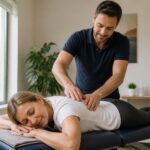
Why osteopathy is a wise choice to treat chronic pain
28/06/2026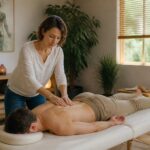
Osteopathy and overall well-being: restoring body balance
28/06/2026
In short In short, the Osteopathic approaches To relieve the Pain related to repetitive movements offer a solution non-pharmacological which restores the mobility tissues and corrects postures to prevent recurrences. This method is based on a Overall assessment and gentle techniques (mobilizations, fascia release and ergonomic advice) to quickly improve pain and function. Accessible in Montreal, this service is particularly useful for professionals exposed to these repetitive gestures. |
The Osteopathic approaches To relieve the Pain related to repetitive movements rely on a Overall assessment and gentle techniques aimed at restoring the mobility and promote theself-healing of the body.
The osteopath identifies the areas of tension and the muscle chains involved, then applies Joint mobilizations, techniques myofasciales and approaches myotensive to free restrictions and improve range of motion.
Depending on the case, techniques visceral or craniosacral Can also be used to optimize tissue circulation and functional coordination.
The goal is to Reduce the pain, fromImprove the range of movement and prevent recurrences, while accompanying the patient with advice fromergonomy and appropriate exercises.
Pain associated with repetitive movements affects many professional and daily activities. This article, written by a health professional, presents how osteopathic approaches can relieve these pains. It describes the evaluation, the mechanisms involved and the techniques used, as well as the prevention and integration advice in a global health approach.
Objective : Restore tissue mobility, reduce tension and promote body self-healing mechanisms. Osteopathy considers the body as a functional unit, where each region can influence the others, which makes it possible to address pains remotely, linked to repetitive gestures.
Understanding the mechanisms of repetitive movement pain
Repeated gestures generate microtraumas, fascia tensions and postural imbalances. These mechanisms can cause localized or radiant pain, mobility limitations and musculoskeletal fatigue. The osteopathic approach aims to identify tension muscle chains, retention zones and interactions between joint, visceral and nerve structures to offer appropriate care.
osteopathic approaches used
Osteopathic techniques mobilize the tissues in a gentle and patient way. Common approaches include: Myofascial techniques and the Release of trigger points To release deep tension and improve circulation. of Joint mobilizations soft make it possible to find a suitable amplitude without forcing the sensitive areas. When relevant, Visceral techniques and craniosacral can help to restore the balance of intracavitary structures and to modulate the autonomic nervous system. Finally, the osteopath can apply Neuro-meningeal techniques To promote nervous slippage and reduce the vertebral tensions responsible for pain related to repetitive movements.
To deepen these approaches, you can consult resources on osteopathic techniques and their application in the management of sports pain and tensions related to physical exertion: Osteopathy#ATFP_CLOSE_TRANSLATE_SPAN# and sports pain and Osteopathy#ATFP_CLOSE_TRANSLATE_SPAN# and recovery after intense physical exertion.
Individualized assessment and treatment plan
Osteopathic evaluation is based on a global approach. The practitioner analyzes movement patterns, postures and relationships between the body regions. The treatment plan is adapted to each patient and can combine several techniques to free mobility restrictions and restore biomechanical balance. The objective is to sustainably improve the function and reduce pain, without favoring a single zone to the detriment of other structures.
Role of prevention and maintenance
Prevention requires regular evaluation and ergonomic advice adapted to the workstation and professional gestures. Simple postural adjustments, break planning and stress management strategies can reduce excess load and prevent recurrences. Maintenance sessions osteopathic Every 3 to 6 months can help maintain the balance of muscle chains and fascias, and optimize the overall function of the body.
For additional perspectives, consult the following resources on the impact of osteopathy on circulation and neck pain: Osteopathy#ATFP_CLOSE_TRANSLATE_SPAN# and blood circulation and Osteopathy#ATFP_CLOSE_TRANSLATE_SPAN# and cervical pain.
In some cases, osteopathy can be integrated into other non-pharmacological or medically supervised approaches to optimize results. The information provided here aims to enlighten the patient and does not replace a personalized consultation with a qualified osteopath.
To enrich your understanding, discover how osteopathy can intervene in cases of recovery after intense effort and in sports pain, by consulting the resources below: Recovery#atfp_close_translate_span# after exercise and Pain#ATFP_CLOSE_TRANSLATE_SPAN# Sports and injuries.
Additional links and resources : circulation,#ATFP_CLOSE_TRANSLATE_SPAN# Pain#ATFP_CLOSE_TRANSLATE_SPAN# Cervical, Inflammations#ATFP_CLOSE_TRANSLATE_SPAN# Chronicles.
The content proposed respects the principles of a global osteopathic approach, centered on the person and on the improvement of the function by reducing the mechanical and neurological constraints linked to repetitive gestures. For any medical questions, consult a qualified healthcare professional.
“Medical disclaimer: The information and advice provided on this site does not replace the health professional’s benefit, diagnosis or treatment. Please note that Dr. Sylvain Desforges osteopath is neither a doctor of medicine nor a doctor, and is not a specialist in a medical specialty as defined by the Collège des Médecins du Québec. Manual medicine, functional medicine and sports medicine as described on this site exclude any medical treatment or diagnosis made by a doctor or specialist doctor. Always consult your doctor for any medical questions. For more details, please read our full legal notice. »
- Overall assessment and hierarchy of painful areas
- Structural mobilizations targeted to restore mobility
- Myofascial release and work of the fascias
- Neuro-meningeal techniques and nerve unrolling
- Muscle chains and postural corrections
- contracted-released and controlled muscle activation
- Visceral and cranial techniques To rebalance the body
- Ergonomic advice and postural adjustments
- Daily exercises simple to maintain gains
- lymphatic drainage Manual and traffic improvement

This guide presents how osteopathic approaches can Relieve pain related to repetitive movements, working on mobility, fabric tension and everyday ergonomics. The objective is to quickly improve comfort and prevent recurrences thanks to global care adapted to each repetitive gesture.
Understanding the mechanisms of repetitive movement pain
Repeated gestures and postures maintained cause cumulative stresses on the muscles, tendons and fascias. This can generate microtraumas, stiffness and pain that gets worse over time. Osteopathy starts from the idea that the body is a dynamic unit and that the pain can come from a local imbalance or from a remote tension. By targeting mobility chains and source areas, it aims to restore functional harmony and promote natural self-healing.

How osteopathy improves the quality of life of active people
In short In short, theosteopathy is a global approach that Optimizes mobility and the function of the body of ACTIVE PEOPLE, for a better quality of life. It helps prevent injury and reduce Musculoskeletal pain While promoting the Sports recovery.…

Osteopathy and sports recovery: prepare the body for lasting performance
In short In short, Osteopathy and Sports recovery is one Global manual approach that sustainably prepares the body for the effort by restoring mobility and circulation After the effort. It is a discipline that acts on the sinews, the joints,…
Evaluate and personalize osteopathic treatment
Each treatment begins with a precise evaluation that allows you to qualify the reason for consultation, to measure the intensity of the pain and to identify the priority areas to be treated. This personalized approach ensures that the techniques used meet exactly the patient’s needs and the origin of symptoms. The objective is to establish a measurable and progressive care plan, focused on sustainable improvement in mobility and comfort.

Why Osteopathy Is Essential For Recovery People
In short In short, Osteopathy in convalescence is an approach manual and holistic which helps to accelerate the recovery by restoring The balance, the mobility and a good circulation fabrics. it contributes to Reduce the pain, support the Back to…

Osteopathic manipulations to strengthen post-traumatic muscles
In short In short, Osteopathic manipulations for Strengthen post-traumatic muscles constitute a gentle manual approach aimed at restoring the mobility, reduce the pain and facilitate the Functional rehabilitation After a injury. What is Is it? A series of precise gestures…
Osteopathic techniques beneficial for these pains
contracted-released technique
This myotensive approach is based on voluntary muscle contraction followed by relaxation. The practitioner positions the area at Work and guides the patient to activate a mild to moderate contraction, then facilitates a gradual return to a new movement barrier. The cycle is repeated several times, with a gradual increase in amplitude. This technique helps to release tension, improve local circulation and restore better mobility of the segments concerned.
Release of fascias and myofascial techniques
The fascias envelop muscles and organs and play a key role in the transmission of tensions. By releasing these membranes, the osteopath can reduce artificial restriction and release remote areas that influence repetitive gestures. These gentle techniques promote better tissue glide, reduce pain and facilitate return to normal function during repeated movements.
Joint mobilization and passive stretching
Soft mobilizations aim to restore the range of motion without forcing sensitive structures. Passive stretches, performed by the practitioner, lengthen the muscle chains and improve overall flexibility. Together, these gestures make it possible to anticipate the constraints of repetitive gestures and to prevent muscle tension.
Cranio-sacral and visceral approaches
If necessary, osteopathy can integrate cranio-sacral or visceral techniques to optimize overall balance and fluid circulation. These methods, used sparingly and depending on symptoms, help to soothe the nervous system and support recovery in areas involved in repetitive gestures.

Osteopathy and prevention of work-related musculoskeletal disorders
In short theosteopathy is one Manual approach that restores body balance and prevents MSD related to work. Its advantages: reduction of tension, improvement of mobility and prevention of chronic pain. She is preventive and healing, suitable for office and trades…

The benefits of osteopathy to treat muscle imbalances
In short theosteopathy is a manual approach to restore themuscle harmony and postural considering the body as a whole. Its main benefits include the reduction of aches and tensions, the improvement of the mobility and from the posture, and prevention…
Prevent relapses and optimize daily life
Beyond the sessions, osteopathic support is part of a preventive approach. Ergonomic advice, regular micro-pauses and simple exercises to do at home or at work help maintain the benefits. The objective is to preserve a favorable posture, to fluidify the movements and to strengthen the muscle chains involved, in order to limit the appearance of pain during repetitive activities.

Osteopathy and chronic leg pain: regaining an optimal quality of life
In short In short, Osteopathy is one Global manual approach aimed at reducing Chronic leg pain and improve the quality of life. What is it? Non-drug therapy using the hands to identify restrictions and treat lesional chains. How does it…

How osteopathy supports recovery after complex surgery
In short In short, Post-operative osteopathy is an approach fresh which supports the recovery After a Complex surgery. It helps to reduce the pain and the fatigue, improves the mobility and accelerates the healing thanks to a better vascularization and…
Osteopathic approaches to relieve pain related to repetitive movements
| Osteopathic approach | Concise description |
|---|---|
| Structural manipulations | Restore it Joint mobility and unleashes restrictions, reducing tensions from repetitive gestures. |
| Functional techniques | act in the direction of the lesion to promote theTissue affluence and movement. |
| Visceral techniques | release tensions around the organs and improve the Visceral mobility, affecting posture and breathing. |
| Cranio-sacral techniques | restore the Mobility of membranes cranial and sacro-lumbar to relax global tensions. |
| Myotensive techniques | use contraction-relaxation to relax the muscles and promote better amplitude of movement. |
| Mobilization and passive stretching | gentle mobilization and Passive stretches increasing theAmplitude and flexibility. |
| Muscle chains (Busquet) | Treats dysfunctions in muscle chains to correct postural imbalances. |
| Release of fascias and trigger points | Free them fascias And the pain points to reduce referred pain and tension. |
| Posture and ergonomics | Advice and adjustments to improve posture and theergonomy at work. |
| Psycho-corporal approach | Stress management and relaxation to reduce overall tensions and prevent recurrences. |
Testimonials on osteopathic approaches to relieve pain related to repetitive movements
“Since my days have been punctuated by repeated gestures, my neck and shoulders are constantly ache. thanks to theosteopathy and, in particular, to Myofascial techniques and to Joint mobilizations, I found comfortable mobility and a noticeable decrease in pain during my repetitive movements. »
“My manual work exposed me to repetitive gestures that intensely stressed my wrist and fingers. After a few sessions, the contracted-released And the guided stretches released tension and the pain largely dissipated, allowing me to resume my tasks without fear of inflammation. »
“As a musician, my forearms and shoulders were constantly stretched out by rehearsals. The osteopathic approach worked on my fascias and on thePostural alignment, and the techniques of liberation of the fascias Have improved my flexibility and decreased pain as I play. »
“In my job, repetitive gestures have long caused lower back pain. After a personalized program, I benefited from a targeted work on the Joint mobilization and the posture, with practical advice to prevent recurrences. Today, the pain is under control and I find a better quality of movement on a daily basis. »
Osteopathic approaches to relieve pain related to repetitive movements
Dr. Sylvain Desforges, expert in osteopathy, naturopathy and manual medicine, is the founding president of tagmed and association acma. His career is guided by innovation in care and by a strong specialization in the Management of Chronic pain and the integration of advanced technologies such as vertebral decompression, the laser and the Shockwave therapy. Its mission is to offer care evidence-based to optimize the health and well-being of its patients. This approach is particularly relevant for people suffering from repetitive movement pain, often encountered in professional and sports activities.
Pain associated with repetitive movements frequently arises from microtrauma and mechanical stress in the tissues. Osteopathy considers the body as a Functional Unit Interdependent: A restriction in an area can impact the whole, generating a cycle of pain and compensation. The goal is to restore a Adapted mobility, to reduce tensions and to promote the mechanisms ofself-healing So that the body regains an effective function during daily gestures and workstations.
Osteopathic diagnosis is based on a In-depth clinical assessment which allows qualify the pattern, of quantify the intensity and prioritize areas to be treated. This patient-centric approach allows for a personalized and realistic action plan. The practitioner analyzes musculosseous chains, fascial tensions and compensatory mechanisms, while remaining attentive to body cues and symptoms.
The techniques used are varied and adapted to the repetitive context of the movement: Structural techniques to free the joints and restore their amplitude; Myofascial release and work on Trigger points to dispel deep tensions; Visceral techniques when a play of organs and respiration influences posture and mobility; Cranio-sacral techniques to harmonize the membranes and promote overall balance; and Myotensive techniques or contracted-released which actively involve the patient in order to restore muscle balance and joint amplitude. The objective is to reduce pain, improve mobility and prevent recurrences, while respecting the physiological limits and symptoms of the patient.
To amplify the results, the osteopath can integrate Modern technologies which complete the manual intervention. The spinal decompression May relieve nervous tension associated with repeated movements, laser Accelerates tissue healing and reduces inflammation, and shock waves support chronic tendon disease. This approach integrated Unit manipulation and technological tools in order to obtain lasting relief and active resumption of activities.
Prevention occupies a central place: advice postural, Optimization of theergonomy at work, active breaks and personalized programs ofReinforcement and mobility exercises. The objective is not only to ease the pain, but also to restore confidence in the movement and to sustainably improve the quality of life, relying on clinical data and attentive listening to the patient.
This article summarizes how the approaches osteopathic can relieve repetitive movement pain by working on the mobility muscle chains and fascias, and directing treatment towards prevention and rehabilitation. Thanks to a global vision of the body and gentle but effective techniques, the osteopath seeks to reduce pain, restore functionality and support theself-healing.
Repetitive gestures lead to tension and stiffness; The osteopathic approach aims to restore theamplitude movements, to release fascial tensions and to optimize the circulation body fluids. By combining techniques structural, myotensive And, when necessary, visceral or cranio-sacral, the osteopath rebalances the muscle chains and restores the functional harmony of the body. To deepen the mechanisms, see the resources on Preventing age-related pain and Osteopathic techniques.
Prevention occupies a central place: osteopathic treatment is accompanied by postural advice, simple exercises and a maintenance plan to avoid relapses. These elements, associating prevention and re-education, make it possible to sustainably improve comfort and performance in daily and professional activities. To expand your understanding, see Health Magazine – Osteopathy and well-being and Prevention and aging.
In practice, osteopathic approaches for pain due to repetitive gestures are part of a multidisciplinary approach: they complete ergonomics at work, targeted exercises and, if necessary, other therapeutic approaches. the results are measured by a reduction in tensions, a better mobility And a decrease in painful episodes, with measurable progression over the sessions. To enrich your understanding, explore the resources mentioned on Osteopathy and muscle pain and Sports recovery.
Each patient benefits from a personalized program that responds to their repetitive gestures and lifestyle. Do not hesitate to plan a consultation to assess your situation and explore the appropriate options, in order to find comfort and performance in your professional and sporting activities.

Dr Sylvain Desforges, B.Sc., D.O., N.D., osteopath, is the founding president of TAGMED and of the ACMA association. He dedicates his practice to chronic spinal pain, low back pain and symptoms compatible with sciatica, particularly when pain radiates toward the buttock, leg, calf, foot or toes.
Through SOS Sciatique, he publishes educational content on sciatica symptoms, possible causes such as disc herniation, disc narrowing, foraminal stenosis or irritation of a lumbar nerve root, as well as non-surgical approaches that may be considered according to the evaluation. At Clinique TAGMED, care may include, depending on the case, motorized neurovertebral decompression, specific osteopathic care or precision percussion.
For an evaluation related to sciatica treatment in Montreal / Mount Royal or sciatica treatment in Terrebonne, please consult the services available at Clinique TAGMED.
Medical disclaimer
The information published on SOS Sciatique is provided for educational purposes only and does not replace a consultation, diagnosis, opinion or treatment provided by a physician or another authorized healthcare professional. The author of this article is neither a medical doctor nor a specialist in a medical specialty recognized by the Collège des médecins du Québec. The osteopathic, manual medicine or functional support approaches described on this site do not constitute medical acts and are not intended to replace medical follow-up.
Consult a physician or emergency service in cases of loss of bladder or bowel control, anesthesia in the saddle area, significant or progressive weakness in the leg or foot, fever, recent trauma, severe pain or rapid worsening of symptoms. For more details, please read our Legal Notice.





