Sciatica and pain when twisting the torso
23/09/2026
Sciatica and walking on uneven terrain: caution is necessary
23/09/2026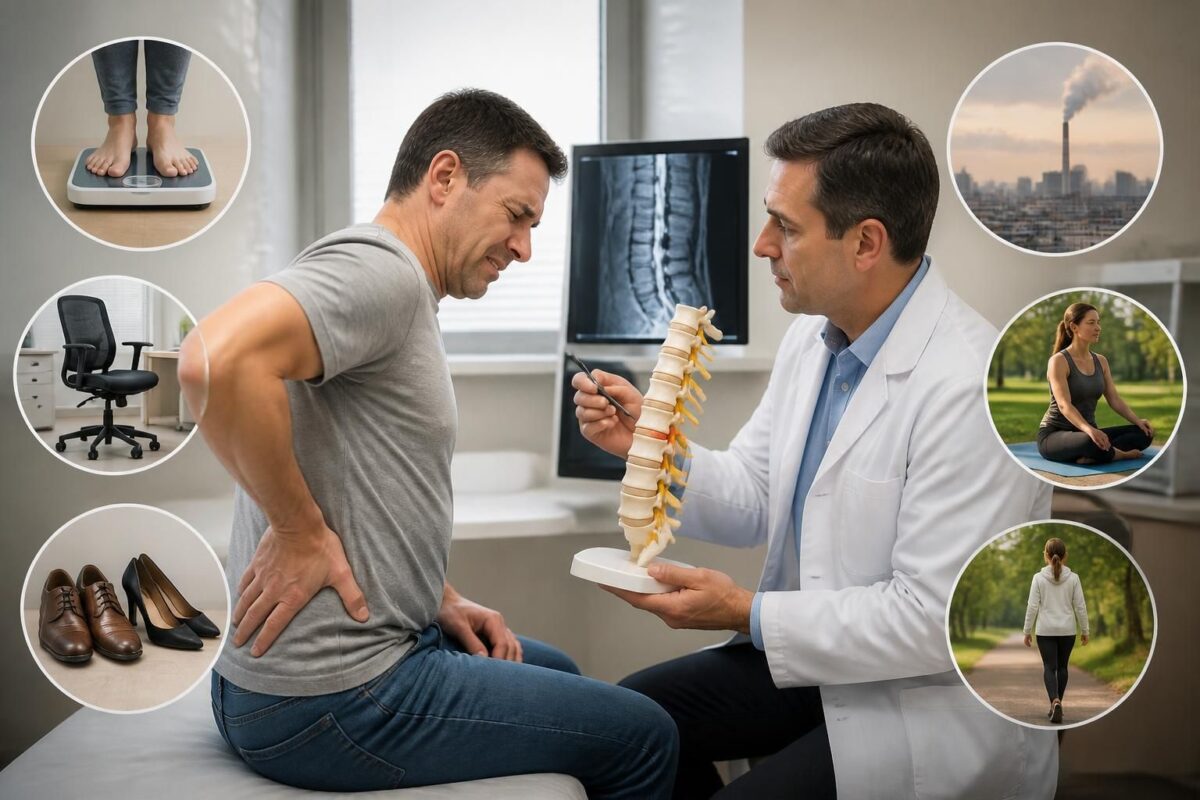
IN BRIEF
| In brief, disk herniation and sciatica are two distinct but often associated mechanisms that depend on a set of mechanical and inflammatory factors. The main advantage of understanding these factors is to guide an adapted and progressive rehabilitation, aimed at reducing pain, restoring mobility, and preventing recurrences. How does it work? The approach consists of identifying the movements, postures, and tensions that irritate the nerve root, then rebalancing the spine and muscles, with controlled breathing and movement work. Accessible in Montreal, this approach is particularly useful for individuals suffering from low back pain and sciatica, avoiding invasive treatments and promoting a gradual return to activity. |
Disk herniation and sciatica do not progress in the same way for each person. Their progression depends on several key factors:
- Mechanical and posture: sedentariness, repeated sitting positions, muscle fatigue, and repeated bending movements that increase pressure on the disk; deep tensions like the piriformis can irritate the sciatic nerve even without a herniation.
- Triggering events: an acute episode can occur during poorly controlled effort or a sudden movement, often against a background of already existing imbalance.
- Inflammation and nerve sensitivity: inflammation and sensitivity of the nerve influence the intensity and variability of symptoms.
- Rehabilitation and movement: a progressive approach with gentle mobilizations and breathing work helps to soothe pain and restore mobility, favorably conditioning progression.
- Activity adaptation: gradual resumption of daily life, work, and sports according to the ability to stabilize the spine and manage loads and rotations.
- Prevention and endurance: mobility, strengthening, and regular physical activity reduce the risk of recurrence and support progress.
This summary presents the main factors influencing the evolution of disk herniation and sciatica. It describes how the intervertebral disk and sciatic nerve interact and which elements modulating pain, mobility, and prognosis come into play. It identifies mechanical, inflammatory, and behavioral factors and proposes a clinical approach centered on understanding the problem and safely progressing daily activities.
Understanding Key Mechanisms
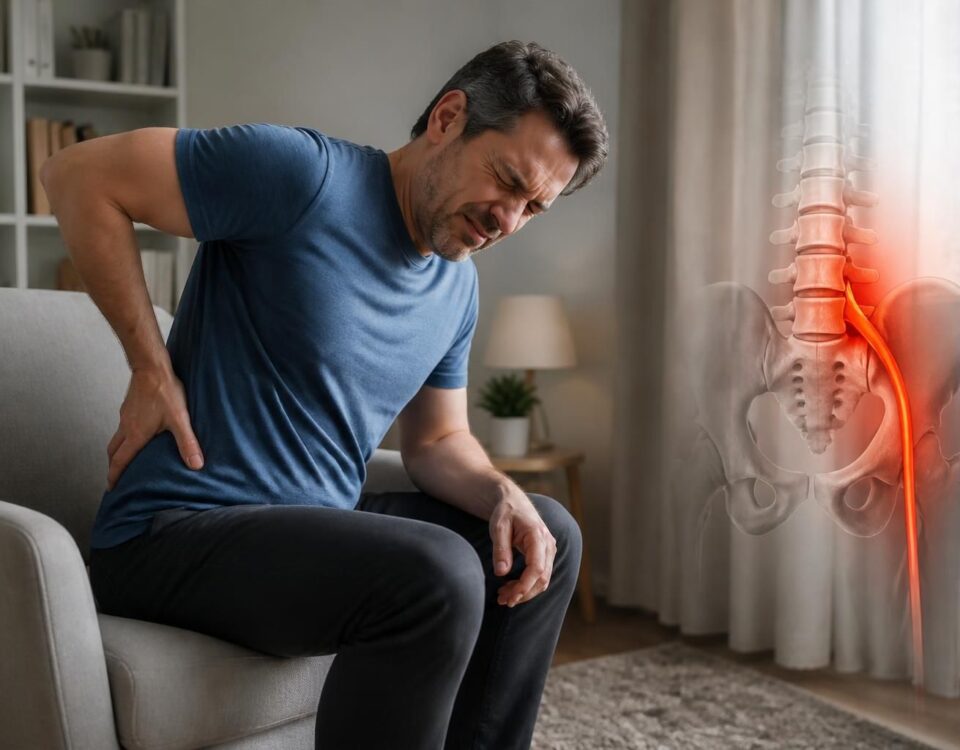
The intervertebral disk can bulge, crack, or protrude without pain, while the sciatic nerve can be irritated by inflammation or muscle tensions. Radicular pain depends more on the level of inflammation and nerve sensitivity than on the appearance seen on imaging. Imaging can show a herniation without pain and, conversely, pain can exist without a clear image of herniation.
Mechanical Factors and Lifestyle Habits
Sedentariness, repeated sitting positions, and movements involving repeated bending increase pressure on the disk. Muscle fatigue and postural imbalance promote episodes. An acute episode can occur after poorly controlled effort; however, the trigger is often just a consequence of an already established imbalance. Deep tensions, notably at the level of the piriformis, can compress the sciatic nerve even in the absence of visible herniation on imaging.
Inflammation and Nerve Sensitivity
Inflammation and increased sensitivity of the nerve roots play a major role in pain and radiation. Fluctuating pain influenced by posture often reflects functional sciatica. Reducing inflammation and optimizing tolerance to movement are key objectives, without forcing painful structures.
Evolution and Monitoring
The diagnosis relies on clinical assessment and mechanical context. The evolution can be favorable even if imaging shows a disk herniation. Monitoring aims to detect warning signs such as progressive loss of strength, urinary disturbances, or very intense and uncontrolled pain. The care plan seeks to reduce inflammation, improve movement tolerance, and gradually resume daily gestures.
Clinical Approach and Management
Based on the assessment, a multimodal approach may be proposed. The goal is to understand the mechanism, reduce inflammation, and gradually and safely reintroduce activities. At the TAGMED Clinic, non-surgical options are considered case by case and may include specialized techniques adapted to the spine. Professionals can rely on recognized training (NUMSS, NAO) to ensure informed practice. Resources and references are available in the dedicated areas.
Resources and References
To delve deeper, consult resources in the authorized fields:
- Herniated disk and pain that radiates down after a movement
- Herniated disk and foot weakness to monitor
- Herniated disk and painful cough
- Herniated disk and sciatica: persistent pain
- Sciatica and lumbar disc herniation – understanding the link
- TAGMED Clinic
For further information and clinical contexts, you can consult resources on the sites decompressionneurovertebrale.com and sosherniediscale.com.
Medical disclaimer: The information and advice provided on this site do not replace the opinion, diagnosis, or treatment of a healthcare professional. Please note that Dr. Sylvain Desforges, osteopath, is neither a medical doctor nor a physician and is not a specialist in a medical specialty as defined by the Collège des médecins du Québec. Manual therapy, functional medicine, and sports medicine as described on this site exclude any treatment or medical diagnosis made by a physician or specialist. Always consult your doctor for any medical questions. For more details, please read our full Legal Notice.
- Disc pressure and prolonged mechanical constraints
- Herniated disc and nerve irritation
- Repetitive movements and flexion/rotation
- Deep tensions (piriformis, psoas) that may compress the nerve
- Seidantary lifestyle and prolonged sitting postures
- Acute episode triggered by a poorly controlled movement
- Education and understanding of the pain-nerve mechanism
- Motor control and breathing during rehabilitation
- Progressive plan for rehabilitation and adaptation of movements
- Strengthening and stability of the spine
- Lifestyle management (activity, sleep, stress)
- Adherence to the program and regular follow-up

This summary presents the main factors shaping the evolution of a herniated disc and sciatica, and describes how posture, inflammation, physical activity, and lifestyle influence pain and recovery. Understanding the mechanisms helps guide daily movements and the rehabilitation program to promote lasting improvement and prevent relapses.
Mechanical factors and posture
The intervertebral disc and the sciatic nerve respond to cumulative bio-mechanical constraints. Prolonged sedentariness, repeated sitting positions, or repetitive bending movements increase pressure on the disc and may trigger or sustain pain. An imbalance in the lumbar region, an unbalanced pelvis, or weak abdominal and gluteal muscles promote postural deviations and nerve irritations. The goal is to establish controlled movements and a dynamic posture that relieve the spine and prepare for a return to activity.
Posture and daily movements
Adapting daily movements (getting up, sitting down, torso twists) and integrating active breaks helps limit strain on the disc and avoid painful catch. Gentle mobility work and targeted strengthening of the core and pelvic muscles improve stability and reduce the risk of recurrence.
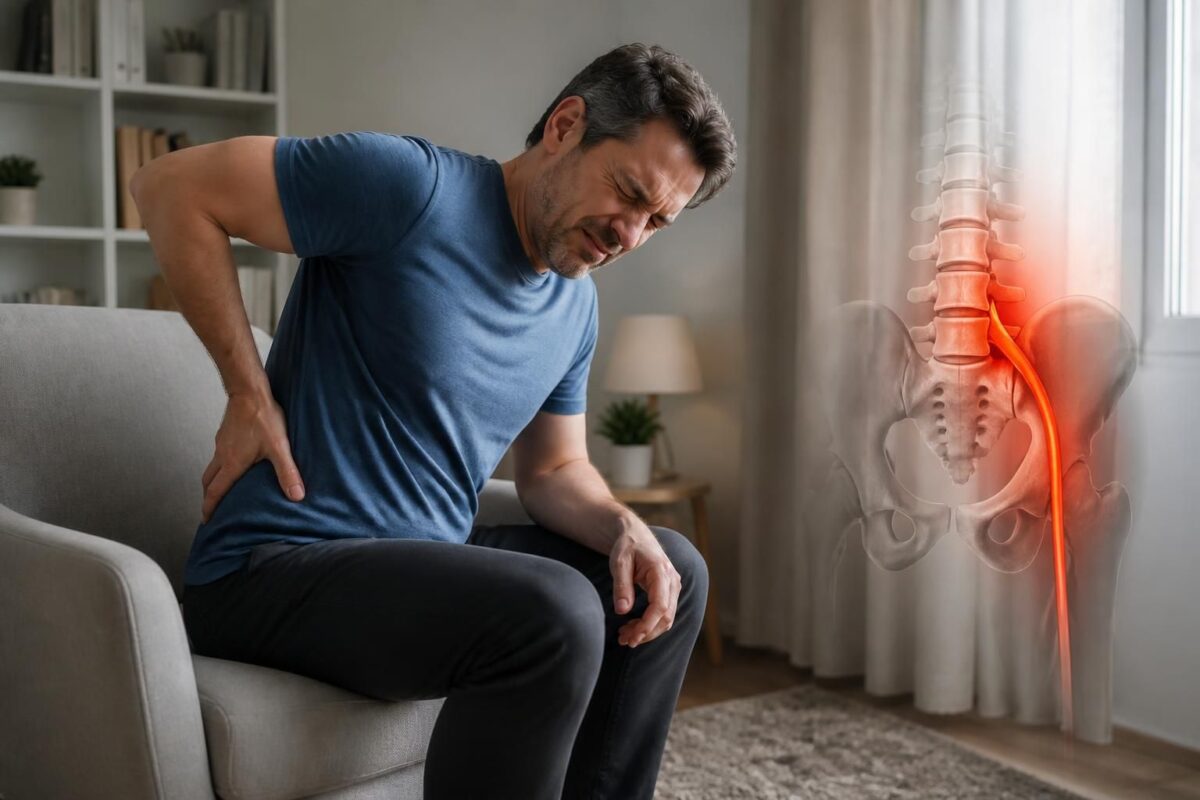
Herniated disc and sciatica: when the pain becomes persistent
IN BRIEF In short, disc herniation and sciatica refer to lower back pain radiating into the leg due to nerve compression. Follow-ups link pain pathway, neurological examination, and relevant imaging to guide management, usually without surgery. Benefits: self-management, maintenance of…
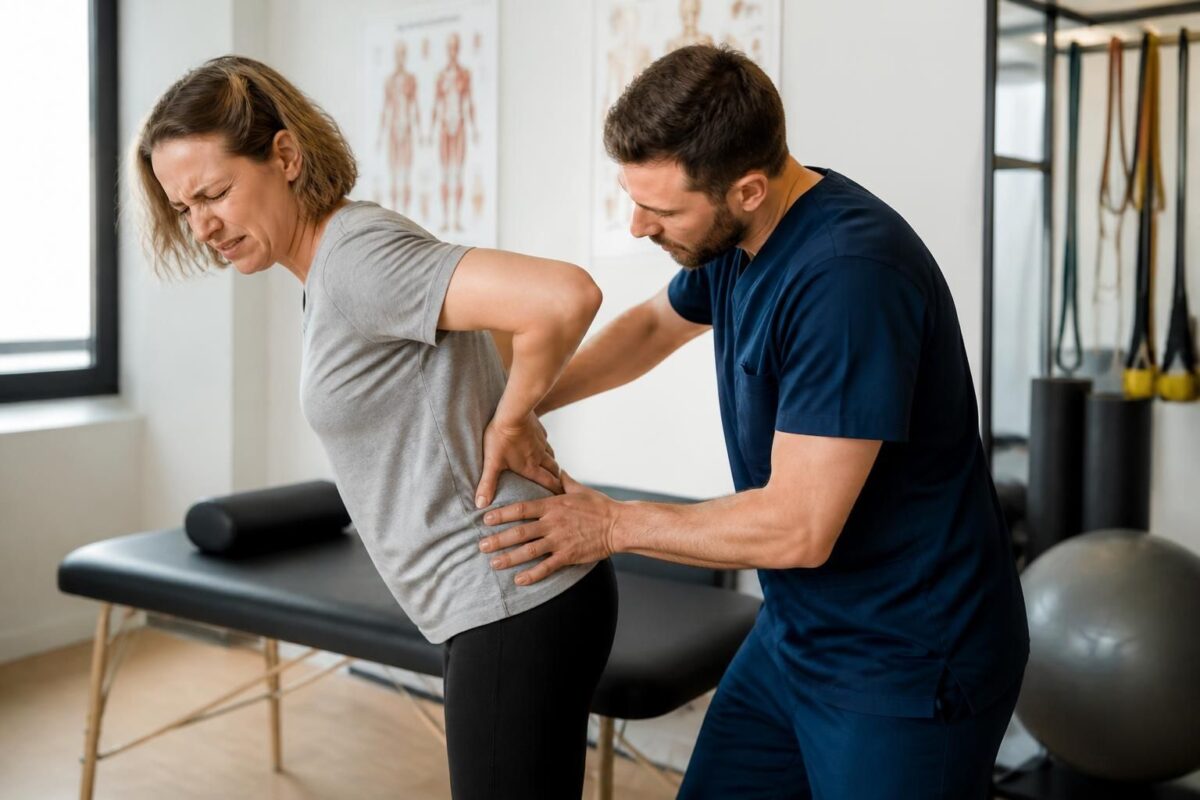
Herniated disc and sciatica: when the cause is mechanical
IN SHORT In short, Herniated disc and sciatica refer to radicular pain due to a mechanical cause when the nucleus of the disc protrudes and irritates a nerve root. The benefits of management include quick pain relief, maintenance of mobility,…
Inflammation and nerve sensitivity
Pain may be exacerbated by inflammation and increased sensitivity of the nerve roots. Even with a disc showing an abnormality in imaging, pain primarily depends on the mechanical context and neuro-systemic state. Therapeutic techniques and progressive exercises aim to calm inflammation, demystify pain, and normalize nerve sensitivity.
Rhythm and load progression
The key lies in an appropriate progression: starting with gentle mobilizations, controlled contractions, and breathing exercises to relax tensions and restore circulation around the nerve root. Then, gradually increase the intensity and complexity of movements while avoiding movements that trigger intense pain or loss of strength.
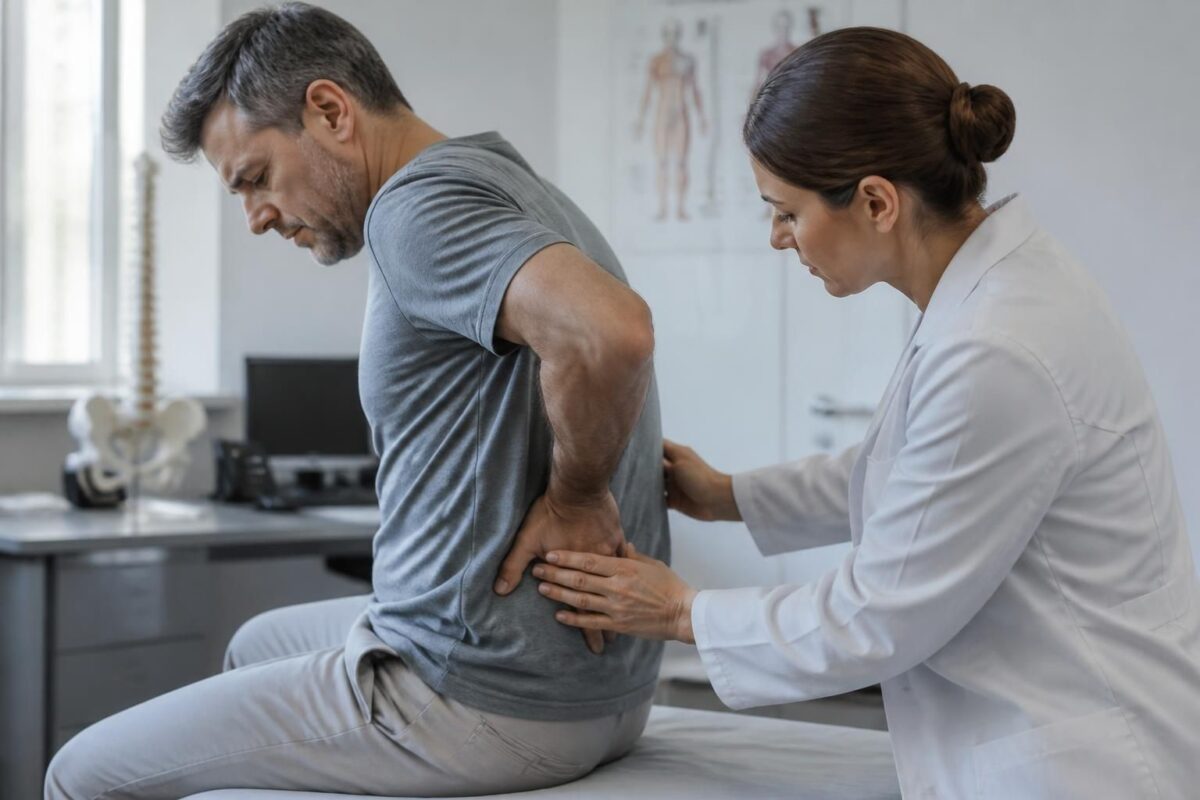
Herniated disc and cauda equina syndrome: warning signs
IN BRIEF In brief, Herniated disc and cauda equina syndrome describe severe compression of the lumbar roots with warning signs requiring urgent management. The warning signs help prevent major sequelae and facilitate rapid referral to emergency services. The benefits include…
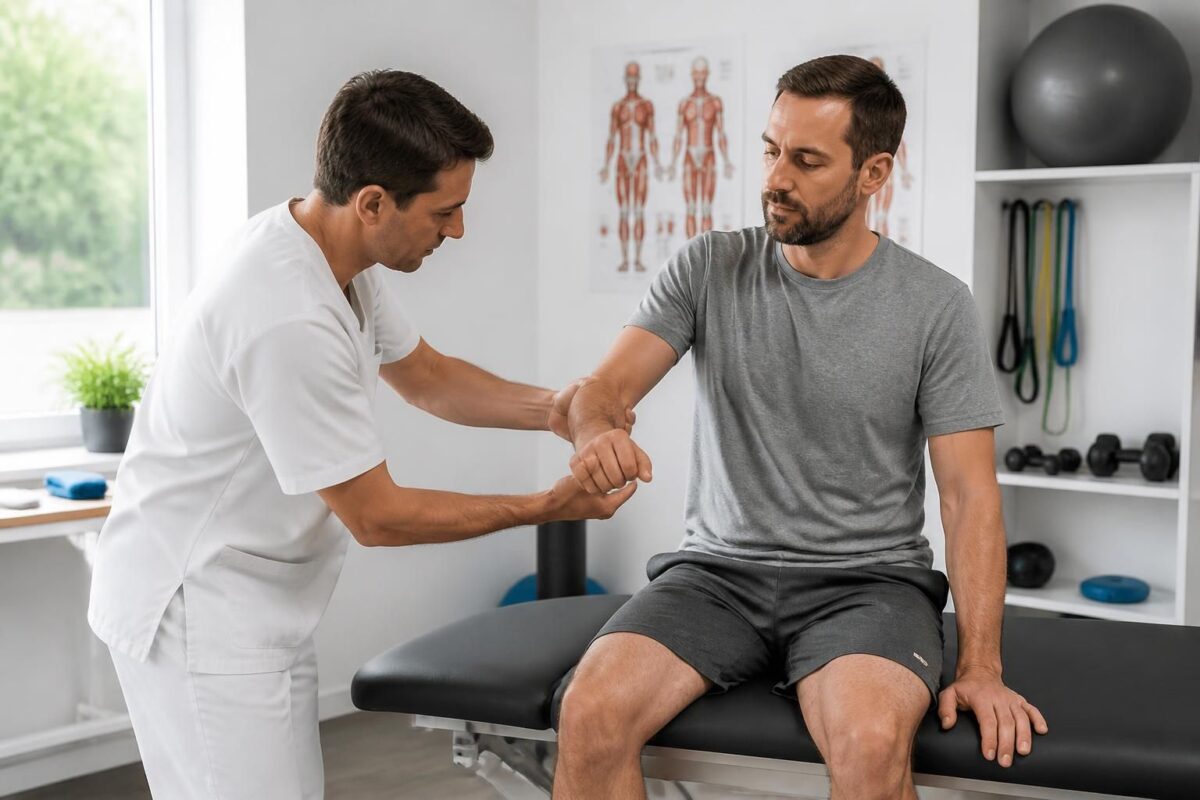
Herniated disc and muscle strength: why to test it
IN BRIEF The topic is the herniated disc and muscle strength. Testing muscle strength in this context helps assess the ability of the back and trunk muscles to support the spine and identify weaknesses that may exacerbate pain or limit…
Lifestyle habits and physical condition
Lifestyle strongly influences evolution. Smoking and excess weight worsen inflammation and the load on the spine. Regular, adapted, and progressive physical activity strengthens the motor repertoire and supports the disc and muscle walls. Quality sleep and stress management contribute to better pain tolerance and faster recovery.
Targeted physical activity
A strengthening program for the core, glutes, and muscles around the back, combined with flexibility exercises, improves spinal stability and reduces painful episodes. The goal is sustainable and reassuring activity that allows for a gradual return to professional and sports activities without painful rejections.

Herniated disc and diminished reflexes: possible neurological sign
IN BRIEF In short, a herniated disc is a partial rupture of the disc ring that can compress a nerve root and cause a neurological sign such as decreased reflexes. This condition presents as pain, often in the lower back…
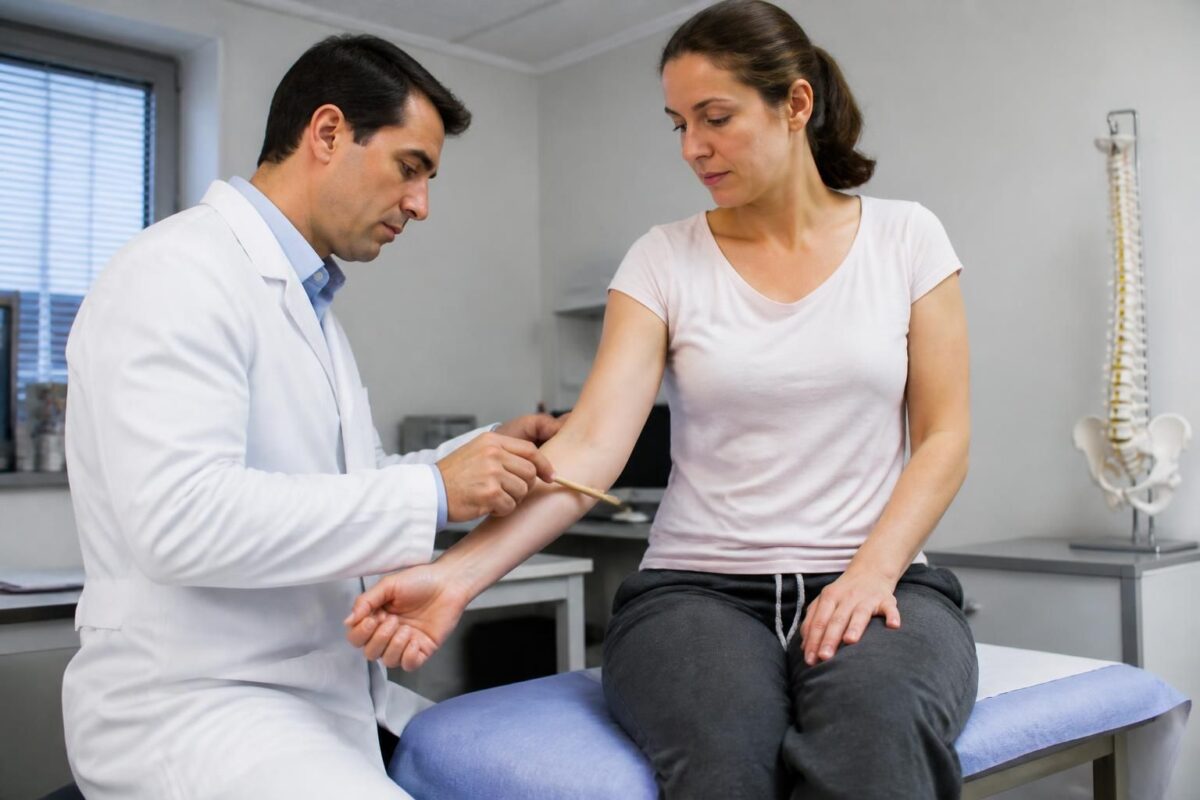
Herniated disc and loss of sensation: why evaluate
IN BRIEF A herniated disc is a protrusion of the gelatinous nucleus of an intervertebral disc that can compress a nerve root, causing radicular pain and a loss of sensation in an area of the body. Quickly assessing this condition…
Risk elements and monitoring
Certain factors increase the risk of progression or persistence of symptoms: progressive pain, new or rapid weakness, urinary or intestinal disorders. In these cases, rapid medical evaluation is necessary. For most patients, a progressive approach focused on movement and education allows for significant and lasting improvement.
| Factor | Effect and concise approach |
|---|---|
| Sedentariness and prolonged sitting positions | Increase pressure on the disc and irritate the nerve root; rehabilitation focuses on mobility and appropriate posture. |
| Muscle imbalance and trunk weakness | Predispose to compensations and triggers; strengthening and stabilization work recommended. |
| Sudden movement or effort | May trigger an episode but occurs in a pre-existing mechanical context; favor a controlled progression. |
| Piriformis and psoas tensions | Can compress the sciatic nerve even without a hernia; targeted muscle work necessary. |
| Acute pain and inflammation | Limits mobilizations; reducing inflammation facilitates movement and recovery. |
| Age and disc degeneration | Influences evolution; adaptation and personalized plan recommended. |
| Posture and breathing | Dynamic posture and controlled breathing reduce irritations and promote comfort. |
| Motivation and adherence to the program | Commitment strongly influences evolution; a clear progressive plan improves outcomes. |

Herniated disc and foot pain: L5 or S1?
IN BRIEF In brief, Disc herniation and foot pain related to the L5-S1 level explain how a hernia can irradiate towards the foot and how to determine if the pain originates from L5 or S1. This approach aims for a…
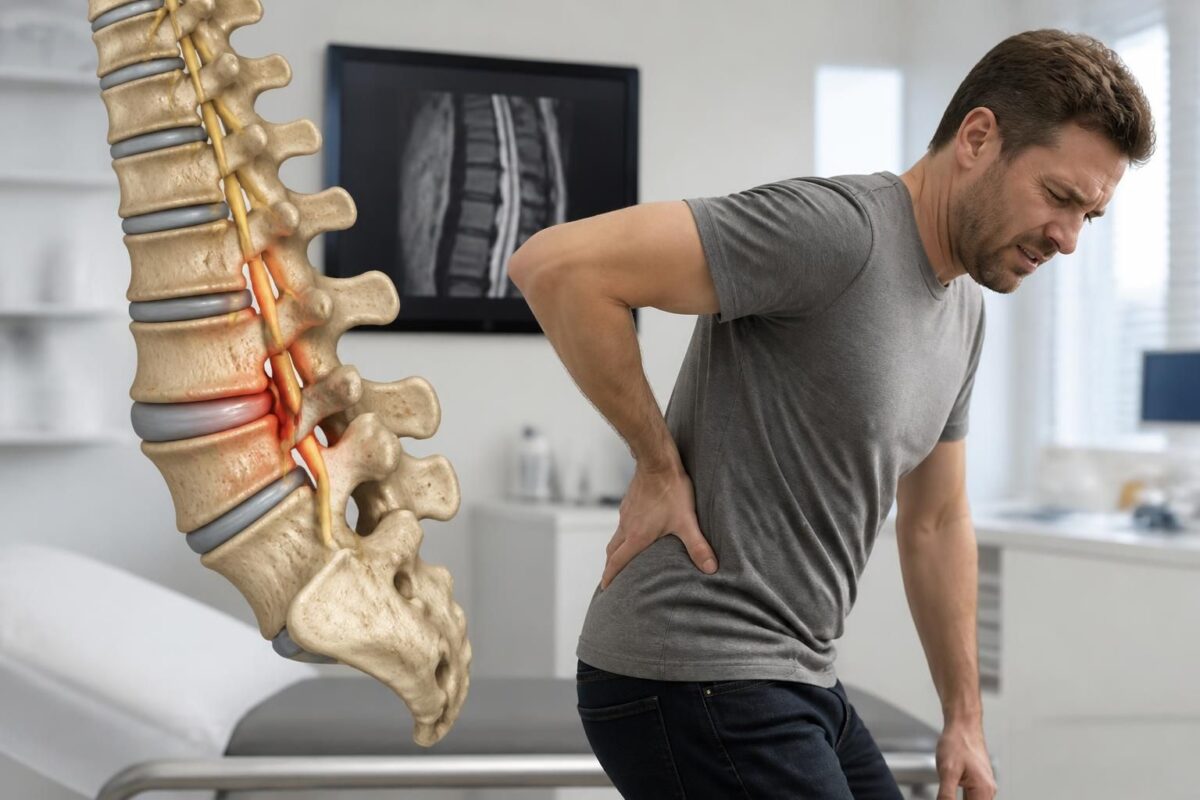
Herniated disc and spondylolisthesis: possible nerve irritation
IN BRIEF The lumbar disc herniation and spondylolisthesis refer to a possible compression of the nerve roots leading to sciatic pain and sometimes paresthesia or muscle weakness. This nerve irritation can mostly be managed through conservative measures and medication, providing…
Testimonials on Herniated Disc and Sciatica: Factors influencing evolution
“Since I received the diagnosis of herniated disc, I understood that the progression does not depend on a single event. The factors of daily life—sedentary behavior, prolonged postures, and muscle fatigue—have been the real levers. By adopting active breaks, regular walking, and controlled simple movements, I regained mobility that gives me confidence.”
“For my sciatica, the key has been a progressive and tailored rehabilitation. Movement becomes an ally rather than an enemy: gentle mobilizations, guided breathing, and targeted strengthening have literally changed the course of events, and today the pain remains manageable and predictable.”
“The onset of pain is often linked to a deep muscular imbalance, particularly around the piriformis. Improving flexibility and reducing tension in these areas has changed the course of my sciatica, even without obvious herniation on imaging. Adapting posture at the office and taking active breaks have been crucial.”
“What has truly influenced the progression is understanding the mechanism of pain and commitment to a progressive training of the trunk and breathing. By strengthening spinal stability and managing impacts, episodes of pain become less pronounced and the herniated disc evolves towards a more stable situation.”
“At work, adjustment and regular breaks help limit flare-ups. The combination of tailored physical activity, targeted strengthening, and dynamically adjusting posture has allowed for a more favorable and, above all, sustainable evolution in the long term.”
Dr. Sylvain Desforges, osteopath, naturopath, and manual physician, is the founding president of TAGMED clinics and the ACMA association. His commitment to patients suffering from spinal pain and his interest in innovation in healthcare guide an evidence-based approach. In his practice, he particularly emphasizes the management of chronic pain and the integration of advanced technologies to optimize function and well-being. This biography explores the factors that influence the evolution of herniated discs and sciatica and how comprehensive care can transform prognosis.
The herniated disc and sciatica do not boil down to a single cause or sign. Herniation represents an anatomical modification of the intervertebral disc, while sciatica is a symptom of irritation or compression of the sciatic nerve. These two concepts can coexist or appear separately: imaging may reveal an anomaly without pain, and painful radiation may exist without visible herniation. Understanding this differential is essential for guiding targeted rehabilitation and avoiding hasty conclusions.
Several factors influence progression, and their impact may vary from patient to patient. The first lever is mechanical: repeated load on the disc, inadequate posture, and movement habits can promote a progressive imbalance. Sedentary lifestyle, repetitive gestures, and muscle fatigue create a context conducive to the onset of an acute episode, often triggered by poorly controlled effort or sudden movement. The role of deep tissues and trunk muscles, particularly the gluteal muscles and psoas, can also influence pain and nerve dynamics.
The inflammatory dimension and nerve sensitivity are significant determinants as well. Nerve irritation can persist beyond an initial episode, and pain can fluctuate based on inflammatory status and the perception of the nervous system. Additionally, psychosocial factors such as stress, anxiety, recovery expectations, and lifestyle habits can amplify or hinder progression by modulating pain perception and the ability to perform daily activities.
Factors related to sleep, weight, diet, and lifestyle also play a significant role. Smoking, obesity, and an inflammatory diet can create an environment conducive to inflammation and local deterioration. Age and comorbidities (osteoarthritis, diabetes, metabolic diseases) influence the tissues’ ability to repair and adapt over time, thereby altering the progression rate of symptoms.
In practice, the evaluation aims to identify irritating movements, compensations, and functional deficits. Rehabilitation is based on a progressive approach that combines mobilization, targeted muscle training, and retraining of daily movements. The patient is guided toward a better understanding of pain, improved mobility, and a gradual return to activity, with a focus on breathing and dynamic posture to limit recurring episodes.
In this approach, technologies such as vertebral decompression, laser, and shockwave therapy can be integrated when the indications are relevant. They complement manual techniques and targeted exercises, helping to reduce pressure on nerve roots, promote tissue recovery, and support effective rehabilitation tailored to the patient’s experience.
By harmonizing these elements—mechanical, inflammatory, psychosocial, and technologies—the evolution of herniated discs and sciatica can be proactively guided. The goal is to establish sustainable mobility, limit recurring episodes, and support the patient towards a safe and optimized return to activities.
This article offers clear insights into Herniated Discs and sciatica, highlighting the mechanisms, interactions, and factors that influence their evolution. It distinguishes symptoms from causes and describes how tailored rehabilitation can foster recovery, limit pain, and prevent recurrences. You will discover how mechanical, inflammatory, and relational elements in daily life condition the evolution and how to treat them effectively without resorting systematically to surgery.
Several factors determine the evolution of Herniated Discs and sciatica. The first is the mechanical framework: an imbalance, prolonged postures, a sedentary lifestyle, or repetitive movements exert increased pressure on the disc and nerve roots. Deep tensions, particularly around the piriformis, can also trigger sciatica even in the absence of apparent herniation. Understanding these mechanisms helps target coherent and personalized rehabilitation.
The inflammation and nerve sensitivity play a crucial role in the intensity and duration of symptoms. Reducing inflammation while controlling movements and focusing on breathing and muscle tone helps to release tension and improve exercise tolerance. This approach contributes to stabilizing pain and promoting a gradual functional recovery.
The progression of rehabilitation is crucial: it starts with gentle mobilizations and controlled exercises, then gradually reintroduces daily gestures and specific activities. The goal is to avoid compensations that foreshadow a recurrence and to restore a dynamically appropriate posture for work and sports. The return to professional and athletic activity should be guided by spinal stability and individual tolerance, without rushing recovery phases.
The lifestyle and professional environment strongly influence the evolution. Jobs requiring repeated physical efforts or constrained positions demand adapted ergonomics and targeted strengthening to prevent mechanical drift. Regular and gradual physical activity proves to be a powerful lever to reduce the risk of recurrence and improve the spinal adaptation capacity.
The assessment and global approach remain essential. Distinguishing an irritative hernia from pain without demonstrated lesions and understanding the sciatic nature helps to avoid inappropriate treatments and prioritize rehabilitation focused on movement, strengthening, and gradual retraining. The fact that imaging does not always explain the pain emphasizes the importance of personalized evaluation and an action plan tailored to the patient.
The psychosocial aspects and adherence to the rehabilitation protocol also play a key role: motivation, understanding of the pain mechanism, and trust in movement influence the speed and quality of recovery. Adequate education and regular support strengthen the effectiveness of therapeutic pathways and promote sustainable prevention of recurring episodes.
To deepen and enhance your understanding, you can consult additional resources. Herniated disc and disc protrusion, Sciatica or herniated disc, Herniated disc and discopathy, downward pain in the leg, heel pain, Chronic sciatica, MRI warning signs, important assessment, academic reference.

Dr Sylvain Desforges, B.Sc., D.O., N.D., osteopath, is the founding president of TAGMED and of the ACMA association. He dedicates his practice to chronic spinal pain, low back pain and symptoms compatible with sciatica, particularly when pain radiates toward the buttock, leg, calf, foot or toes.
Through SOS Sciatique, he publishes educational content on sciatica symptoms, possible causes such as disc herniation, disc narrowing, foraminal stenosis or irritation of a lumbar nerve root, as well as non-surgical approaches that may be considered according to the evaluation. At Clinique TAGMED, care may include, depending on the case, motorized neurovertebral decompression, specific osteopathic care or precision percussion.
For an evaluation related to sciatica treatment in Montreal / Mount Royal or sciatica treatment in Terrebonne, please consult the services available at Clinique TAGMED.
Medical disclaimer
The information published on SOS Sciatique is provided for educational purposes only and does not replace a consultation, diagnosis, opinion or treatment provided by a physician or another authorized healthcare professional. The author of this article is neither a medical doctor nor a specialist in a medical specialty recognized by the Collège des médecins du Québec. The osteopathic, manual medicine or functional support approaches described on this site do not constitute medical acts and are not intended to replace medical follow-up.
Consult a physician or emergency service in cases of loss of bladder or bowel control, anesthesia in the saddle area, significant or progressive weakness in the leg or foot, fever, recent trauma, severe pain or rapid worsening of symptoms. For more details, please read our Legal Notice.