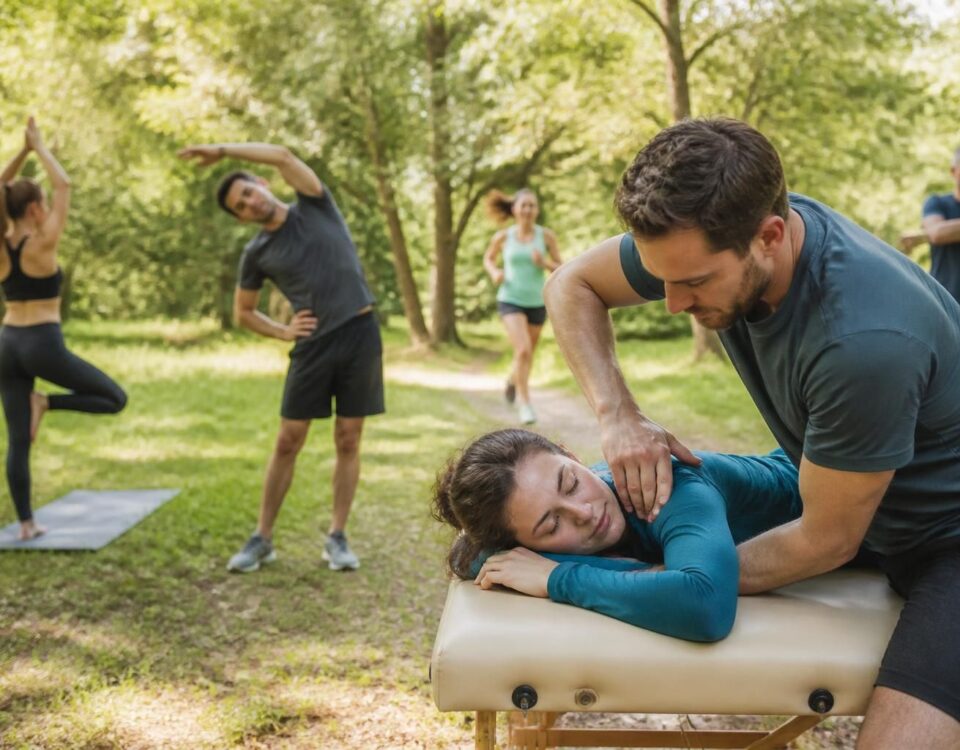
Osteopathy and sports recovery: a tool to improve resilience
28/06/2026
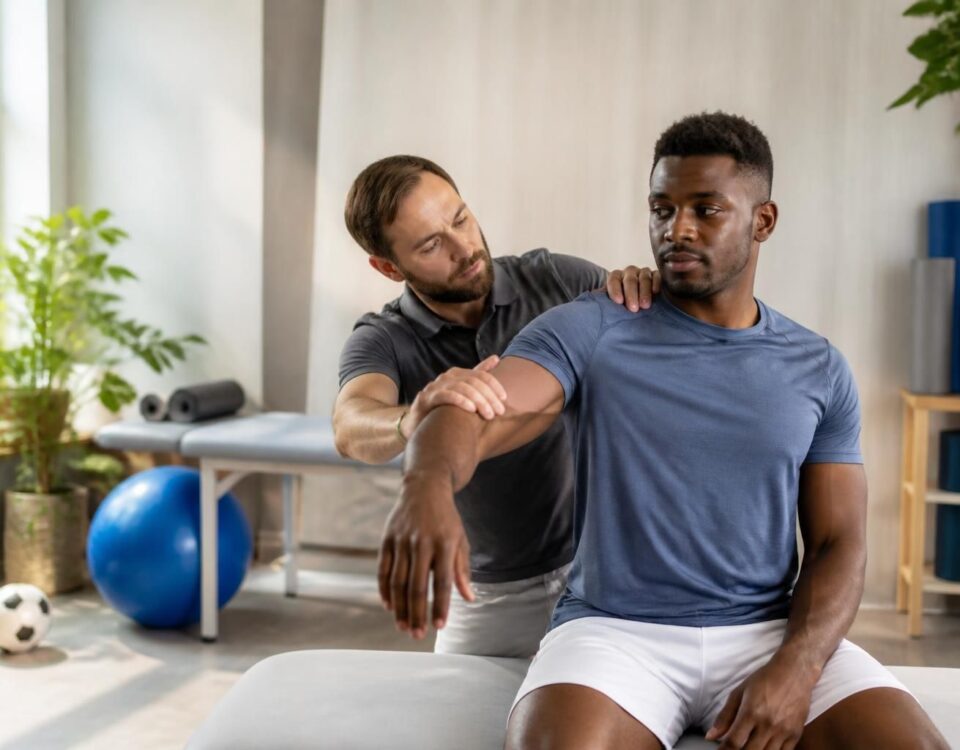
Osteopathy and leg pain: personalized care
28/06/2026
In short
In short, the Osteopathic techniques To prevent Postural disorders use manipulations sweet and targeted of the musculoskeletal system to improve thealignment, the mobility and the Overall operation of the body. They adapt to each patient to promote a natural and lasting posture. Advantages: posture improvement, reduction of lower back and cervical pain, prevention of recurrences and better mobility on a daily basis. Functioning: personalized evaluation, progressive interventions on musculoskeletal structures and fascia, in an approach secure and lady of the night of the body. In Montreal, this service is particularly recommended for active adults and professionals working in front of the screen to prevent postural disorders thanks to a holistic approach. |
The Osteopathic techniques propose a preventive approach to Postural disorders By working on thealignment and the mobility of the body. thanks to a Personalized evaluation, the practitioner adjusts musculoskeletal structures with Gentle manipulations and targeted. theStructural approach Restores a Harmonious posture and optimizes the functioning of the joints, reducing the tensions that feed pain and compensation. theCranial osteopathy Can support the stability of the nervous system and promote balance. The Myofascial technique releases tensions from fascia, improving the mobility and limiting inappropriate postural patterns. theVisceral osteopathy completes the device by promoting the mobility of the organs and a Diaphragmatic breathing effective, key elements of a Sustainable posture.
This article presents the Osteopathic techniques Used to prevent postural disorders. It describes how these patient-centric approaches aim to restore balance to the body and promote better posture on a daily basis. You will discover the main fields of action, their benefits and resources to deepen this preventive approach.
General approach and prevention objectives
theosteopathy based on a global approach. It assesses the alignment of musculoskeletal structures and their interaction with the nervous system, viscera and fascia. The objective is to identify imbalances that promote tensions and poor postures, in order to intervene in a targeted way and preventive.
cranial technique
The cranial technique Uses very gentle movements on skull bones and surrounding tissues. It aims to promote better circulation of fluids and regulation of the nervous system. This approach can help reduce tensions that indirectly affect posture, while respecting the body’s natural healing logic.
Structural technique
The Structural technique Target thealignment muscle chains and joints. Through precise manipulations, she seeks to release restrictions and restore a more balanced posture. A good musculoskeletal function supports a stable spine and reduces the risk of postural compensation.
Visceral technique
The Visceral technique acts on the internal organs and their mobility. By improving the exchanges and movement of the organs, it can contribute to better stability of the trunk and to a more harmonious posture. This approach remains complementary and adapted to the overall patient assessment.
Myofascial technique
The Myofascial technique Focuses on the fascia, this tissue that envelops muscles and structures. By releasing fasial tensions, it can influence mobility and postural tone. This approach is often used to reduce adhesions and promote better adaptability of muscle chains to exercise.
Daily integration and prevention
The prevention of postural disorders is based on a Integrative approach. Osteopaths adjust the techniques according to the needs and responses of the patient. On a daily basis, it is a question of adopting a conscious posture at work and in the usual activities, of promoting ergonomic conditions and of pursuing an adapted physical activity that supports body balance.
Resources and additional readings
To deepen the mechanisms and benefits of osteopathic techniques, consult the following resources. They present relevant demonstrations and analyzes of how osteopathy supports posture and tension prevention.
The benefits of osteopathy to relieve nervous tension
How osteopathy improves the functional capacities of the body
How osteopathy supports rehabilitation after an accident
Osteopathic approach and carpal tunnel
Why osteopathy is effective against muscle tension
Osteopathy and rehabilitation after trauma
Disclaimer: This content is not medical advice and does not replace an individual consultation. For any specific questions, consult a healthcare professional.
Medical Disclaimer: The information and advice provided on this site does not replace the health professional’s diagnosis or treatment. Please note that Dr. Sylvain Desforges osteopath is neither a doctor of medicine nor a doctor, and is not a specialist in a medical specialty as defined by the Collège des Médecins du Québec. Manual medicine, functional medicine and sports medicine as described on this site exclude any medical treatment or diagnosis made by a doctor or specialist doctor. Always consult your doctor for any medical questions. For more details, please read our full legal notice.
- Postural balance by targeted structural techniques to align the spine and pelvic belt.
- Targeted mobility To release muscle chains and prevent postural stiffness.
- Myofascial relaxation In order to loosen tensions and promote a natural posture.
- Postural advice and practical exercises adapted to the workstation.
- Personalized treatment plan With regular visits to maintain alignment.
- osteopathy visceral To release organ-diaphragm interactions and support posture.
- Cranial osteopathy To reduce stress and harmonize body tone influencing posture.
- Proprioception and neuromuscular control To stabilize gestures and prevent compensation.
- Personalized prevention plan for regular and sustainable monitoring.
- Ergonomic support and postural advice adapted to your activity.

This article presents how the Osteopathic techniques can prevent postural disorders by working on thealignment, tensions and mobility of body structures. favoring an approach personalized, osteopathy aims to correct imbalances before they get worse, and to support a good posture On a daily basis thanks to simple advice and gestures.
Prevent postural disorders: principles and objectives
Postural disorders often arise from an imbalance between muscle chains and joints. The objective of osteopathic techniques is to restore a functional harmony, without resorting to invasive gestures. By evaluating the whole body, the practitioner can offer appropriate care that takes into account work habits, sports activities and daily travel. The expected result is a vertebral stability improved, a Mobility found and an reduction of tensions likely to cause poor posture.

How osteopathy improves the quality of life of active people
In short In short, theosteopathy is a global approach that Optimizes mobility and the function of the body of ACTIVE PEOPLE, for a better quality of life. It helps prevent injury and reduce Musculoskeletal pain While promoting the Sports recovery.…
Preventive osteopathic techniques for posture
Structural approach
theStructural approach Target theMusculoskeletal alignment and areas of tension that limit mobility. Through precise and appropriate manual manipulations, the practitioner aims to restore the balance between column, pelvis and shoulders. By working on these axes, the joint amplitudes improve and the muscle chains can better support the spine. This vigilance vis-à-vis thePostural balance Helps to prevent low back and cervical pain associated with poor lasting posture.
Cranial approach
the techniques cranial are intended to support the nervous system and mobility of cranial sutures with a gentle approach. By improving the Neurovascular regulation And by promoting more fluid breathing, they can favorably influence the posture by reducing the overall tensions which sometimes manifest themselves by thoracic or cervical rigidity. This well-tolerated approach can be integrated into prevention, especially in people exposed to stress or sleep disorders that impact daily posture.
Visceral approach
theVisceral approach Aims to release restrictions around organs and diaphragm, thereby improving respiratory mobility and mediastinal dynamics. Better diaphragmatic and thoracic flexibility positively influences the axis of the trunk and postural stability, particularly during repetitive movements at work. Poorly managed visceral tensions can manifest themselves in blockages which are then felt in the back and shoulders; The visceral approach helps to prevent these reactions by promoting more effective breathing and more harmonious breathing with the posture.
Myofascial approach
The Myofascial technique Targets the fascia, this network that envelops the muscles and organs. The Myofascial relaxation Helps dissipate tensions that spread along muscle chains and can contribute to inadequate alignment. By releasing these restrictions, we improve the Belt flexibility and overall postural stability. This approach is particularly relevant when diffuse pain or repetitive stiffness limit posture during daily activities.

Osteopathy and sports recovery: prepare the body for lasting performance
In short In short, Osteopathy and Sports recovery is one Global manual approach that sustainably prepares the body for the effort by restoring mobility and circulation After the effort. It is a discipline that acts on the sinews, the joints,…
Routines and practical tips for everyday life
Posture and ergonomics at work
take on positions ergonomic is a first essential prevention. Simple workstation settings (seat height, lumbar support, eye-height screen) and regular active pauses reduce accumulated tension. Standing or sitting work can be alternated with micro-climbing and trunk micro-flexions to maintain a Adaptive mobility.
Self-release and simple exercises
daily gestures of relaxation And gentle exercises, such as trunk rotations, targeted stretching and diaphragmatic breathing exercises, enhance stability and prevent postural imbalances. These practices promote better coordination between breathing, thoracic mobility and vertical posture.
Why Osteopathy Is Essential For Recovery People
In short In short, Osteopathy in convalescence is an approach manual and holistic which helps to accelerate the recovery by restoring The balance, the mobility and a good circulation fabrics. it contributes to Reduce the pain, support the Back to…
Frequency and personalized follow-up
For effective prevention, it is recommended to integrate regular assessments with an osteopath, at the rate of sessions ofPreventive interviews Every 1 to 3 months depending on needs and lifestyle. A personalized plan can combine structural, cranial, visceral or myofascial techniques, supplemented by exercises to be carried out at home to support the improvements obtained in session.

Osteopathic manipulations to strengthen post-traumatic muscles
In short In short, Osteopathic manipulations for Strengthen post-traumatic muscles constitute a gentle manual approach aimed at restoring the mobility, reduce the pain and facilitate the Functional rehabilitation After a injury. What is Is it? A series of precise gestures…
Preserve the well-being and effectiveness of interventions
Prevention of postural disorders requires an approach overall and adapted to each individual. By combining various osteopathic techniques with healthy daily habits, it is possible to maintain, or even improve, posture and quality of life in the long term.
| Osteopathic technique | posture impact |
|---|---|
| Structural techniques | Skeleton alignment and postural tension reduction. |
| cranial techniques | Improves neuromuscular coordination and general postural balance. |
| Myofascial techniques | Fascia release and increased mobility. |
| Visceral techniques | Visceral mobility and diaphragm supporting posture. |
| Respiratory osteopathy | Improves chest stability and postural coordination. |
| Integrated postural approach | Harmonizes the body as a whole and guides ergonomics. |
| Sports osteopathy | Corrects motor patterns and prevents activity-related postures. |
| pediatric osteopathy | Postural support for children and harmonious development. |

Osteopathy and prevention of work-related musculoskeletal disorders
In short theosteopathy is one Manual approach that restores body balance and prevents MSD related to work. Its advantages: reduction of tension, improvement of mobility and prevention of chronic pain. She is preventive and healing, suitable for office and trades…
Testimonials on osteopathic techniques to prevent postural disorders
“Since I started the Osteopathic techniques Focused on thealignment and the Myofascial relaxation, my posture improved significantly and I feel less tension in the neck. It’s an approach that helps Prevent postural disorders before they settle. »
“As a sportsman, I appreciate theStructural approach and techniques cranial, who workalignment and mobility. Thanks to this, my posture remains stable during exercise and the risks of imbalance decrease. »
“For my children, thepediatric osteopathy was useful to correct the Postural habits emerging and promote harmonious development. »
“After a few sessions, I found a mobility and one alignment back that prevents pain related to sedentary work. »
“In the professional environment, I joined a routine that combines the Osteopathic techniques, the Myofascial relaxation and maintaining a Postural balance, and my lumbar tensions decreased sharply. »
“Prevention of postural disorders requires an approach adapted to each morphology: Osteopathic techniques adjust to strengthen theBody balance day after day and offer a better quality of life. »
From a perspective focused on prevention, Osteopathic techniques strive to restore and maintain the alignment of the body to prevent the appearance of postural disorders. This approach is not limited to pain treatment; It aims to optimize the overall function and promote a balanced posture on a daily basis. The objective is to strengthen the resilience of the musculoskeletal system, to improve neuromuscular coordination and to anticipate the imbalances that set in over time.
Among the technical resources used, theStructural approach focuses on thebody orthosis of the musculoskeletal system. Precise manipulations and relaxation techniques make it possible to correct imbalances, restore joint mobility and improve sitting, standing and moving posture. This approach aims to reduce tension, restore an aligned spine and prevent compensation mechanisms that nourish postural pain.
In addition, the cranial techniques intervene with soft and subtle gestures on the skull and the fabrics that envelop it. The objective is to support the regulation of the nervous system and to improve the circulation of fluids, which can favorably influence the maintenance of better posture, especially in situations of stress or chronic fatigue. Although their effectiveness is discussed in certain contexts, they are part of a delicate and personalized approach adapted to each individual.
The Visceral techniques broaden the vision by considering the interaction between the internal organs and the rest of the body. By working on the mobility and elasticity of tissues around the organs, osteopaths aim to reduce tensions that can influence postural alignment. This integrative approach helps to prevent postural disturbances linked to functional, digestive or respiratory disorders, by promoting a more harmonious overall functioning.
Finally, the Myofascial techniques Target the fascia, the tissue network that envelops and connects muscles and deep structures. Myofascial relaxation helps release movement restrictions and restore flexibility in muscle chains, promoting better overall posture and reduction in points of tension that can set in over time.
This palette, associated with a Individualized approach, allows you to build a preventive course adapted to daily activities, professional constraints and lifestyle. The osteopath assesses postural habits, offers ergonomic adjustments, targeted exercises and practical advice for integrating micro-breaks, stretches and moments of conscious breathing in professional and personal life.
To accompany this work, certain modern practices include complementary technologies that support postural prevention without replacing clinical evidence. The objective is still to preserve mobility, improve postural control and provide the patient with the tools to maintain a healthy spine in the long term. Everything is part of a sustainable well-being and quality of life approach, guided by a rigorous evaluation and personalized follow-up.
This text explains how Osteopathic techniques can play a major preventive role in the face of Postural disorders, by acting on thealignment, the mobility and tension management. It explores the main areas of intervention – Osteopathy cranial, structural, visceral and myofascial – while highlighting the importance of an approach personalized and a regular program to maintain a balanced posture on a daily basis.

The benefits of osteopathy to treat muscle imbalances
In short theosteopathy is a manual approach to restore themuscle harmony and postural considering the body as a whole. Its main benefits include the reduction of aches and tensions, the improvement of the mobility and from the posture, and prevention…
Approaches and prevention of postural disorders
Prevention is based on Individualized assessment and an adaptation of the techniques to the body dynamics of each one. By favoring a Personalized therapeutic relationship, the osteopath targets areas of tension before they lead to pain or postural fatigue, with interventions soft and targeted that support the maintenance of a natural posture.
The cranial technique Focuses on subtle movements of the skull and can support the management of stress, sleep disorders or headaches, from a global perspective of well-being. Although the evidence remains varied, this approach is applied with high accuracy and security to promote nervous and musculoskeletal balance.
theStructural osteopathy mainly acts on theAlignment of musculoskeletal structures and global mobility. By restoring a bodily symmetry and clearing joint restrictions, it helps to prevent postural imbalances which, if they persist, can be manifested by lower back, neck pain or functional postural disorders.
The Visceral technique Aims for the organs and their mobility to support the overall harmony of the body. By improving circulation and abdominal or respiratory dynamics, it indirectly contributes to a more stable posture and better physiological function, which can reduce the tensions that accumulate around the trunk and pelvis.
The Myofascial technique Targets the fascia, this network of tensions that envelops the muscles and influences their amplitude. Through gentle but precise relaxation, it helps to release restrictions that limit mobility and can promote compensatory postural patterns, with a positive effect on posture and muscle recovery.
Osteopathy and chronic leg pain: regaining an optimal quality of life
In short In short, Osteopathy is one Global manual approach aimed at reducing Chronic leg pain and improve the quality of life. What is it? Non-drug therapy using the hands to identify restrictions and treat lesional chains. How does it…
Integration of techniques in postural prevention
To sustainably prevent postural disorders, it is essential to combine these techniques with simple and effective daily habits. A Postural hygiene at work Consists of adjusting the ergonomics of the station, maintaining the shoulders relaxed, the neck aligned and the trunk engaged, while providing for regular micro-breaks to release accumulated tension.
The practice ofAdapted exercises and postural movements strengthen the musculoskeletal chains and improve coordination between body segments. This continuity between osteopathic session and daily disciplines is key to limit relapses and promote lasting stability.
Complementary resources can shed light on these approaches and offer practical ideas for everyday life. For example, discovering how osteopathy can strengthen general well-being and improve lymph circulation can enrich your preventive approach. To deepen these concepts and link them to your experience, you can consult the content available on the following platforms: Osteopathy and well-being, Osteopathy and stress, and lymphatic circulation.
To complete your knowledge of postural mechanisms and the benefits of osteopathic techniques, other relevant readings may be useful: Health and Spirit, sustainable health, or specialized resources on postural disorders and their prevention: Postural disorders, Osteopathic techniques, and Postures and prevention.
In short, the Osteopathic techniques offer a varied toolkit to prevent Postural disorders, favoring an approach preventive and personalized that easily fits into everyday life and movement habits. The objective is to maintain the balance of the body as a whole, in order to support a lasting and ergonomic posture throughout life.
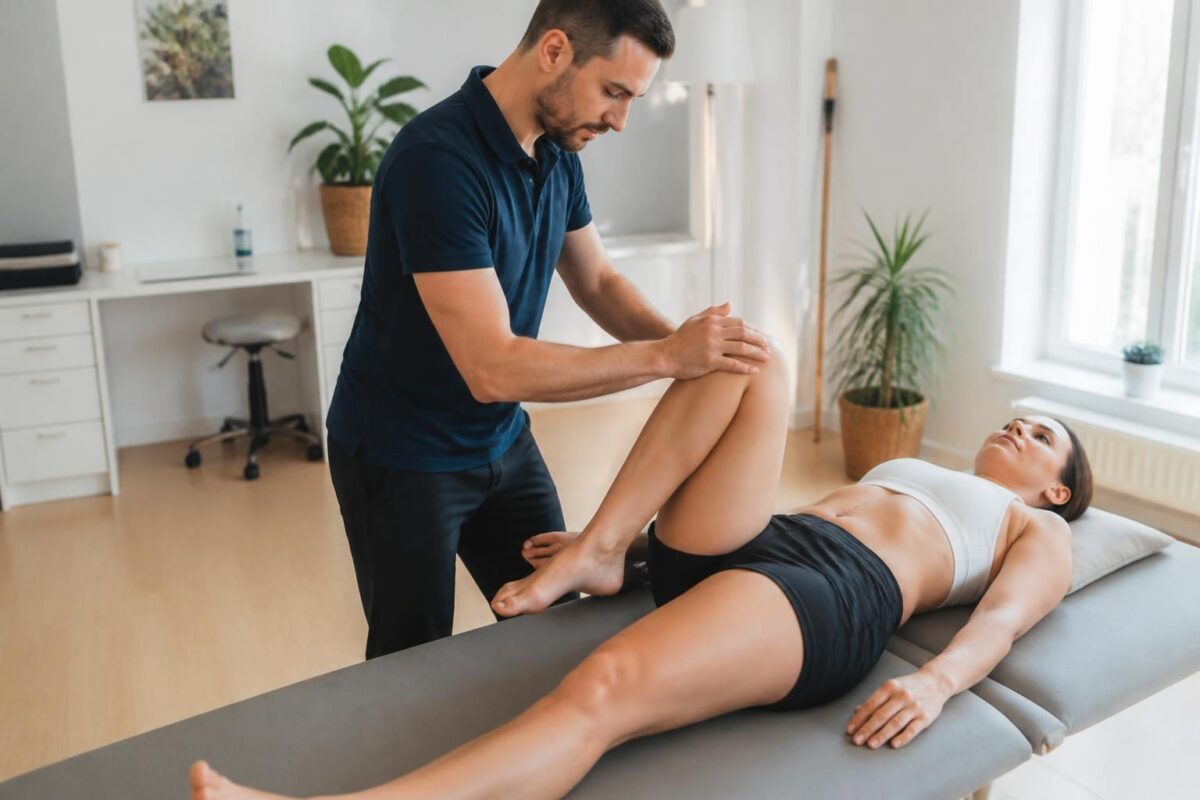
How osteopathy supports recovery after complex surgery
In short In short, Post-operative osteopathy is an approach fresh which supports the recovery After a Complex surgery. It helps to reduce the pain and the fatigue, improves the mobility and accelerates the healing thanks to a better vascularization and…

Dr Sylvain Desforges, B.Sc., D.O., N.D., osteopath, is the founding president of TAGMED and of the ACMA association. He dedicates his practice to chronic spinal pain, low back pain and symptoms compatible with sciatica, particularly when pain radiates toward the buttock, leg, calf, foot or toes.
Through SOS Sciatique, he publishes educational content on sciatica symptoms, possible causes such as disc herniation, disc narrowing, foraminal stenosis or irritation of a lumbar nerve root, as well as non-surgical approaches that may be considered according to the evaluation. At Clinique TAGMED, care may include, depending on the case, motorized neurovertebral decompression, specific osteopathic care or precision percussion.
For an evaluation related to sciatica treatment in Montreal / Mount Royal or sciatica treatment in Terrebonne, please consult the services available at Clinique TAGMED.
Medical disclaimer
The information published on SOS Sciatique is provided for educational purposes only and does not replace a consultation, diagnosis, opinion or treatment provided by a physician or another authorized healthcare professional. The author of this article is neither a medical doctor nor a specialist in a medical specialty recognized by the Collège des médecins du Québec. The osteopathic, manual medicine or functional support approaches described on this site do not constitute medical acts and are not intended to replace medical follow-up.
Consult a physician or emergency service in cases of loss of bladder or bowel control, anesthesia in the saddle area, significant or progressive weakness in the leg or foot, fever, recent trauma, severe pain or rapid worsening of symptoms. For more details, please read our Legal Notice.