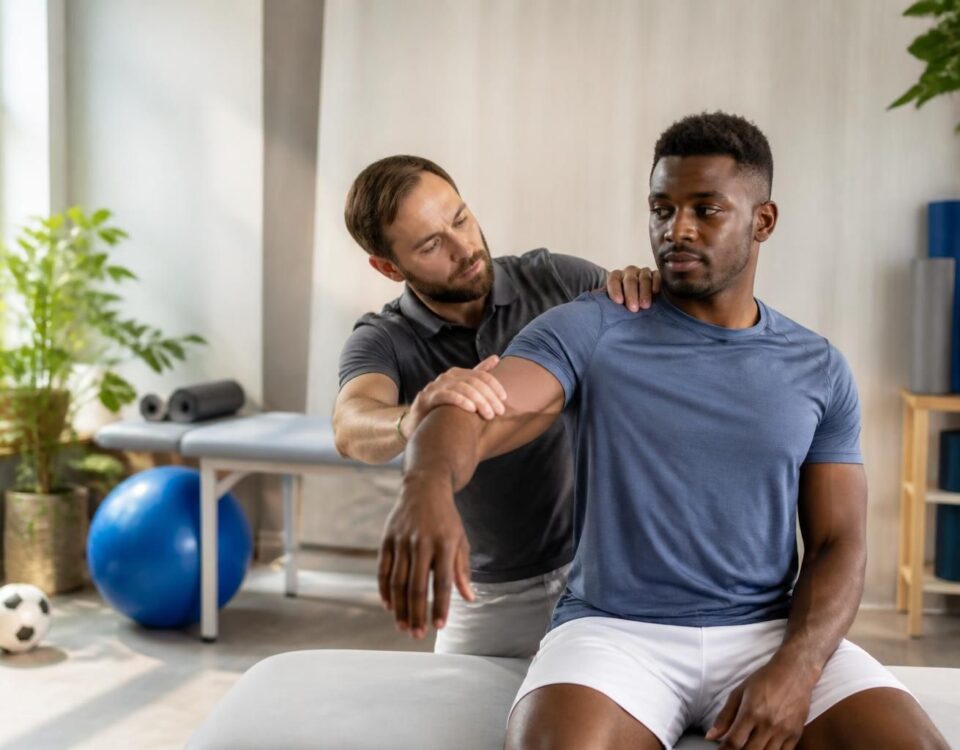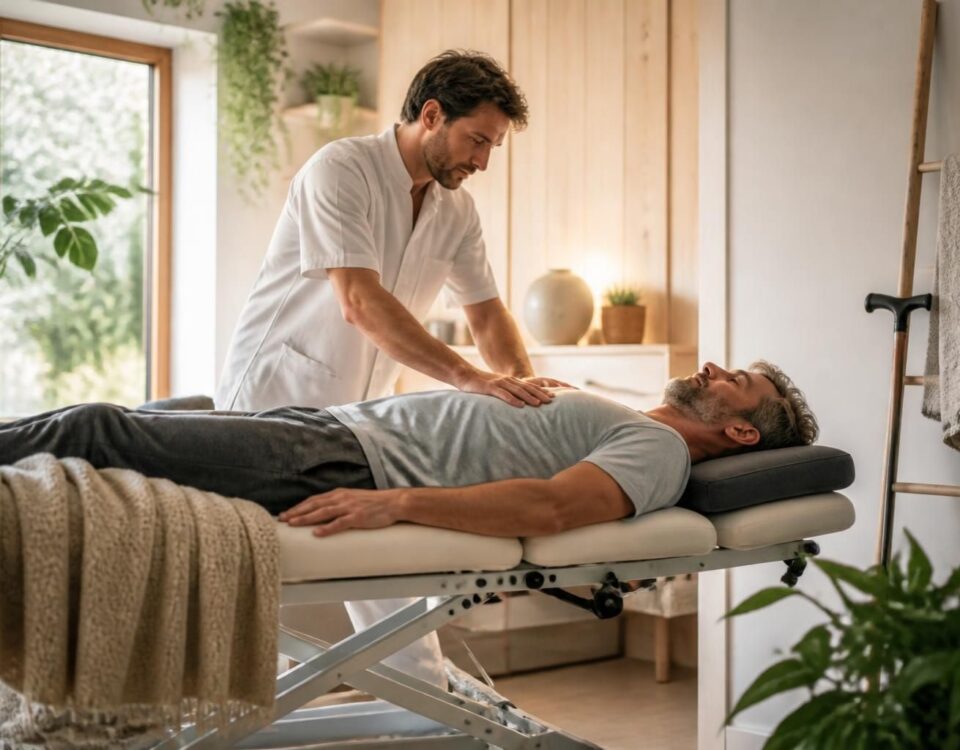
Osteopathic manipulations to relieve persistent cervical pain
27/06/2026
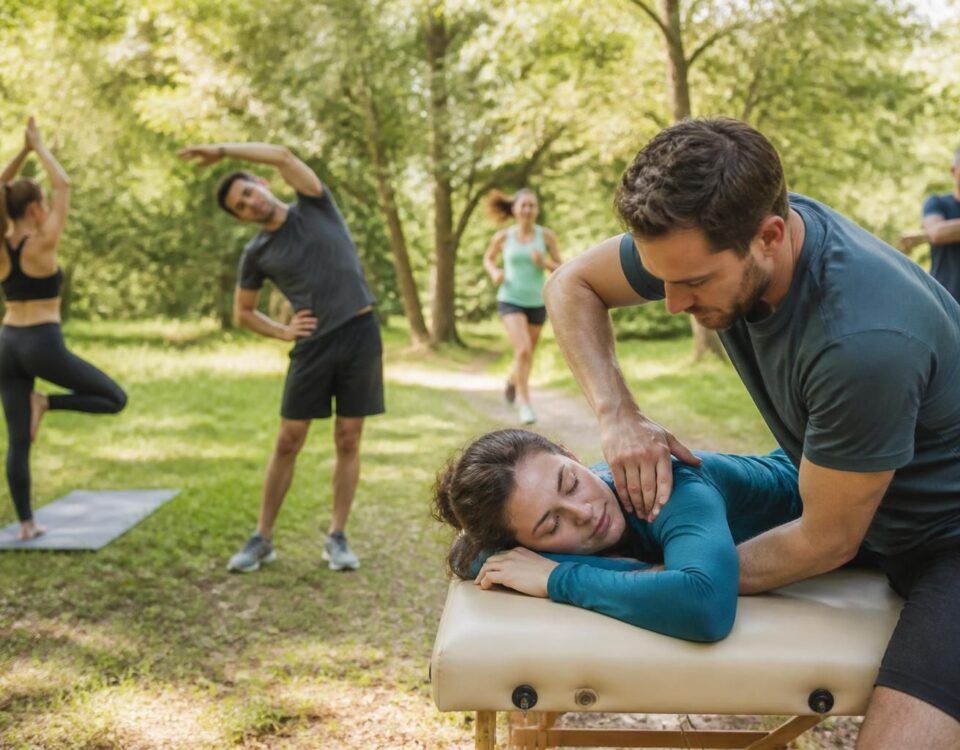
Osteopathy and stress: how to release physical tension
27/06/2026
In short
| In short, theosteopathy is one Manual approach which targets the Chronic pain To get a Sustainable relief. What does this imply? a discipline that considers the body as a whole and seeks to correct the Mechanical malfunctions underlyings rather than being satisfied with the symptom. The benefits keys include a pain reduction, a Improving mobility and posture, a Prevention of recurrences, all in one Non-drug approach. How does it work? The practitioner manually evaluates areas of tension and restrictions, then applies gentle and global techniques to restore balance and promote self-regulation of the body. The result: a better quality of life with less tension and functionality found on a daily basis. In Montreal, this service is particularly recommended for chronic lower back and cervical pain. |
For chronic pain,osteopathy Presents as a lasting solution by working on root causes rather than just symptoms. Its strength lies in an approach holistic which evaluates the body as a whole and identifies the imbalances that contribute to pain.
- Global approach of the body and tension chains to target dysfunctions that cause pain.
- Soft manual techniques and targeted that restore mobility, reduce tension and improve circulation without drug reliance.
- Prevention and self-management With postural advice and exercises to do at home, promoting patient autonomy.
- Non-drug effects and low risk of side effects, offering an alternative to prolonged drug intake.
- Sustainable results On pain and function in many patients, with benefits that can be maintained over several weeks to months and be part of a recurrence prevention process.
In practice, it often integrates with a multimodal strategy including adapted physical activity and, when necessary, collaboration with other health professionals to optimize well-being and quality of life in the long term.
This article, written by a health professional and expert, explains why theosteopathy May be a lasting solution for chronic pain. It describes how this approach works, the evidence it has, and how it fits into global health management. The goal is to present clear, data-based information, without unrealistic promises.
A patient-centric approach
The patient is assessed as a whole. theosteopathy Look for the possible causes of pain, and not just symptoms. This approach aims to restore the functional balance of the body and promote natural self-repair.
What the evidence say
The most rigorous studies indicate a Moderate to significant relief chronic lower back pain in a majority of patients. The profits appear quickly and are generally maintained over several weeks to a few months. For cervicalgia and other musculoskeletal pain, clinical results are also promising and support the idea that the manual approach can influence pain and mobility.
The quality of the protocols varies and methodological limitations persist. However, the available data suggests that theosteopathy can offer a Non-drug alternative Effective, with generally minimal side effects.
Mechanisms of action and modern science
Contrary to popular belief, osteopathy does not “replace the bones” by magic. It acts more on the nervous system and connective tissues via precise manual stimulation. These manipulations would modulate the pain signals and promote better mobility.
The mechanisms involved include stimulation of mechanoreceptors and activation of pain regulating pathways. The effect on the autonomic nervous system can promote relaxation and recovery. Fascias and local circulation also play an important role in rebalancing tensions and metabolic exchanges.
When osteopathy brings the most benefits
Mechanical and musculoskeletal pain responds best to osteopathy. This includes non-specific low back pain, neck pain and some postural imbalances. The approach can also help reduce stress and stress related to stress, while improving mobility and everyday life.
For neuropathic pain or significant nerve compression situations, osteopathy can be part of multimodal management. The use of other medical treatments can be considered depending on the practitioner’s assessment.
Integration and security
Osteopathy is ideally part of a global pain management strategy. It can be associated with appropriate physical activity advice and ergonomic measurements. The goal is to support the patient’s ability to stay active and limit recurrences.
The safety of handling is high when performed by a qualified practitioner. Side effects are usually minor and transient.
To go further on integration and evidence, you can consult specialized resources on Advantages of osteopathy for recurrent sports pain and recent publications on the effectiveness of osteopathy in the treatment of chronic pain. Other useful resources address the efficacy of osteopathy for chronic pain and mechanisms of action within the framework of a balanced body.
Integration with other approaches
The Integrative medicine Associates osteopathy with approaches such as appropriate physical activity and, when necessary, medical advice. This multimodal approach can enhance outcomes and help prevent relapses.
For patients and professionals, structures involving osteopathy and other disciplines are working to offer coordinated courses. The objective is to combine the benefits of manual techniques with overall patient care.
To better understand the long-term benefits and mechanisms involved, learn about the efficacy and ethics of osteopathy as part of the chronic pain. Some recognized training and professional structures provide uniform training and evidence-based practice.
Training and professional executive
In terms of training, practitioners rely on recognized schools and programs that comply with rigorous repositories. In the international context, training includes establishments recognized by professional organizations. In France and elsewhere, specialized institutions provide demanding courses and a practice based on scientific and clinical bases.
Professionals in the field can be affiliated with recognized professional organizations. For patient safety, it is important to check the practitioner’s registration and qualifications, as well as the clarity of consent and treatment objectives.
Pedagogical and professional resources to consult include signs and associations that focus on evidence-based practices and patient safety. For patients, it is useful to turn to established clinics and information sites specializing in osteopathy and chronic pain.
Coordination with medical care is essential. In some situations, doctors and osteopaths work together to optimize pain treatment and management.
If you want to learn more about the practical aspects and observed results, consult the following resources on specific aspects of osteopathy and chronic pain: Tagmed Clinic, Prevention of musculoskeletal disorders, and Spine pain on sossciatica.com.
For additional information on training, limit your references to the following institutions: NUMSS, NAO, National University of Medical Sciences, National Academy of osteopathy.
Resources on the benefits and mechanisms of osteopathy in the context of sports and chronic pain are available via the following pages: Advantages of osteopathy for athletic pain, Reduction of inflammation, and Prevent musculoskeletal disorders.
To learn more about the role of osteopathy in overall health management, you can consult pages dedicated to the overall approach and efficacy in chronic pain.
For additional information on mechanisms and results, resources such as Muscle tensions related to repetitive activities and Chronic inflammations can be viewed.
For a clinical perspective on the mechanism and application, public and professional resources offer syntheses and evidence on lower back and cervical pain and manual action.
Medical Disclaimer: The information and advice provided on this site does not replace the health professional’s diagnosis or treatment. Please note that Dr. Sylvain Desforges osteopath is neither a doctor of medicine nor a doctor, and is not a specialist in a medical specialty as defined by the Collège des Médecins du Québec. Manual medicine, functional medicine and sports medicine as described on this site exclude any medical treatment or diagnosis made by a doctor or specialist doctor. Always consult your doctor for any medical questions. For more details, please read our full legal notice.
.osteopathy-sustainable { display: grid; Grid-Template-Columns: 1FR 1FR; Gap: 16px; } .item { padding: 6px 0; } .axis { margin-bottom: 8px; Font-Size: 0.95em; }

This recommendation explains why theosteopathy can be a solution lasting For chronic pain, based on a holistic approach, mechanisms explained by science and a strategy adapted to each person, including prevention and lifestyle. The objective is to reduce pain sustainably while restoring the mobility and quality of life without systematically using drugs.
Why Osteopathy Offers a Sustainable Solution
The first strength of osteopathy is based on a Overall assessment of the body. The practitioner examines the interactions between systems and researches Primary dysfunctions which can maintain or amplify the pain, even when the painful area seems limited. This vision holistic Identifies chains of tension and postural imbalances that are difficult to spot by targeted examinations alone.
a patient-centric approach and prevention
At the heart of this approach is the prevention of recurrences. By working on mobility, tissue balances and daily postures, osteopathy promotes Sustainable autonomy of the patient in the face of his pain. Postural education and adapted exercise advice complement the sessions, offering concrete tools to maintain the gains obtained during care.

How osteopathy improves the quality of life of active people
In short In short, theosteopathy is a global approach that Optimizes mobility and the function of the body of ACTIVE PEOPLE, for a better quality of life. It helps prevent injury and reduce Musculoskeletal pain While promoting the Sports recovery.…

Osteopathy and sports recovery: prepare the body for lasting performance
In short In short, Osteopathy and Sports recovery is one Global manual approach that sustainably prepares the body for the effort by restoring mobility and circulation After the effort. It is a discipline that acts on the sinews, the joints,…
How osteopathy acts on chronic pain
The mechanisms of action of osteopathy are not limited to a simple “reinstatement”. They involve a Nervous system modulation and improved connective tissue mobility. The manipulations and the consideration of the fascias activate the mechanoreceptors, which can decrease the perception of pain and promote better muscle coordination.
role of fascias and traffic
The fascias, rich in receptors, play a key role in the transmission of tensions and in the regulation of local circulation. By releasing adhesions and restoring tissue glide, osteopathy can improve metabolic exchanges and recovery, contributing to lasting pain reduction and Functional improvement.
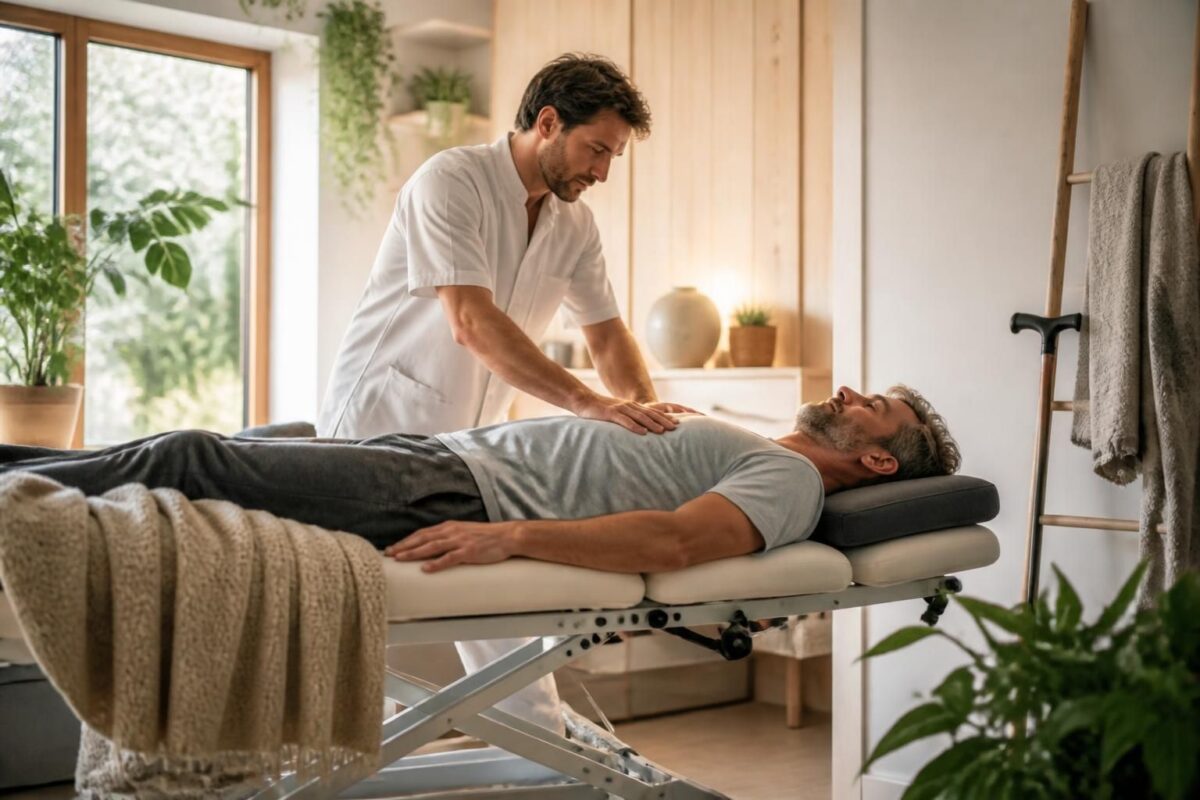
Why Osteopathy Is Essential For Recovery People
In short In short, Osteopathy in convalescence is an approach manual and holistic which helps to accelerate the recovery by restoring The balance, the mobility and a good circulation fabrics. it contributes to Reduce the pain, support the Back to…

Osteopathic manipulations to strengthen post-traumatic muscles
In short In short, Osteopathic manipulations for Strengthen post-traumatic muscles constitute a gentle manual approach aimed at restoring the mobility, reduce the pain and facilitate the Functional rehabilitation After a injury. What is Is it? A series of precise gestures…
Clinical evidence and limitations
Clinical trials and meta-analyses show that a large number of patients with low back pain or chronic neck pain experience pain improvement and a better function After osteopathic treatments, with effects that are maintained over several months. However, the research method in this area has methodological limitations, and efficacy may vary depending on the nature and age of the pain, as well as individual characteristics. Osteopathy is not a universal solution and is ideally part of an approach multimodal.
Framework and limits
The practice must remain supervised by a qualified professional. When significant neuropathic pain or warning signs appear, medical care is necessary. Osteopathy is then integrated into a global strategy, in collaboration with doctors and specialists, to optimize the results and limit the risks.

Osteopathy and prevention of work-related musculoskeletal disorders
In short theosteopathy is one Manual approach that restores body balance and prevents MSD related to work. Its advantages: reduction of tension, improvement of mobility and prevention of chronic pain. She is preventive and healing, suitable for office and trades…

The benefits of osteopathy to treat muscle imbalances
In short theosteopathy is a manual approach to restore themuscle harmony and postural considering the body as a whole. Its main benefits include the reduction of aches and tensions, the improvement of the mobility and from the posture, and prevention…
Integration, security and accessibility
Safety is high when acts are performed by osteopaths trained and governed by professional standards. Adverse effects are generally minor and transient (sores, slight fatigue). In practice, a succession of initial sessions (sometimes 3 to 4, depending on pain and response) is followed by regular interviews and appropriate reassessments, in order to consolidate gains and prevent relapses.
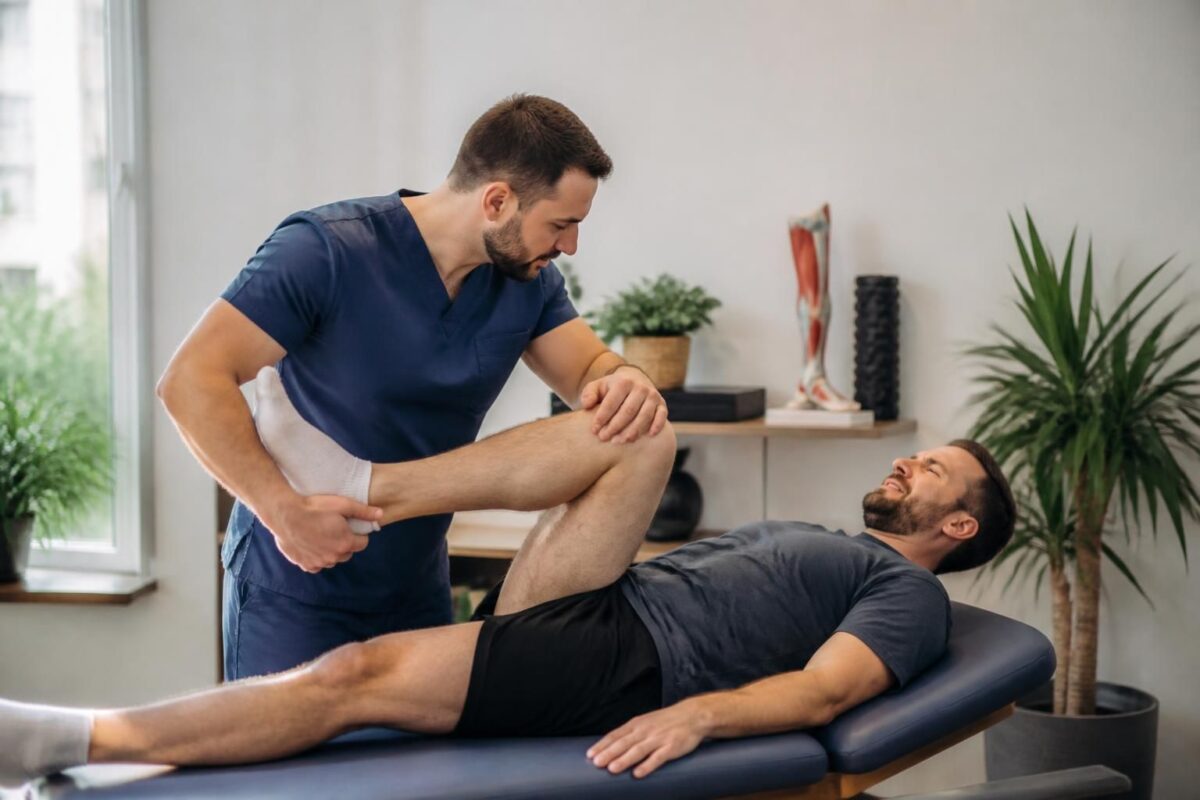
Osteopathy and chronic leg pain: regaining an optimal quality of life
In short In short, Osteopathy is one Global manual approach aimed at reducing Chronic leg pain and improve the quality of life. What is it? Non-drug therapy using the hands to identify restrictions and treat lesional chains. How does it…
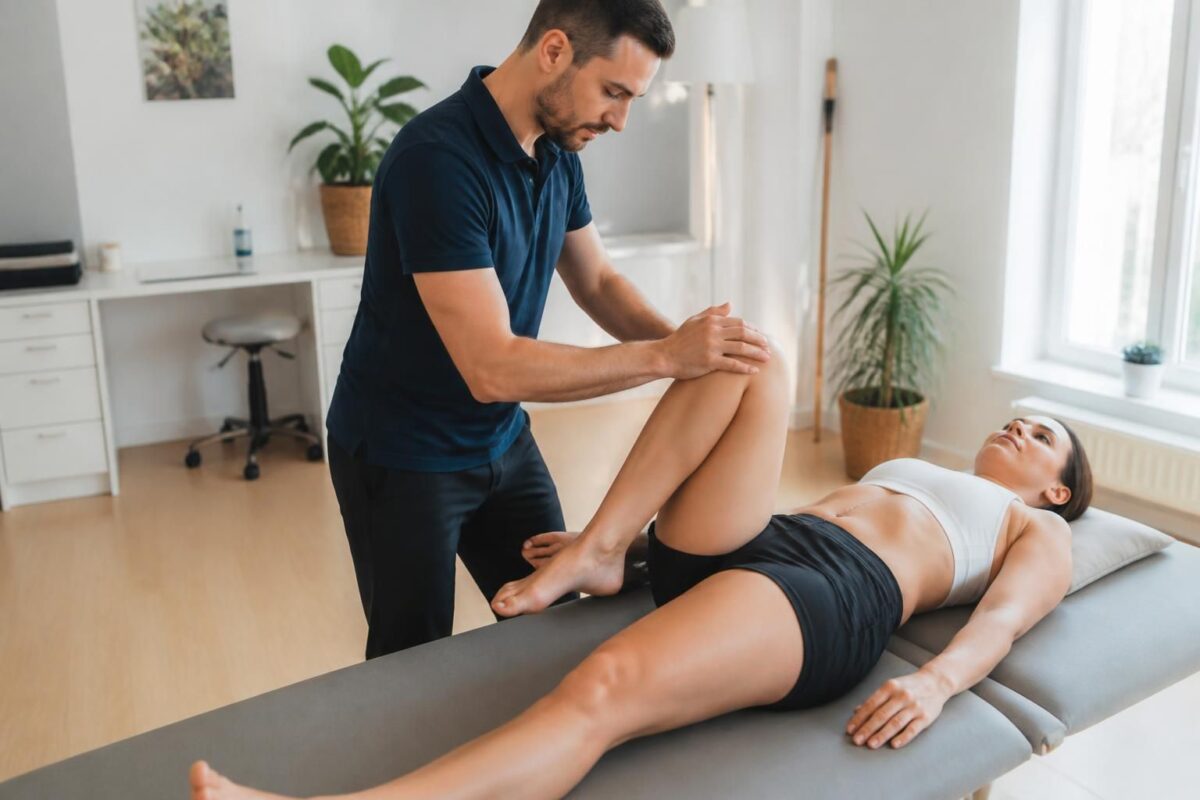
How osteopathy supports recovery after complex surgery
In short In short, Post-operative osteopathy is an approach fresh which supports the recovery After a Complex surgery. It helps to reduce the pain and the fatigue, improves the mobility and accelerates the healing thanks to a better vascularization and…
Relationship with other approaches and lifestyle
To optimize the results, osteopathy is often part of a strategy multimodal including physiotherapy, appropriate physical activity (walking, swimming, yoga, pilates), and, when necessary, targeted medical care. The objective is to rebalance the body as a whole and improve the resilience Faced with stressors and repetitive postures of everyday life.
favoring an approach personalized And focused on patient education, osteopathy offers a tangible path to more sustainable management of chronic pain, allowing you to regain an active and more serene life.
Osteopathy and durability of chronic pain
| Aspect | Concise description |
|---|---|
| holistic approach | Treats the body as a whole and targets functional chains sources of pain. |
| gentle and adapted techniques | Targeted mobilization and moderate handling that reduces tension and preserves safety. |
| Autonomy and education | Support with postural advice and exercises for sustainable management. |
| Security and tolerance | Low risk when the practitioner is qualified; generally mild side effects. |
| complementarity | integrates with other approaches (adapted physical activity, physiotherapy) to optimize results. |
| Effect on pain and function | Reduction of intensity and improvement of mobility in the medium term (3–6 months depending on the case). |
| Prevention of recurrences | Postural improvement and mobility that reduce the risk of reappearance. |
| Practitioner quality | Diploma and experience strongly influence the sustainability of benefits. |
| Evidence and application framework | Data suggest relief and functional improvement when it fits into a multimodal strategy. |
My name is Marie, I am 41 years old and I am a caregiver. Before, the lower back pain touched me on a daily basis and the usual treatments only brought me temporary relief. Since I discovered theosteopathy, I see improvements that are long-term. My body is more balanced and my pain comes back less frequently, which really changes my quality of life.
I am Thomas, 56 years old and I work in the office. After years of cervical pain and morning stiffness, I chose a different approach. the sessions, focused on a Global approach, helped to decrease the intensity of the symptoms and to reduce my addiction to drugs. Today, I find a mobility that accompanies me in the long term.
My name is Léa, I am 29 years old and I am athletic. Back pain and accumulated tensions weighed on my performance. Since my osteopathy sessions, I have found a Sustainable mobility and better recovery after exercise. It is reassuring to know that this approach can support my training without pushing me to take analgesics.
My name is Bernard, 68 and retired. My joints made me suffer on a daily basis and limit my simple activities. Thanks to appropriate osteopathic care, I feel that my chronic pain Gradually step back and that my “painless” outings become a habit rather than an exception.
I am Camille, 34 years old and active mom. After pregnancy, some pelvic tension and pain persisted. Osteopathy helped me restore a global balance and regain comfortable mobility. Today, I feel more serene on a daily basis and I can take care of my child without pain that lasted too long.
I share with you the testimony of Antoine, 45 years old, project manager. His experience illustrates the lasting potential of this approach well: by working on posture, breathing and simple daily adaptations, he notices a lasting reduction in pain and a better maintenance of his professional performance, without drug dependence and with better prevention of recurrences.
the DR Sylvain Desforges, expert in osteopathy, naturopathy and manual medicine, is the founding president of the Tagmed clinics and the ACMA association. His career is marked by a vocation ofHealth Innovation and constant attention to the management of chronic pain. Specialized in patients with persistent lower back and spinal pain, he favors an approach multimodal which associates osteopathy with advanced technologies such as spinal decompression, laser and shockwave therapy. Its mission is to provide evidence-based care in order to optimize the health and the welfare of his patients, while strengthening their autonomy in the face of pain.
His approach is based on a vision holistic: The body is considered a functional unit where a restriction in a region can disrupt the overall balance and trigger symptoms remotely. The practitioner’s work is based on a precise palpatory diagnosis, carried out exclusively by the hands, in order to identify primary dysfunctions rather than focusing alone on the painful area. This philosophy leads to evaluations that take into account postural chains and tissue tensions, often not visible on classical examinations.
Techniques have evolved towards softer and more diverse approaches, mixing joint mobilizations, fascial work, cranio-sacral manipulations and visceral techniques. This palette makes it possible to adapt the gestures to each patient, favoring gestures Fabric-friendly and gradually adjusting the imbalances. The objective is to improve overall mobility, reduce tensions and restore functional patterns that support everyday life, including among athletes and active people.
The scientific data sheds constructive light on osteopathy as a lasting solution for chronic pain. Controlled trials and meta-analyses show that osteopathy can offer moderate to significant relief for chronic low back pain and improve function, with benefits that persist for several weeks to several months. For cervicalgia, the results also result in decreased pain and improved mobility, suggesting that the mechanisms of action exceed the placebo effect and involve modulation of the nervous system and connective tissues.
At the heart of its action, osteopathy aims to prevent recurrences and promote a better quality of life in the long term. It is ideally part of a process preventive, by encouraging appropriate physical activity, appropriate ergonomics and support multidisciplinary when necessary. In practice, this translates into a collaboration with physiotherapists, doctors and psycho-corporal therapists, in order to support the patient in the lasting management of his pain and stress. Dr. Desforges is committed to supporting each patient with transparent communication and personalized follow-up, guarantees of efficiency and sustainability.
For those looking for an approach custom-made, centered on the cause and not only on the symptom, Dr. Desforges’ osteopathy offers a credible and lasting path towards a recurring pain-free life. Each course is designed to adapt to the patient’s history, goals and lifestyle, in order to promote sustainable recovery and a better quality of life on a daily basis.
Learn more about his approach and available services at the TagMed Clinic, where expertise and technologies converge to sustainably support your health and well-being.
This summary demonstrates that theosteopathy can be a lasting solution for chronic pain when focusing on Global approach, adapted techniques and real integration with other therapeutic resources. It is based on clinical results, identified physiological mechanisms and application conditions that make it possible to distinguish marketing promises from real benefits on the daily life of patients.
Prospects and implications
A holistic approach and personalized is at the heart of sustainable efficiency. The osteopath evaluates the body as a whole, identifies chains of dysfunction and proposes precise gestures, adapted to the patient, rather than treating a painful area. To deepen how osteopathy acts on musculoskeletal health, you can consult dedicated resources such as those of SOS sciatica and other specialized analyses.
The Clinical evidence Show that, in chronic lower back pain and some neck pain, osteopathic manipulations can reduce pain intensity and improve function in the short and medium term. Recent summaries indicate that between 60 and 70% of patients experience moderate to significant relief, with a possible persistence of 3 to 6 months after the sessions, while underlining the need for high methodological quality methods in future research. For an update of the data, see recent analyzes published in the specialized literature.
The mechanisms of action explained by the modern sciences are not based on a logic “reset the bones” but on the influence of the nervous system and connective tissues. Osteopathic techniques stimulate joint and myofascial mechanoreceptors, modulating the pain signal and promoting better mobility. In addition, action on the autonomic nervous system and on stress regulation contributes to an overall improvement in well-being and can help prevent recurrences. To understand these notions, the reference articles and journals offer accessible and documented syntheses, some of which address the effects on chronic pain and stress.
A sustainable approach is also part of a multimodal strategy. Osteopathy does not claim to replace conventional medicine, but it is ideally integrated with appropriate physical activity, targeted exercises and, when necessary, psychological or physiotherapist support. This synergy is repeated in current chronic pain management recommendations and can maximize long-term benefits. To deepen this aspect, online resources discuss the alliance between osteopathy and other therapies and offer practical frameworks based on evidence.
Precise indications make it possible to identify situations where osteopathy can sustainably benefit. Mechanical pain (non-specific back pain, neck pain, tension headaches) responds more favorably to an osteopathic approach than pure neuropathic pain or active inflammation requiring specialized medical care. The wise practitioner knows how to recognize the red flags and move towards medical use when necessary, while pursuing the osteopathic aspects compatible with the overall care.
The sustainability of the results also depends on individual factors and the management framework. The age of pain, age, traumatic history and level of physical activity influence prognosis. Observance of postural advice and exercises at home can accelerate and prolong profits. In this sense, osteopathy is a key component of a personal strategy for preventing relapses and optimizing mobility and posture.
For those who wish to broaden their knowledge and access additional resources, articles and summary reports make it possible to monitor the evolution of the data and to evaluate the indications, mechanisms and results observed in different populations and contexts. In particular, you can explore recent analyzes and systematic reviews that discuss mechanisms of action, functional benefits and limitations of osteopathy in the management of chronic pain, as well as practical orientations for safe and effective practice.
To enrich your understanding and access testimonials and studies, consult the following resources:
To deepen the impact of osteopathy on musculoskeletal health, Osteopathy improves musculoskeletal health.
For updated information on scientific data on chronic pain and osteopathy, The latest scientific data.
To understand how osteopathy can improve joint function after injury and support rehabilitation after a sprain, These resources detail the mechanisms and results.
For concrete examples of post-injury rehabilitation, you can read How osteopathy supports rehabilitation after a sprain.
For perspectives related to chronic pain and osteopathy in a globalized approach, additional analyzes and testimonies are available, including from Dr. Desforges publications and specialized resources in the field.

Dr Sylvain Desforges, B.Sc., D.O., N.D., osteopath, is the founding president of TAGMED and of the ACMA association. He dedicates his practice to chronic spinal pain, low back pain and symptoms compatible with sciatica, particularly when pain radiates toward the buttock, leg, calf, foot or toes.
Through SOS Sciatique, he publishes educational content on sciatica symptoms, possible causes such as disc herniation, disc narrowing, foraminal stenosis or irritation of a lumbar nerve root, as well as non-surgical approaches that may be considered according to the evaluation. At Clinique TAGMED, care may include, depending on the case, motorized neurovertebral decompression, specific osteopathic care or precision percussion.
For an evaluation related to sciatica treatment in Montreal / Mount Royal or sciatica treatment in Terrebonne, please consult the services available at Clinique TAGMED.
Medical disclaimer
The information published on SOS Sciatique is provided for educational purposes only and does not replace a consultation, diagnosis, opinion or treatment provided by a physician or another authorized healthcare professional. The author of this article is neither a medical doctor nor a specialist in a medical specialty recognized by the Collège des médecins du Québec. The osteopathic, manual medicine or functional support approaches described on this site do not constitute medical acts and are not intended to replace medical follow-up.
Consult a physician or emergency service in cases of loss of bladder or bowel control, anesthesia in the saddle area, significant or progressive weakness in the leg or foot, fever, recent trauma, severe pain or rapid worsening of symptoms. For more details, please read our Legal Notice.