How osteopathy improves mobility after surgery
27/06/2026
Osteopathic manipulations to treat postural imbalances
27/06/2026In short In short, theosteopathy and the stress form an approach that relaxes Physical tensions By acting on the autonomic nervous system, the diaphragm and the fascias. Concise definition: a manual practice that aims to restore the balance of the body in order to limit the effects of stress on tensions. Advantages: reduction of cortisol, Improved sleep and breathing, decreased stress related pain. Functioning: gentle techniques on the diaphragm, skull and fascias that stimulate the parasympathetic, promoting a state of calm and recovery. Local targeting: at Savigny-le-Temple, this service is accessible and non-medicated, integrating into a global health course. |
osteopathy and stress : Relax physical tension is possible. Osteopathy considers stress as a global imbalance that is manifested by Muscle tensions, pain and trouble sleeping. By acting on the autonomic nervous system, the diaphragm and the fascias, it helps to restore the mode parasympathetic and deeper breathing. This approach can bring a feeling of lightness, smoother breathing and a calmer mind. Often, one to three sessions are enough to perceive a lasting effect, supplemented by simple gestures: diaphragmatic breathing, hydration and gentle physical activity.
This article, written by a health professional, explains how the stress Influences the body and how theosteopathy Can help relax physical tension. we clarify the mechanisms of autonomic nervous system, physiological effects and available evidence. There are also practical tips to support treatment and resources to deepen the topic.
Understanding stress and its impact on the body
Stress is not just a mental sensation. It is a real physiological reaction. Under pressure, the brain activates the neuroendocrine axis. This cascade increases the production of adrenaline and then cortisol. Result: the heart beats faster, the muscles contract and breathing accelerates. The body can remain on alert for a long time.
Chronic stress maintains muscle tension and can disrupt digestion, sleep and breathing. The autonomic nervous system is then unbalanced between the sympathetic system (activity) and the parasympathetic system (rest and recovery). These imbalances often explain muscle pain and tension in the back, neck and shoulders.
To better understand the issues and possible solutions, you can consult resources that address the sustainable interest of osteopathy and its role in post-operative rehabilitation, as well as its impact on articulatory mobility and Chronic pain.
How osteopathy acts on stress
theosteopathy acts through a manual and global approach. It aims to restore the balance of the body and reduce the effects of stress on the body. The objective is to promote a return to a state of physiological rest, in particular by:
Action on the autonomic nervous system and on the deep tensions of the painful areas (back, neck, thorax).
She also works on the diaphragm and breathing. By releasing the diaphragmatic and cervical areas, it facilitates a more diaphragmatic breathing and more efficient. The work on the skull and the fascias Can improve mobility and reduce adhesions related to chronic emotional stress.
Osteopathic techniques promote the return of parasympathetic system, which improves calm, recovery and regulation of nervous tone. In practice, many people report a feeling of lightness and deeper sleep after a session.
Scientific evidence and clinical observations
Several clinical observations support the action of osteopathy on stress. Studies indicate that osteopathic treatments can influence physiological parameters associated with stress, such as Heart rate variability and the cortisol rate after session. Other research shows an increase in vagal tone, a sign of a favorable effect on the parasympathetic system.
Beyond the measurable results, patients describe better breathing, a lasting feeling of relaxation and a decrease in stress-related tensions in the long term. To deepen the mechanisms and perspectives, you can explore resources that address the effectiveness of osteopathy in managing stress and associated pain.
To enrich your knowledge, consult resources on osteopathy and joint mobility, and on global approaches to chronic pain.
Practical advice between sessions
Osteopathy is more effective when integrated into a wellness routine. Here are simple habits to adopt between visits:
Practice the cohérence cardiaque A few minutes a day to promote rest of the nervous system.
Hydrate properly to maintain fascia flexibility and ease muscle relaxation.
Establish gentle and regular physical activity, such as walking or yoga, to promote endorphin production and alleviate tension.
Maintain regular sleep and limit screens before bedtime to support rest and recovery.
Adopt an anti-inflammatory diet that favors magnesium, omega-3 and collagen, useful elements for stress regulation and tissue health.
To deepen the links between osteopathy and stress and discover how other approaches can support these results, consult specialized resources and articles that include the benefits of posture and mobility.
Integrating osteopathy into a health course
theosteopathy Does not replace medical care. It can be part of a global health course, in addition to lifestyle and medical advice. In case of chronic stress, regular follow-up with an osteopath can be considered, with a periodicity adapted to each patient.
Resources that address the lasting action of osteopathy on pain and stress, and that discuss the impact on mobility and posture, can be useful to inform your decision and your journey.
Professionals can also recall the relevant training for students and practitioners wishing to deepen these areas, in particular the training courses recognized by the institutions specialized in osteopathy.
Useful links To deepen certain concepts and contexts:
Why osteopathy is a lasting solution for chronic pain
Osteopathy and mobility — Improve joint movements
Why osteopathy is essential for postoperative rehabilitation
Osteopathy and chronic pain — deepen
How Osteopathy Improves Posture in Active Patients
Training and Practice: Osteopathy training can be followed with NUMSS and NAO institutions, or National University of Medical Sciences and National Academy of osteopathy, according to the courses offered and professional requirements.
Medical Disclaimer: The information and advice provided on this site does not replace the health professional’s diagnosis or treatment. Please note that Dr. Sylvain Desforges osteopath is neither a doctor of medicine nor a doctor, and is not a specialist in a medical specialty as defined by the Collège des Médecins du Québec. Manual medicine, functional medicine and sports medicine as described on this site exclude any medical treatment or diagnosis made by a doctor or specialist doctor. Always consult your doctor for any medical questions. For more details, please read our full legal notice. »
- Therapeutic axis : regulation of autonomic nervous system to promote rest and recovery.
- Diaphragmatic breathing : release of diaphragm and deep breathing to decrease stress activation.
- Musculoskeletal relaxation : release of tensions in the neck, the shoulders and the back.
- work of the fascias : release of adherence and improvement of mobility.
- Cranio-sacral approaches : Effects on the stress and theanxiety.
- Number of sessions : 1 to 3 sessions for a Sustainable soothing effect, possible follow-up every 6 to 8 weeks.
- Observed results : feeling of lightness, freer breathing, better sleep.
- Advice between sessions : cohérence cardiaque, hydration, gentle physical activity and regular sleep.
This article explains how theosteopathy can help to relax the physical tensions linked to the stress, by acting on the autonomic nervous system and on the deep structures of the body. By combining targeted techniques and simple habits, you can calm the muscles, improve breathing and promote more restful sleep. Results observed in practice and in research suggest measurable physiological effects, such as better regulation of the vagal tone and a reduction in cortisol. This guide offers concrete recommendations to support osteopathic work and to sustainably reduce stress-related tensions.
Understand the link between stress and physical tensions
The stress is not only mental: it is a physiological response that can maintain tense muscles, especially in the neck, shoulders and back. This chronic tension can feed cervical pain, headaches and sleep disorders. The body goes into constant alert mode, which disrupts breathing, digestion and the immune system. The autonomic nervous system Switches between the sympathetic (activity) and the parasympathetic (rest and recovery), and it is precisely on this balance that osteopathy acts.

How osteopathy improves the quality of life of active people
In short In short, theosteopathy is a global approach that Optimizes mobility and the function of the body of ACTIVE PEOPLE, for a better quality of life. It helps prevent injury and reduce Musculoskeletal pain While promoting the Sports recovery.…

Osteopathy and sports recovery: prepare the body for lasting performance
In short In short, Osteopathy and Sports recovery is one Global manual approach that sustainably prepares the body for the effort by restoring mobility and circulation After the effort. It is a discipline that acts on the sinews, the joints,…
How osteopathy acts concretely
Through an approach overall and gentle techniques,osteopathy aims to restore the balance of the body and reduce the impact of stress. We are working on the diaphragm and breathing, on the tension zones (back, neck, thorax) and on the fascias which envelop muscles and organs to release mobility restrictions.
The role of diaphragm and breathing
The diaphragm Often stretches under the effect of stress, limiting breathing and feeding a circle of tension. By promoting a Diaphragmatic breathing and deep, osteopathy stimulates the parasympathetic, brings the body back to rest and improves oxygenation. This rediscovered energy frequently results in a feeling of calm and a better ability to manage daily stimuli.
Work on fascias and deep structures
The fascias Stiffen with stress, creating adherences and limiting overall mobility. the techniques myofasciales Release these tensions, restore fluidity of movements and allow a feeling of lightness in the body. This lasting effect can facilitate better posture and less stiffness after daily efforts.
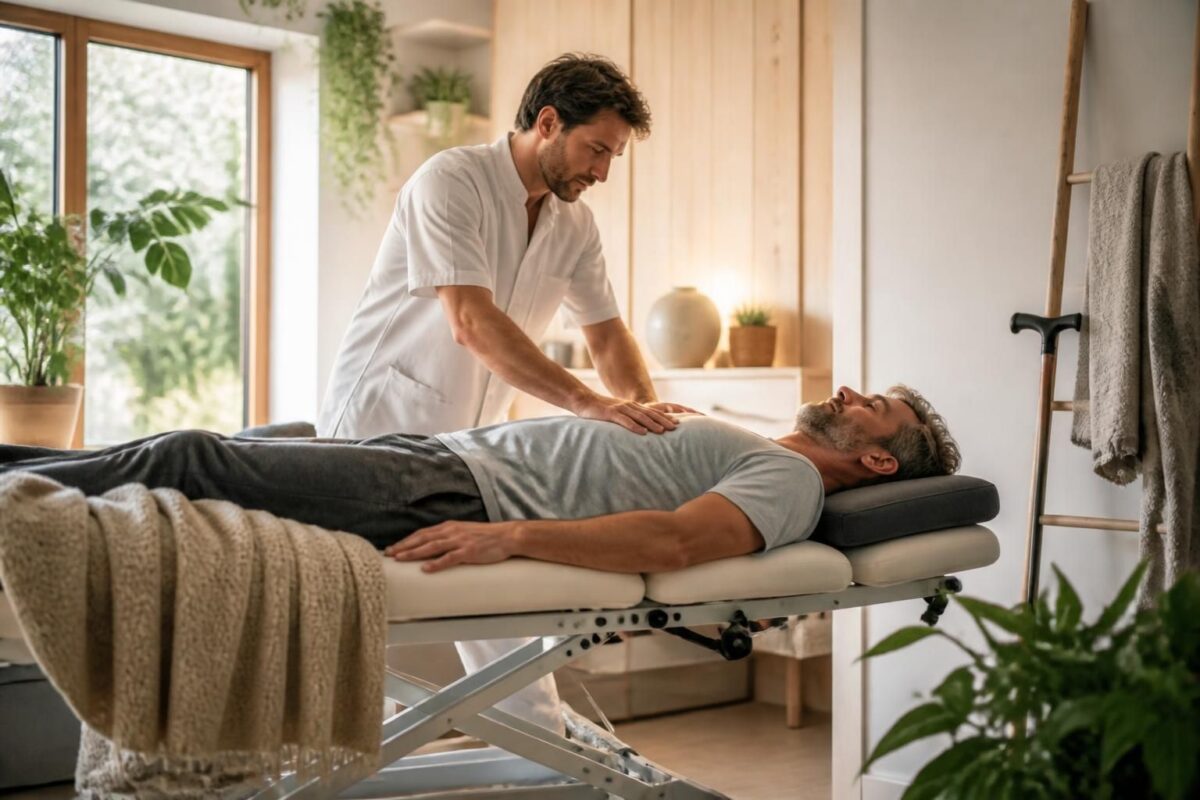
Why Osteopathy Is Essential For Recovery People
In short In short, Osteopathy in convalescence is an approach manual and holistic which helps to accelerate the recovery by restoring The balance, the mobility and a good circulation fabrics. it contributes to Reduce the pain, support the Back to…

Osteopathic manipulations to strengthen post-traumatic muscles
In short In short, Osteopathic manipulations for Strengthen post-traumatic muscles constitute a gentle manual approach aimed at restoring the mobility, reduce the pain and facilitate the Functional rehabilitation After a injury. What is Is it? A series of precise gestures…
Practical tips to support the effect of osteopathy
Between sessions, adopt simple habits that reinforce the benefits obtained by osteopathic intervention. The cohérence cardiaque is an accessible tool: 5 minutes, three times a day, to calm the nervous system and promote emotional regulation.
Make sure you have a good hydration and to a Mild physical activity (Walking, swimming, yoga) that release tension without excessively straining muscle structures.
Install a sleep regular and favor a Anti-inflammatory diet To support recovery and limit painful stress-related reactions. In addition, reduce screens before bedtime and opt for soothing routines to improve the quality of rest.
| Element | Concise description |
|---|---|
| autonomic nervous system | Restores the balance between sympathetic and parasympathetic system, promoting rest. |
| Fascia and muscular tensions | Releases deep tension and grip, improves mobility and comfort. |
| Diaphragmatic breathing | Releases the diaphragm, facilitates deep breathing and reduces chest tension. |
| Cranio-sacral techniques and cranial fascias | calm the nervous system and reduce stress-related tensions. |
| Heart rate variability | stress adaptation index; May improve after session. |
| Cortisol and hormonal stress | Possible decrease in cortisol after the session, demonstrating a physiological effect. |
| Sleep | Improved quality and facilitation of falling asleep. |
| Sessions and progress | In general 1 to 3 sessions; Follow-up possible every 6 to 8 weeks. |
| Additional advice | Breathing, hydration and light physical activity between sessions to support effects. |

Osteopathy and prevention of work-related musculoskeletal disorders
In short theosteopathy is one Manual approach that restores body balance and prevents MSD related to work. Its advantages: reduction of tension, improvement of mobility and prevention of chronic pain. She is preventive and healing, suitable for office and trades…

The benefits of osteopathy to treat muscle imbalances
In short theosteopathy is a manual approach to restore themuscle harmony and postural considering the body as a whole. Its main benefits include the reduction of aches and tensions, the improvement of the mobility and from the posture, and prevention…
Testimonials: Osteopathy and stress — Relaxing physical tensions
“After months of constant tension in the neck and migraines related to work stress, osteopathy was a real turning point. In one session, my Physical tensions relaxed and my sleep improved. »
“I am a team leader and the stress invaded me every day. Through the intervention on the the nervous system and at work on the diaphragm, my breathing has become deeper And my less chaotic days. »
“As an active mom, stress-related pain accumulated in the upper back. osteopathic techniques have released the fascias and areas of tension, and I found a feeling of lightness throughout the body. »
“Periods of overwork awakened my lower back pain. Osteopathy has reduced Chronic tensions and improved my breathing, which gave me a more balanced new rhythm of life. »
“With constant stress, I felt like I was tense forever. A session of osteopathy calmed my Body tensions And my mind regained calm. It has become a benchmark in my health journey. »
“Each session is an opportunity to relearn how to breathe and relax areas that contract under stress. Between appointments, I apply simple advice such as cardiac coherence and appropriate hydration to support the benefits. »
This osteopath, expert in osteopathy, in naturopathy and manual medicine, is the founding president of tagmed and association acma. Its trajectory, placed under the sign of innovation in health, leads it to specialize in the management of chronic pain and in the integration of advanced technologies such as spinal decompression, laser and shockwave therapy. Its mission is to offer care evidence-based In order to optimize the health and well-being of its patients, including in situations where stress is manifested by physical and emotional tension.
The stress is not a purely psychological matter: it is a reaction physiological of the body in the face of pressure or danger. When it becomes chronic, it causes a cascade of repercussions on the musculoskeletal system and on the organs: fatigue, diffused pain, sleep disorders, and digestive disorders. The body can then remain on alert, with prolonged activation of the autonomic nervous system, which nourishes muscle tension and postural imbalances that fuel pain.
How theosteopathy Does it act to ease these tensions? by an approach overall And manual, it aims to restore the balance of the body and to cushion the effects of stress on the body. The objective is to promote a return to a state of physiological rest by acting on the autonomic nervous system, on the diaphragm and breathing, on areas of tension (back, neck, thorax) and on the skull and fascias, which are particularly sensitive to emotional loads. The gestures also mobilize the deep tissues to release adhesions and restore mobility, which often results in a feeling of lightness and freer breathing.
Numerous clinical observations and a growing base of publications suggest effects physiological measurable after osteopathy sessions dedicated to stress: improvement of the Heart rate variability, tone reduction parasympathetic and decreased cortisol levels after certain cranio-sacral and myofascial techniques. Although the results vary by individual, the corpus of data supports the idea that osteopathy is not only relaxing: it acts directly on the mechanisms that underlie the response to stress and maintain body tension.
In addition to the sessions, practical advice is needed to support the benefits obtained. Practice diaphragmatic breathing exercises on a daily basis, favor sufficient hydration, adopt a gentle physical activity and adopt a regular sleep routine strengthen the osteopathic action and facilitate the commitment of the parasympathetic system in rest and recovery states. Anti-inflammatory oils and food choices can also help reduce persistent tensions and improve overall body recovery.
To learn more about the approach and services available, ask the TagMed clinic and its dedicated osteopathy and stress regulation team.
This article explores how theosteopathy can relax the physical tensions associated with the stress, by acting on the autonomic nervous system, the diaphragm and the fascias, in order to promote a global balance and lasting well-being. There are explained mechanisms, scientific evidence and practical advice to support this therapeutic work.
The stress is not a purely mental matter: it is a physiological reaction that calls for the autonomic nervous system, leads to activation of the sympathetic and can block the return to rest. In osteopathy, the objective is to activate the parasympathetic and to re-tame the diaphragm and areas of tension (back, neck, thorax), in order to restore more free breathing and less tense muscle energy.
myofascial and cranio-sacral approaches act on the fascias and deep structures to dissolve adhesions that limit mobility and maintain tensions stress. In many cases, patients describe a feeling of rediscovered lightness and increased body fluidity after one or more sessions.
Scientific data indicate measurable effects after osteopathic treatments: reduction of cortisol salivary, improvement of the tone of the parasympathetic system, and better variability of the heart rate, a sign of better physiological regulation. To deepen, you can consult resources such as The scientific effectiveness of osteopathy in the face of stress and Relax tensions naturally. other resources like Prevention of musculoskeletal disorders and Essential osteopathy for an active life offer additional lighting.
In addition, practical advice can support osteopathic action: favor techniques such as cardiac coherence, hydrate regularly, practice gentle physical activity and maintain regular sleep. additional resources on these approaches and their benefits are found in particular on Osteopathy and stress and Prevent chronic disorders.
To discover how osteopathy can support you in your management journey of the stress, you can consider a consultation and refer to resources such as Osteopathy and relaxation of tensions and Optimal body alignment. additional reading and testimonials, in particular illuminate the mechanisms.
Between sessions, maintain a regular practice such as cardiac coherence, ensure sufficient hydration and choose an appropriate physical activity sustainably support the osteopathic benefits on the stress and bodily tension. Practical resources and additional advice can be found in particular on Mobility after intervention and Stress and osteopathy at work.
To initiate your approach, do not hesitate to make an appointment with a qualified osteopath and rely on these resources to build a global and personalized health course..
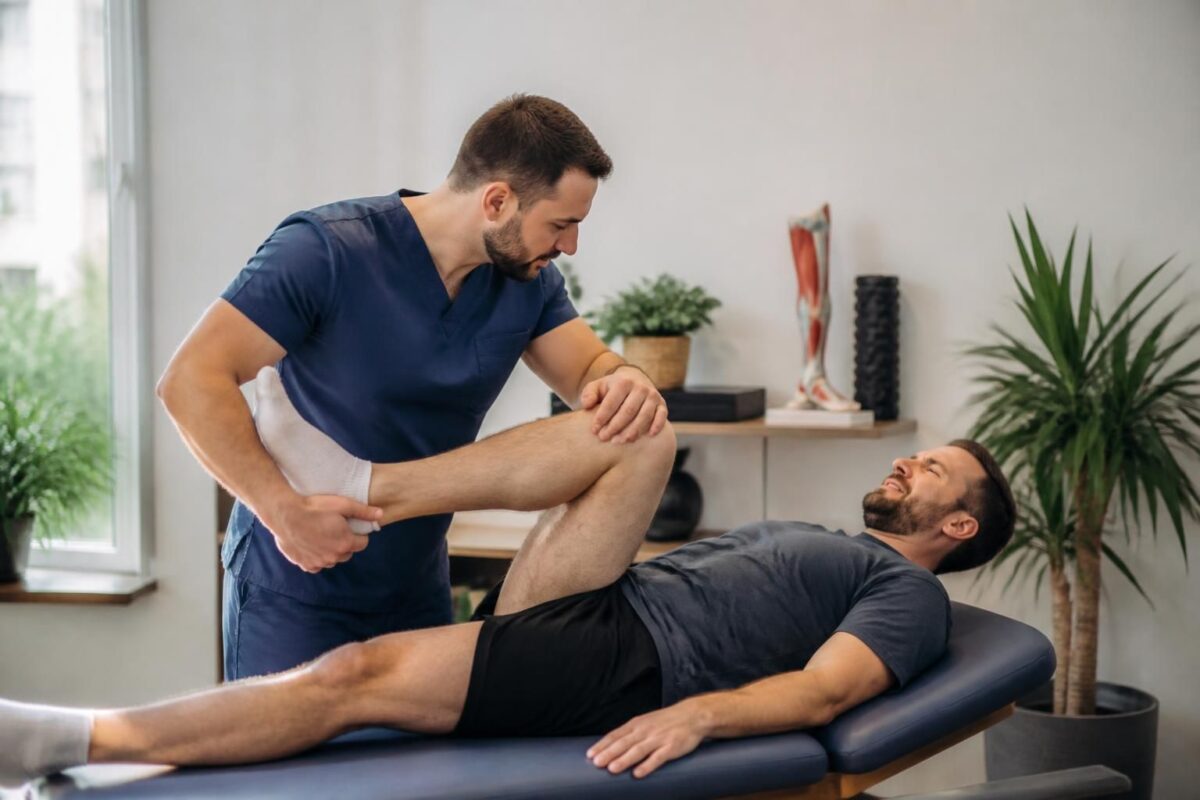
Osteopathy and chronic leg pain: regaining an optimal quality of life
In short In short, Osteopathy is one Global manual approach aimed at reducing Chronic leg pain and improve the quality of life. What is it? Non-drug therapy using the hands to identify restrictions and treat lesional chains. How does it…
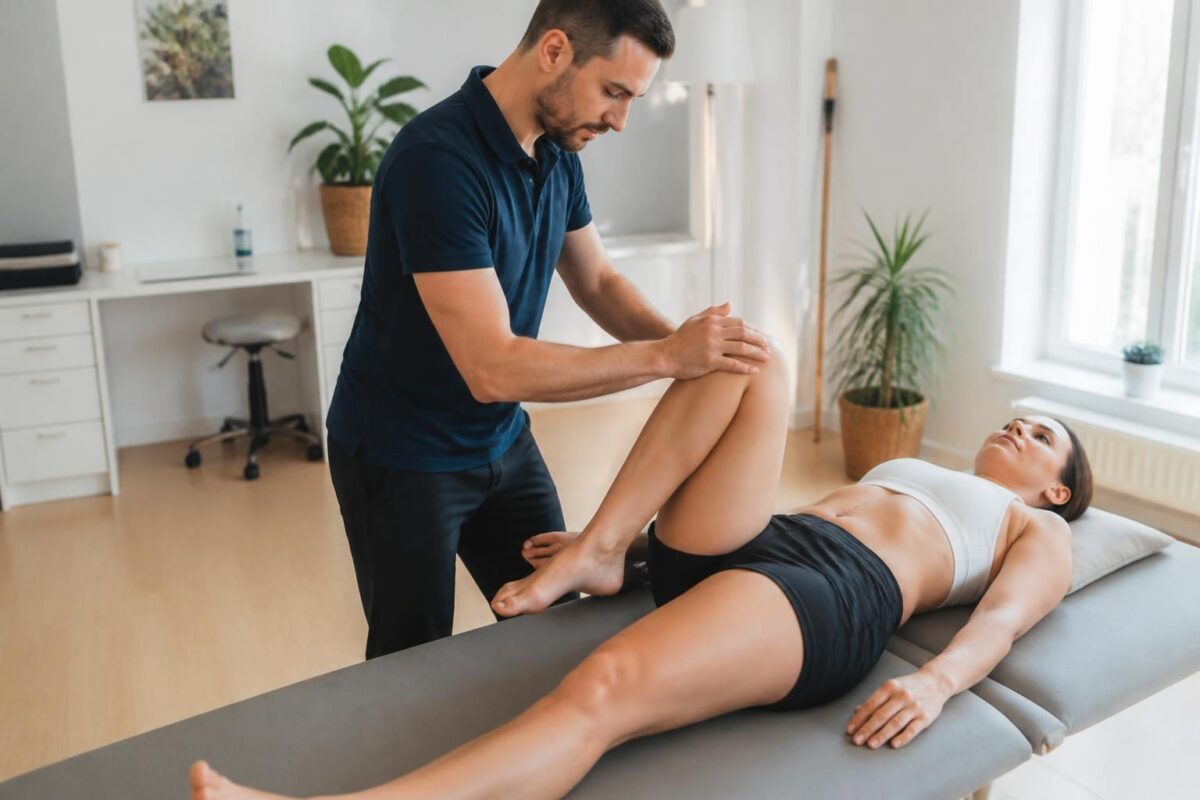
How osteopathy supports recovery after complex surgery
In short In short, Post-operative osteopathy is an approach fresh which supports the recovery After a Complex surgery. It helps to reduce the pain and the fatigue, improves the mobility and accelerates the healing thanks to a better vascularization and…

Dr Sylvain Desforges, B.Sc., D.O., N.D., osteopath, is the founding president of TAGMED and of the ACMA association. He dedicates his practice to chronic spinal pain, low back pain and symptoms compatible with sciatica, particularly when pain radiates toward the buttock, leg, calf, foot or toes.
Through SOS Sciatique, he publishes educational content on sciatica symptoms, possible causes such as disc herniation, disc narrowing, foraminal stenosis or irritation of a lumbar nerve root, as well as non-surgical approaches that may be considered according to the evaluation. At Clinique TAGMED, care may include, depending on the case, motorized neurovertebral decompression, specific osteopathic care or precision percussion.
For an evaluation related to sciatica treatment in Montreal / Mount Royal or sciatica treatment in Terrebonne, please consult the services available at Clinique TAGMED.
Medical disclaimer
The information published on SOS Sciatique is provided for educational purposes only and does not replace a consultation, diagnosis, opinion or treatment provided by a physician or another authorized healthcare professional. The author of this article is neither a medical doctor nor a specialist in a medical specialty recognized by the Collège des médecins du Québec. The osteopathic, manual medicine or functional support approaches described on this site do not constitute medical acts and are not intended to replace medical follow-up.
Consult a physician or emergency service in cases of loss of bladder or bowel control, anesthesia in the saddle area, significant or progressive weakness in the leg or foot, fever, recent trauma, severe pain or rapid worsening of symptoms. For more details, please read our Legal Notice.