Neurovertebral decompression and optimization of spinal health
25/06/2026
The proven results of neurovertebral decompression in seniors
26/06/2026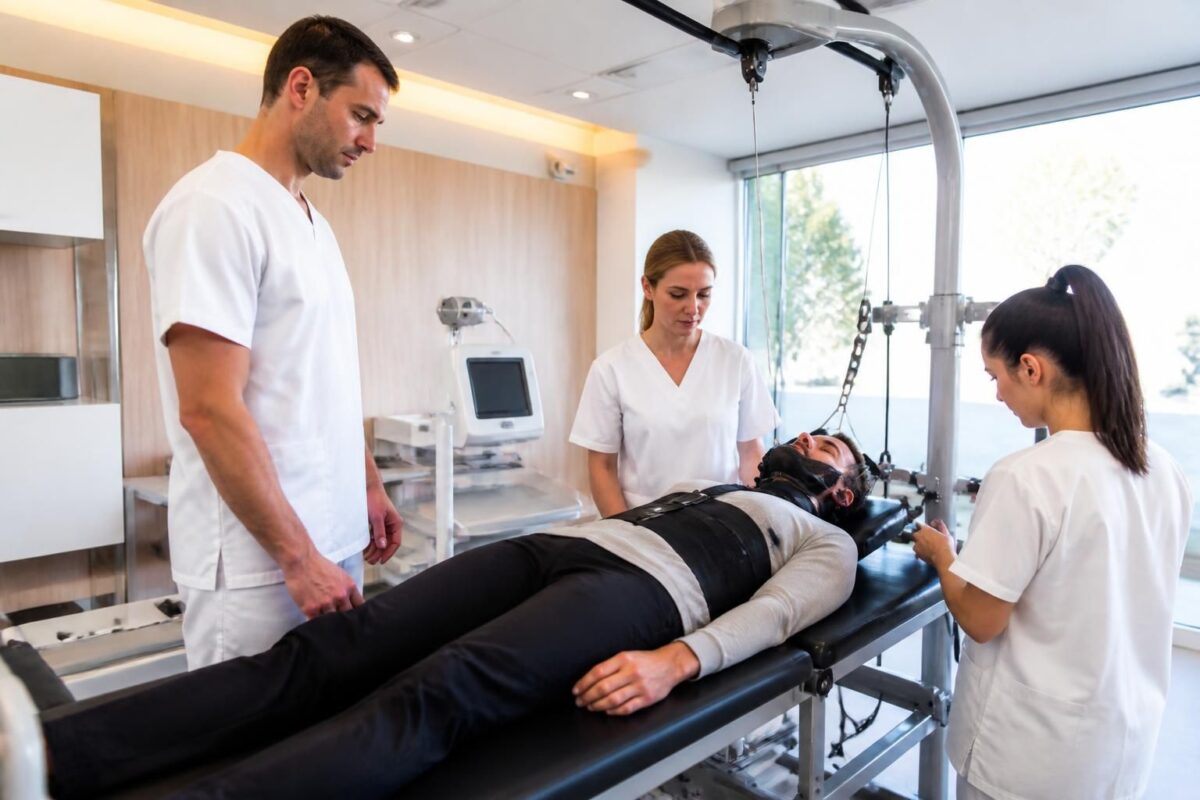
In short
| What is the neurovertebral decompression After a accident ? It’s a Non-invasive therapy who uses a gentle traction on the spine To reduce the pressure on the Intervertebral discs and the gristle, promoting recovery from trauma. What are the benefits ? pain reduction, Improving mobility, faster return to activities and Prevention of recurrences, all without surgery. How does it work? A device applies controlled traction that increases the space between the vertebrae, improves the circulation and the supply of nutrients to the discs, facilitating their healing. In Montreal, this service is particularly useful for those looking for an alternative non-surgical And who wish to resume their activities quickly after an accident. |
After a accident, the column may be subjected to compressions that aggravate pain and loss of mobility. The neurovertebral decompression is an essential solution: it generates a space between the vertebrae and greatly reduces the pressure on the records and the gristle.
By promoting the rehydration discs and a better circulation nutrients, it accelerates the recovery and reduces inflammation, contributing to a quick return to daily and sports activities. his approach non-invasive Allows to be used from the first phases of rehabilitation and can be associated with other therapies to optimize the results.
Each patient benefits from a Custom Plan which targets affected areas and adapts traction, which also helps prevent Chronic pain and long-term complications.
This text explains why the neurovertebral decompression is essential after a accident. This non-surgical therapy aims to reduce the pressure on the Intervertebral discs and the gristle. It can reduce pain, improve mobility and accelerate recovery, without surgery. At the TagMed Clinic in Montreal, she is part of an evidence-based approach and patient-centred management.
After an accident, lesions can cause increased pressure on the spinal structures. The neurovertebral decompression Acts to create space between the vertebrae. This pressure reduction helps reduce symptoms and promote tissue healing. It can also prevent the appearance of chronic pain and reduce the risk of future complications. For patients with an accident-related disc disease or nerve irritation, this approach offers an alternative non-invasive and focused on functional recovery.
In addition, this therapy can be associated with other multidisciplinary approaches within TagMed to optimize results, while avoiding more invasive interventions when possible. To learn more about mechanisms and results, you can consult specialized resources on this topic on Neurovertebral decompression and muscle pain associated with the back and on Clinical results and recent studies.
How it works after an accident
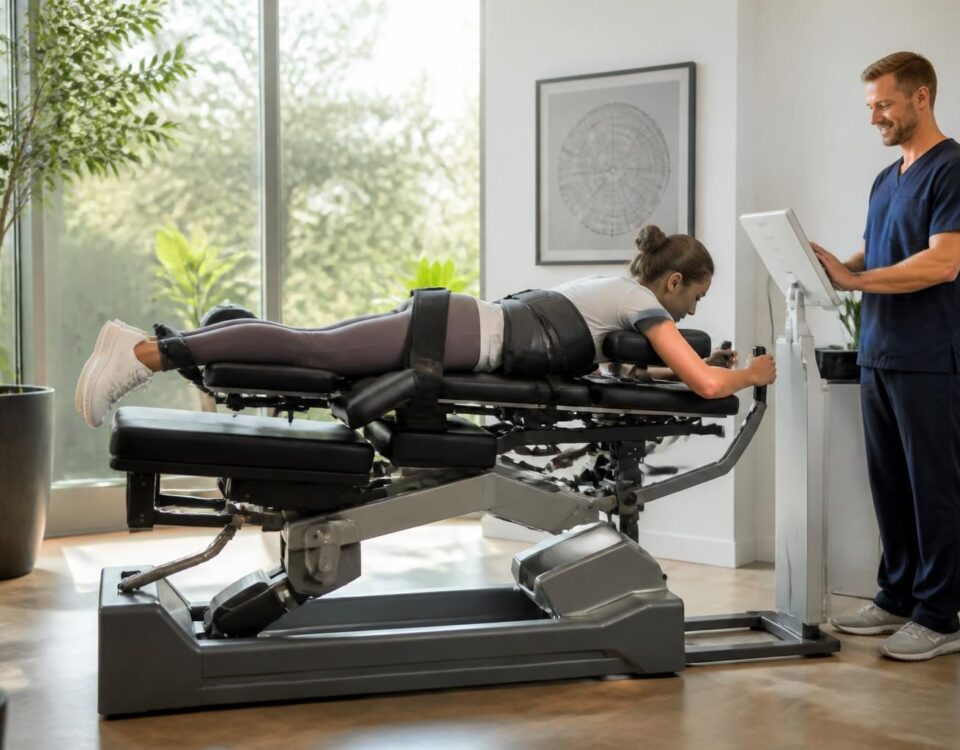
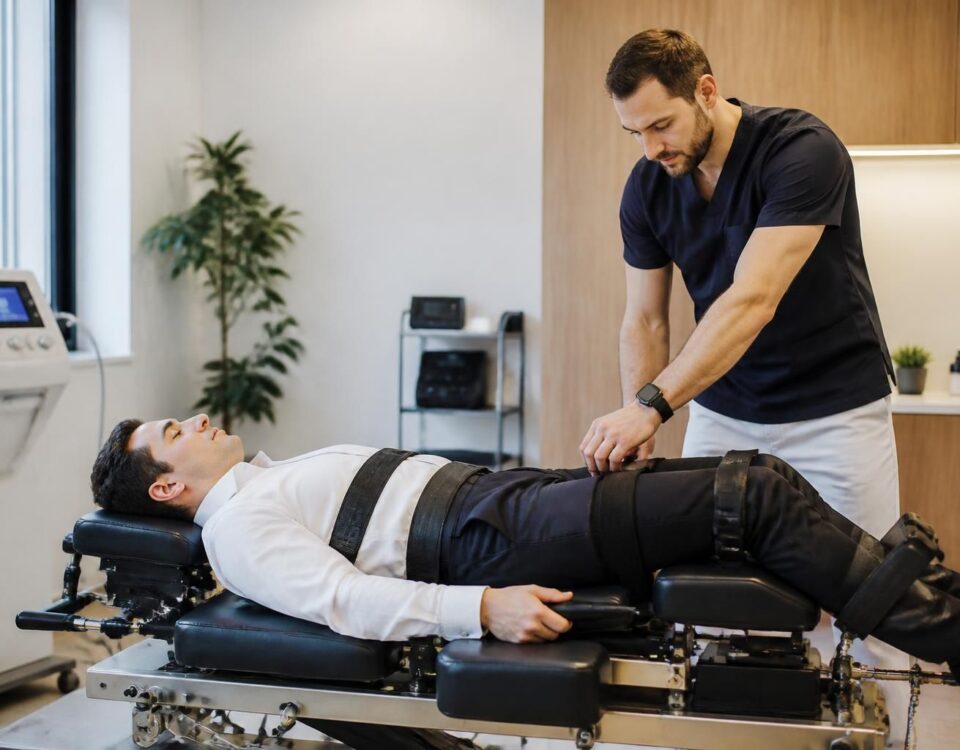
Decompression involves traction controlled applied to the spine. This traction creates additional space around the discs, favoring the return of nourishing fluids and oxygen to damaged tissues. The irritated nerves gradually resume their normal journey, which can reduce pain and neurological symptoms. This approach is non-invasive and aims for sustainable recovery rather than temporary measures.
To enrich your understanding, detailed resources are available on Rehabilitation after a back injury and Chronic lower back pain.
Indications after an accident
Decompression is indicated when the symptoms persist after an accident and when disc or nerve damage plays a major role in pain. It can help in case of disc herniation, protrusion or nerve pinch associated with trauma. In this context, it offers an option non-surgical to improve mobility and reduce pain.
For additional information on indications and results, see Decompression and chronic lower back pain, a lasting solution and Rehabilitation after a back injury.
What TagMed offers for an accident
In TagMed, neurovertebral decompression is integrated into a solid diagnostic and therapeutic approach. Each patient benefits from a personalized, evidence-based plan adapted to their condition. This approach aims to reduce pain, restore mobility and allow faster recovery without surgery. You can make an appointment or obtain information directly on Tagmed Clinic.
Additional resources and updates on advances in neurovertebral decompression are available through the following pages, which illustrate efficacy and application areas in this context:
- Neurovertebral decompression and muscle pain associated with the back
- Innovations in neurovertebral decompression
- Rehabilitation after a back injury
- Clinical results and recent studies
For those who want a specialized assessment in a recognized clinical setting, the TagMed Clinic offers a structured and multidisciplinary approach focused on sustainable recovery.
To learn more about the practical aspects and results observed, here are additional resources in the field:
Medical disclaimer: The information and advice provided on this site does not replace the advice, diagnosis or treatment of a healthcare professional. Please note that Dr. Sylvain Desforges osteopath is neither a doctor of medicine nor a doctor, and is not a specialist in a medical specialty as defined by the Collège des Médecins du Québec. Manual medicine, functional medicine and sports medicine as described on this site exclude any medical treatment or diagnosis made by a doctor or specialist doctor. Always consult your doctor for any medical questions. For more details, please read our full legal notice.
- Immediate pressure reduction On the nerves and discs, limiting pain and post-accident inflammation.
- Progressive stabilization column to prevent vertebral displacement after shock.
- Disc rehydration and nutrition Promoting healing and tissue resilience.
- Chronic pain prevention and radiculopathies thanks to a favorable biomechanical environment.
- Attenuation of contractures and spasm muscle thanks to an adapted and controlled traction.
- Shortening recovery time and faster return to activities.
- Targeted evaluation Before treatment to identify areas to be treated and any contraindications.
- Custom Plan on the duration and number of sessions according to severity and location of the accident.
- Integration with rehabilitation (osteopathy, physiotherapy) to optimize the results.
- Comfortable sessions and generally painless, last 15–30 minutes.
- Reduction of surgical risks and possibility of avoiding invasive intervention.
- Sustainable improvement in mobility and quality of life after the accident.

This recommendation explains why neurovertebral decompression is essential after an accident, how it acts on the spine and nerves, what functional benefits it brings and how to integrate it into effective rehabilitation. It highlights a non-invasive approach that can quickly reduce pain, promote disc healing and allow a safer and faster return to your daily activities.
How neurovertebral decompression acts after an accident
After shock or trauma, the column structures can be compressed. neurovertebral decompression acts in Gradually decreasing intradiscal pressure and in expanding the intervertebral space, which relieves the irritated nerves and restores an environment conducive to healing. This targeted action facilitates the passage of nutrients and oxygen to damaged tissues, thus promoting disc regeneration and reduction of inflammation around the nerve roots.
Pressure reduction and nerve relief
By exerting a controlled traction on the column, decompression creates a Local negative pressure which helps relieve tension on the nerves and spinal roots. This mechanism contributes to a rapid decrease in pain and a feeling of relief, even after injuries that would otherwise limit your movements.
Improved circulation and disc nutrition
Decompression improves blood circulation and nutrient transport to the discs, thus strengthening the repair capacity of the fabrics. This better diet of the spinal structures contributes to a more complete and lasting recovery, reducing the risk of recurrent pain.
Prevention of secondary lesions and stabilization
By restoring alignment and decreasing mechanical stress, this therapy acts as a Early stabilization after the accident. It can prevent the appearance of painful postural compensation and limit the aggravation of existing lesions.
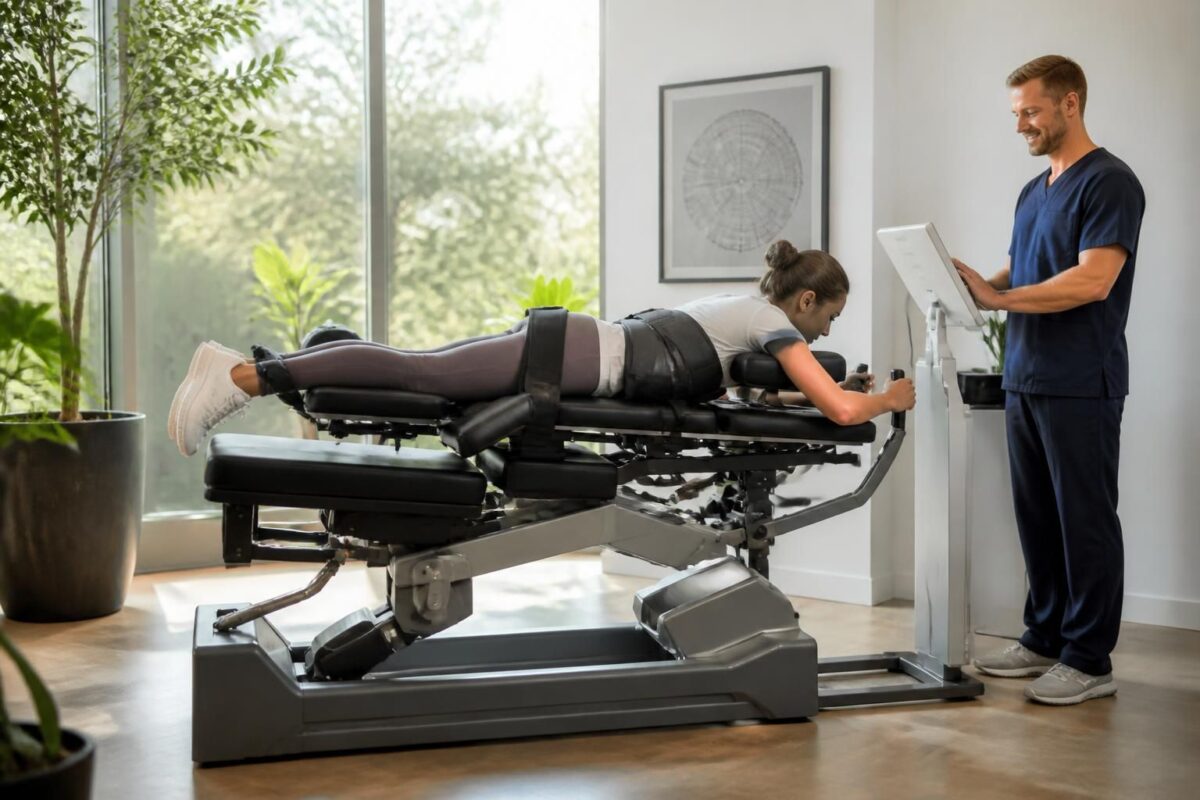
The long-term benefits of neurovertebral decompression for spinal health
In short In short, the neurovertebral decompression is a non-invasive approach that decreases the Pressure on intervertebral discs and nerves, favoring the Natural regeneration and tissue recovery. Its long-term benefits include Lasting pain reduction, Improving mobility and from the posture,…
Functional advantages and rehabilitation
Restoration of mobility and everyday life
the gains obtained through decompression result in a Increased range of motion and a decrease in radiant pain. This facilitates the gradual return to your daily actions and your professional or sporting activities, while reducing pain-related anxiety.
Reduction of operative risks and non-invasive option
For many patients, decompression offers Effective and non-invasive alternative which can avoid or delay surgery. This translates into less risk, less recovery time and faster recovery in activities.
Integration with other therapies
Decompression fits perfectly into a multimodal strategy, in combination with osteopathy, physiotherapy, or complementary approaches such as shock wave therapy when necessary. This integrated approach maximizes the chances of a full and sustainable recovery.

Neurovertebral decompression and mobility: a return to an active life
In short In short, the neurovertebral decompression is therapy non-invasive who uses a gentle traction To create a space between the vertebrae and reduce the pressure on the Intervertebral discs and the nerves. It promotes a bloodstream improved, lowers tension…
Getting started and practical consideration
Initial evaluation and personalized plan
Before you begin, a complete assessment by a specialist is essential to determine eligibility and establish a Personalized treatment plan adapted to the severity of the lesions and your rate of recovery.
Schedule and progress
A typical program can involve between 15 and 25 sessions, spread over several weeks. Each session generally lasts between 15 and 30 minutes and is adapted in real time to your feelings and progress.
Conditions and precautions
Decompression is not suitable for all situations. A contraindication exists in the presence of recent fractures, active infections or certain associated pathologies. It is crucial to discuss with your healthcare professional and carry out the necessary examinations to ensure that this treatment is appropriate for you.
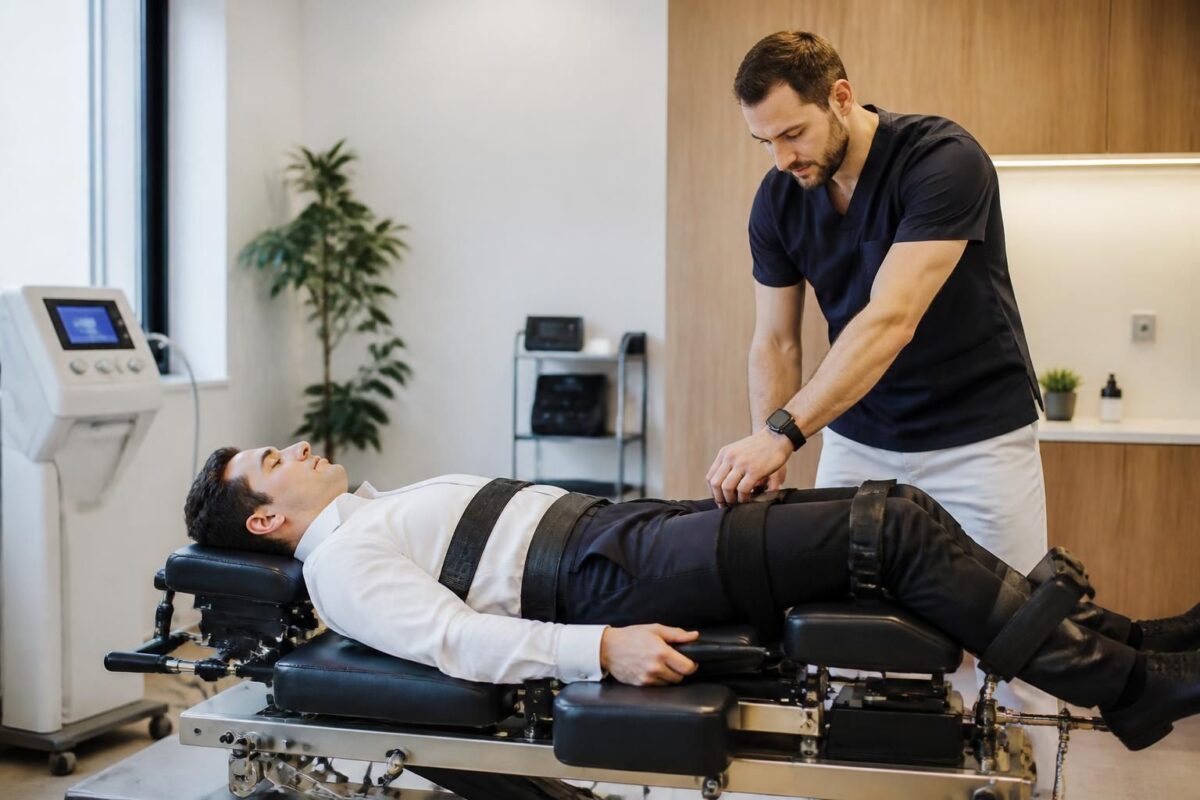
How Neurovertebral Decompression Prevents Diffuse Chronic Pain
In short decompression neurovertebral is one Non-invasive method aimed at reducing the Pressure on the intervertebral discs and the nerves, in order to prevent Diffuse chronic pain. It improves the circulation and thedisc hydration, decreases inflammation and promotes better mobility.…
Why cervertebral decompression is essential after an accident
| Element | Concise impact |
|---|---|
| Key indication | After a accident, neurovertebral decompression limits the course of lesions and prevents the aggravation of symptoms. |
| pressure reduction | She removes the nerve pressure and discs, facilitating healing and decreasing pain. |
| Pain and mobility | contributes to a Lasting pain reduction and an improvement in mobility. |
| early recovery | Accelerates the re-education and the gradual return to activities. |
| Prevention of complications | promotes a vertebral alignment safe and reduces the risk of chronic neuralgia. |
| Safety and non-invasiveness | Procedure non-invasive with few risks and comfort during the sessions. |
| Alternative to surgery | Option non-surgical which can delay or avoid a heavier intervention. |
| Therapeutic integration | Compatible with other approaches (osteopathy, physiotherapist, physical therapies) for a global plan. |
| Cost and accessibility | Cost generally lower than surgery and accessible via personalized programs. |
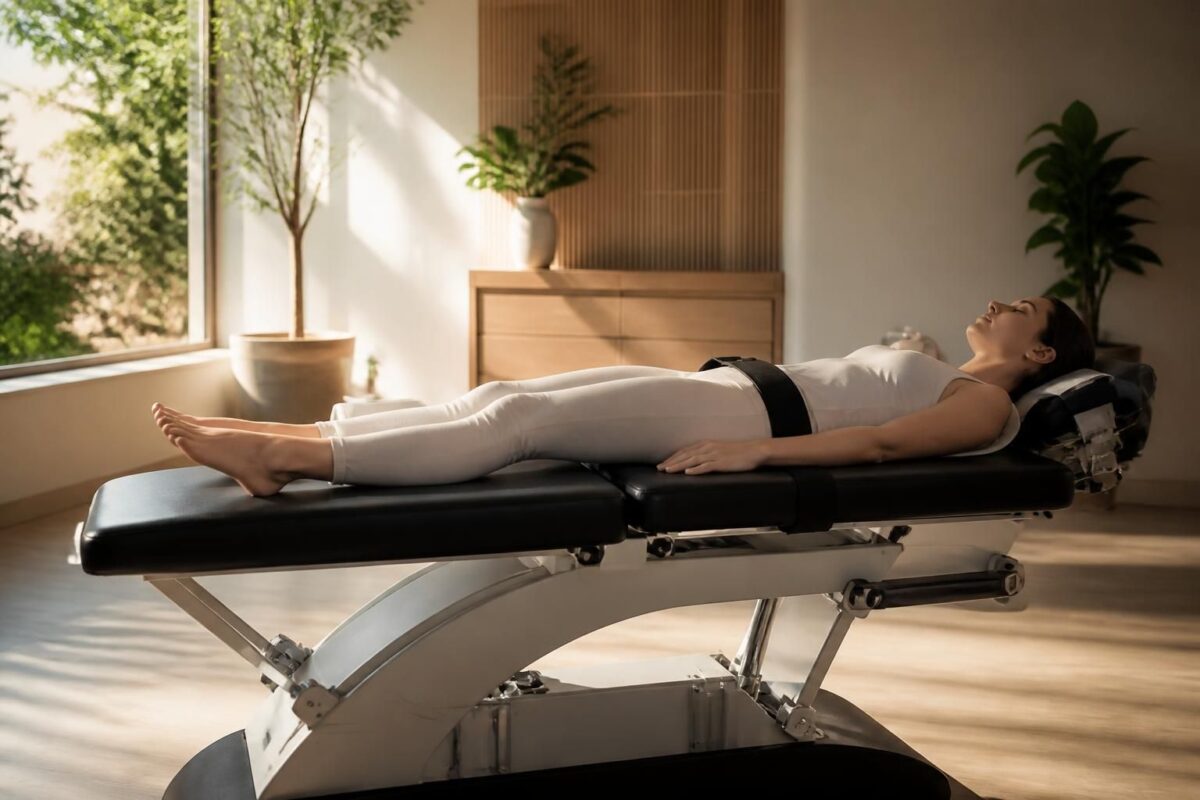
Neurovertebral Decompression and Body Alignment: Restoring Natural Balance
In short In short, neurovertebral decompression is one Non-invasive approach who restores theBody Alignment and thenatural balance back and neck. She acts by a Controlled traction of the spine to widen the intervertebral space and reduce the Pressure on discs…
Testimonials: Why neurovertebral decompression is essential after an accident
Marie, 38: “After my accident, back and neck pain was constant. My clinician offered me the neurovertebral decompression, and from the first sessions I felt a relief significant. Today, my mobility is found and I can resume my daily activities without fear. »
Jean, 45: “Following a trauma On the job, the lower back pain limited me enormously. The session of neurovertebral decompression allowed a pain reduction and a decrease ininflammation. I returned to my professional tasks faster and with less concern. »
Sophie, 27: “After a fall in training, my flexibility and my mobility quickly deteriorated. Thanks to the neurovertebral decompression, I was able to resume sport earlier than expected and I learned to prevent recurrences thanks to a suitable plan. »
Laurent, 60: “My alignment vertebral had been disturbed by the accident and the radiant pains complicated life. the sessions improved the stability and reduces the pain, allowing me to consider the future without depending so much on drugs. »
Camille, 33: “The neck was blocked after the accident (Whiplash). The cervical decompression, combined with a personalized approach, allowed me to find a good range of motion and to say goodbye to pain. It was comfortable and efficient. »
Isabelle, 50: “I chose an option non-invasive And I avoided surgery thanks to the neurovertebral decompression. The treatment improved my quality of life And gave me hope for a lasting recovery after the accident. »
After a accident, tensions and lesions suffered by the spine may go unnoticed, but they have a profound impact on recovery. In this context, the neurovertebral decompression stands out as a crucial step in rehabilitation, acting directly on the mechanisms that cause pain and movement limitation. This approach is supported by a recognized expert in osteopathy, naturopathy and manual medicine, who holds the founding presidency of the TAGMED clinics and the ACMA association and who has devoted himself to health innovation. Its commitment is based on evidence-based management and a multidisciplinary approach to the health and well-being of patients.
Physiologically, an accident can generate herniated discs, protrusions or space restrictions between the vertebrae, resulting in compression of the nerves and surrounding tissues. Without targeted intervention, these pressures can persist and progress to chronic pain, stiffness and decreased range of motion. Neurovertebral decompression acts directly at the source of the problem by lowering intradiscal pressure and restoring the necessary space between the vertebrae. By promoting better circulation of nutrients and oxygen, it promotes tissue repair and disc rehydration, key elements for sustainable recovery.
This treatment is distinguished by its character non-invasive and targeted. During the sessions, gentle and controlled traction is applied to the column to create an environment conducive to healing. This approach often allows a significant reduction in pain, improved mobility and a decrease in neurological symptoms, which accelerates the return to daily and sports activities, without going through surgery. After an accident, this can mean a faster resumption of working life while minimizing the risk of recurrence.
Integrated into a global rehabilitation approach, neurovertebral decompression benefits from multidisciplinary support including manual techniques, technological modalities and personalized programs. Typical protocols provide for a series of sessions adapted to the severity of the attacks and the individual response, often between 15 and 25 visits, with session durations adapted to each patient. In addition, complementary approaches such as laser or shockwave therapies can be mobilized to strengthen the beneficial effects and promote rapid and effective recovery.
At the heart of this approach, the objective is clear: durably reduce pain, restore range of motion and prevent long-term sequelae after an accident. This philosophy is based on a serious evaluation, a personalized treatment plan and careful monitoring of progress, in order to ensure optimal recovery and a better quality of life. For those looking for an effective, non-surgical solution after an accident, neurovertebral decompression is a promising way to a quick and secure return to normality.
Paths, methods and results are part of a holistic vision of care. This expert and his team focus on data-based care that is adapted to each patient, in order to sustainably support healing and well-being after an accident. Contact TagMed Clinics to discuss a personalized diagnosis and a realistic and effective rehabilitation plan.
This text presents why the neurovertebral decompression is essential after a accident, detailing how it supports recovery, pain relief and prepares the return to working life. It exposes mechanisms, benefits and precautions, and offers resources to deepen understanding of this non-invasive approach.
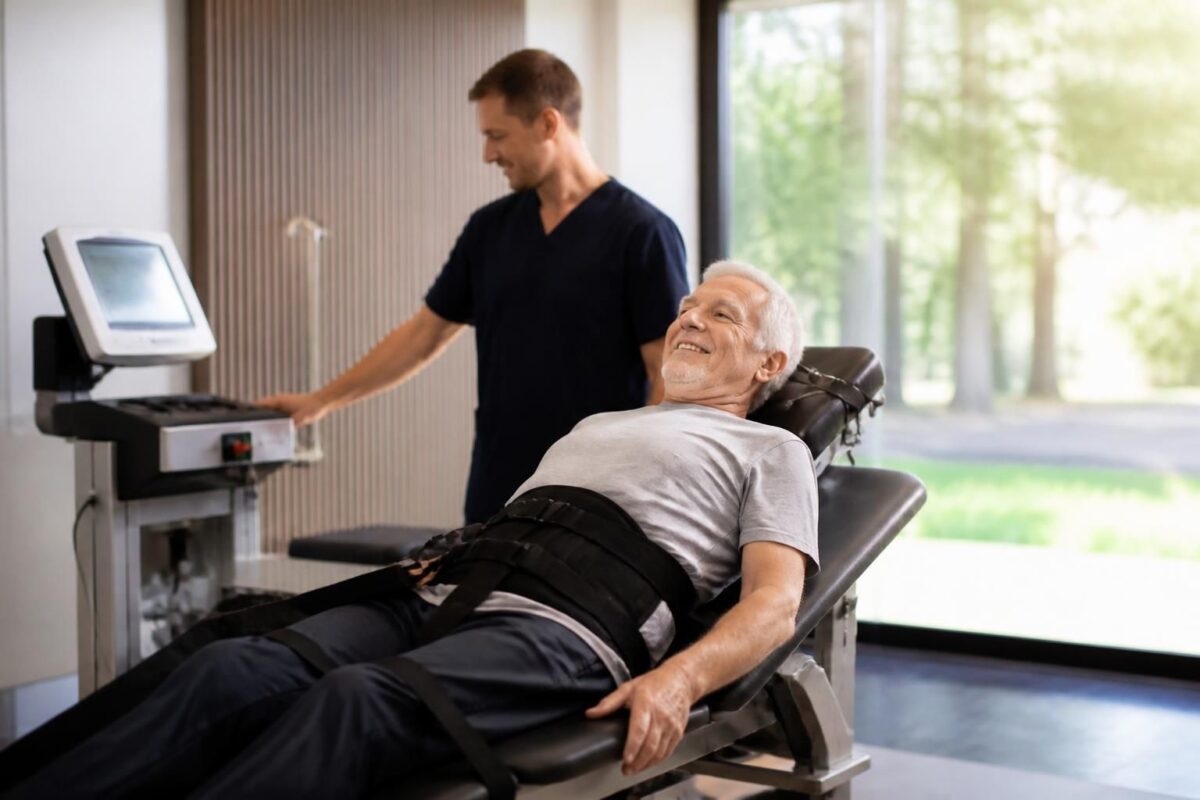
Why neurovertebral decompression is a lasting solution for active seniors
In short In short, the neurovertebral decompression is one Non-invasive therapy which sustainably relieves spinal pain in the spine active seniors By creating, by a Soft and controlled traction, a space between the vertebrae. At Montreal, it is recognized as…
Key role after an accident
As part of a trauma, the intervertebral discs and nerves can be compressed, which generates pain, stiffness and loss of mobility. The neurovertebral decompression Acts by applying gentle, controlled traction to create a space between the vertebrae and quickly decrease the Intradiscal pressure and on the nerves. This pressure reduction promotes the circulation of nutrients and oxygen to damaged tissues, accelerates healing and allows for a gradual return to daily activities without surgery, when appropriate.
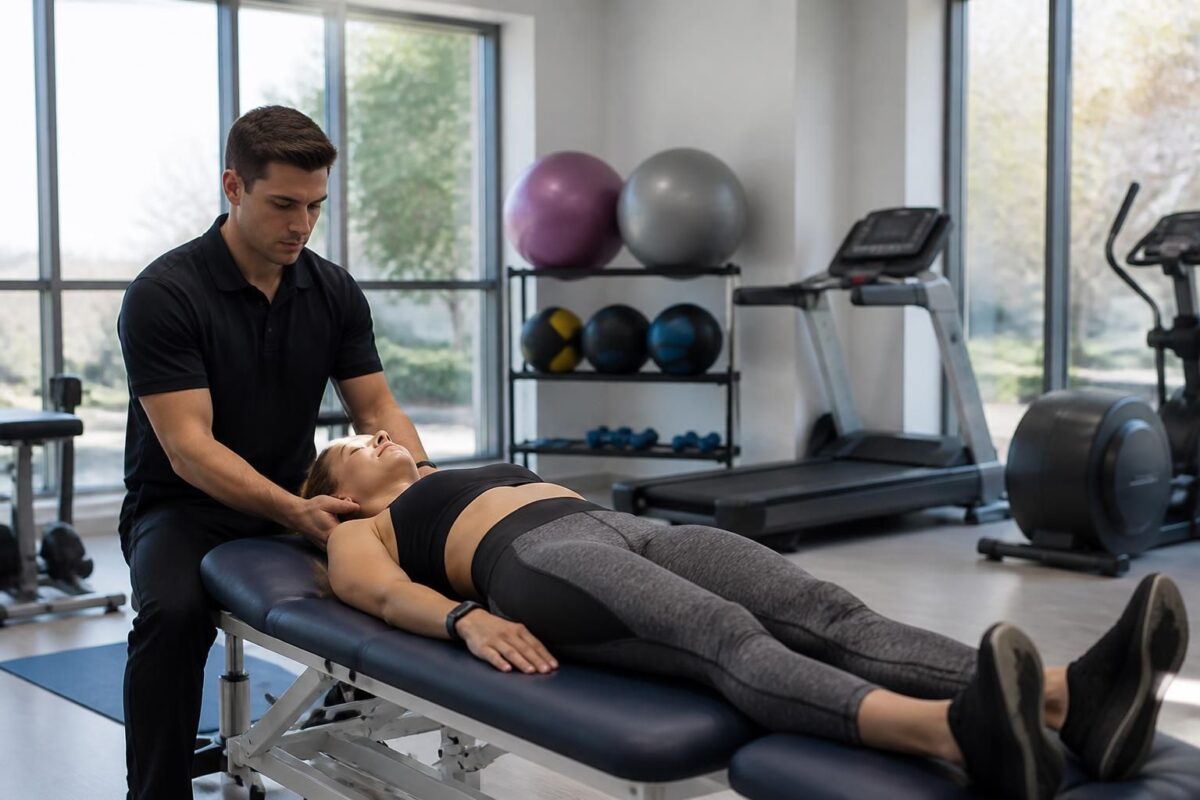
Neurovertebral decompression and recovery after severe sports injury
In short In short, the neurovertebral decompression is one Non-invasive method to Relieve the pressure on the Intervertebral discs and the gristle Via a Controlled traction, to facilitate the recovery After a severe sports injury. It improves the bloodstream towards…
how it supports healing and rehabilitation
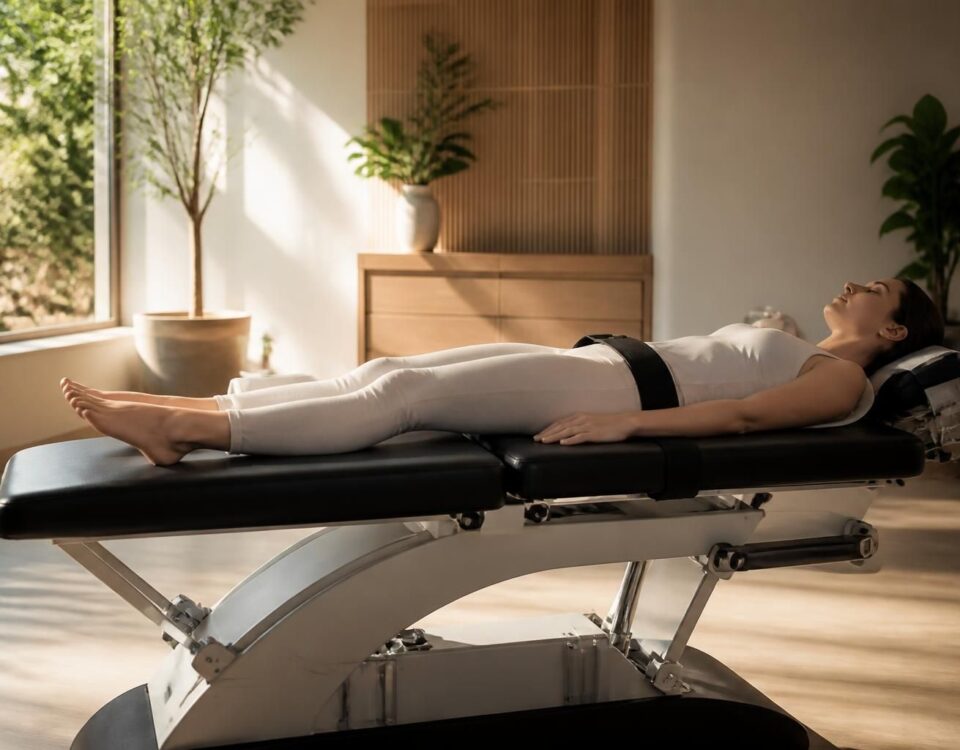
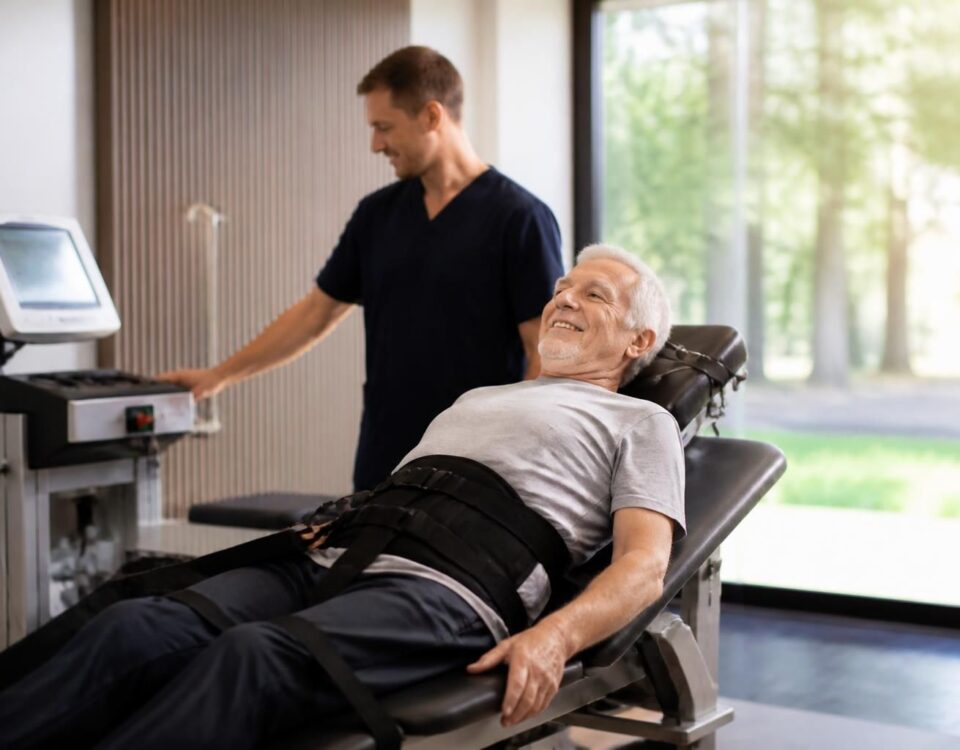
During a session, a decompression table and stabilization systems target the affected area, providing accurately dosed traction. this effect of negative pressure In the disc helps rehydrate damaged structures and facilitates tissue repair. At the same time, improving mobility and reducing numbness or irradiating pain allow the patient to follow a rehabilitation plan more serenely, including exercises and complementary therapies.
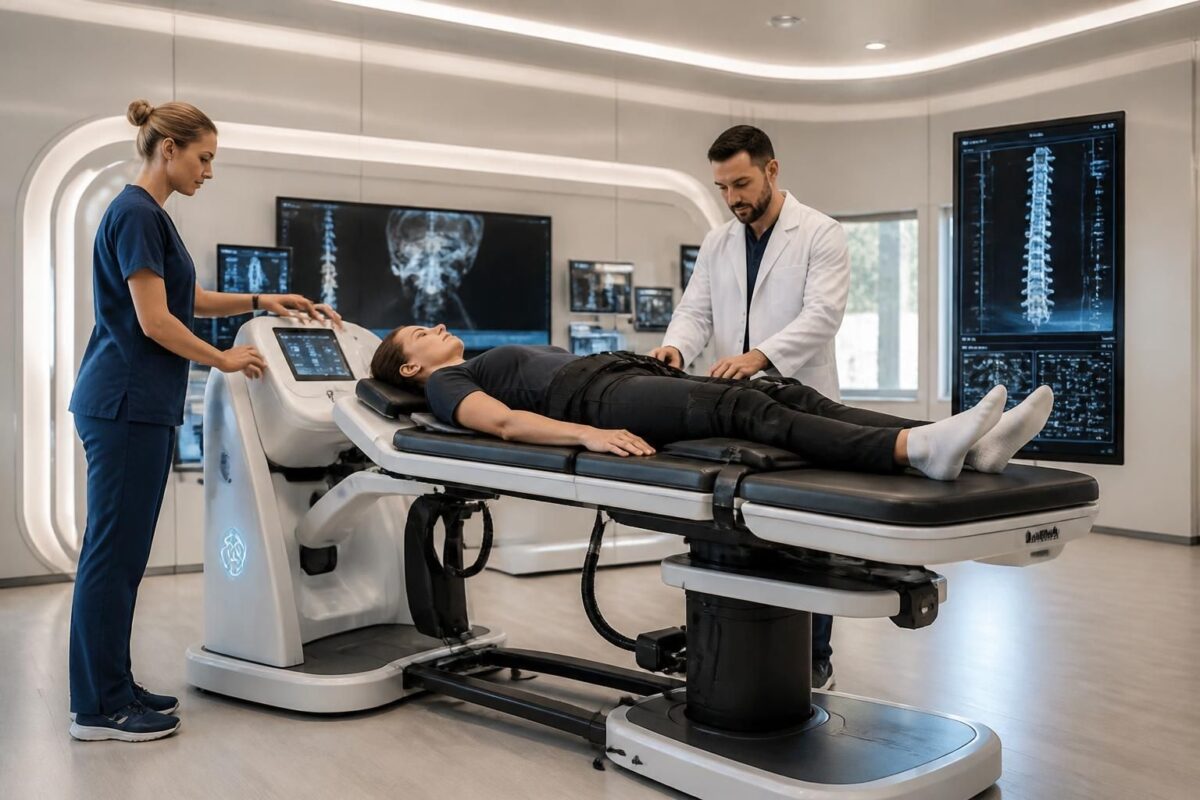
Recent innovations in neurovertebral decompression technologies
In short In short, the neurovertebral decompression is an approach non-invasive Aiming to reduce pressure on discs and nerves, and promote tissue regeneration. At Montreal, it is positioned as an effective option for lower back pain and herniated discs. The…
Concrete benefits for the patient after an accident
Typical results include a Lasting pain reduction, a Improving mobility and a decrease in neurological symptoms such as tingling. This approach non-invasive Can significantly reduce the time needed to recover and reintegrate professional and sports activities. In addition, it contributes to Prevent recurrences by restoring a more natural vertebral alignment and strengthening the column stability.
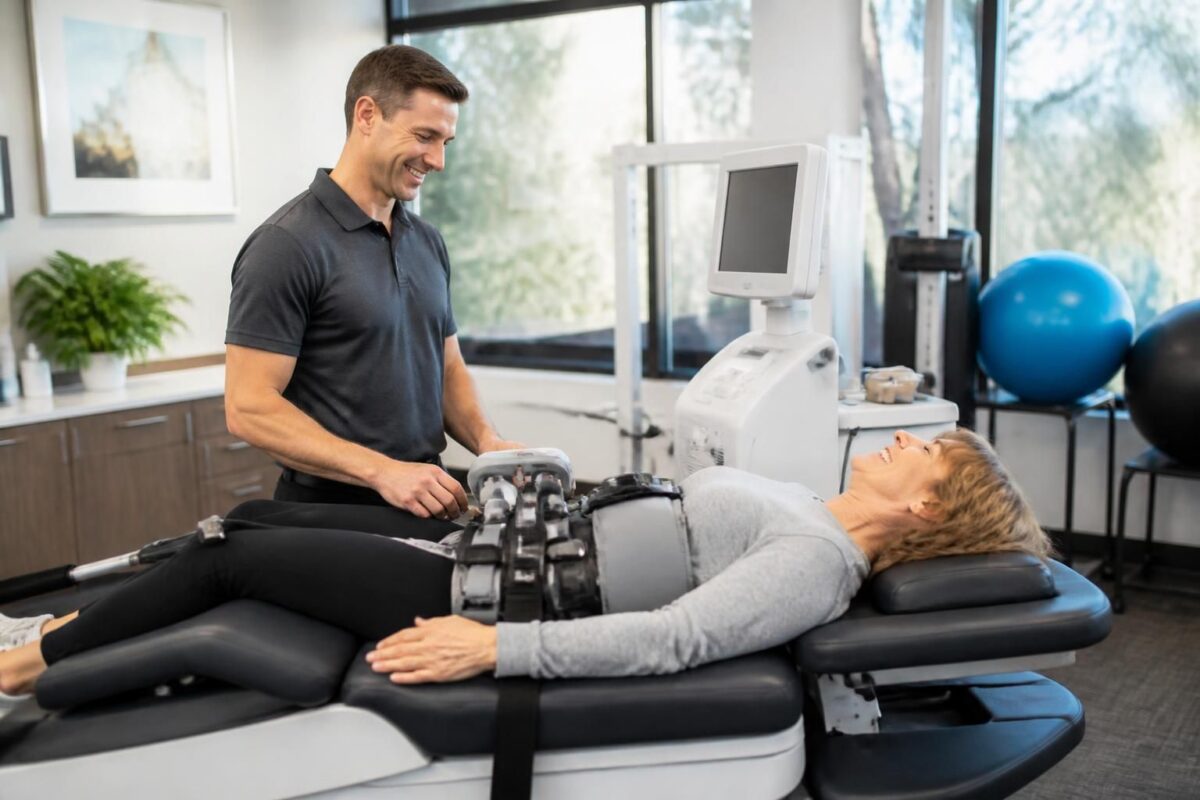
Neurovertebral decompression and diffuse pain: an appropriate solution
In short In short, the neurovertebral decompression is one Non-invasive solution For diffuse pain related to nerve irritation of the spine. She acts in Reducing pressure on intervertebral discs and nerves and improving the bloodstream, which promotes recovery and the…
Indications, safety and precautions
Decompression is particularly useful for post-injury conditions such as slipped disc, disc bulges and radiculopathies related to an accident. However, contraindications exist, in particular in the event of recent fractures, vertebral infections, tumors or severe osteoporosis. An evaluation by a health professional is essential to determine eligibility and personalize treatment. As with any protocol, Low risks exist and the sessions must be carried out under medical supervision.
Integration with other approaches and personalized plan
Decompression is most often part of a multimodal approach, combined with manual techniques, osteopathy, exercise programs and, if necessary, complementary therapies such as muscle stimulation or post-traumatic rehabilitation. Each patient benefits from a Personalized treatment plan Based on a comprehensive assessment and, when relevant, imaging and functional results. The objective is not only to relieve the pain but also to improve the overall function and to optimize the rehabilitation process.
To deepen, you can consult resources detailing the mechanisms and benefits of this approach, as well as specific perspectives for athletes and post-accident scenarios:
How neurovertebral decompression helps regain normal mobility
Why neurovertebral decompression is effective for athletes
Advanced Neurovertebral Decompression Techniques for Acute Pain
Why neurovertebral decompression is essential after an accident
Neurovertebral decompression – Wikipedia
How neurovertebral decompression supports recovery after spinal injury
Why neurovertebral decompression is essential after an accident
Neurovertebral decompression and prevention of invasive surgeries
The psychological benefits of neurovertebral decompression
Neurovertebral Decompression Essential FAQs
Medical warning: The information presented does not replace the advice of a health professional. Always consult your doctor in case of medical questions or before starting any treatment.

Dr Sylvain Desforges, B.Sc., D.O., N.D., osteopath, is the founding president of TAGMED and of the ACMA association. He dedicates his practice to chronic spinal pain, low back pain and symptoms compatible with sciatica, particularly when pain radiates toward the buttock, leg, calf, foot or toes.
Through SOS Sciatique, he publishes educational content on sciatica symptoms, possible causes such as disc herniation, disc narrowing, foraminal stenosis or irritation of a lumbar nerve root, as well as non-surgical approaches that may be considered according to the evaluation. At Clinique TAGMED, care may include, depending on the case, motorized neurovertebral decompression, specific osteopathic care or precision percussion.
For an evaluation related to sciatica treatment in Montreal / Mount Royal or sciatica treatment in Terrebonne, please consult the services available at Clinique TAGMED.
Medical disclaimer
The information published on SOS Sciatique is provided for educational purposes only and does not replace a consultation, diagnosis, opinion or treatment provided by a physician or another authorized healthcare professional. The author of this article is neither a medical doctor nor a specialist in a medical specialty recognized by the Collège des médecins du Québec. The osteopathic, manual medicine or functional support approaches described on this site do not constitute medical acts and are not intended to replace medical follow-up.
Consult a physician or emergency service in cases of loss of bladder or bowel control, anesthesia in the saddle area, significant or progressive weakness in the leg or foot, fever, recent trauma, severe pain or rapid worsening of symptoms. For more details, please read our Legal Notice.