How neurovertebral decompression improves recovery after back injury
26/06/2026
Common myths about corrected neurovertebral decompression
26/06/2026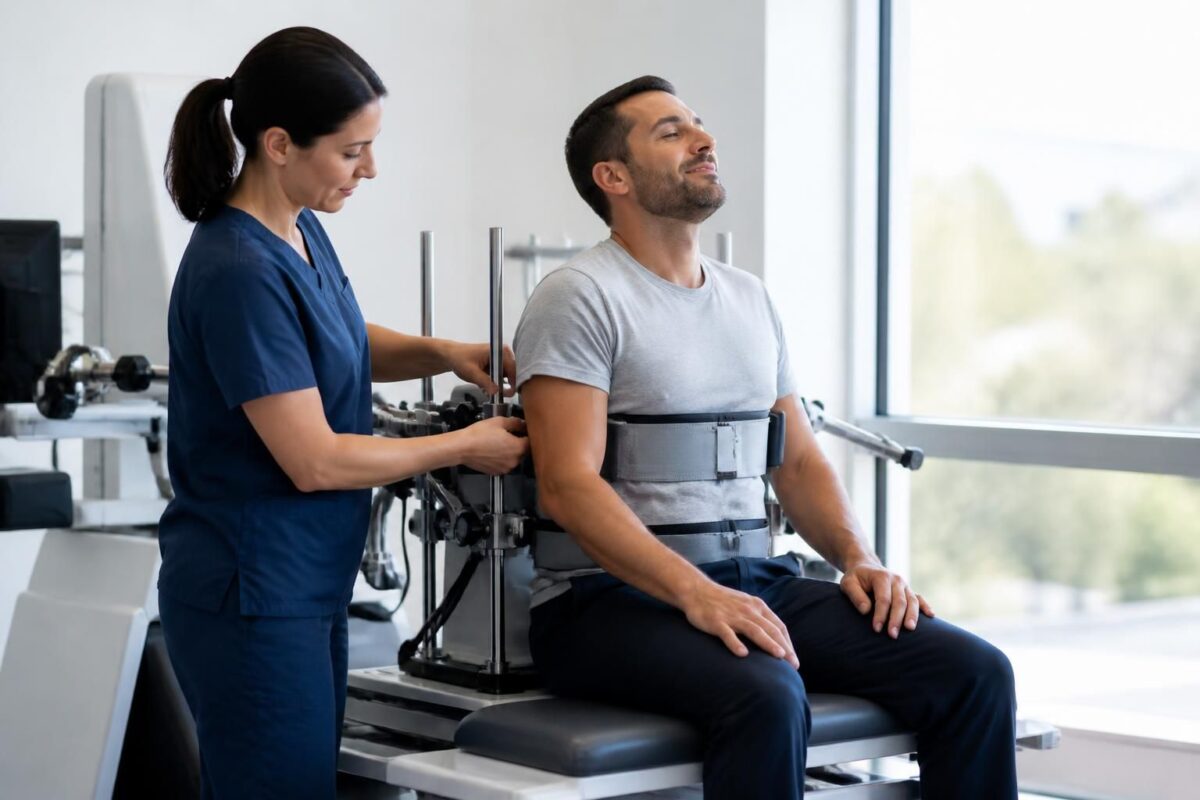
In short
| In short, neurovertebral decompression is one Non-invasive therapy which Reduces pressure On the intervertebral discs and nerves, relieving back and cervical pain. It Promotes mobility and helps recovery after injury without surgery. accessible to Montreal, this treatment is recommended for chronic lumbar and cervical pain, herniated discs and radiating pain, with Quick results and an Reduction in the use of invasive interventions. |
neurovertebral decompression is one Non-invasive therapy which aims to reduce the Pressure on intervertebral discs and nerves, in order to relieve the Back and cervical pain and improve the mobility. By promoting the circulation and nutrition of tissues, it can reduce Chronic pain and support rehabilitation without the need for surgery. This approach innovative is based on a personalized evaluation and a Adapted follow-up to prevent recurrences and optimize the quality of life.
This article presents the neurovertebral decompression like a Innovative approach for the pain management. Written by a health professional and expert in manual medicine, it outlines the mechanisms, indications and benefits, while offering reliable resources and clinical management options.
Neurovertebral Decompression: Principles and Mechanisms
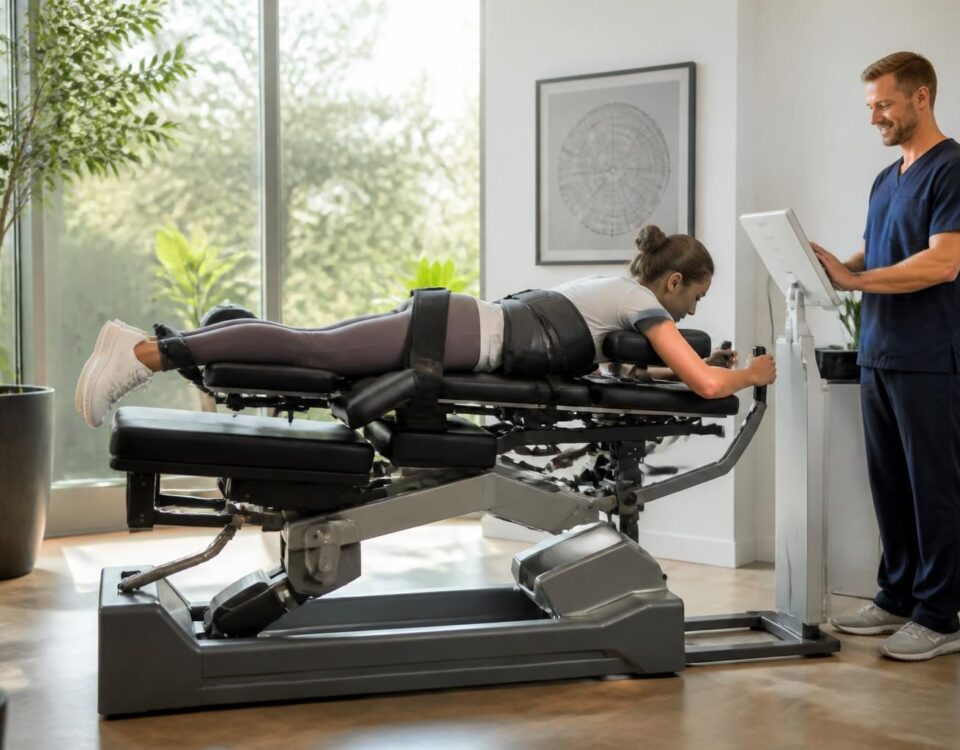
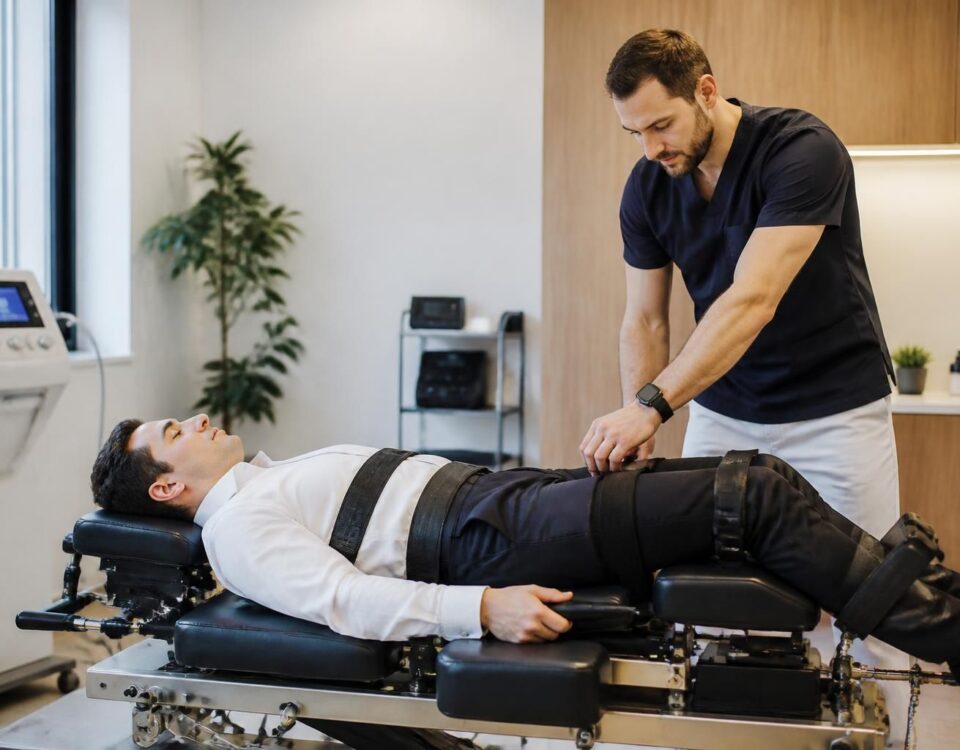
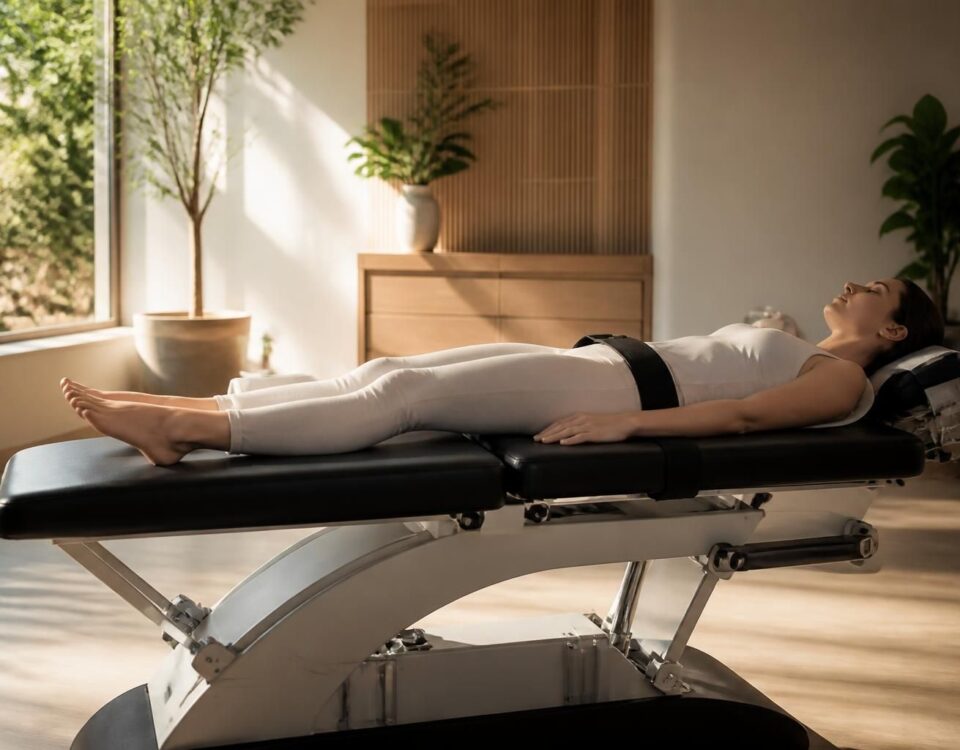
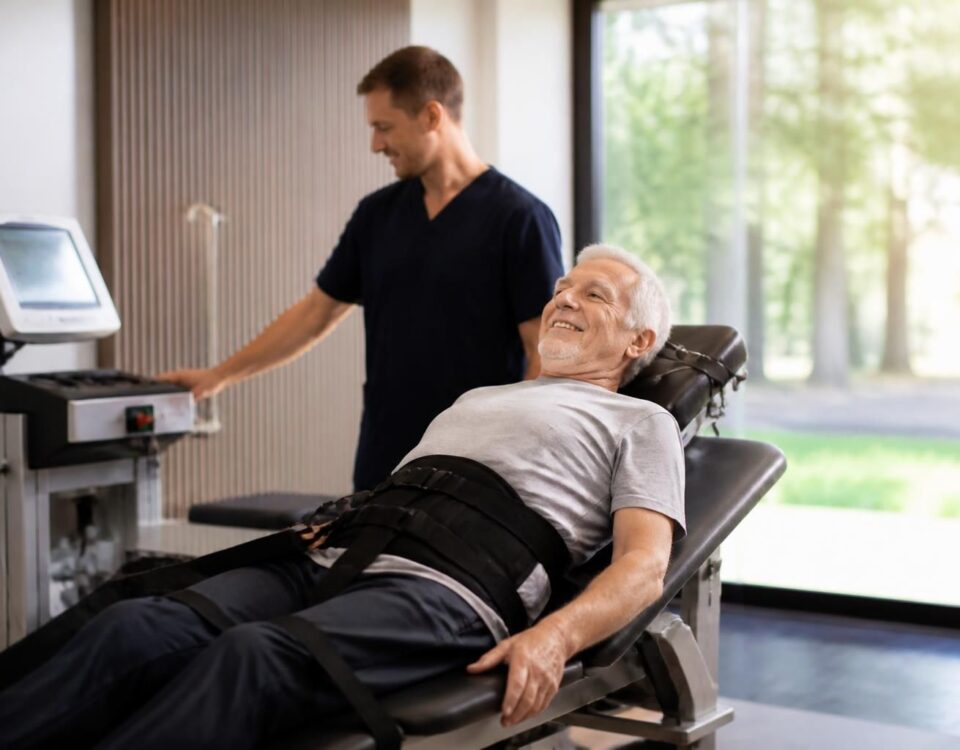
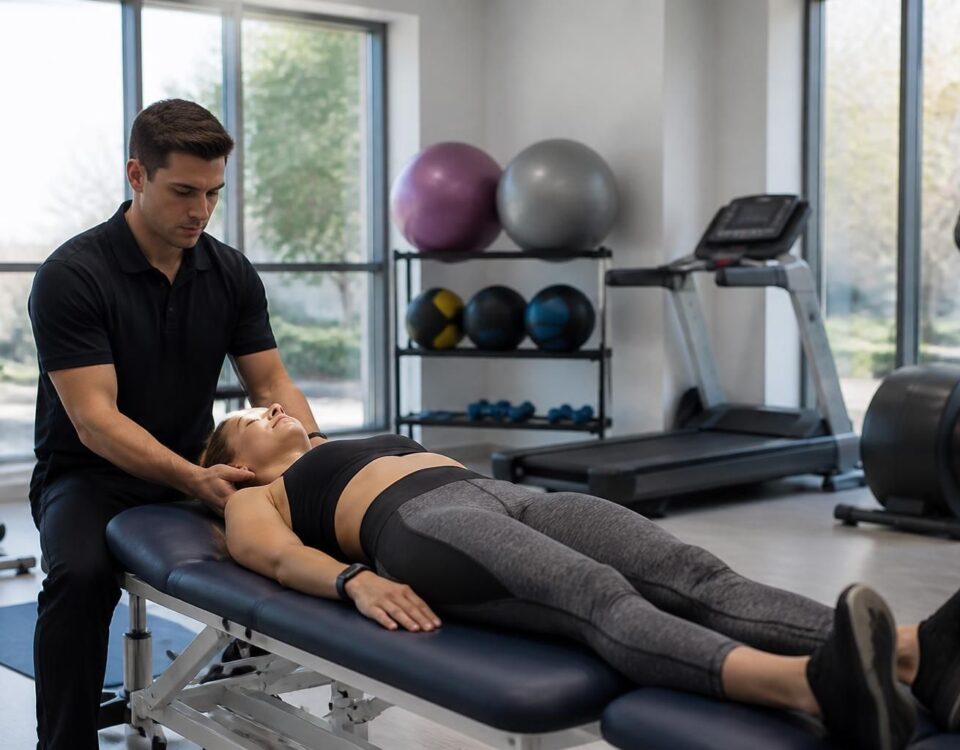
The neurovertebral decompression rests on a specialized table that applies soft and controlled traction. This device creates a vertebral intermission between the vertebrae, which leads to a reduction in the Pressure on the intervertebral discs and on the gristle.
By expanding the space between the vertebrae, this approach improves the bloodstream at the level of the tissues and promotes the nutrition of the discs. It can thus contribute to a Inflammation reduction and to a Sustainable relief symptoms, while supporting the natural healing process. This method is non-invasive and can be integrated into a global care plan.
To deepen the technical aspects and observed results, you can consult specialized resources on the sites dedicated to this approach:
Why neurovertebral decompression is an alternative to epidural injections
Modern techniques to maximize results in neurovertebral decompression
Why choose neurovertebral decompression for natural pain management
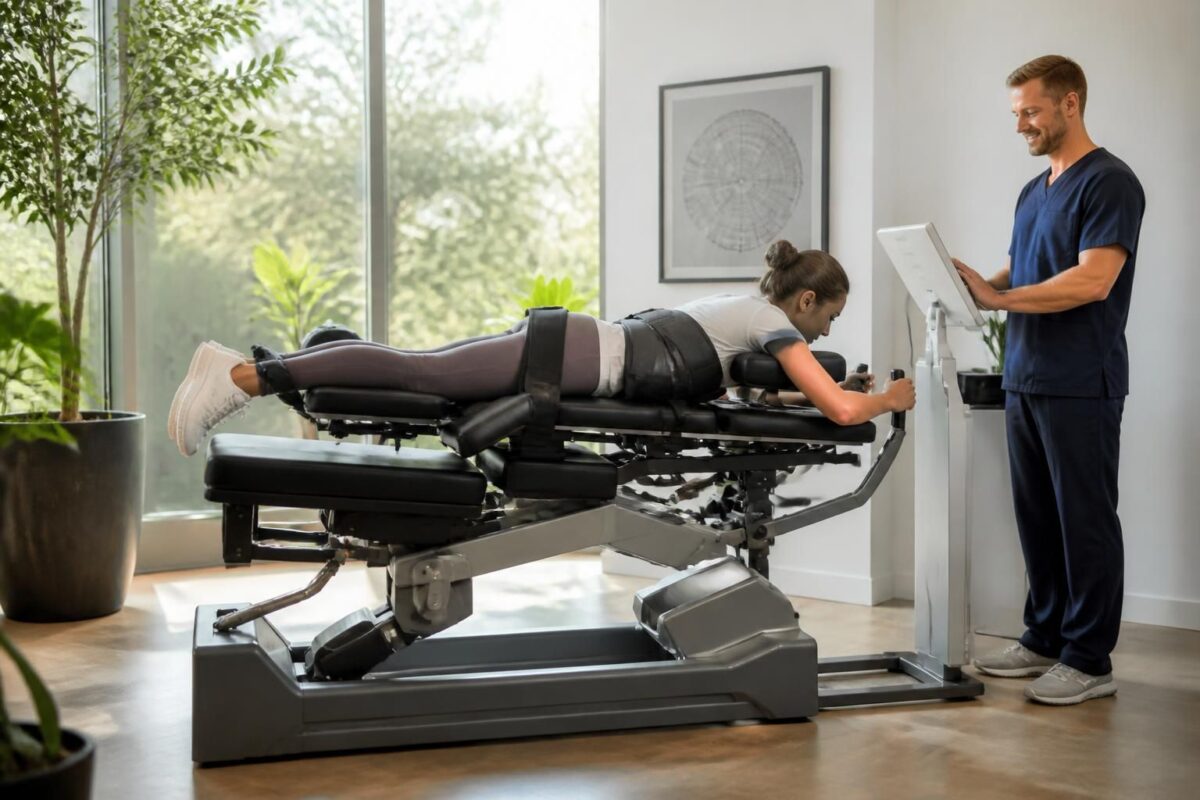
The long-term benefits of neurovertebral decompression for spinal health
In short In short, the neurovertebral decompression is a non-invasive approach that decreases the Pressure on intervertebral discs and nerves, favoring the Natural regeneration and tissue recovery. Its long-term benefits include Lasting pain reduction, Improving mobility and from the posture,…
Indications and benefits for chronic pain
The neurovertebral decompression is indicated for chronic back and neck pain, especially when nerve compressions are involved. It can be considered in the face of conditions such as protrusions or degenerative states that cause radiant pain and loss of mobility.
The observed benefits include a Improving mobility, a pain reduction and a better feature on a daily basis. as approach non-invasive, it avoids the risks associated with certain more invasive treatments and is part of a care strategy that aims to preserve the quality of life and prevent recurrences.
Complementary resources help to understand the issues and results from a practical perspective:
The key role of decompression in pain management
Benefits to prevent spinal complications

Neurovertebral decompression and mobility: a return to an active life
In short In short, the neurovertebral decompression is therapy non-invasive who uses a gentle traction To create a space between the vertebrae and reduce the pressure on the Intervertebral discs and the nerves. It promotes a bloodstream improved, lowers tension…
Decompression and mobility: back to an active life
By promoting the space between the vertebrae and improving tissue nutrition, decompression can promote Progressive rehabilitation and support the return to daily activities. This approach helps reduce pain-related uncertainty and restore some freedom of movement.
For active people and athletes, adapted protocols make it possible to accompany recovery after injury and to support performance, while remaining in a logic non-invasive.
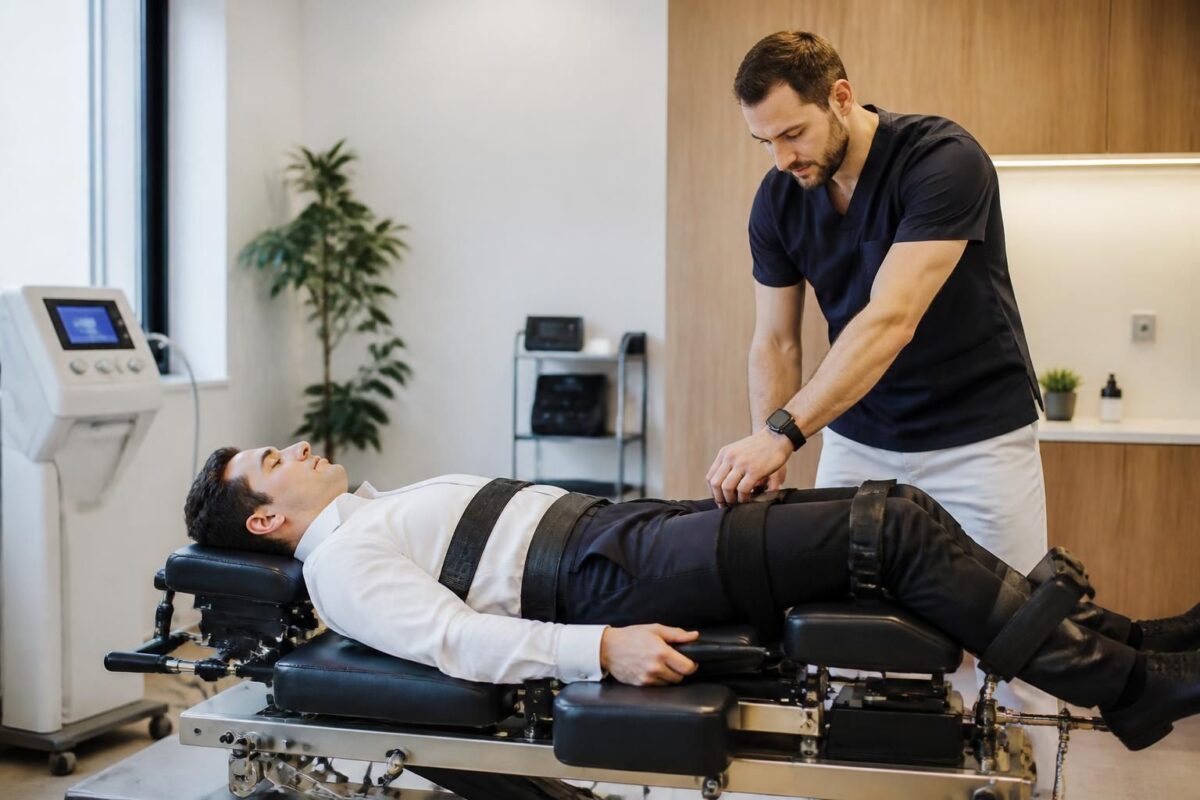
How Neurovertebral Decompression Prevents Diffuse Chronic Pain
In short decompression neurovertebral is one Non-invasive method aimed at reducing the Pressure on the intervertebral discs and the nerves, in order to prevent Diffuse chronic pain. It improves the circulation and thedisc hydration, decreases inflammation and promotes better mobility.…
Care, safety and follow-up process
One Preliminary diagnosis is carried out before the start of any treatment, in order to assess decompression fitness and to adjust the number of sessions and intensity. The protocol is based on regular evaluations and a Personalized follow-up to optimize the results.
Safety is a priority, and decompression mechanisms are designed to ensure a comfortable and appropriate experience for each patient. As part of a global care pathway, this therapy can be associated with other manual health approaches, under professional supervision.
Practical case and professional resources (for professionals and interested patients):
Neurovertebral Decompression and Chronic Pain — An Innovative Approach
Neurovertebral decompression and optimization of recovery after injury
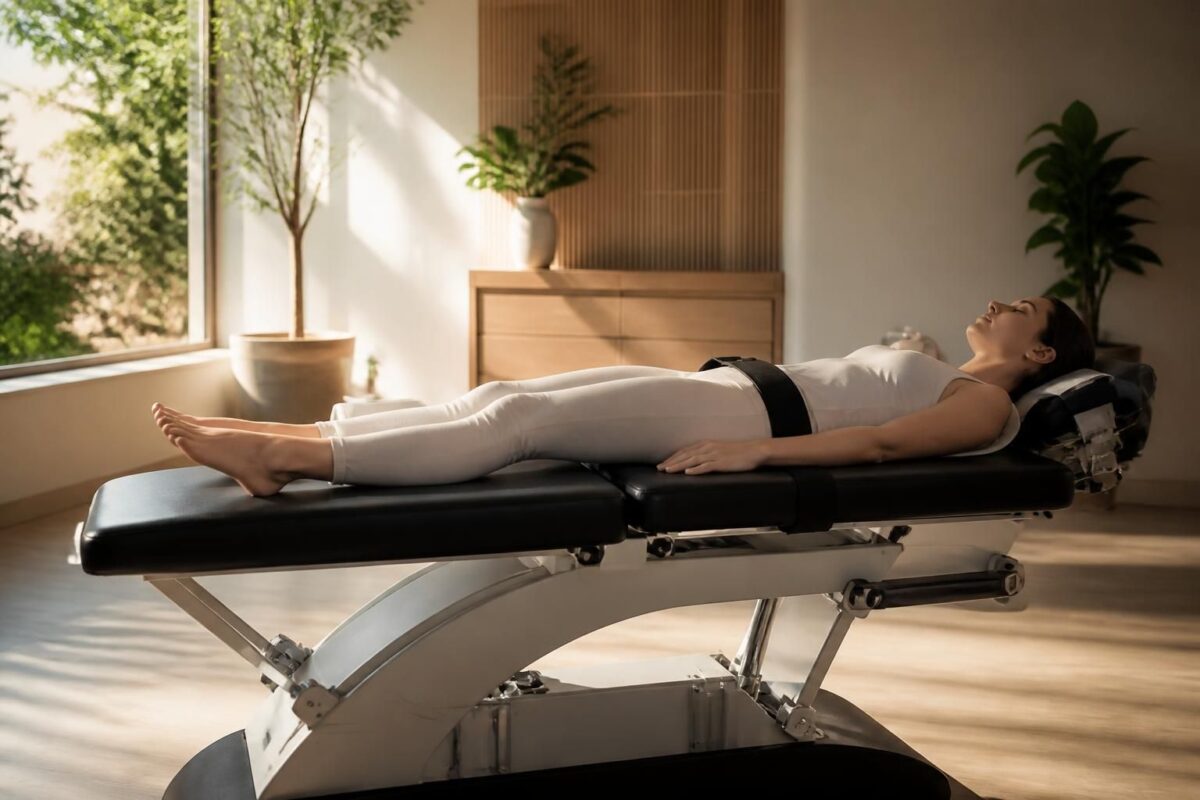
Neurovertebral Decompression and Body Alignment: Restoring Natural Balance
In short In short, neurovertebral decompression is one Non-invasive approach who restores theBody Alignment and thenatural balance back and neck. She acts by a Controlled traction of the spine to widen the intervertebral space and reduce the Pressure on discs…
Integration into the care offer and choice of center
The neurovertebral decompression Can be integrated into a global care plan proposed by specialized clinics. In practice, centers like Tagmed Clinic And the associated services offer protocols based on evidence and adapted to each patient.
To learn more, learn about the resources and approaches available in these structures, and explore how they fit into a pain management Focused on well-being and mobility.
Complementary resources and articles on the global approach to spinal health are accessible via sites dedicated to decompression and prevention of spinal complications:
A global approach to health with decompression
Why choose decompression for natural pain management
For researchers and clinicians, there are training and referral resources focused on osteopathy and associated approaches. Some of the recognized institutions in the field include NUMSS, NAO, National University of Medical Sciences and National Academy of osteopathy.
In a therapeutic range, decompression can be presented as an alternative or supplement, depending on the clinical assessment and patient needs. For issues related to recovery and optimization of care, the following resources provide useful insights into pain management and theOptimization of recovery After injury:
Optimization of injury recovery
Medical Disclaimer: The information and advice provided on this site does not replace the health professional’s diagnosis or treatment. Please note that Dr. Sylvain Desforges osteopath is neither a doctor of medicine nor a doctor, and is not a specialist in a medical specialty as defined by the Collège des Médecins du Québec. Manual medicine, functional medicine and sports medicine as described on this site exclude any medical treatment or diagnosis made by a doctor or specialist doctor. Always consult your doctor for any medical questions. For more details, please read our full legal notice.
References and additional resources:
Integrate decompression into its treatment
Benefits to prevent spinal complications
Sports injuries — Neurovertebral decompression
Dr Desforges — Decompression and chronic pain
Decompression and optimization of recovery after injury
- Principle : Creation of a Space between the vertebrae By controlled traction to reduce the pressure on the discs and nerves.
- directions : lumbar and cervical pain related to herniated discs, stenosis and neuropathic pain.
- Non-invasive benefits : treatment non-surgical, progressive pain reduction and improved mobility.
- Speed of results : often quick relief after several sessions.
- Impact on quality of life : Improved sleep and daily activities.
- Security and tolerance : Favorable safety profile under professional supervision.
- Multidisciplinary integration : complementarity with osteopathy and physiotherapy.
- Target population : Athletes and active people seeking recovery and prevention.
- Support process : initial evaluation and personalized protocol, regular monitoring.
- Clinical applications : lumbar and cervical spine, radiant and sciatic pain.
- Impact on invasive interventions : Reduction in the use of surgery in some cases.
- Cautions and contraindications : necessary prior assessment; Not suitable for everyone.

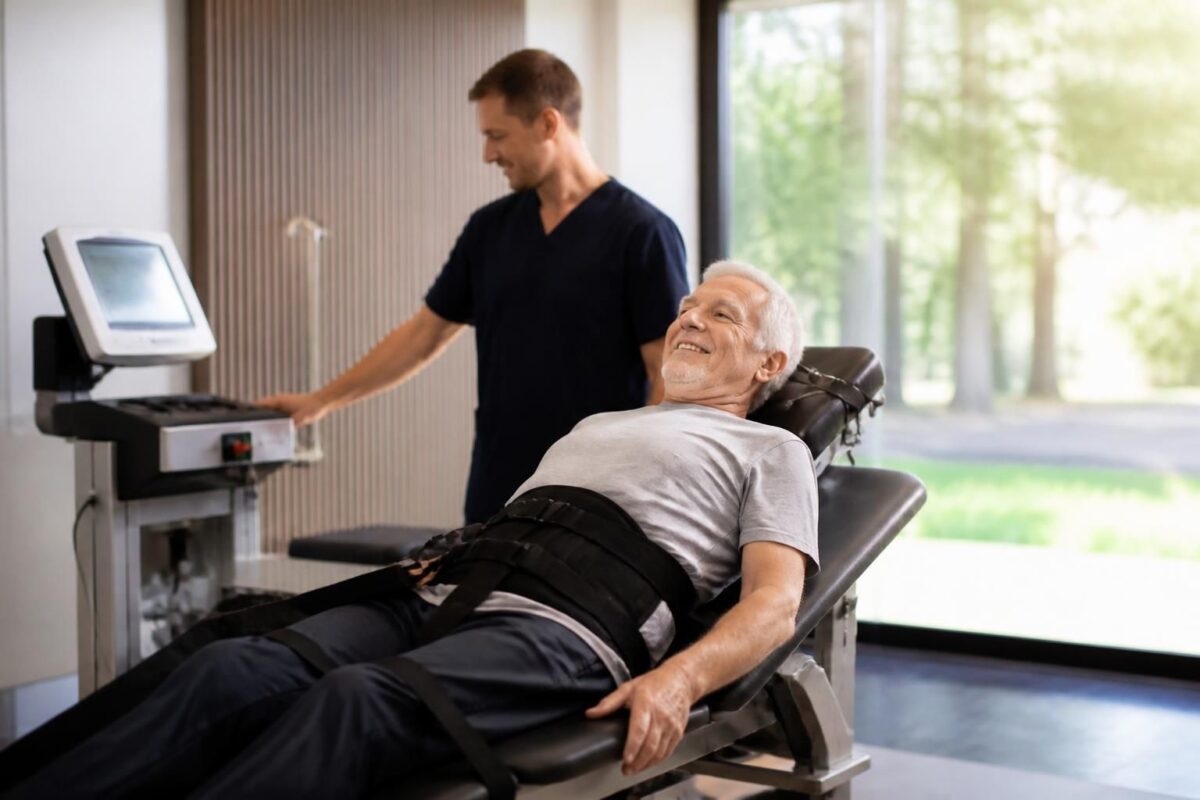
Why neurovertebral decompression is a lasting solution for active seniors
In short In short, the neurovertebral decompression is one Non-invasive therapy which sustainably relieves spinal pain in the spine active seniors By creating, by a Soft and controlled traction, a space between the vertebrae. At Montreal, it is recognized as…
quick summary
neurovertebral decompression constitutes an approach non-invasive Intended to reduce the pressure exerted on the intervertebral discs and nerves. By restoring a space between the vertebrae, it promotes circulation, tissue nutrition and mobility Spinal, providing lasting pain relief and general improvement in well-being. This article presents practical recommendations for the effective and secure use of this technique in pain management, focusing on screening, personalized protocols and integration with other therapeutic approaches.
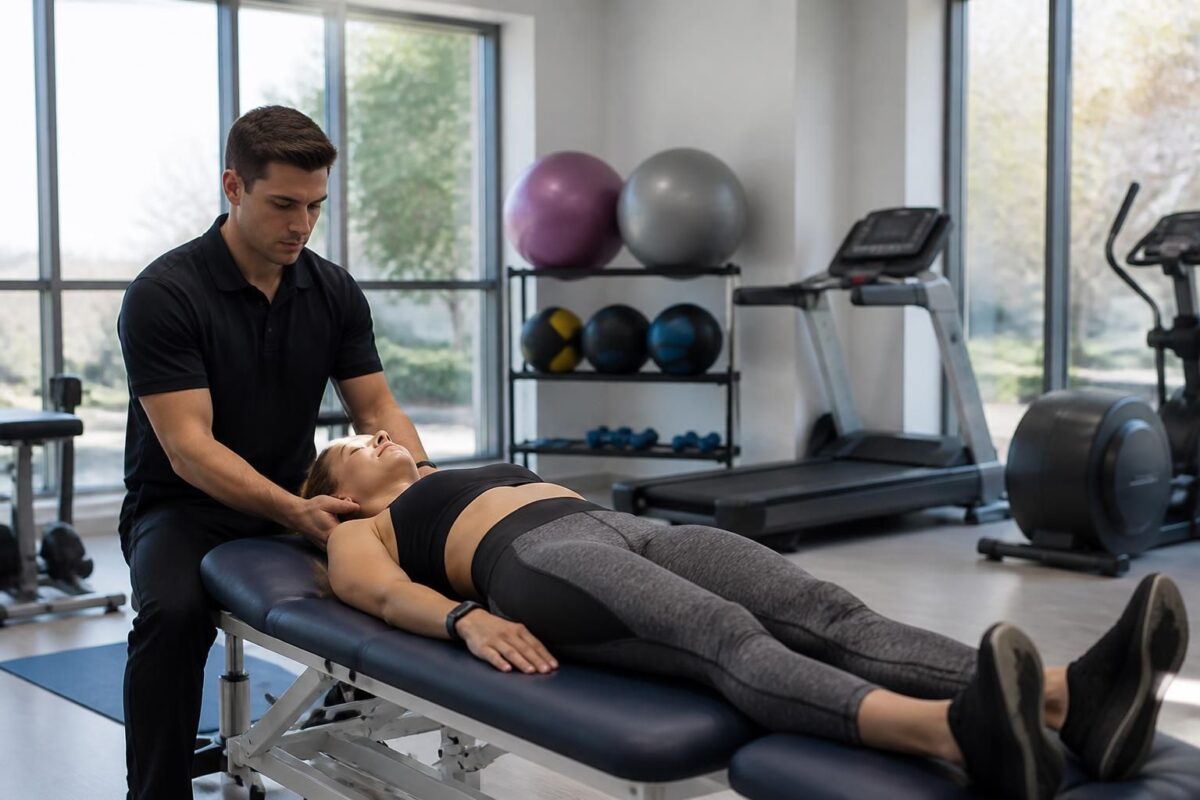
Neurovertebral decompression and recovery after severe sports injury
In short In short, the neurovertebral decompression is one Non-invasive method to Relieve the pressure on the Intervertebral discs and the gristle Via a Controlled traction, to facilitate the recovery After a severe sports injury. It improves the bloodstream towards…
What is neurovertebral decompression and its indications
Neurovertebral decompression is a mechanical therapy that creates a progressive spacing between the vertebrae to reduce compression on the Intervertebral discs and the Spinal nerves. It is particularly indicated for patients with lower back or cervical pain, disc herniations, disc protrusions or spinal stenosis. In practice, it aims to reduce nervous irritation, reduce local inflammation and promote the process of musculoskeletal rebalancing.
This approach is aimed at a wide range of patients, including those active in rehabilitation and athletes wishing to optimize their recovery. It can be considered as a key step in a multimodal plan, when conventional therapeutic standards are not enough to restore normal activity without surgical recourse.
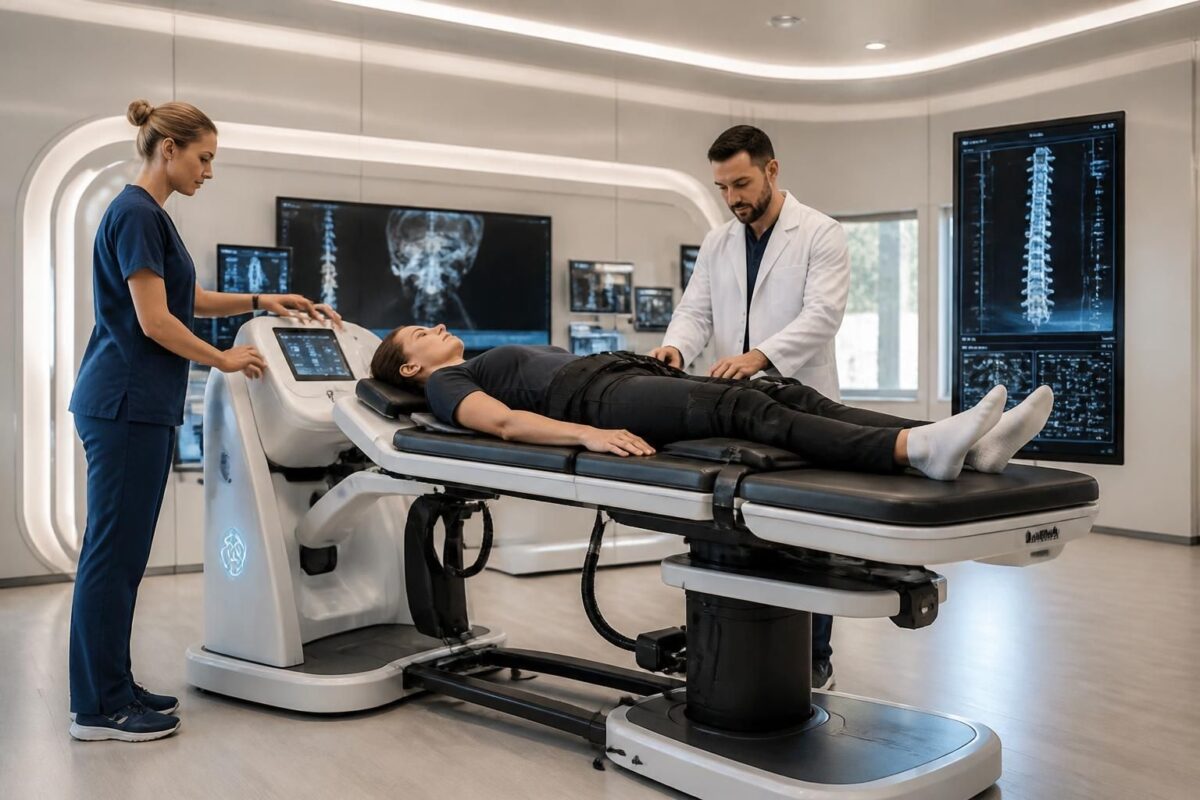
Recent innovations in neurovertebral decompression technologies
In short In short, the neurovertebral decompression is an approach non-invasive Aiming to reduce pressure on discs and nerves, and promote tissue regeneration. At Montreal, it is positioned as an effective option for lower back pain and herniated discs. The…
Mechanism and expected benefits
The mechanism is based on controlled movements performed using specialized equipment that apply gentle traction to the column. This temporary spacing of the vertebral segments Improves disc nutrition and promotes a bloodstream increased locality. The benefits include the rapid pain reduction, increased mobility, decreased inflammation and better feature of the spine.
Beyond relief, this method contributes to the Prevention of recurrences By correcting the mechanical imbalances of the column and supporting post-injury rehabilitation. In athletes, it can accelerate the recovery and improve overall performance.
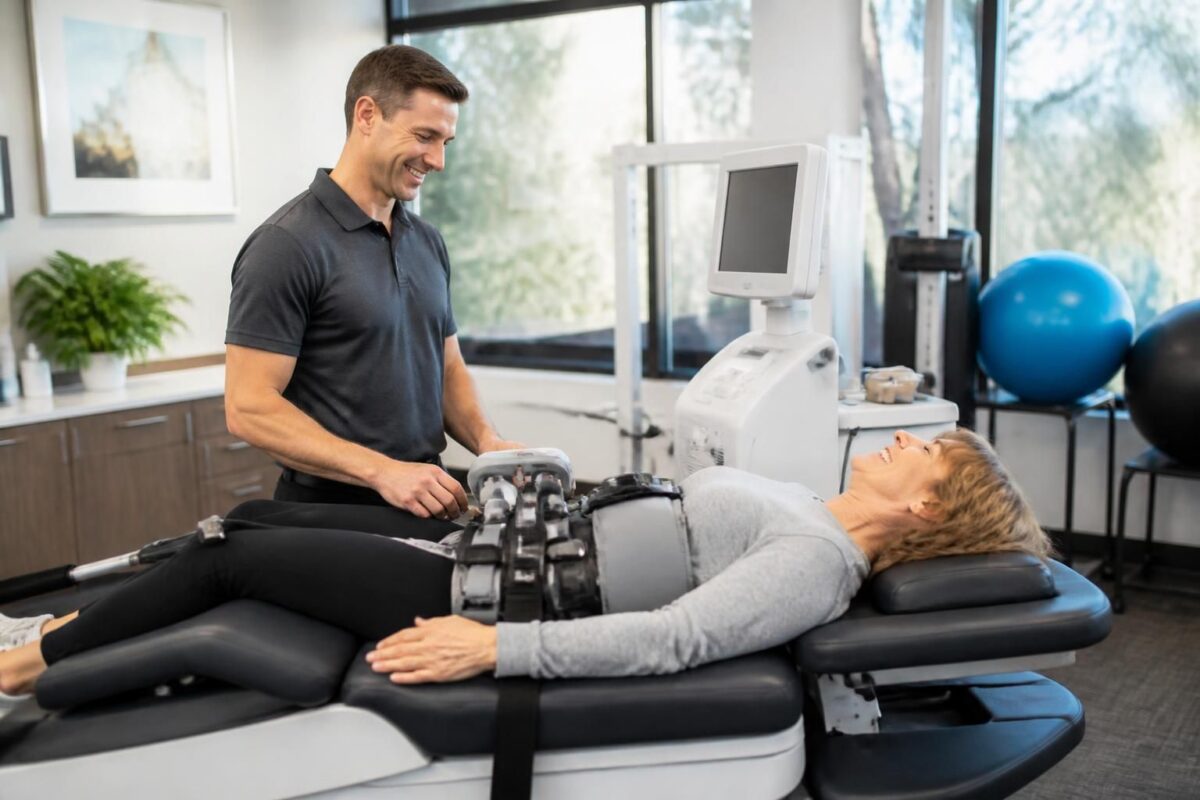
Neurovertebral decompression and diffuse pain: an appropriate solution
In short In short, the neurovertebral decompression is one Non-invasive solution For diffuse pain related to nerve irritation of the spine. She acts in Reducing pressure on intervertebral discs and nerves and improving the bloodstream, which promotes recovery and the…
Treatment plan and protocols
Initial assessment and patient selection
Before starting treatment, Full assessment is essential to check eligibility and adapt the protocol. The history, symptoms, pain location and medical restrictions may be examined that could constitute contraindications.
Sessions and progress
The typical program has several sessions, with progression adapted to the patient’s tolerance and functional progression. Each session is designed to be asymptomatic and comfortably tolerated, while aiming for measurable improvements in mobility and pain. Rhythm and intensity are adjusted based on clinical outcomes and patient feedback.
Precautions and contraindications
Although safe for the majority, neurovertebral decompression requires medical supervision And may have contraindications (certain vertebral pathologies, infections, tumors, pregnancy, or active fractures). A doctor or osteopath will qualify the course and specify the number of sessions and the precautions to be observed.
Integration with other approaches
To optimize the results, decompression can be associated with other therapies such as physiotherapy, osteopathy, and complementary technological interventions. An approach multidisciplinary Allows you to approach the mechanical and neuropathic causes of pain, support rehabilitation and prevent recurrences by working on alignment, stability and posture on a daily basis.
Monitoring, security and results
Monitoring should be scheduled to assess progress, adjust protocols and maintain gains. Indicators to monitor include pain intensity, range of motion, ability to perform daily activities and subjective feedback from patients regarding their quality of life. Safety requires open communication on the sensations felt during the sessions and rapid adaptation if undesirable effects appear.
Practical advice for patients
Before you begin, clearly discuss goals and expectations with your practitioner. Adopt a tracking routine that promotes mobility and the posture On a daily basis, and consider a program of additional activities (strengthening, stretching, swimming) to support the spine. Finally, stay informed about progress and do not hesitate to ask questions about the expected results and the schedule of sessions.
| Element | Description |
|---|---|
| Principle and mechanism | Non-invasive technique that creates a space between the vertebrae to decrease the pressure on the intervertebral discs and nerves. |
| MAIN BENEFITS | Sustainable relief, regained mobility and reduction of inflammation; Improved blood circulation. |
| Key indications | lumbar and cervical pain related to herniated discs, protrusions, stenosis or radicular pain; Useful in sports rehabilitation. |
| Contraindications and precautions | mandatory pre-assessment; Certain pathologies may contraindicate the treatment; Do it with a qualified professional. |
| Nature and security | Non-surgical approach with low risk; Reduction of complications associated with invasive treatments. |
| Sessions | Soft and controlled traction on the table; Sessions typically 30 to 60 minutes; Rhythm 2 to 3 times/week; personalized plan. |
| Success Indicators | Less pain, better mobility, decreased radiant symptoms and measured recovery. |
| Target population | Active people, athletes, and elderly patients with chronic pain; Also useful after surgery as adjuvant therapy. |
| Integration with other therapies | Combines with osteopathy, physiotherapy and other manual approaches in a comprehensive and personalized care plan. |
Testimonials on neurovertebral decompression and pain management: an innovative approach
The following testimonies illustrate the experience of patients who have benefited from the neurovertebral decompression and a comprehensive approach to pain management. These feedbacks highlight concrete results, a reduction in pain and an improvement in the quality of life on a daily basis.
Marie, 42: After years of lower back pain related to a herniated disc, I decided to try this approach. From the first sessions, I felt a relief and an Mobility found which seemed to me inaccessible. The method is non-invasive, and gradually, my nights improved, as did my general energy. I highly recommend anyone looking for a lasting solution without surgery.
Julien, 56: I endured radiant pain that made my days difficult and long. With the neurovertebral decompression, the pressure on the nerves gradually decreased and the pain decreased markedly. I found a Functional mobility And a comfort at standing work that I thought was lost. It’s an approach Sweet and reassuring which allowed me to resume my activities without anxiety.
Lucas, 29: As an athlete, I needed a quick return to performance after a lumbar injury. Decompression played a key role in my recovery and my performance improved faster than expected. I felt supported throughout the course and I was able to resume my training with confidence.
Claire, 64: Following a degenerative diagnosis, I was afraid that the pain will worsen over time. the decompression sessions brought a Sustainable relief and an Improving mobility which allowed me to resume my daily activities with less fatigue. My sleep became more restorative and my overall mood improved.
Sophie, 45: I’ve been managing neuropathic pain for several years and was looking for an effective alternative to drugs. The neurovertebral decompression gave me a Symptoms slowdown and a better quality of life. The treatment is personalized And adapted to my needs, which gave me confidence and serenity from the first sessions.
David, 38: Working in a physically demanding job, I saw my lower back pain limit my performance and motivation. With this approach, I found a rapid pain reduction and an Prevention of recurrences in the long term. My nights are calmer, my posture is better and I find lasting energy for my daily tasks.
This expert In osteopathy, naturopathy and manual medicine is part of a process ofSustainable innovation in terms of care. Through his clinical practice activities and participation in professional structures, his mission was to rethink the management of the pain through non-invasive and personalized approaches. Founding president of the Tagmed clinics and the ACMA association, he carries a vision that combines manual know-how and applied research. His work aims to offer concrete and measurable solutions for patients suffering from Chronic pain.
His approach is based on a multidisciplinary evaluation and on the integration of advanced technologies. Among these, the neurovertebral decompression Is at the heart of the approach and frees the space between the vertebrae, to reduce the pressure exerted on the intervertebral discs and the nerve roots. At the same time, complementary therapies such as laser and the shock waves come to support the healing process and accelerate recovery. This combination aims to provide care evidence-based and adapted to each patient profile.
The fundamental principle of neurovertebral decompression Based on mechanical mechanisms: creating an intervertebral space helps to improve the nutrition of the discs, stimulates blood circulation and reduces inflammation. For patients with herniated discs, protrusions or spinal stenosis, the benefits regularly rise in terms of mobility and pain reduction. This approach is designed to be non-invasive while being able to respond quickly to symptoms, which promotes more effective rehabilitation.
As part of a complete therapeutic journey, the team believes in a Mobility found Through personalized protocols and regular follow-up. The results show that it is possible to return to physical and professional activity with less dependence on drug treatments. The beneficial effect extends to overall well-being: the improvement of the sleep, the reduction of stress and better muscle and postural harmony. In this, the approach is not limited to calming the pain, but seeks to restore the functional balance.
The strategy is based on close collaboration with other health professionals, in order to adopt an integrated approach to pain. Physiotherapists, sports doctors, osteopaths and nutritionists work together to adjust protocols and prevent recurrences. The focus is on prevention and on the management of risk factors related to the spine, in order to provide a sustainable quality of life for active patients, athletes and the elderly.
In the future, this way innovative Promises to expand access to care non-invasive and effective. Operational know-how is based on clinical experience and patient feedback that demonstrates significant improvement after several sessions. By continuing to improve technological tools and continuous training of teams, the approach to neurovertebral decompression and of pain management continues to evolve to meet the challenges of chronic pain and offer a real lasting therapeutic option.
This article concludes that the neurovertebral decompression represents a Innovative approach and non-invasive for the pain management, especially when the pain affects the back and cervical spine. By reducing the pressure on the intervertebral discs and nerve roots, it promotes mobility, improves circulation and supports the healing process while limiting the risks associated with more invasive treatments. Clinical evidence and feedback highlights quick and lasting benefits in multiple contexts, from low back pain to cervical headaches.
The neurovertebral decompression Based on a simple but effective mechanical principle: create a space between the vertebrae in order to reduce the compression exerted on the discs and the nerves. This approach non-invasive Easily integrates into a multidisciplinary rehabilitation program and can facilitate a Quick rehabilitation after injury while reducing chronic pain. For professionals and patients who wish to explore the elements demonstrating its effectiveness, Returns#ATFP_CLOSE_TRANSLATE_SPAN# Scientists provide a summary of the mechanisms and results observed in practice.
The indications remain wide and mainly target pain associated with degenerative discs, herniations or protrusions, as well as radiant pain and related neuropathies. Active populations and athletes benefit particularly from appropriate protocols, which aim not only to relieve, but also to prevent recurrences and to support a rapid functional recovery. Specialized resources underline the benefits for degenerative pathologies and chronic pain, reinforcing the idea that it is a useful tool in the context of global care. To learn more about the benefits in these contexts, see Dedicated Clinical Analyzes and Cases.
A key aspect of effectiveness is the approach multidisciplinary which accompanies neurovertebral decompression. Specialist teams that combine osteopathy, physiotherapy and associated technologies insist on personalized evaluation and rigorous follow-up. This coordination is described in detail in the resources dedicated to the multidisciplinary approach and the management of complex neuropathic pain, which highlight the role of each discipline in achieving a lasting balance of the musculoskeletal system. To learn more, see CE#ATFP_CLOSE_TRANSLATE_SPAN# Multidisciplinary approach.
The prevention of surgical interventions is another strong focus highlighted by practitioners and published clinical cases. In several series, neurovertebral decompression has reduced the need for surgery in patients with lower back and neck pain, while improving quality of life and mobility. For a presentation of the arguments in favor of this preventive approach, see Comment#ATFP_CLOSE_TRANSLATE_SPAN# It can help prevent surgical interventions.
Testimonials and clinical experiences also highlight the impact on sleep and overall well-being. By reducing the nocturnal pain and facilitating better recovery, decompression contributes to a more harmonious circodenity and a reduction in psychological stress associated with chronic pain. Dedicated resources show these benefits and patient feedback, including on nocturnal effects and overall pain perception.
Finally, the evolution of technologies and protocols continues to enrich the offer. Recent analyzes and use cases demonstrate recent advances in the field of neurovertebral decompression and prospects for optimizing injury recovery. For a synthesis of innovations and technical developments, consult the resources on recent innovations in neurovertebral decompression and feedback from professionals.
For those who wish to deepen the practical aspects and benefits for lower back and cervical pain, additional resources highlight mechanisms of action, protocols and clinical outcomes. For example, resources describe how this approach fits into a comprehensive pain management strategy and how it can improve mobility and neuromuscular function. References and associated studies provide a solid basis for evaluating her role in a personalized care pathway. For more information and to directly access concrete examples, you can explore the following pages:
A Integrated approach To reduce chronic pain is also offered by several clinics and experts. This perspective insists on the importance of a coordinated treatment plan that associates decompression with other therapeutic modalities adapted to the patient. For patients and professionals who want a complete introduction to this approach, see A#ATFP_CLOSE_TRANSLATE_SPAN# Integrated Approach.
Professional resources and associated publications show that neurovertebral decompression can be particularly beneficial for athletes in rehabilitation and for elderly people with degenerative pain, while remaining a non-invasive and well-tolerated option in most cases. For specific testimonials and case analyses, the dedicated pages provide concrete examples and results observed in various situations.
For readers seeking evidence and feedback, the following links provide additional perspectives and additional information on the effectiveness, safety and practical applications of this approach:
Clinical cases and testimonials: CAS#ATFP_CLOSE_TRANSLATE_SPAN# Successful clinics thanks to neurovertebral decompression
Degenerative benefits and pathologies: les#ATFP_CLOSE_TRANSLATE_SPAN# Benefits for degenerative pathologies
Sports trajectories and athletes: LES#ATFP_CLOSE_TRANSLATE_SPAN# Recent innovations in neurovertebral decompression for lower back pain
Multidisciplinary approach and pain management: A#ATFP_CLOSE_TRANSLATE_SPAN# Multidisciplinary approach to treat complex neuropathic pain
Integrated approach and chronic pain reduction: A#ATFP_CLOSE_TRANSLATE_SPAN# Integrated approach to reduce chronic pain
Pain management and overall integration: Decompression#ATFP_CLOSE_TRANSLATE_SPAN# Neurovertebral and Pain Management — An Innovative Approach
Nocturnal stories and nocturnal pain: Reduction#ATFP_CLOSE_TRANSLATE_SPAN# Nocturnal back pain
Global scientific feedback: Returns#ATFP_CLOSE_TRANSLATE_SPAN# Scientists

Dr Sylvain Desforges, B.Sc., D.O., N.D., osteopath, is the founding president of TAGMED and of the ACMA association. He dedicates his practice to chronic spinal pain, low back pain and symptoms compatible with sciatica, particularly when pain radiates toward the buttock, leg, calf, foot or toes.
Through SOS Sciatique, he publishes educational content on sciatica symptoms, possible causes such as disc herniation, disc narrowing, foraminal stenosis or irritation of a lumbar nerve root, as well as non-surgical approaches that may be considered according to the evaluation. At Clinique TAGMED, care may include, depending on the case, motorized neurovertebral decompression, specific osteopathic care or precision percussion.
For an evaluation related to sciatica treatment in Montreal / Mount Royal or sciatica treatment in Terrebonne, please consult the services available at Clinique TAGMED.
Medical disclaimer
The information published on SOS Sciatique is provided for educational purposes only and does not replace a consultation, diagnosis, opinion or treatment provided by a physician or another authorized healthcare professional. The author of this article is neither a medical doctor nor a specialist in a medical specialty recognized by the Collège des médecins du Québec. The osteopathic, manual medicine or functional support approaches described on this site do not constitute medical acts and are not intended to replace medical follow-up.
Consult a physician or emergency service in cases of loss of bladder or bowel control, anesthesia in the saddle area, significant or progressive weakness in the leg or foot, fever, recent trauma, severe pain or rapid worsening of symptoms. For more details, please read our Legal Notice.