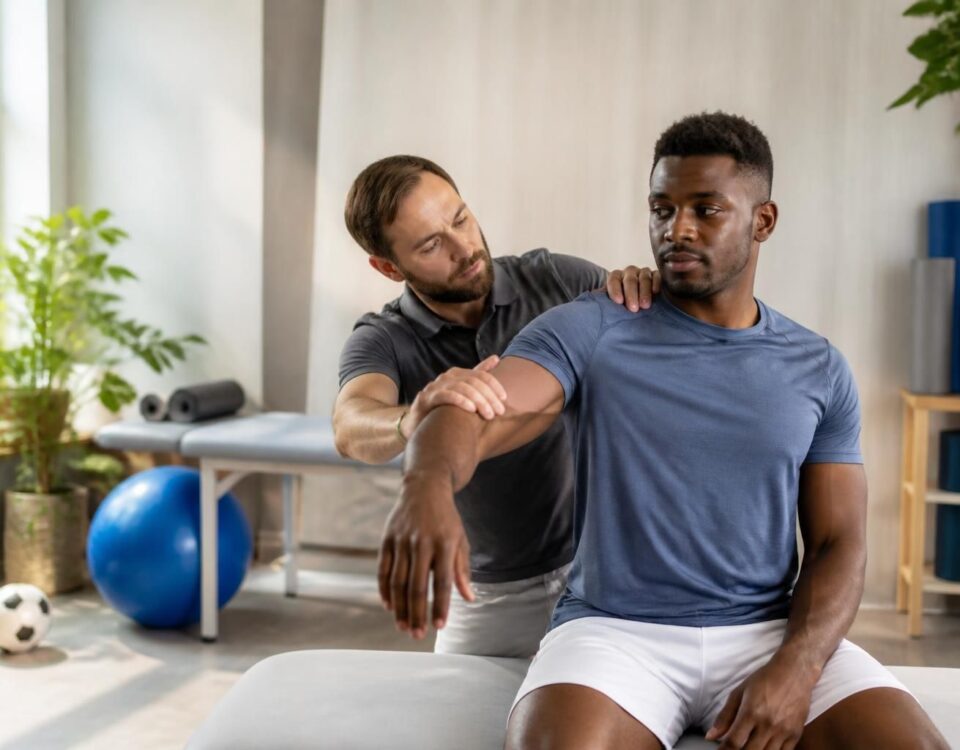
Osteopathic manipulations to relieve shoulder pain
27/06/2026
Osteopathy and posture: regain optimal body alignment
27/06/2026
In short
stated: osteopathy is one Manual approach which aims to restore theStructural and functional balance body for Relieve spine pain. it acts on the Lower back pain and cervical By releasing muscle tension, restoring the Joint mobility and improving the bloodstream. Key Benefits: Sustainable relief, Mobility found, Prevention of recurrences, improvement of posture and general well-being. Operation: Gentle manipulations and targeted, Myofascial relaxation, Joint mobilizations, Postural evaluation, and ergonomic advice – the objective being to restore the balance of the body without invasive intervention. Adapted to all profiles (sports, adults, elderly), this approach offers comprehensive and personalized care. |
theosteopathy acts on the Spine pain Considering the body as a Functional Unit. thanks to Soft manual techniques such as the vertebral manipulation, the mobilization and the Myofascial relaxation, it aims to Realign the vertebrae and release tensions around the column. This improves the mobility and the circulation tissues, promoting natural healing and reducing inflammation. his approach holistic also takes into account the posture and the stress, to reduce pain and prevent recurrences. The goal is a more stable column and a better quality of life, without invasive intervention.
This article clearly explains how Osteopathy acts on the pain of spine. It describes the principles, techniques, and effects observed in practice. It also highlights the importance of personalized follow-up and a global approach to the patient.
Principles and conceptual framework
In osteopathy, the body is seen as a functional unit. The spine is a central pillar that influences the entire musculoskeletal system. Imbalances in an area can affect elsewhere. The goal is to restore harmony between muscles, joints and soft tissue around the spine.
Common osteopathic techniques for the spine
Osteopaths use Soft manual techniques And some engagement vertebral to increase the range of motion and release areas of tension. The Myofascial relaxation Targets fascias surrounding muscles and organs. thePostural evaluation Identifies imbalances that can contribute to pain. These approaches aim to improve local circulation and reduce tensions without resorting to invasive acts.
To learn more about the benefits of osteopathy in repetitive work, consult the specialized resources on this topic at The benefits of osteopathy on repetitive work pain.
How osteopathy acts on pain and mobility
Osteopathic work aims to Reduce tension and to promote circulation in the fabrics around the column. This helps to reduce pain and improve mobility. Mobility optimization contributes to a better function of supporting muscles and can limit repeated painful episodes. In some cases, osteopathy may be associated with non-surgical options such as neurovertebral decompression, according to the patient’s assessment. For more information on column-related non-invasive approaches, see neurovertebral decompression.
The mechanisms involved include improving the bloodstream, the reduction of Muscle tensions, and the rebalancing of Shortenings and joint imbalances. These effects promote better tissue nutrition and more effective recovery after painful episodes.
Posture, stress and overall well-being
spinal pain is often associated with factors postural and elements of stress Or anxiety. The osteopathic approach takes these dimensions into account. By working on posture, breathing and overall tension in the body, osteopathy can contribute to a reduction in psychological impact on pain and a better quality of life. Resources on the links between osteopathy and stress-related pain exist on specialized pages Osteopathy and recovery and Prevent muscle imbalances.
Integration into the care pathway
Osteopathy is part of a global care setting. The treatment is adapted after a complete evaluation and takes into account the history, posture and lifestyle. Osteopaths can collaborate with other health professionals when necessary and appropriate. Additional information on professional practices and training frameworks is available from the main osteopathy reference organizations and from recognized professional associations such as ACMA and the College of Canadian Osteopaths.
To deepen the aspects related to low back pain and osteopathic treatment, consult specialized resources on the subject, including those that describe the effects and options for management without stretching or improper exercise. For example, you can examine resources dedicated to osteopathy and low back pain through the dedicated pages on Low back pain Osteopathy Treatment and on Sciatic pain – Full management.
Professionals trained in institutions such as NUMSS or NAO provide a solid basis for evaluation and osteopathic interventions. Adhering to public and private professional standards, including those associated with ACMA, College of Canadian Ostopaths or College of Canadian Osteopaths, ensures a consistent and safe practice.
For additional information on osteopathic approaches and their scope, you can also consult general resources on osteopathy and the benefits on mobility and the prevention of imbalances, such as The benefits of osteopathy for increased flexibility and Osteopathic manipulation.
Note, when specific diagnoses or treatments enter the field of disc pathologies (discal herniation, disc pinching, foraminal stenosis, spinal stenosis, etc.), advice focuses on the appropriate information and treatments in consultation and on dedicated professional resources. To learn more about these conditions and associated osteopathic approaches, you can consult specialized resources on the corresponding domains in the authorized sites mentioned above and the pages dedicated to neurovertebral decompression and herniated disc management via trusted sources like those available on authorized domains.
For additional information on spinal pathologies and authorized and recognized osteopathic treatments, the following pages may be useful: Spinal pathologies and Osteopathy and scial pain.
Emulation of the professional field and training: NUMSS and NAO remain important frameworks for continuing education. Compliance with codes and professional standards is ensured by professional organizations such as ACMA, College of Canadian Osteopaths and College of Canadian Ostopaths.
For more information on osteopathic practices and associated resources, do not hesitate to consult the specialized resource pages listed above and the authorized domains for information associated with osteopathy and low back pain.
Medical Disclaimer: The information and advice provided on this site does not replace the health professional’s diagnosis or treatment. Please note that Dr. Sylvain Desforges osteopath is neither a doctor of medicine nor a doctor, and is not a specialist in a medical specialty as defined by the Collège des Médecins du Québec. Manual medicine, functional medicine and sports medicine as described on this site exclude any medical treatment or diagnosis made by a doctor or specialist doctor. Always consult your doctor for any medical questions. For more details, please read our full legal notice.
Medical Disclaimer: The information and advice provided on this site does not replace the health professional’s diagnosis or treatment. Please note that Dr. Sylvain Desforges osteopath is neither a doctor of medicine nor a doctor, and is not a specialist in a medical specialty as defined by the Collège des Médecins du Québec. Manual medicine, functional medicine and sports medicine as described on this site exclude any medical treatment or diagnosis made by a doctor or specialist doctor. Always consult your doctor for any medical questions. For more details, please read our full legal notice.
- targeting Muscle tension and joint dysfunction
- techniques soft and targeted adapted to each segment
- Release fascias and reduced mobility restrictions
- Mobilization vertebral to restore amplitude and movement
- Circulation blood and lymphatic around the improved vertebrae
- Reduction pressure on nerve structures and inflammation
- Balance autonomic nervous system and decreased stress
- Prevention Recurrences and simple postural advice

This synthesis presents, in a practical way, how Osteopathy acts on the pain of the spine, by combining anatomical mechanisms, manual techniques and a global approach to the body. It offers clear benchmarks and concrete recommendations to improve mobility, reduce pain and prevent recurrences.
Understanding the Mechanisms of Action
Osteopathy considers the body as a unit. A dysfunctionlocal ment can disrupt the musculoskeletal chain, mobility vertebral and even fluid circulation. By researching and correcting these imbalances, the osteopath aims to restore theStructural balance and overall functioning, which can reduce pain and improve coordination of segments of the column.
Tissue stimulation and tension release can improve the bloodstream and lymphatic drainage, promoting nutrient intake and waste disposal. A better fed and less tense column is better able to withstand loads and prevent painful reactions.
The aspect nervous Also taken into account: joint or muscle tension can irritate nerve roots and cause pain that radiates. By releasing restrictions, osteopathy can reduce these symptoms and improve the feeling of well-being.

How osteopathy improves the quality of life of active people
In short In short, theosteopathy is a global approach that Optimizes mobility and the function of the body of ACTIVE PEOPLE, for a better quality of life. It helps prevent injury and reduce Musculoskeletal pain While promoting the Sports recovery.…

Osteopathy and sports recovery: prepare the body for lasting performance
In short In short, Osteopathy and Sports recovery is one Global manual approach that sustainably prepares the body for the effort by restoring mobility and circulation After the effort. It is a discipline that acts on the sinews, the joints,…
central techniques used
Vertebral manipulations and mobilizations
Gentle manipulations and mobilizations target the joints of the column to restore their amplitude and correct misalignments. This can quickly decrease some pain and facilitate free movement.
Myofascial relaxation and work of the fascias
The work on the fascias aims to release the tensions surrounding the muscles and organs, which can reduce mechanical resistance and improve overall flexibility. This action promotes better circulation and a reduction of pain associated with areas of diffuse tension.
Postural evaluation and movement
Postural evaluation helps identify habits or imbalances that fuel spinal pain. By adjusting the treatment plan based on these observations, the causes are acted rather than the symptoms and the ground is prepared for better long-term stability.
Why Osteopathy Is Essential For Recovery People
In short In short, Osteopathy in convalescence is an approach manual and holistic which helps to accelerate the recovery by restoring The balance, the mobility and a good circulation fabrics. it contributes to Reduce the pain, support the Back to…

Osteopathic manipulations to strengthen post-traumatic muscles
In short In short, Osteopathic manipulations for Strengthen post-traumatic muscles constitute a gentle manual approach aimed at restoring the mobility, reduce the pain and facilitate the Functional rehabilitation After a injury. What is Is it? A series of precise gestures…
Effects on pain and mobility
Typical results include reduced pain, improved range of motion, and decreased stiffness. At the same time, patients often notice a better quality of life and increased mobility during daily and sports activities.
Beyond immediate pain, osteopathy can help prevent recurrences by promoting self-regulation mechanisms and teaching simple gestures to protect the spine in daily life.

Osteopathy and prevention of work-related musculoskeletal disorders
In short theosteopathy is one Manual approach that restores body balance and prevents MSD related to work. Its advantages: reduction of tension, improvement of mobility and prevention of chronic pain. She is preventive and healing, suitable for office and trades…

The benefits of osteopathy to treat muscle imbalances
In short theosteopathy is a manual approach to restore themuscle harmony and postural considering the body as a whole. Its main benefits include the reduction of aches and tensions, the improvement of the mobility and from the posture, and prevention…
Global approach and prevention
A holistic dimension is adopted: consideration of physical, but also psychological and environmental factors. Stress management, postural habits and self-maintenance exercises are an integral part of the care to support the actions carried out in the session and improve the gains obtained.
Collaboration with other health professionals can enhance the effectiveness of treatment. A common plan promotes an integrated, patient-friendly approach, with clear goals on pain reduction and improved spinal stability.
To optimize the results, it is recommended to follow a suitable number of sessions, to integrate simple exercises to practice at home and to adjust the levels of activity according to the symptomatic evolution. Each patient benefits from a personalized protocol calculated from their history, condition and reaction to osteopathic techniques.
Osteopathy and chronic leg pain: regaining an optimal quality of life
In short In short, Osteopathy is one Global manual approach aimed at reducing Chronic leg pain and improve the quality of life. What is it? Non-drug therapy using the hands to identify restrictions and treat lesional chains. How does it…
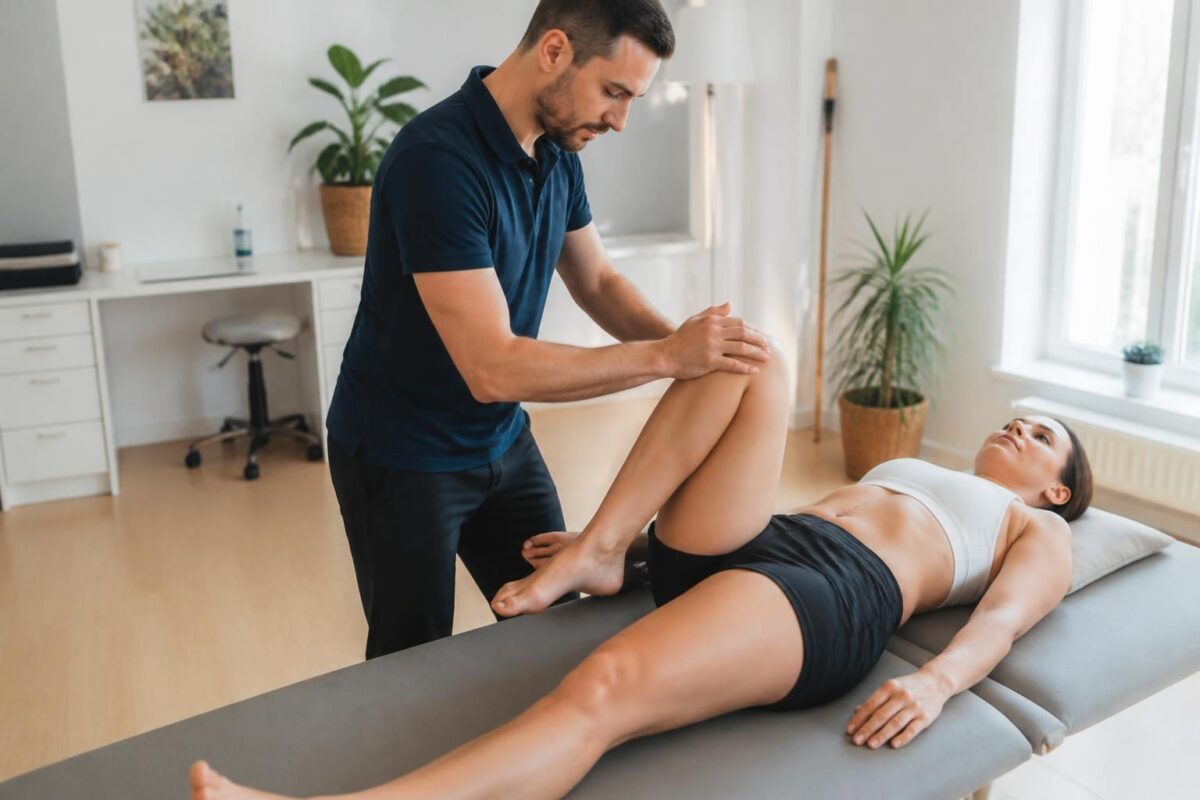
How osteopathy supports recovery after complex surgery
In short In short, Post-operative osteopathy is an approach fresh which supports the recovery After a Complex surgery. It helps to reduce the pain and the fatigue, improves the mobility and accelerates the healing thanks to a better vascularization and…
How does osteopathy affect spinal pain
| Aspect | Effect |
|---|---|
| Alignment and structural balance | Restores the alignment of the vertebrae and balances the muscle chains to reduce irritating loads. |
| Release of muscle tension | Releases tension around the column and reduces pain and stiffness. |
| spinal mobilization | Improves range of motion and releases pain that maintains pain. |
| work on the fascia | Releases tensions from adjacent fascias and improves circulation and flexibility. |
| Tissue circulation | Promotes local blood and lymph circulation to accelerate healing. |
| Posture and mechanics | Optimizes posture and load distribution to prevent recurrent pain. |
| Natural healing | Activates self-healing mechanisms by better oxygenation and tissue nutrition. |
| Nervous system and stress | Reduces tension and can modulate pain via the nervous system. |
| gentle and non-invasive approach | Soft manual techniques without surgery, adapted to each patient. |
Testimonials: how osteopathy acts on spinal pain
“Before my first session, Lumbar pain blocked me and limited my daily activities. After a few sessions focused on Gentle manipulations and on thevertebral alignment, I found a Sustainable mobility and real comfort. — Marc, 46 years old
“As a sportswoman, my pains of the spine slowed down my performance. Osteopathy targeted tensions and improved my posture thanks to Sweet mobilizations and ergonomic advice; I resumed training with more stability and less pain. — Sophie, 34
“For a worker in front of the computer, the stiffness of the neck and upper back worsened. The osteopathic approach has rebalanced my posture, improved the circulation and freed them strain, allowing me to move freely without pain the next day. — Lucas, 29
“After years of cervical pain, I noticed a marked improvement after several sessions. work on fascias and the Sweet mobilizations Reduced tension and ease my breathing. — Claire, 52 years old
“My lumbar suffered and I had trouble staying active. Thanks to Myofascial releases and to the adaptation of the gestures, the pain decreased and my force strengthened, allowing me to resume my activities without embarrassment. — Antoine, 60
“I saw a reduction in theinflammation and a better quality of life after the sessions. Osteopathy helped me understand my body and adopt better postures on a daily basis. — Nadia, 41 years old
Dr. Sylvain Desforges, expert in osteopathy, in naturopathy and manual medicine, addresses the pain of spine with a global and pragmatic approach. His work is based on the idea that the body is a functional unit and that localized tensions can reflect wider imbalances. In this perspective, osteopathic management seeks to identify the underlying causes of pain and not only to soothe symptoms, in order to sustainably improve the mobility and well-being of the patient.
One of the keys to the action of osteopathy on the back lies in the work on the vertebral structures, but also on the soft tissues that surround them: muscles, fascias and membranes. Gently, osteopathic techniques make it possible to release tensions that would compress the joints or radiate nerves. This muscular and fascial release gradually restores a more harmonious alignment of the spine, which decreases pain and restores a normal range of motion.
The Manual techniques used in osteopathy—gentle manipulations, joint mobilizations and targeted releases—aim to restore the feature vertebral segments and associated muscle chains. By improving the bloodstream And the supply of oxygen to the tissues, they promote the nutrition of discs and articular surfaces while reducing local inflammation. The expected result is a gradual decrease in pain, better stability and regained mobility, allowing the patient to resume their daily activities with less limitations.
Beyond local mechanisms, osteopathy takes an approach holistic which takes into account the factors accentuating the pain: postures adopted at work, habits of life, stress and sleep. Pain progression can be fueled by stress-related tensions or repeated postural imbalances. By working on posture, breathing and overall relaxation, the osteopath can reduce triggers and prevent recurrences, thus contributing to a lasting improvement in quality of life.
For common forms of vertebral pain—Lumbago, pain in the cervical and sometimes radicular region—osteopathy offers an appropriate and non-invasive approach. In addition to ergonomic advice and possible targeted exercises, the sessions aim to restore the balance of structures and promote a gradual return to physical activity, while respecting the rhythm and limits of each patient. The integration of technologies such as spinal decompression, laser And shockwave therapies can, depending on the case, enrich the manual approach and optimize the results.
The results observed in practice show a reduction in the use of pharmacological treatments and a measurable improvement in mobility and comfort over the sessions. Clearly, osteopathy works by tackling the causes, not just the symptoms, and accompanying the patient towards regained mobility and a more balanced posture.
This article details how theosteopathy acts on the pain of the spine, describing the mechanisms, techniques and effects on mobility and well-being. It highlights an approach holistic which aims to restore the structural and functional balance of the body while taking into account the physical and psychosocial factors that can influence pain.
First, osteopathy considers the body as a unit Interconnected: Localized dysfunction can disrupt the entire musculoskeletal system. This approach is based on the idea that restoring theOverall balance of the body allows to release the tension chains that extend along the column and to improve the operation nerves, muscles and joints.
Key techniques used to treat spinal pain include vertebral manipulation, the Myofascial relaxation and the Joint mobilizations. Each of these interventions aims to restore range of motion, release tension and improve circulation, which helps to reduce pain and promote faster recovery. To learn more about these mechanisms and their practical applications, you can consult specific resources on Osteopathy and mobility and on Prevention of musculoskeletal disorders.
In terms of welfare, the osteopathic approach does not stop at physical pain: it also integrates the dimensions psychological and postural, which can reduce stress and improve pain perception. Dedicated resources explain how osteopathy can Improve daily well-being and support recovery after injury.
Beyond immediate relief, osteopathy offers ways to prevention and ofpreventive maintenance for the spine. Postural assessment and ergonomic advice can help maintain mobility gains and reduce the risk of recurrence. To deepen these preventive aspects, see in particular the resources focused on the Prevention of musculoskeletal disorders.
Finally, theefficiency These approaches are based on techniques tailored to each patient, in-depth evaluation and collaboration with other health professionals when necessary. For a clinical perspective and evidence on the mechanisms of action and observed results, you can consult references such as Osteopathy and spine pain and related resources on the subject.
For more information on clinical outcomes and detailed mechanisms, see also Resources on the spinal stability and on Mechanisms of action. For a global and easily applicable approach, feel free to explore the following resources: Osteopathy and mobility, Post-sports injury recovery, and Durable solution for chronic pain.

Dr Sylvain Desforges, B.Sc., D.O., N.D., osteopath, is the founding president of TAGMED and of the ACMA association. He dedicates his practice to chronic spinal pain, low back pain and symptoms compatible with sciatica, particularly when pain radiates toward the buttock, leg, calf, foot or toes.
Through SOS Sciatique, he publishes educational content on sciatica symptoms, possible causes such as disc herniation, disc narrowing, foraminal stenosis or irritation of a lumbar nerve root, as well as non-surgical approaches that may be considered according to the evaluation. At Clinique TAGMED, care may include, depending on the case, motorized neurovertebral decompression, specific osteopathic care or precision percussion.
For an evaluation related to sciatica treatment in Montreal / Mount Royal or sciatica treatment in Terrebonne, please consult the services available at Clinique TAGMED.
Medical disclaimer
The information published on SOS Sciatique is provided for educational purposes only and does not replace a consultation, diagnosis, opinion or treatment provided by a physician or another authorized healthcare professional. The author of this article is neither a medical doctor nor a specialist in a medical specialty recognized by the Collège des médecins du Québec. The osteopathic, manual medicine or functional support approaches described on this site do not constitute medical acts and are not intended to replace medical follow-up.
Consult a physician or emergency service in cases of loss of bladder or bowel control, anesthesia in the saddle area, significant or progressive weakness in the leg or foot, fever, recent trauma, severe pain or rapid worsening of symptoms. For more details, please read our Legal Notice.