How osteopathy acts on inflammatory pain
28/06/2026
Osteopathy and well-being: harmonize body and mind
28/06/2026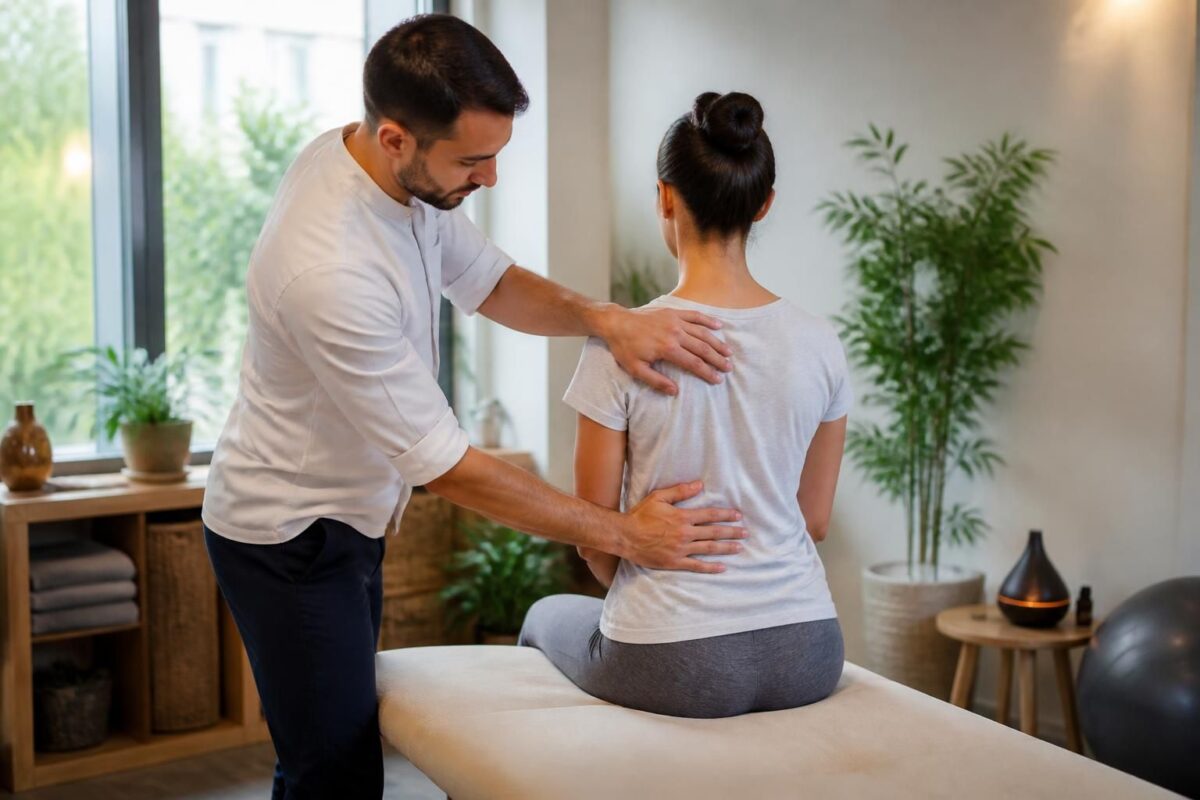
In brief in French
| In short, the Osteopathic approaches To improve the posture and reduce the strain aim to correct the Postural imbalances and body disturbances. It’s a solution non-invasive which offers a Sustainable relief and better mobility. How does it work? After a Overall posture assessment, the practitioner identifies the tension zones and applies Precise manual techniques accompanied by Postural advice. If necessary, collaboration with a podiatrist may be recommended for setting up Orthopedic soles. In Montreal, this service is particularly suitable for people with spinal and posture pain. |
For Improve posture and Reduce tension, postural osteopathy offers a complete approach. By evaluating the Overall posture of the body, the osteopath identifies imbalances and areas of tension, then uses Precise manual techniques and appropriate postural advice to rebalance the body and restore thealignment of the spine. If necessary, he can coordinate with other professionals for the implementation of solutions such as orthopedic insoles. In summary, this gentle and targeted approach makes it possible to sustainably relieve pain, improve mobility and prevent future tensions.
This article presents how theosteopathy can correct the Postural imbalances and reduce the strain in the body. It describes the evaluation, manual techniques and practical advice that can be used to restore thealignment and improve mobility. The goal is to get a Postural rebalancing lasting, especially at the level of the spine, while considering the stressors and lifestyle habits that influence the posture.
Postural evaluation and identification of tensions
The osteopath begins with a Overall posture assessment. This step identifies the areas of voltage and the malfunctions which feed the pain. The gaze on the alignment of the shoulders, the pelvis and the column makes it possible to target the sensitive areas and to establish a simple and safe intervention plan.
Osteopathic techniques used for alignment
the techniques used remain sweet and adapted to each patient. They aim to release tensions, restore joint mobility and promote harmonious alignment trunk and ends. Work can include approaches to Myofascial release, soft joint techniques and support on the Diaphragmatic breathing.
To deepen the effects of osteopathy on stress and muscle tension, see
CE#ATFP_CLOSE_TRANSLATE_SPAN# Work.
Resources on the benefits of osteopathy for nervous tension are available on
CE#ATFP_CLOSE_TRANSLATE_SPAN# Subject.
For active aging, osteopathy can play a role, information on
CE#ATFP_CLOSE_TRANSLATE_SPAN# Link.
Role of postural counseling and daily habits
The practitioner offers simple and applicable postural advice on a daily basis. It explains how to adjust the work environment, rest positions and repetitive gestures to maintain thealignment and reduce muscle tension. Links to resources illustrate posture and stress management strategies to support postural rehabilitation. See in particular the resources on the Portal#ATFP_CLOSE_TRANSLATE_SPAN# Osteo and guides dedicated to postural osteopathy.
To understand the framework of the osteopathic intervention and its impact on functional mobility, explore the following resources:
Recovery#ATFP_CLOSE_TRANSLATE_SPAN# after intense physical exertion,
Improvement#ATFP_CLOSE_TRANSLATE_SPAN# Functional capabilities,
and Release#ATFP_CLOSE_TRANSLATE_SPAN# Postural.
Collaboration and coordination of care
My approach is based on recognized training such as NUMSS and nao, as well as on programs of National University of Medical Sciences and from the National Academy of osteopathy. I collaborate with professional organizations such as acma, College of Canadian Osteopaths and College of Canadian Osteopaths to ensure a compliant and safe practice.
In some cases, coordination with other professionals can be helpful. For example, for specific adjustments of the foot, resources and advice can be considered in consultation with a podiatrist, in order to support overall alignment and posture. Examples of exchanges and dedicated resources exist via guides and sites specializing in osteopathy and posture.
To understand integration with postural recovery aspects and support, you can view content on CE#ATFP_CLOSE_TRANSLATE_SPAN# Subject and CE#ATFP_CLOSE_TRANSLATE_SPAN# Theme.
Finally, additional resources on osteopathic techniques and their role in posture are available via the Portal#ATFP_CLOSE_TRANSLATE_SPAN# Osteo and on Osteopathy#ATFP_CLOSE_TRANSLATE_SPAN# and posture.
Osteopathic approaches are gentle, patient-centric and adapted to each musculoskeletal condition. They aim to reduce tension and restore theOverall balance of the body, while taking into account the constraints and objectives of each one.
Medical Disclaimer: The information and advice provided on this site does not replace the health professional’s diagnosis or treatment. Please note that Dr. Sylvain Desforges osteopath is neither a doctor of medicine nor a doctor, and is not a specialist in a medical specialty as defined by the Collège des Médecins du Québec. Manual medicine, functional medicine and sports medicine as described on this site exclude any medical treatment or diagnosis made by a doctor or specialist doctor. Always consult your doctor for any medical questions. For more details, please read our full legal notice.
Axis: 4-step course for the improvement of posture and the reduction of tensions
- Overall postural evaluation
- Detection of asymmetries and voltages
- Spinal mobility analysis
- Functional diagnosis of dysfunctions
- Soft and precise manual techniques
- Misalignment and rebalancing correction
- Daily postural advice
- Custom orthotics or insoles if necessary

This article explains how osteopathic approaches can improve the posture and reduce tensions, detailing the causes of imbalances, overall assessment, manual techniques and practical tips that allow for lasting body rebalancing.
Understanding imbalances and their impacts
The Postural imbalances Often arise from a mixture of bad habits, traumas or underlying pathologies. They change the way the body stands and moves, causing muscle tension, recurring pain and reduced mobility. When the torso, pelvic belt and shoulders are not aligned properly, muscle chains stretch or contract unevenly, causing compensations that repeat over time.

How osteopathy improves the quality of life of active people
In short In short, theosteopathy is a global approach that Optimizes mobility and the function of the body of ACTIVE PEOPLE, for a better quality of life. It helps prevent injury and reduce Musculoskeletal pain While promoting the Sports recovery.…
The osteopathic approach to improve posture
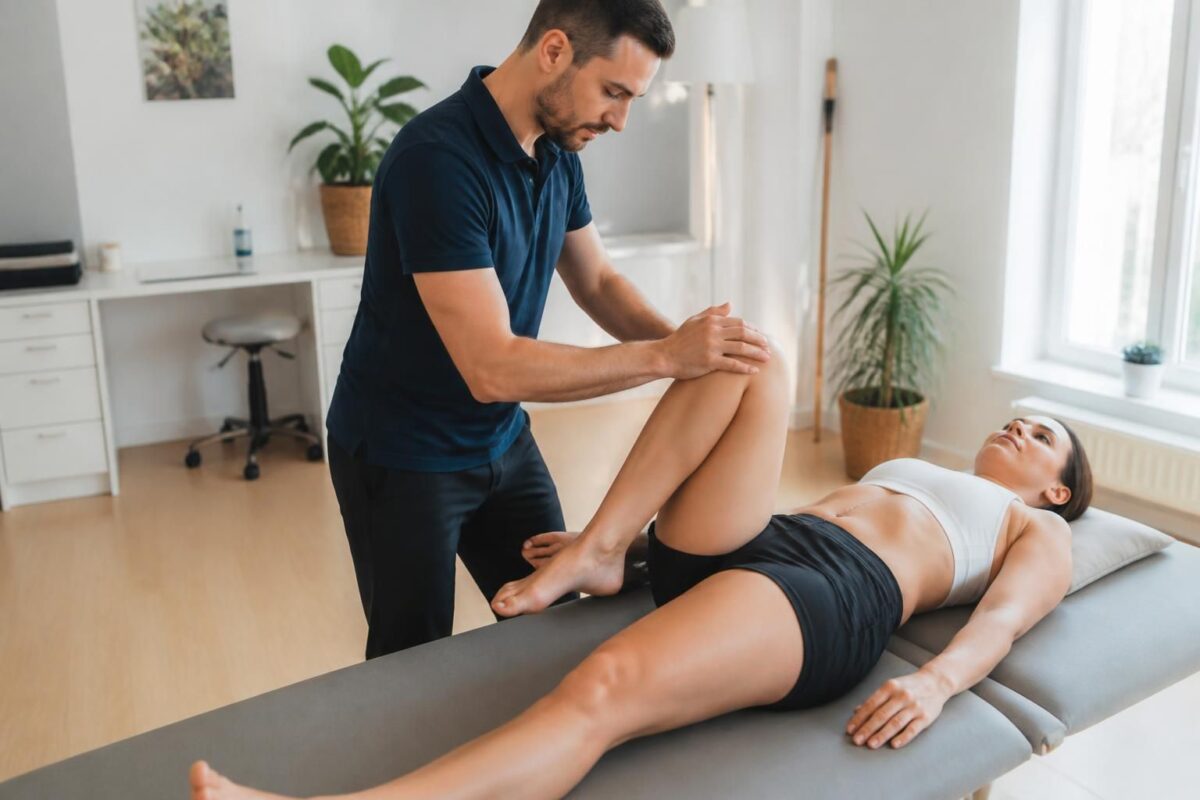
Postural osteopathic practice offers an overall assessment of the alignment of the body. The professional identifies the tension zones and malfunctions that slow down the rebalancing. thanks to Precise manual techniques and to appropriate postural advice, it aims to restore theBody alignment and promote spinal rebalancing. If necessary, he can refer to other professionals, for example a podiatrist, to consider orthopedic insoles that support the arch and improve body dynamics in the body chain.
Techniques and concrete actions
The Joint mobilizations and work on fascias and muscle chains Allows you to release mobility restrictions, release tension and improve synchronization of movements. The approach focuses on techniques non-invasive and sweet that adapt to each patient. At the same time, specific postural advice and guided exercises promote progressive and lasting correction of posture patterns, while strengthening the mechanisms of stabilization of the trunk and shoulders.
Postural hygiene and daily routine
To support the rebalancing, it is crucial to integrate simple habits into everyday life: adopt a neutral trunk position, ensure that the head on the neck and shoulders are aligned with the pelvis, and practicing active breaks during work periods. sedentary. Short targeted breathing and stretching exercises can release accumulated tension and prevent postural retreats. The ergonomics of the workstation, the choice of a suitable bed and postural micro-madjutes throughout the day complete the process.

Osteopathy and sports recovery: prepare the body for lasting performance
In short In short, Osteopathy and Sports recovery is one Global manual approach that sustainably prepares the body for the effort by restoring mobility and circulation After the effort. It is a discipline that acts on the sinews, the joints,…
Advantages and results
By directly attacking the underlying cause imbalances, postural osteopathy offers a Sustainable relief pain and tension. the techniques used, gentle and non-invasive, allow a gradual improvement in mobility and stability, while promoting a Correct alignment of the body. This work contributes to reducing unusual loads on joints and muscles, reducing the risk of recurrence and improving the quality of life on a daily basis.
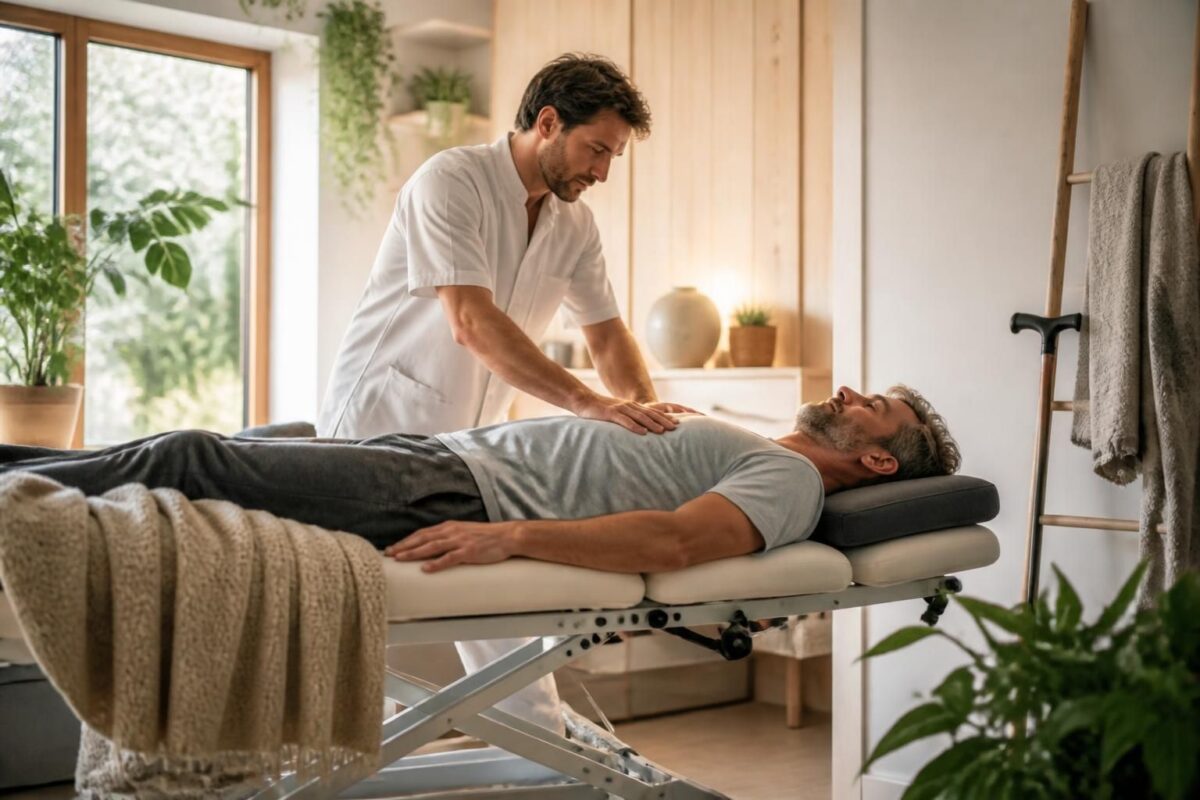
Why Osteopathy Is Essential For Recovery People
In short In short, Osteopathy in convalescence is an approach manual and holistic which helps to accelerate the recovery by restoring The balance, the mobility and a good circulation fabrics. it contributes to Reduce the pain, support the Back to…
Tips to get started
To maximize the results, combine an osteopathic consultation with continuous attention to your posture. Integrate targeted exercises, follow postural advice and adapt your work and rest environment. If discomfort persists, do not hesitate to request an in-depth evaluation to adjust the treatment plan and the preventive measures adapted to your morphology and your lifestyle.
| Aspect | Concise description |
|---|---|
| Main objective | Reduce voltages and restore thealignment overall body for a Stable posture. |
| initial assessment | Analysis of the Overall posture and asymmetries to target the areas to be rebalanced. |
| Manual techniques | Hands sweet and precise To release tension, reharmonize joints and improve mobility. |
| Postural advice | Advice postural and simple exercises to do at home. |
| Targeted corrections | Rebalancing of Muscle chains and vertebral segments for theSpinal Alignment. |
| Use of external supports | possible use of Orthopedic soles or devices adapted after evaluation. |
| Sessions and progress | adapted frequency and regular reassessments to follow the progress and adjust. |
| Expected results | reduction of aches, better mobility and Stable posture in the long term. |
| Intervention context | Approaches non-invasive and personalized, without acts surgical. |

Osteopathic manipulations to strengthen post-traumatic muscles
In short In short, Osteopathic manipulations for Strengthen post-traumatic muscles constitute a gentle manual approach aimed at restoring the mobility, reduce the pain and facilitate the Functional rehabilitation After a injury. What is Is it? A series of precise gestures…
Testimonials on osteopathic approaches to improve posture and reduce tension
Before, my posture was the source of pain in the lower back and tension in the shoulders. After a Postural osteopathic evaluation, the practitioner identified areas of tension and dysfunctions. thanks to Precise manual techniques And to postural advice, I found an alignment of the body and a Postural rebalancing of the spine.
As an athlete, I felt recurring pains that limited my performance. thePostural osteopathy targeted the underlying cause and offered me a Sustainable relief. The gestures are Soft and non-invasive, adapted to my practice and my feelings, and mobility has improved sustainably.
The advice and guided exercises allowed me to correct my habits and to rehabilitate my posture. I saw a better mobility And a reduction in muscle tension, especially around the spine, thanks to a global approach that takes into account each element of the body.
Sometimes the evaluation reveals that additional support is useful. Depending on the case, it may be recommended to Orthopedic soles To promote alignment and balance of the foot to the torso. These recommendations fit perfectly into a global approach to Postural rebalancing.
The Postural imbalances May trigger a chain of symptoms, ranging from chronic pain to musculoskeletal disorders. Bad habits, traumas or underlying pathologies can change the way the body stands and moves, creating persistent tensions that affect the back, shoulders and hips.
In this context, thePostural osteopathy Offers a global vision and support adapted to each individual. The approach aims to evaluate the posture as a whole, considering the alignment of the spine, pelvis, muscle chains and breathing. This assessment helps identify areas of tension, joint restrictions and functional imbalances that fuel pain and discomfort.
The Manual techniques used are not limited to treating a painful point. They target muscle chains, fascias and joints to restore thebalance and mobility. Through precise and personalized gestures, the osteopath seeks to release tension, improve the mobility of the spine and restore a harmonious posture. Postural education and practical advice in ergonomics and everyday gestures complete this work to promote a lasting rebalancing.
In addition to local gestures, the approach may include functional recommendations adapted to the patient’s lifestyle. If necessary, collaboration with external professionals is envisaged, in particular for the installation of orthopedic insoles or other aids adapted to walking and stability of the body. This coordination makes it possible to act on the root causes of imbalances and to optimize the results in the long term.
Sometimes, the integration of complementary technologies can facilitate the postural rebalancing process. Advanced modalities, used with discernment, can support recovery and accelerate tension reduction. The goal remains clear: Improve posture, Reduce tension and promote a better quality of life through a rigorous evidence-based approach and clinical practice.
The clear benefit of this approach is a Lasting pain relief and a gradual improvement in mobility. By acting on the causes and not only on the symptoms, postural osteopathy makes it possible to find a Balanced posture, reduce muscle tension and optimize the overall functioning of the body. Patients often notice better fluidity of movement, reduced fatigue and improved body performance on a daily basis.
For those who are considering an active and personalized approach, a consultation in osteopathy Postural offers a gateway to better alignment of the body and more effective pain management. At the TagMed Clinic, you can benefit from an assessment adapted to your situation and a care plan focused on the Well-being and sustainable health. Make an appointment to start this journey to a more aligned spine and less daily tension.
This article presents how the Osteopathic approaches can Improve posture and Reduce tension By acting on body imbalances. By evaluating overall alignment and muscle chains, the osteopath offers gentle manual techniques and postural advice to restore balance and prevent future pain. Complementary resources make it possible to deepen practices and benefits for daily life, rehabilitation and sport.

Osteopathy and prevention of work-related musculoskeletal disorders
In short theosteopathy is one Manual approach that restores body balance and prevents MSD related to work. Its advantages: reduction of tension, improvement of mobility and prevention of chronic pain. She is preventive and healing, suitable for office and trades…
Overall assessment and postural osteopathic diagnosis
The process begins with a Global posture analysis, in search of asymmetries and tension patterns that cross the whole body. The practitioner identifies the Sensitive areas and muscle chain dysfunctions, in order to target tensions and compensations that disrupt alignment. This approach makes it possible to determine the axes of correction and to establish a personalized treatment plan. To better understand the different osteopathic practices, consult this resource: Focus on the different osteopathic practices.

The benefits of osteopathy to treat muscle imbalances
In short theosteopathy is a manual approach to restore themuscle harmony and postural considering the body as a whole. Its main benefits include the reduction of aches and tensions, the improvement of the mobility and from the posture, and prevention…
Manual techniques and postural advice
The Manual techniques used in postural osteopathy are sweet, precise and adapted to each patient. They aim to free up malfunctions, to restore thealignment from the spine and joints, and to reduce muscle tension that sometimes extends to the neck, back or limbs. In addition, the practitioner gives advice postural And simple exercises to do on a daily basis to maintain the results. If necessary, it can direct towards professionals such as podiatrists for the installation of orthopedic insoles and optimize the rebalancing of the foot when walking. To deepen the techniques and their purpose, check out these useful resources: the osteopathic techniques used and why, The importance of posture in osteopathy.
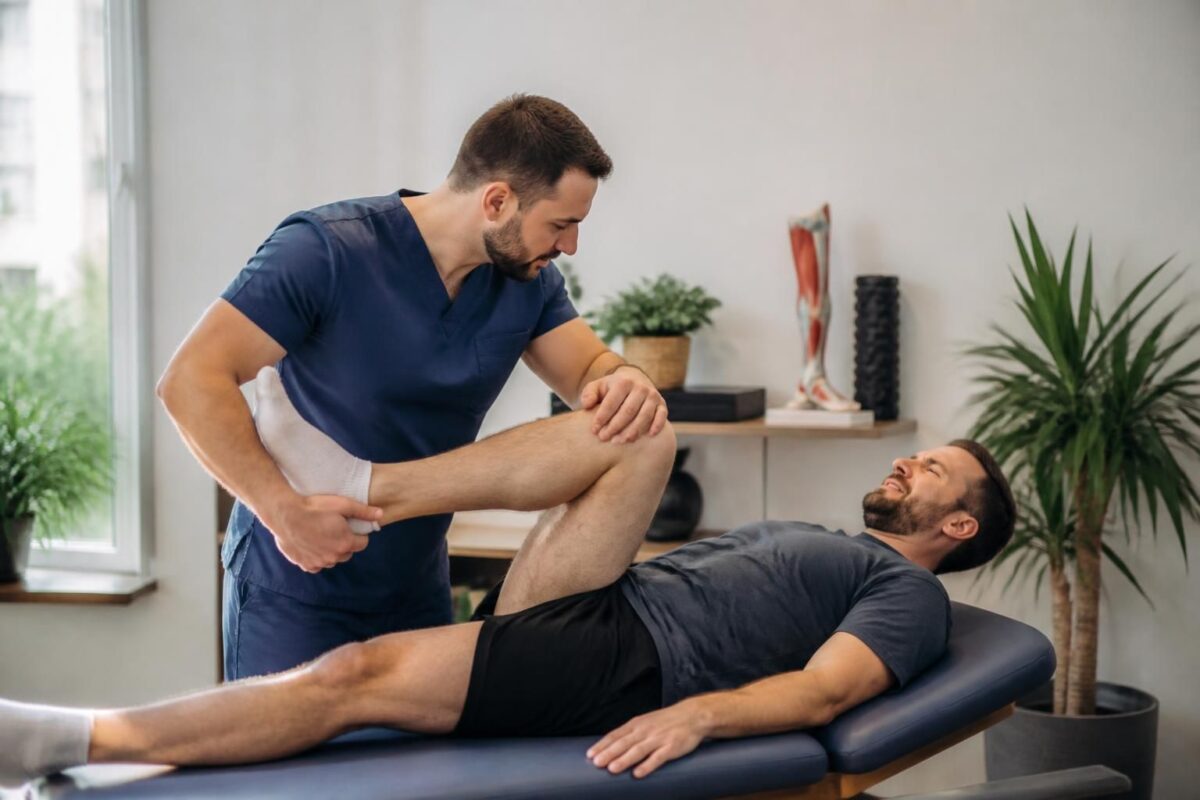
Osteopathy and chronic leg pain: regaining an optimal quality of life
In short In short, Osteopathy is one Global manual approach aimed at reducing Chronic leg pain and improve the quality of life. What is it? Non-drug therapy using the hands to identify restrictions and treat lesional chains. How does it…
Integration into daily life and prevention
One of the strengths of postural osteopathy lies in its preventive approach: by correcting imbalances and instilling a body consciousness, it helps to maintain a Sustainable balance and to limit recurrences of tension. Resources illustrate how osteopathy can be central in the rehabilitation phases and in the improvement of sports performance, while reducing the physical and mental stress associated with pain. To understand the contribution in different contexts, see: Why osteopathy is essential for people in rehabilitation, Why osteopathy is an essential approach for athletes, Manage pain through posture.
How osteopathy supports recovery after complex surgery
In short In short, Post-operative osteopathy is an approach fresh which supports the recovery After a Complex surgery. It helps to reduce the pain and the fatigue, improves the mobility and accelerates the healing thanks to a better vascularization and…
Resources and additional readings
To go further, explore resources that expose osteopathic practices, the benefits for athletes and the mechanisms through which the postural approach acts on the body and mind. For example: Focus on osteopathic practices, Osteopathy and leg pain – personalized care, Osteopathy and stress — a tool to soothe the body and mind.

Dr Sylvain Desforges, B.Sc., D.O., N.D., osteopath, is the founding president of TAGMED and of the ACMA association. He dedicates his practice to chronic spinal pain, low back pain and symptoms compatible with sciatica, particularly when pain radiates toward the buttock, leg, calf, foot or toes.
Through SOS Sciatique, he publishes educational content on sciatica symptoms, possible causes such as disc herniation, disc narrowing, foraminal stenosis or irritation of a lumbar nerve root, as well as non-surgical approaches that may be considered according to the evaluation. At Clinique TAGMED, care may include, depending on the case, motorized neurovertebral decompression, specific osteopathic care or precision percussion.
For an evaluation related to sciatica treatment in Montreal / Mount Royal or sciatica treatment in Terrebonne, please consult the services available at Clinique TAGMED.
Medical disclaimer
The information published on SOS Sciatique is provided for educational purposes only and does not replace a consultation, diagnosis, opinion or treatment provided by a physician or another authorized healthcare professional. The author of this article is neither a medical doctor nor a specialist in a medical specialty recognized by the Collège des médecins du Québec. The osteopathic, manual medicine or functional support approaches described on this site do not constitute medical acts and are not intended to replace medical follow-up.
Consult a physician or emergency service in cases of loss of bladder or bowel control, anesthesia in the saddle area, significant or progressive weakness in the leg or foot, fever, recent trauma, severe pain or rapid worsening of symptoms. For more details, please read our Legal Notice.