Osteopathy and muscle tension linked to repetitive activities
27/06/2026
How Osteopathy Helps Prevent Musculoskeletal Disorders
27/06/2026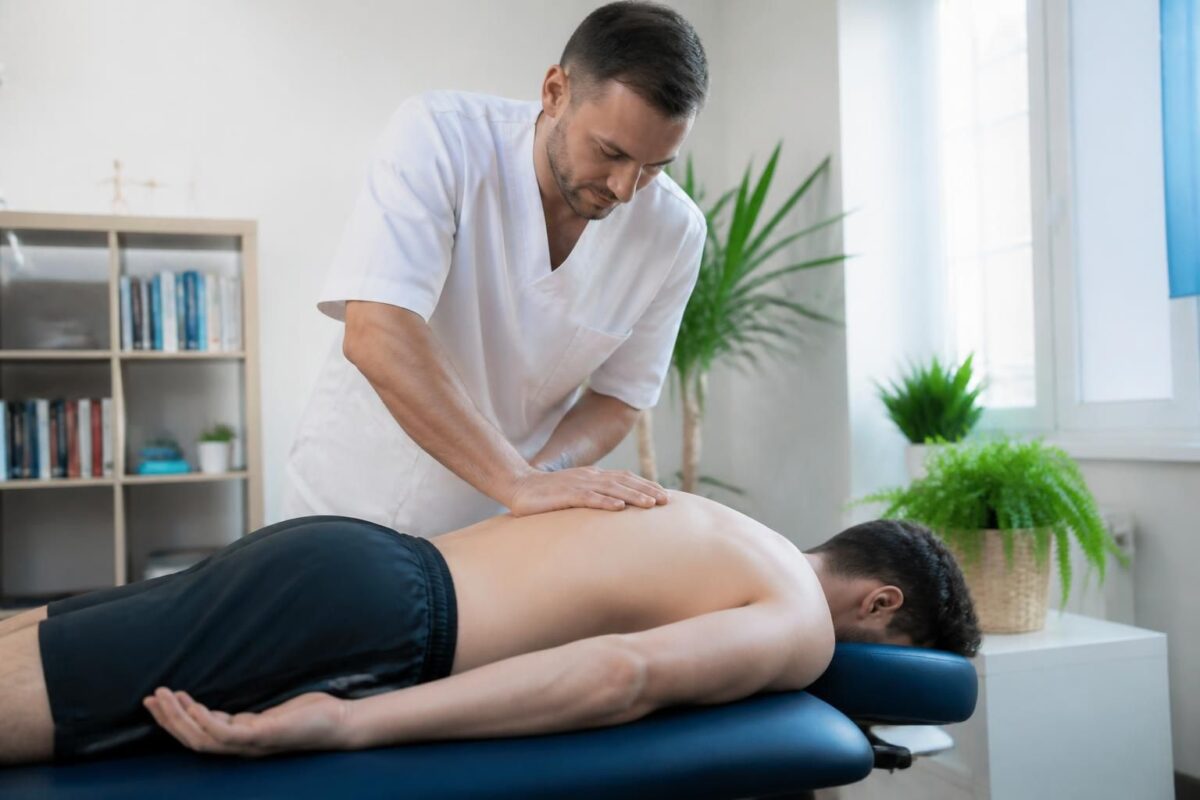
In short
In short, the Osteopathic manipulations represent a Non-invasive solution for the Recurrent back pain, especially the back pain. They aim to Restore mobility joints and tissue balance, reducing pain and improving function. accessible in Montreal, this treatment allows a Quick relief And better daily mobility, while tackling the causes to prevent recurrences. how it works: gentle and targeted techniques Release tension, rebalance the body and improve circulation, stimulating the body’s ability to heal itself and resume activity without medication or surgery. |
The Osteopathic manipulations constitute an approach non-invasive To treat the Recurrent back pain. They aim to restore the Joint mobility and LTissue balance by targeted techniques, also acting on posture and muscle tension. Beyond relief, they seek to prevent recurrences through an approach holistic and personalized that combines advice and adapted exercises; The results depend on each person but functional improvement and pain reduction are frequently observed.
This article, written by a health professional expert in osteopathy, presents osteopathic manipulations as an effective solution for treating recurrent back pain. It sets out the principles, techniques, effectiveness and follow-up modalities, while emphasizing a global and non-invasive approach.
Principle and mechanism
The Osteopathic manipulations aim to restore the Joint mobility and theTissue balance surroundings. They combine Joint techniques, myo-fascial and gentle mobilizations to reduce tension and improve circulation. This approach is based on a global body assessment, in order to identify the imbalances that fuel recurrent lower back pain. Specialized resources describe how these techniques can help Reduce joint inflammation and to regain mobility.
In practice, the osteopath examines movement patterns, tensions and postures. He then adapts the techniques to promote a gradual return to daily activities, without the use of invasive acts.
Efficiency and results
Clinical data indicates that osteopathic manipulations, when part of a global care plan, can significantly reduce pain and improve function in patients with recurrent back pain. Results published in specialized journals show a reduction in discomfort and a better ability to perform everyday actions after several sessions. The holistic approach also makes it possible to consider measures to prevent recurrences, in connection with general well-being and posture. For additional lighting, consult resources like Osteo Magazine and domain publications.
Techniques used and fields of application
The osteopathic techniques used for lower back pain are available in several families. The Joint mobilizations aim to restore mobility of the vertebral segments and peripheral joints. The Sweet mobilizations Target soft tissues and fascias, in order to reduce tension and improve circulation. the approaches myo-fascial Act on muscle tension and deep connectives to facilitate functional recovery. In some cases, visceral osteopathy can be used for pain related to abdominal dysfunctions, without prescription of exercises with a curative aim.
To explore these concepts, see the following resources: Osteopathic techniques to reduce joint inflammation, Pain related to bad postures, and Relieve joint pain without medication.
Integration, security and training
The practice is based on recognized training standards. Osteopathy professionals rely on courses validated by NUMSS and NAO, as well as by specific national organizations, such as the National University of Medical Sciences and the National Academy of osteopathy. On a professional level, osteopaths can collaborate with recognized associations such as ACMA and the College of Canadian Osteopaths, to ensure coordinated and secure patient care.
Prevention and follow-up
Beyond immediate relief, the objective is to prevent recurrences. The osteopathic treatment aims to rebalance the muscle chains and optimize the posture on a daily basis. Follow-up appointments make it possible to assess the evolution, to adjust the techniques and to integrate posture and lifestyle advice in line with individual needs. Online resources address the benefits of osteopathy for mobility and the reduction of joint inflammation and can serve as information carriers for patients.
Useful links and additional resources: Osteopathic techniques to reduce joint inflammation 2, Relieve joint pain without medication, and Osteopathy and bad postures. For clinical resources and details on associated therapeutic approaches, see also Tagmed Clinic and public information available.
“Medical disclaimer: The information and advice provided on this site does not replace the health professional’s benefit, diagnosis or treatment. Please note that Dr. Sylvain Desforges osteopath is neither a doctor of medicine nor a doctor, and is not a specialist in a medical specialty as defined by the Collège des Médecins du Québec. Manual medicine, functional medicine and sports medicine as described on this site exclude any medical treatment or diagnosis made by a doctor or specialist doctor. Always consult your doctor for any medical questions. For more details, please read our full legal notice. »
The content relating to the treatment of sciatica, when addressed in this context, sticks to general considerations without prescribing exercises or stretching in the context of specific protocols such as neurovertebral decompression or associated approaches. For more information, see Specialized resources available in authorized domains.
The contents and associations mentioned respect the professional executives in osteopathy and the references of training and authorized professional organizations. For any clinical questions, contact your health practitioner and refer to the sources mentioned above.
- Joint manipulations
- Sweet mobilizations
- Myo-fascial approaches
- Release of adhesions fabrics
- Visceral osteopathy Suitable for the back
- Functional assessment quick
- Personalized plan and adapted progression
- pain relief lumbar
- Mobility and amplitude found
- reduction of tensions muscular
- Prevention of recurrences by correcting imbalances
- Posture and alignment Improved
- Circulation and drainage Improved
- Daily activities and sports found

The Osteopathic manipulations offer a non-invasive and holistic approach to treating Recurrent back pain. By acting on the mobility of the joints, the balance of the tissues and the overall functioning of the body, they aim not only to relieve the pain, but also to prevent recurrences by better stability and self-management advice. This article offers practical recommendations to optimize the effectiveness of manipulations in the context of a back that suffers in cycles, with a personalized and progressive approach.
Understanding the objectives of osteopathic manipulations
Osteopathic manipulations are part of a logic overall : they aim to restore the mobility lumbar and dorsal regions, to balance muscular and fascial tensions, and to improve local circulation. The objective is to reduce pain while restoring full functionality, in order to limit the factors that fuel repeated episodes. Taking postural habits and daily movements into account makes it possible to treat the underlying causes rather than to be limited to the only symptom.

How osteopathy improves the quality of life of active people
In short In short, theosteopathy is a global approach that Optimizes mobility and the function of the body of ACTIVE PEOPLE, for a better quality of life. It helps prevent injury and reduce Musculoskeletal pain While promoting the Sports recovery.…

Osteopathy and sports recovery: prepare the body for lasting performance
In short In short, Osteopathy and Sports recovery is one Global manual approach that sustainably prepares the body for the effort by restoring mobility and circulation After the effort. It is a discipline that acts on the sinews, the joints,…
Establish a suitable treatment plan
For recurring pain, an individualized plan begins with a initial assessment sharp areas of pain, mobility limitations and triggering factors (posture, physical activity, stress). The treatment combines Osteopathic techniques targeted and exercises to be performed at home. The objective is to restore a stable basis, strengthen the support muscles and teach the patient gestures that maintain the results between sessions. Progress is based on progressive and measurable objectives, adjusted according to the patient’s response.
Why Osteopathy Is Essential For Recovery People
In short In short, Osteopathy in convalescence is an approach manual and holistic which helps to accelerate the recovery by restoring The balance, the mobility and a good circulation fabrics. it contributes to Reduce the pain, support the Back to…

Osteopathic manipulations to strengthen post-traumatic muscles
In short In short, Osteopathic manipulations for Strengthen post-traumatic muscles constitute a gentle manual approach aimed at restoring the mobility, reduce the pain and facilitate the Functional rehabilitation After a injury. What is Is it? A series of precise gestures…
Relevant osteopathic techniques
Joint mobilizations and manipulations
These techniques aim to reacquire a normal range of motion and release joint blockages. They are applied in such a way Soft and suitable, taking into account the patient’s tolerance and any possible discomfort. Used wisely, they promote a faster return to daily activities without excessive pain.
Myofascial release
The release of fascias and muscle tensions reduces adhesions and tightening areas that limit movement. This approach contributes to a lasting improvement flexibility and better circulation of tissue fluids, facilitating recovery between sessions.
Visceral approaches and other specialized techniques
According to the evaluation, osteopathic techniques focused on organs and diaphragms can be considered to help relax tensions related to the trunk and breathing. Osteopathy can also associate methods targeted at deep structures and superficial planes, always in a logic secure and personalized.

Osteopathy and prevention of work-related musculoskeletal disorders
In short theosteopathy is one Manual approach that restores body balance and prevents MSD related to work. Its advantages: reduction of tension, improvement of mobility and prevention of chronic pain. She is preventive and healing, suitable for office and trades…

The benefits of osteopathy to treat muscle imbalances
In short theosteopathy is a manual approach to restore themuscle harmony and postural considering the body as a whole. Its main benefits include the reduction of aches and tensions, the improvement of the mobility and from the posture, and prevention…
Integration and prevention
Beyond the sessions, theself-management is essential. Strengthening, stretching and lumbar stability exercises should be integrated on a daily basis, accompanied by advice postural and ergonomics at work. A possible collaboration with a physiotherapist can strengthen the interview program, optimize the results and reduce the risk of recurrence in the long term.
Osteopathy and chronic leg pain: regaining an optimal quality of life
In short In short, Osteopathy is one Global manual approach aimed at reducing Chronic leg pain and improve the quality of life. What is it? Non-drug therapy using the hands to identify restrictions and treat lesional chains. How does it…
How osteopathy supports recovery after complex surgery
In short In short, Post-operative osteopathy is an approach fresh which supports the recovery After a Complex surgery. It helps to reduce the pain and the fatigue, improves the mobility and accelerates the healing thanks to a better vascularization and…
When to consult or guide
Quickly consult if there are warning signs (acute pain isolated with loss of mobility, fever, marked deviation of the spine, sequelae pain before or after a trauma). In the presence of persistent pain despite an appropriate plan, it may be necessary to adjust the techniques, to evaluate other sources and, if necessary, to direct towards additional expertise.
Comparative table of osteopathic manipulations for recurrent back pain
| Aspect | Concise description |
|---|---|
| main technique | The Joint manipulations and the Myofascial techniques Target mobility and tensions with a gentle approach. |
| Objective | reduce pain and restore a mobility lumbar while correcting imbalances. |
| Benefits for recurrent low back pain | Functional improvement and lasting pain reduction through an approach holistic and preventive. |
| Speed and progress | Typical results after 2 to 4 sessions, with appropriate progression depending on the patient’s response. |
| Safety and contraindications | non-invasive and safe treatment; Possible adaptation or suspension according to the contraindications. |
| Recommended frequency | Regular sessions over several weeks, then monthly or bi-monthly interview as needed. |
| Approach | A holistic approach and targeted interventions on painful areas. |
| Accessibility and cost | local clinic services; Cost depends on protocol and number of sessions. |
| therapeutic complementarity | to associate with the physiotherapy and other treatments to optimize recovery and prevent recurrences. |
Testimonials on osteopathic manipulations for recurrent back pain
“Before each episode, I felt a Sharp lower back pain which blocked my movements. After a few sessions of Osteopathic manipulations, I noticed a rapid decrease in pain and a more fluid recovery of my daily gestures. It is not a one-time solution: it is an approach that helps me prevent recurrences and find a Sustainable mobility.
“My Recurrent lower back pain returned without warning, especially after sport or long sitting days. Osteopathy sessions gave me relief non-invasive and a feeling of tension repair. Today, I feel less tension and I can resume my activities without fear of relapse. The Manual techniques directly target blocked areas and rebalance the body.
“As an athlete, my Recurrent back pain impacted my performance and my sleep. The Osteopathic manipulations have improved my mobility and my recovery. Since then, my sessions also serve as prevention, and I note a Reduction of painful episodes and better efficiency during training. It’s an approach Soft, efficient and adapted to my pace.
“After years of pain and medication, I discovered an approach that works on the causes and not just the symptoms. The Osteopathic manipulations allowed me to reduce the intensity of the pain and to find a more balanced posture. I sleep better and I’m less irritated by everyday efforts. This is a solution that supports me in the long term management of Recurrent back pain.
“I was mainly looking for a method non-invasive to manage my lower back pain. The osteopathy sessions brought me a Functional improvement Tangible: less pain, more flexibility and better body responsiveness. Today, each episode takes me less time to pass and I am able to resume my activities more quickly, with a Effective prevention recurrences.
“When the pain reappears, I know that the Osteopathic manipulations can restore control. therapists focus on the structure and function body and adapt the treatment to my needs. In a few sessions, I notice a Significant pain reduction And an improvement in my mobility, which allows me to continue practicing my hobbies without fear of a new episode.
the journey of Dr. Sylvain Desforges, expert in osteopathy, naturopathy and manual medicine, illustrates an integrated approach to Recurrent back pain. Armed with technical know-how and attentive listening, it offers a method focused on sustainable relief and improving the quality of life of patients. Its action is part of a logic of care based on evidence, with particular attention paid to the prevention of recurrences and the functional rehabilitation of the back.
The Osteopathic manipulations constitute an approach holistic which aims to restore the Joint mobility and the balance of the surrounding tissues. For recurrent lower back pain, they are based first on a Accurate evaluation Postural patterns, muscle tension and movement restrictions. This analysis makes it possible to identify the underlying causes and to adjust the techniques according to the patient, in order to target both symptoms and structural dysfunctions.
Dr. Desforges’ intervention protocol associates Joint mobilizations, Myo-fascial techniques and Release Techniques Adhesions, complementary to work on posture and muscle chains. This synergy aims to release tension, improve circulation and restore a normal range of motion. In practice, the sessions are directed towards a Feature found: to be able to bend, get up and practice everyday gestures without significant pain.
Beyond simple pain reduction, Dr. Desforges favors a Custom support which includes advice postural, stretching and reinforcement exercises to be performed at home. This proactive approach aims to stabilize progress, prevent recurrences and promote active patient participation in their healing journey. In some cases, non-invasive supplements may be considered to optimize decompression and relaxation of nerve and muscle structures.
As Founding President of TagMed Clinics and the ACMA Association, Dr. Desforges is committed to disseminating high quality clinical practices and a culture of innovation. His approach integrates the use of tools and technologies that support manual manipulations and enrich the therapeutic range available for lower back pain. This vision centers intervention on the individual and on prevention, in order to reduce the impact of recurring pain on professional and personal life durably.
Osteopathic manipulations, practiced in a multimodal and patient-centric logic, are presented as an effective option for relieving low back pain, restoring mobility and improving functional capacity. They are ideally integrated into a global health approach, which can include nutritional advice, specific exercises and, when necessary, coordination with other health professionals to optimize results.
To deepen the approach and services offered by TagMed, professionals and patients can explore the resources available within the associated structures and within their care network.
This article concludes that the Osteopathic manipulations represent an effective and appropriate approach to treat recurrent back pain. By acting on the mobility of the joints, the relaxation of tensions and the balance of the tissues, they aim to reduce pain, restore function and prevent recurrences, all in a logic non-invasive and holistic. Their effectiveness is especially seen when they are part of a multimodal and personalized care plan, taking into account the particularities of each patient and their postural habits.
The Osteopathic techniques address the root causes of back pain by promoting mobility joint and the balance of surrounding tissues. By Joint mobilizations, of Myo-fascial techniques And gentle approaches, osteopathy helps release tension, improve circulation and support the body’s natural recovery mechanisms. This approach preventive aims to limit painful episodes and maintain a quality of life active in the long term. To understand how these mechanisms fit into a real care setting, you can consult resources that explain the interest of osteopathy after surgery and its role in improving posture and balance, for example right here.
In the context of recurrent pain, the osteopathic approach favors a Overall assessment of the patient and a treatment plan personalized. This approach makes it possible to adjust the techniques according to the patient’s profile and the contributing factors (posture, activity, stress, movement habits). His character non-invasive and centered on prevention In fact, an ideal option to limit recurrences and promote a resumption of daily activities without lasting pain. To learn more about the links between osteopathy, posture and balance, see this resource.
It is also important to consider osteopathy as part of a therapeutic framework multidisciplinary. Depending on the clinical picture, it can be associated with other physical approaches, such as physiotherapy, to optimize functional recovery and reduce drug dependence. Specialized journals and articles emphasize that osteopathy can complement conventional care and improve parameters such as pain, mobility and impact on daily life. For an overview of the benefits in the context of Chronic pain, you can refer to recent analyzes and guidelines that support the integration of OST in the care pathway.
To better understand the exact benefits and potential limits of osteopathy in the management of recurrent back pain, it is useful to consult synthetic and quality resources. For example, analyzes and guides dedicated to osteopathy and back pain present favorable conclusions when the OST intervention is adapted to the individual context and combined with a program of exercises and postural advice. To deepen this aspect, see this article.
Finally, the prevention of recurrences requires proactive and lasting treatment, including targeted exercises and lifestyle recommendations. For additional information on osteopathic mechanisms and techniques, find out via dedicated resources and recent publications on OST and back pain. For example, specialized journals and publications discuss the efficacy and place of OST in treatment protocols for back pain and back pain, as described in the following sources: Osteopath Paris and osteopath lib.
To go further in understanding the mechanisms and results of osteopathic manipulations on the back, you can also explore the resources that expose the recent innovations and the functional benefits of OST, particularly in terms of pain reduction and mobility improvement. Recent articles and studies shed light on the overall effectiveness and the evolution of the techniques used for back pain, and on their integration into the daily practices of osteopaths.

Dr Sylvain Desforges, B.Sc., D.O., N.D., osteopath, is the founding president of TAGMED and of the ACMA association. He dedicates his practice to chronic spinal pain, low back pain and symptoms compatible with sciatica, particularly when pain radiates toward the buttock, leg, calf, foot or toes.
Through SOS Sciatique, he publishes educational content on sciatica symptoms, possible causes such as disc herniation, disc narrowing, foraminal stenosis or irritation of a lumbar nerve root, as well as non-surgical approaches that may be considered according to the evaluation. At Clinique TAGMED, care may include, depending on the case, motorized neurovertebral decompression, specific osteopathic care or precision percussion.
For an evaluation related to sciatica treatment in Montreal / Mount Royal or sciatica treatment in Terrebonne, please consult the services available at Clinique TAGMED.
Medical disclaimer
The information published on SOS Sciatique is provided for educational purposes only and does not replace a consultation, diagnosis, opinion or treatment provided by a physician or another authorized healthcare professional. The author of this article is neither a medical doctor nor a specialist in a medical specialty recognized by the Collège des médecins du Québec. The osteopathic, manual medicine or functional support approaches described on this site do not constitute medical acts and are not intended to replace medical follow-up.
Consult a physician or emergency service in cases of loss of bladder or bowel control, anesthesia in the saddle area, significant or progressive weakness in the leg or foot, fever, recent trauma, severe pain or rapid worsening of symptoms. For more details, please read our Legal Notice.